Concealer vs Foundation: What’s the Difference?

If you're trying to understand concealer vs foundation, you're not alone.
Many people are unsure which product they need, how they differ, and whether they should use one or both. This guide will help clear up that confusion.
In this article, you'll learn what concealers and foundations do, their key differences, when to use each one, and how to use them together for the best results.
I've spent time reviewing makeup techniques and product guides to create a practical, easy-to-follow resource you can trust.
By the end, you'll have a clear answer to the concealer vs foundation question and feel more confident choosing the right product for your needs.
What Is Foundation?
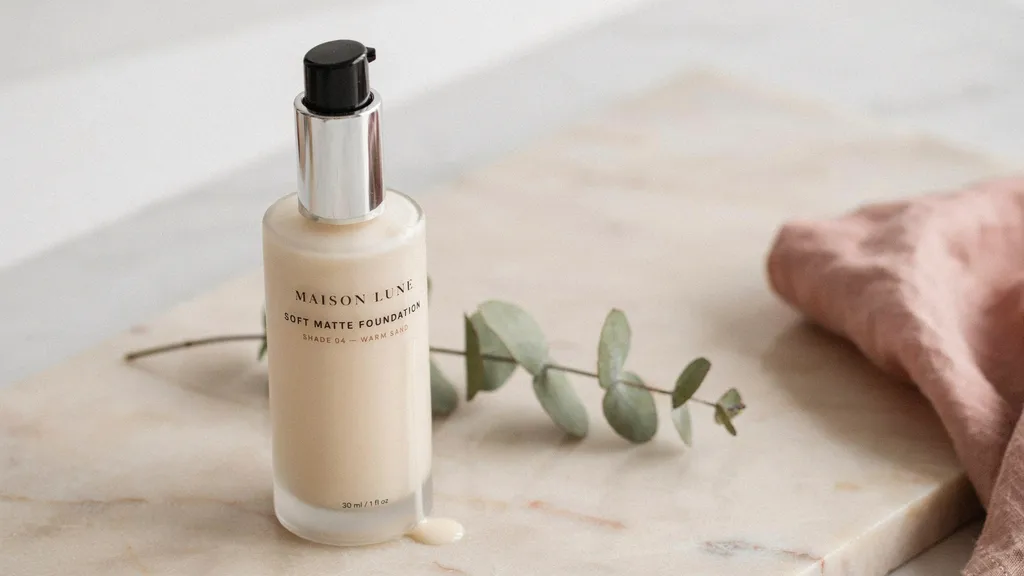
Foundation is a makeup product designed to create an even base across the face.
It helps smooth out differences in skin tone and provides a uniform appearance before applying other makeup products.
The main purpose of foundation is to improve the overall look of the skin by creating a balanced complexion.
It can help reduce the appearance of redness, discoloration, and uneven tone while providing a smooth canvas for makeup.
What Is Concealer?
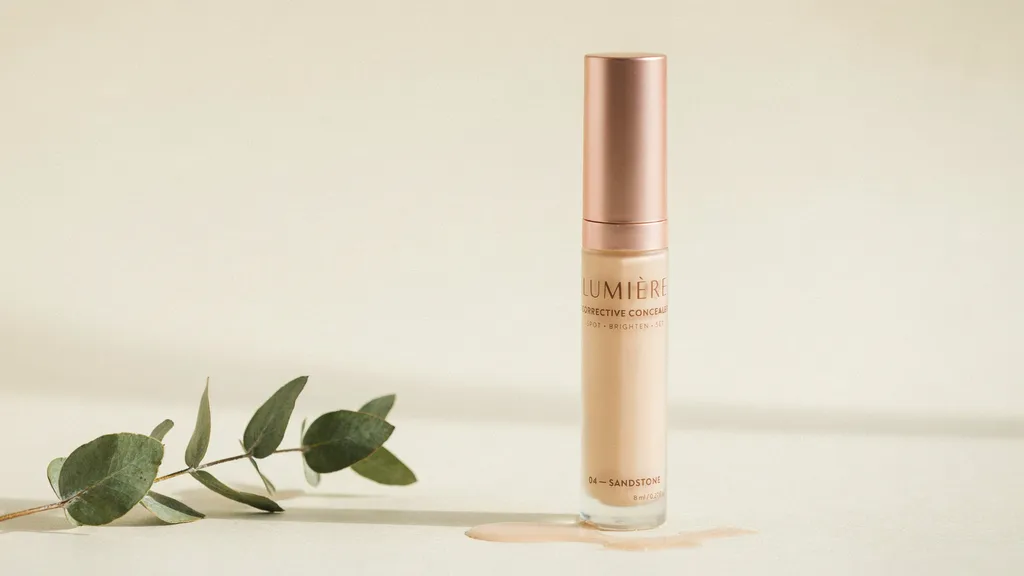
Concealer is a concentrated makeup product used to cover specific areas of the face that need extra attention.
Concealer is designed to hide imperfections such as dark circles, blemishes, redness, and discoloration. It provides targeted coverage where foundation alone may not be enough.
Unlike foundation, concealer is applied only to certain areas. Its thicker formula allows it to provide additional coverage without needing to apply more product across the entire face.
Concealer vs Foundation: The Main Differences
Although both products help improve the appearance of the skin, they serve different purposes.
A side-by-side comparison can make the differences easier to understand.
| Feature | Foundation | Concealer |
| Primary Purpose | Creates an even complexion | Covers specific imperfections |
| Coverage Area | Entire face | Targeted areas |
| Formula | Lightweight to medium | More concentrated |
| Coverage Level | Light to full | Medium to full |
| Best For | Uneven skin tone | Dark circles, blemishes, redness |
| Shade Choice | Matches skin tone | Matches or slightly lighter |
| Application | Larger areas | Small areas |
When Should You Use Foundation?
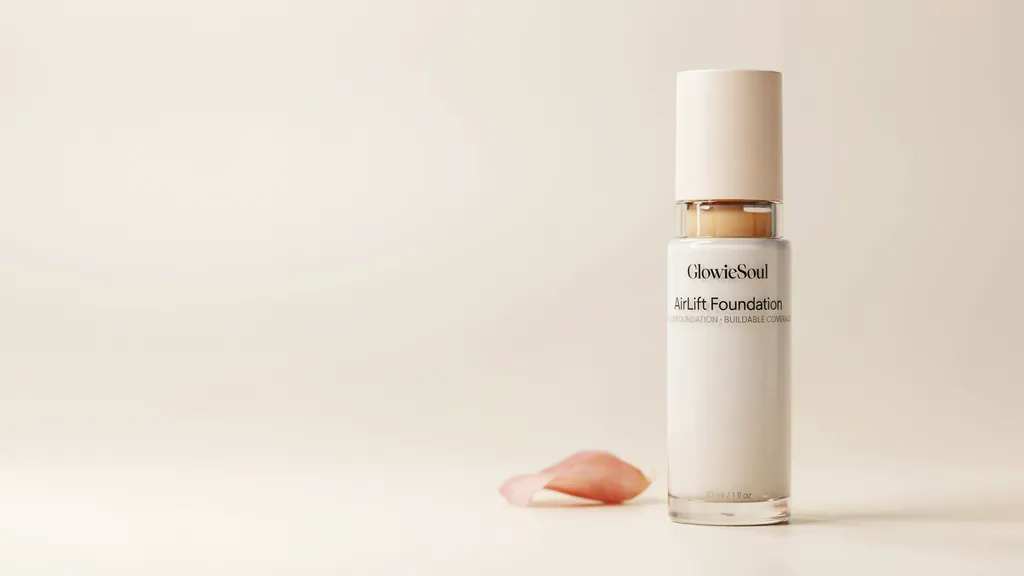
Foundation is often the first step when creating a smooth and even makeup base. It helps unify the appearance of the skin and provides a canvas for the rest of your makeup.
Creating an Even Skin Tone
Foundation helps reduce visible differences in skin tone caused by redness, discoloration, or uneven pigmentation.
It creates a more balanced complexion without focusing on individual imperfections.
Covering Large Areas of the Face
When you need coverage across the cheeks, forehead, nose, and chin, foundation is usually the better option.
Applying concealer over large areas can look heavy, while foundation spreads evenly and blends more naturally.
Building a Makeup Base
A well-applied foundation creates a smooth surface for products such as blush, bronzer, and highlighter.
It can also help makeup blend more evenly and look more polished throughout the day.
Achieving Different Coverage Levels
Foundations come in light, medium, and full-coverage formulas. This flexibility allows you to create anything from a natural everyday look to a more perfected finish for special occasions.
When Should You Use Concealer?

Concealer works best when you need additional coverage in specific areas. It is designed to target concerns that foundation may not fully cover.
Covering Dark Circles
Concealer can brighten the under-eye area and reduce the appearance of dark shadows. A properly chosen shade can help make the eyes look more refreshed and awake.
Hiding Blemishes and Acne Marks
Because concealer contains more pigment, it can effectively cover blemishes, acne scars, and redness. Applying it only where needed helps maintain a natural finish.
Brightening Specific Areas
Many makeup users apply concealer to areas they want to highlight, such as under the eyes, the center of the forehead, the bridge of the nose, and the chin.
Spot Correcting Imperfections
Concealer allows for precise application on small areas without affecting the rest of your makeup. This makes it ideal for covering individual imperfections.
Can You Use Concealer Without Foundation?
Yes, many people prefer wearing concealer without foundation for a lighter, more natural appearance. This approach is often called spot concealing.
Situations Where Concealer Alone Works Well
Concealer alone works well when your skin tone is generally even and you only need coverage in a few areas. It can be a quick option for busy mornings or minimal makeup looks.
Benefits of Spot Concealing
Spot concealing uses less product and allows more of your natural skin to show through. It can feel lighter on the skin while still covering areas of concern.
Tips for a Natural Look
Choose a concealer that closely matches your skin tone and blend the edges carefully. Applying thin layers and building coverage gradually can help create a seamless finish.
Can You Use Foundation Without Concealer?
Absolutely. Foundation alone is often enough for many everyday makeup routines, especially when minimal coverage is needed.
When Foundation Alone Is Enough
If your primary goal is to even out skin tone and you do not have noticeable blemishes or dark circles, foundation may provide all the coverage you need.
Coverage Expectations
While foundation can improve the overall appearance of the skin, it may not completely hide darker discoloration or more prominent blemishes. In these cases, concealer may still be helpful.
Achieving a Simple Everyday Look
A light layer of foundation can create a fresh and polished appearance without requiring multiple products. This makes it a popular choice for everyday wear.
How to Use Concealer and Foundation Together
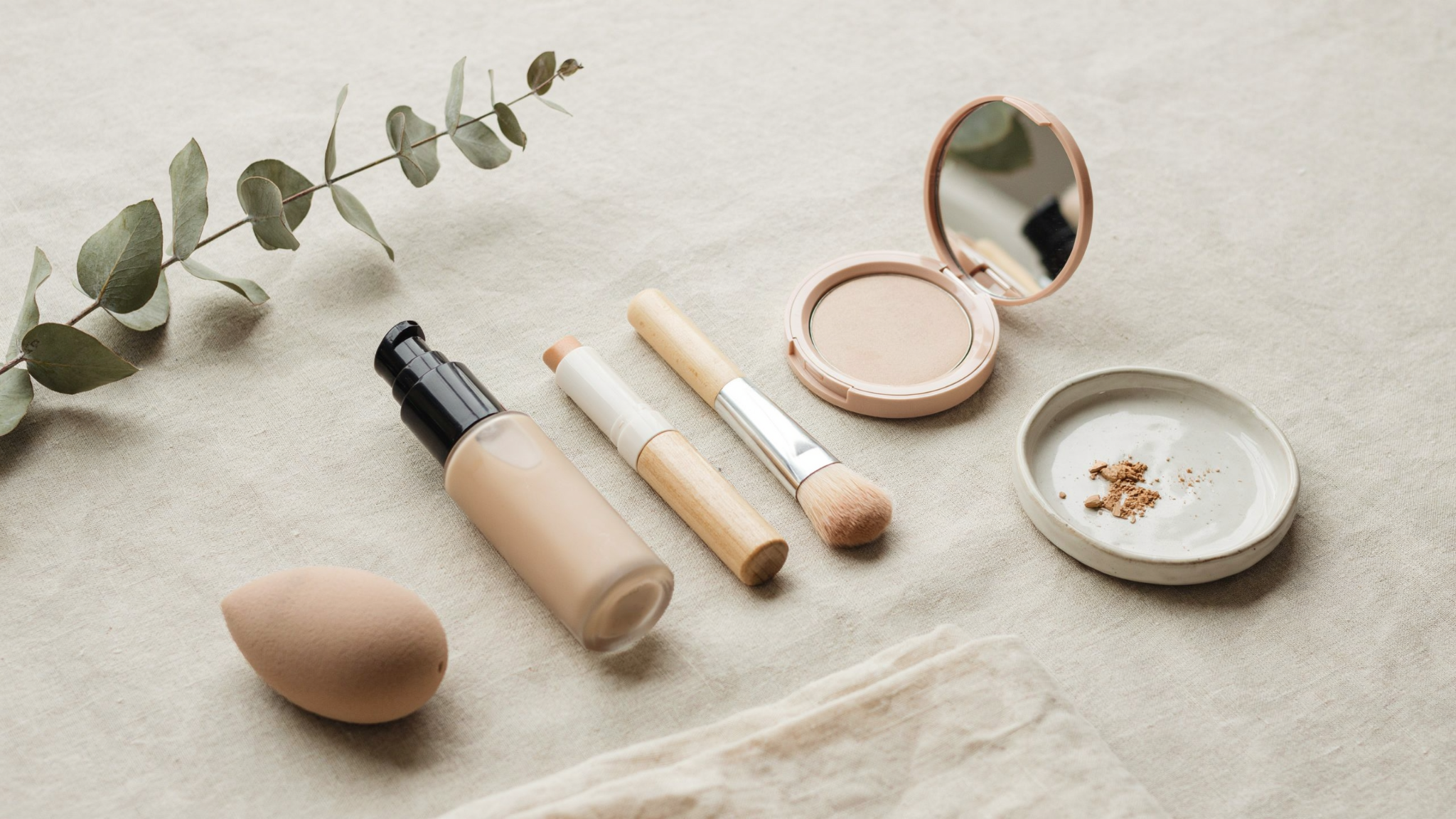
Using both products can provide balanced coverage while maintaining a natural appearance. Foundation creates the base, and concealer adds extra coverage where needed.
Step 1: Prep Your Skin
Start with clean skin and apply moisturizer. If desired, use a primer to create a smoother surface and help makeup last longer.
Step 2: Apply Foundation
Apply foundation evenly across the face using a brush, sponge, or fingertips. Begin with a small amount and build coverage gradually.
Step 3: Apply Concealer Where Needed
Apply concealer to dark circles, blemishes, redness, or other areas that need additional coverage. Use only as much product as necessary.
Step 4: Blend Everything Together
Blend carefully so there are no harsh lines between the foundation and concealer. Gentle tapping motions often create the best results.
Step 5: Set Your Makeup
Apply a light layer of setting powder if desired. This can help reduce shine and improve the longevity of your makeup.
How to Choose the Right Products
Selecting the right products can make makeup application easier and help achieve better results.
Choosing Foundation for Your Skin Type
- Dry Skin: Hydrating or dewy foundations can help maintain moisture and reduce the appearance of dry patches.
- Oily Skin: Matte and oil-free formulas can help control excess shine.
- Combination Skin: Balanced liquid foundations often work well across different areas of the face.
- Sensitive Skin: Fragrance-free and lightweight formulas may help reduce irritation.
Choosing Concealer for Your Skin Concerns
Different concerns may benefit from different concealer formulas.
- Dark circles often respond well to hydrating liquid concealers.
- Blemishes usually benefit from fuller-coverage formulas.
- Redness may be improved with color-correcting products.
Tips for the Best Results
A few simple habits can improve your makeup application significantly.
- Start With Less Product: Applying a small amount first gives you more control over the final result.
- Build Coverage Gradually: Thin layers are easier to blend and often look more natural than thick layers.
- Use the Right Tools: Different tools create different finishes, so choose the one that matches your desired look.
- Blend in Natural Light: Natural lighting helps reveal areas that may need additional blending.
- Set Makeup Properly: A light setting powder or setting spray can help improve wear time and maintain a fresh appearance throughout the day.
Conclusion
Understanding concealer vs foundation becomes much easier once you know what each product is designed to do.
If there's one thing I've noticed, it's that using the right product for the right purpose often creates a more natural and comfortable look.
Imagine simplifying your routine and feeling confident about every makeup choice you make. If you prefer foundation, concealer, or both, the best option is the one that fits your needs.
If this guide helped, leave a comment, share it with a friend, or explore more beauty and makeup tips.
Frequently Asked Questions
Is concealer better than foundation?
Neither product is better than the other. They serve different purposes and often work best when used together.
Do I need both concealer and foundation?
Not always. Some people use only foundation, while others prefer concealer alone for targeted coverage.
Which should I apply first, concealer or foundation?
Most makeup artists recommend applying foundation first. This helps reduce the amount of concealer needed afterward.
Can concealer replace foundation completely?
Yes, if you only need coverage in a few areas. Spot concealing can create a natural look with less product.
How do I choose between concealer and foundation?
Consider your coverage needs. Foundation works best for overall skin tone, while concealer targets specific concerns.