Do Eyelashes Shed? Causes, Cycles & When to Worry

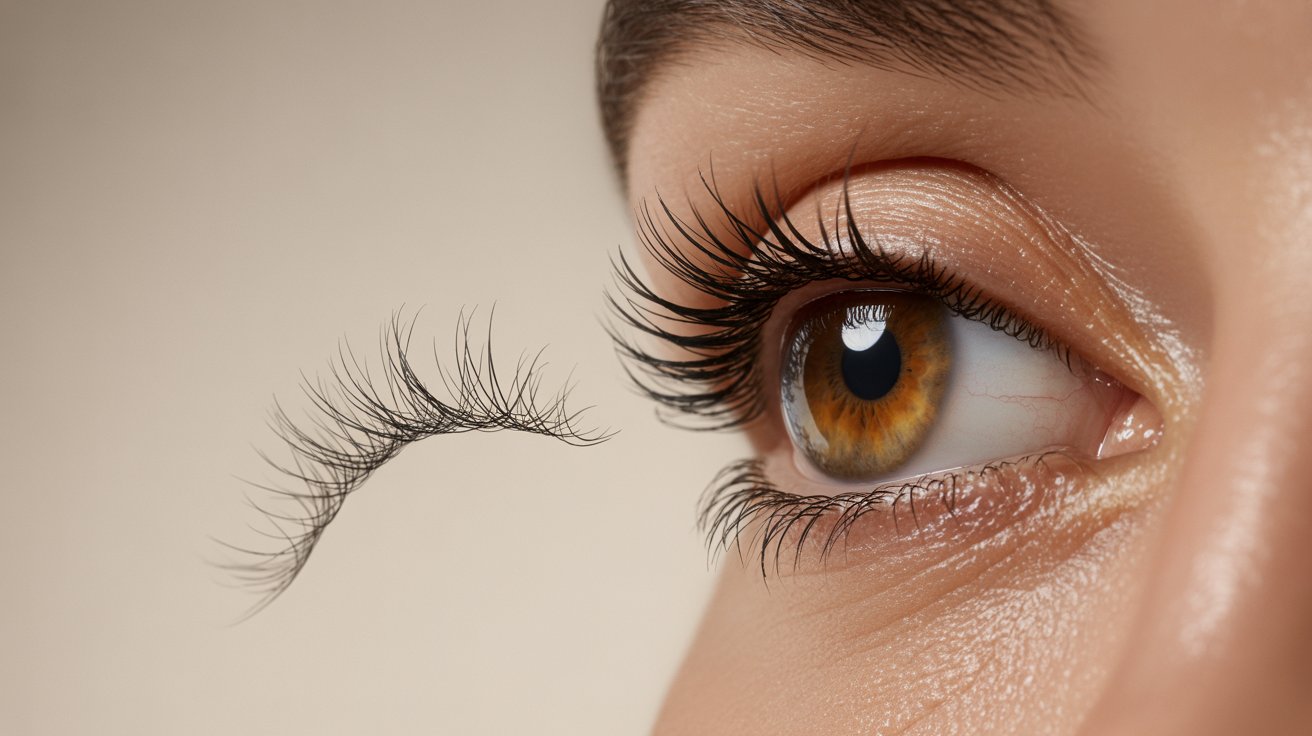
Have you ever spotted a stray eyelash on your pillow or noticed one sitting at the edge of your sink?
It can feel a little unsettling at first. But here is the truth: eyelashes shed naturally, just like the hair on your head.
Most of the time, there is nothing to worry about. Your lashes go through a regular growth cycle, and losing a few is completely normal.
But sometimes, shedding can mean something more.
Let’s look at what’s really going on.
Do Eyelashes Shed Naturally?
Yes, eyelashes shed on their own, and it is a completely healthy process. Your lashes do not just sit there forever.
They grow, rest, and fall out in a steady cycle, much like the hair on your head.
Most people never notice this happening. Without lash extensions, a single fallen lash is easy to miss.
How Many Eyelashes Do You Lose Per Day?
On average, people lose between 1 and 5 eyelashes each day. That number sounds small because it is.
Your lashes follow a growth cycle that lasts around 60 to 90 days. Each lash grows on its own timeline, which means fresh ones are always coming in as old ones fall out.
That is exactly why you never go bald around the eyes. The cycle keeps running in the background, quietly and consistently, without you ever having to think about it.
Understanding the Eyelash Growth Cycle
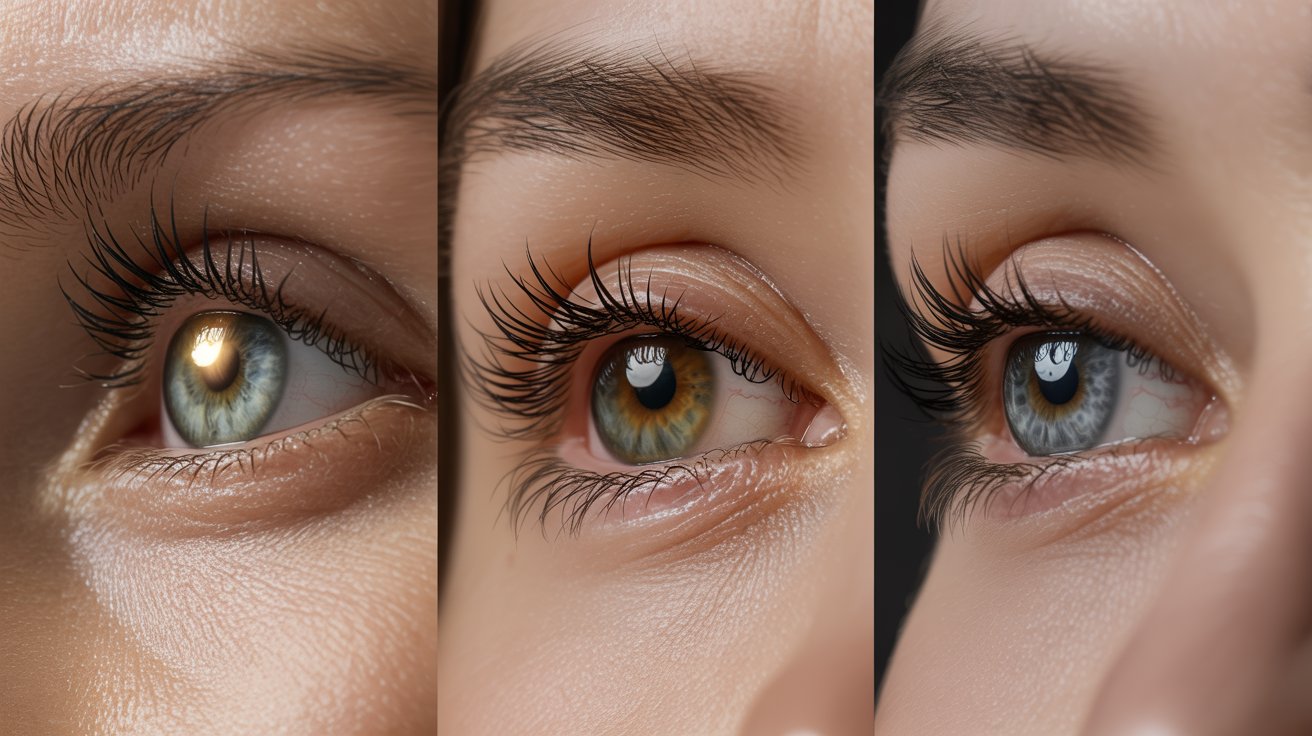
Your eyelashes go through three distinct stages before they shed. Knowing each stage helps you understand why lash loss is a normal part of life.
Anagen Phase (Growth Stage)
This is where it all starts. During the anagen phase, your lash is actively growing. The follicle is strong and healthy, and the lash is firmly attached.
This is also the best time for lash extensions to hold well, since the base is stable and secure.
Catagen Phase (Transition Stage)
Once the lash reaches its full length, growth slows down. The follicle begins to shrink, and the lash gets ready to rest.
No new growth happens during this stage. The lash simply sits and waits for the next step.
Telogen Phase (Shedding Stage)
This is the final stage. The mature lash naturally falls out as a new one starts forming beneath it.
The new lash physically pushes the old one out of the follicle. It is not damaged. It is just the body doing exactly what it is supposed to do.
Why Are My Eyelashes Falling Out? (Common Causes)
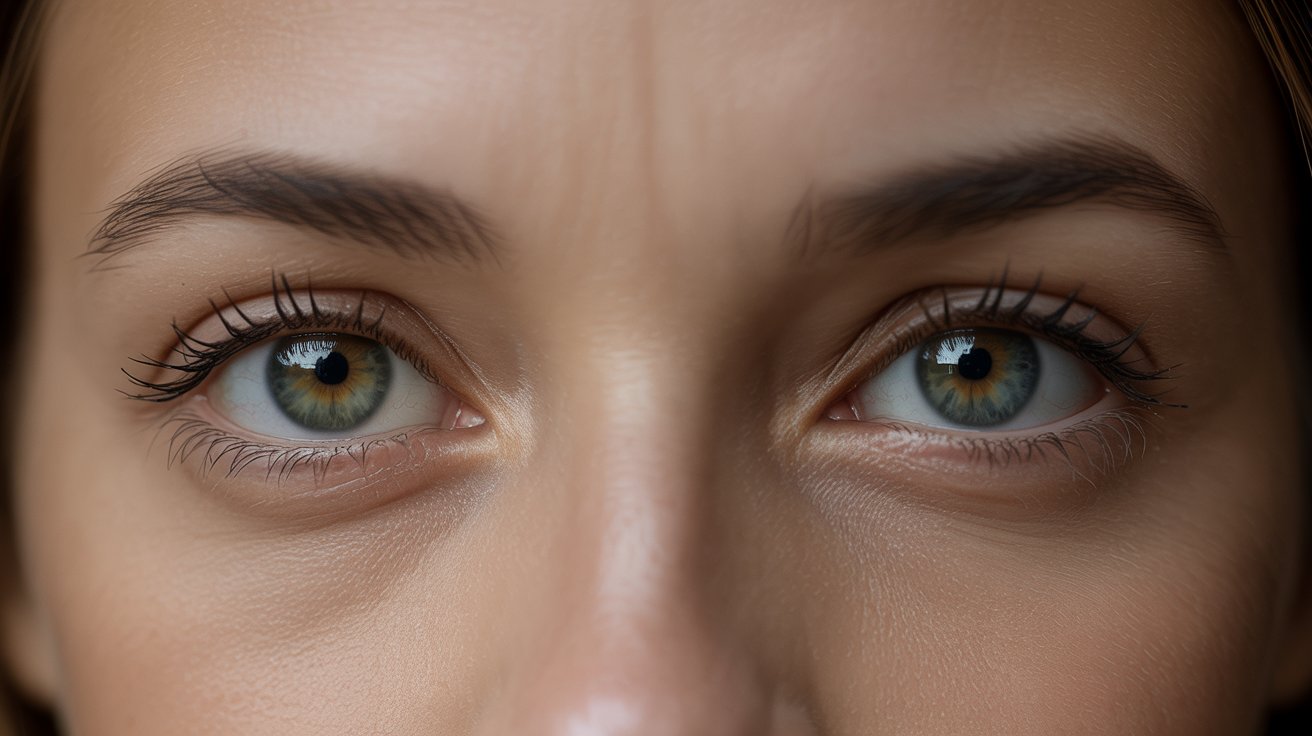
There are many reasons why lashes fall out. Some are completely harmless. Others may need a little more attention. Here is a breakdown of the most common causes.
1. Natural Lash Shedding Cycle
Lash shedding is a normal biological process that happens all year round. Your body continuously cycles through growth and rest stages.
Losing a few lashes each day is completely expected. It happens to everyone and is not a sign that anything is wrong.
2. Seasonal Lash Shedding
Some people notice more lash fall during spring and autumn. Hormonal shifts and environmental changes that come with seasonal transitions can trigger a temporary increase in shedding.
It usually settles on its own within a few weeks without any treatment needed.
3. Eyelash Extensions
Extensions naturally shed alongside your real lashes. That is completely normal.
However, extensions that are too heavy or poorly applied can put added stress on the follicle. Over time, this can lead to more lash loss than usual and even slow down regrowth.
4. Rubbing Eyes or Harsh Makeup Removal
Rubbing your eyes frequently puts pressure on the follicles and weakens them over time.
Products with alcohol or oil can break down lash adhesive and irritate the lash line. Gentle makeup removal and avoiding eye rubbing can make a real difference.
5. Hormonal Changes
Hormones directly affect how your lashes grow and shed. Pregnancy, menopause, and thyroid imbalances can all disrupt the normal lash cycle.
The shedding is often temporary and improves once hormone levels stabilise. However, persistent lash loss linked to hormones is worth discussing with a doctor.
6. Medical Conditions
Certain conditions including alopecia, blepharitis, autoimmune disorders, and vitamin deficiencies can cause noticeable lash loss.
If your shedding feels sudden, patchy, or excessive, an underlying health condition may be responsible. Getting a proper diagnosis early can help address the root cause more effectively.
7. Stress and Lifestyle Factors
High stress, poor nutrition, and lack of sleep can all slow down lash growth. When the body is under pressure, it deprioritises hair production.
Eating well, managing stress, and getting enough rest are simple but effective ways to support healthier lash growth over time.
Eyelash Shedding vs. Abnormal Lash Loss
Not all lash loss is the same. Knowing the difference between what is normal and what is not can help you act at the right time.
Signs of Normal Shedding
Normal shedding is quiet and gradual. You may lose between 1 and 5 lashes a day with no visible gaps or bald spots along the lash line.
The fallout is steady and spread out evenly. New lashes grow back without any issues or delays.
Signs You Should Be Concerned
Pay attention if shedding suddenly increases, or if you notice bald patches forming along the lash line.
Redness, irritation, or swelling around the eye area is also worth taking seriously. If your lashes are not growing back after several weeks, it is time to speak with a doctor.
How to Prevent Excessive Eyelash Shedding
A few simple habits can go a long way in keeping your lashes healthy and reducing unnecessary fallout.
- Practice Gentle Lash Hygiene: Clean your lashes daily to remove dirt, oil, and product buildup. Use oil-free cleansers around the eye area and always pat dry instead of rubbing. A clean lash line reduces irritation and keeps follicles in good shape.
- Avoid Excessive Touching: Rubbing or pulling at your lashes weakens the follicle over time. When removing makeup, use a soft cotton pad with light pressure. Less friction around the lash line means better overall lash health.
- Support Lash Health From Within: A balanced diet rich in protein, iron, and healthy fats supports lash growth. Vitamins like biotin and vitamin E also play a role. Always speak with your doctor before starting any new supplement.
- Choose a Certified Lash Technician: A good technician will match extension weight to your natural lash strength. Proper isolation and safe adhesive use lower the risk of irritation and follicle damage. Always check credentials and read reviews before booking your appointment.
Conclusion
Yes, eyelashes shed, and that is completely normal. Losing a few lashes each day is just your body doing its job. Understanding why it happens takes away a lot of unnecessary worry.
That said, if shedding feels sudden, excessive, or your lashes are not growing back, do not ignore it. Getting the right advice early always makes a difference.
Have questions about your lashes? Book a consultation with a certified lash technician today and get the answers you need.
Frequently Asked Questions
Is it normal to lose eyelashes every day?
Yes, losing 1 to 5 lashes a day is completely normal. Your lashes follow a natural growth cycle that includes shedding.
Why are my eyelashes falling out more than usual?
Increased lash loss can be linked to stress, hormonal changes, poor nutrition, or harsh makeup removal habits. If it continues, speaking with a doctor is a good idea.
How long does it take for eyelashes to grow back?
Eyelashes typically take around 6 to 8 weeks to grow back. The exact time depends on the growth stage the follicle is currently in.
Can eyelash extensions cause my natural lashes to fall out?
Extensions do not directly cause lash loss when applied correctly. However, improper application or extensions that are too heavy can put stress on the follicle and increase shedding.
When should I see a doctor about eyelash shedding?
If you notice bald patches along the lash line, sudden excessive shedding, redness, swelling, or lashes that are not growing back, it is best to consult a doctor. These signs may point to an underlying condition that needs attention.