Dewy vs Matte Makeup: Community Favorites & Opinions


Picking between dewy and matte makeup is one of those debates that never really settles. Both finishes have loyal fans, and honestly, both have their place.
In this article, I’ll break down exactly what sets them apart. You’ll learn which finish works best for your skin type, what real people prefer, and how to nail either look at home.
No fluff. Just clear, practical info to help you figure out what works for you.
What Is Dewy vs Matte Makeup?
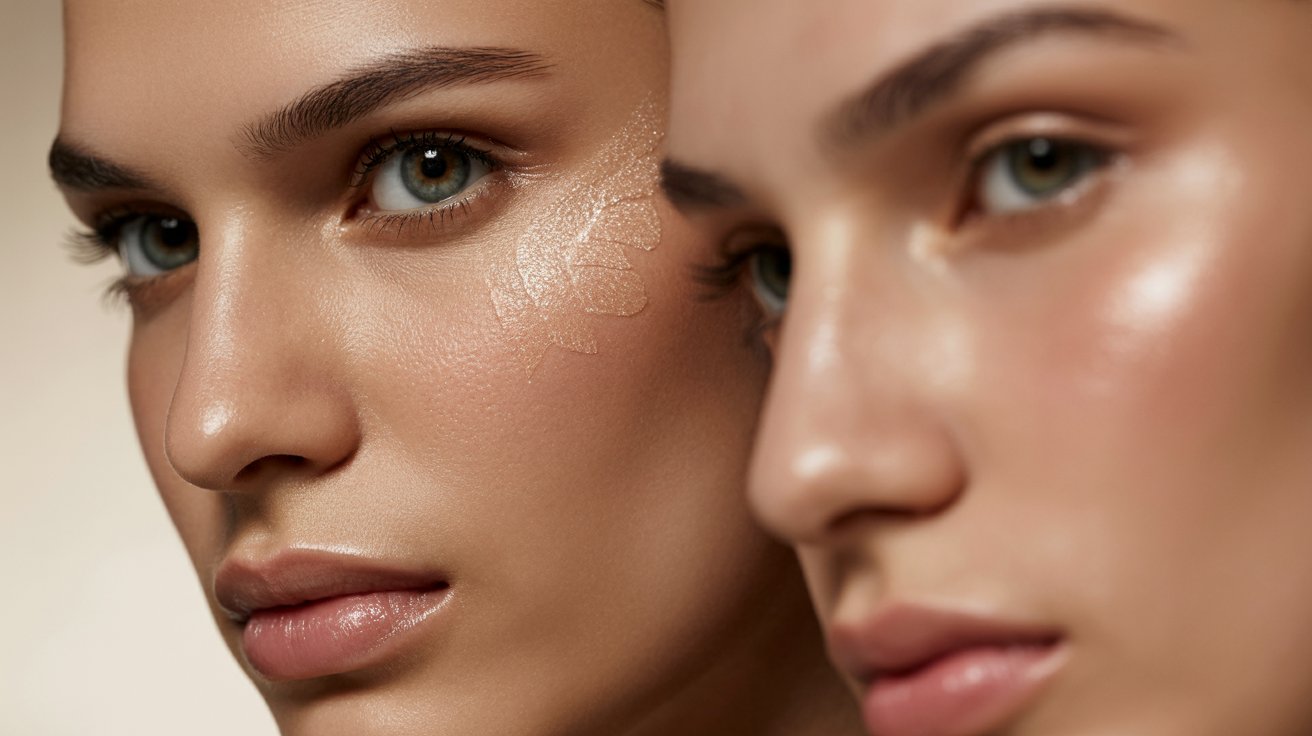
A quick breakdown of both finishes so you know exactly what you’re working with.
A dewy finish gives skin a fresh, luminous look. It mimics the glow of healthy, hydrated skin. Products are lightweight and buildable, and they let your natural skin texture show through.
A matte finish absorbs light for a flat, shine-free look.
Coverage is fuller, and it stays put better through sweat and oil. It’s great for oily skin and lasts longer without touch-ups.
Dewy vs Matte: Quick Comparison
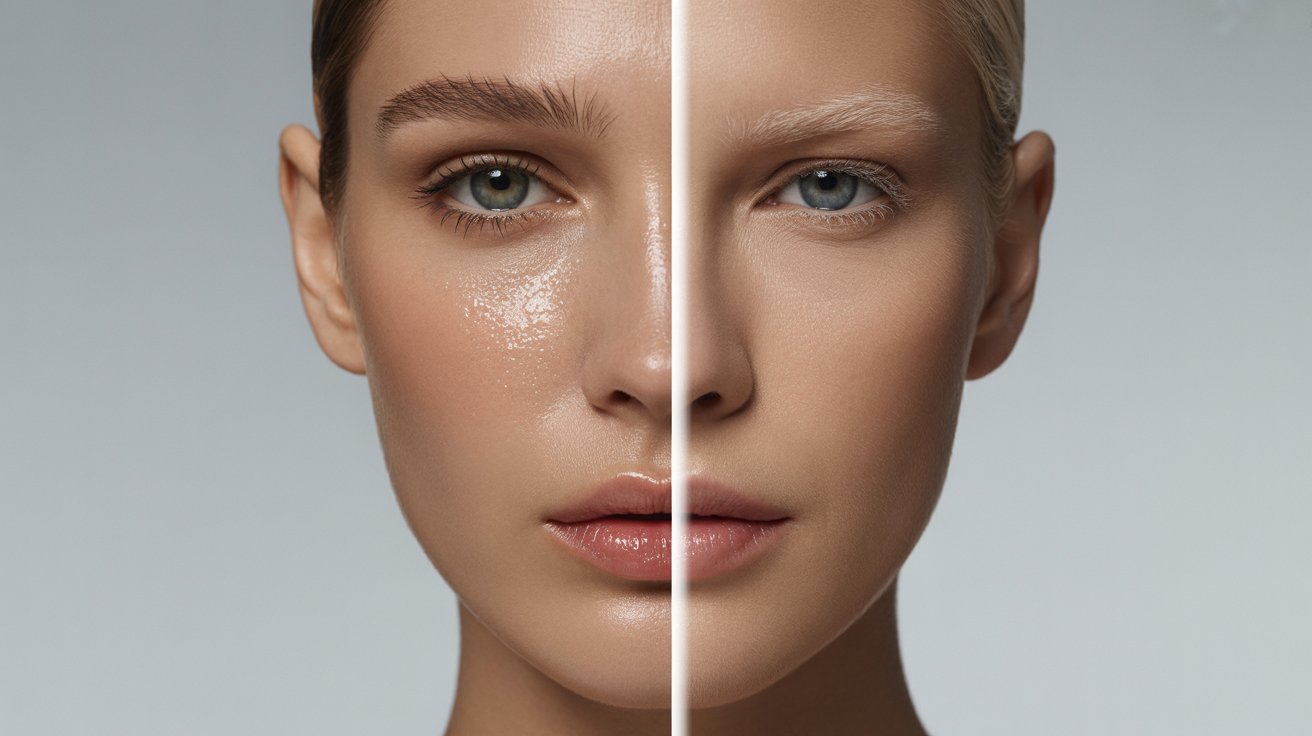
A side-by-side look at how these two finishes stack up against each other.
| Feature | Dewy Finish | Matte Finish |
|---|---|---|
| Texture | Luminous, hydrated | Flat, shine-free |
| Coverage | Light to medium | Medium to full |
| Best for | Dry, normal, mature skin | Oily, combination skin |
| Occasion | Casual, daytime | Events, nighttime |
| Longevity | Needs setting spray | Lasts longer naturally |
| Feel | Fresh and skin-like | Polished and smooth |
Use this as a quick reference whenever you’re picking between the two finishes.
Dewy vs Matte Makeup Look: Which Is Best for Your Skin Type?

Your skin type plays a big role in which finish actually looks good on you.
Dry Skin
Dry skin benefits the most from a dewy finish. Matte formulas can cling to dry patches and make flaking more visible. A hydrating foundation or skin tint keeps things looking smooth and fresh all day.
Oily Skin
If your skin produces a lot of oil, matte is your best friend. It controls shine and keeps foundation from sliding. Look for oil-absorbing formulas with a pore-blurring effect.
Combination Skin
You don’t have to pick just one. Use a matte formula on your T-zone and something more luminous on drier areas like cheeks. Mixing finishes gives you the most balanced result.
Normal Skin
Lucky you. Normal skin can pull off both finishes depending on the occasion. Dewy for a laid-back day look, matte for a polished evening out.
Mature Skin
Dewy wins here. Heavy matte formulas can settle into fine lines and look cakey. A lightweight, luminous formula keeps skin looking soft and full of life.
Community Favorites and Opinions on Dewy vs Matte Makeup

Real people weigh in, and the results are pretty split in all the right ways.
What the Community Prefers for Everyday Wear
Most people prefer dewy for casual, everyday wear. Matte tends to come out for events and long days where touch-ups aren’t an option.
How Different Skin Types Lean
Oily skin types swear by matte foundations but often add a dewy blush for balance. Dry skin types mix a luminous primer under matte foundation to avoid patchiness.
What People Are Saying About Longevity
For nighttime or weddings, matte holds up better through heat and long hours. Most people agree it’s the go-to when touch-ups just aren’t practical.
Community-Favorite Product Picks
Dewy fans love skin tints, cushion foundations, and glossy lip oils. Matte fans stick to long-wear foundations and setting powders. Many mix both by pairing a matte base with a glossy lip.
How to Achieve the Perfect Dewy vs Matte Makeup Finish
Step-by-step guidance for both finishes, starting from bare skin to the final look.
Step 1: Skin Prep for Long-Lasting Results

How you prep your skin makes or breaks the final finish.
For dewy, start with a hydrating moisturizer and a luminous primer. For matte, use an oil-free moisturizer and a mattifying primer, focusing on oily zones like the nose and forehead.
Step 2: Choosing the Right Foundation or Tint

The base product sets the tone for everything else.
For dewy, go for a skin tint, BB cream, or luminous foundation. Keep coverage light. For matte, choose a full-coverage, oil-free formula and build in thin layers to avoid a cakey finish.
Step 3: Blush, Bronzer, and Highlight
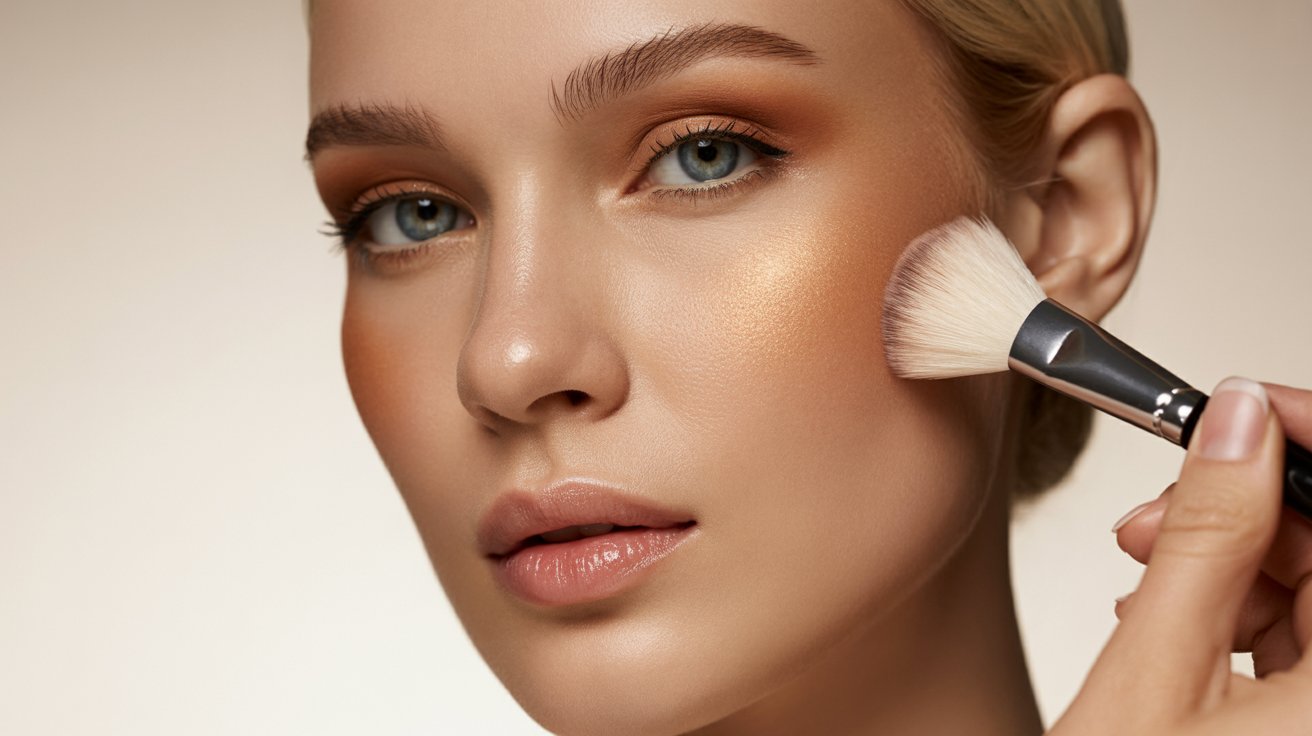
These products add dimension and bring the look to life.
For dewy, use cream blush, cream bronzer, and a liquid highlight on the cheekbones. For matte, stick to powder blush and bronzer and go light or skip the highlight entirely.
Step 4: Lips and Eyes

These finishing touches tie the whole look together.
For dewy, go for glossy lips and soft shimmer on the eyes. For matte, bold matte lips and deep matte eyeshadow give the most impact.
Step 5: Setting and Longevity
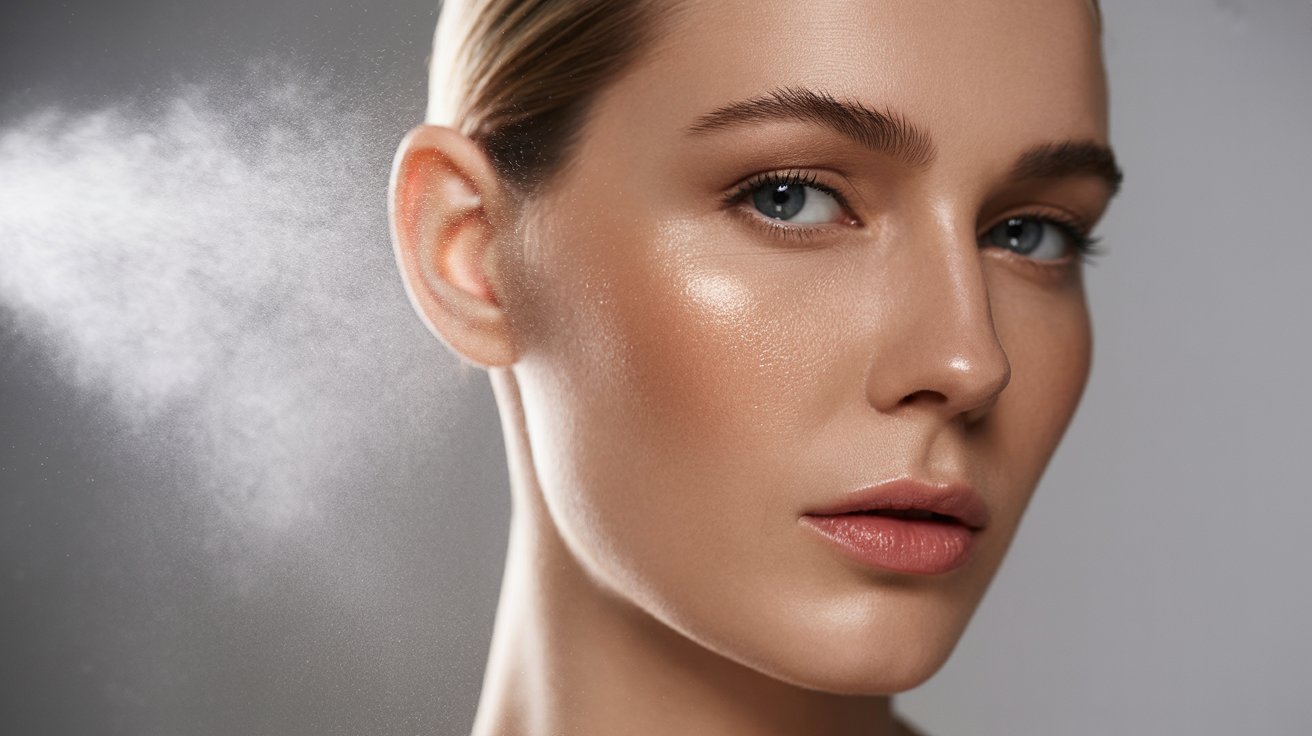
Making your finish last all day takes the right products.
For dewy, use a hydrating setting spray and avoid heavy powders. For matte, press a translucent powder over the face and finish with a mattifying spray. Blotting papers help throughout the day.
Mixing Dewy and Matte Makeup: The Best of Both Worlds

You don’t have to pick a side. Mixing both finishes is actually one of the most popular approaches right now.
The most common combo is a matte base with dewy accents. Think matte foundation, then cream blush, glossy lips, and a touch of highlight.
It gives you the coverage and longevity of matte without looking flat or heavy.
Use matte on your T-zone and dewy on your cheeks for a natural balance. Pair a full-coverage matte foundation with a glass-skin highlight for contrast.
Try a matte eye with a glossy lip for a simple but polished look. The key is balance. Too much of either finish can look extreme. Mixing gives you control over where the glow lands.
Tips and Tricks for Choosing Your Ideal Finish
Small, practical advice that makes a real difference in how your makeup looks and lasts.
- Always start with the right skincare base for your finish, cream products go before powder products
- Hot, humid days are better for matte so sweat doesn’t break down the finish, cool dry days are ideal for dewy
- For photos, dewy skin picks up light better and looks more alive
- Avoid using a matte foundation on dry skin without proper hydrating prep first
- Don’t set a dewy look with too much powder or you’ll kill the glow completely
Conclusion
Both finishes have something going for them, and neither one is better than the other. It really comes down to your skin, your mood, and the occasion.
I’ve been through phases of loving both. Right now, I lean dewy for everyday and matte for longer days when I need makeup to stay put. Experimenting is the only way to figure out what actually works for you.
Try both, mix them up, and have fun with it. Drop your favorite dewy vs matte makeup look in the comments. I’d love to see what you’re working with.
Frequently Asked Questions
Does matte or dewy makeup photograph better?
Dewy skin tends to look more alive in photos because it catches light naturally. Matte can look flat in pictures unless the lighting is strong.
Can dry skin pull off a matte finish?
Yes, but prep is everything. A good hydrating moisturizer and luminous primer under a matte foundation stops it from looking patchy or dry.
How do you make matte makeup look dewy?
Add a cream highlighter to the high points of your face after applying matte foundation. A hydrating setting spray also softens the finish significantly.
Which finish is better for everyday wear?
Most people find dewy more comfortable and natural-looking for everyday use. It feels lighter and easier to wear for long stretches without touch-ups.
Does skin type really determine which finish to use?
Mostly yes, but personal preference matters too. Oily skin generally does better with matte, and dry skin with dewy, but mixing both works well for most skin types.