Do Pimple Patches Work on Unpopped Pimples? Complete Guide

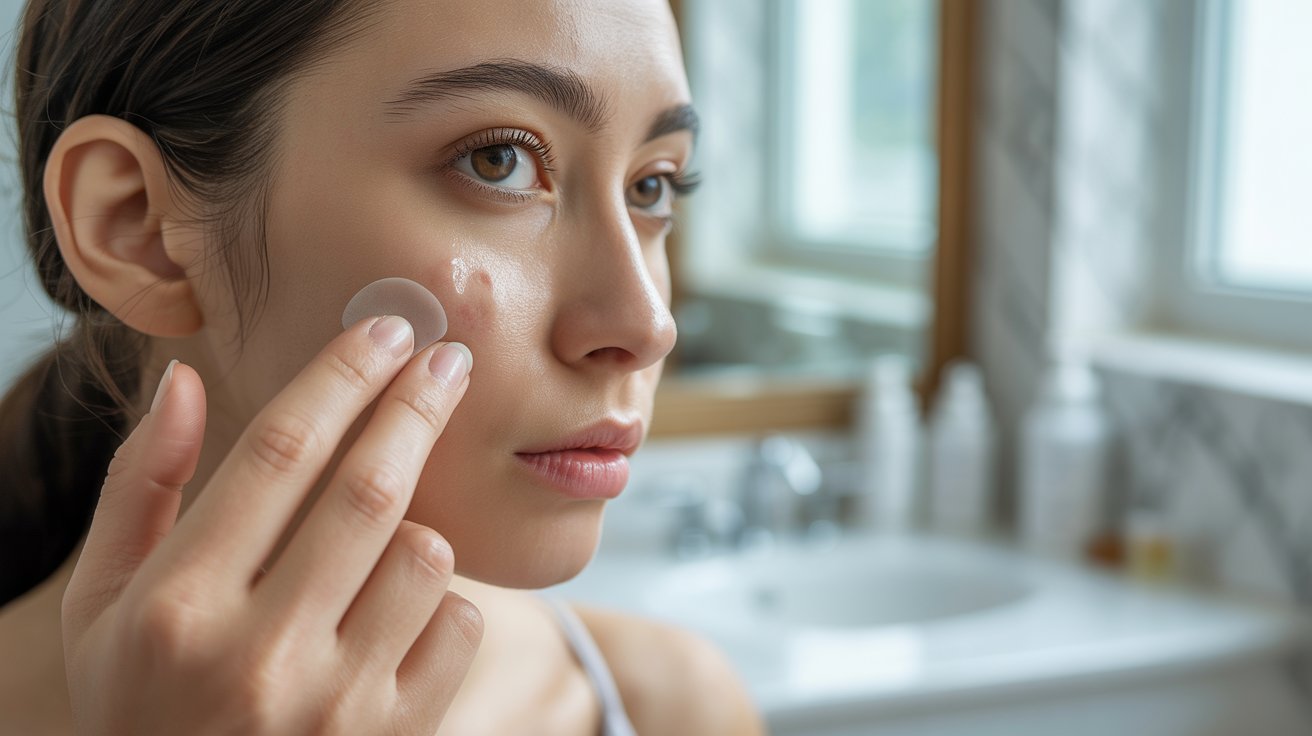
Let me guess. You woke up with a pimple, and now you’re wondering if those trendy patches everyone raves about can actually help.
Trust me, I’ve been there too.
Pimple patches are everywhere these days. Your favorite influencer uses them. Your best friend swears by them.
But can they really work on a pimple that hasn’t been popped?
That’s exactly what confused me at first. After trying them myself and digging into the research, I learned they absolutely can help unopened bumps.
This guide will show you how they work and when to use them for the best results.
Let’s get started.
What Are Pimple Patches and How Do They Work?
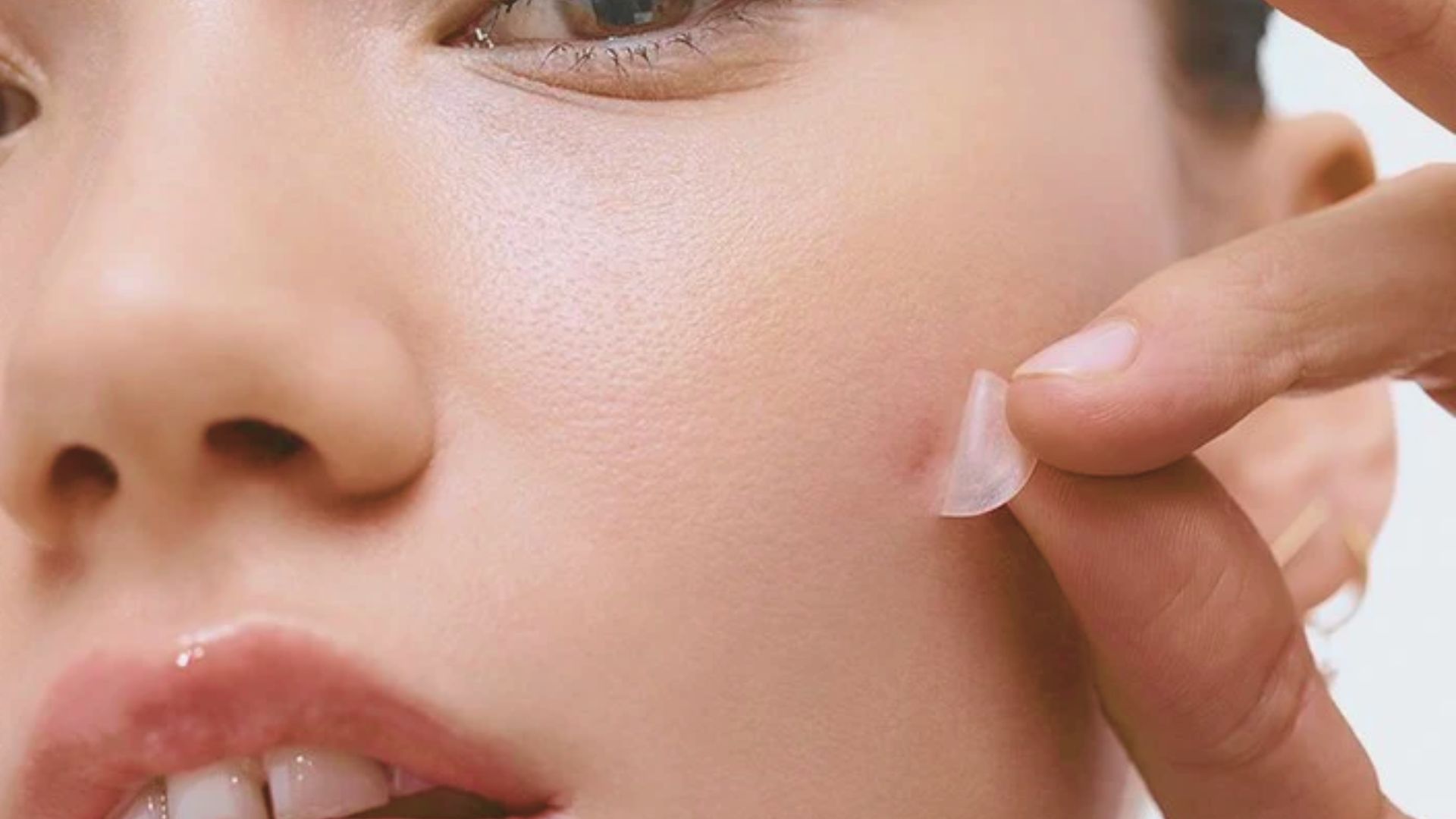
Pimple patches are small stickers you place directly on your acne.
Most of them use something called hydrocolloid technology. This material was first created for healing wounds in hospitals. It works by absorbing moisture from your skin.
When you stick a patch on a pimple, it pulls out pus and extra oil. At the same time, it creates a barrier that keeps bacteria and dirt away from the affected area.
This protective seal helps your skin heal faster.
The patch also stops you from touching or picking at your pimple. This prevents scarring and reduces redness.
Basically, it gives your skin a clean, safe space to recover naturally.
What Is an Unpopped Pimple?
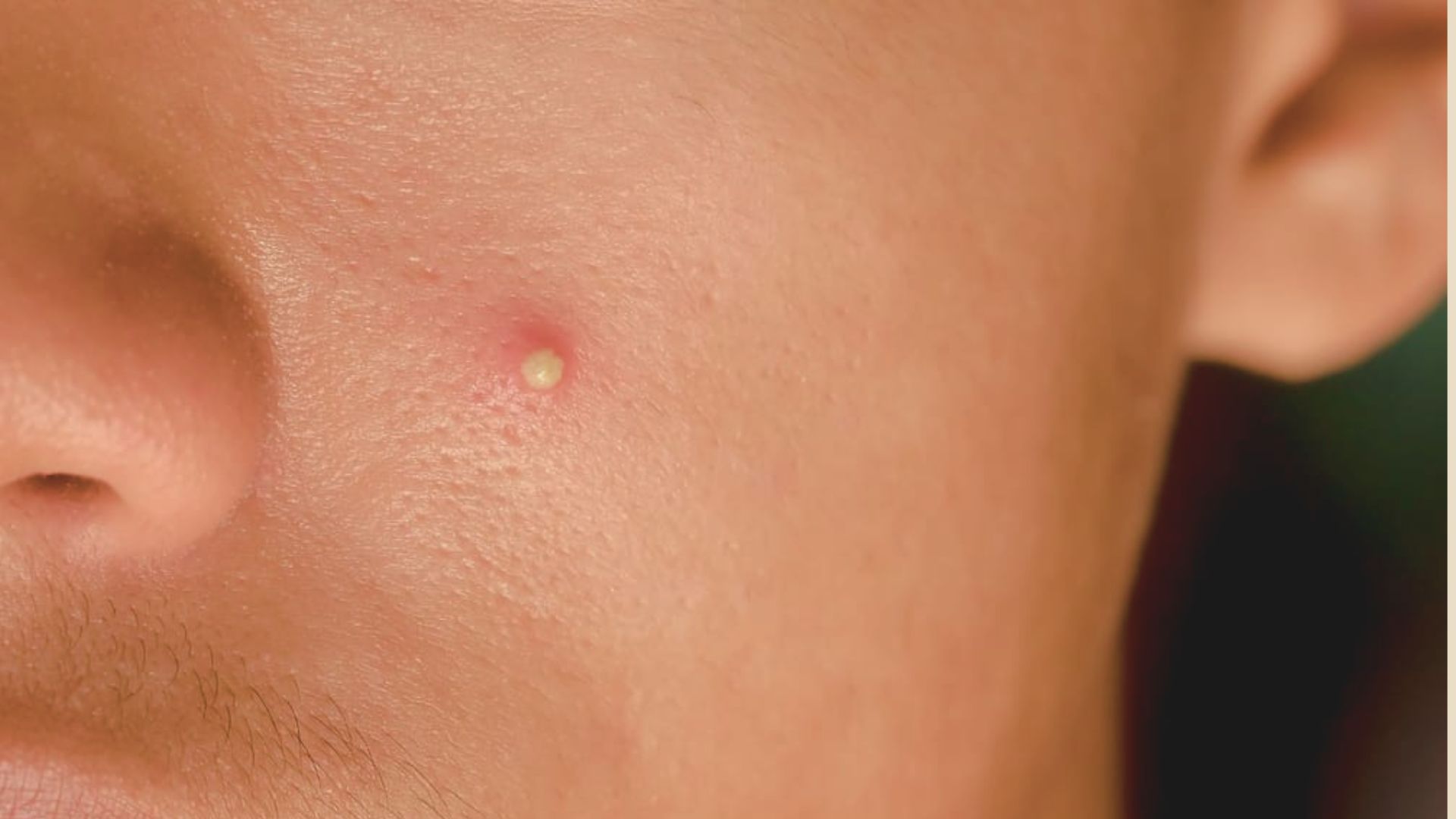
An unpopped pimple is any acne bump that hasn’t burst open yet. It’s still sealed under your skin.
Types of Unpopped Pimples
- Early whiteheads have a tiny white center but the skin hasn’t broken.
- Angry red bumps that feel sore but don’t have a visible head yet.
- Cystic pimples sit deep under your skin and feel like hard, painful lumps.
Why Unpopped Pimples Are Harder to Treat
Unpopped pimples are trickier to treat than popped ones. There’s no opening for anything to drain out. All the inflammation and buildup is trapped below the surface.
Since there’s limited fluid near the top, regular pimple patches have less to absorb. This makes the healing process slower and more challenging.
Do Pimple Patches Work on Unpopped Pimples?
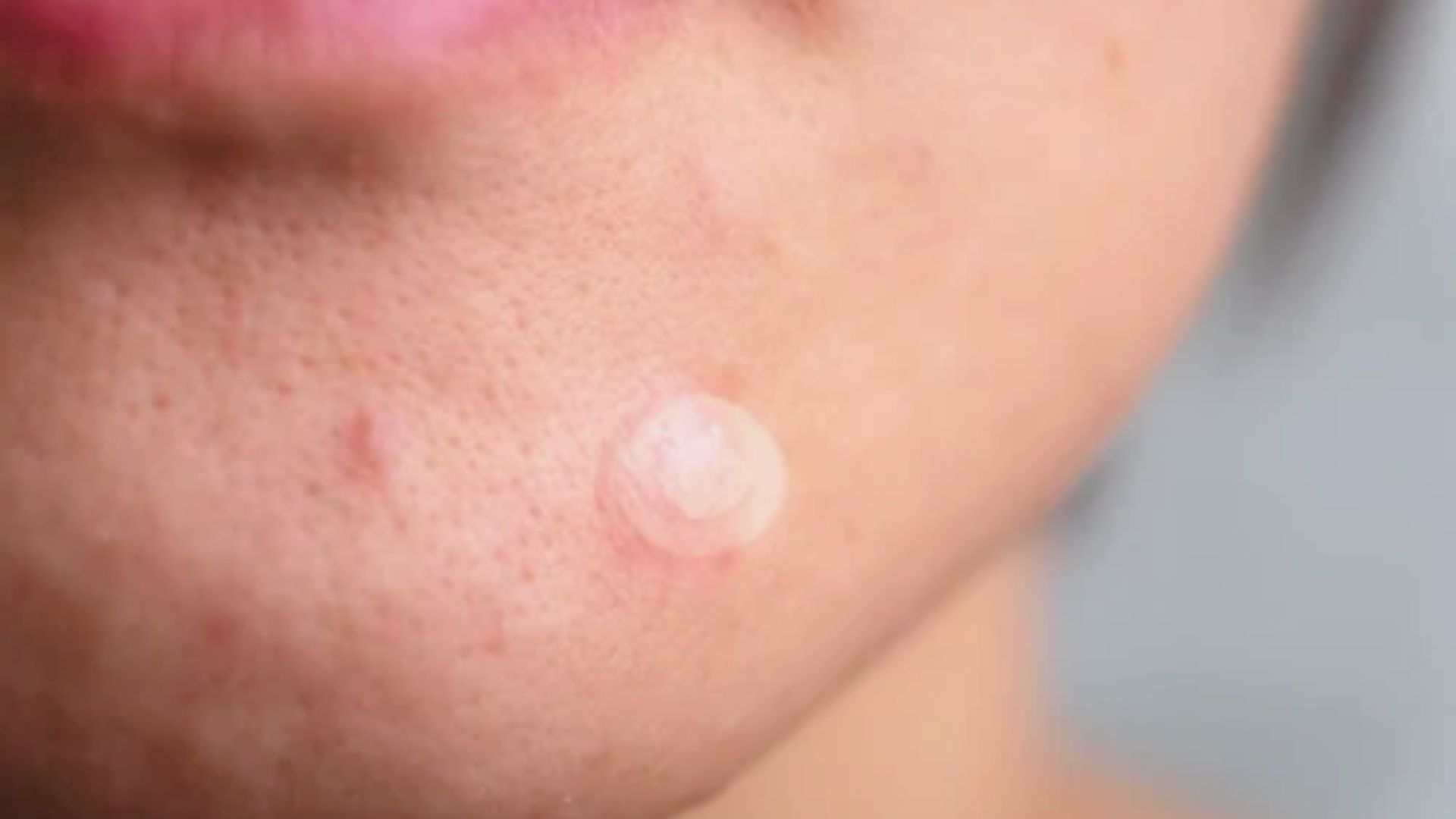
The short answer is yes, but it depends on the type of pimple you’re dealing with. Let me break this down for you.
When They DO Work
Pimple patches work best on certain types of unpopped acne. If you have a pimple that’s starting to form a head, patches can be really effective. Early whiteheads respond well too.
Basically, any pimple that sits close to your skin surface will benefit from a patch.
The closer the bump is to the top layer of your skin, the better the patch can do its job.
When They DON’T Work Well
Some pimples are just too deep for patches to help much. Deep cystic acne won’t respond well because it’s far below the surface.
Those stubborn hormonal bumps that never seem to come to a head are also tough cases.
Nodular acne, which feels hard and painful under your skin, typically needs stronger treatment than a simple patch can provide.
What Results You Can Realistically Expect
Be honest with your expectations. A patch won’t make an unpopped pimple vanish overnight.
What you will notice is reduced redness around the area. The bump might flatten slightly, especially if you wear the patch for several hours.
The biggest benefit is protection. The patch stops you from touching and picking at your face. Just remember, unpopped pimples heal slower than popped ones, even with a patch.
Hydrocolloid vs. Active Ingredient Patches for Unpopped Pimples
Not all pimple patches are created equal. Here’s how different types work on unpopped acne.
| Patch Type | How It Works | Best For |
|---|---|---|
| Traditional Hydrocolloid Patches | Absorbs moisture and pus from the surface | Pimples with visible pus or whiteheads close to the skin |
| Salicylic Acid or Retinol Patches | Reduces inflammation and speeds up surface healing | Red, inflamed pimples without a head |
| Microneedle Acne Patches | Tiny needles deliver ingredients deeper into the skin | Stubborn, under-the-skin bumps and cystic acne |
The right patch depends on your pimple type. Traditional hydrocolloids work great when there’s something to absorb.
But if your pimple is deep or inflamed, you might need patches with active ingredients or microneedles to get better results.
How Long Do Pimple Patches Take to Work on Unpopped Pimples?
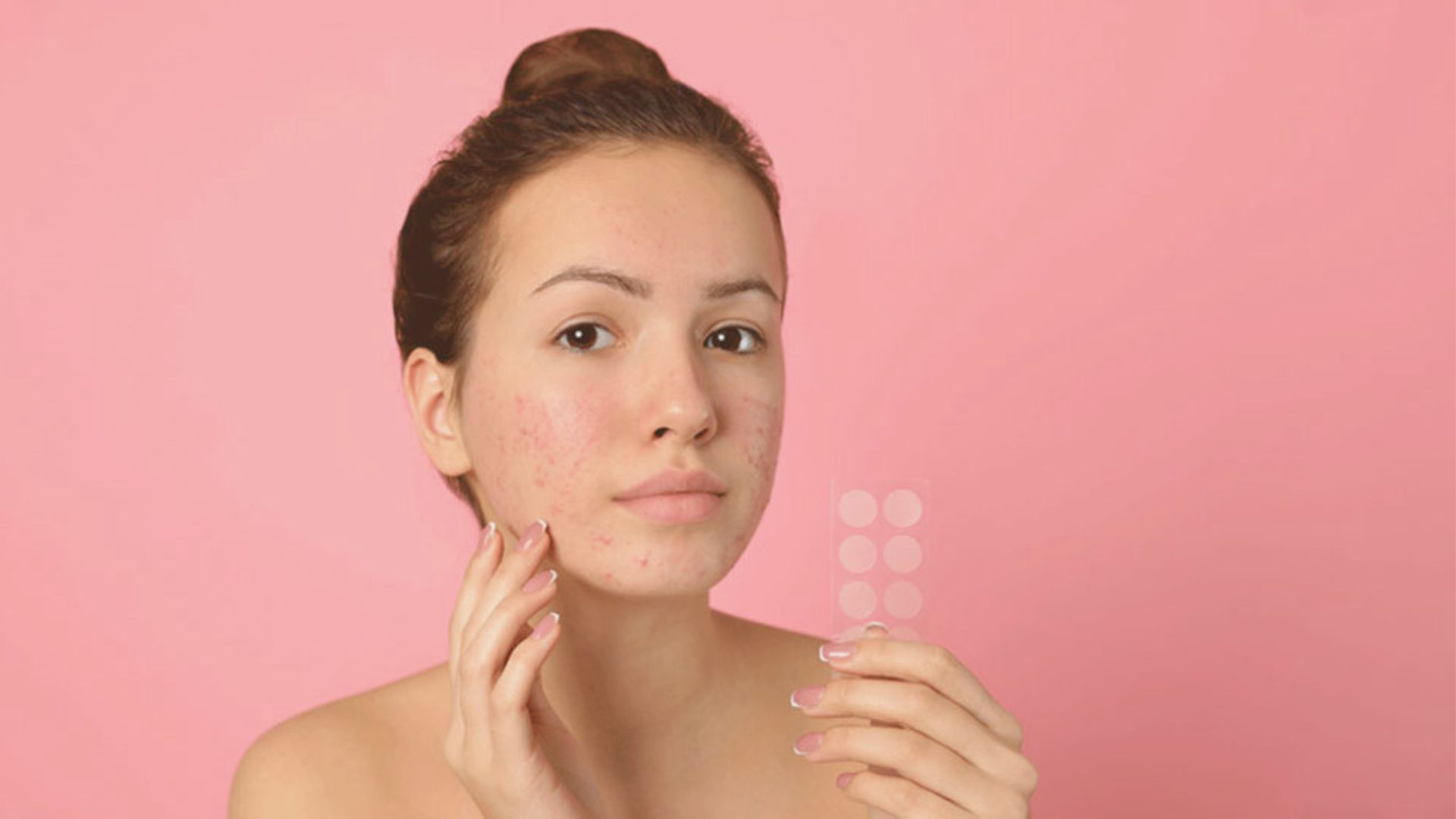
Patience is key when using pimple patches on unpopped acne. The timeline varies based on how deep your pimple sits.
Timeline for Surface Pimples
If your pimple is close to the surface, you’ll see results fairly quickly. Most people notice visible improvement within 4 to 8 hours.
You might wake up to less redness and a flatter bump. Some patches work overnight while you sleep, which makes them super convenient.
Timeline for Deeper Pimples
Deeper pimples need more time and patience. It typically takes 1 to 3 days to see reduced inflammation.
Don’t expect overnight miracles here. The patch is working, but it takes longer to calm down those under-the-skin bumps.
You might need to use multiple patches over several days. Sometimes, deeper pimples require additional treatments like spot treatments or seeing a dermatologist for the best results.
Are Pimple Patches Worth Using on Unpopped Pimples?
So, should you actually use pimple patches on unpopped acne? Let’s weigh the good and the bad.
Pros
- Protects your skin from dirt, bacteria, and environmental irritants.
- Reduces the urge to pick or touch your pimple throughout the day.
- Minimizes your risk of scarring and dark spots.
- Creates a clean healing environment for your skin.
- Easy to use and works while you go about your day.
Cons
- Limited effectiveness on deep cystic acne or nodules.
- May not fully eliminate the bump, especially if it’s under the skin.
- Takes longer to work on unpopped pimples compared to popped ones.
- Can be expensive if you need to use multiple patches daily.
- Some patches may not stick well on certain areas of your face.
The bottom line? Pimple patches are definitely worth trying on unpopped pimples, especially surface-level ones. Just set realistic expectations about what they can and cannot do.
Conclusion
So, should you try pimple patches on unpopped acne? Yes, especially for surface-level bumps. They work well when used correctly.
Just remember, deep cysts won’t respond as dramatically. Think of patches as one helpful tool in your routine, not a magic fix.
Set realistic goals. These patches protect your skin and speed up healing safely.
Got stubborn acne? Consider seeing a dermatologist for personalized advice. Your skin deserves proper care.
Frequently Asked Questions
Can I put a pimple patch on a pimple that hasn’t come to a head?
Yes, you can. The patch will help reduce inflammation and protect the area from bacteria. Just don’t expect it to drain as much as it would on a popped pimple.
How long should I leave a pimple patch on an unpopped pimple?
Leave it on for at least 6 to 8 hours for best results. Many people wear them overnight while sleeping. Replace it with a fresh patch if it turns white or loses stickiness.
Will a pimple patch make an unpopped pimple come to a head faster?
Sometimes, yes. The moist environment can help bring the pimple closer to the surface. However, this works better on shallow pimples than deep cystic ones.
Can pimple patches make acne worse if used on unpopped pimples?
Generally, no. Pimple patches are safe and non-irritating for most skin types. Just make sure your skin is clean and dry before applying to avoid trapping bacteria underneath.
Should I pop my pimple before using a patch for better results?
It’s better not to pop it yourself. Popping can cause scarring and infection. Let the patch do its work naturally, or see a professional if the pimple is really stubborn.