
Does Cold Water Close Your Pores? Myth Explained

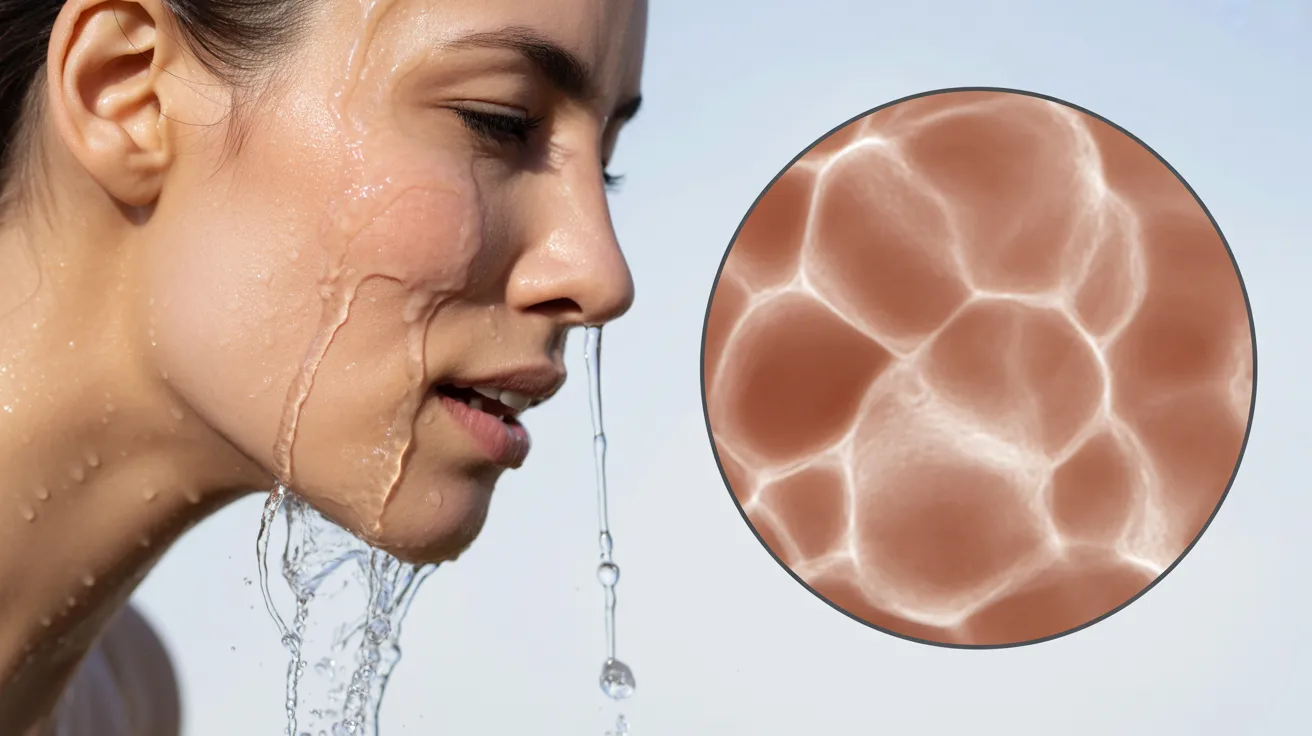
You’ve probably heard that cold water closes your pores. I used to believe this too. But here’s the truth-it’s a myth. Pores don’t actually open and close like doors. In this article, I’ll explain why cold water can’t shrink your pores and what really works.
You’ll learn what makes pores look bigger, the best water temperature for washing your face, and proven ways to reduce pore appearance.
I’ve spent years testing skincare routines, and I’m sharing what actually helps. Let’s clear up this confusion once and for all.
Understanding Your Pores The Basics
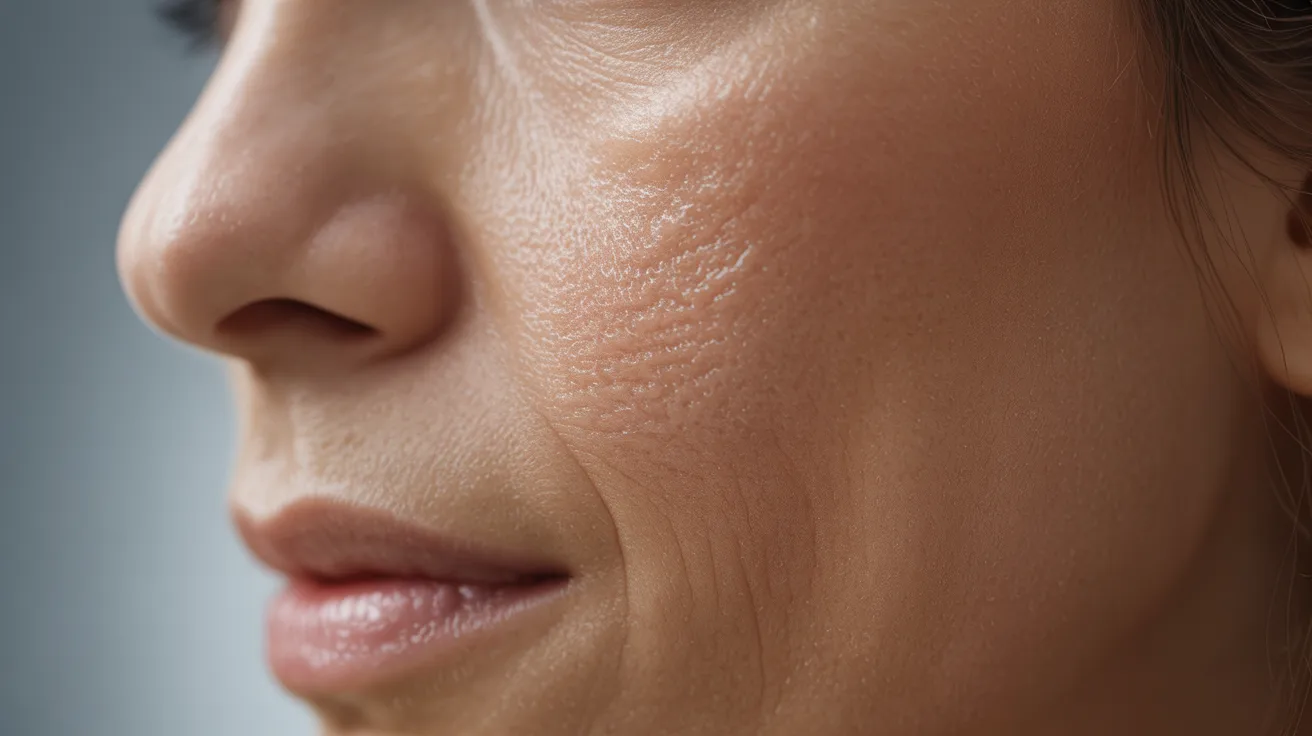
Pores are everywhere on your skin. You have millions of them covering your entire body. These tiny openings serve a critical purpose in keeping your skin healthy and functioning properly.
Every pore connects to a hair follicle underneath your skin. Inside each follicle sits a sebaceous gland that produces sebum, your skin’s natural oil. The oil travels up through the pore and coats your skin surface.
This process protects your skin from drying out and helps fight off bacteria. Your face has more pores per square inch than most other body parts. That’s why you notice them more on your cheeks, nose, and forehead.
Pore size varies from person to person based on genetics, hormones, and skin type.
But regardless of these factors, one thing stays constant: pores cannot open and close.
Why Cold Water Feels Like It Shrinks Pores
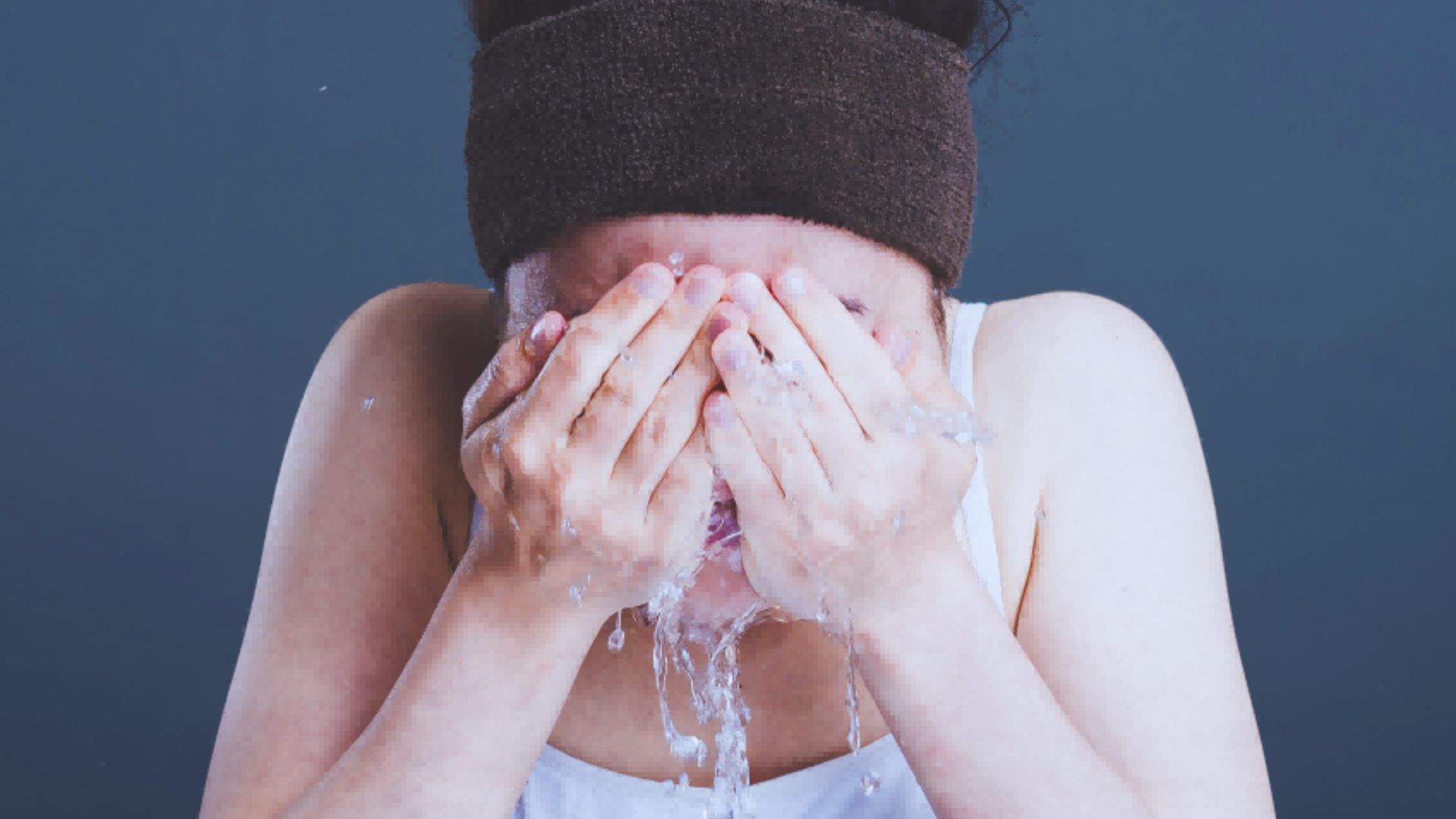
Cold water creates sensations that trick you into thinking your pores are smaller.
Blood Vessel Constriction and Temporary Tightening
When cold water hits your face, blood vessels under your skin tighten up. This reduces redness across your skin, decreases puffiness around your face, and creates a short-term firm feeling that fades quickly.
Your skin looks smoother for a few minutes, but pore size hasn’t changed. The tightness you feel comes from your blood vessels, not your pores. As soon as your skin warms back up, everything returns to normal.
The Goosebumps Effect (Arrector Pili Muscles)
Cold triggers tiny muscles attached to your hair follicles. These are called arrector pili muscles. They contract and create goosebumps. Your skin texture changes temporarily, but this cold-triggered skin response does not alter your actual pore size.
Some people mistake this bumpy feeling for smaller pores, but it’s just a reflex response to temperature change.
What Really Makes Pores Look Larger
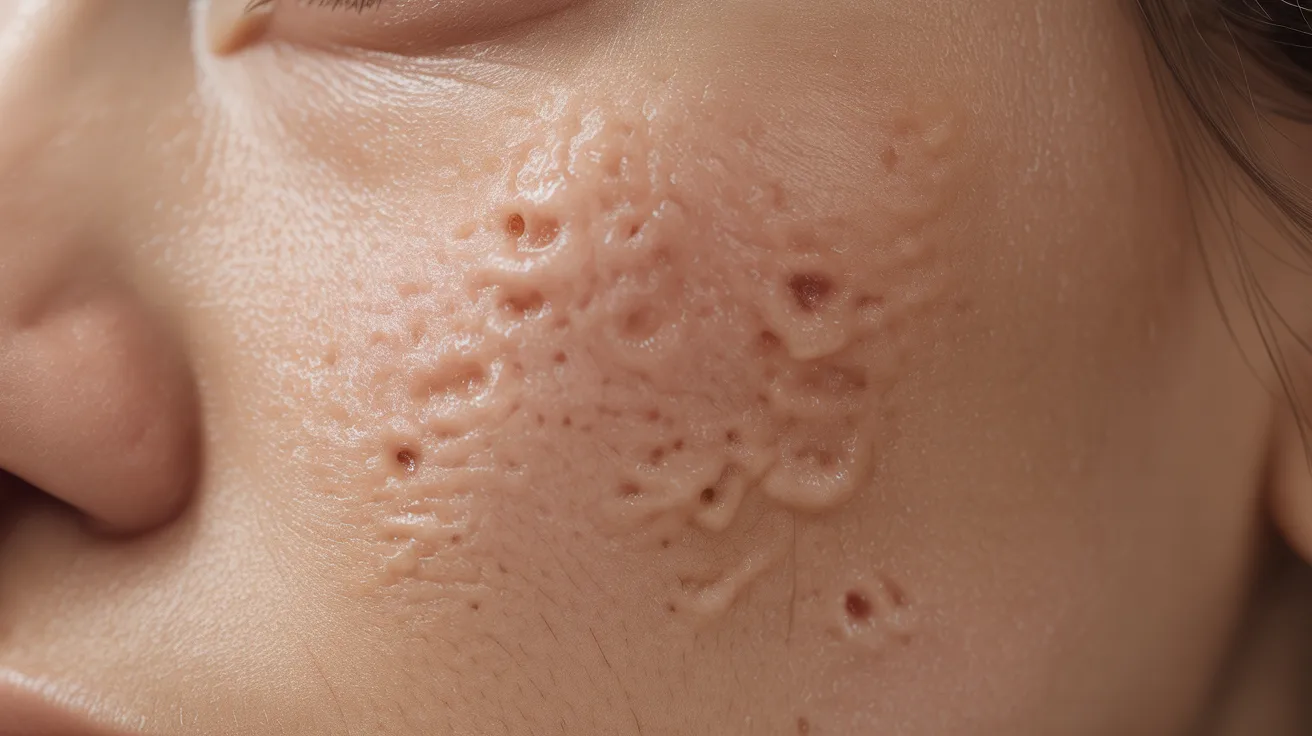
Several factors make pores appear more noticeable on your face.
Clogged Pores and Oil Buildup
When sebum (your skin’s natural oil) builds up, it fills your pores. Dead skin cells mix in too. This stretches the pore opening, making it look bigger. Clean out the gunk, and pores appear smaller.
Think of it like a balloon. An empty balloon is small. Fill it with air, and it expands. Your pores work the same way. Regular cleansing helps prevent this buildup.
Oily Skin and Genetics
Some people are born with naturally larger pores. If you have oily skin, your pores tend to be more visible. Skin type plays a huge role. You can’t change your genetics, but you can manage how your pores look.
People with dry skin often have smaller-looking pores because their sebaceous glands produce less oil. Combination skin shows larger pores in the T-zone where oil production runs higher.
Aging and Loss of Skin Elasticity
As you age, your skin loses collagen. It becomes less firm. Pores start to sag and look wider. Sun damage speeds this up. Time affects everyone differently. Your skin bounces back less as collagen breaks down.
Young skin has tight, elastic fibers that keep pores looking small. Older skin lacks this firmness. The pores don’t actually grow, but they appear larger because the surrounding skin sags.
UV rays break down collagen and elastin faster, which is why sunscreen is critical for keeping pores looking small.
Best Water Temperature for Washing Your Face
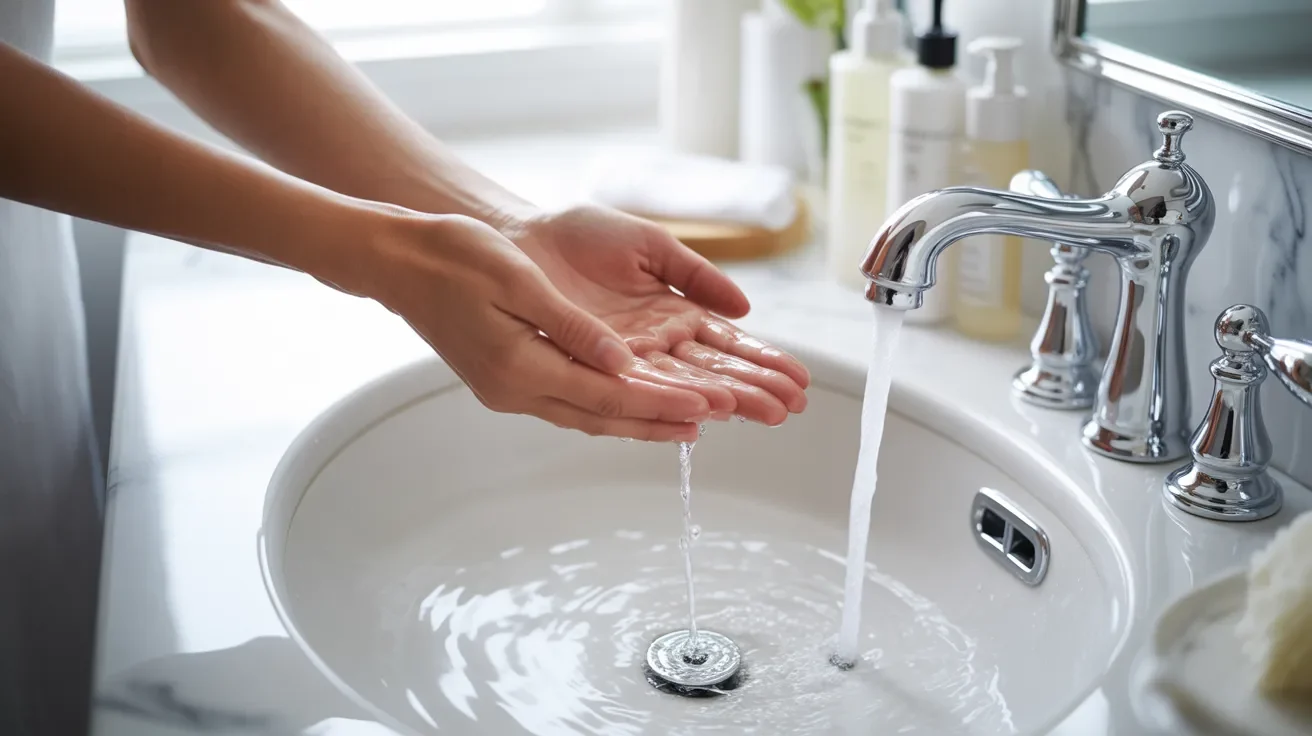
The right water temperature protects your skin without causing harm.
Cold Water Benefits and Limitations
Cold water can calm irritated skin. It reduces redness after a workout or hot day. But it has limits. It may not remove oil well, and very cold water can irritate sensitive skin.
The tightening effect doesn’t last more than a few minutes. Cold water feels refreshing and reduces morning puffiness. Just don’t expect it to do anything permanent for your pores.
Warm Water What It Actually Does
Warm water loosens dirt and oil on your face. It helps your cleanser work better. Warm water opens up surface debris, making it easier to wash away buildup. But be careful.
Water that’s too hot strips away your skin’s natural oils. This leads to dryness and irritation. Hot water can also worsen redness. Your face shouldn’t feel tight or dry after washing.
Why Lukewarm Water Is the Best Option
Lukewarm water gives you the best results. It’s gentle on your skin barrier. It cleans effectively without causing dryness. Dermatologists recommend this balanced approach for daily cleansing.
Test the water on your wrist before splashing your face. It should feel comfortable, not hot or cold. Room temperature or slightly warm works perfectly.
Can You Permanently Close or Shrink Pores?

Pores serve an important function and cannot be eliminated.
Why Pores Cannot Be Permanently Closed
Pores let oil reach your skin surface. This keeps your skin moisturized and protected. Closing them completely would harm your skin’s function. They need to stay open.
If pores are sealed shut, your skin couldn’t regulate temperature through sweat. Oil couldn’t reach the surface to protect you. Pores are necessary for healthy skin, not a flaw.
How to Make Pores Less Noticeable Long-Term
You can’t shrink pores forever, but you can reduce their appearance. Consistent skincare helps. Supporting your skin barrier keeps everything balanced.
Regular care makes a visible difference over time. Professional treatments like chemical peels and laser therapy can help, but they require multiple sessions and ongoing maintenance.
Tips to Reduce the Appearance of Pores Naturally
Simple daily habits can make your pores look smaller and clearer.
- Use lukewarm water for cleansing to avoid irritation and protect your skin barrier
- Cleanse your face twice daily to prevent oil and debris buildup in pores
- Incorporate salicylic acid or retinoids to promote cell turnover and keep pores clear
- Exfoliate gently 1 to 3 times weekly to remove dead skin without over-stripping
- Avoid squeezing pores or overwashing, as this stretches pores and triggers excess oil
- Use a clay mask weekly to absorb oil and pull out impurities from your pores
- Apply SPF 30 or higher sunscreen daily to protect collagen and keep skin firm
Conclusion
Cold water won’t close your pores, but it can soothe your skin. I’ve learned that consistent care beats quick fixes every single time. I wasted years chasing temperature tricks before realizing the truth.
Focus on gentle cleansing with lukewarm water, keep your pores clear with regular exfoliation, and protect your skin from sun damage. These simple habits work better than any cold splash or steam session. Your pores deserve patience, not gimmicks.
What’s your biggest pore concern? Drop a comment below and let me know. For more skincare truths, check out our related posts on managing oily skin.
Frequently Asked Questions
Does hot water open pores?
No, hot water doesn’t open pores. It can loosen oil and dirt on your skin’s surface, making cleansing easier. But pores don’t physically open or close.
How can I make my pores smaller permanently?
You can’t permanently shrink pores. But regular exfoliation, retinoids, and sunscreen reduce their appearance long-term. Keeping pores clear makes them look smaller.
Is cold water or warm water better for acne?
Lukewarm water is best for acne-prone skin. It cleanses without irritating or drying out your face. Follow with a gentle cleanser and acne treatment.
Do ice cubes close pores?
Ice cubes don’t close pores. They temporarily constrict blood vessels and reduce puffiness. The effect fades within minutes, and pore size stays the same.
Can steaming close pores after opening them?
Steaming doesn’t open pores, so you can’t close them afterward. Steam softens debris in pores, making extraction easier. Always use lukewarm water to rinse after steaming.