What to Put on Popped Pimple: Fast Healing & No Scars Guide

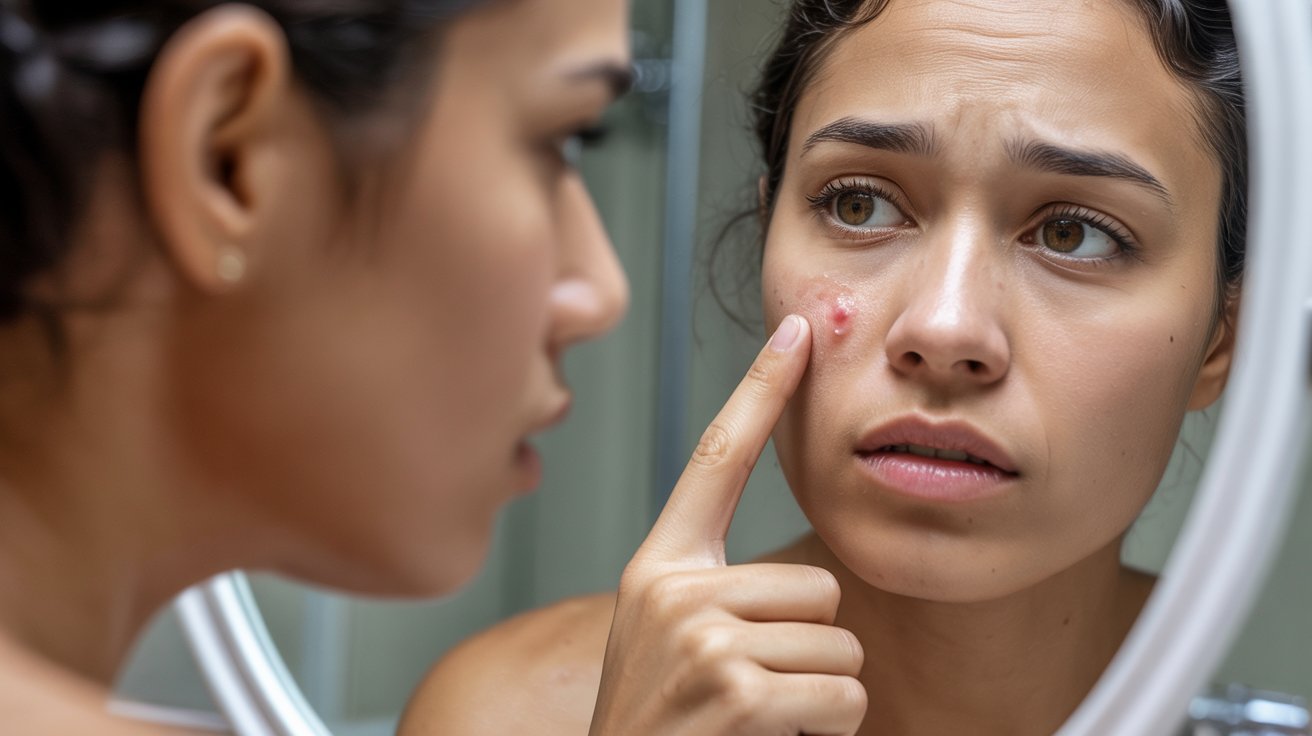
So you popped a pimple. Now you’re staring at the mirror wondering what comes next.
That mix of regret and panic? Completely normal. But here’s what most people miss. How you treat it right after matters more than the pop itself.
In this blog, I’ll cover exactly what to put on a popped pimple, from the first few minutes to a full recovery routine.
We’ll go through the best ingredients, what to skip, natural remedies, and how to stop scars before they form. I’ve personally tested these steps, and the results are real.
Let’s get into it.
What Happens After You Pop a Pimple (And Why It Needs Care)
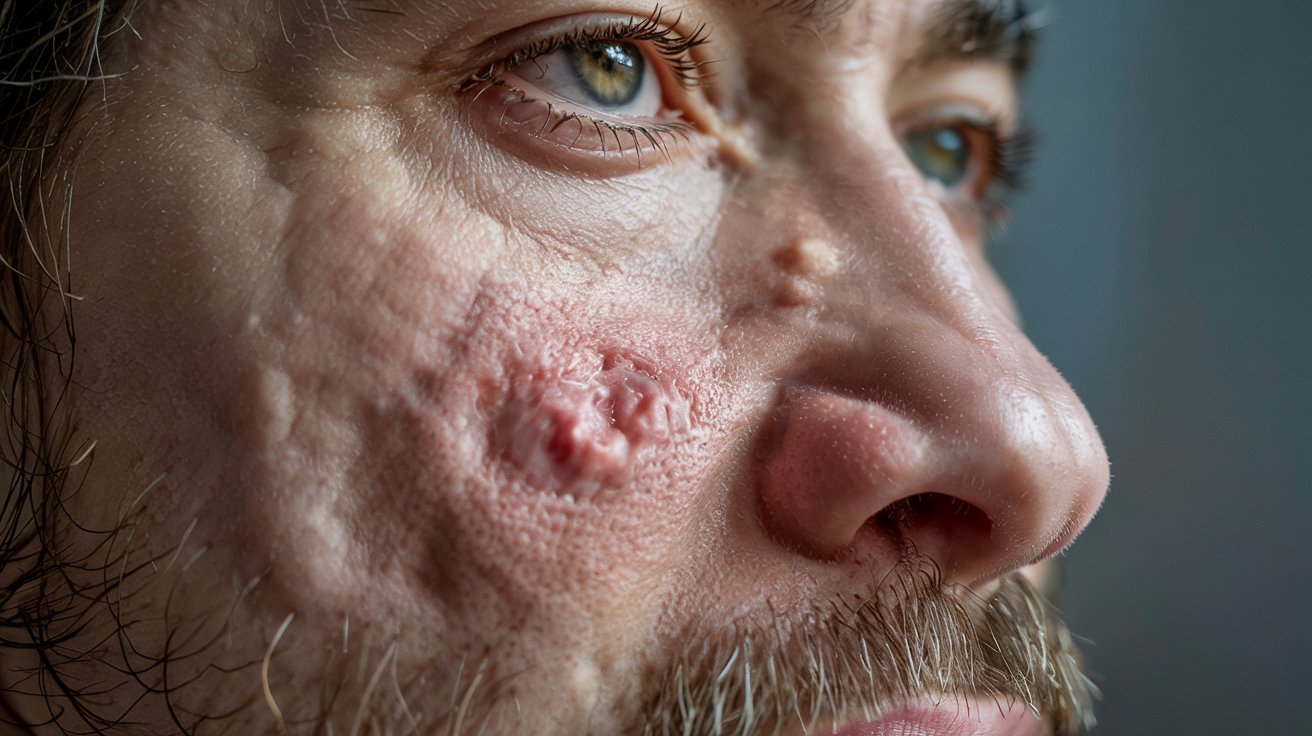
Popping a pimple creates an open wound. The skin breaks, and bacteria from your fingers can enter the area. That leads to more redness, swelling, and sometimes infection.
Pressing too hard pushes bacteria deeper into the pore. That’s what causes dark spots and scars later.
A popped pimple needs the same basic care as any small cut. Clean it. Protect it. Leave it alone to heal.
What to Put on a Popped Pimple (Immediate Care Guide)
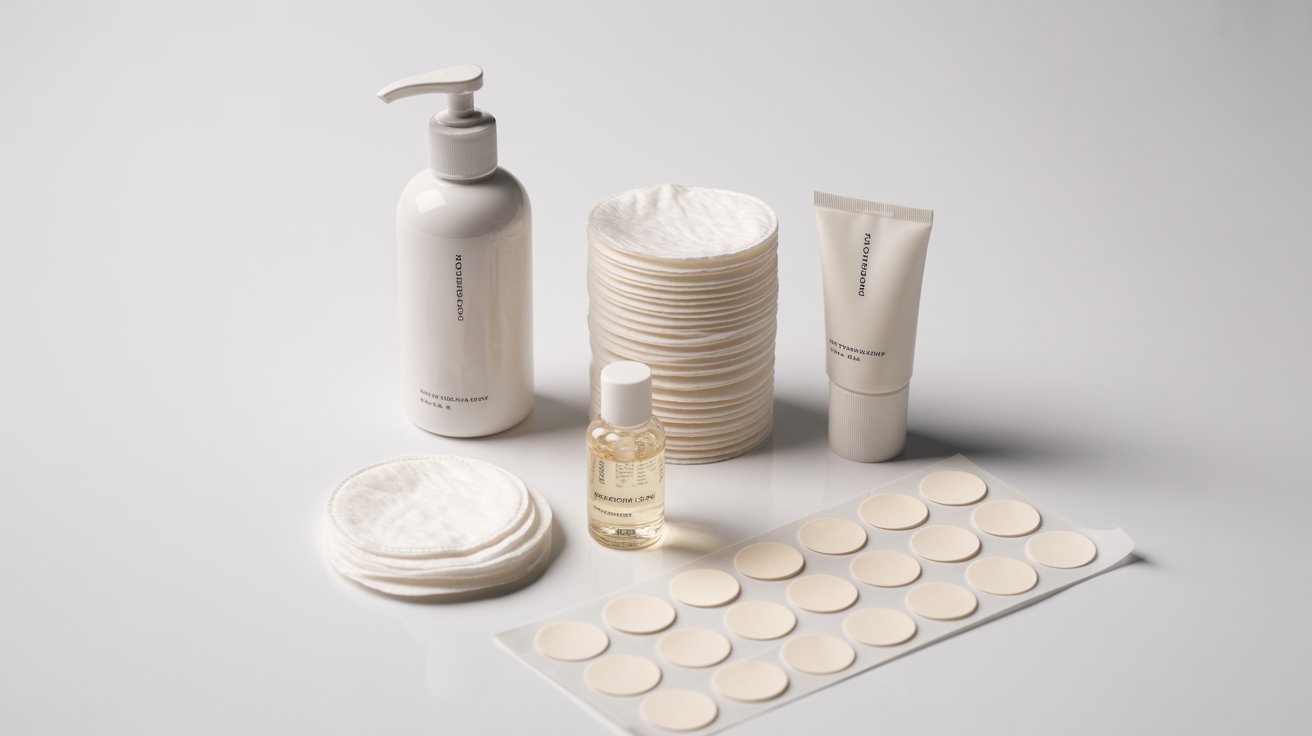
The first 30 minutes after popping matter most. Here’s exactly what to do, step by step.
Step 1: Gently Clean with a Mild Cleanser
Wash the area right away. Use a fragrance-free, gentle cleanser. Don’t scrub. Press softly and rinse with cool water. This removes bacteria without aggravating the skin further.
Step 2: Apply Antibacterial Solutions
Dab a small amount of benzoyl peroxide or salicylic acid onto the spot. These ingredients kill bacteria and lower infection risk. A 2.5% benzoyl peroxide is enough. Going stronger doesn’t speed up healing.
Step 3: Use Soothing Agents to Cut Down Redness
Redness is expected after popping. Apply a thin layer of aloe vera gel or niacinamide serum. Both calm irritation quickly without clogging the pore.
Step 4: Seal with a Protective Healing Product
Use a hydrocolloid patch. These small stickers draw out fluid, protect the wound, and speed up recovery. Wearing one overnight makes a visible difference by morning.
What to Do (and Avoid) After Popping a Pimple
Do keep the area clean. Do use non-comedogenic products. Do leave the scab alone once it forms.
Don’t apply heavy makeup over it. Don’t use toners or products with alcohol. Don’t touch the spot repeatedly throughout the day.
Best Ingredients to Put on a Popped Pimple
Some ingredients heal faster than others. Here’s what actually works.
Niacinamide reduces redness and fades pigmentation over time. It’s gentle and suits most skin types.
Centella asiatica, also called Cica, calms inflamed skin and supports wound recovery. It’s a popular ingredient in Korean skincare for good reason.
Tea tree oil has natural antibacterial properties. Always dilute it before applying. A drop mixed with a carrier oil is plenty.
Zinc reduces inflammation and helps repair the skin barrier. Look for it in targeted spot treatments.
Hyaluronic acid keeps the wound moisturized. Dry healing takes longer. A lightweight serum works best here.
What NOT to Put on a Popped Pimple
This part is just as important as knowing what to apply.
- Skip toothpaste. It’s a popular trick, but it irritates the skin and makes redness worse.
- Avoid rubbing alcohol. It strips the skin too aggressively and slows down recovery.
- Don’t use lemon juice. It can trigger pigmentation issues and burn already-sensitive skin.
- Skip thick, heavy creams in the first 24 hours. They can clog the pore and cause another breakout in the same spot.
- No scrubs or exfoliants for at least a week. The skin is still repairing itself. Friction does more damage at this stage.
Step-by-Step Skincare Routine After Popping a Pimple
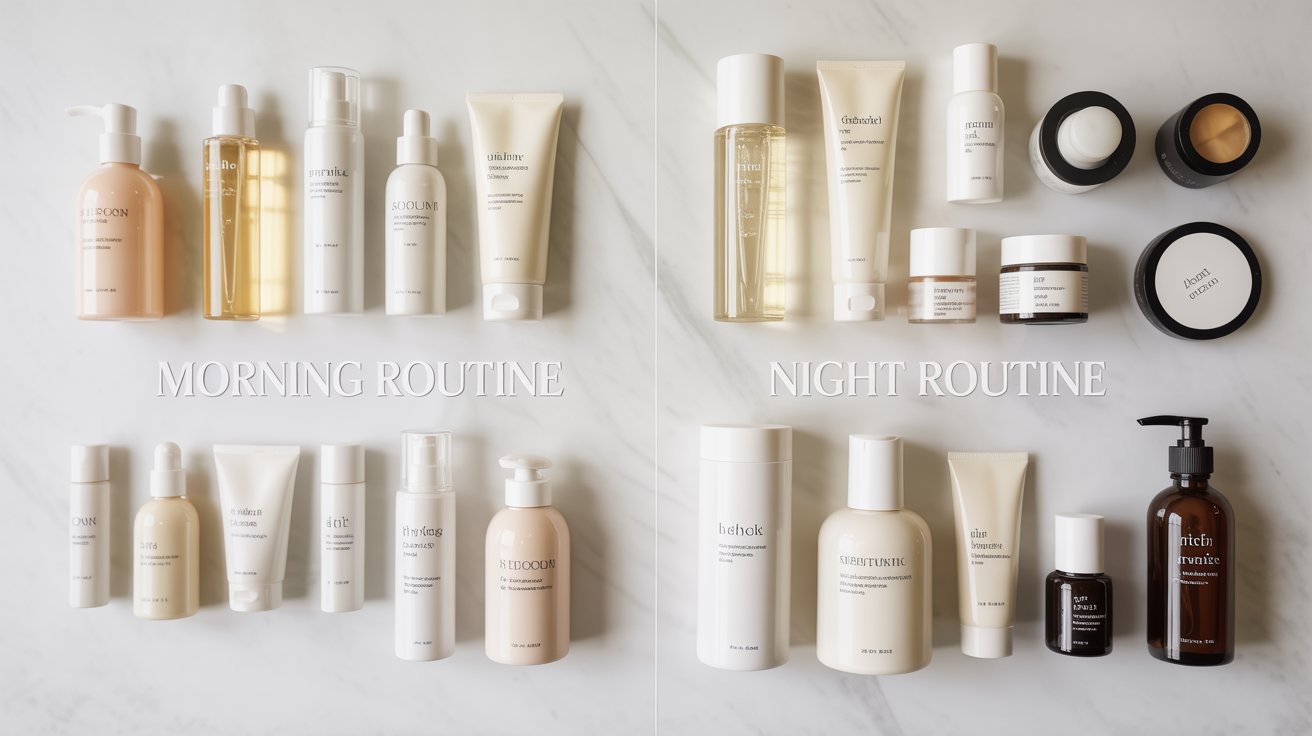
A simple, consistent routine is what gets the skin back to normal. Here’s how to structure it.
Morning Routine
Start with a gentle cleanser. Follow with a lightweight moisturizer. Always apply SPF 30 or higher before going outside. Sun exposure darkens post-pimple marks significantly and quickly.
Night Routine
Cleanse again before bed. Apply niacinamide or a cica-based serum to the affected area. Place a hydrocolloid patch over the spot and let it work through the night.
When to Reintroduce Active Ingredients
Wait at least 3 to 5 days before using retinol, AHAs, or BHAs on the healing spot. These are effective ingredients, but they’re too harsh on broken or fragile skin.
How Long Healing Typically Takes
A small popped pimple heals in about 3 to 7 days. A deeper one may take up to 2 weeks. Dark marks left behind can linger for several weeks without consistent care.
How to Prevent Scars and Dark Spots
The biggest cause of scarring is picking at the wound before it fully closes. Once it’s popped, leave it alone.
Sunscreen every day is non-negotiable. UV exposure darkens post-acne marks faster than almost anything else. This single habit makes a real difference over time.
A vitamin C serum, applied after the wound closes, helps fade pigmentation gradually. Use it consistently for steady results.
Niacinamide used long-term also works well on dark spots. It doesn’t work overnight, but regular use adds up.
Avoid squeezing the skin around the spot. That spreads inflammation and raises the risk of permanent marks.
Natural Remedies for Popped Pimples (Safe and Effective)
Some home remedies are genuinely worth using. Here are a few that hold up.
- Aloe vera gel: Apply a thin layer directly to the spot. It soothes redness and supports repair. Fresh aloe is more effective than most packaged versions.
- Raw honey: It has antibacterial properties and is mild on the skin. Apply a small amount and leave it for 15 minutes, then rinse off.
- Green tea: It’s anti-inflammatory and reduces irritation. Use a cooled green tea bag as a light compress on the area.
- Ice: Wrap a cube in a clean cloth and press it gently to the spot for a few minutes. It reduces swelling fast without any product.
When to See a Dermatologist
Most popped pimples resolve on their own. But some don’t, and it’s important to know the difference.
See a dermatologist if the spot grows larger or becomes more painful over time. Signs of infection include increasing warmth, swelling, or pus that keeps coming back.
Cystic acne is a separate case. Never try to pop those at home. They sit deep in the skin and almost always cause serious scarring without professional treatment.
If post-pimple marks aren’t fading after a few months of consistent care, a dermatologist can suggest options like chemical peels or prescription-strength treatments.
Pro Tips Dermatologists Swear By
Always wash hands before touching your face, even when applying skincare products.
Change your pillowcase every 2 to 3 days. Bacteria accumulates on fabric and transfers back to the skin while you sleep.
Pat, don’t rub. When applying anything to a popped pimple, press gently with a clean fingertip or cotton pad.
Hydrocolloid patches are a top recommendation from dermatologists for a reason. They create the right healing environment and lower the risk of scarring.
Less is more. Layering multiple spot treatments doesn’t speed up recovery. Stick to one or two proven options and stay consistent.
Conclusion
Popping a pimple is rarely planned, but it happens. What matters most is the care that follows.
The right steps after popping can stop a small mistake from becoming a lasting scar. Clean it, protect it, and give it time to close.
Use gentle products. Stay consistent with your routine. Keep your hands away from the area as much as possible.
You don’t need a complicated approach. Niacinamide, aloe vera, sunscreen, and hydrocolloid patches cover most of what the skin needs to recover fully.
With the right support, a popped pimple heals cleanly and leaves little behind.
So tell me, what’s the one product you reach for every time a pimple gets popped?
Frequently Asked Questions
Can I put makeup over a popped pimple?
Yes, but wait at least a day first. Use non-comedogenic, lightweight coverage and make sure all tools are clean to avoid reintroducing bacteria to the wound.
How long does a popped pimple take to heal?
Smaller ones typically close in 3 to 7 days. Deeper pimples may take up to 2 weeks, and dark spots left behind can take several more weeks to fade with consistent care.
Are pimple patches safe to use overnight?
Yes, hydrocolloid patches are completely safe for overnight wear. They draw out fluid, reduce swelling, and keep the spot protected while you sleep.
Does ice actually help a popped pimple?
Ice reduces swelling and redness quickly. Always wrap it in a clean cloth before applying. Pressing ice directly onto bare skin can cause irritation.
What should I do if my popped pimple looks infected?
Clean the area gently and apply a small amount of antibacterial ointment. If pain or swelling gets worse after 48 hours, see a dermatologist as soon as possible.