Does Salt Water Help Acne? Dermatologists Reveal Truth

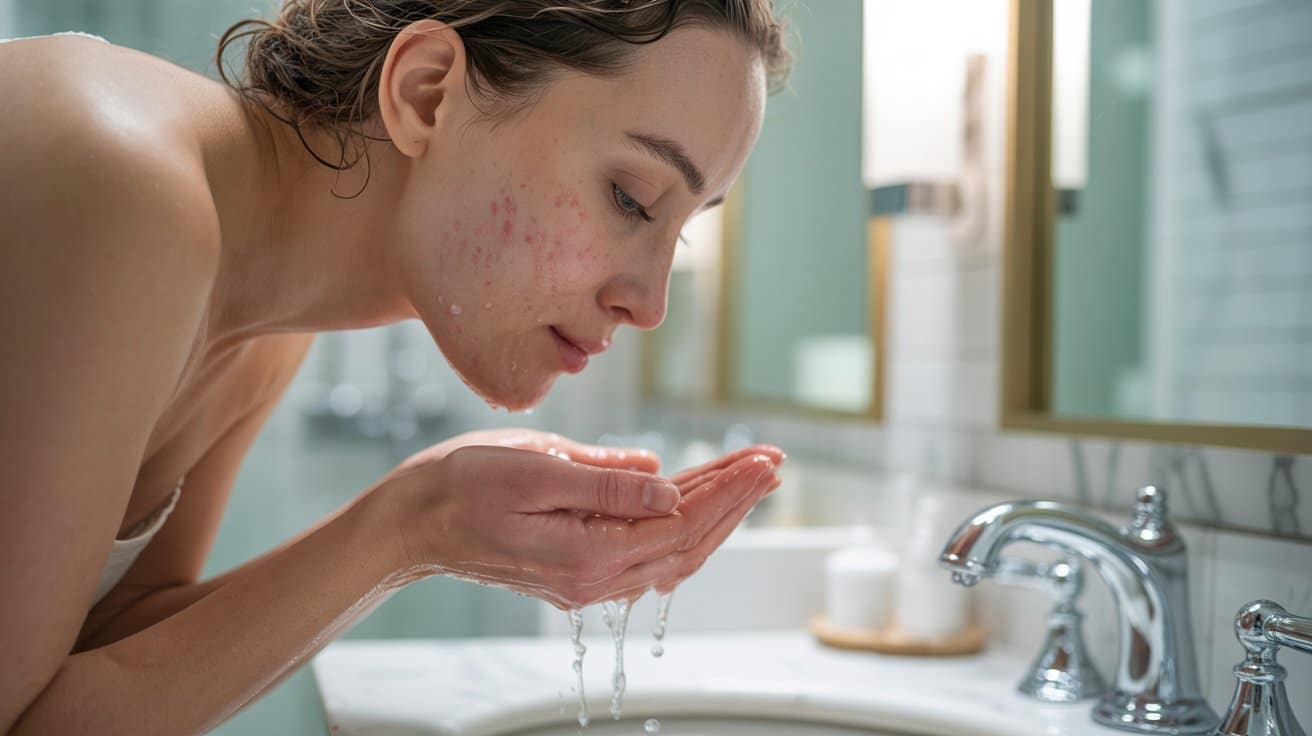
I never thought I would be rinsing my face with salt water. But after trying product after product with little result, I was ready to try anything. Someone swore by it. So I did it. And honestly? The results surprised me.
That got me thinking: does salt water help acne, or is it just another overhyped home remedy that sounds better than it actually is? I spent time looking into what dermatologists say and what research actually backs up.
What I found was not what I expected. Keep reading, because some of this might change how you think about your skincare routine completely.
What Is Salt Water and Why Is It Used for Acne?
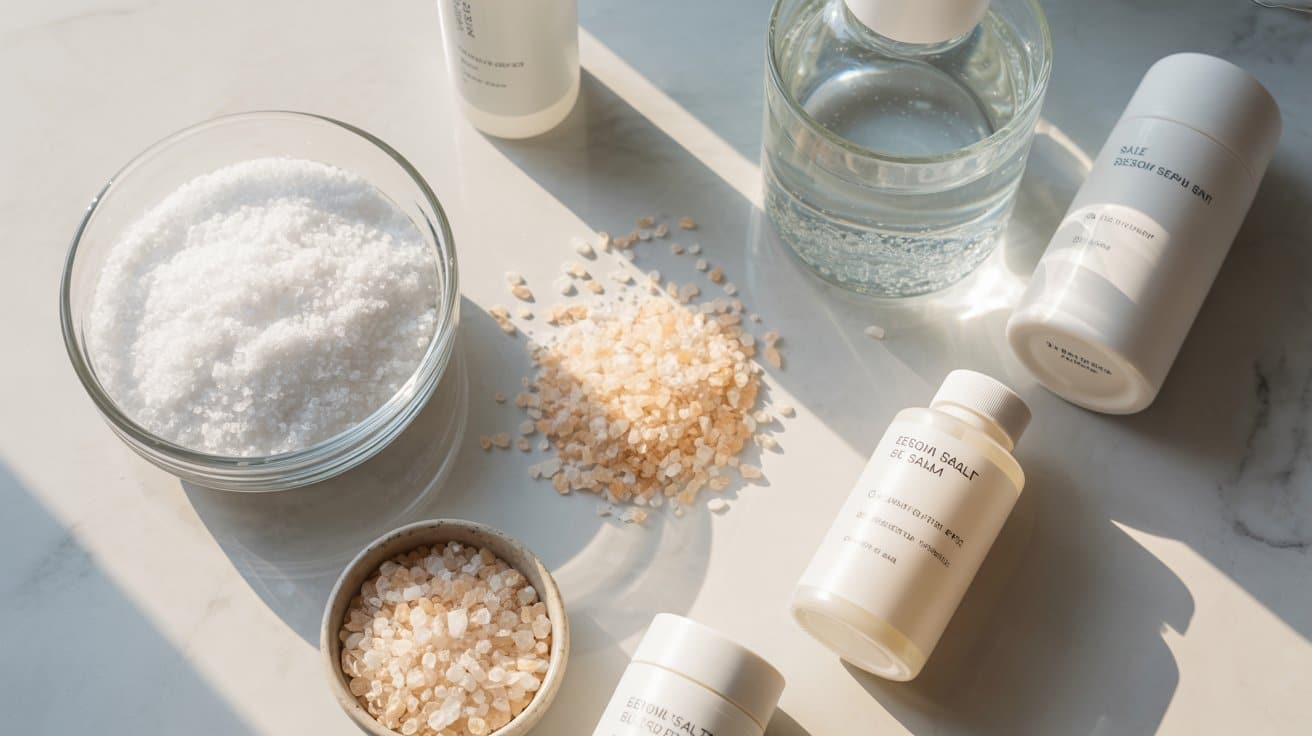
Salt water is simply water mixed with salt. But not all salt water is the same, and that matters when you are thinking about using it on your skin.
Ocean salt water comes straight from the sea. It has minerals like magnesium, calcium, and potassium naturally mixed in. Homemade salt water is plain water with table salt or sea salt stirred in at home.
Epsom salt is magnesium sulfate. It is often used in baths and has different properties than regular sea salt. Sea salt skincare products are commercially formulated versions that include salt as one ingredient among many.
People are drawn to salt water for acne because of a few simple ideas. Salt may dry out excess oil, reduce bacteria on the skin, and offer mild exfoliation. It can also bring down minor inflammation for a short time. Natural remedies like this appeal to people who want to skip harsh chemicals or who are waiting to see a doctor.
Does Salt Water Help Acne According to Dermatologists?

The short answer is this: salt water may help with very mild acne in the short term, but it is not a proven medical treatment for acne.
Dermatologists generally agree that salt water can reduce surface oil and calm minor redness. But they also point out that overusing it can seriously damage your skin barrier. A damaged skin barrier makes acne worse, not better.
Most dermatologists caution against relying on salt water as your only acne fix. It does not treat the root causes of acne, like clogged pores, bacterial growth, or hormonal changes.
Before trying any home remedy, it helps to know what type of acne you have. Mild whiteheads and blackheads are very different from cystic or hormonal acne. Salt water is unlikely to help with deeper or more severe forms.
Scientific Research on Salt Water and Acne
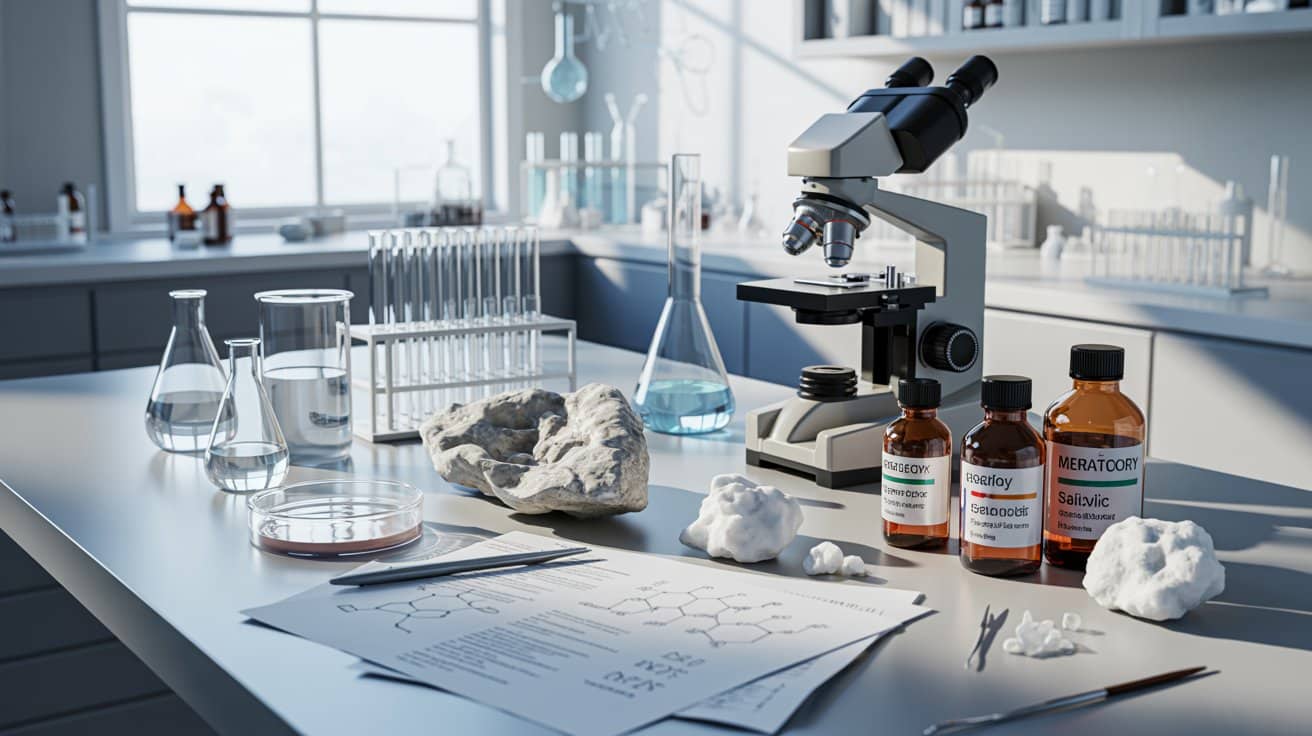
The honest truth is that there is very little scientific research directly looking at salt water as an acne treatment. Most of what people believe comes from personal experience, not clinical studies.
Some minerals found in sea salt, like magnesium and zinc, do have known antibacterial and anti-inflammatory properties. But applying sea salt to your face is not the same as using these minerals in concentrated, clinically tested forms.
Most of the evidence supporting salt water for acne is anecdotal. People share their experiences online, but that is not the same as a controlled study with measured results.
Clinically proven acne treatments like benzoyl peroxide, salicylic acid, and retinoids have years of solid research behind them. Salt water simply does not have that kind of evidence yet.
Potential Benefits of Salt Water for Acne-Prone Skin
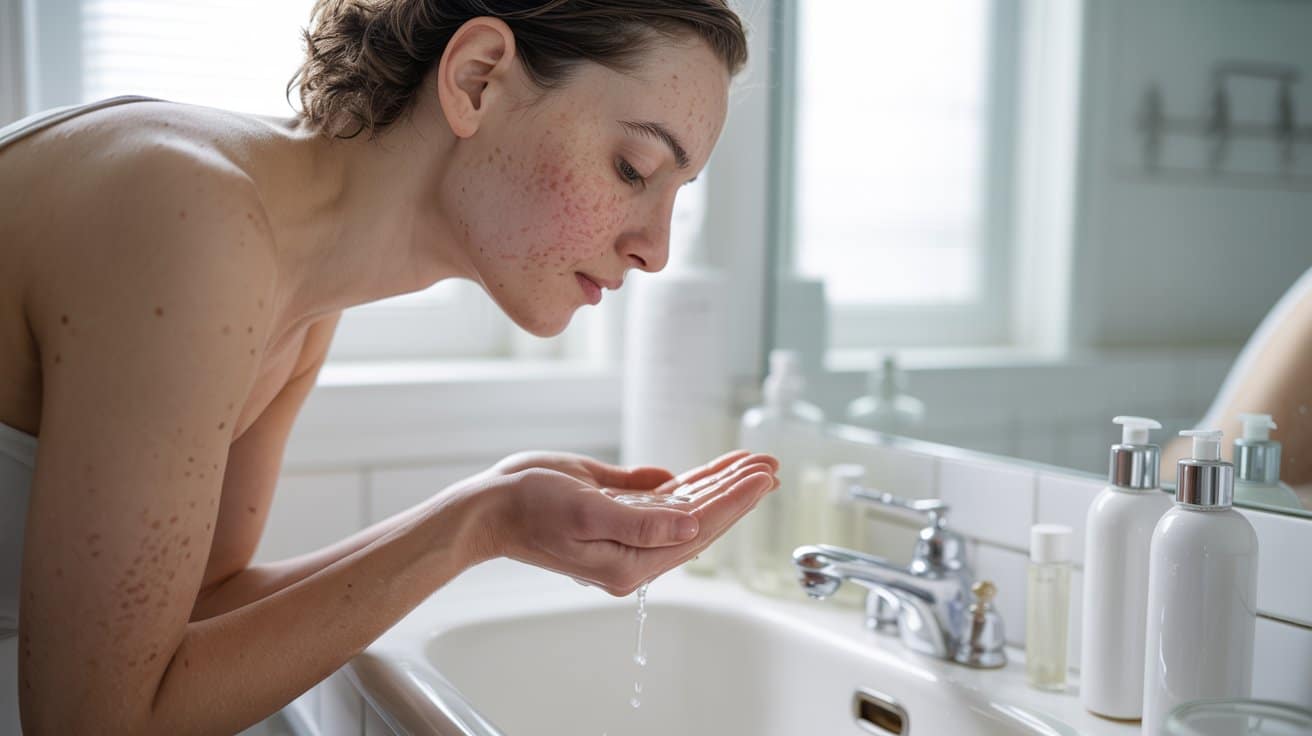
If you have mild acne and a fairly resilient skin type, salt water might offer some short-term relief. It is not a cure, but a few people do notice small positive changes when they use it carefully and occasionally.
Here is what limited research and user experience suggest it may do:
- Temporarily reduce excess oil on the skin surface
- Provide mild exfoliation, removing some dead skin cells
- Reduce redness and irritation for some users in the short term
- Help with body acne in humid climates where sweat clogs pores
- Support an existing skincare routine when used as an occasional, gentle rinse
Keep in mind these are mild and short-lived effects. If your acne is persistent or painful, salt water alone is not going to cut it.
Risks and Side Effects of Using Salt Water on Acne
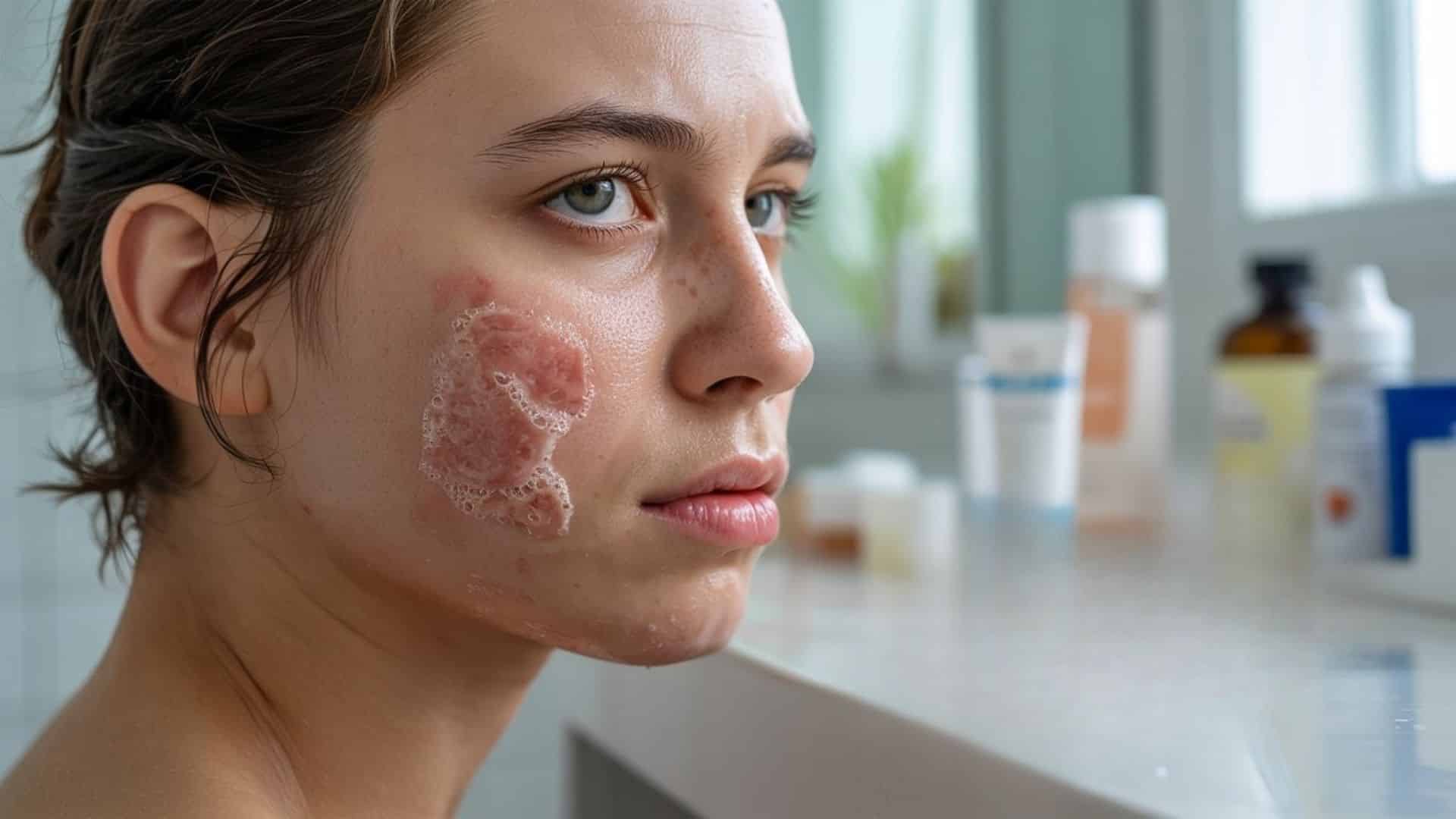
Salt water is not harmless. If you use it too often or too aggressively, it can do more damage than good. Your skin barrier is fragile, and stripping it causes real problems.
Here are the main risks worth knowing:
- Skin dryness and irritation, especially after repeated use
- Damaged skin barrier, which makes your skin more prone to future breakouts
- Increased redness and peeling, particularly on sensitive skin
- Risk of worsening cystic or sensitive acne, which can become more inflamed
- Salt scrubs can deepen acne scars if used aggressively on active breakouts
Here is something most people do not expect. When your skin gets too dry, your oil glands produce more oil to make up for it. That extra oil clogs pores and leads to more breakouts. So overusing salt water can actually make your acne worse over time.
Does Salt Water Help Acne Scars?

A lot of people wonder if salt water can fade the marks that acne leaves behind. The honest answer is that it offers very little real help there.
There are two types of marks people often confuse. Post-inflammatory hyperpigmentation is the flat dark or red discoloration left after a pimple heals. Textured acne scars are the indented or raised marks that go deeper into the skin structure.
Salt water might give your skin a slightly smoother feel for a short time through mild exfoliation. But it cannot repair the deeper structural damage that textured scars involve. People searching does salt water help acne scars should know the evidence for scar reduction is extremely limited.
For real scar improvement, treatments like retinoids, chemical peels, microneedling, and laser therapy are clinically backed options worth discussing with a dermatologist.
How to Use Salt Water Safely for Acne

If you want to try salt water on your skin, being cautious is the right move. Going slow and testing it on a small area first protects your skin from unnecessary damage.
Here is how to do it more safely:
- Do a patch test first. Apply diluted salt water to a small area and wait 24 hours before using it on your face.
- Make a gentle solution. Mix about half a teaspoon of sea salt with one cup of warm water. Do not go stronger than this.
- Limit use to two or three times per week at most. Daily use is too much for most skin types.
- Always moisturize right after. Salt water dries the skin, so follow up with a non-comedogenic moisturizer every time.
- Skip salt water if you have sensitive skin, eczema, severe acne, or open wounds. It will irritate rather than help.
Salt water is a mild add-on at best, not a treatment plan. Use it occasionally and always pair it with a proper, consistent skincare routine.
When You Should See a Dermatologist

Some acne situations go well beyond what any home remedy can handle. If any of the following sounds like you, it is time to book an appointment.
Persistent acne that does not clear up after several weeks of consistent treatment needs professional attention. Painful cystic acne forming under the skin is a sign your body needs more than a topical rinse.
If acne is affecting your confidence or causing emotional stress, that is a completely valid reason to seek help. Skin health and mental health are more connected than most people realize.
Dark spots, scarring, or over-the-counter products that simply are not working are all signs you need something stronger. A dermatologist can build a plan that actually fits your skin type and acne severity.
Better Alternatives to Salt Water for Acne Treatment
There are treatments with solid research behind them that work far better than salt water for acne. Starting with these gives your skin a real, fighting chance.
Some of the most effective options include:
- Salicylic acid, which clears clogged pores from the inside out
- Benzoyl peroxide, which kills acne-causing bacteria directly
- Niacinamide, which calms redness and regulates oil without drying the skin
- Retinoids, which speed up skin cell turnover and help prevent new breakouts
- Azelaic acid, which reduces inflammation and fades post-acne marks
Evidence-based treatments work because they target the actual causes of acne. DIY remedies like salt water can feel satisfying to try, but they rarely solve the problem at the root.
Conclusion
So, does salt water help acne? Maybe a little. But your skin deserves a plan that actually works long-term, not just a quick fix that fades by morning. Stop guessing and start making informed choices.
If your breakouts keep coming back, a dermatologist is your best next step. Do not wait until things get worse. Your skin is worth the effort.
Have you ever tried salt water on your acne? What happened? Drop your experience in the comments below. I read every single one.
Frequently Asked Questions
Does Salt Water Help Acne Overnight?
Salt water can temporarily dry out a pimple, but it will not clear acne overnight. It is not a fast or reliable treatment for any type of breakout.
Is Ocean Water Good for Acne-Prone Skin?
Ocean water may offer short-term benefits due to its natural minerals, but it also carries bacteria and increases sun sensitivity. The risks and benefits tend to even out, making it an inconsistent option for acne-prone skin.
Can Salt Water Make Acne Worse?
Yes, it can. Overuse strips the skin barrier and causes dryness, which signals your oil glands to overproduce oil and leads to more clogged pores and breakouts.
How Often Should I Use Salt Water on Acne?
Use it no more than two to three times per week if your skin tolerates it well. Daily use is too drying and can damage your skin barrier over time.
Does Salt Water Help Acne Scars Fade Naturally?
The evidence is very limited, and salt water cannot repair deeper textured scars. Professional treatments like chemical peels or microneedling are far more effective for meaningful scar reduction.