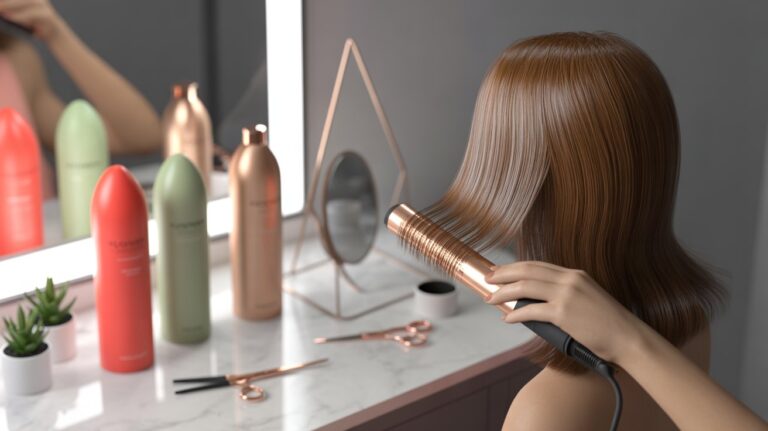
Does Toner Damage Hair? Truth Explained


I've been asked this so many times, does toner damage hair? If you've ever left the salon feeling unsure about how your hair feels after toning, you're not alone. I've been there too.
In this article, I'll cover exactly what toner is, how it works, and when it can cause real harm. I'll also share simple steps to tone safely and keep your hair healthy after.
I've spent years researching hair care, and I'm here to give you real answers, not guesswork.
We'll go through what toner does, when it can be damaging, how often to tone, and tips to protect your hair every step of the way.
What Is Hair Toner and How Does It Work?
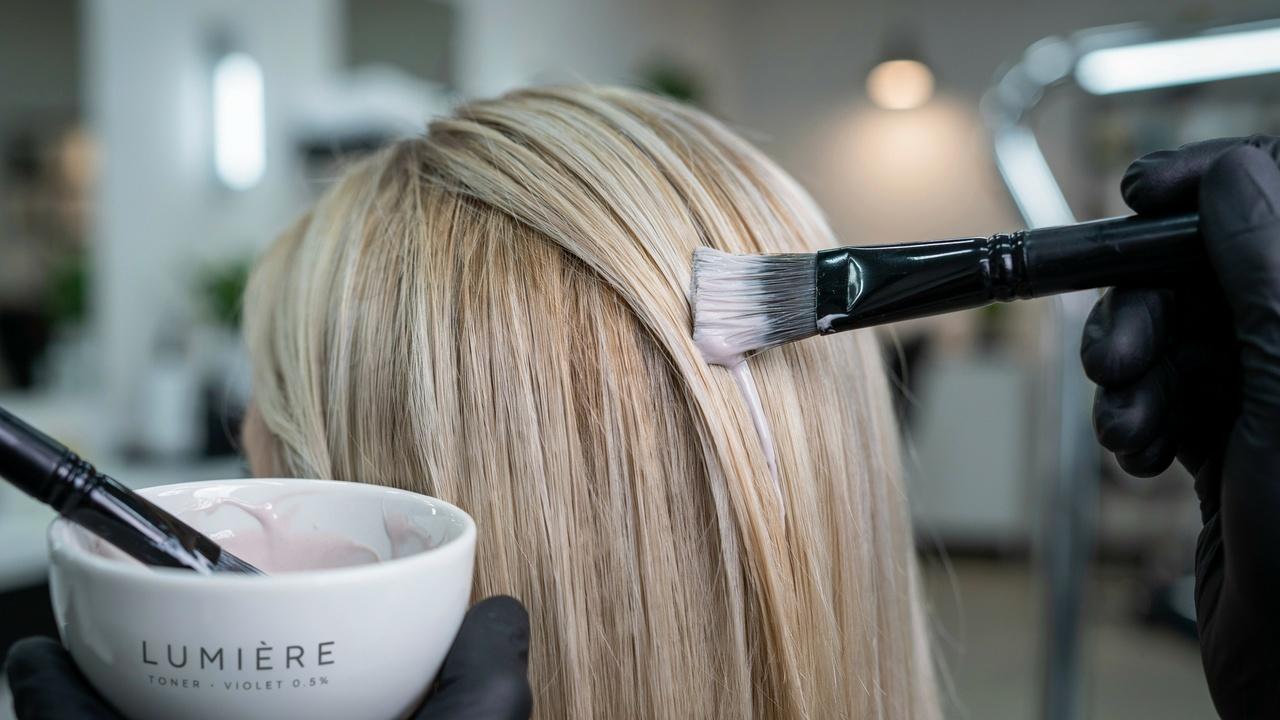
Hair toner is a color product used after bleaching or lightening to remove unwanted yellow, orange, or brassy tones.
It works by depositing cool or neutral pigments into the hair shaft, making your color look more even and closer to your target shade.
There are a few types to know about. Toning shampoos and conditioners are the gentlest option, while semi-permanent toners have no ammonia and coat the outside of the hair.
Demi-permanent toners slightly penetrate the shaft using a low-volume developer, and permanent toners are stronger for bigger color shifts.
Toner can improve your color and remove brassiness, but it cannot lighten hair or fix existing damage. It is simply a finishing step.
Does Toner Damage Hair?
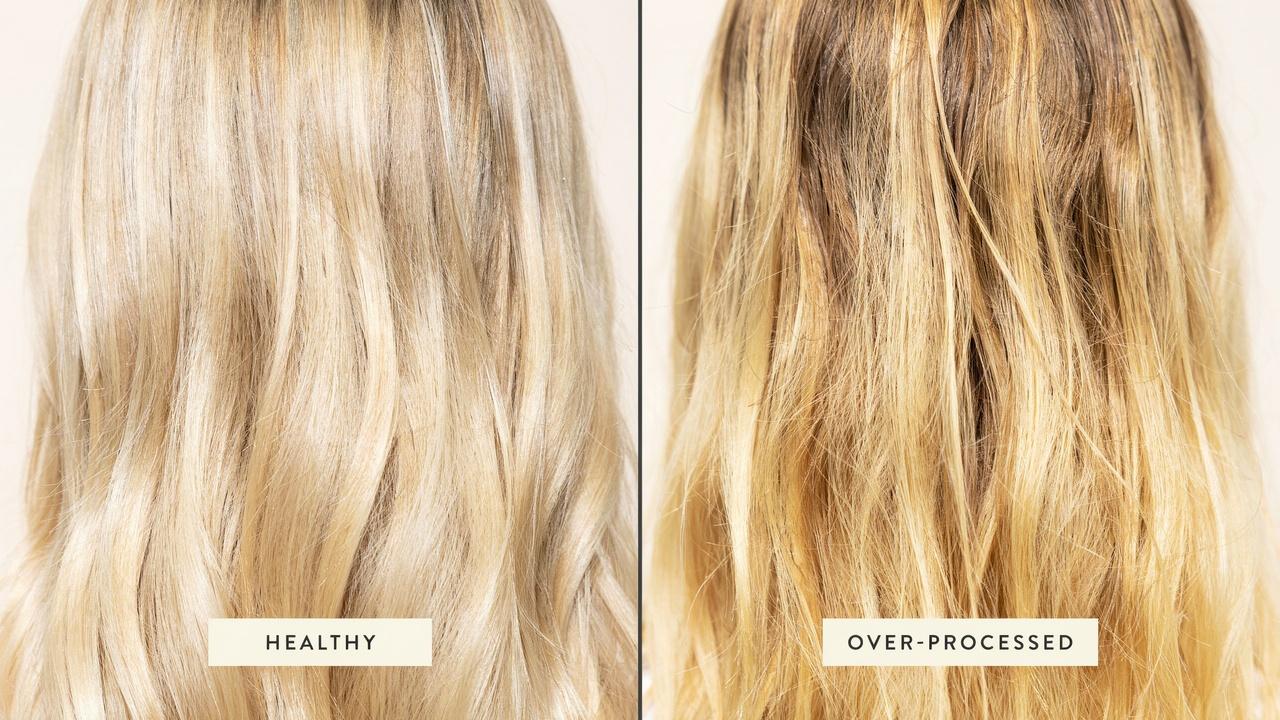
The honest answer to one of the most common hair care questions out there.
The Short Answer
Most of the time, toner does not damage hair in a serious way. It's one of the gentler color products available. But there are situations where it can cause harm if used the wrong way.
Why Toner Is Usually Not Damaging
Semi-permanent toners have no ammonia. They sit on top of the hair rather than opening the cuticle fully. This means they cause very little stress to the strand.
Toning shampoos and purple conditioners are even milder. When used correctly, toner is unlikely to leave your hair worse off.
When Toning Can Lead to Hair Damage
Damage can happen in these cases
- Your hair is already heavily bleached or dry
- The toner is left on too long
- You use a high-volume developer with the toner
- You tone too often without giving hair time to recover
If your hair is already weak, even a mild product can push it further.
What Factors Can Affect Hair Health During Toning?

Several things determine how toner interacts with your hair, and they matter more than you think.
Your Hair's Current Condition
This is the biggest factor. Healthy hair handles toning well. Damaged or over-processed hair is much more sensitive.
If your hair is already dry, brittle, or breaking, toning adds stress it may not handle well. Always check the state of your hair before applying any color product.
Toner Formula and Processing Time
Not all toners are the same. Some are stronger than others. A toner left on longer than recommended can dry out the hair, shift the color too far, or cause breakage in weak strands.
Always follow the product instructions and set a timer.
Professional vs. At-Home Toning
A professional knows how to read your hair and choose the right product. At home, it's easy to guess wrong. You might pick the wrong shade, use the wrong developer, or leave it on too long.
Going to a salon reduces these risks, especially for damaged or highlighted hair.
The Role of Developer in Some Toning Services
Some toners mix with a developer, usually 10 or 20 volumes. The higher the developer, the more it opens the cuticle.
A 20-volume developer causes more stress than a 10-volume one. For already dry hair, sticking to the lowest effective developer is key.
How Often Should You Tone Your Hair?

Spacing out toning sessions is one of the easiest ways to protect your hair long-term.
Recommended Time Between Toning Sessions
Most hair professionals suggest waiting 4 to 8 weeks between toning sessions. This gives your hair time to recover and lets the color fade naturally.
Toning too soon can dry out your strands and cause buildup. If your hair feels healthy and the brassiness is back, you're likely good to go.
When to Wait Longer Before Retoning
If your hair feels dry, snaps easily, or looks dull, it's telling you to wait. Retoning too soon on already weak hair makes things worse, not better.
Take a month or two off and focus on deep conditioning instead. Your hair will thank you for the break.
Signs It's Time for a Toner Refresh
- Brassiness is coming back
- The cool tones have fully faded
- Your hair looks uneven in color
- You're close to your next bleach session
How to Keep Hair Healthy After Using Toner

Simple, effective steps to protect your hair and keep your color looking fresh.
Choose Color-Safe Hair Care Products
Switch to a shampoo and conditioner made for color-treated hair. These are sulfate-free and much gentler on toned strands.
They help your toner last longer and stop moisture from being stripped away. Look for products labeled "color-safe" or "for treated hair" at your local store.
Small changes in your routine can make a big difference in how long your tone stays fresh.
Reduce Heat Styling and Always Use Heat Protection
Heat speeds up color fade and dries out your hair over time. Try to air dry when you can, even just a few days a week.
If you need to use heat tools, apply a heat protectant spray every single time before styling. Skipping this step, even once, can lead to dryness and faster color loss.
Your toner will last much longer with less heat involved.
Deep Condition Your Hair Regularly
Use a deep conditioning mask at least once a week after toning. Toning can remove some moisture and protein from your strands, and a good mask helps put that back.
Look for ingredients like keratin, argan oil, or shea butter for the best results. Leave the mask on for the full recommended time to let it really work.
Consistent conditioning is one of the easiest ways to keep toned hair looking and feeling healthy.
Protect Hair Color from Fading
- Rinse with cool water to seal the cuticle
- Avoid chlorine and saltwater without protection
- Wear a hat or use UV protection sprays in the sun
Tips to Use Hair Toner Safely
Smart habits that make a real difference before and during the toning process.
- Always do a strand check before toning to make sure your hair is strong enough. If it snaps or feels weak, condition first and skip the toner for now.
- Never leave toner on longer than the packaging says and always set a timer. Even a few extra minutes can cause dryness or an unwanted color shift.
- Avoid applying toner over the same damaged sections repeatedly, especially on fragile ends. Overlapping product causes buildup and puts extra stress on already weak strands.
- For complex color corrections after multiple bleach sessions, always visit a professional. Trying to fix uneven tones at home without experience often makes things worse.
- Deep condition regularly between sessions to keep your hair strong and healthy. Well-moisturized hair handles toning much better and recovers faster after each session.
Conclusion
So, does toner damage hair? In most cases, no. But it depends on how you use it and the current state of your hair.
I've seen people tone their hair every few weeks with no issues, and I've seen one session cause a real setback on already dry strands.
The key is being honest about your hair's condition and following safe practices. Take care of it between sessions.
Found this helpful? Drop a comment below, share it with a friend, or check out our other hair care guides!
Frequently Asked Questions
Does Toner Damage Hair More Than Regular Dye?
No, toner is generally gentler than regular hair dye. It contains fewer harsh chemicals and is mainly used to adjust color rather than change it fully.
Can I Tone My Hair Right After Bleaching?
It's possible, but risky if your hair feels weak. Wait a few days and deep condition before toning to reduce stress on already lifted hair.
How Long Does Hair Toner Last?
Toner typically lasts between 2 to 6 weeks depending on your hair type, how often you wash it, and the products you use.
Is Purple Shampoo the Same as Toner?
Not exactly. Purple shampoo is a mild toning product you use regularly. Traditional toner is applied once and provides a stronger, longer-lasting color correction.
Can Toner Cause Hair Loss?
Toner does not directly cause hair loss. However, if used on severely damaged hair repeatedly, it can increase breakage, which may look like thinning over time.