Which Facials for Hyperpigmentation Really Work?


Dark spots are frustrating. I know because I’ve been there, standing in front of the mirror, staring at my skin, wondering if anything actually works.
That’s exactly why I put this together for you.
This article covers the best facials for hyperpigmentation, based on real peer recommendations and personal experiences.
You’ll find out what causes dark spots, which facials actually fade them, how to pick the right one for your skin type, and simple at-home tips that support your results.
No fluff, just real, honest advice.
Can Facials Actually Help with Hyperpigmentation?
The short answer is yes, but not every facial works the same way for every person.
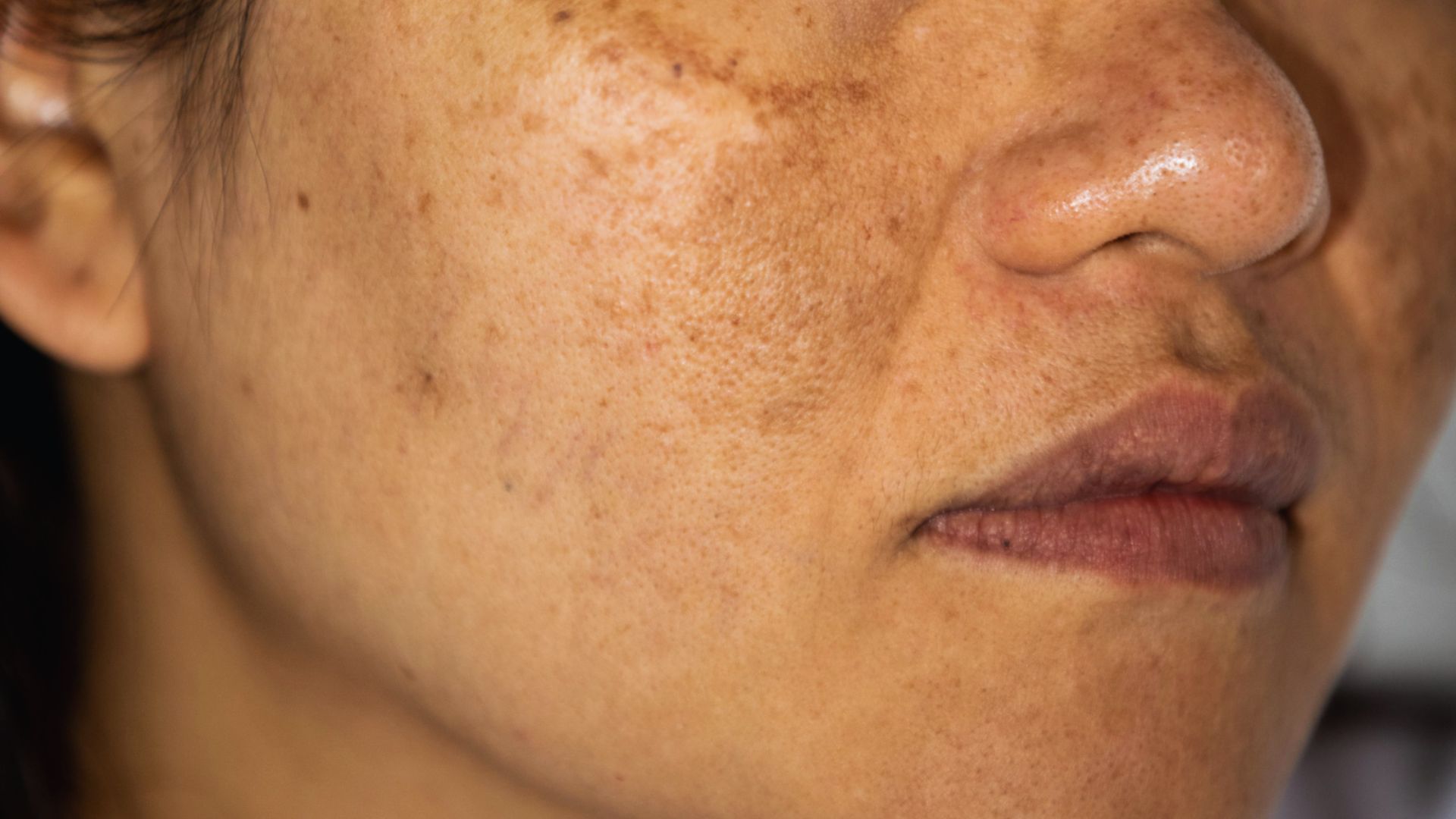
Facials target hyperpigmentation by speeding up skin cell turnover, reducing excess melanin, and improving overall skin tone over time. Some work on the surface, others go deeper.
I’ve seen people in skincare communities share real, steady progress after professional facials, not overnight results, but visible improvement over weeks and months.
Done by trained professionals using stronger active ingredients, regular sessions combined with good at-home care tend to give the most lasting results.
Understanding Hyperpigmentation
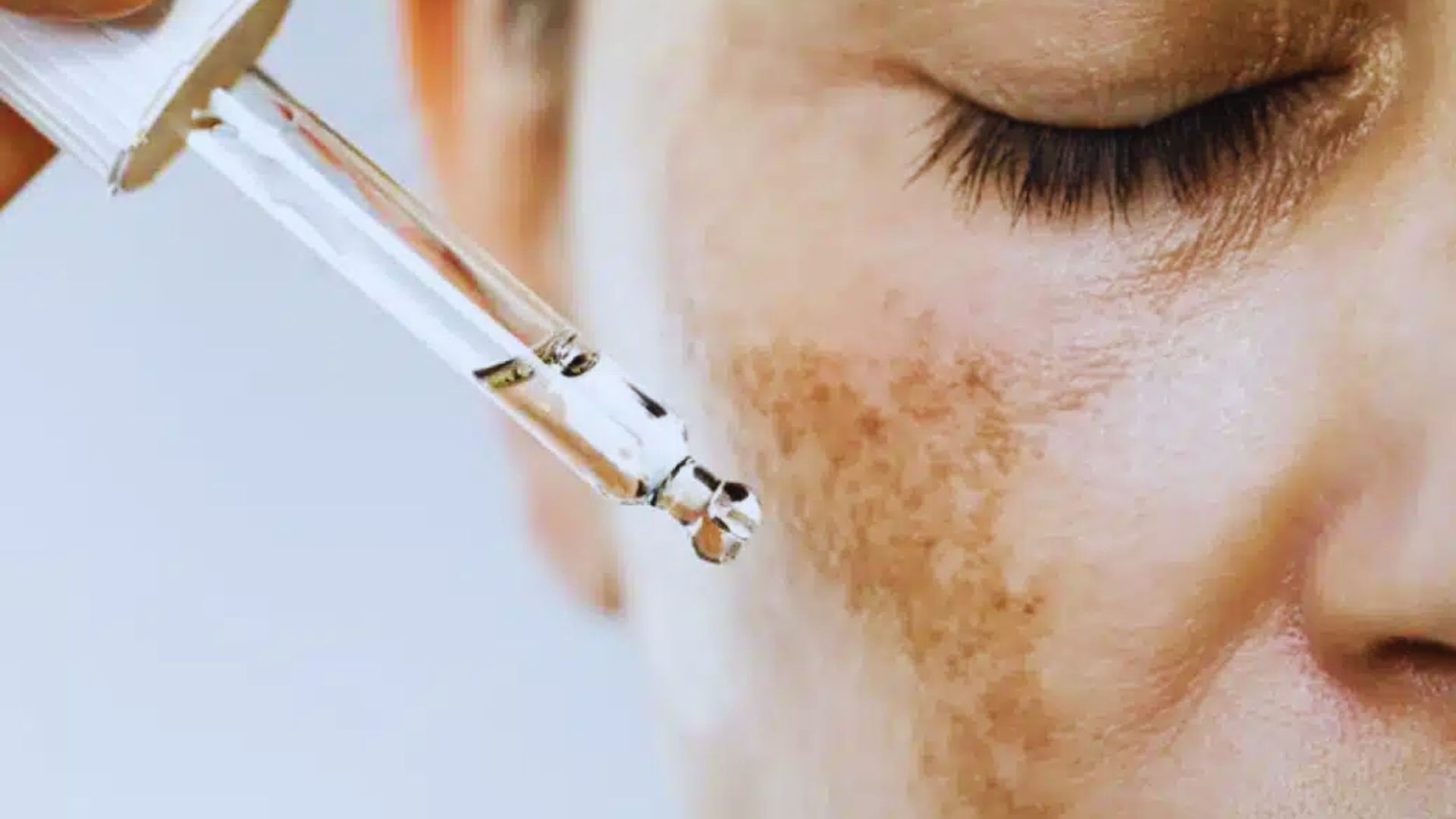
Hyperpigmentation happens when your skin makes too much melanin in certain spots.
The most common triggers people share include sun exposure and UV damage, which darken existing spots and create new ones.
Hormonal changes, like those during pregnancy or menopause, often cause melasma, which shows up as patches across the cheeks and forehead.
Then there’s post-inflammatory hyperpigmentation (PIH), which shows up after acne, eczema flare-ups, or small skin injuries.
It’s one of the most talked-about concerns in skincare communities, especially among people with deeper skin tones.
Why Dark Spots Can Be Stubborn
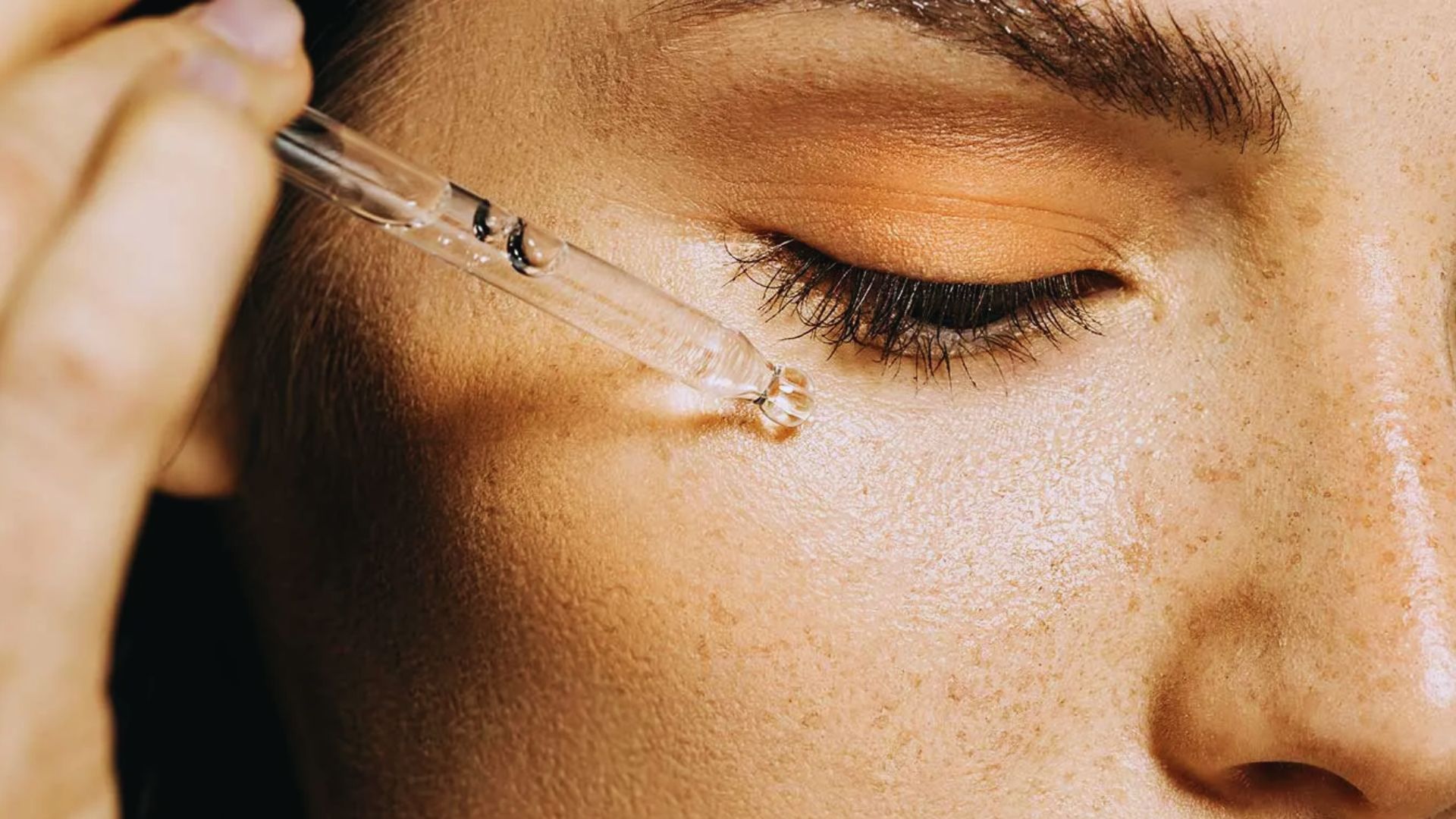
Dark spots don’t fade overnight, and that’s not just something people say to manage expectations.
The reason they stick around is that excess melanin sits deep in the skin layers.
Every time your skin faces a trigger, sun, hormones, or inflammation, more melanin gets produced.
Users often point out that stopping the trigger is just as important as treating the spot.
Many say they saw real progress only when they added SPF daily and stopped picking at breakouts. Without addressing the root cause, even the best facial will only do so much.
7 Facials Users Recommend for Hyperpigmentation
From chemical peels to brightening treatments, here are the facials that real people have tried and recommended for fading dark spots and improving overall skin tone.
1. Chemical Peels
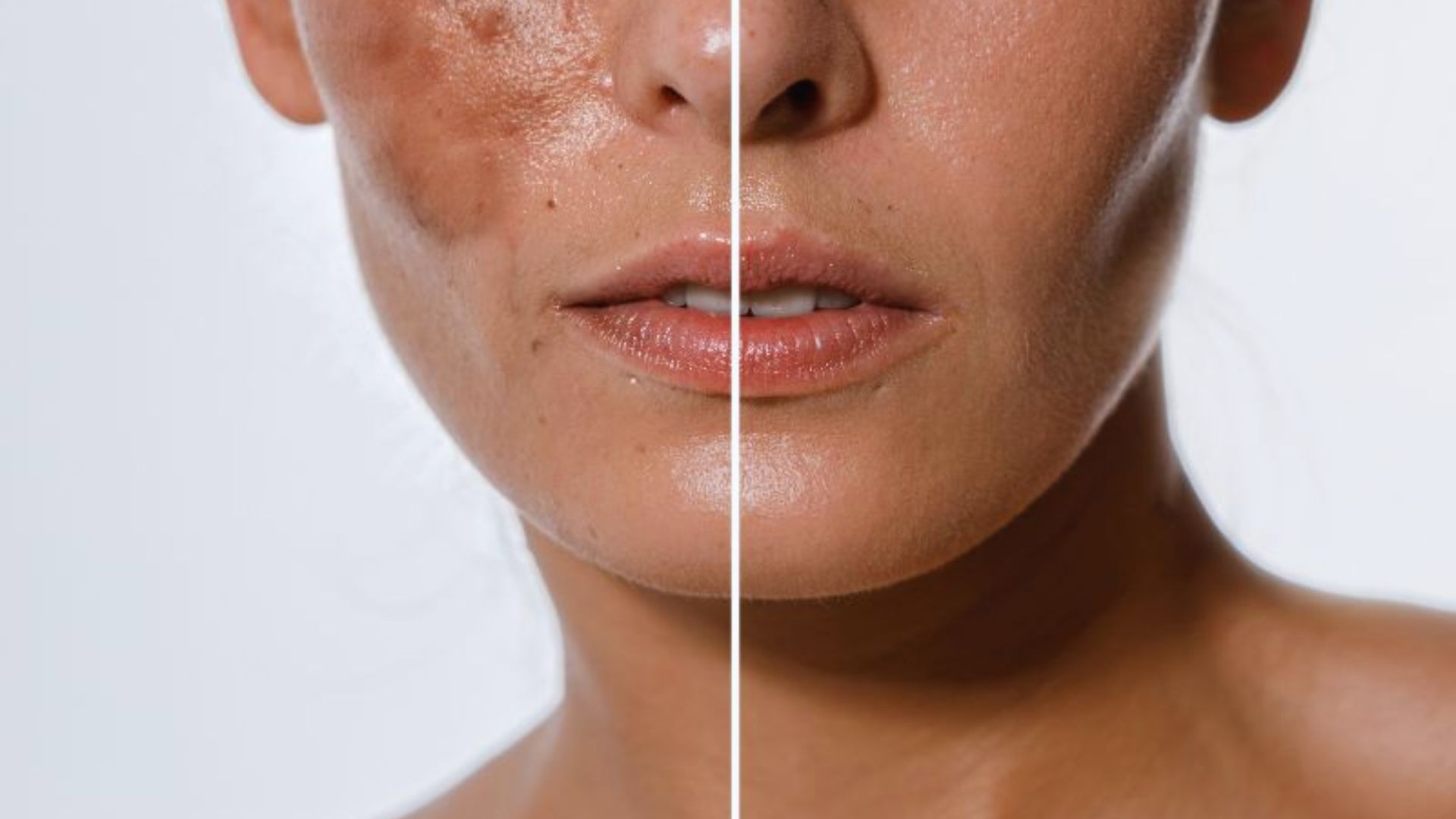
People who’ve tried chemical peels often say it was a turning point for their skin. Glycolic and lactic acid peels are the most commonly mentioned.
Users report faded dark spots and smoother skin texture within a few sessions. Most found that 3 to 6 sessions spaced a few weeks apart gave the best results.
Mild peeling and redness are normal in the first day or two. Those with sensitive skin suggest starting with a lighter peel and building up gradually.
2. Hydrafacial / Hydradermabrasion
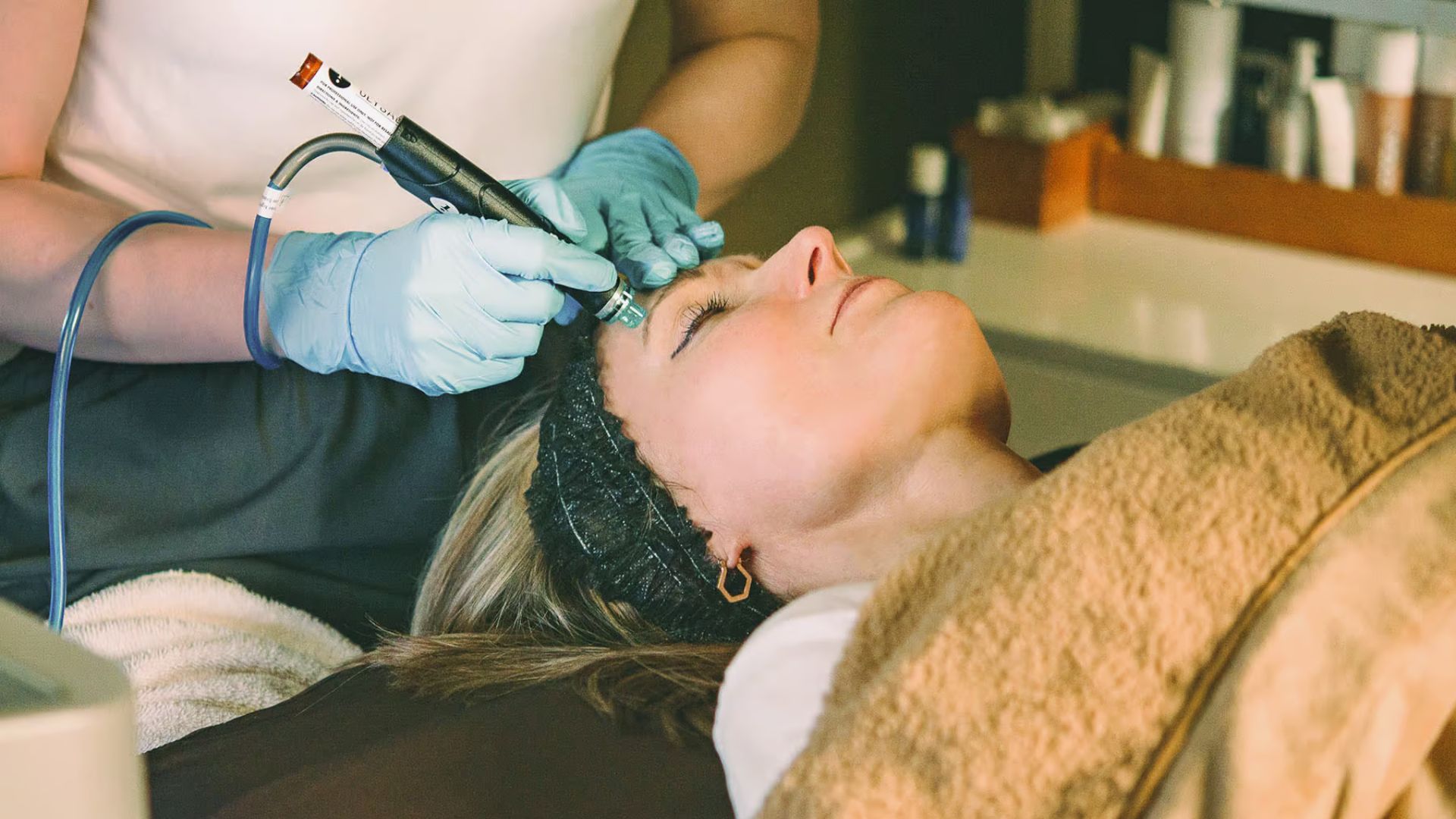
The Hydrafacial comes up constantly in skincare discussions, and for good reason. Users with dry or sensitive skin especially love it because it brightens without irritation.
It combines exfoliation, extraction, and hydration in one session. People notice a healthy glow right after.
Long-term, regular users say consistent monthly sessions helped reduce the appearance of dark patches.
3. Microchanneling / Microneedling
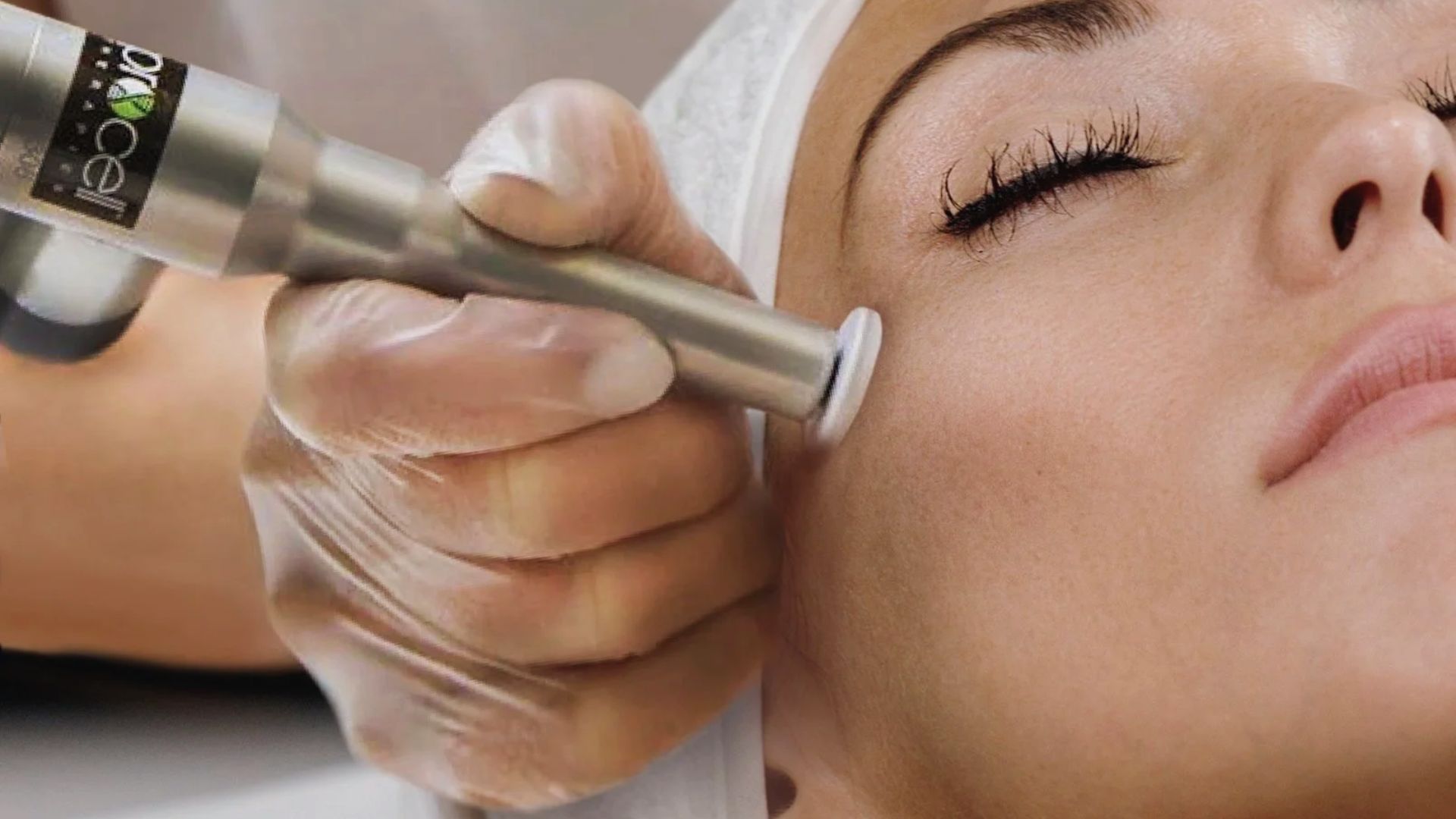
Microneedling gets a lot of attention for stubborn dark spots. Users share that it works gradually, most saw visible fading after 3 to 4 sessions, spaced 4 to 6 weeks apart.
The tiny channels created in the skin allow brightening serums like vitamin C or tranexamic acid to absorb more deeply.
Many people combine microneedling with targeted serums for stronger results.
The key tip shared repeatedly: don’t skip aftercare, especially SPF, because skin is more sun-sensitive after treatment.
4. Bioelements Even Brighter Facial
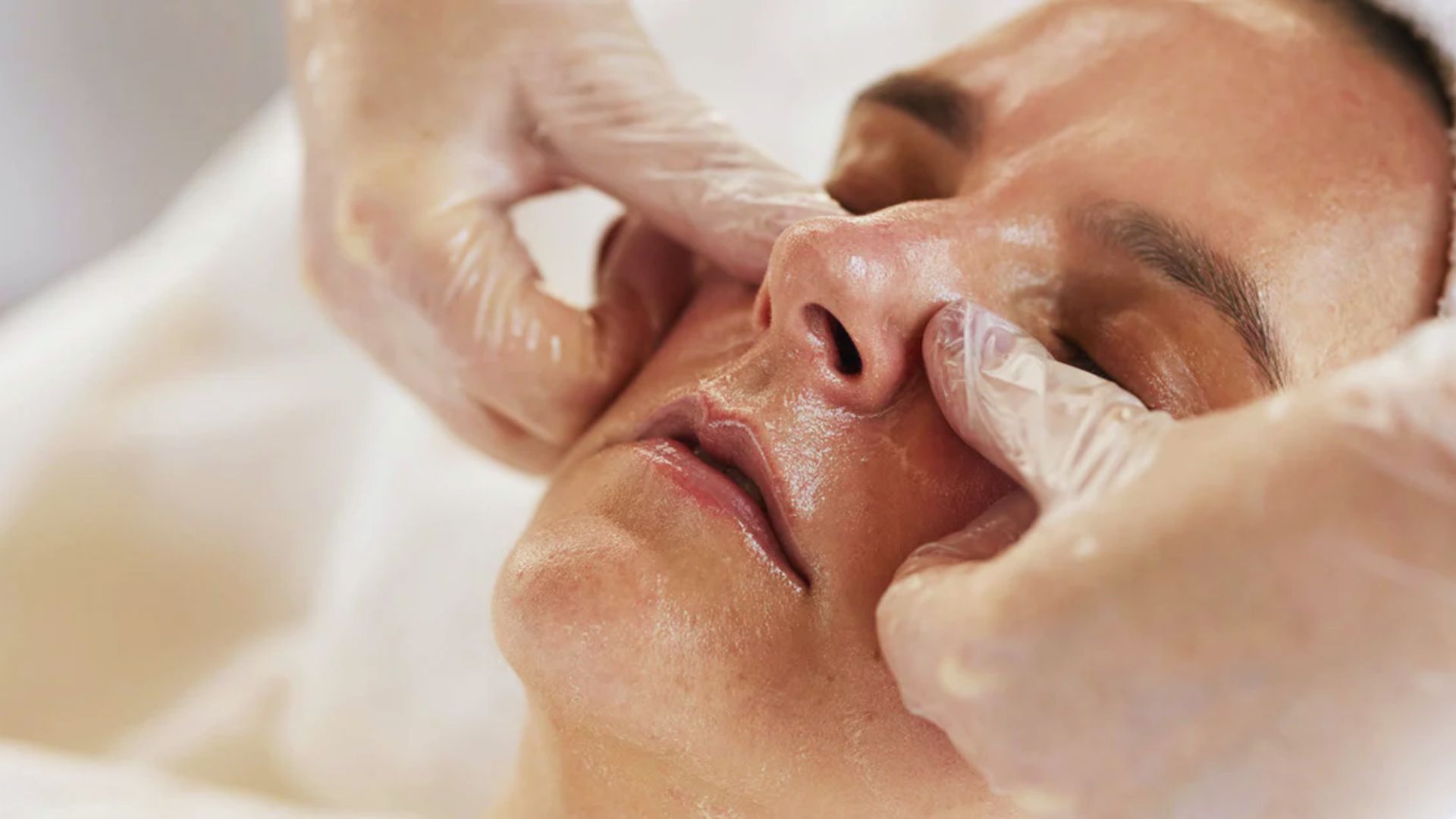
This facial gets recommended often by users looking for a gentler antioxidant-based option. The Bioelements Even Brighter Facial uses brightening ingredients that target melanin production without harsh chemicals.
People report a more even skin tone after repeated sessions. It’s a slower process compared to peels or lasers, but users with reactive skin prefer it for that reason.
Many say two to three sessions in, they started noticing their overall complexion looking clearer and more balanced.
5. Bioelements Ultra-Detox Chemical Peel
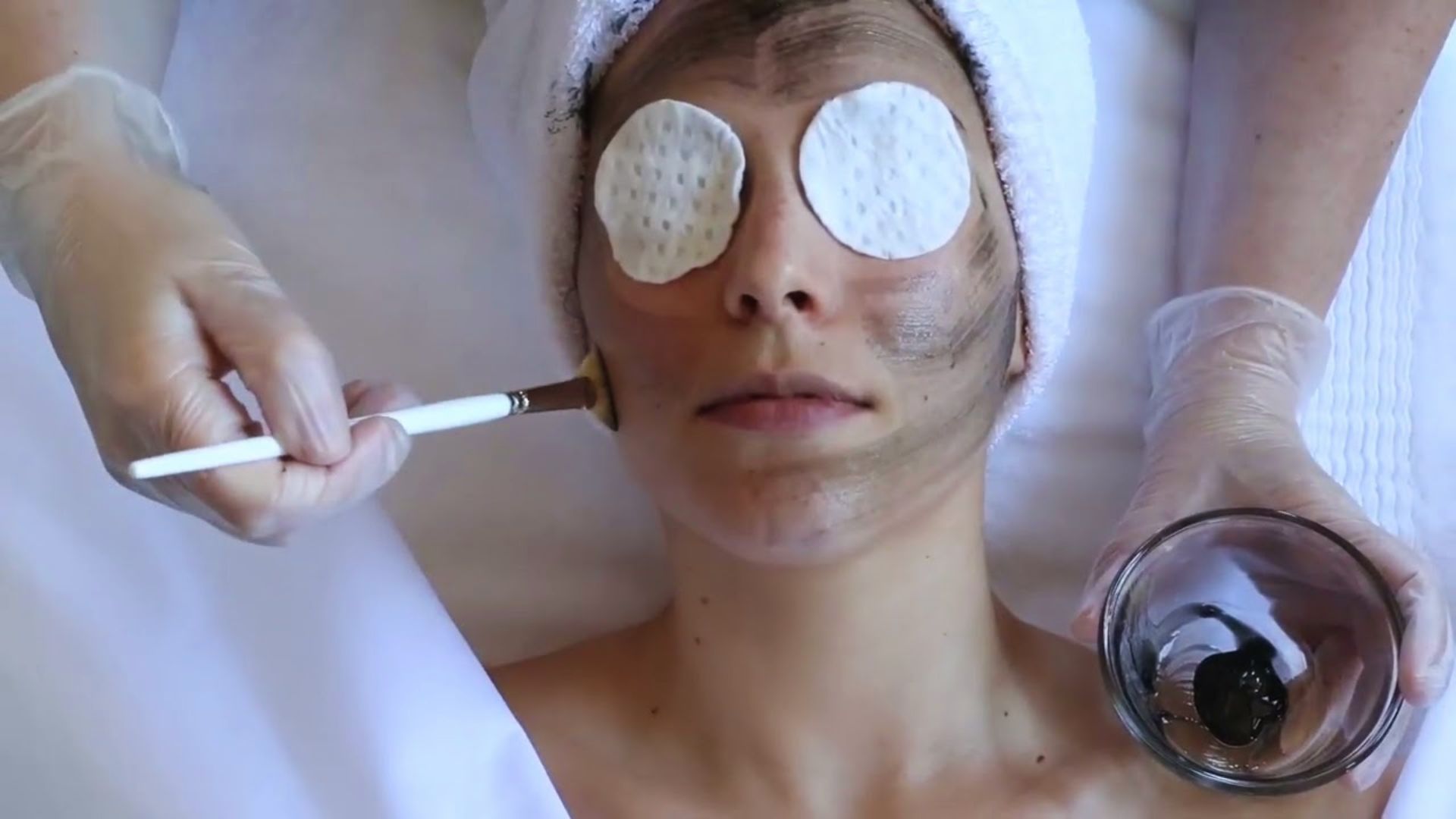
Users dealing with deeper pigmentation often bring up the Bioelements Ultra-Detox Chemical Peel.
What people appreciate most is the minimal downtime, most go back to their routine within a day or two.
It works gradually, clearing congestion and reducing pigmentation over multiple sessions. Users mention that the clarity builds over time rather than all at once.
It’s a good middle ground for people who want peel-level results but can’t afford a week of visible peeling.
6. Laser & IPL Facials

Laser and IPL (Intense Pulsed Light) treatments come up whenever someone asks about stubborn or deep hyperpigmentation.
Users with fair to medium skin tones report strong results. Testimonials often describe spots visibly darkening at first and then flaking off within a week, which is normal.
Darker skin tones need to see a specialist experienced with melanin-rich skin to avoid worsening pigmentation. Frequency is usually once every few weeks.
7. Antioxidant or Brightening Facials
These facials are praised for both treating existing spots and preventing new ones. Vitamin C, niacinamide, and kojic acid are the most mentioned active ingredients in this category.
Users say these facials gave them a noticeable radiance boost and helped their skin tone look more even over time.
They’re often recommended as a maintenance option after completing a course of stronger treatments like peels or lasers.
Choosing the Right Facial Based on Peer Advice
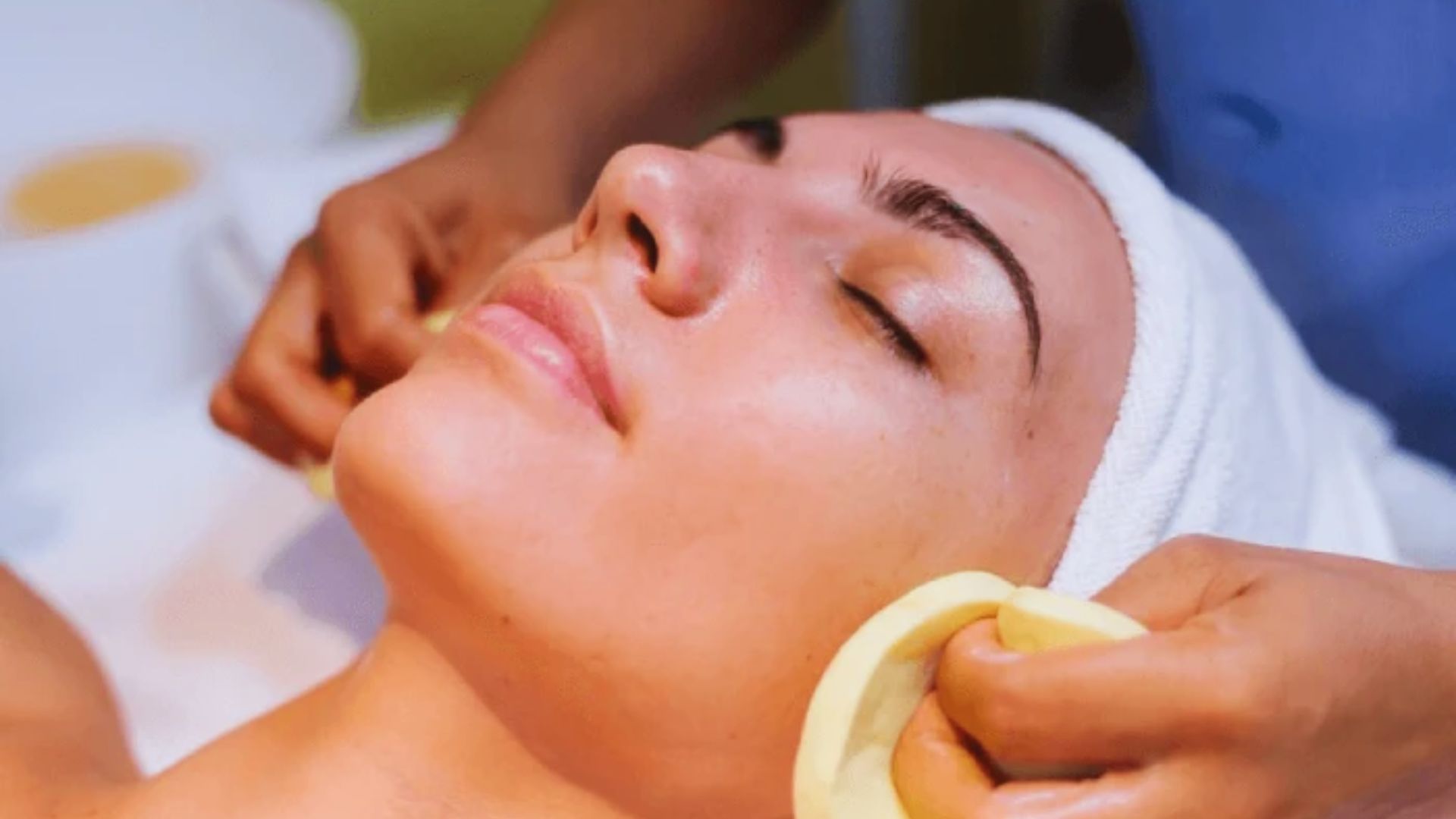
Finding the right facial for hyperpigmentation means looking at your skin type, the type of pigmentation you have, and how much downtime you can handle.
Users with oily or acne-prone skin often do well with chemical peels or microneedling, while those with dry or sensitive skin tend to favor Hydrafacials or antioxidant-based treatments.
For melasma specifically, many users warn against aggressive laser treatments without professional guidance.
People who’ve tried multiple treatments say the best approach is to start mild, track your results, prepare your skin with SPF and gentle products beforehand, and follow post-facial care instructions closely. Don’t rush the process.
Combining Facials with At-Home Practices: Community Tips
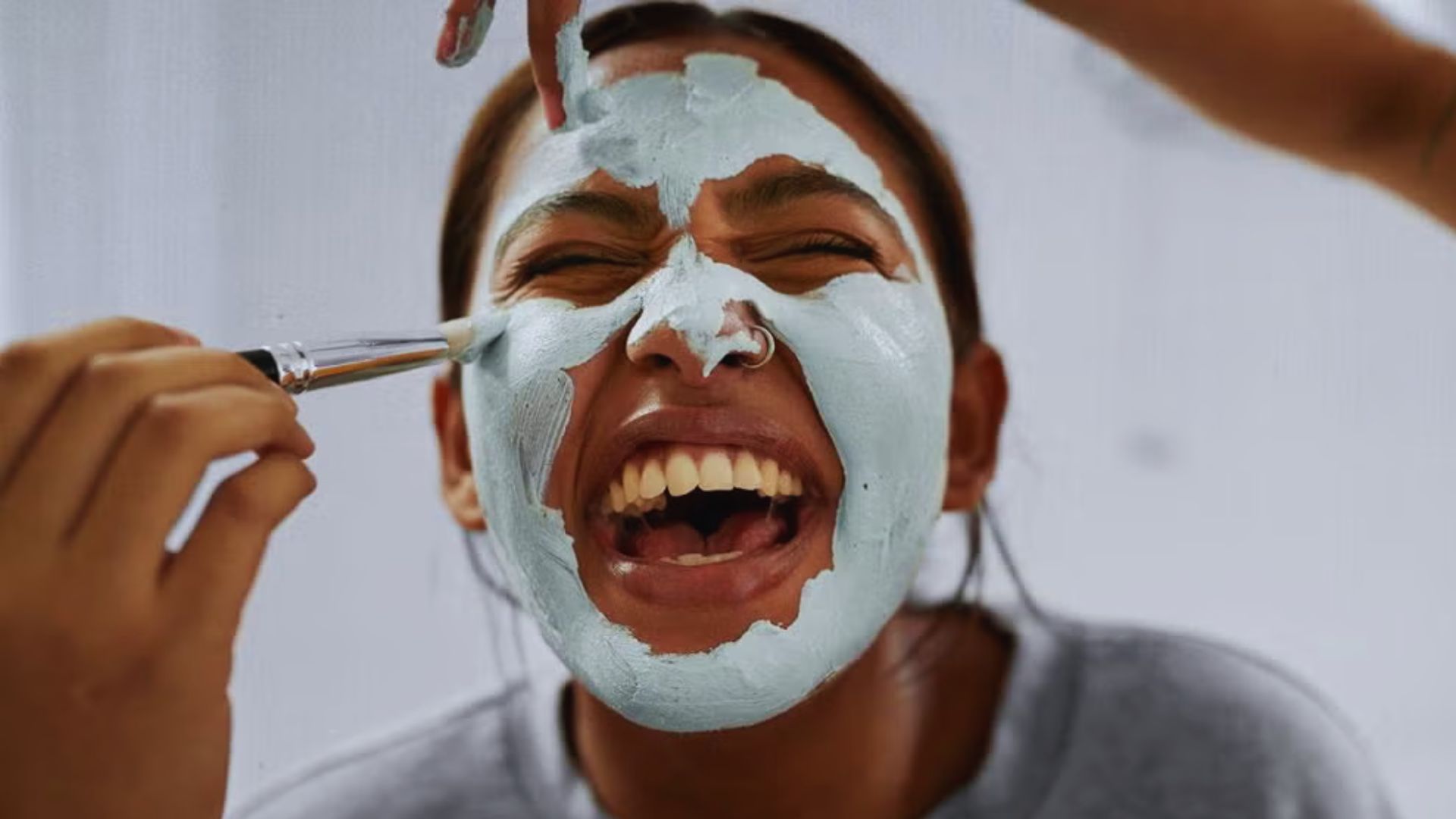
Facials work best when paired with simple, consistent habits at home, here’s what the community actually does between sessions.
Sun Protection Habits Shared by Users
SPF is the one thing everyone agrees on. Users say daily sunscreen, even on cloudy days, made a bigger difference than any single facial.
SPF 30 to 50 with broad-spectrum coverage is the most recommended range. Popular forum picks include mineral-based options for sensitive skin and lightweight, non-greasy formulas for everyday wear.
Many users say they reapply midday, especially if they’re outdoors. Without SPF, dark spots often return even after successful treatments, that point gets repeated across almost every skincare thread.
Skincare Ingredients That Work
Between sessions, users rely on a few well-known brightening ingredients. Vitamin C in the morning helps fight pigmentation and protects against UV damage.
Niacinamide is praised for calming redness and reducing dark patches with consistent use. Tranexamic acid comes up often for melasma specifically, with users reporting real improvement over 8 to 12 weeks.
Many say these ingredients made their facial results last longer and showed up faster.
The consistent advice: apply them daily, layer carefully, and pair everything with SPF.
Lifestyle Adjustments from Community Discussions
Small daily habits kept coming up in community discussions as key factors in maintaining results.
Drinking enough water helps the skin stay clear and recover faster after treatments. Getting enough sleep allows the skin to repair itself overnight.
Stress reduction also came up frequently, high cortisol levels can trigger hormonal pigmentation.
Users who focused on these three areas alongside their facials said their results held up much better over time. Skincare without lifestyle support is harder to sustain, and the community makes that clear.
Peer Experiences & Testimonials
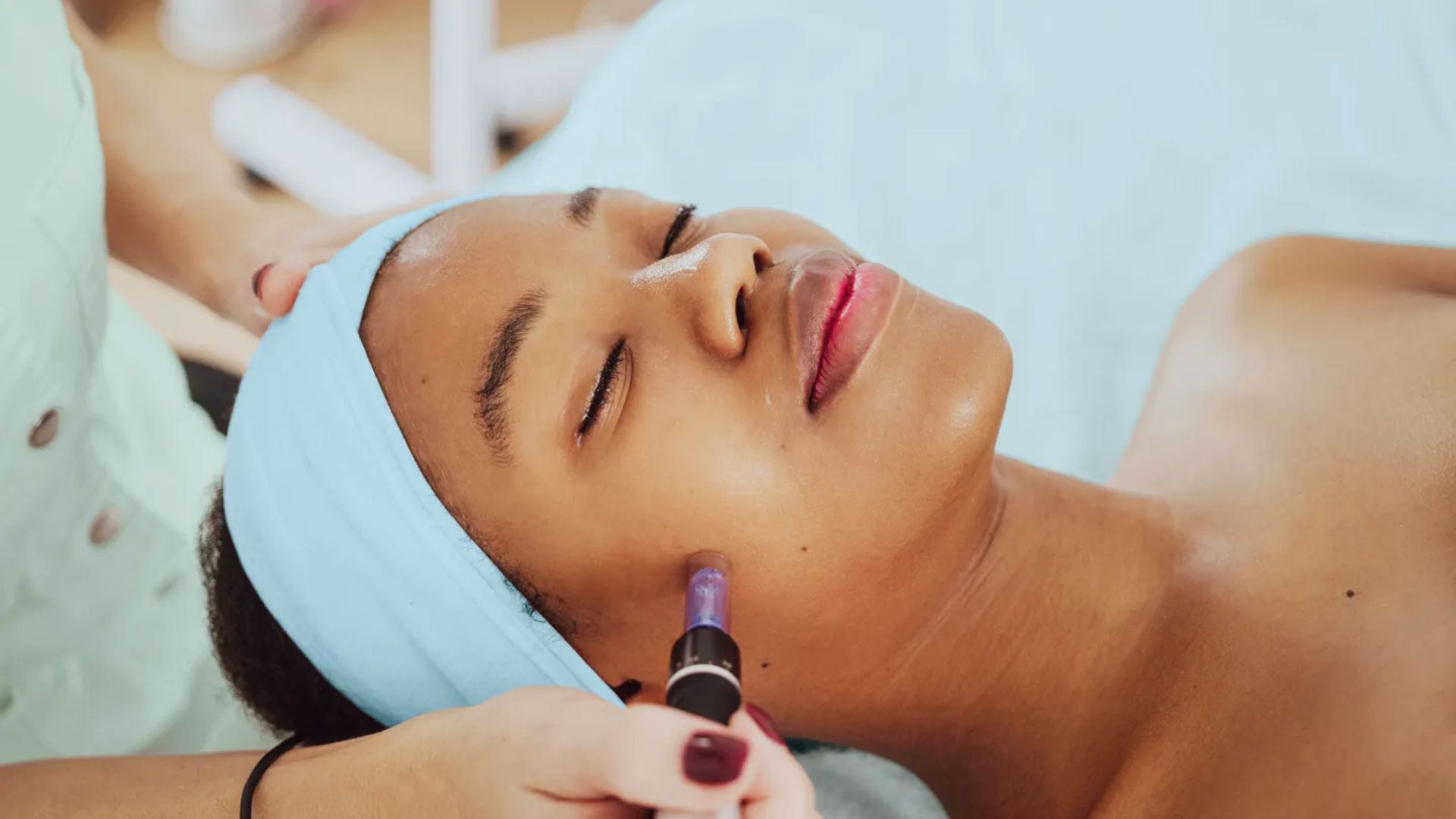
Real people, real results, here’s what the community shared about their experience treating hyperpigmentation with facials.
Before-and-After Stories
Community members often describe their results as gradual but real. One user shared that after four chemical peel sessions, her post-acne marks faded significantly.
Another mentioned her melasma patches lightened noticeably after six months of consistent Hydrafacials combined with daily SPF.
The common thread across these stories is patience. Nobody saw overnight results. Most say visible improvement started around the second or third session.
The community consistently encourages setting realistic expectations, fading takes time, but steady progress is genuinely possible.
Lessons Learned from Real Users
A few tips kept showing up across different platforms and threads:
- Start with SPF, no facial works well without it.
- Patch test new treatments, especially if you have sensitive skin.
- Space out sessions as recommended, more is not always better.
- Stick to one treatment at a time so you know what’s actually working.
- Track your skin with photos, progress is easier to see over time.
These aren’t fancy tips. But users who followed them consistently reported far better outcomes than those who jumped between treatments without a plan.
Common Mistakes to Avoid
Avoiding these mistakes can make a real difference in how well your treatment works:
- Skipping SPF after a facial, this is the most common reason dark spots return or worsen after treatment.
- Trying too many active ingredients at once, layering multiple strong actives can cause irritation and make pigmentation worse.
- Booking aggressive treatments too close together, the skin needs time to heal between sessions for best results.
- Ignoring your skin type, a facial that works for someone else may not be right for you, matching treatment to skin type matters.
- Expecting fast results, fading hyperpigmentation is a slow process, giving up too early is one of the most common setbacks users mention.
Conclusion
Dealing with dark spots takes time, and I know how discouraging that can feel. But real people have found what works, and now you have that information too.
Start with one facial that fits your skin type. Add SPF every single day. Be patient.
Have you tried any of these facials? Drop a comment below and share what worked for you. And if this helped, share it with a friend who needs it too.
Frequently Asked Questions
Which facial is best for hyperpigmentation?
Chemical peels and Hydrafacials are the top picks, depending on your skin type.
How many sessions does it take to see results?
Most people notice improvement after 3 to 4 sessions.
Can facials fully remove dark spots?
They can fade them significantly, but full removal isn’t always guaranteed.
Is microneedling safe for dark skin tones?
Yes, when performed by an experienced professional.
Do I need to do anything special after a facial for hyperpigmentation?
Yes, wear SPF daily and follow your provider’s aftercare advice.