
How Often to Microneedle for Best Skin Results


Microneedling works. But doing it too often or not enough can slow your progress.
I’ve seen people overdo it and end up with irritated skin for weeks. I’ve also seen people give up too soon because they weren’t being consistent. Both are frustrating.
This blog covers everything: how often to microneedle your face, scalp, lips, and body. You’ll also learn the difference between at-home and professional sessions.
With years of research and real-world experience behind this guide, you can trust what’s here. We’ll help you build a schedule that actually fits your skin and goals.
What Is Microneedling and How Does It Work

Microneedling uses tiny needles to create small punctures in the skin, triggering your body’s natural repair process.
When the skin is punctured, it responds by producing more collagen and elastin. These are the proteins that keep skin firm, smooth, and youthful. The tiny injuries heal quickly, but the collagen boost sticks around much longer.
This process works for scars, fine lines, hair loss, stretch marks, and uneven skin tone. The depth of the needles and the frequency of sessions both play a big role in how effective it is.
At-home rollers typically use shallower depths. Professional treatments go deeper and offer more controlled results.
How Often to Microneedle for Best Results

Getting the frequency right is the most important part of a microneedling routine.
General Guidelines for Treatment Frequency
Most people do well with sessions spaced 4 to 6 weeks apart. This gives the skin enough time to fully recover and rebuild collagen before the next session.
Rushing this process can lead to more harm than good.
Typical Session Intervals (4–6 Weeks Explained)
The 4 to 6 week window is not random. It lines up with the skin’s natural cell turnover cycle. After a session, your skin goes through a healing phase.
Collagen production ramps up during this time. If you needle again before this cycle completes, you interrupt the healing and reduce results.
Number of Sessions Needed for Visible Results
Most people see noticeable changes after 3 to 6 sessions. Some see improvements sooner, especially for hydration and skin texture.
Deeper concerns like scars or stretch marks may take 6 to 8 sessions or more.
Factors That Influence Frequency (Age, Skin Type, Concerns)
Your skin’s needs are not the same as someone else’s. Older skin tends to heal more slowly and may need longer gaps between sessions.
Sensitive skin types also need more recovery time. The concern being treated matters too. Surface-level texture issues respond faster than deep acne scars.
How Often to Microneedle at Home

At-home microneedling is a popular option, but it requires more caution than professional treatment.
Recommended Frequency for At-Home Devices
At-home devices should be used once every 2 to 4 weeks, depending on the needle depth. Shallower devices (0.25mm) can be used more frequently.
Deeper devices (0.5mm or above) need more recovery time between sessions.
Safe Needle Depth Guidelines (e.g., 0.5mm)
For home use, 0.5mm is generally the safe upper limit. Anything deeper increases the risk of skin damage, infection, and scarring without professional guidance.
Stick to 0.25mm to 0.5mm for safe, effective at-home use.
Differences Between At-Home and Professional Treatments
Professional treatments use needles ranging from 1mm to 3mm. They also involve numbing cream and sterile environments.
At-home devices are milder and do not penetrate as deeply, which means they are safer for frequent use but deliver slower results.
Risks of Overuse at Home
Using your device too often can cause redness that won’t go away, increased sensitivity, and even broken capillaries.
If your skin hasn’t fully healed from the last session, do not needle again. Listen to your skin, not just the calendar.
How Often to Microneedle Face

Your face is the most common area for microneedling, but it also needs the most care when it comes to frequency.
Frequency for General Skin Rejuvenation
For general skin health and a fresher appearance, once every 4 to 6 weeks is the standard. This keeps collagen production active without overworking the skin.
Frequency for Acne Scars and Wrinkles
Deeper concerns like acne scars and wrinkles need more targeted sessions. Plan for one session every 4 to 6 weeks over a course of 6 or more treatments. Results build slowly, but they are long-lasting.
Frequency for Pigmentation and Uneven Skin Tone
Pigmentation responds well to regular microneedling when paired with the right serums. Spacing sessions 4 weeks apart and using vitamin C or niacinamide serums post-treatment gives the best outcome.
Signs You Are Microneedling Too Often
Knowing when to slow down is just as important as staying consistent.
Skin Irritation and Sensitivity

If your skin stays red for more than 72 hours after a session, that is a warning sign. Healthy skin should calm down within 24 to 48 hours.
Ongoing redness often means you are not giving your skin enough time to recover.
Delayed Healing and Breakouts
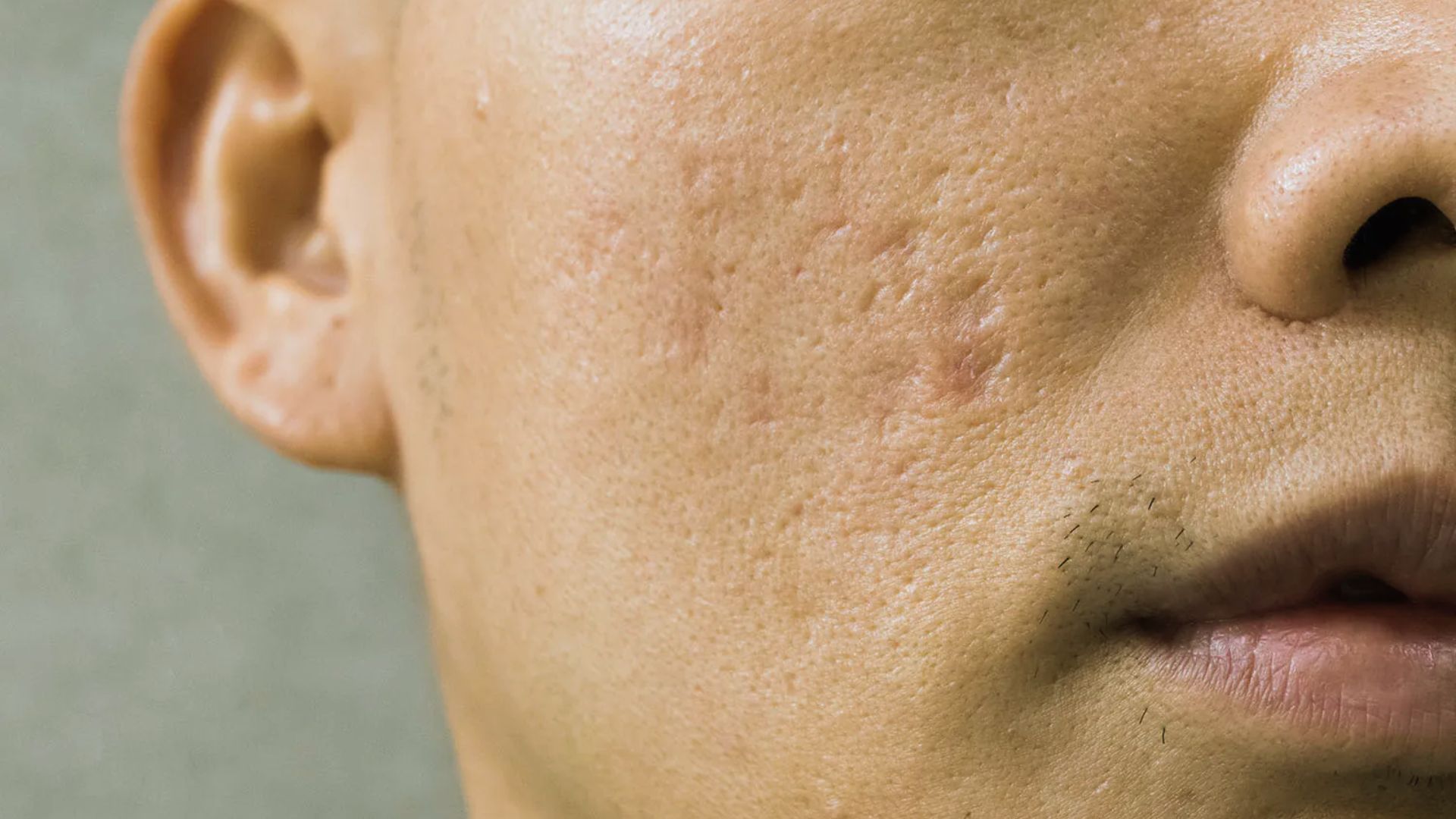
A sudden increase in breakouts after microneedling can signal overuse. When the skin barrier is compromised too often, bacteria can enter more easily and trigger inflammation.
If this keeps happening, extend the gap between sessions by at least 2 weeks.
When to Adjust Treatment Frequency

Trust what your skin is telling you. If healing is taking longer than usual, if new dark spots are forming, or if your skin feels raw between sessions, it is time to pull back.
Give your skin at least 6 to 8 weeks of rest before picking up the routine again.
Tips to Maximize Microneedling Results
Small habits make a big difference in how well your microneedling sessions work.
- Cleanse your skin before each session and avoid retinol, AHAs, and BHAs for at least 48 hours beforehand.
- Apply hyaluronic acid serum right after needling and skip makeup and workouts for 24 to 48 hours.
- Always wear SPF 30 or higher after treatment and reapply every 2 hours outdoors.
- Use a hydrating moisturizer twice a day during recovery to support skin healing.
- Pair sessions with vitamin C or peptide serums and consult a professional before combining microneedling with peels or lasers.
Conclusion
If there’s one thing I wish I had known when I started microneedling, it’s that more is not always better.
Taking your time, respecting recovery periods, and pairing sessions with the right products makes all the difference.
You now have a clear picture of how often to microneedle for every area and concern. Trust the process, stay consistent, and consult a professional when you’re unsure.
Found this helpful? Drop a comment below, share this post with someone who needs it, or check out our other skincare guides.
Frequently Asked Questions
How often should beginners microneedle?
Beginners should start with one session per month. This gives the skin time to adjust and helps you see how your skin responds before increasing frequency.
Can you microneedle too frequently?
Yes, microneedling too often can damage the skin barrier, cause ongoing redness, and slow down healing. Always wait until your skin has fully recovered before your next session.
When will results become visible?
Most people notice improvements in skin texture and hydration after 2 to 3 sessions. Deeper concerns like scars or hair loss take 3 to 6 months of consistent treatment to show clear results.
Is at-home microneedling effective?
At-home microneedling can deliver real results for surface-level concerns when done correctly. It works best as a complement to professional treatments, not a full replacement.
How deep should the needles be for at-home use?
For at-home use, 0.25mm to 0.5mm is the safe and recommended range. Deeper needles at home increase the risk of infection and scarring without the controlled environment a professional provides.