From Beach Bag to Backpack: Updating Your Store’s Lip Balm Stock for Fall


Summer stocking decisions are easy. Bright flavors and SPF displays practically sell themselves near the register from June through August. Fall stocking is a different story. But it’s equally appealing, especially with all the pumpkin spice lovers out there.
Once the warm pumpkin spice flavor and the seasonally rich jewel tones arrive and stay for the next few months, shoppers will happily scoop up lip balms. But a shelf that doesn’t shift right along with the weather may start to look stale by October.
You don’t need to become a lip balm expert to stock smart this season. A few categories matter more than others once temperatures drop, and knowing what to look for and what to ask a supplier makes fall restocking a lot less guesswork and a lot more strategy.
Know What’s Actually on the Ingredient Label
A carefully crafted vegan lip balm made with organic ingredients should be easy to explain to anyone in one sentence. Oils pressed without added heat, a wax sourced from plants rather than the beehive, and aroma derived from real plant sources rather than a synthetic fragrance blend are the details conscientious shoppers tend to ask about.
If a customer specifically wants a vegan or vegetarian lip balm, candelilla wax on the label is the easiest thing to point them toward, since it does the same job as beeswax without overly taxing our fuzzy little pollinators.
A supplier that can tell you the exact percentage of organic content in a formula, rather than a vague natural claim, is usually the same one whose other label claims will hold up if a customer asks. That kind of specificity also makes it easier to answer the most common customer request natural grocers hear this time of year: something made in the USA with a short, honest, natural ingredient list.
Don’t Clear the SPF Case Too Early…Or Ever

It’s tempting to swap SPF displays out for cozier packaging the same week other summer go-tos go on clearance, but everyone knows sun exposure doesn’t end with summer. A broad-spectrum lip balm with SPF 15 from zinc oxide still moves through time outdoors in the fall, from football tailgates to autumn outings.
Non-nano zinc oxide is one of only a small number of ingredients the FDA recognizes as safe and effective for sun protection, and it covers both UVA and UVB rays without a chemical absorber. It’s worth mentioning to customers asking more about the product and the natural, broad-spectrum protection it provides.
Keeping even a small SPF section visible through early fall, rather than folding it entirely into a clearance bin, protects a sale you’d otherwise lose to a customer who simply forgot to ask. That being said, there are a few other lip balms to add to your fall-focused wholesale order.
Add Tints, Colors, and Fun Flavors for the Season
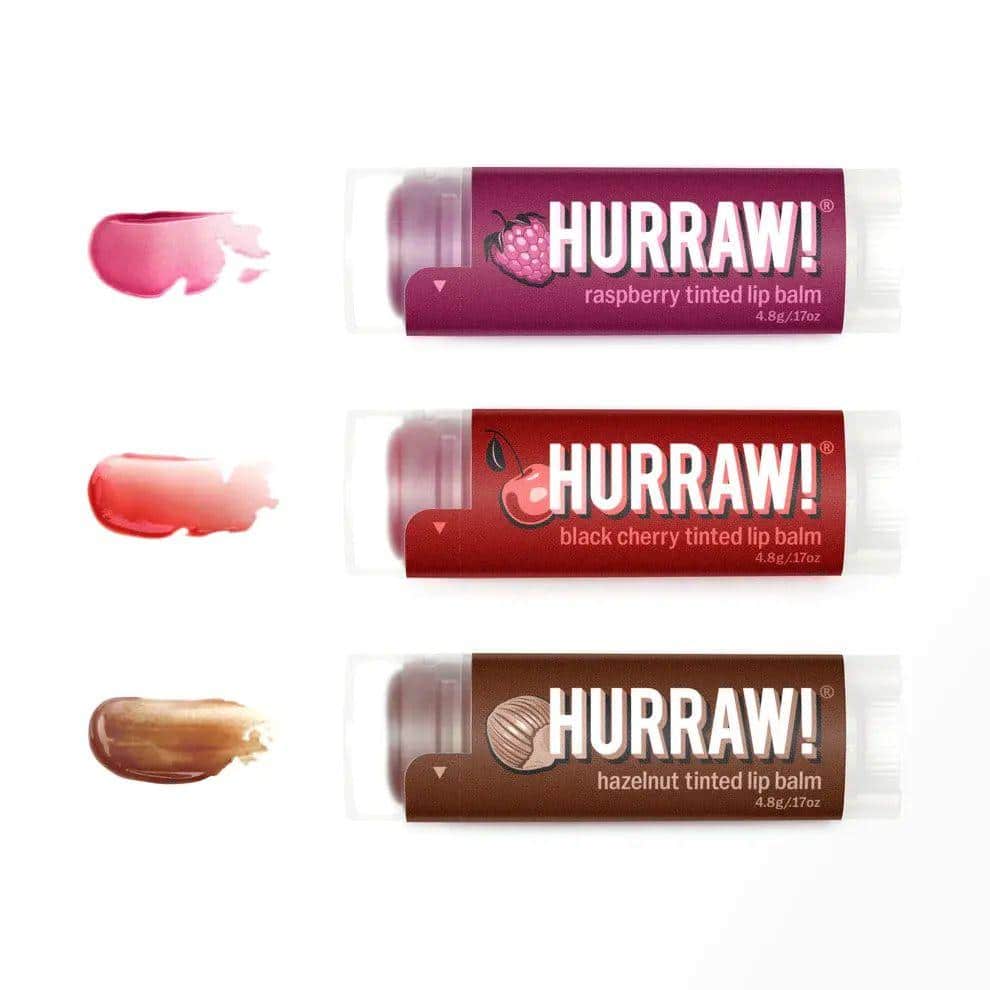
Fall is also a smart time to rotate in new color and flavor options rather than leaning on the same summer bestsellers.
Tinted Lip Balms
A vegan tinted lip balm gives vegan lip balm lovers a sheer, low-effort tint as their routines simplify for the season. A cozy brown tone, like a sheer hazelnut tint, may sell especially well for those looking for darker, sheer tinted balms (though other berry-inspired tints are not to be overlooked).
Deeper Plant Colors
Another great option for fall is a selection of balms with 100% of pigments from plant extracts, which are often darker and thicker for stay-put coverage. Root vegetables like beets, radishes, and purple potatoes are excellent examples of sources for plant-extract balms. Plus, deeper pink and purple hues just feel right in the fall.
Flavor Combos
A combination flavor, one that blends two classic balms into a single tube, is also worth a spot on the shelf. It gives returning customers a reason to try something new without asking them to give up the flavor that brought them into the category in the first place, and it’s an easy addition to a small-footprint display.
Seasonal Flavors
When stocking the store for the season ahead, look for any seasonal or limited-edition offerings that are available. Around fall, folks flock to places that offer just about everything pumpkin spice. A lip balm in this flavor is sure to be a hit.
Fall Stocking Snapshot
| Stock Category | Why It Still Sells in Fall | What to Ask a Supplier |
| Classic Lip Balms | Wind and crisp, dry air replace sun, heat, and salt water as the main lip stressors | What percentage of the formula is made with organic ingredients, and what antioxidants is it packed with? |
| Broad-Spectrum SPF Lip Balms | UV exposure continues through outdoor activities and events | What ingredient provides the sun protection? What’s the SPF level? |
| Tinted or Plant Color Lip Balms | Shoppers look for a low-effort, no-makeup option as routines simplify | What is the source of the color/tint, does it come from plants, insects, or synthetic dyes? |
| Seasonal Lip Balm | Limited-edition anything is a hit, especially if it’s pumpkin spice for fall | Do you have any special seasonal offerings? When can they be included in wholesale orders? |
Look Closer at the Wholesale Program Behind the Product
Once you’ve settled on what to stock, it’s worth spending a little time on who you’re stocking it from. A wholesale lip balm program backed by a manufacturer that produces its own product, rather than one of several labels coming off a shared contract line, tends to mean more care and consistency batch to batch and a more direct line if you ever have a question about a formula.
That direct supply line matters more than it might seem. A lot of buyers in this category tend to prefer an actual relationship with the people making the product, rather than working through layers of distribution to reach a brand that may not even run its own facility. A smaller, in-house manufacturer is usually easier to reach when you need a fast answer about an ingredient, a certification, or a reorder timeline.
It’s also worth confirming that any natural or organic certifications on the packaging are backed by a physical annual audit rather than a simple application fee. Ecocert COSMOS 100% Natural certification and USDA Made with Organic certification both require in-person facility inspection, a meaningfully different standard than a label a brand can simply apply for online, and it’s the kind of detail that builds trust with your own customers when they ask.
A Few Common Questions About Lip Balm for Retailers:
Should a lip balm with broad-spectrum SPF 15 stay on the shelf once summer ends?
Yes. UV rays are present year-round, and outdoor fall activities like hiking and tailgating can mean meaningful exposure even on cooler days. Keeping at least a small broad-spectrum section stocked through early fall protects a sale you’d otherwise lose.
What’s the difference between a vegan lip balm and a vegetarian lip balm for customers who ask?
A vegetarian lip balm may still contain ingredients like beeswax, since honey and its byproducts are considered vegetarian but not vegan. A fully vegan lip balm replaces beeswax with a plant-sourced alternative, most commonly candelilla wax, so no animal-derived ingredients or animal byproducts are used at all.
Why would a vegan tinted lip balm sell better in fall than a bright summer shade?
As routines simplify for the season, shoppers tend to want a sheer, natural color option rather than a bright summer tone. A deeper, sheer tint generally reads as more seasonally appropriate and tends to move faster once the weather turns.
What should a buyer ask before placing a wholesale lip balm order for fall?
It’s worth asking whether the supplier manufactures its own product or works through a contract manufacturer, and whether its certifications involve a physical annual audit. Both answers say a lot about how consistent the product will be from batch to batch. On a lighter note, it’s great to ask about any seasonal offerings as well, especially pumpkin spice!
About Hurraw! Balm
Natural ingredients? Hurraw! Quality standards? Hurraw! Great flavors? Hurraw! Wholesale options? Hurraw! Shout “hurrah!” for Hurraw! Balm, the all-natural lip balm brand with plant-based ingredients for lip comfort, color, and hydration. Hurraw! Balm’s deeply nourishing lip balms are the ideal option for pockets, purses, and an emergency lip balm stash. With fan-favorite flavors, seasonal aromas, and even a citrusy broad-spectrum lip balm with SPF 15, it’s easy to feel good about lip care.
Discover Hurraw! Balm for your best fall displays this season at https://hurrawbalm.com/