11 Signs of Poorly Applied Good vs Bad Eyelash Extensions

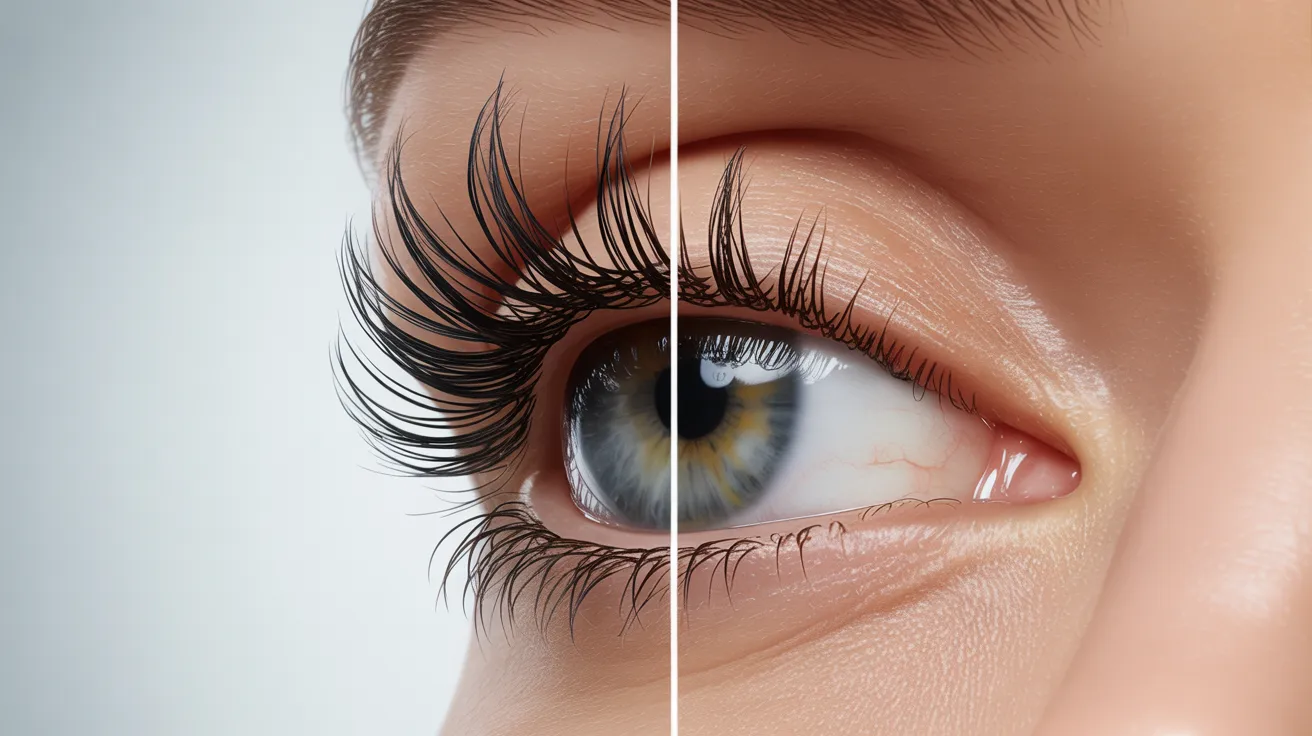
I’ve seen too many clients walk in with damaged lashes from bad extension work.
Good vs bad eyelash extensions can make or break your natural lashes, and I’m here to help you spot the difference.
You deserve to know what proper lash work looks like. This article will show you 11 clear warning signs of poor application so you can protect your lashes.
I’ll cover everything from clumping and pain to visible glue and uneven lengths. After doing lashes for years, I know exactly what red flags to watch for.
Your eye health matters. Trust your instincts, and use this guide to make smart choices about your lash appointments.
Let’s get started.
Why Proper Lash Application Matters
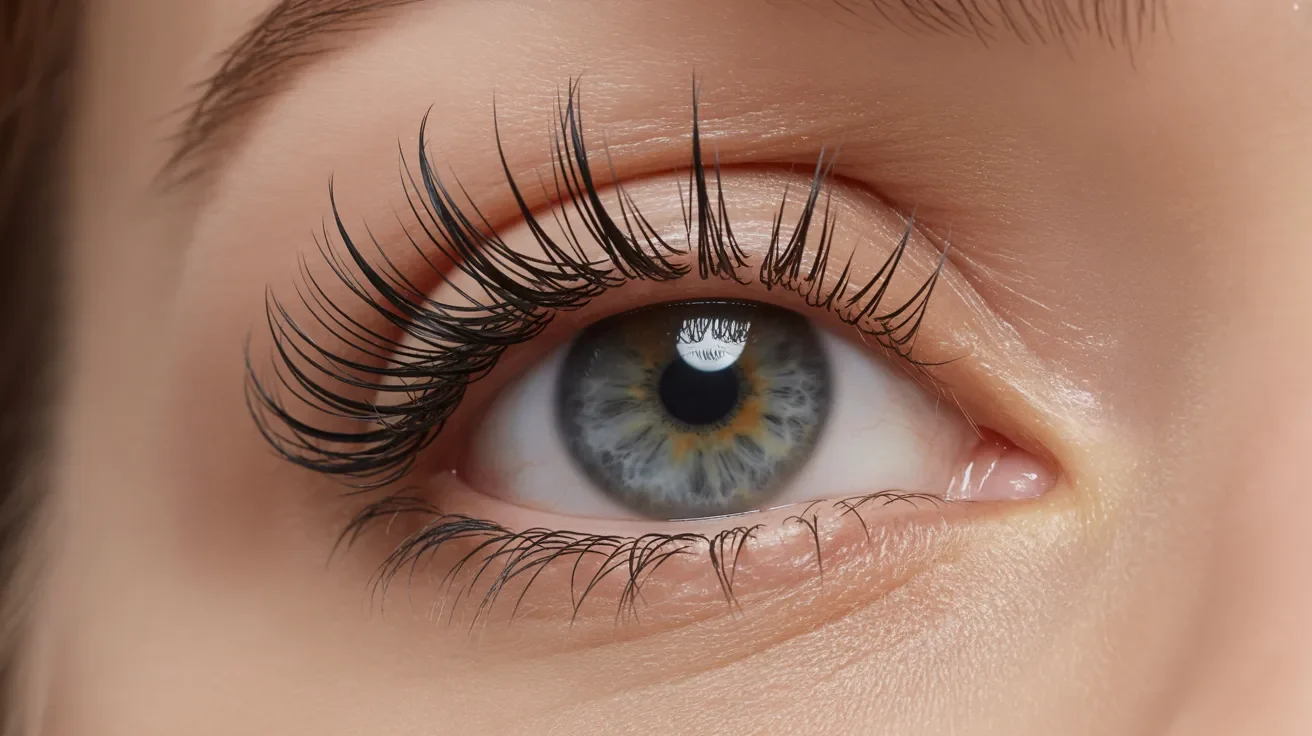
Poor lash application can damage your natural lashes permanently. Bad technique leads to breakage, irritation, and even infections that take months to heal.
Professional application keeps your lashes healthy while giving you the look you want. The right artist uses proper isolation, safe adhesive, and custom styling for your eyes.
Your natural lashes are delicate. They need careful handling and quality products to stay strong.
11 Signs of Poorly Applied Good vs Bad Eyelash Extensions
Know these red flags before your next appointment.
1. Clumping or Sticking Lashes
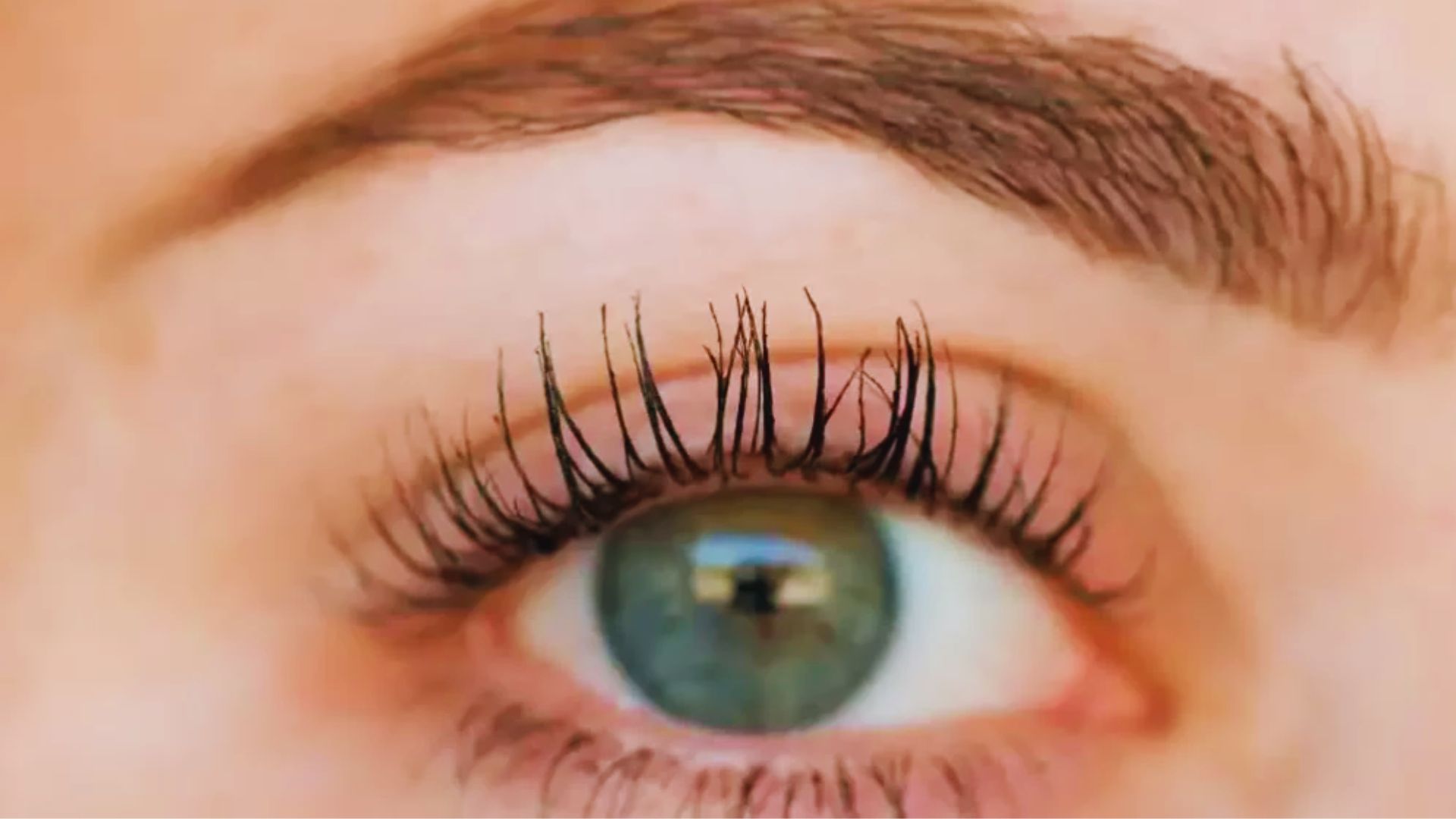
Multiple lashes glued together create an uncomfortable, unnatural mess. This happens when your lash tech doesn’t isolate each natural lash properly.
Instead of attaching one extension to one natural lash, they stick several together. You’ll feel tugging and your lashes won’t move naturally.
They’ll look clumpy and thick in weird spots.
2. Pain, Itching, or Irritation
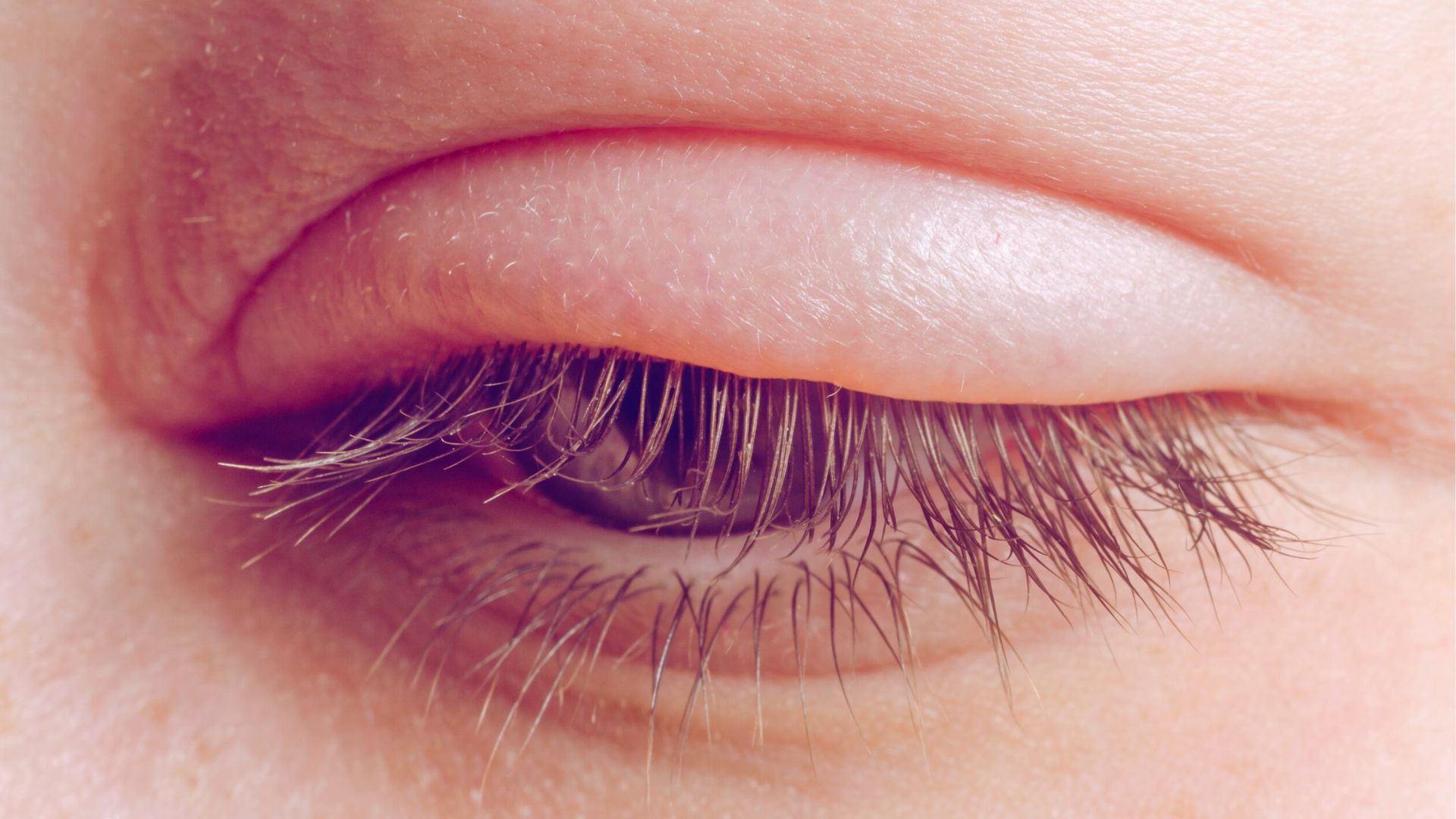
Extensions should never hurt during or after your appointment. If you feel burning, stinging, or constant itching, something went wrong.
Heavy lashes can pull on your natural ones while poor adhesive may contain harsh chemicals. Bad technique might mean extensions are poking your eyelid.
Pain is not normal and your eyes shouldn’t water constantly.
3. Lashes Are Too Heavy or Thick
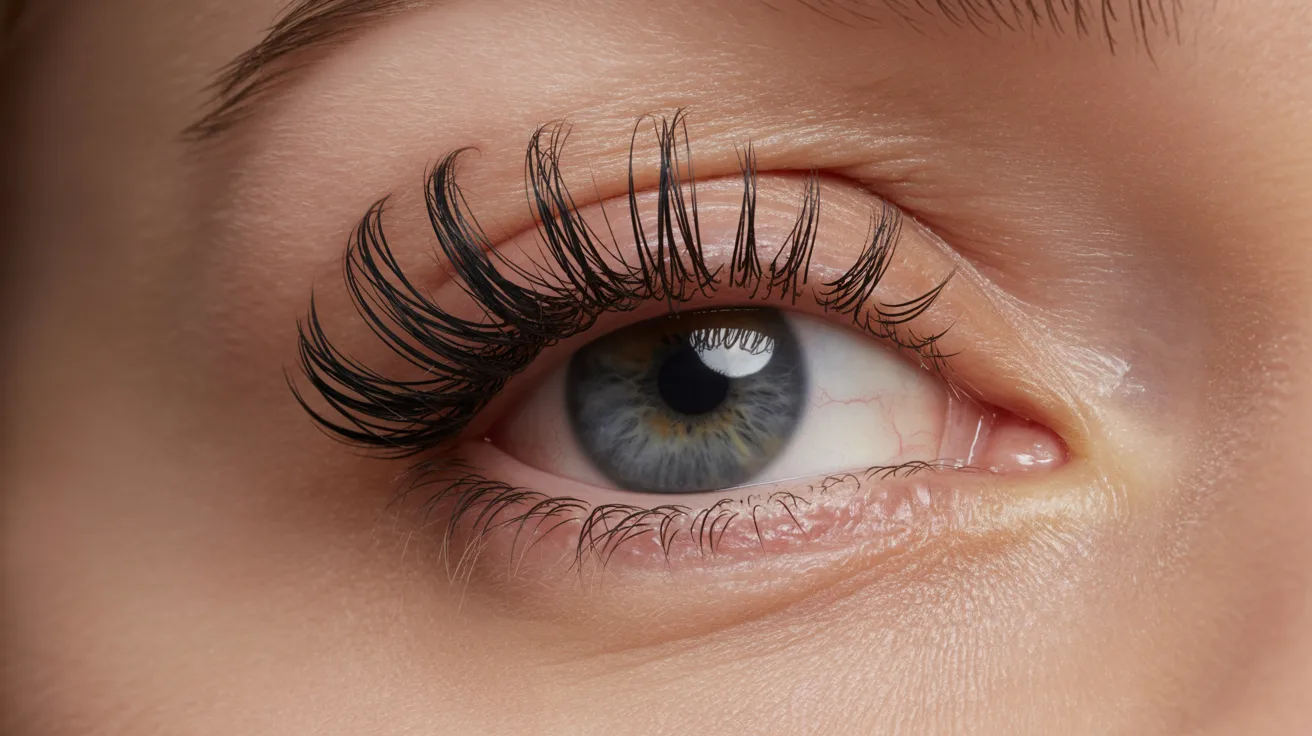
Overly thick extensions stress your natural lashes beyond what they can handle. Your natural lashes have weight limits and when extensions are too long or too thick, they cause premature shedding.
Your lashes break under the strain. I’ve seen clients lose chunks of natural lashes this way and it takes months to recover from the damage.
4. Twisting or Turning Lashes
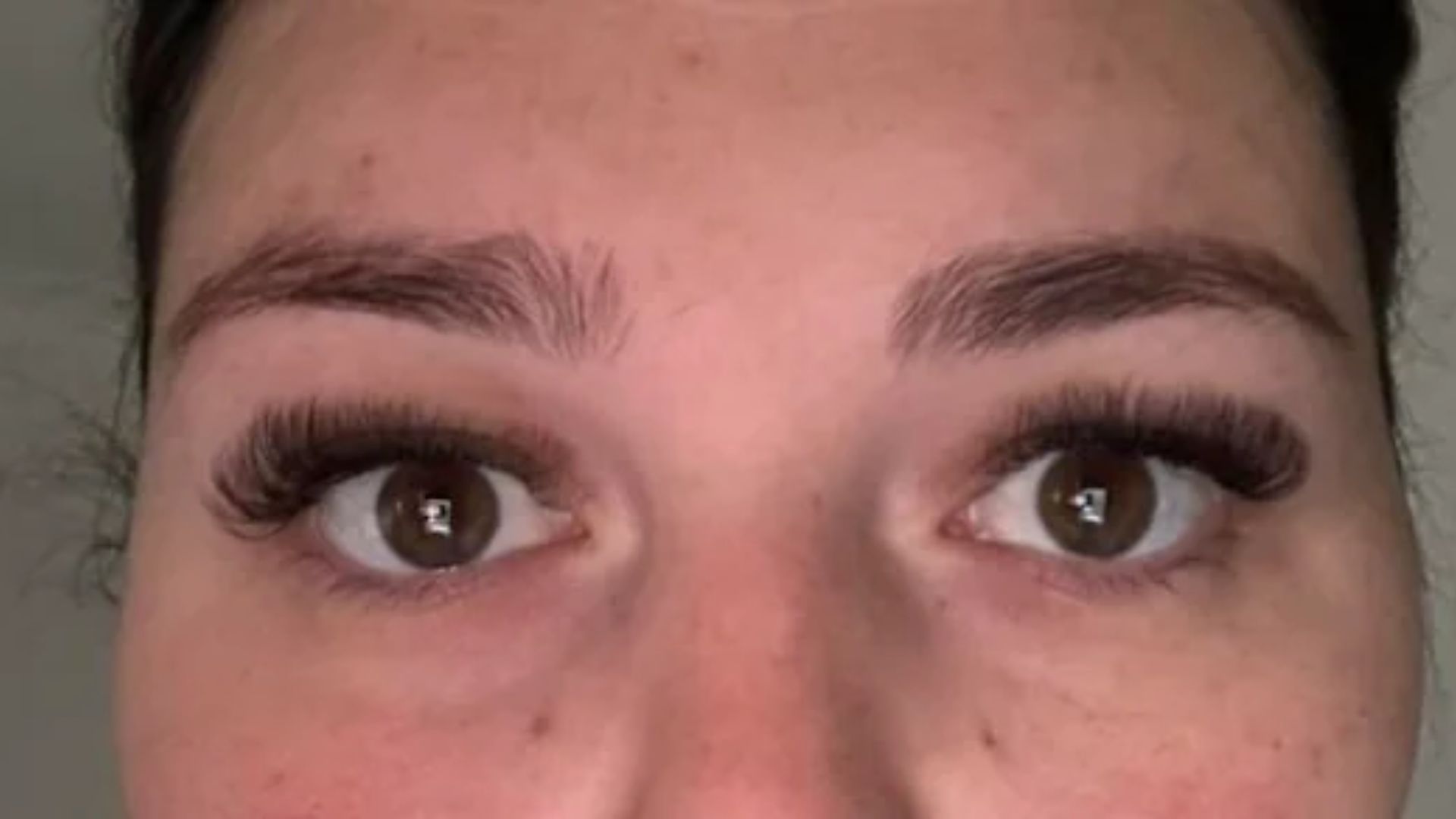
Lashes poking your eyes or curling in strange directions mean poor technique or low-quality adhesive.
Extensions should follow the natural curve of your lash. When they twist or turn, you’ll feel constant irritation and your lashes won’t look smooth or polished.
Properly applied extensions lay flat and curve naturally with your lash line for comfort.
5. Excessive Shedding

Many lashes falling out within days of your appointment signals weak bonding or improper application.
Some shedding is normal because your natural lashes have a growth cycle. But losing big sections early means the adhesive didn’t bond properly.
Poor application technique causes this along with using old or cheap glue that doesn’t hold extensions securely on natural lashes.
6. Visible Glue Residue
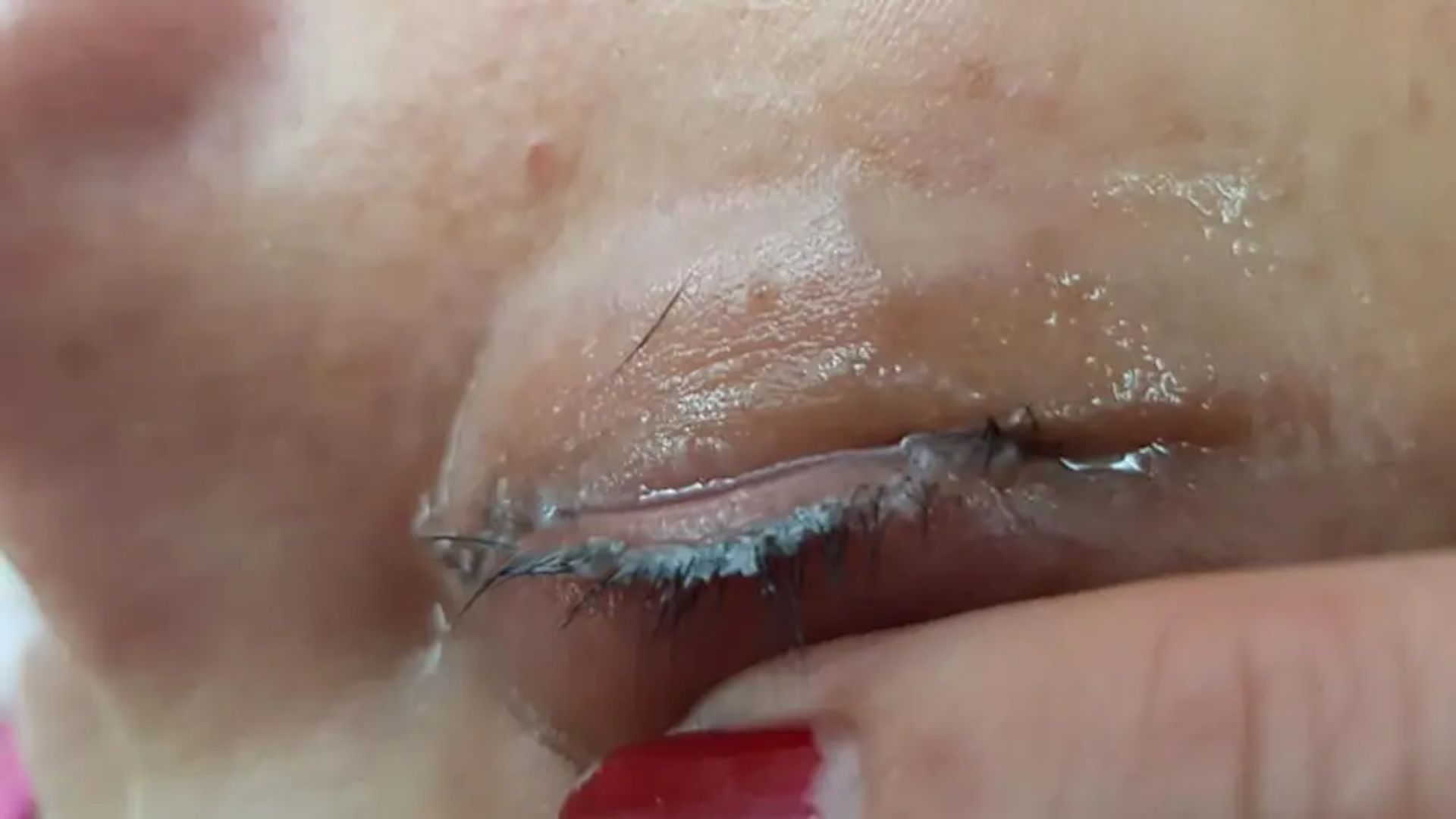
White clumps or messy adhesive along your lash line screams unprofessional work and rushed application.
You should never see glue on finished extensions because a skilled tech uses the right amount and places it correctly.
Visible glue looks terrible and also irritates your eyes and feels crusty. Clean application means invisible adhesive for a seamless finish.
7. Extensions All One Length
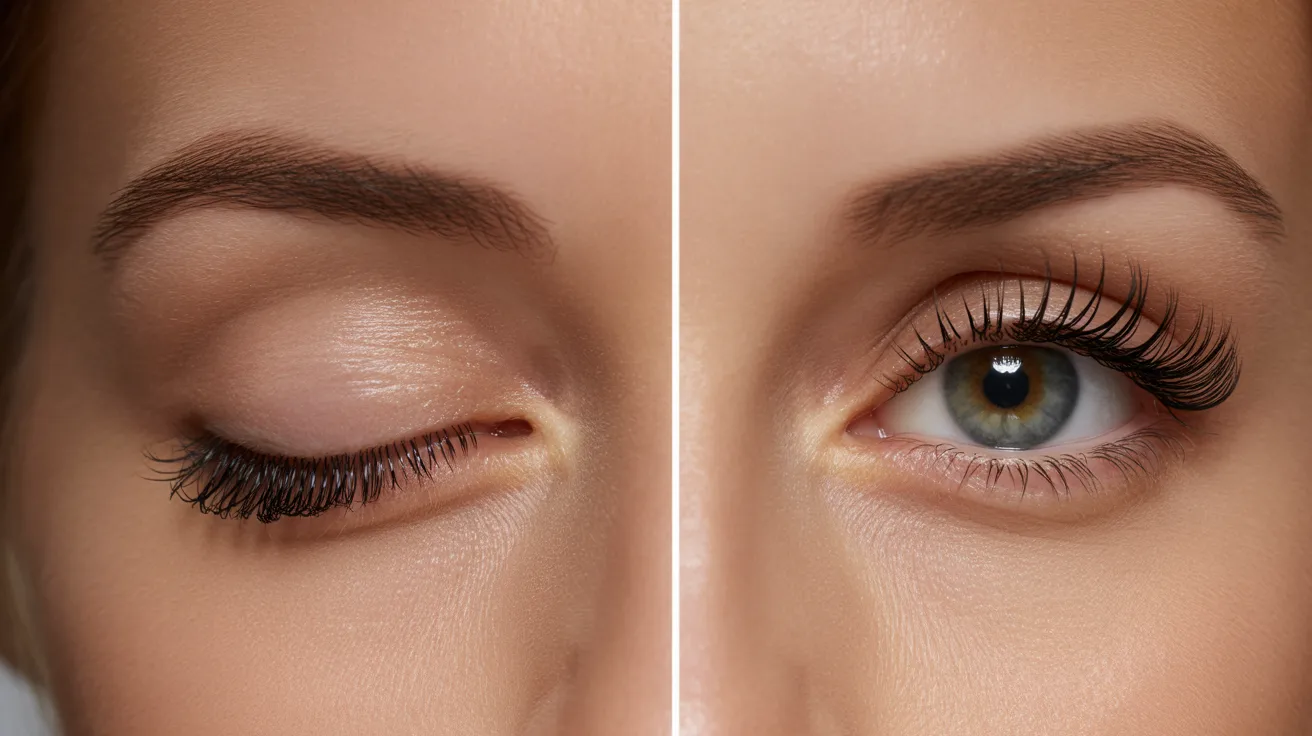
Lack of variation makes your lashes look fake and flat without any dimension. Natural lashes grow in different lengths and good extensions mimic this by using varied lengths that create depth.
When every extension is the same length, you get a blocky, artificial look that’s obviously fake. Customized length mapping creates the most flattering and natural effect for your eyes.
8. Inner Corner Lashes Too Long
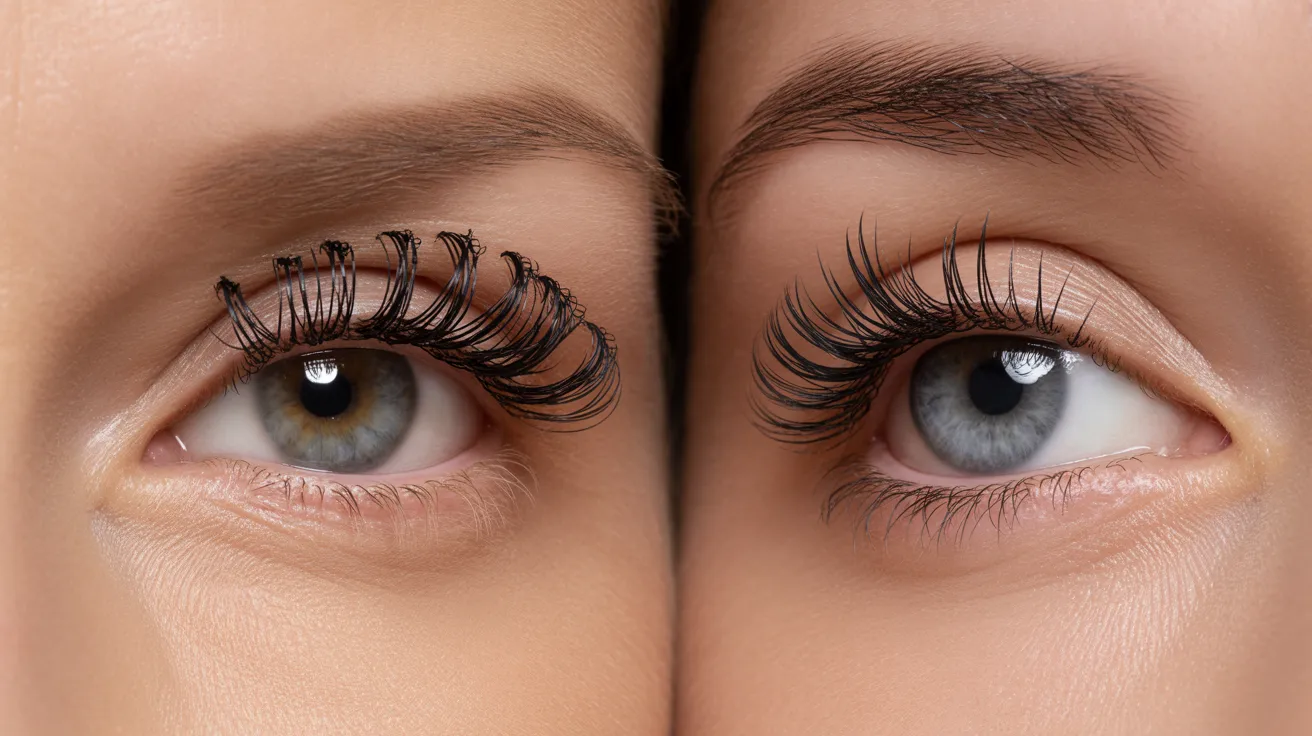
Extensions on short inner lashes that are too long create an unbalanced, fake appearance nobody wants.
Your inner corner lashes are naturally shorter and forcing long extensions there looks wrong and feels uncomfortable.
They poke your nose bridge and cross over each other while the proportions look completely off. A good tech uses shorter extensions on inner corners to match patterns.
9. Cluster or Flare Lashes Misused
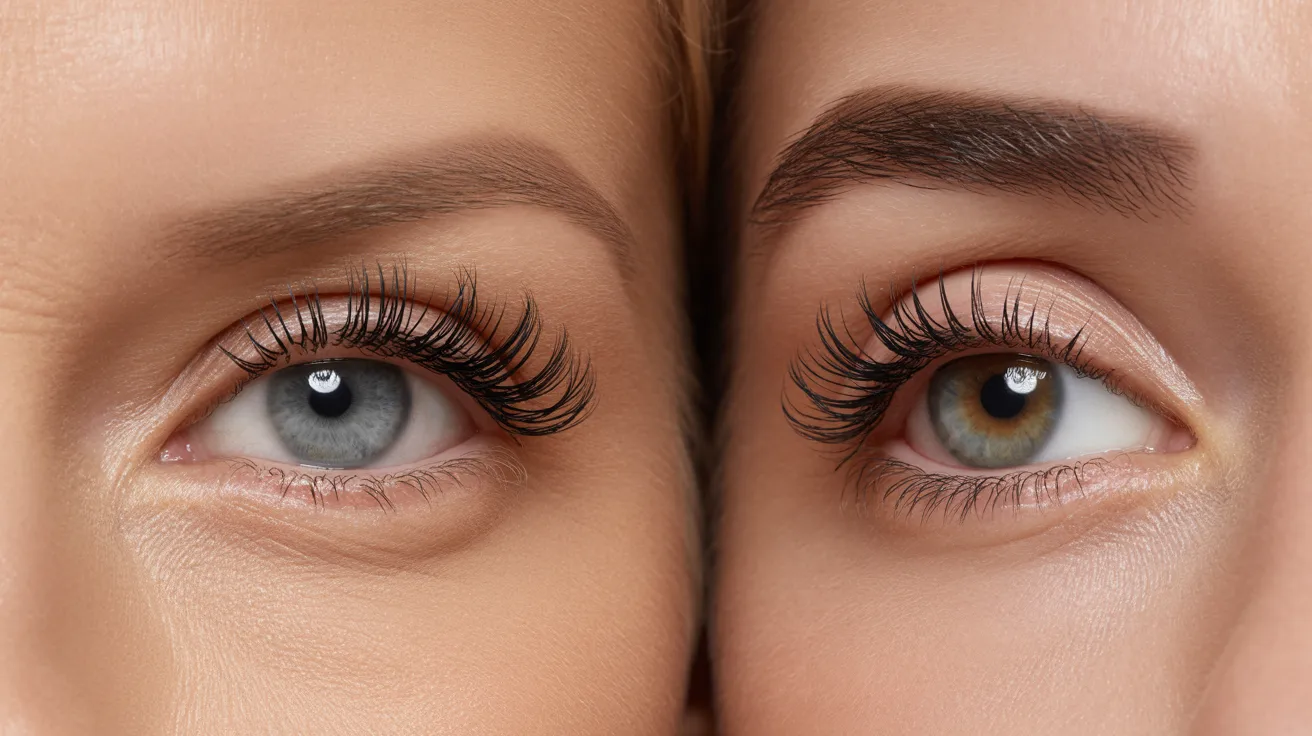
Using flares or clusters instead of individual extensions damages natural lashes and risks infection from trapped bacteria.
Clusters attach multiple extension fibers to one natural lash which creates too much weight your natural lash can’t support.
These also trap dirt and bacteria because they’re hard to clean properly. Single extensions only for safe and healthy lash work always.
10. Burning or Eye Irritation from Glue Fumes
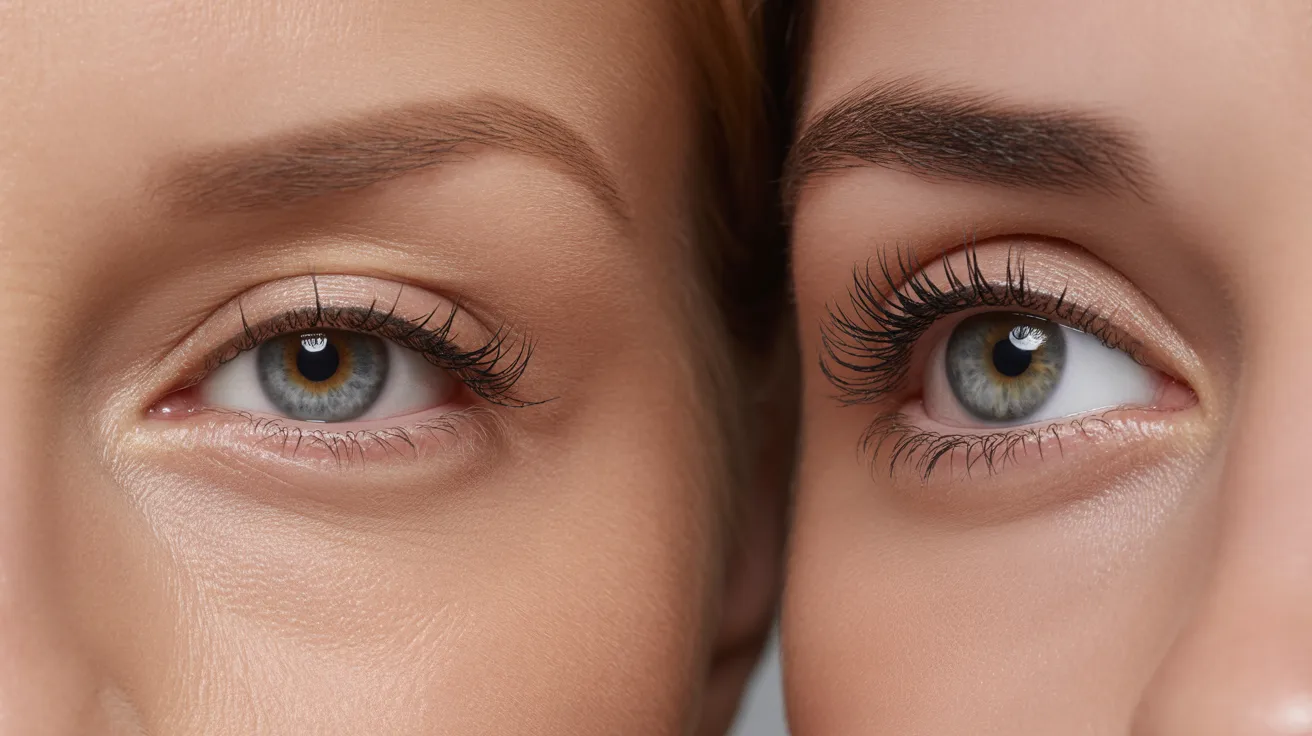
A burning sensation during or after your appointment could mean allergic reaction or poor ventilation in the workspace.
Quality adhesive has low fumes when used correctly and burning eyes during application means the room lacks proper airflow or the tech is using too much glue at once.
Persistent burning after your appointment might signal an allergy you shouldn’t ignore ever.
11. Lack of Customization for Eye Shape
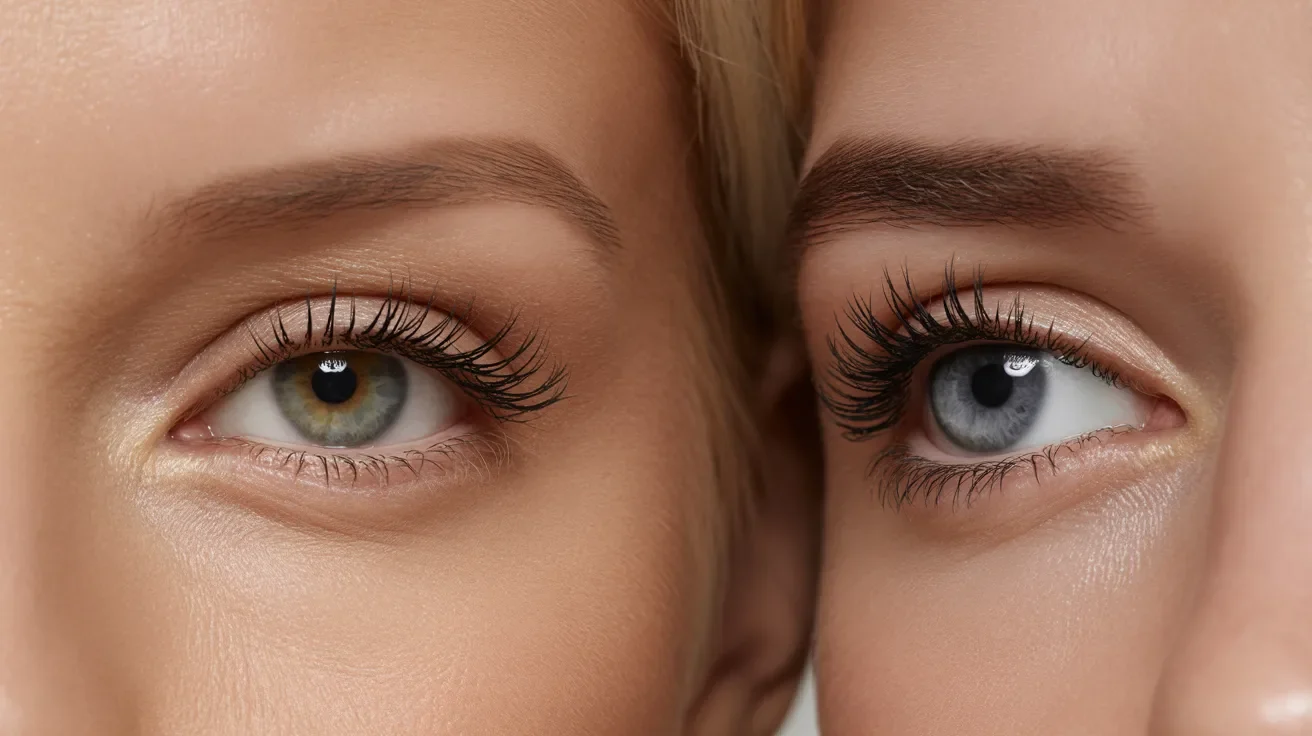
Extensions not designed for your natural eye shape result in unflattering or uneven appearance that doesn’t suit your face.
Every eye shape needs different styling because almond eyes, hooded eyes, and round eyes all require specific lash mapping techniques.
A tech who uses the same pattern on everyone doesn’t understand proper application and your lashes won’t complement your features at all.
Tips
Protect your lashes with these smart strategies.
- Schedule consultations before booking to assess the tech’s knowledge and portfolio
- Ask about isolation technique and make sure they apply one extension per natural lash
- Check reviews focusing on retention, comfort, and natural lash health
- Trust your comfort level during application, speak up if something feels wrong
- Book fills every 2-3 weeks to maintain healthy lashes and catch problems early
Conclusion
I’ve walked you through the major warning signs of poor lash work. Now you can spot bad technique before it damages your natural lashes.
Good vs bad eyelash extensions come down to skill, care, and proper products. Don’t settle for less.
I always tell my clients: your eyes deserve the best. If something feels off during your appointment, speak up. If your lashes hurt or look clumpy afterward, find a new tech.
Ready to book with confidence? Use these 11 signs as your checklist. Your natural lashes will thank you.
Share this with anyone considering extensions, knowledge keeps lashes healthy.
Frequently Asked Questions
How long should lash extensions last?
Well-applied extensions typically last 3-4 weeks with proper care. If yours falls out within a week, the application was poor or the adhesive didn’t bond correctly.
Can bad lash extensions damage my natural lashes permanently?
Yes, repeated poor application can cause permanent damage. Overly heavy extensions, poor isolation, and harsh removal all weaken natural lashes and may prevent regrowth.
What should I do if my extensions hurt?
Remove them immediately or see a professional for safe removal. Pain indicates improper application, allergic reaction, or lashes that are too heavy for your natural ones.
How can I tell if my lash tech is qualified?
Check for certification, read reviews about lash health and retention, and ask about their isolation technique. A qualified tech should answer questions confidently and show a strong portfolio.
Is it normal to see glue on my lash extensions?
No, adhesive should be invisible when properly applied. Visible glue indicates too much product, poor placement, or lack of skill in application technique.