Lip Blush Permanent Makeup: Complete Guide

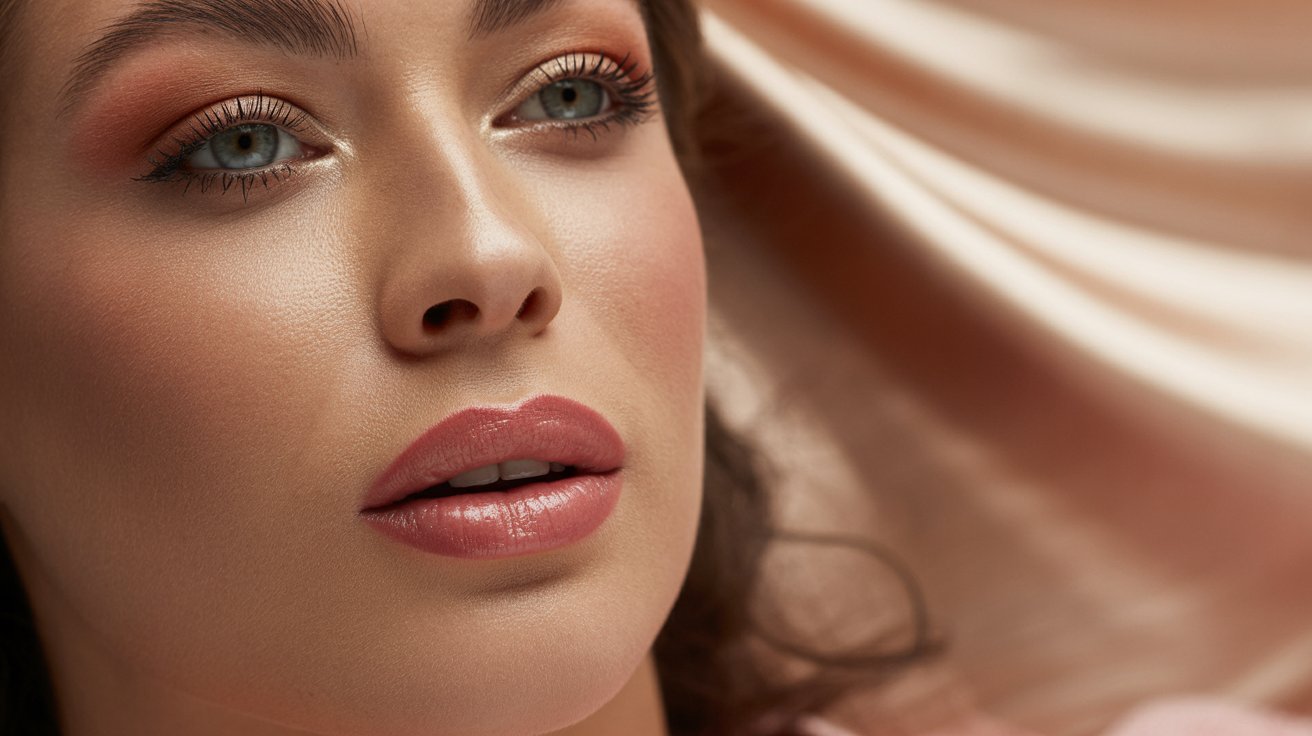
Tired of reapplying lipstick throughout the day? Lip blush permanent makeup might be exactly what you have been looking for.
This semi-permanent technique adds natural color to your lips that lasts for years.
More people are choosing lip blush because of how low-maintenance it is. You wake up with defined, tinted lips without the extra effort.
This guide walks you through how the procedure works, what healing looks like, real costs, benefits, and potential risks.
If you are thinking about getting a lip blush, you are in the right place.
What Is Lip Blush Permanent Makeup?
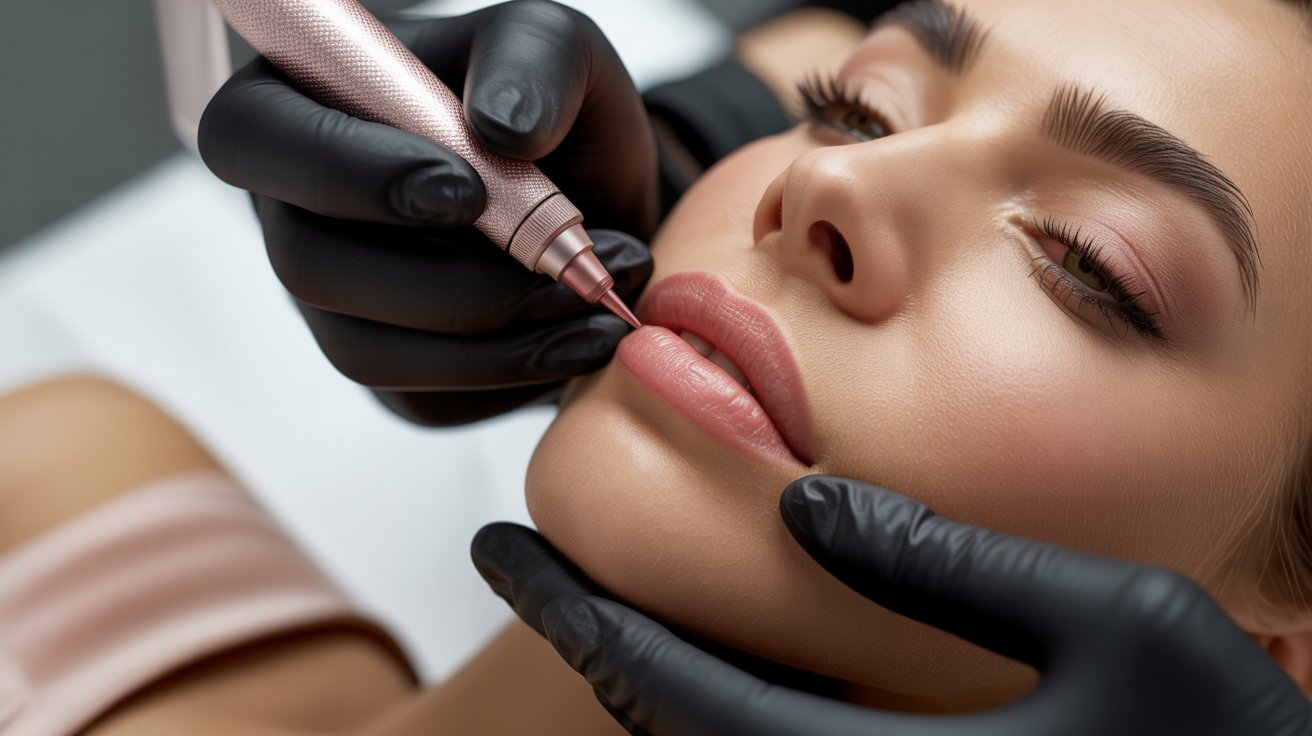
A semi-permanent cosmetic tattoo that adds natural color and definition to your lips.
Definition and How It Works
Lip blush is a semi-permanent cosmetic tattoo that adds color to your lips. A technician uses a specialized tool to deposit pigment into the upper layers of your lip tissue.
Unlike traditional tattoo ink, cosmetic pigment is specifically formulated for facial skin. It fades gradually over time rather than staying permanently.
What Lip Blush Lifts
This treatment enhances your natural lip color and improves shape and symmetry. It defines the vermillion border, which is the outline of your lips.
While lip blush creates the appearance of fuller lips, it doesn’t add actual volume like fillers do.
The Lip Blush Procedure: Step-by-Step
Here’s what happens from your first consultation to your final touch-up appointment.
1. Consultation

Your technician starts by reviewing your medical history to ensure you’re a good candidate.
You’ll discuss your goals and what you hope to achieve. This is when you ask questions and share any concerns about the process.
2. Color Selection & Customization
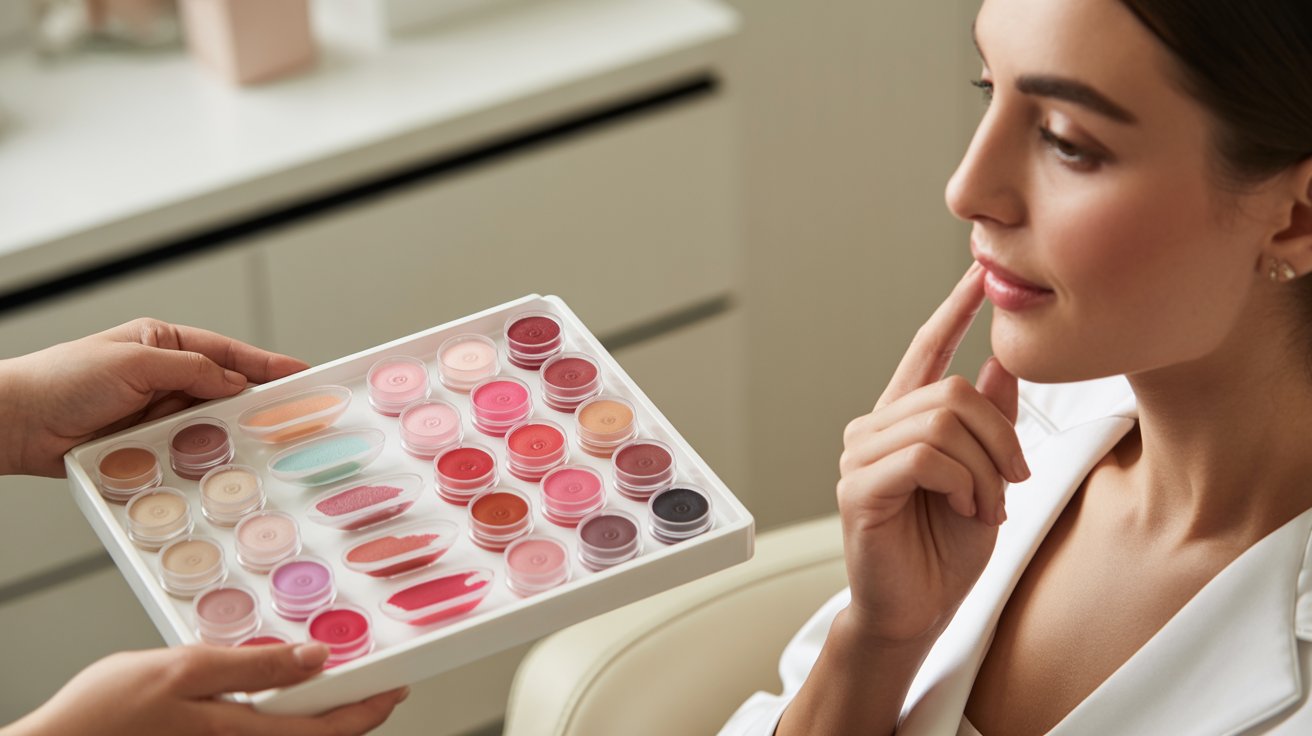
Choosing the right shade matters. Your technician considers your skin undertones and matches your natural lip color.
You can select different saturation levels, from subtle nude tones to aquarelle washes or a bolder lipstick effect.
3. Lip Mapping & Outline
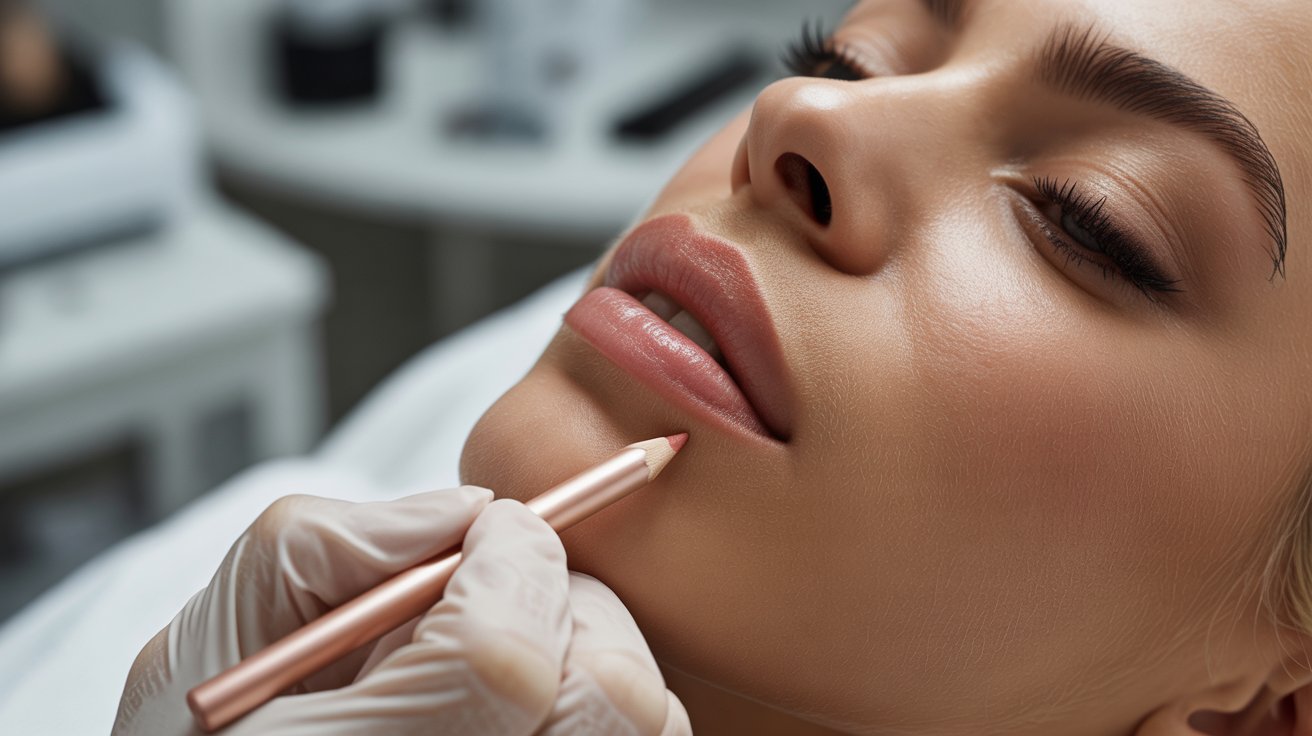
Before applying any pigment, your technician maps out your lips. This step corrects any shape issues and makes symmetry adjustments.
You’ll approve the outline before moving forward.
4. Pigment Application
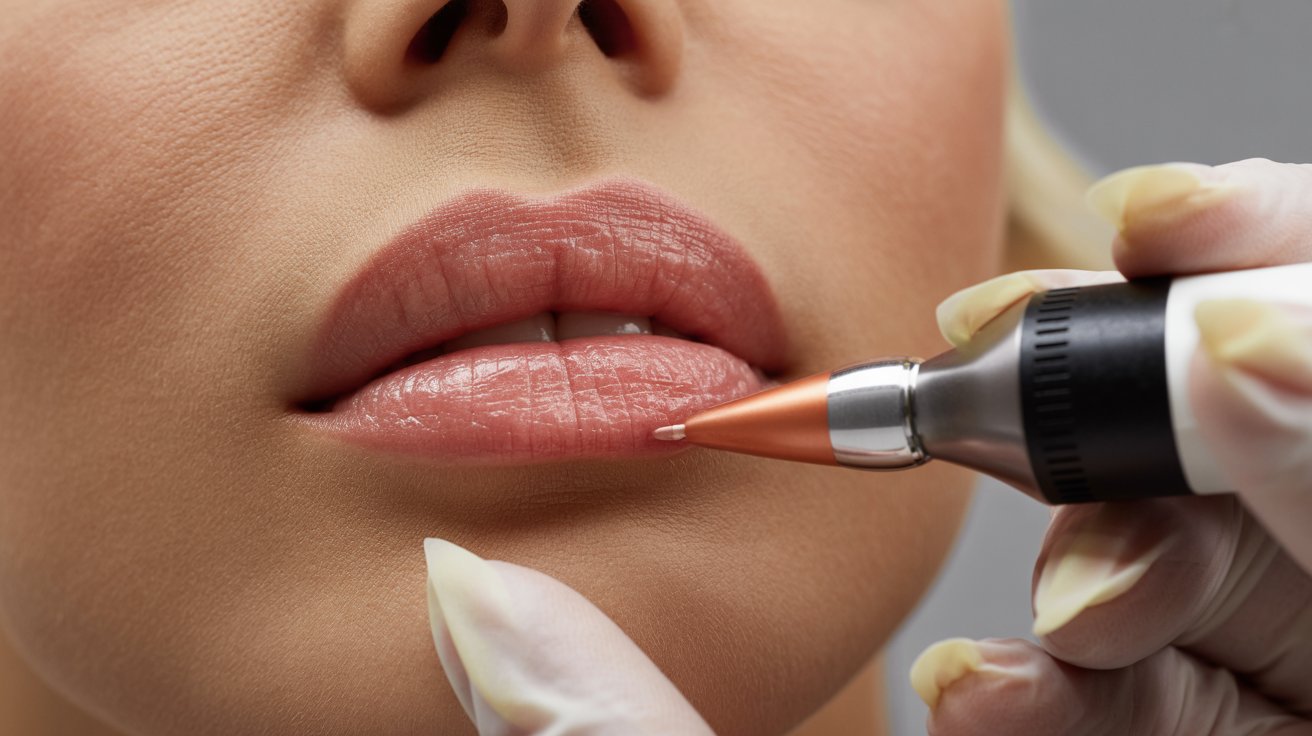
The actual tattooing uses a layering and blending technique to build color gradually.
Most appointments take between one and three hours, depending on the complexity of your treatment.
5. Follow-Up & Touch-Up Session
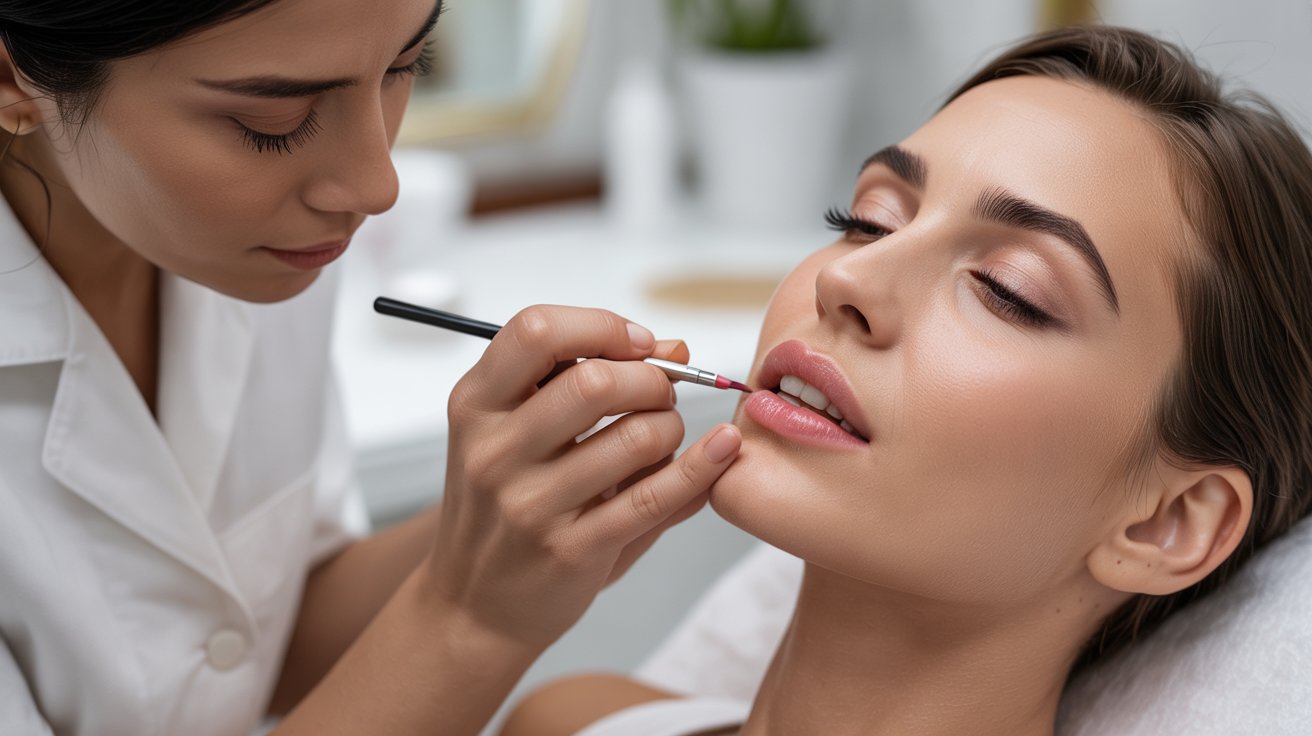
A second session is usually needed to perfect the results.
Initial pigment fades as your lips heal, so the touch-up adds depth and evens out the color. This appointment typically happens six to eight weeks after your first visit.
Lip Blush Healing Process (Day-by-Day Timeline)
Your lips go through several phases before reaching the final result.
Days 1 to 4: Dark & Swollen Phase
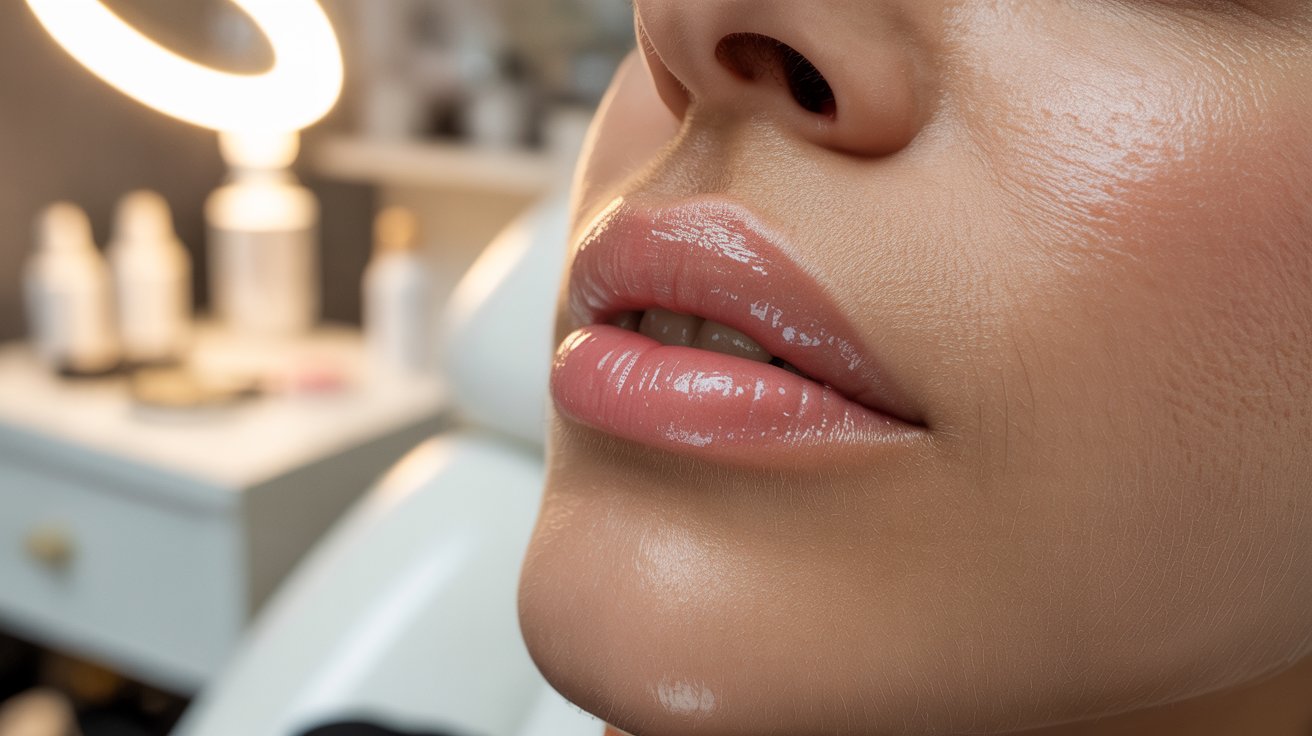
Your lips will look darker and bolder than expected right after the procedure. This happens because the pigment oxidizes when exposed to air.
You may experience mild swelling during these first few days. Don’t panic. This is completely normal and temporary.
Days 2 to 7: Flaking & Fading
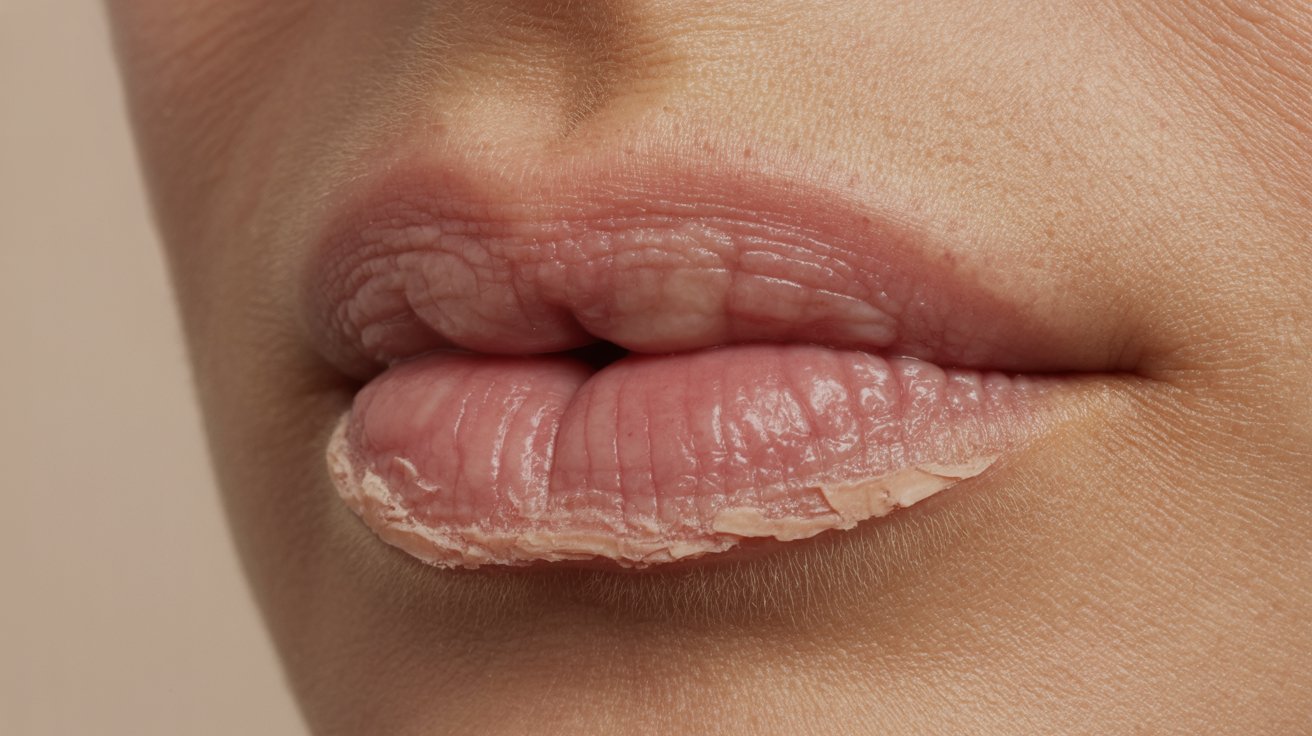
Scabbing begins as your lips start to heal. The color may seem to disappear almost entirely during this phase, which can be alarming.
This “disappearing” stage is part of the natural healing process as dead skin sheds away.
Days 5 to 30: True Color Reveals
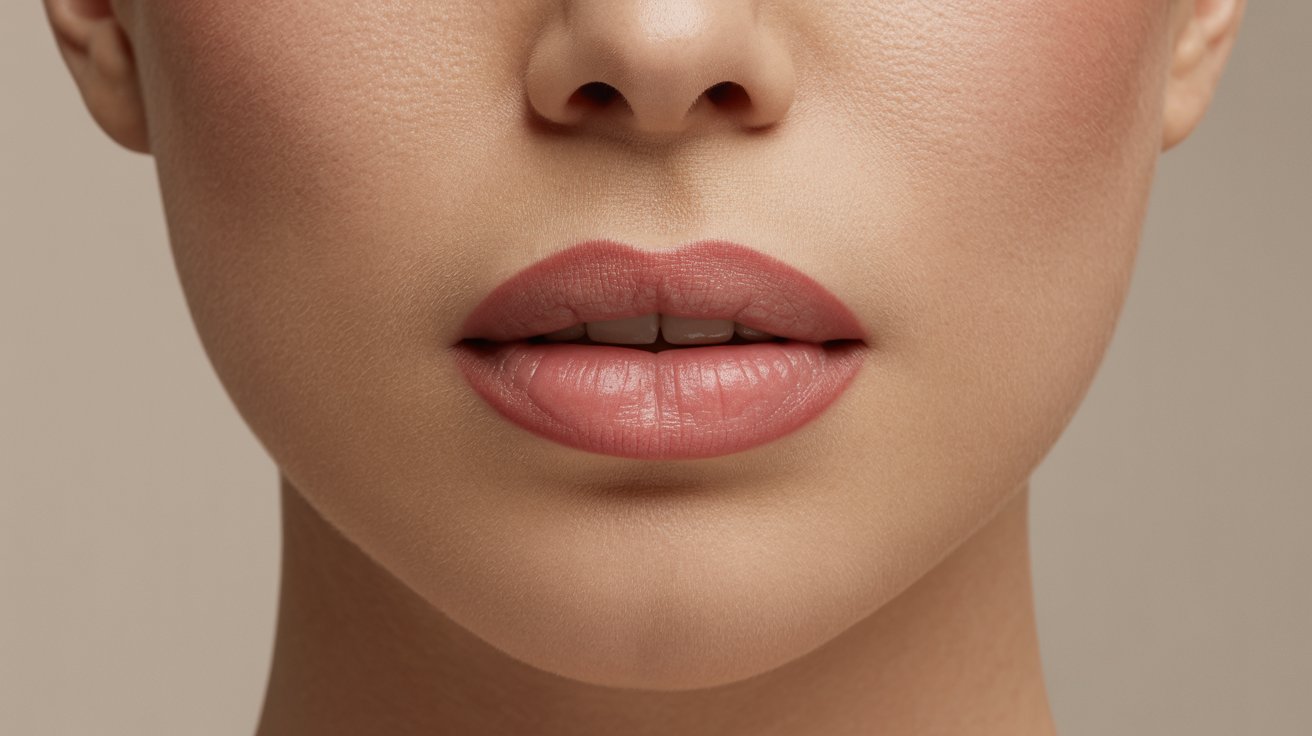
The pigment settles deeper into the dermis layer of your skin. Your final lip tone gradually appears as healing completes.
By week four, you’ll see the actual color and can assess if a touch-up is needed.
Aftercare Instructions for Best Results
Proper care determines how well your lip blush heals. Avoid picking or peeling any flaking skin, as this removes pigment.
Stay away from sun exposure, swimming pools, and heavy sweating for at least two weeks. Apply recommended ointments to keep lips moisturized. Skip exfoliation products until fully healed.
Benefits of Lip Blush Permanent Makeup
Here’s why so many people are choosing this treatment.
- Long-Lasting Color: Lip blush lasts between one and three years, depending on your skin type and lifestyle. You won’t need daily lipstick application during this time.
- Saves Time Daily: Your morning routine becomes faster without the need for lip products. You wake up with color already in place.
- Improves Lip Shape: The treatment enhances your natural lip contours and creates better symmetry. Small imperfections become less noticeable.
- No Smudging or Fading: Your lip color stays put through eating, drinking, and swimming. You never have to worry about reapplying throughout the day.
- Fixes Imperfections: Lip blush can correct uneven tone, minimize scar appearance, and redefine faded borders. It creates a more uniform and youthful look.
Risks and Safety Considerations
Understanding potential risks helps you make an informed decision.
Possible Side Effects
- Swelling: Common immediately after the procedure and usually subsides within a few days.
- Infection: Can occur if aftercare instructions aren’t followed or tools aren’t properly sterilized.
- Cold Sore Reactivation: Lip trauma may trigger outbreaks in prone individuals, so antiviral medication is often recommended beforehand.
- Allergic Reaction: Rare but possible with certain pigments, which is why patch testing is important.
Contraindications
- Pregnancy: Wait until after delivery and nursing to get lip blush done.
- Active Infections: Any infections on or around the lips must heal before treatment.
- Autoimmune Disorders: These conditions can affect healing and how well pigment retains.
- Blood-Thinning Medications: Increase bleeding risk and can interfere with proper pigment absorption.
Why Choosing an Experienced Artist Matters
Selecting a skilled technician significantly impacts your safety and results. An experienced artist chooses pigments that suit your skin and won’t change colors over time.
They control application depth properly, which affects appearance and longevity. Qualified professionals follow strict hygiene and sterilization protocols to protect you from infections.
Who Is a Good Candidate for Lip Blush?
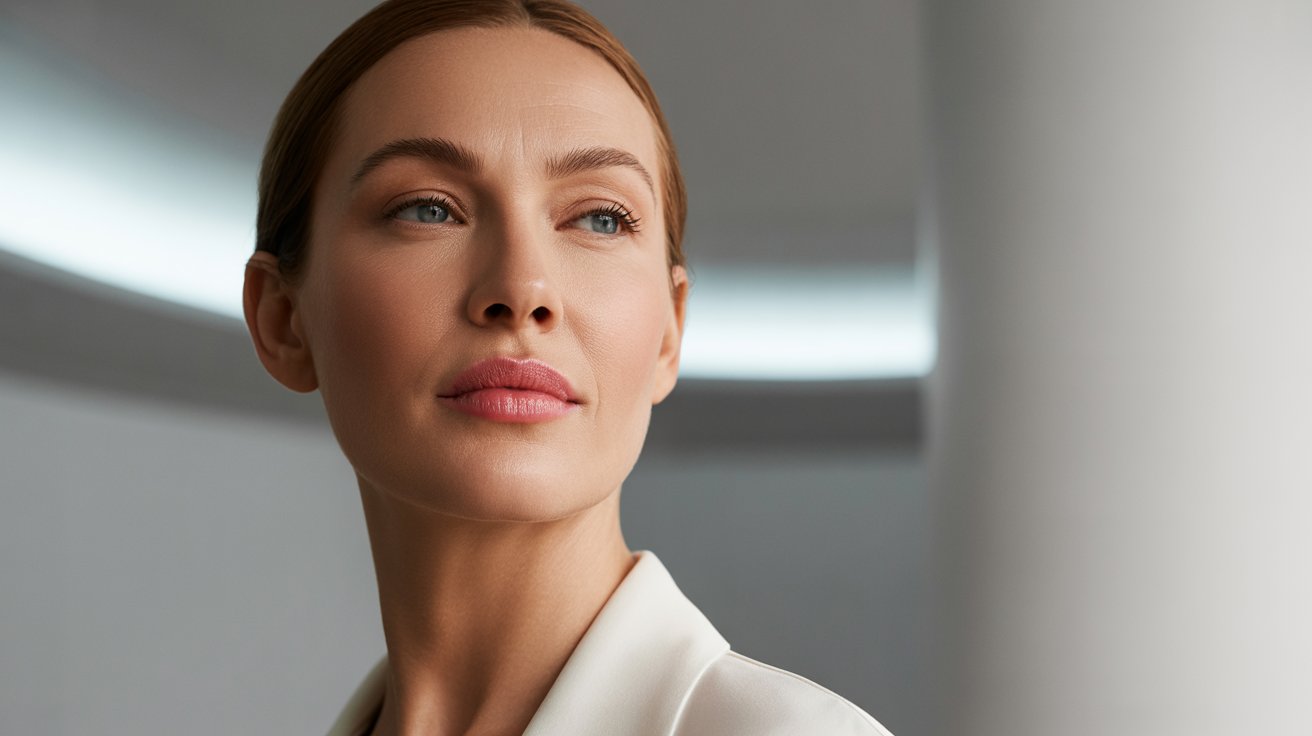
This treatment works best for specific beauty goals and lifestyles.
Lip blush is ideal if you want subtle enhancement rather than dramatic changes. It works well for people with uneven lip tone seeking a uniform appearance.
Busy professionals often choose this option to eliminate daily makeup application. You’re a good candidate if you have realistic expectations and can commit to proper aftercare.
Conclusion
Lip blush offers long-lasting color and saves time in your daily routine. While the procedure has minimal risks, proper healing requires commitment to aftercare.
This treatment works best for those wanting natural enhancement or correcting uneven lip tone. Your results depend on selecting a certified, experienced artist.
Schedule a consultation with a qualified technician to discuss your specific goals. Ask about their training, view their portfolio, and ensure they follow strict safety protocols.
Ready to wake up with beautiful lips? Book your appointment today and start your lip blush transformation.
Frequently Asked Questions
How long does lip blush last?
Lip blush typically lasts between one and three years, depending on your skin type and lifestyle. Factors like sun exposure, smoking, and metabolism affect how quickly the pigment fades.
Does lip blush hurt?
Most people experience mild discomfort rather than severe pain during the procedure. Your technician applies numbing cream before and during treatment to minimize any sensation.
Can I wear lipstick after getting lip blush?
Yes, you can wear lipstick once your lips fully heal, which takes about four weeks. Many people find they need less makeup since the base color is already there.
How much does lip blush cost?
Prices typically range from $400 to $1,500, depending on your location and the artist’s experience. This cost usually includes the initial session and one touch-up appointment.
What happens if I don’t like the color?
The color appears darker initially but fades significantly during healing to a softer tone. If you’re still unhappy after healing, laser removal or color correction treatments are available options.