Halo Hair Extensions vs. Clip-Ins: Which One Should You Choose?


Hair extensions can transform your look in minutes, but the choice between halo and clip-in styles often leaves people confused. Both options add length and volume without permanent commitment, yet they work in completely different ways. Halo extensions sit on your head with a simple wire, while clip-ins attach directly to your natural hair with small clips.
Halo extensions offer the fastest application and gentlest wear for all-over volume, while clip-ins provide more versatility and customization for specific areas or updos. Neither option is universally better. The right choice depends on your hair type, lifestyle, and how you plan to wear your extensions.
This guide breaks down the real differences between these two popular extension types. You’ll learn how each one applies, feels, and performs so you can make the best decision for your hair goals.
Comparing Halo Hair Extensions and Clip-Ins
Both extension types attach to your natural hair differently and offer distinct advantages based on your needs. The main contrasts appear in how you put them on, how long it takes, and what results you can achieve.
How Each Extension Type Works
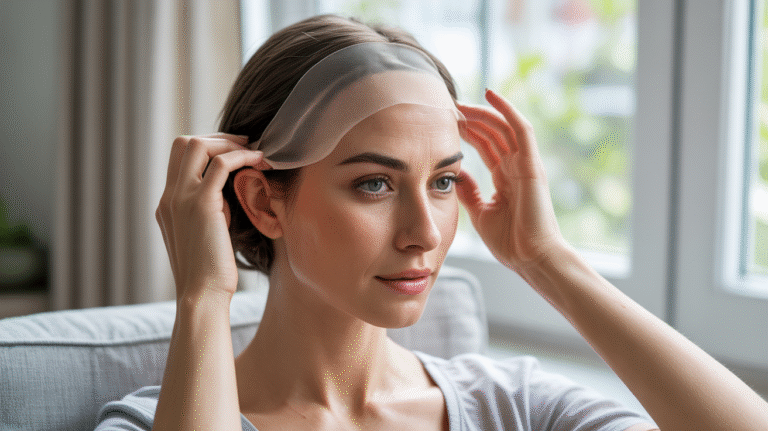
Halo extensions feature a single weft of hair attached to a thin, transparent wire. You place the wire on top of your head like a headband, and it sits about an inch back from your hairline. The wire rests under your natural hair, which you pull over to hide it.
Clip-in extensions consist of multiple wefts in various widths. Each weft has small clips sewn into the top. You section your hair, tease the roots slightly for grip, and snap the clips closed against your scalp. Most sets include 5-10 pieces that you layer throughout your head; for instance, the ThatHair hair extensions and similar quality options come in both styles. The physical construction differs significantly between the two, which affects how they feel and function throughout the day.
Key Differences in Application
Halo extensions take about 30 seconds to put on. You simply slip the wire over your head, adjust the position, and cover it with your top layer of hair. No clips, no sectioning, no teasing required.
Clip-ins take 5-15 minutes to apply properly. You need to:
- Create clean horizontal sections
- Backcomb roots for better grip
- Snap each weft securely
- Blend layers as you go
- Check placement in a mirror
Halo extensions work well if you have a sensitive scalp because they don’t pull on your roots. Clip-ins attach directly to your hair, which creates slight tension. However, clip-ins give you more control over exactly where you add volume and length.
Blending and Styling Results
Both types blend well if you match your natural color and texture correctly. Halo extensions add volume all around your head in one step. They work best for loose hairstyles and down looks.
Clip-ins offer more versatility for updos and specific placement. You can add pieces just at your crown, around your face, or in the back. This makes them better for detailed styles and targeted fullness.
Halo extensions can shift if you move around a lot or flip your head upside down. Clip-ins stay secure through most activities. Both accept heat tools if made from human hair, so you can curl, straighten, or wave them to match your natural texture.
Choosing the Best Option for Your Needs
Your hair type, lifestyle, and daily routine determine which extension style works better for you. Both options require different care approaches and offer distinct comfort levels that affect how often you’ll want to wear them.
Suitability for Different Hair Types
Halo extensions work best if you have fine to medium hair texture. The wire sits comfortably on thinner hair without creating bulk at the crown. However, people with very thick or coarse hair may find the wire visible or notice it doesn’t blend as seamlessly.
Clip-in extensions suit almost any hair type. You can adjust the placement and number of wefts based on your hair’s thickness. Fine hair benefits from lighter wefts placed strategically, while thick hair can handle multiple pieces without added stress.
Your hair length matters too. Halo extensions need at least shoulder-length hair to hide the wire properly. Clip-ins offer more flexibility and can attach to shorter styles, though you’ll get better results with hair that reaches past your shoulders.
People with very short hair should stick with clip-ins. You can place smaller pieces near the nape and sides for subtle volume.
Maintenance and Longevity
Halo extensions typically last 6 to 12 months with proper care. The single-weft design means less wear and tear from repeated attachment. You simply wash the piece when needed and store it flat or on a hanger.
Clip-in extensions demand more attention because of the multiple clips. Each piece needs separate care, and the clips can loosen over time. Most clip-ins last 3 to 6 months with regular use. You’ll need to replace or repair clips as they wear down.
Both types require gentle washing with sulflower-free products. Air-dry your extensions flat to maintain their shape. You can use heat tools on human hair extensions, but always apply a heat protectant first.
Store your extensions properly between uses. Keep them in a cool, dry place away from direct sunlight. This prevents tangling and preserves the hair quality for months.
Comfort and Wearability
Halo extensions feel lighter on your head throughout the day. The wire distributes weight evenly across your crown, which reduces tension on any single point. Most people forget they’re even there after a few minutes.
Some users notice the wire after several hours, especially if they have sensitive scalps. The pressure point at the crown can become uncomfortable during extended wear. You might need to adjust the wire or remove the halo after 4 to 6 hours.
Clip-ins create multiple pressure points where each clip attaches. This distributes weight differently than halos. You may feel the clips more during physical activity or if you lean back against a surface.
The clips can slip if you don’t secure them properly. You’ll need to check and readjust them throughout the day, particularly if you have slippery or freshly washed hair. First-time users often take a few tries to master the placement technique.
Conclusion
Your choice between halo and clip-in extensions depends on what matters most to you. Halo extensions work best if you want quick application and maximum comfort, especially for daily wear. Clip-ins give you more control over placement and volume, which makes them better for targeted styling.
Both options protect your natural hair and let you remove them easily. Consider your lifestyle, how much time you have, and your comfort level with hair extensions to make the right decision.