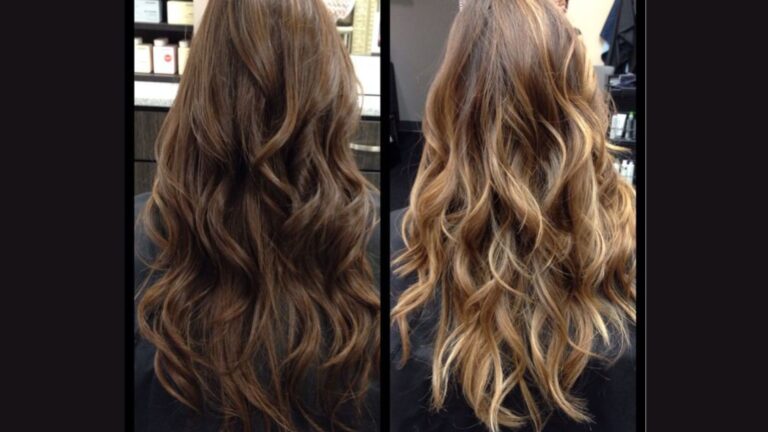
15 Rosemary Benefits for Hair: See Growth in 3 Months

I lost more hair than I want to admit before I found something that actually worked.
I tried oils, supplements, and expensive shampoos. Nothing stuck. Then I tried rosemary, and my shower drain told me everything I needed to know.
In this guide, I’m covering rosemary benefits for hair, backed by real research and my own months of testing.
You’ll get 15 proven benefits, easy ways to use it at home, and tips to get the best results.
No fluff. Just what works.
Why Rosemary Is Effective for Hair
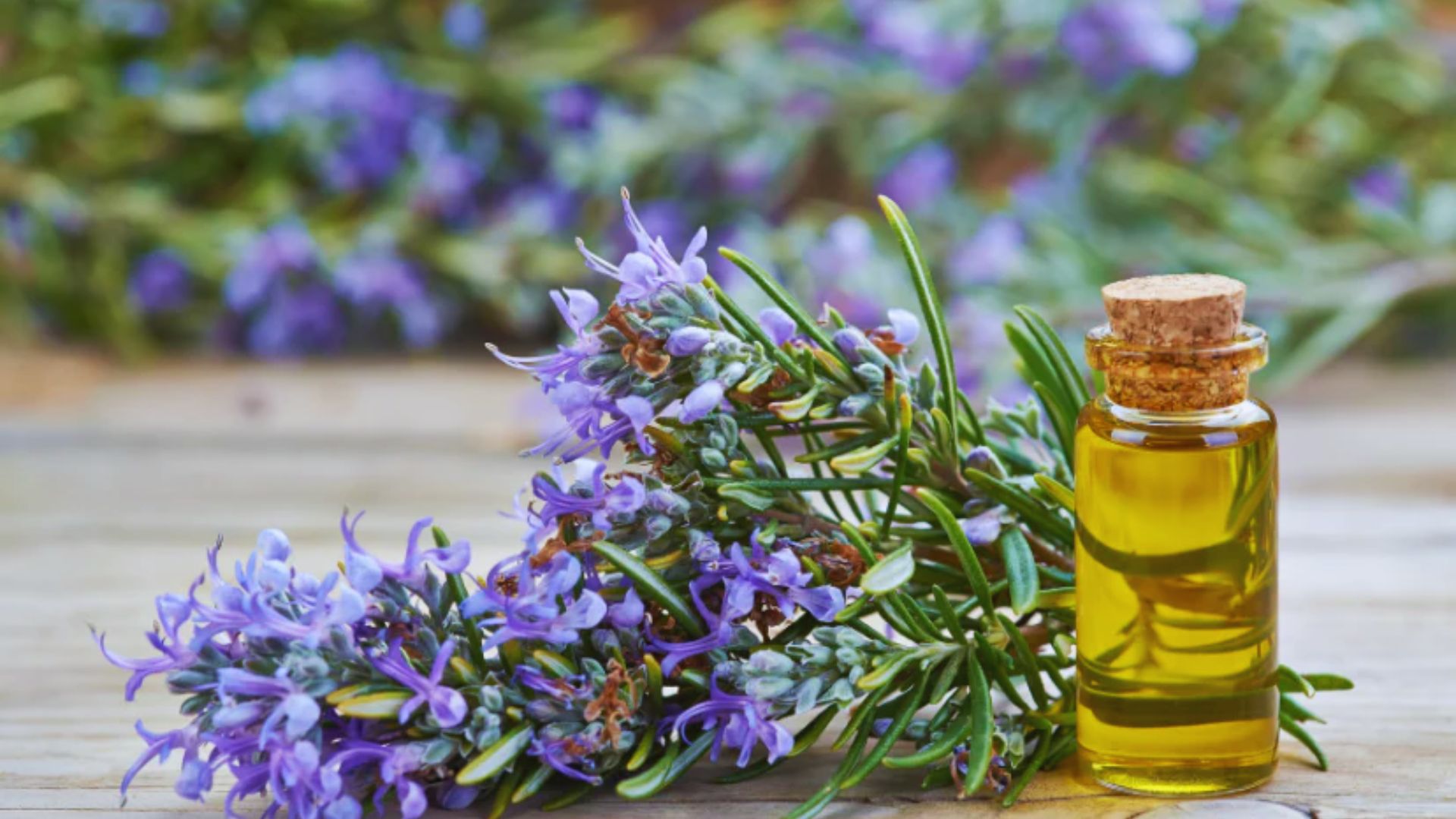
Rosemary isn’t just a kitchen herb: it’s one of the most researched natural options for scalp and hair health.
Rosemary contains vitamins B6 and C, along with minerals like calcium and iron.
It also carries powerful antioxidants and two key active compounds: carnosic acid and rosmarinic acid.
These are the real workers. They boost blood flow to hair follicles, which wakes up roots that have slowed down.
Rosemary also helps block DHT, the hormone linked to pattern hair loss.
On top of that, it strengthens hair from root to tip, making strands more resistant to everyday damage and breakage.
How to Use Rosemary Oil for Hair Growth
You don’t need a complicated routine: just the right method and some patience.
DIY Rosemary Oil Hair Treatment
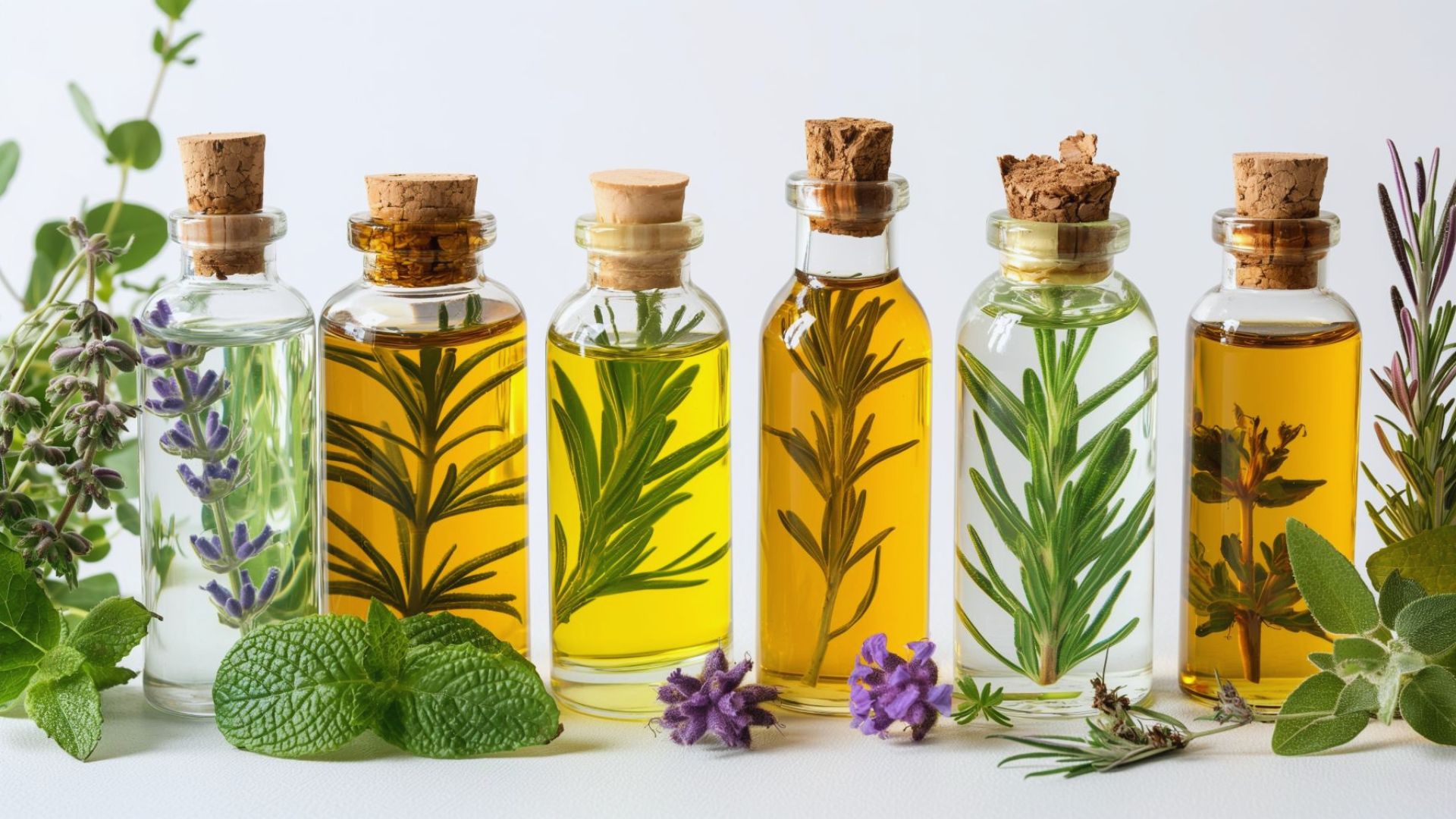
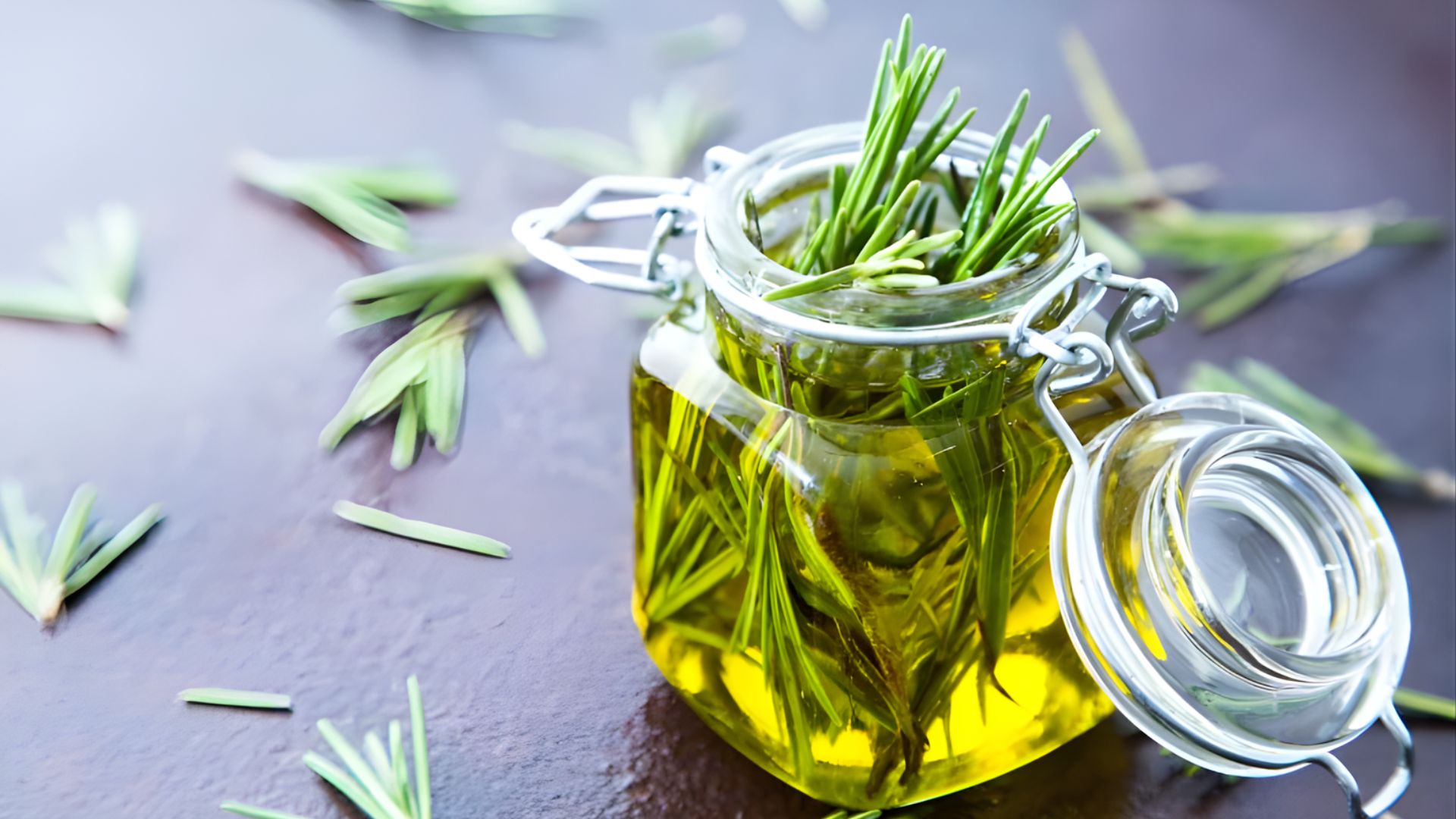
Making rosemary oil at home is simple. Add fresh or dried rosemary to a carrier oil like jojoba or coconut oil.
Let it sit for a few days, then strain out the herb. If you’re in a hurry, warm the oil gently to speed up the process.
Apply it to your scalp and hair lengths.
No fancy tools needed: just a jar and some patience.
Daily Scalp Massage Technique

Part your hair into sections. Put a few drops of rosemary oil on your fingertips.
Use small circular motions and massage it into your scalp, start at the front and work toward the back. Spend about five minutes doing this.
The massage itself increases blood flow to your follicles. Aim to do it at least three times a week for steady, visible progress.
Rosemary Water Spray

Boil fresh rosemary sprigs in water, let it cool fully, then pour it into a spray bottle.
Spritz it onto your scalp and roots daily. This is a lighter option that works well for fine or oily hair types.
It’s also a great way to refresh your scalp between wash days without adding oil or weight to your hair.
Effectiveness of Treatments

A 2015 study compared rosemary oil to 2% minoxidil over six months. Both groups showed similar hair growth results.
That’s worth noting for a plant-based option. Most users begin seeing real changes after three to six months of consistent use.
Don’t expect quick fixes, the results build slowly and they hold up better over time.
15 Key Benefits of Rosemary for Hair
From growth to shine, rosemary covers more ground than most hair care products.
1. Stimulates hair growth by awakening dormant follicles

Dormant follicles have slowed or stopped producing hair. Rosemary’s active compounds, especially carnosic acid, help wake them back up by improving blood flow to the scalp.
More circulation means more nutrients reach the follicle. Over time, this leads to new growth in areas that have thinned or slowed down.
It won’t happen overnight, but the change is real with consistent use.
2. Blocks DHT to prevent androgenetic hair loss
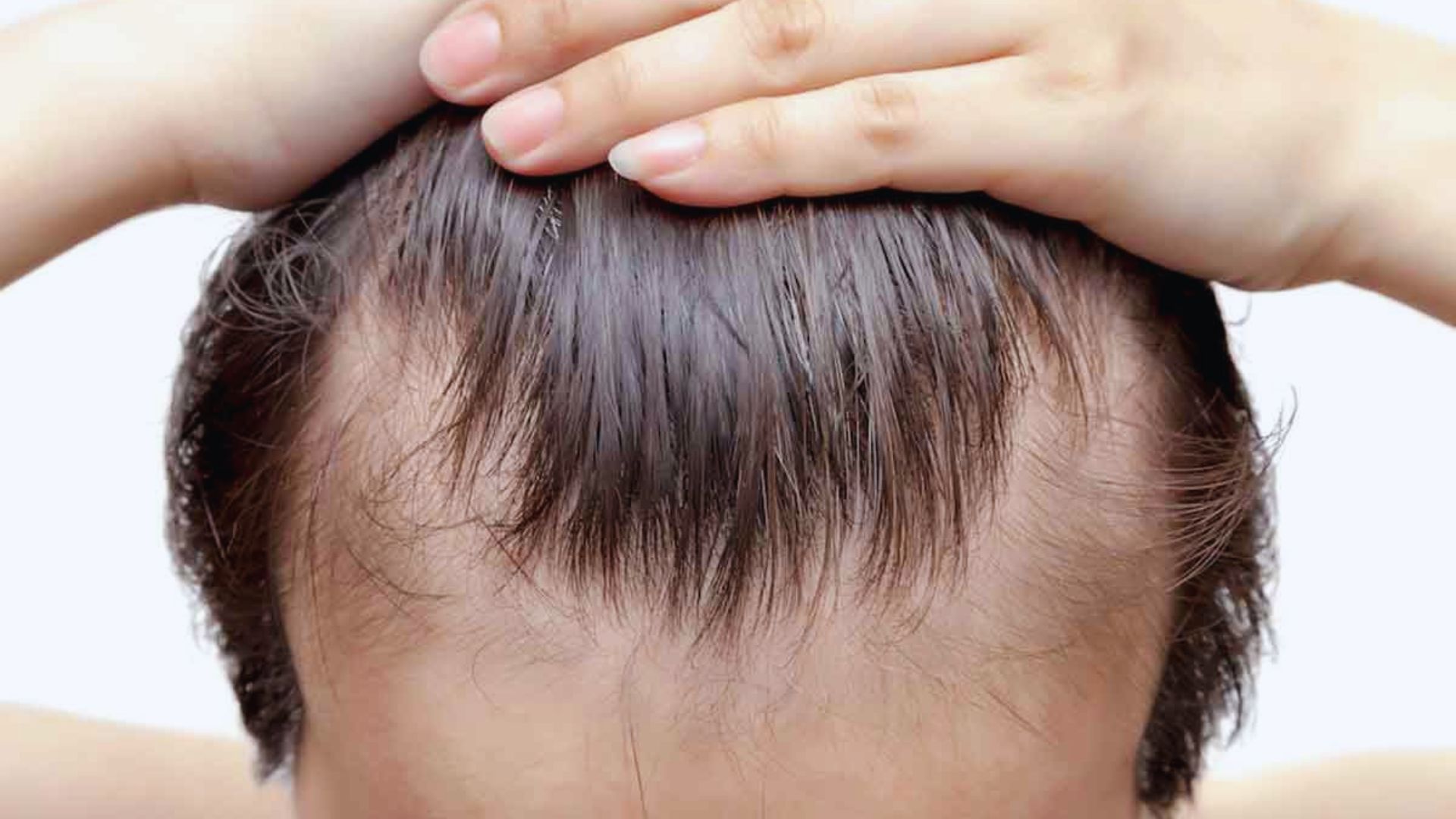
DHT is a hormone that gradually shrinks hair follicles, which leads to thinning over time.Rosemary contains compounds that reduce DHT’s impact on the scalp.
This makes it a useful natural option for people dealing with pattern hair loss.
Regular use may slow down the thinning process and help your existing hair stay fuller and healthier for longer.
3. Strengthens strands and reduces breakage

Weak hair breaks easily during brushing, styling, or even sleeping. Rosemary helps reinforce the hair shaft from root to tip.
Its antioxidants protect against oxidative stress, which is one of the main things that weakens strands over time.
With regular use, hair tends to feel more resilient and holds up better against daily wear, heat, and friction.
4. Improves scalp circulation for healthier follicles
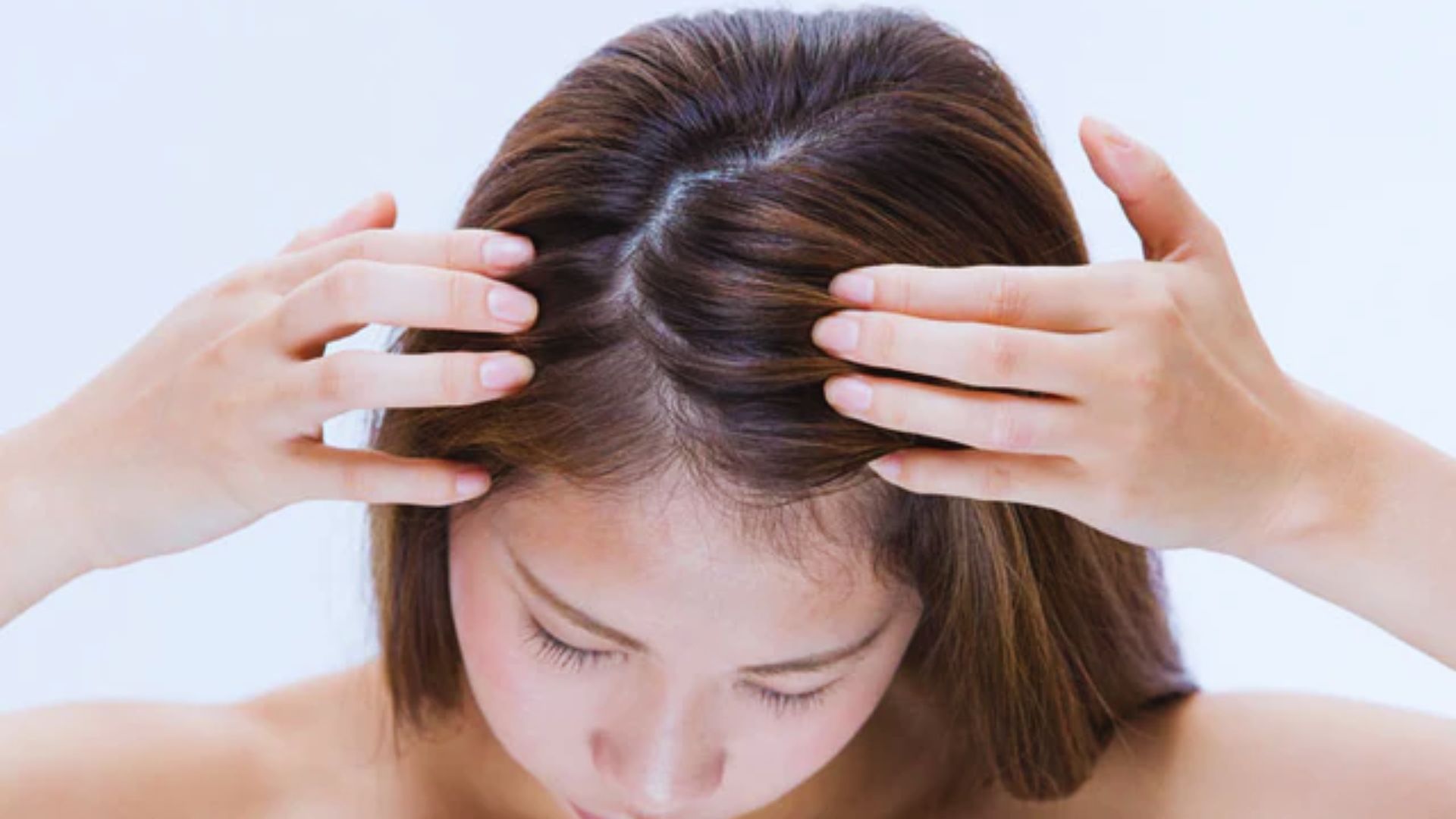
Healthy hair starts with a healthy scalp. Rosemary increases blood flow to the scalp when applied topically.
Better circulation delivers more oxygen and nutrients to your follicles. This supports active, healthy hair production from the inside out.
Pairing rosemary with a scalp massage makes this benefit even stronger and speeds up the overall results.
5. Soothes scalp inflammation and irritation
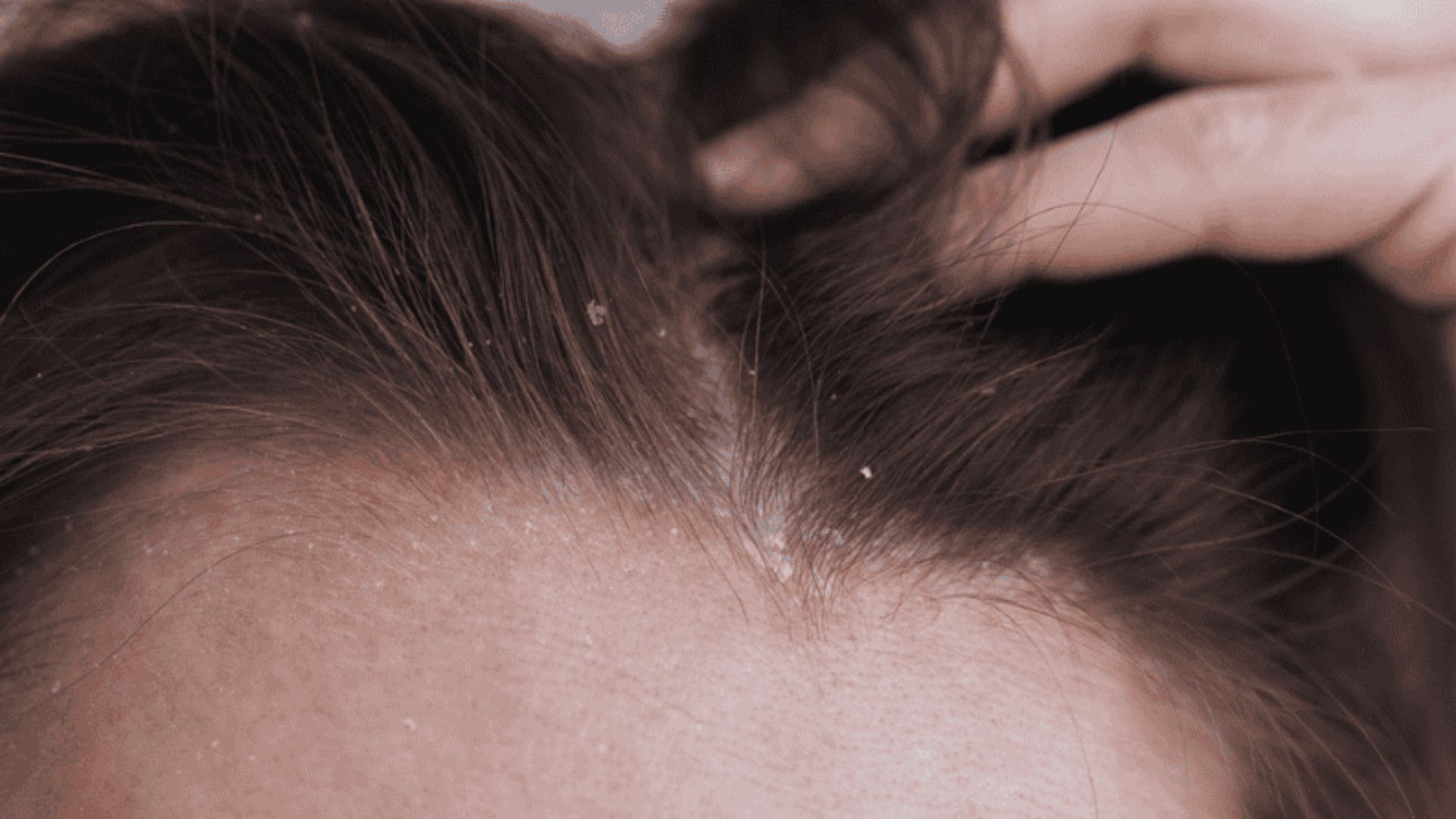
An inflamed scalp can slow hair growth and cause real discomfort. Rosemary has natural anti-inflammatory properties that help calm redness, itching, and sensitivity.
If your scalp feels tight or reactive after washing or product use, rosemary oil may bring relief.
It’s gentle enough for sensitive scalps and doesn’t cause the dryness that some medicated treatments can.
6. Reduces dandruff with antifungal properties
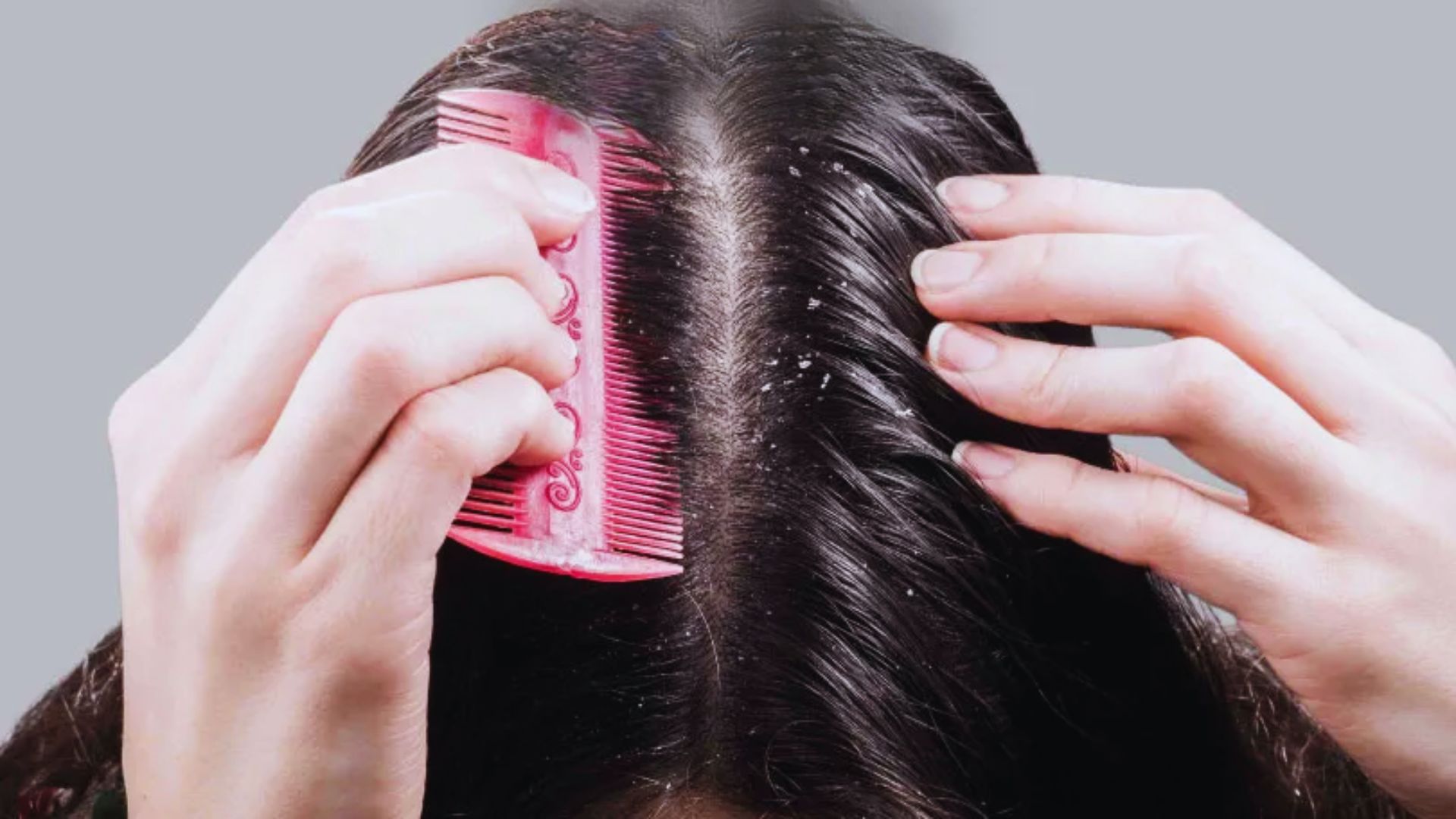
Dandruff is often triggered by a fungus called Malassezia. Rosemary has natural antifungal properties that help manage this.
Applying rosemary oil or rosemary water to your scalp regularly may reduce flaking and dryness over time.
It’s a gentler option than medicated shampoos, and it doesn’t strip the scalp of the moisture it needs to stay healthy and balanced.
7. Balances scalp oil production
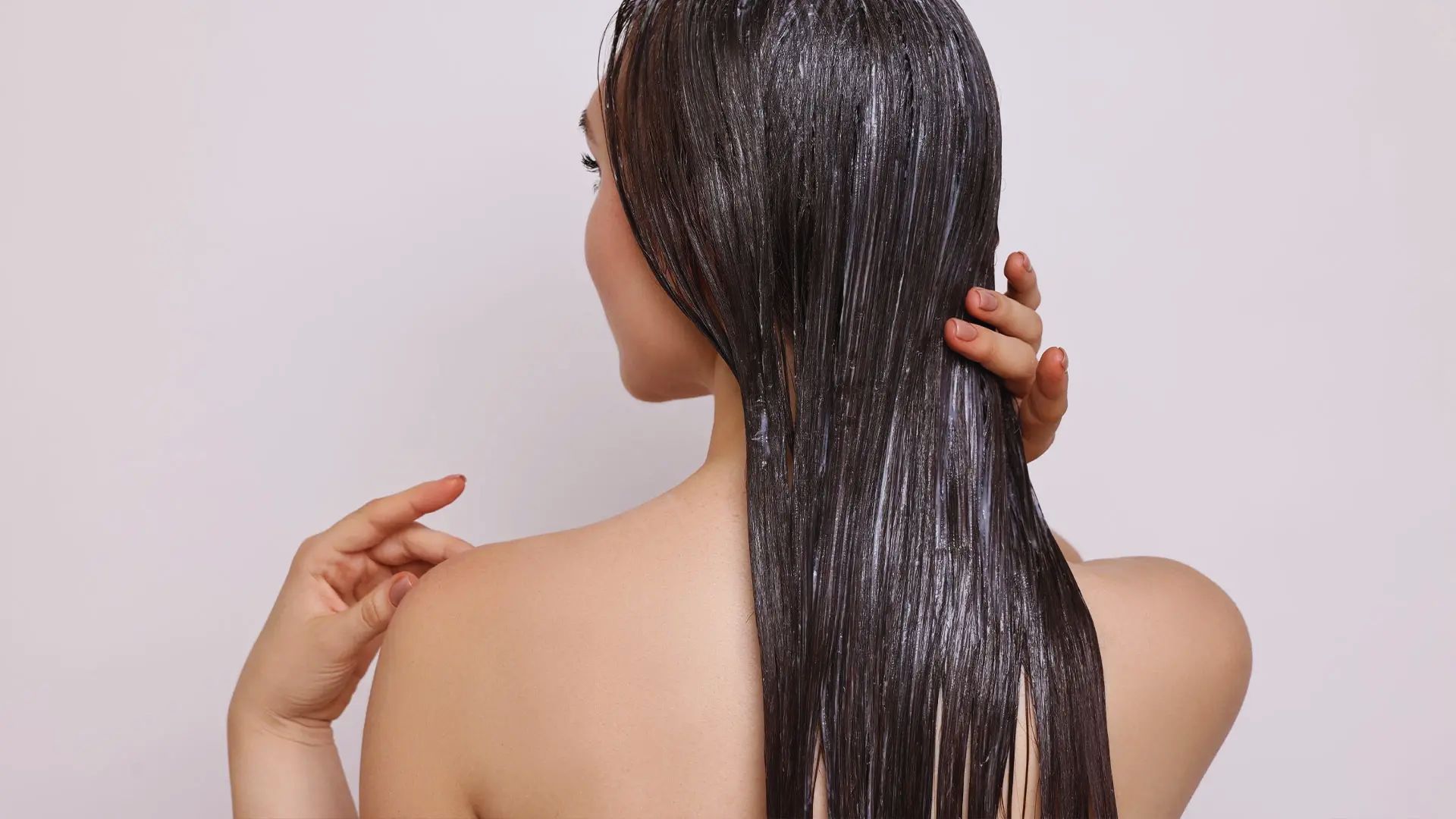
Too much oil clogs follicles. Too little leaves hair dry and brittle. Rosemary helps regulate your scalp’s oil production without tipping it too far in either direction.
It supports your sebaceous glands without overstimulating them.
If you deal with a greasy scalp one week and dry patches the next, rosemary may help your scalp settle into a healthier, more consistent state.
8. Adds natural shine by smoothing hair cuticles.
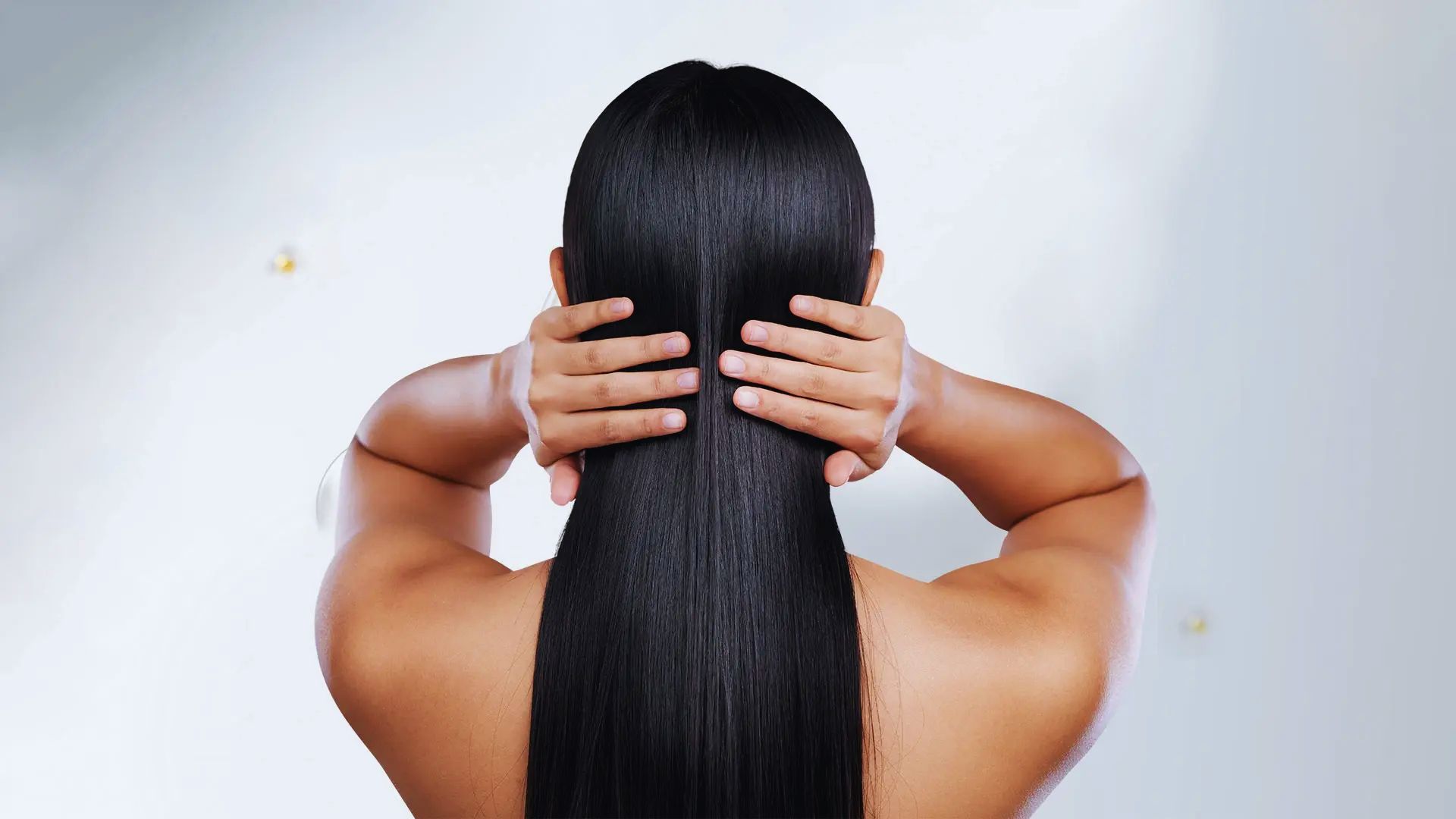
Dull hair is usually the result of rough, raised cuticles that scatter light. Rosemary has compounds that help smooth the hair’s outer layer.
When the cuticle lies flat, light reflects off it more evenly and gives your hair a healthy, polished look.
This effect tends to show up within a few weeks of regular use, no serums or silicones required.
9. Promotes thicker, fuller hair

Rosemary doesn’t just support existing follicles: it creates better conditions for hair to grow thicker and stronger.
Over time, users often report that their hair feels more voluminous.
This happens partly because follicle health improves and partly because rosemary reduces shedding, allowing more strands to stay on your head through each growth cycle.
10. Supports hair pigmentation and may delay graying

Rosemary’s antioxidants may help protect the cells responsible for producing hair pigment.
While it won’t reverse gray hair that’s already there, regular use may slow down premature graying.
Research is still ongoing in this area, but many users report that their natural color holds longer when rosemary is a consistent part of their hair care routine.
11. Reduces hair shedding and promotes retention
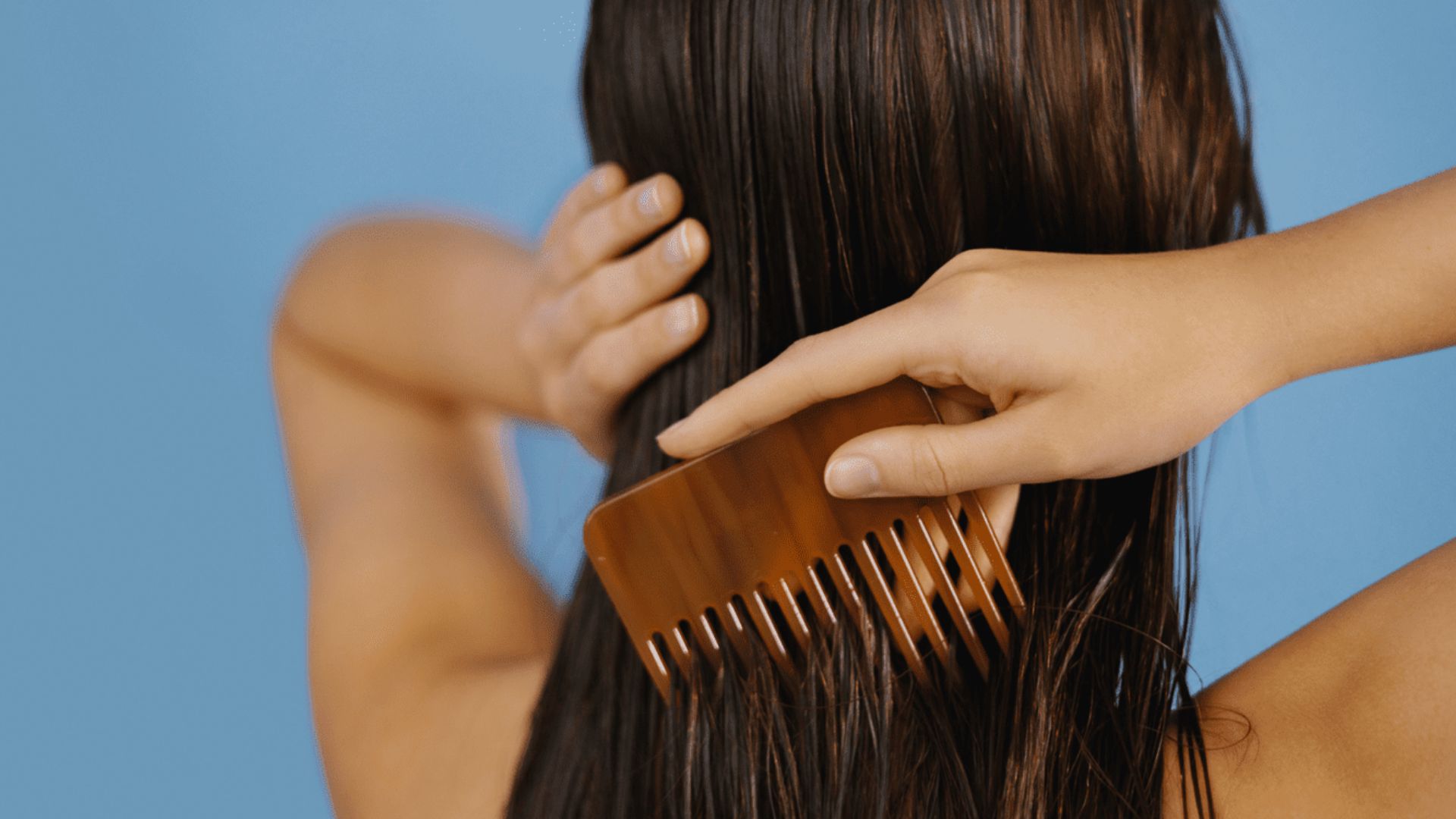
Losing some hair daily is normal, but excessive shedding signals a problem. Rosemary helps strengthen follicle attachment and slows the rate at which hair falls out before its time.
By supporting scalp health and circulation, it keeps follicles in the active growth phase for longer.
The result: less hair in your brush and more staying on your head.
12. Mild pain relief for scalp tension during massage

Rosemary has mild analgesic properties. Massaging it into your scalp can ease tension headaches and relieve tightness in the scalp muscles.
This makes the application process itself feel genuinely relaxing.
If you carry stress in your head and neck, a rosemary scalp massage gives you something useful on two fronts: relief and hair support at the same time.
13. Reduces stress-related hair loss through aromatherapy

Stress is a well-known trigger for hair loss. Research suggests that rosemary’s scent can help lower cortisol levels, the body’s main stress hormone.
Breathing it in during a scalp massage creates a calming effect.
Over time, building a consistent, low-stress hair care ritual with rosemary may help reduce the hair loss that comes from chronic tension and anxious daily living.
14. Eco-friendly and cost-effective alternative to chemical treatments
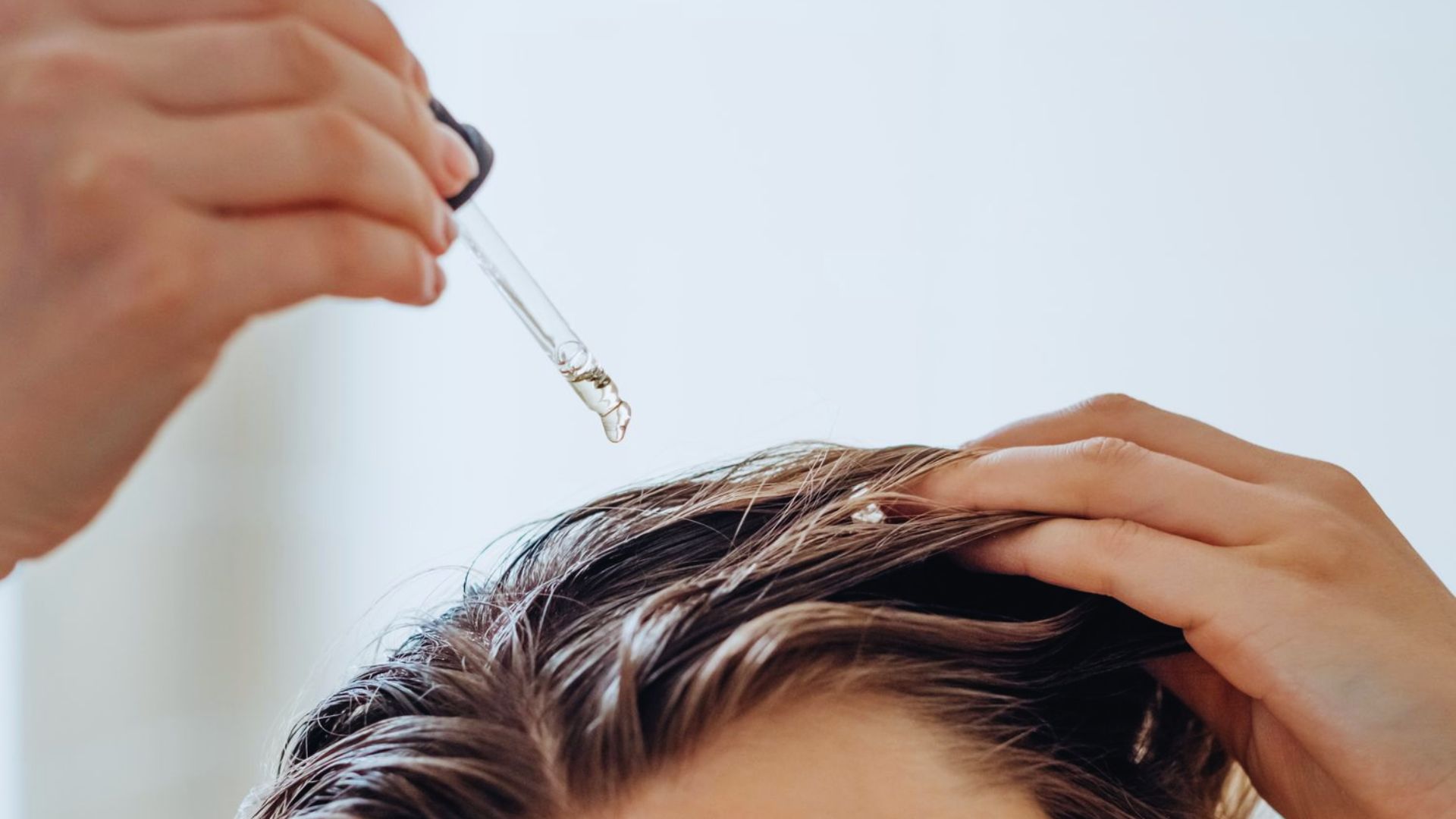
Rosemary is a plant. It grows easily, needs minimal processing, and breaks down naturally.
Compared to chemical-heavy hair treatments that come in plastic bottles with long ingredient lists, rosemary is a lighter choice for your scalp and for the environment.
A small bottle of rosemary oil or a handful of fresh herbs can stretch a long way when used regularly.
15. Works for all hair types in multiple forms

You don’t have to commit to one method. Rosemary is available as an oil, a water spray, or an herbal infusion, and each form suits different hair types.
Fine or oily hair tends to do well with the spray. Thick or dry hair benefits more from the oil.
This flexibility makes it easy to fit into any existing routine without changing much else.
Tips for Maximum Hair Growth
Small habits done consistently beat big efforts done once.
- Use a gentle, sulfate-free shampoo and conditioner to keep your scalp clean and supported.
- Stick with it. Most people see results after three to six months of regular use.
- Add a five-minute scalp massage each time you apply rosemary oil to boost blood flow.
- Try the inversion technique. Tilt your head downward during the massage for extra circulation.
- Cut back on heat styling and harsh treatments so your hair has room to recover.
Keep these habits up weekly, and the results will follow.
Conclusion
I started using rosemary oil six months ago out of pure curiosity. I wasn’t expecting much.
But fewer hairs in the drain and better coverage along my hairline changed my mind fast. If you’re on the fence, just start small.
A simple spray or a weekly oil massage is enough to get going.
Drop a comment below and tell me your experience.
Share this post with someone who needs it, and check out our related hair care guides for more tips.
Frequently Asked Questions
How long does rosemary take to show results for hair growth?
Most people see visible changes after three to six months of consistent use.
Can I apply rosemary oil directly to my scalp without mixing it?
It’s best to dilute it in a carrier oil like coconut or jojoba before applying.
Is rosemary safe for all hair types?
Yes, it works for most hair types. Those with oily hair may prefer the water spray over the oil.
Can rosemary oil replace minoxidil?
Studies show similar results over six months, but check with a doctor before changing any prescribed treatment.
How often should I use rosemary for hair?
Two to three times per week is enough to see steady progress over time.