How Do Pimple Patches Work? Acne Patch Guide


I remember sticking my first pimple patch on a stubborn whitehead and waking up to a nearly flat spot the next morning.
That moment made me a believer. So, how do pimple patches work? In this guide, I break it all down for you.
You will learn the science behind them, which acne types they actually help, and how to use them the right way.
I have tested these myself and researched the evidence so you do not have to guess.
If it is your first time using patches or you simply want better results, this article covers everything you need to know.
Understanding Pimple Patches

Pimple patches are small, thin hydrocolloid stickers placed directly on a pimple to reduce the blemish without touching it.
Most are round, clear, and barely visible on the skin. The hydrocolloid material, used in wound care for decades, pulls fluid and oil from the pimple and locks it inside the patch.
Some patches also include ingredients like salicylic acid, tea tree oil, or centella asiatica for added treatment.
They became popular because they are simple, mess-free, and show visible results fast.
Social media spread the trend quickly, and today they are affordable and easy to find almost anywhere.
How Do Pimple Patches Work?

The real science behind how these tiny stickers flatten your pimples and speed up healing.
How Do Pimple Patches Work Scientifically?
Pimple patches work through a process called moist wound healing.
The hydrocolloid material creates a sealed, moist environment on top of the pimple. This speeds up the skin's natural healing process.
The patch absorbs excess fluid from the pimple. This reduces swelling and helps the skin repair itself faster than it would in open air.
The Role of Hydrocolloid Technology
Hydrocolloid was originally developed to treat burns and surgical wounds.
It keeps the wound moist, reduces pain, and speeds up cell repair. Skin care brands adapted this technology for acne treatment.
When placed on a pimple, the hydrocolloid forms a gel as it absorbs fluid. This gel traps the debris from the pimple inside the patch, away from your skin.
How Patches Absorb Oil, Pus, and Fluids
The hydrocolloid material has tiny particles that soak up fluid from the pimple.
It draws out oil, pus, and other debris through capillary action, which is the same principle that makes a sponge absorb water.
The patch pulls this fluid out slowly and steadily while you sleep or go about your day. It does not squeeze or force the pimple.
It simply creates conditions that allow the fluid to move upward into the patch.
Why Pimple Patches Turn White After Use
That white or cloudy color means the patch is working. As the hydrocolloid absorbs fluid, it turns from clear to white. The more fluid it pulls, the whiter it gets.
This is the gel forming inside the patch material. It is not the patch leaking or breaking down. It is a sign that it absorbed pus, oil, and fluids from your pimple.
Which Types of Acne Can Pimple Patches Treat?

Not all acne is the same. Here is a breakdown of what patches can and cannot do.
Whiteheads and Surface-Level Pimples
Pimple patches work best on whiteheads. These are pimples that have come to the surface and have a visible white tip.
The hydrocolloid pulls out the contents easily because the pimple is already close to the skin surface.
Pustules and Inflamed Breakouts
Pustules, which are red, inflamed pimples with a white or yellow center, also respond well to patches.
The patch absorbs the pus and reduces swelling, making the pimple less visible within a day or two.
Popped or Draining Pimples
If you have already popped a pimple, a patch is one of the best things you can put on it.
It protects the raw skin, absorbs any remaining fluid, and reduces the chance of scarring or infection.
Acne Types That Don't Respond Well to Patches
Cystic acne and nodular acne are deep under the skin. A surface patch cannot reach them. The hydrocolloid has nothing to absorb because these pimples do not come to a head.
Blackheads also do not respond well. They are oxidized oil plugs, not fluid-filled pimples, so the absorption method does not apply.
Do Pimple Patches Really Work? What the Evidence Says

Science, speed, myths, and realistic expectations for using acne patches.
Research Behind Hydrocolloid Acne Patches
Studies on hydrocolloid wound dressings support their ability to speed up healing and reduce inflammation.
Research specific to acne patches shows they can reduce pimple size and redness faster than leaving a pimple untreated.
They are not a cure for acne, but they are a proven short-term treatment for surface-level breakouts.
How Fast Can You Expect Results?
Most people see a visible difference within 6 to 8 hours. Overnight use often shows a noticeably flattened pimple by morning.
Full results depend on how deep the pimple is and how much fluid it contains.
Can Pimple Patches Make a Zit Go Away Overnight?
Sometimes, yes. A whitehead with a lot of fluid can shrink significantly overnight. But a deeper pimple may take two to three nights of patching to fully flatten.
Overnight results are real but depend on the acne type.
Common Myths About Acne Patches
One common myth is that patches work on all acne. They do not. Another is that the whiter the patch, the better the product. The color simply shows absorption, not brand quality.
Some people think patches heal scars or prevent future breakouts. They do not do either. They treat active pimples, not long-term acne patterns.
How to Use Pimple Patches for Maximum Effectiveness
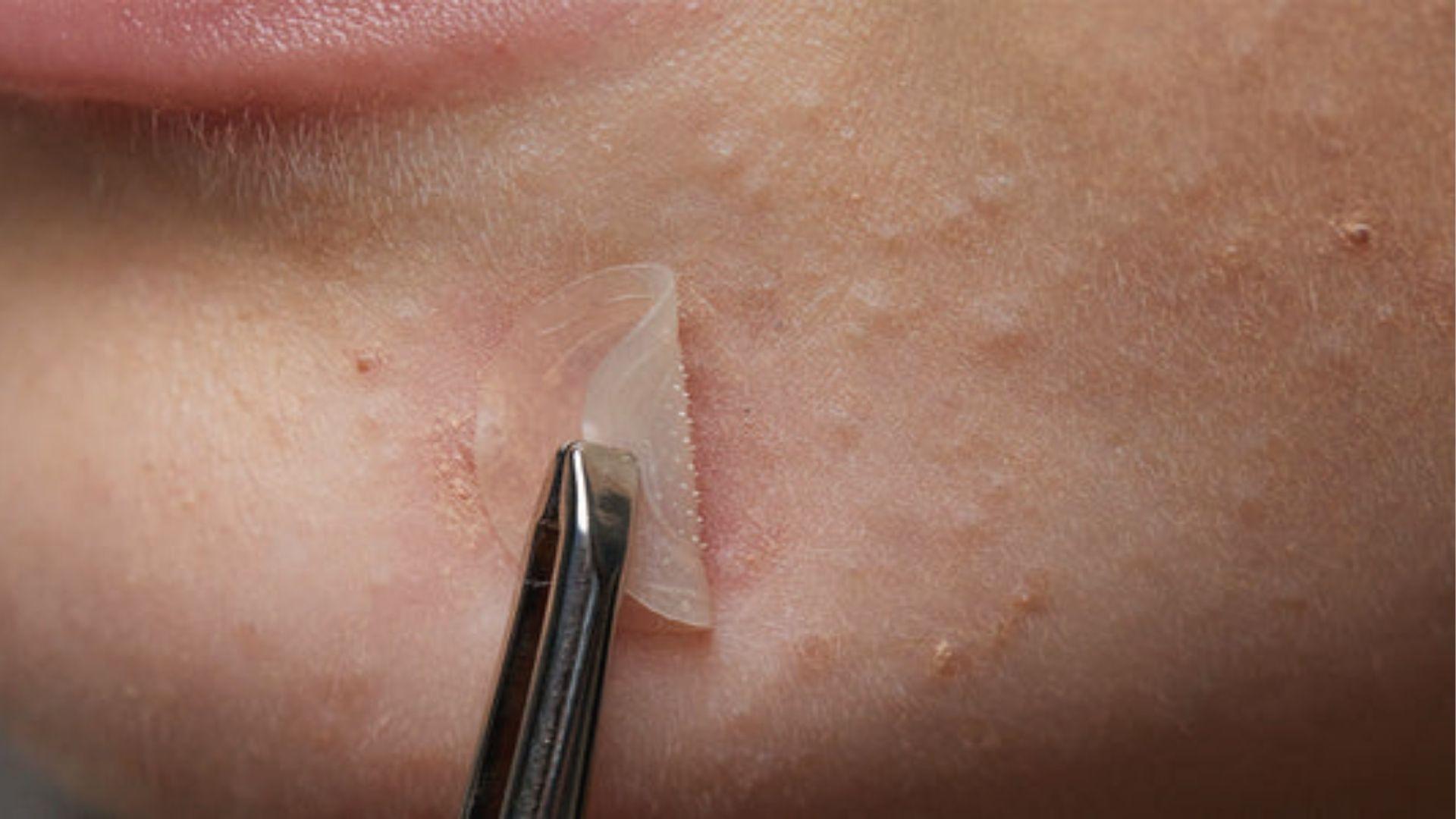
Simple steps and habits that get you the best results every time you use a patch.
Applying Patches the Right Way
Start with clean, dry skin. Any oil or moisture on the surface will prevent the patch from sticking properly. Press the patch firmly onto the pimple and hold it down for a few seconds.
Make sure the patch is large enough to cover the pimple completely. A patch that is too small will not absorb effectively.
How Long Should You Leave Them On?
Leave the patch on for at least 6 hours. Most people use them overnight for 8 hours.
You can leave some patches on for up to 12 hours if needed. Change the patch when it turns fully white or starts peeling at the edges.
Can You Wear Pimple Patches Under Makeup?
Yes, many patches are thin enough to wear under makeup. Press the patch on firmly and let it set for a few minutes before applying foundation.
Use a light hand when applying makeup over the patch to avoid lifting the edges.
Expert Tips for Better Results With Pimple Patches
Smart habits and product choices that make your pimple patches work harder for you.
- For whiteheads, a basic hydrocolloid patch works fine. For inflamed pimples, pick one with salicylic acid or niacinamide.
- Always apply patches as a spot treatment within your existing routine, not as a replacement for cleanser, moisturizer, and sunscreen.
- Avoid touching your face, change pillowcases twice a week, and skip heavy moisturizers in breakout-prone areas.
- Do not layer too many active ingredients at once as it can irritate skin and slow down healing.
- If acne is deep, persistent, or widespread, see a dermatologist for stronger prescription treatments.
Conclusion
I have used pimple patches more times than I can count, and they genuinely changed how I handle breakouts.
No more picking, no more waiting and hoping. If you have a whitehead or inflamed pimple, just patch it and leave it alone.
Now that you know how pimple patches work, give them a real try with the right technique. Have a patch success story or a question?
Drop it in the comments. And if this helped, share it with someone dealing with breakouts too.
Frequently Asked Questions
How do pimple patches work scientifically?
Pimple patches use hydrocolloid technology to absorb fluid from pimples. They create a moist, sealed environment that speeds up healing and reduces swelling.
How do pimple patches work so well?
They work by pulling out pus and oil, protecting the pimple from bacteria, and stopping you from picking. This combination speeds up recovery and reduces redness faster than leaving the pimple untreated.
Do pimple patches work on cystic acne?
No, pimple patches are not effective on cystic acne. Cystic pimples form deep under the skin and do not come to a head, so the patch has nothing to absorb.
How long should you leave a pimple patch on?
Leave it on for at least 6 to 8 hours. Overnight use works best. Replace the patch when it turns fully white or starts to peel at the edges.
Can pimple patches help prevent acne scars?
They can help reduce the risk of scarring by stopping you from picking and protecting the skin as it heals. But they do not treat existing scars or prevent future breakouts.