
How Long Does Doxycycline Take to Work for Acne?

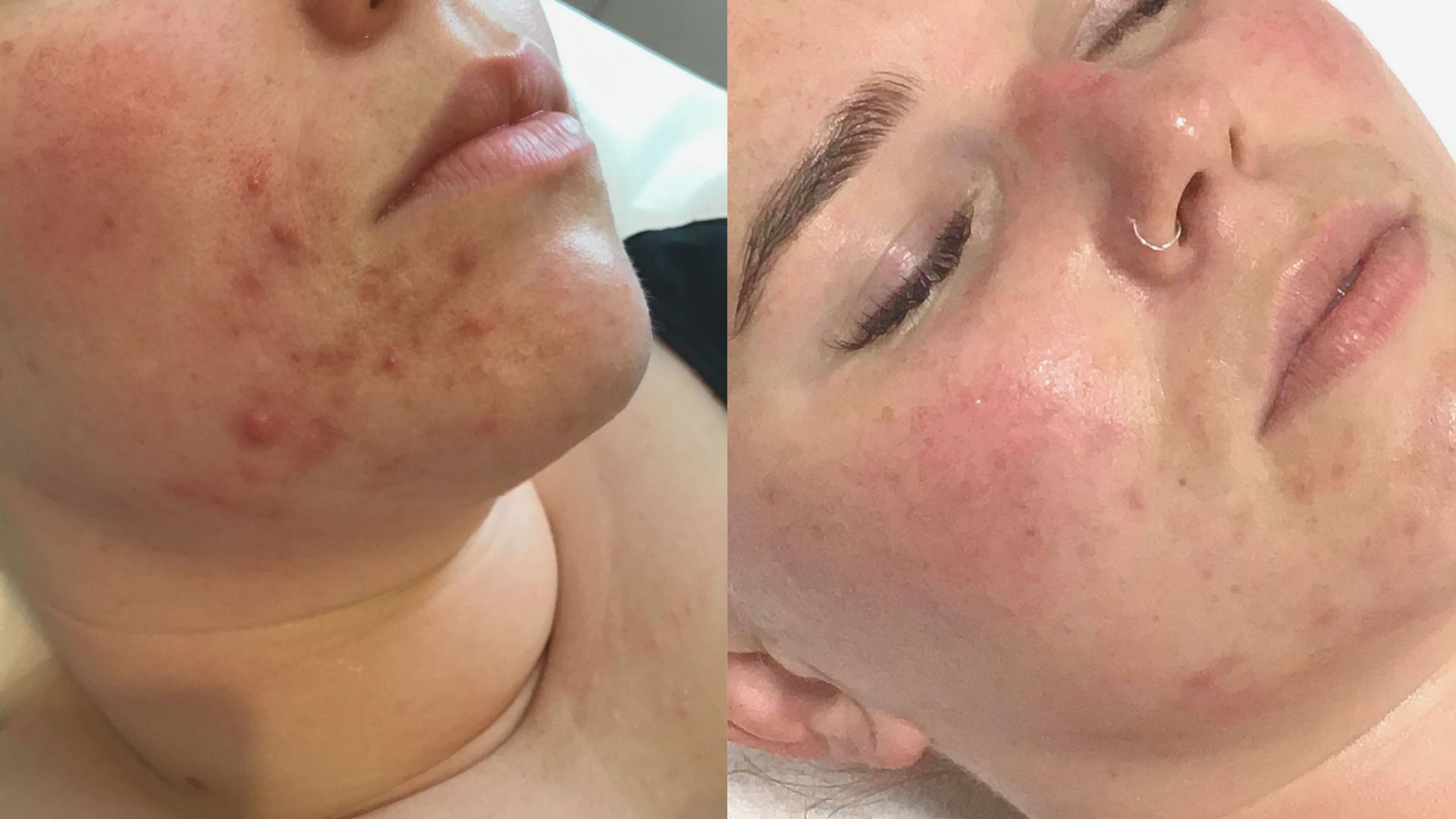
If you’re dealing with stubborn acne, you’re probably wondering how long does doxycycline take to work for acne. I’ve been there myself, and I know how frustrating it can be to wait for results.
This article will walk you through the timeline, from the first week to full results in weeks. You’ll learn what to expect, how it works, and tips to get the best outcome.
I’ve spent years researching acne treatments, and I’m here to give you clear, honest answers. Let’s talk about what really happens when you start taking doxycycline for acne.
What Is Doxycycline and How Does It Treat Acne?
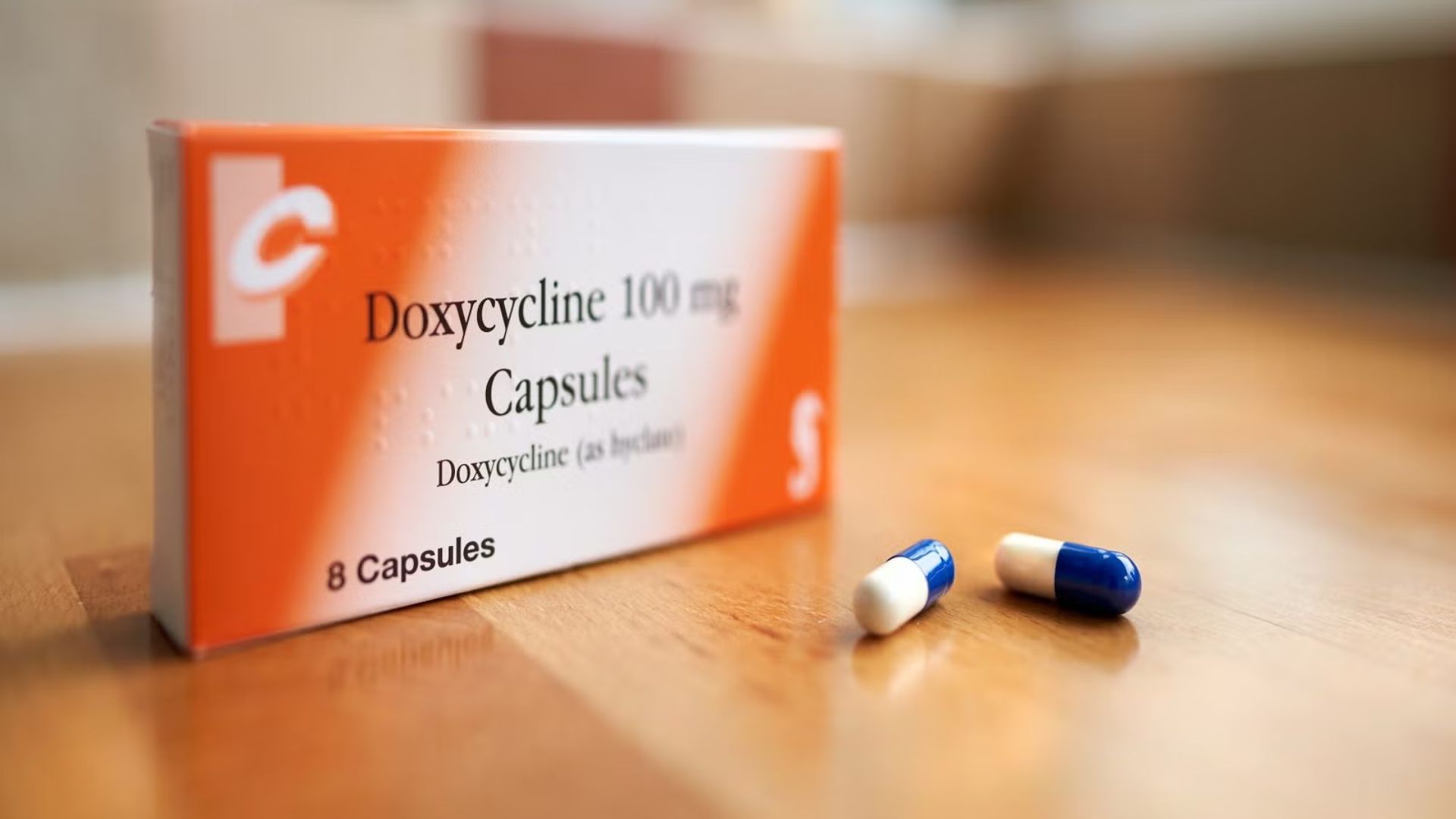
Doxycycline is a powerful oral antibiotic that dermatologists prescribe for moderate to severe acne. It belongs to the tetracycline family and works from the inside out to clear your skin.
This medication isn’t for mild acne or blackheads. Your dermatologist will decide if it’s right for your specific acne type.
Doxycycline fights acne in three main ways. First, it reduces inflammation in your skin. Second, it targets acne-causing bacteria called Cutibacterium acnes.
Third, it helps prevent new breakouts from forming. The medication doesn’t just treat existing pimples. It works to stop the cycle that causes acne in the first place.
How Long Does Doxycycline Take to Work for Acne?
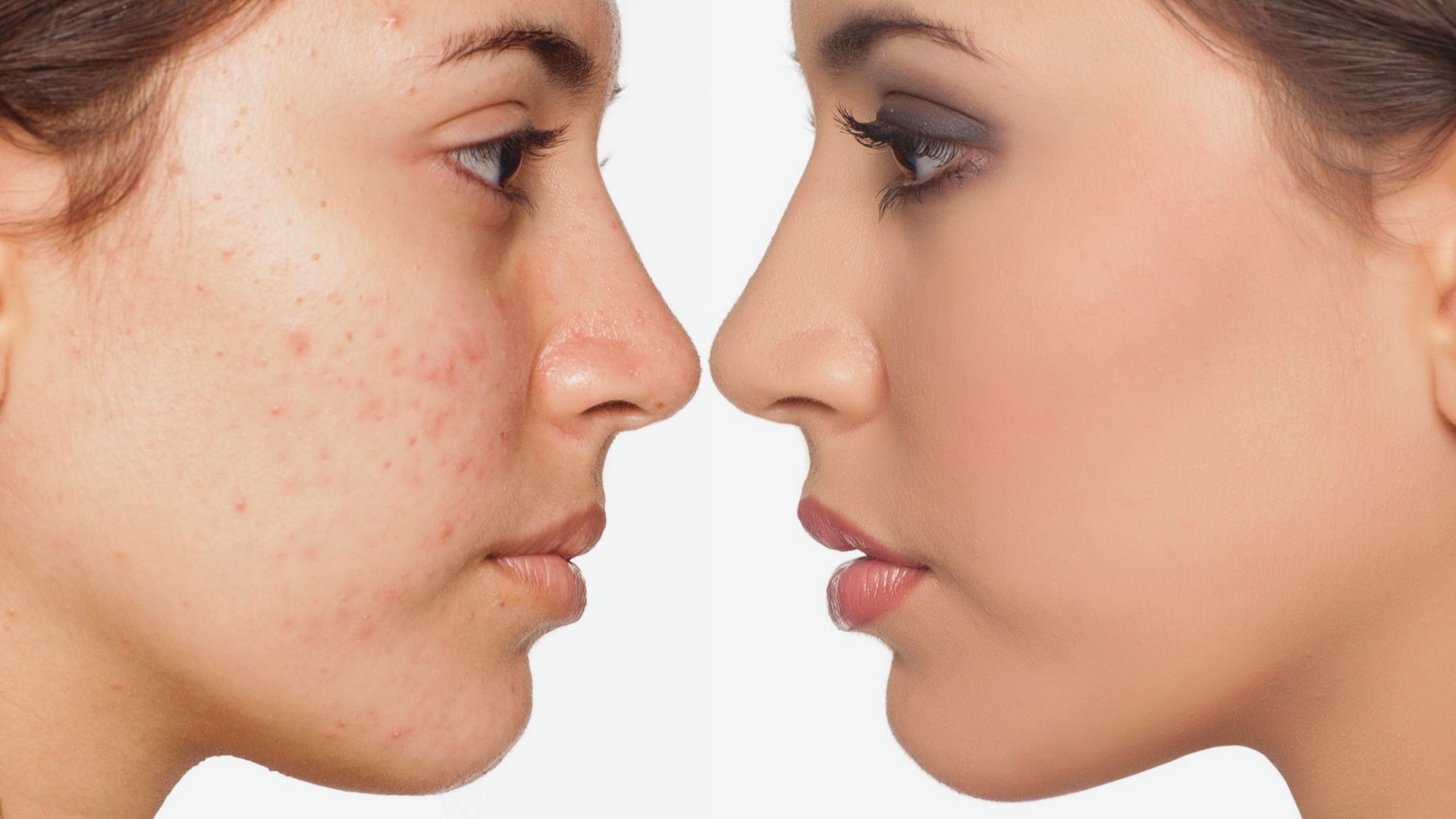
The timeline varies from person to person, but most people follow a similar pattern. Here’s what to expect during your treatment.
Weeks 1–2 Early Changes
During the first two weeks, you might notice subtle shifts. Redness and swelling often reduce slightly. Active breakouts may start to calm down. Don’t expect dramatic changes yet.
Your skin is just beginning to respond to the medication. Some people see no change at all in this phase, and that’s completely normal.
Weeks 2–4 Noticeable Improvement
This is when things start to get better. You’ll likely see fewer new pimples forming. Existing acne heals faster than before.
The inflammation begins to settle down more noticeably. Your skin might still have active breakouts, but they’re less angry and painful.
Weeks 4–8 Steady Progress
Between weeks four and eight, you’ll see gradual reduction in inflammatory lesions. Consistency is really important during this phase.
Taking your medication at the same time every day makes a big difference. Your skin continues to improve, but the changes might feel slow. This is normal.
Weeks 8–12 Full Results
At the 12-week mark, you should see maximum visible improvement. Clinical studies typically evaluate doxycycline results at this point. Your acne should be significantly better than when you started.
Some people see clear skin, while others still have minor breakouts. The severity should be much less than before treatment began.
Why Does Doxycycline Take Time to Work?
Understanding why this medication isn’t instant helps manage your expectations. Acne develops deep in your skin over time, so clearing it takes patience.
Anti-Inflammatory Effects
Doxycycline calms painful, swollen acne lesions gradually. It reduces the inflammation that makes pimples red and tender.
This process happens slowly as the medication builds up in your system. The anti-inflammatory action is one of the most important ways doxycycline helps acne.
Reducing Cutibacterium acnes
The medication decreases bacteria involved in acne formation. These bacteria live deep in your pores. It takes time for doxycycline to reduce their numbers enough to see results on your skin’s surface.
As bacterial levels drop, new breakouts become less frequent and less severe.
Signs That Doxycycline Is Working

You might wonder if the medication is actually doing anything, especially in the early weeks. Here are the signs that doxycycline is working for your acne.
Your existing pimples heal faster than they used to. Inflammation and redness start to fade noticeably. New breakouts appear less frequently each week. Your skin feels less tender and painful to the touch.
The texture of your skin begins to smooth out over time. Deep, painful cysts become less common.
Your face feels calmer overall, even if you still have some active acne. These changes happen gradually, so tracking with photos helps you see the progress clearly.
How Long Do You Need to Take Doxycycline?
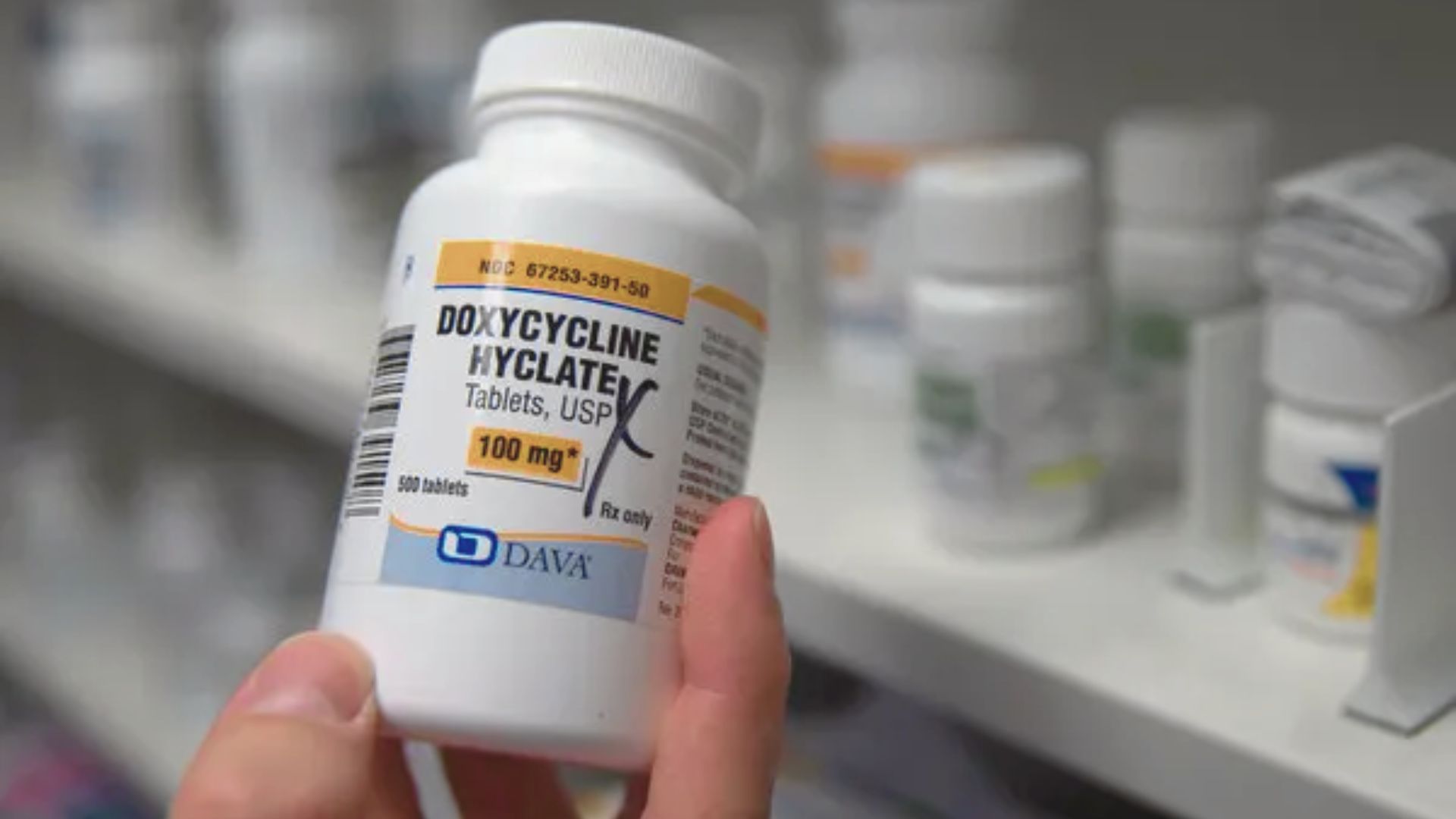
Most people take doxycycline for a limited time. Long-term antibiotic use isn’t recommended for acne treatment.
Typical Treatment Duration (3–4 Months)
Doctors usually prescribe doxycycline for three to four months. This short-term treatment strategy helps prevent antibiotic resistance.
Taking antibiotics too long can make bacteria resistant to treatment. Your dermatologist will monitor your progress and decide when to stop the medication.
Importance of Combination Therapy
Using other treatments alongside doxycycline is really important. Benzoyl peroxide works well with this antibiotic. Topical retinoids help too.
When you stop taking doxycycline, these topical treatments become your maintenance therapy. They keep acne under control after you finish the antibiotic course.
What to Expect During Treatment?

Knowing what’s normal helps you stay on track with your treatment plan.
Does Doxycycline Cause Purging?
Acne worsening is uncommon with doxycycline. Unlike some topical treatments, this antibiotic rarely causes purging. If your acne gets worse, it’s usually not from the medication.
Talk to your dermatologist if you notice your skin getting significantly worse after starting treatment.
Common Side Effects
Sun sensitivity is the most common side effect. Your skin becomes more vulnerable to sunburn while taking doxycycline. Digestive discomfort can happen too.
Some people feel nauseous or get an upset stomach. Taking the medication with food helps prevent stomach issues. Drinking plenty of water also reduces side effects.
Tips to Get the Best Results from Doxycycline
Following these simple tips can improve your outcome and help you see results faster.
- Take it at the same time every day and don’t skip doses. Complete the full course your doctor prescribed, even if your skin looks better.
- Use sunscreen with SPF 30 or higher daily. Avoid sun exposure between 10 AM and 4 PM. Doxycycline makes you burn easily.
- Combine with topical treatments your dermatologist recommends. Don’t add random products without asking first.
- Take photos of your skin every two weeks. This helps you see gradual improvement that’s hard to notice day-to-day.
- Schedule a follow-up if you don’t see improvement after eight weeks. Your doctor might need to adjust your treatment plan.
Conclusion
I know waiting for clear skin feels hard. How long does doxycycline take to work for acne depends on your individual skin, but most people see real results around the 8 to 12-week mark. The timeline can feel slow, but improvement is happening beneath the surface.
I’ve watched friends and family go through this treatment, and patience really pays off. Stick with your medication every day. Protect your skin from the sun. Trust the process and give it time to work.
Drop a comment below and tell me how your treatment is going. I’d love to hear your story and support you through this.
Frequently Asked Questions
Can I drink alcohol while taking doxycycline for acne?
You can drink alcohol in moderation, but it may reduce the medication’s effectiveness. Alcohol can also worsen digestive side effects like nausea and stomach upset.
Should I take doxycycline with food or on an empty stomach?
Take doxycycline with a full glass of water and some food. This reduces stomach irritation and helps your body absorb the medication better.
What happens if I miss a dose of doxycycline?
Take the missed dose as soon as you remember. If it’s almost time for your next dose, skip the missed one and continue your regular schedule. Never double up on doses.
Can I use retinol while taking doxycycline for acne?
Yes, but start slowly to avoid irritation. Both treatments can make your skin sensitive, so your dermatologist might suggest alternating days at first.
Will my acne come back after I stop taking doxycycline?
Acne can return if you don’t maintain a skincare routine after stopping. Using topical retinoids and benzoyl peroxide helps keep breakouts under control long-term.