How Often Should I Use Retinol for Best Results?

How Often Should I Use Retinol for Best Results?
Many people hear about retinol everywhere, yet feel unsure about how often to use it. Advice online usually conflicts, which can leave you worried about harming your skin instead of helping it.
It is natural to question nightly use when others warn about irritation.
Real experiences show that using retinol too often can cause problems. Redness, peeling, and soreness may appear when skin is pushed too fast. The right pace depends on skin type, personal goals, and current tolerance.
Most users find better results by starting once a week and building slowly. Clear routines and shared experiences help remove the guesswork from the process. With patience and steady habits, retinol can support clearer skin and softer lines without causing setbacks.
How Often Should You Really Use Retinol?
I’ll be straight with you: no magic number works for everyone. Your skin is unique, and what works for your friend might wreck your face.
Here’s what actually matters when figuring out your retinol schedule:
- Start slow: Once a week for the first two weeks
- Build gradually: Add one extra night every few weeks
- Listen to your skin: Redness and peeling mean you’re going too fast
- Be patient: It takes 3 to 6 months to work up to daily use
- Stay consistent: Regular use beats aggressive use every time
Think of retinol like strength training. You wouldn’t bench press 200 pounds on day one. Most people can eventually use retinol every night, but it takes 3 months to a full year to get there. The sweet spot is three to five nights per week for solid results without constant irritation.
Special Considerations for Eye Area
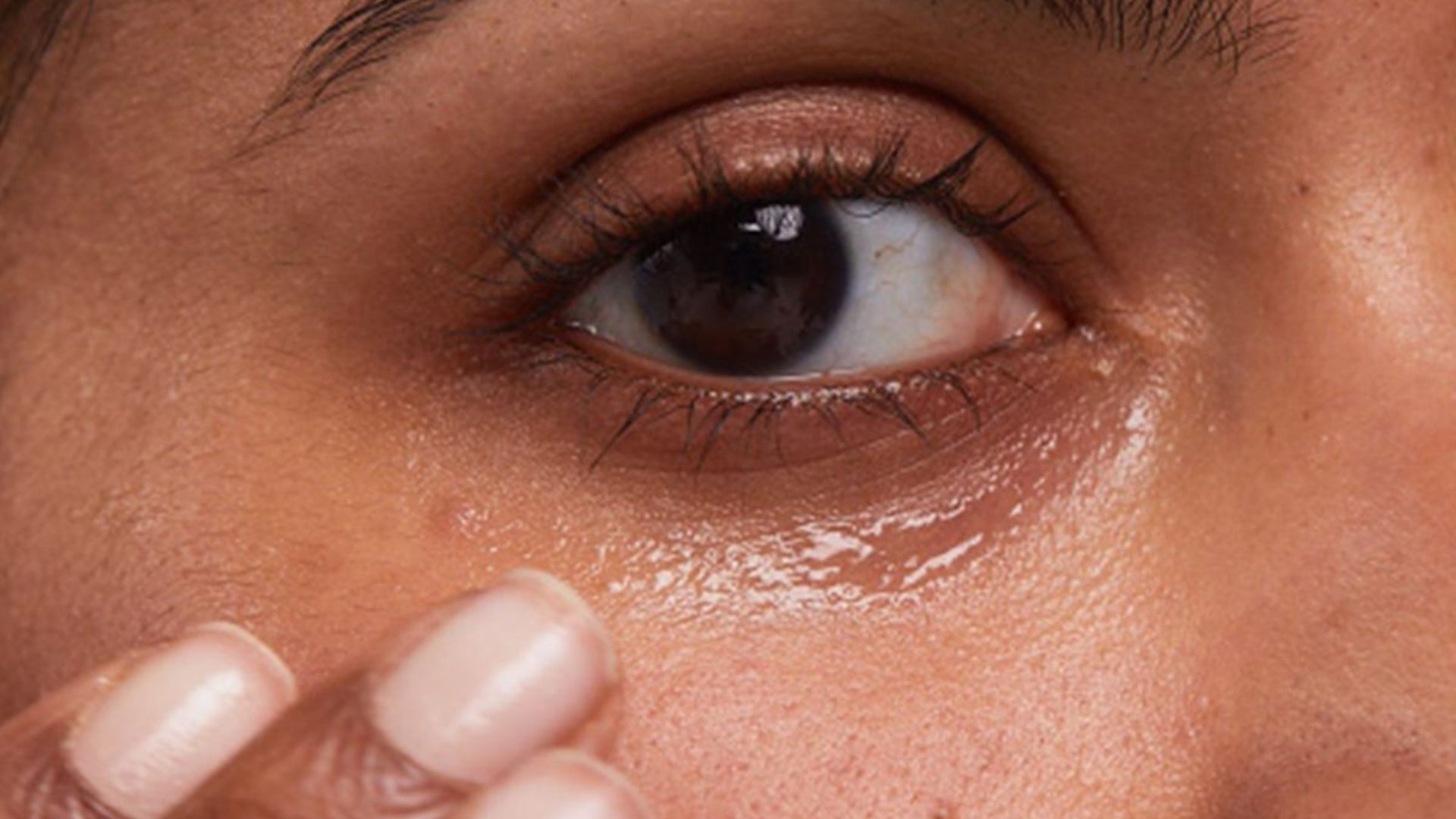
The skin around your eyes is different. It’s thinner and way more sensitive than the rest of your face.
Can You Use Retinol Around Eyes?
Only use retinol near your eyes if the product is specifically formulated for that area. Regular face retinol is too harsh. You’re more likely to develop irritation, redness, and sensitivity.
Under-eye serums with gentle retinol are safer options. Consider peptide alternatives for the sensitive eye area. They increase hydration and reduce fine lines without the irritation risk.
Eye Area Frequency Guidelines
Start at 2 to 3 times per week, even with eye-specific products. Never use regular-strength face retinol near your eyes. That’s asking for trouble.
The community advice is simple: better safe than sorry with your eyes. This isn’t an area to experiment with.
Protecting Sensitive Eye Area
Put extra-rich moisturizer around your eyes before applying face retinol. Retinol travels even when you don’t apply it directly to the area. A buffer zone of moisturizer provides protection.
If you develop sensitivity, increase the buffer zone. Some users avoid retinol within an inch of their eyes entirely. That’s a smart move if your eye area is reactive.
Real Retinol Schedules: What Actually Works
These schedules come from real people with real results. Not theories. Experience.
Beginner Schedule (Months 1 to 3)
Week 1 to 2: once weekly on Sunday nights. Week 3 to 4: twice weekly on Sunday and Wednesday. This is the foundation phase.
Week 5 to 8: three times weekly on Sunday, Tuesday, and Thursday. Week 9 to 12: every other night. One user said, “This slow pace saved my skin barrier.” Slow wins the race.
Intermediate Schedule (Months 4 to 6)
Months 4 to 5: every other night or 4 times weekly. Your tolerance is built, and side effects are minimal. Month 6: 5 to 6 nights per week.
You’re starting to see significant improvements at this stage. You’re ready to consider daily use or higher strength. But you don’t have to rush into either.
Advanced User Schedule (Maintenance)
Daily application is possible for most users at this stage. But some maintain every other night indefinitely. Both approaches work fine.
Reduce frequency during winter or stress periods. You can increase to higher concentrations at the same frequency. Prescription tretinoin at a lower frequency is another alternative.
Acne Specific Schedule from Users
Initial purge phase: stick to 3 times weekly. Don’t increase during breakouts. After 8 weeks: increase to 4 times weekly if you’re tolerating it well.
Month 4 onwards: every other night to daily. Maintenance: 3 to 5 times weekly prevents relapse. One user shared: “I cleared my acne, keeping it at 4 nights weekly.” You don’t always need daily use for clear skin.
Anti-Aging Focus Schedule from Users
First 6 weeks: 2 to 3 times weekly. Patience during this phase is crucial. Weeks 6 to 12: every other night.
Month 4 onwards: nightly application. Results become visible around week 8 to 12. One user said, “Nightly use after 4 months transformed my fine lines.” The keyword is “after 4 months,” not immediately.
When NOT to Use Retinol?
Some situations require you to stop retinol completely. No exceptions.
- Pregnancy and breastfeeding: Avoid retinol completely and use safer alternatives like bakuchiol or azelaic acid with medical advice.
- Before treatments: Stop retinol at least one week before waxing, lasers, microneedling, or peels, and resume after full healing.
- Skin conditions: Skip retinol during eczema flares, rosacea, sunburn, or irritated skin until the barrier recovers.
- Prescription actives: Do not combine retinol with prescription keratolytics without dermatologist’s approval.
Expert Tips for Successful Retinol Use
Professionals have seen it all. Learn from their experience.
- Start low and slow: Dermatologists recommend beginning once weekly and increasing gradually. Results take at least 12 weeks, so patience is essential.
- Follow expert guidance: Estheticians stress consistency and correct usage. Most people quit too early instead of letting retinol work.
- Listen to your skin: Pay attention to irritation or discomfort and adjust as needed. When in doubt, consult a professional rather than guessing.
- Use proper technique: Apply a pea-sized amount to clean, completely dry skin after waiting 20 to 30 minutes. Avoid the eye area.
- Reduce irritation smartly: Use the sandwich method with moisturizer and adjust frequency by season. Extend use to the neck and hands when tolerated.
Tracking Your Progress and Adjusting Frequency
Your skin will tell you what’s working. You just need to pay attention.
How to Know It’s Working
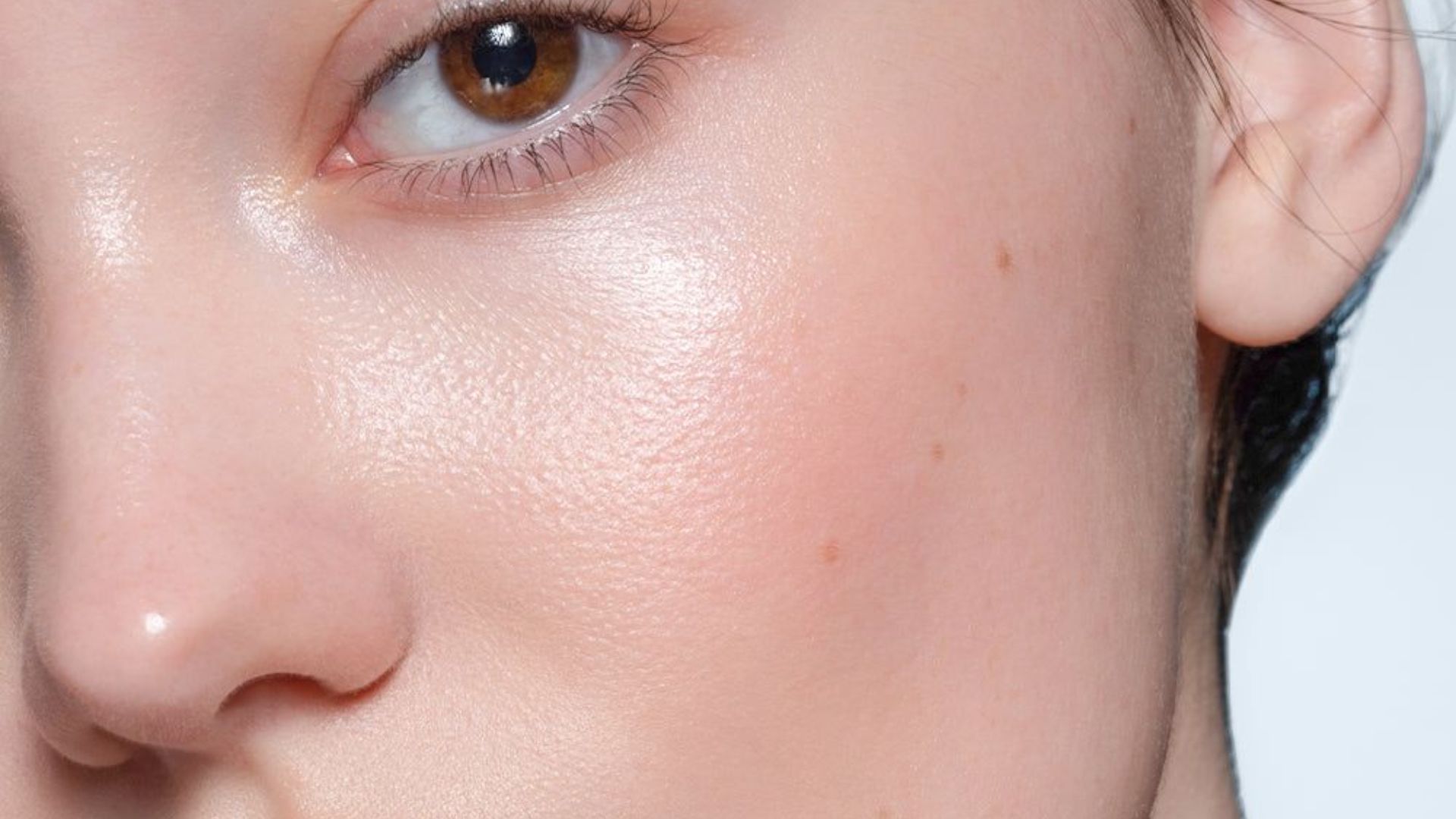
Week 2 to 4: your skin feels smoother. Weeks 4 to 6: texture improvements become visible. Week 8 to 12: fine lines are less noticeable.
Months 3 to 6: significant improvements in tone and firmness appear. It takes several months for full wrinkle reduction. This is normal, not slow.
Signs You Need to Adjust
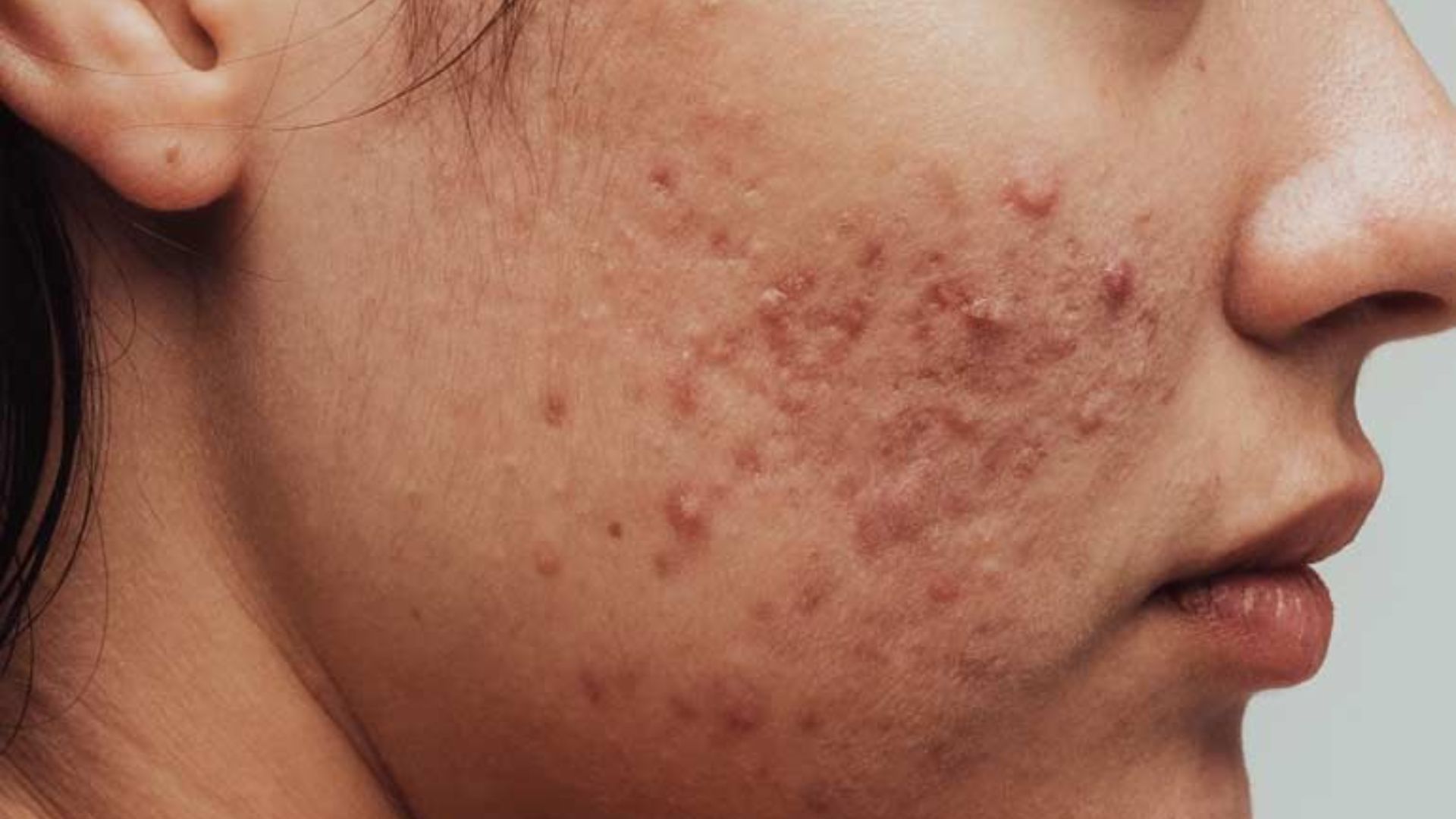
Persistent irritation after 2 weeks at the same frequency means something’s wrong. Excessive dryness that moisturizer doesn’t help is a red flag. Sensitivity increasing rather than decreasing is backwards progress.
Breakouts beyond normal purging that continue past 8 weeks need attention. Your skin barrier feeling constantly compromised means you need to change something. These signs mean reduce frequency immediately.
When to Increase Frequency

Your current frequency causes zero irritation. Your skin looks comfortable and healthy. You’ve been at your current level for at least 3 to 4 weeks.
No dryness, redness, or sensitivity anywhere. You’re ready for the next step in tolerance building. All of these need to be true before you increase.
Keeping a Retinol Journal
Track your application dates and frequency. Note any irritation or side effects when they happen. Document visible improvements over time.
This helps you identify patterns and tolerance levels. The community recommends this for staying consistent. It’s easier to stick with something when you can see your progress.
Common Mistakes and How to Avoid Them
Everyone makes mistakes with retinol. Learn from others so you don’t have to repeat them.
- Starting too strong, too fast: Jumping into daily high strength use and mixing multiple actives overwhelms your skin. Build tolerance slowly and follow a gradual schedule.
- Giving up too soon: Stopping during the purge or before 12 weeks prevents real results. Commit to at least a three-month trial.
- Inconsistent application: Using retinol randomly or overcorrecting after gaps disrupts progress. Set fixed days and stay consistent.
- Ignoring skin signals: Pushing through intense irritation weakens your skin barrier. Adjust frequency and listen to what your skin needs.
- Skipping sunscreen: Retinol without daily SPF puts skin at risk even on cloudy days. Sunscreen is mandatory every single day.
Conclusion
Figuring out how often to use retinol can feel confusing at first. The answer depends on your skin, but the approach stays simple for most people. Begin with once a week, increase slowly over time, and pay close attention to how your skin reacts.
Many real users show that patience brings better outcomes. Some do well with using three times a week, while others build up to nightly use without trouble. Both patterns can work when they match skin comfort and tolerance.
What matters most is staying steady rather than pushing too hard. For concerns like lines or breakouts, results usually appear around weeks eight to twelve. With shared advice and clear routines, you can shape a retinol plan that fits your needs and grow confidence step by step through consistent care.
Frequently Asked Questions
How often should I use retinol as a beginner?
Start with once or twice weekly for the first 2 weeks. Increase to three times weekly in weeks 3 to 4. Progress to every other night by week 5. This gradual approach minimizes irritation and allows your skin to build tolerance safely.
Can I use retinol every night for faster results?
Eventually, yes, but not immediately. Daily use is a goal after 3 to 6 months of building tolerance. Using it nightly too soon causes severe irritation, peeling, and redness. Start slow and increase frequency gradually. Consistency matters more than aggressive application.
How often should I use retinol for anti-aging?
Beginners should use retinol 3 to 5 nights per week. Experienced users can apply it 5 to 7 nights weekly. Results appear after 8 to 12 weeks of consistent use. Daily application after building tolerance provides maximum anti-aging benefits long-term.
What happens if I use retinol too often?
Excessive use causes burning, itching, inflammation, peeling, dryness, and redness. Your skin barrier becomes damaged and compromised. If you experience persistent irritation, reduce frequency immediately. More is not better with retinol. Listen to your skin’s signals always.
How often should I use retinol if I have sensitive skin?
Start once weekly for sensitive skin, then slowly increase to 2 to 3 times weekly as your skin adapts. Some sensitive skin types maintain this lower frequency indefinitely and still see results. Use the sandwich method with moisturizer to reduce irritation.