Licorice Root for Skin: Benefits & How to Use


Most people ignore licorice root because it sounds basic. That is a mistake.
I have tested a lot of skincare ingredients over the years.
But licorice root for skin genuinely caught me off guard. It fades dark spots, calms redness, and fights breakouts without wrecking your skin barrier.
In this article, I cover what licorice root is, how it works, the top science-backed benefits, daily use tips, DIY remedies, and which skin concerns it targets best. I also share who should avoid it and how to pick the right product.
I have spent hours going through dermatology research and testing this myself. If uneven skin tone or inflammation has been frustrating you, keep reading.
What Is Licorice Root and Why Is It Used in Skincare?
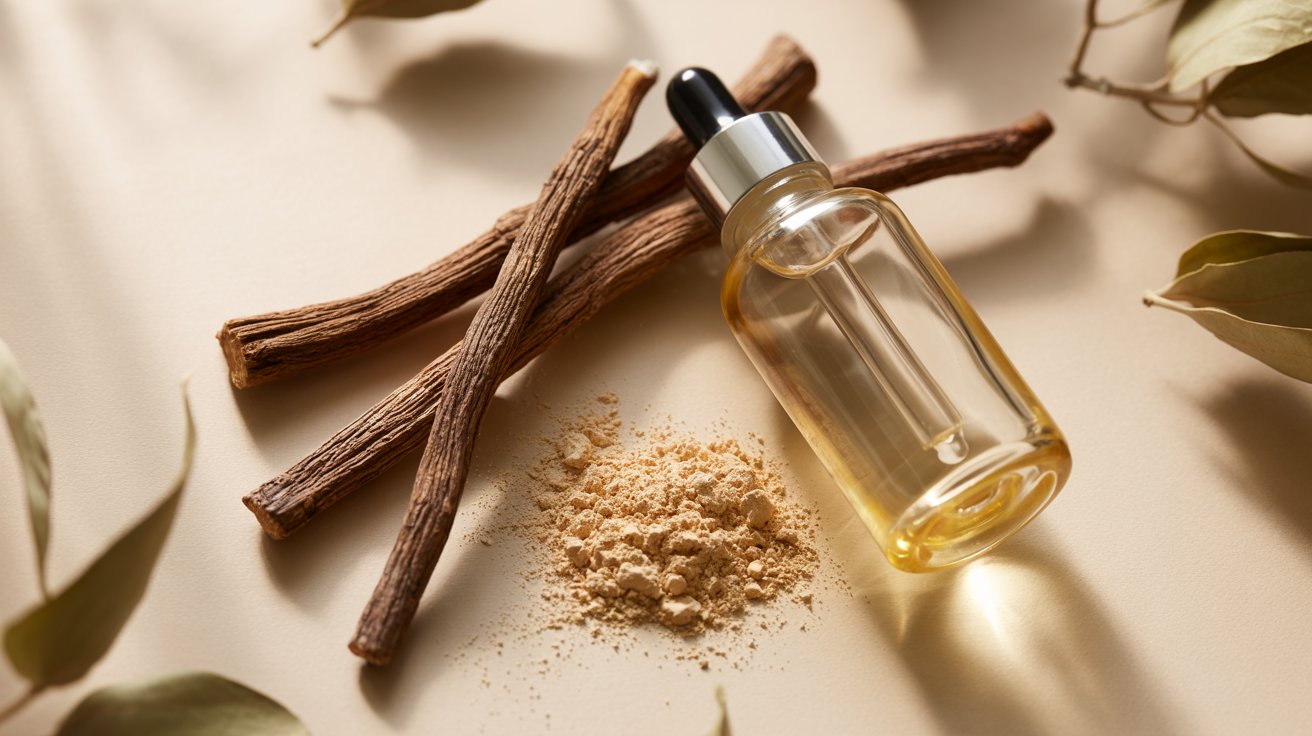
Licorice root comes from a plant called Glycyrrhiza glabra. It has been used in traditional medicine for centuries. In skincare, the star compound is glabridin.
Research suggests it interferes with melanin production and has meaningful anti-inflammatory properties.
That is why you find it in serums, creams, and face masks. It brightens and soothes. And most skin types handle it well, which gives it an edge over harsher brightening actives.
How Licorice Root for Skin Works Scientifically
Licorice root works on more than one issue at a time. It brightens, soothes, and protects.
Three key compounds drive the results. Glabridin has been shown in studies to inhibit tyrosinase, the enzyme that triggers melanin production. Licochalcone A helps reduce excess oil and skin inflammation. Glycyrrhizin acts as an antioxidant that supports reactive or stressed skin.
Dermatology research suggests these compounds act at a cellular level. But results do vary depending on product concentration and how consistently you use it.
Top Benefits of Licorice Root for Skin Backed by Science

Here is what the research actually supports:
- Fades dark spots by inhibiting tyrosinase activity, which slows down melanin production.
- Reduces redness through the anti-inflammatory action of licochalcone A.
- Fights acne through its antimicrobial properties against common acne-causing bacteria.
- Protects against UV-related damage using antioxidant compounds like glycyrrhizin.
- Supports the skin barrier with regular use over time.
In some studies, glabridin has shown stronger brightening results than kojic acid with fewer side effects. That matters if your skin does not tolerate stronger actives well.
Best Ways to Use Licorice Root for Skin Daily
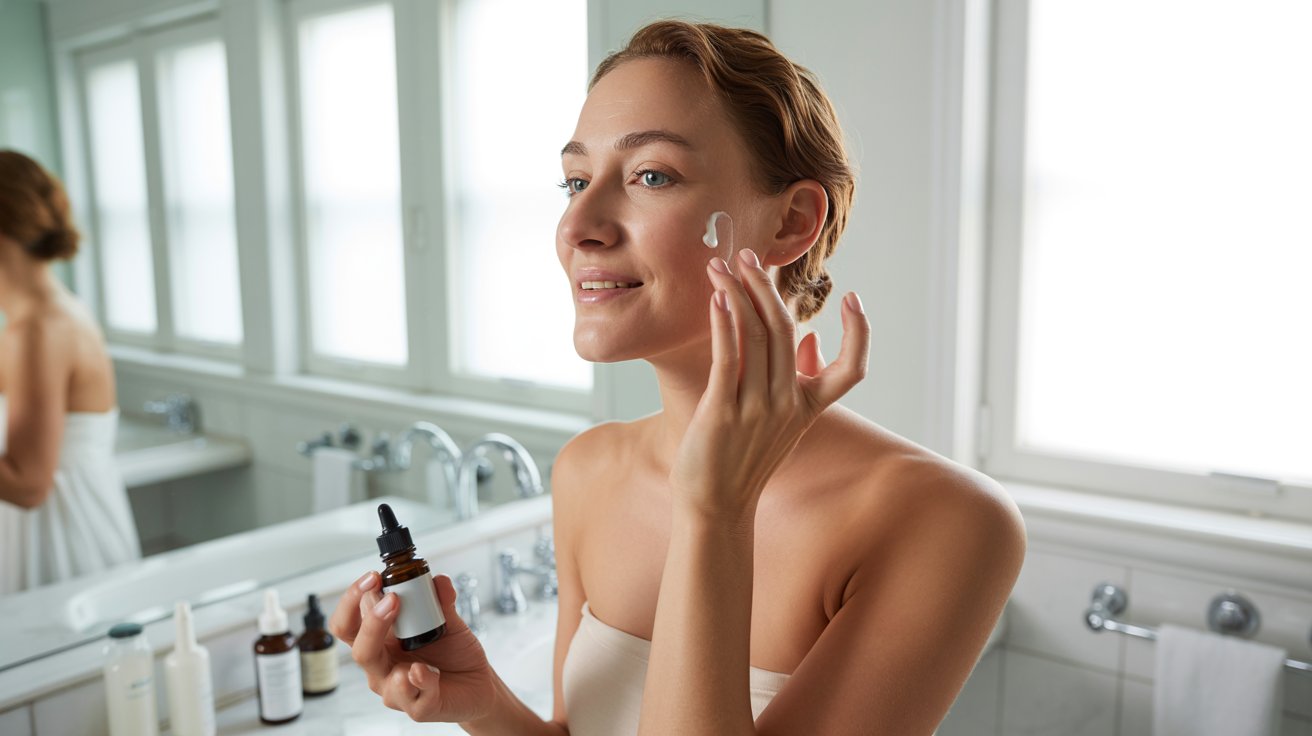
Using licorice root is straightforward.
Apply a serum after cleansing and toning. Once or twice a day works well for most people. Follow with a moisturizer. In the morning, layer SPF 30 or higher on top.
For creams or spot treatments, apply directly to problem areas. Start every other day and build from there once your skin is comfortable.
Consistency drives results here. Sporadic use will not show much progress.
DIY Licorice Root Remedies for Skin at Home
Using licorice root for skin at home is simple with just two basic recipes.
Honey mask: Mix one teaspoon of licorice root powder with two teaspoons of raw honey. Apply for 15 minutes, then rinse.
Licorice toner: Steep dried licorice root in hot water for 10 minutes. Cool completely. Apply with a cotton pad after cleansing.
A few safety points worth keeping in mind:
Use clean tools every time. Store any leftover toner in a sealed glass container in the fridge. Discard after two to three days to avoid bacterial contamination.
Use either remedy no more than three times a week. If any itching or redness appears, wash it off and stop use.
Licorice Root for Specific Skin Concerns
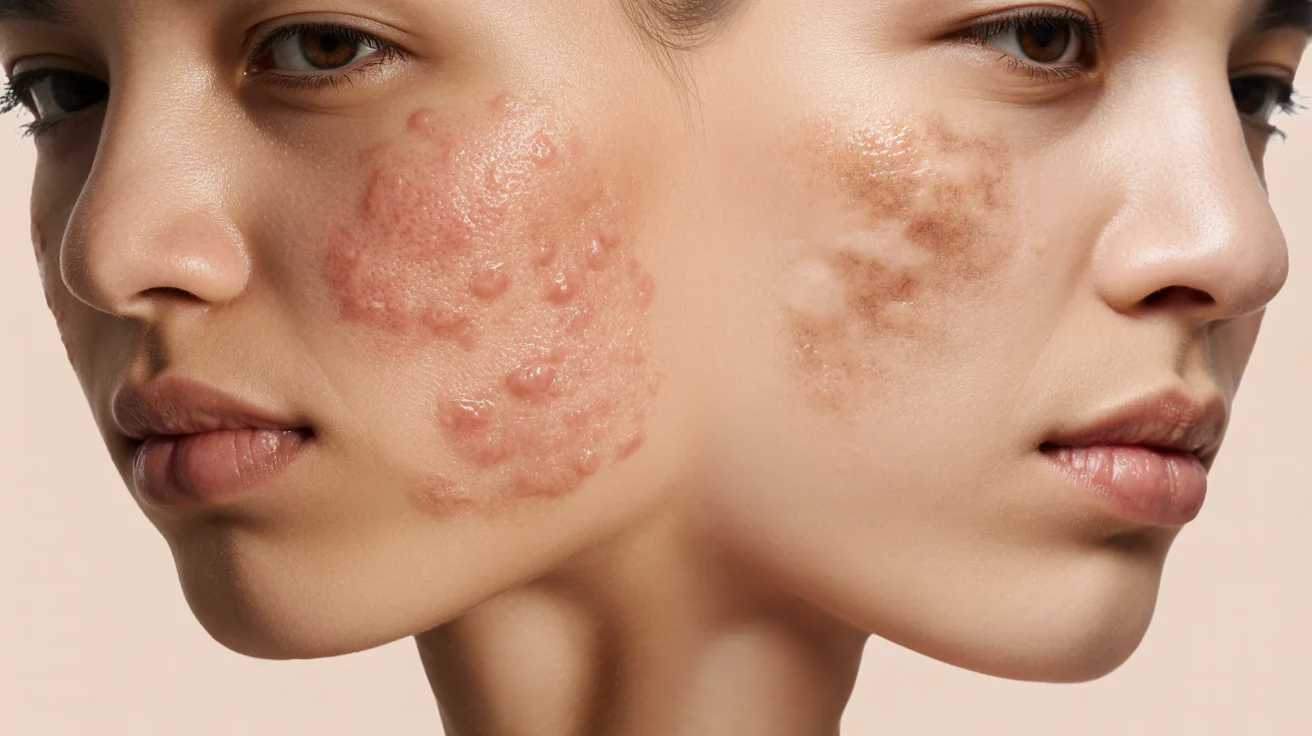
Research suggests licorice root targets some of the most stubborn skin issues people deal with daily.
Licorice Root for Hyperpigmentation
Glabridin has been shown in studies to reduce melanin production by blocking tyrosinase. This makes it a reliable option for melasma and post-inflammatory hyperpigmentation. Most people see a visible difference within four to eight weeks of daily use.
Licorice Root for Acne and Acne Scars
Licorice root for acne-prone skin works on two levels. It reduces active breakouts through antimicrobial properties and calms the inflammation around blemishes. With regular use, it also helps fade the dark marks breakouts leave behind. Pair it with a non-comedogenic moisturizer to keep pores clear.
Licorice Root for Sensitive Skin
This ingredient skips the irritation that retinoids and exfoliating acids often cause. Even so, patch test on your inner arm before applying to your face. Wait 24 hours and check for any reaction before moving forward.
Licorice Root for Sun Damage and Tanning
Sun damage creates uneven patches and a flat, dull tone. Research suggests licorice root lightens these areas by reducing excess melanin over time. The antioxidants in glycyrrhizin may also offer some protection against further oxidative stress. Pair it with daily SPF to see real, lasting progress.
Who Should Use Licorice Root (and Who Should Avoid It)?
Licorice root suits dry, oily, combination, and sensitive skin types in most cases.
Avoid it if you have a known allergy to the Glycyrrhiza glabra plant family.
Pregnant women should check with a doctor before using concentrated extracts.
If you are already using prescription actives like tretinoin or hydroquinone, speak to your dermatologist before adding this in.
Licorice Root vs Other Skincare Ingredients
Let’s have a look at how Licorice roots work along with other skincare ingredients:
Licorice root vs Vitamin C
Vitamin C can show faster brightening results but carries a higher irritation risk. It also oxidizes quickly if not stored well. Licorice root is more stable and better suited for reactive skin.
Choose licorice root if you have sensitive skin. Choose vitamin C if your skin handles actives well and you want faster visible results.
Licorice root vs Kojic acid
Both target pigmentation, but kojic acid tends to cause more irritation with long-term use.
If kojic acid has not worked for your skin before, licorice root is a reasonable alternative with a stronger safety record.
Licorice root vs Niacinamide
These two work well side by side. Niacinamide reduces melanin transfer to skin cells while licorice root slows melanin production earlier in the process.
In some cases, using them together produces stronger results than either one alone. This pairing suits almost every skin type.
Quick summary: Licorice root for sensitive or reactive skin. Vitamin C for faster results on tolerant skin. Niacinamide as a solid companion to both.
How to Choose the Best Licorice Root Products for Skin
Look for glycyrrhiza glabra root extract listed in the first five ingredients. The higher it sits on the list, the more concentrated the formula tends to be.
Avoid products that combine it with heavy fragrance or alcohol. Both reduce the soothing benefit you are after.
Three product types worth considering:
- A brightening serum with one to two percent licorice root extract is the most targeted option for daily pigmentation treatment.
- A spot treatment gel combining licorice root with niacinamide works well for fading acne scars.
- A gentle toner with licorice root is a low-commitment starting point if you are new to the ingredient and want to ease it in first.
Common Myths About Licorice Root for Skin
Myth 1: It only works on darker skin tones. Research does not support this. It helps with pigmentation across all skin tones.
Myth 2: It works overnight. It does not. Four to six weeks of daily use is the realistic timeline.
Myth 3: Natural always means safe. Even natural ingredients can cause reactions in some people. Patch testing is always worth doing.
Myth 4: Using more means faster results. It does not. Overuse can clog pores or cause mild irritation instead.
Expert Tips to Maximize Results with Licorice Root
A few things that have made a real difference based on personal use and dermatology-backed guidance:
Wear SPF every morning without fail. Sun exposure can undo weeks of brightening progress faster than you might expect.
Pair licorice root with niacinamide. They work on pigmentation through different pathways and complement each other well.
Be consistent. Daily use is what drives visible results. Using it twice a week simply does not deliver the same outcome.
Store your products away from heat and direct sunlight. Heat degrades active compounds faster and shortens the shelf life of your formula.
Conclusion
Licorice root is one of the most overlooked brightening ingredients in skincare today. I get it.
The name does not sound exciting. But the research behind it is solid and the results show up when you stay consistent.
It fades dark spots, reduces inflammation, fights acne, and suits most skin types without the harsh side effects stronger actives can cause.
Research suggests it is gentler and more stable than many popular alternatives.
Start with a licorice root serum containing at least one percent extract. Apply it every morning. Layer SPF on top. Track your skin progress every two weeks for a full four weeks and note what shifts.
The ingredient is not flashy. But it works.
So, have you tried licorice root for skin yet, and if so, what result caught you off guard the most?
Frequently Asked Questions
How long does licorice root take to show results on skin?
Most people notice visible changes within four to eight weeks of daily use. Consistency matters far more than quantity applied.
Can I use licorice root on my skin every day?
Yes, most formulations are gentle enough for daily use. Start every other day, patch test first, and increase frequency as your skin adjusts.
Does licorice root help fade acne scars?
It does. Glabridin has been shown in studies to inhibit tyrosinase, which helps lighten post-inflammatory dark marks left behind by breakouts.
Is licorice root safe for sensitive skin?
It is generally well-tolerated by sensitive skin types. Anyone with a known allergy to the Glycyrrhiza glabra plant family should consult a dermatologist before use.
Can licorice root replace vitamin C in a skincare routine?
It can, especially if vitamin C causes irritation. Both address pigmentation, but research suggests licorice root is better tolerated by more skin types over the long term.