How to Apply Concealer Like a Makeup Pro

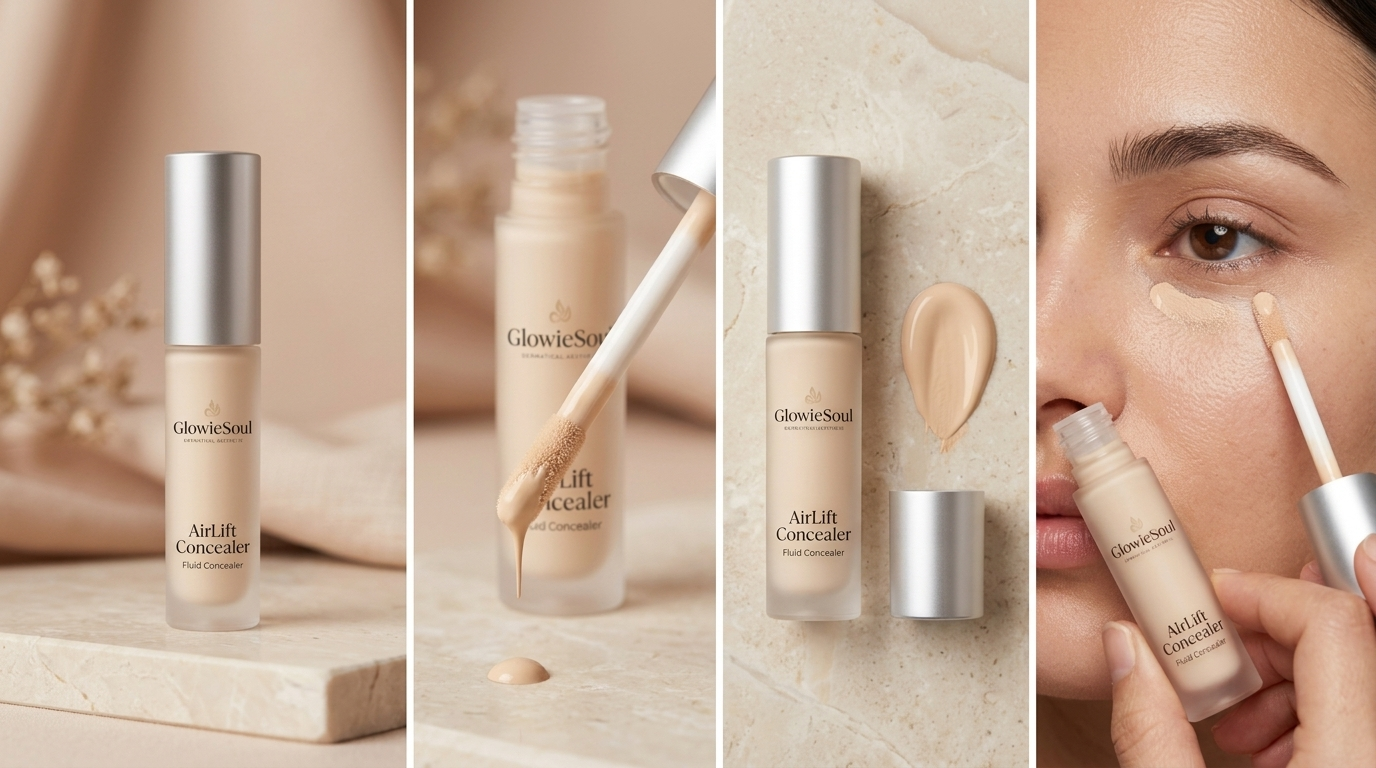
If you're wondering how to apply concealer correctly, you're not alone. A few simple techniques can make a big difference in how your makeup looks and lasts throughout the day.
The challenge is knowing where to apply it, how much to use, and how to blend it naturally. I'll help you solve the confusion and make the process easier to follow.
I've spent time reviewing makeup techniques and application methods to create a guide that is practical, beginner-friendly, and easy to understand.
What Is a Concealer?
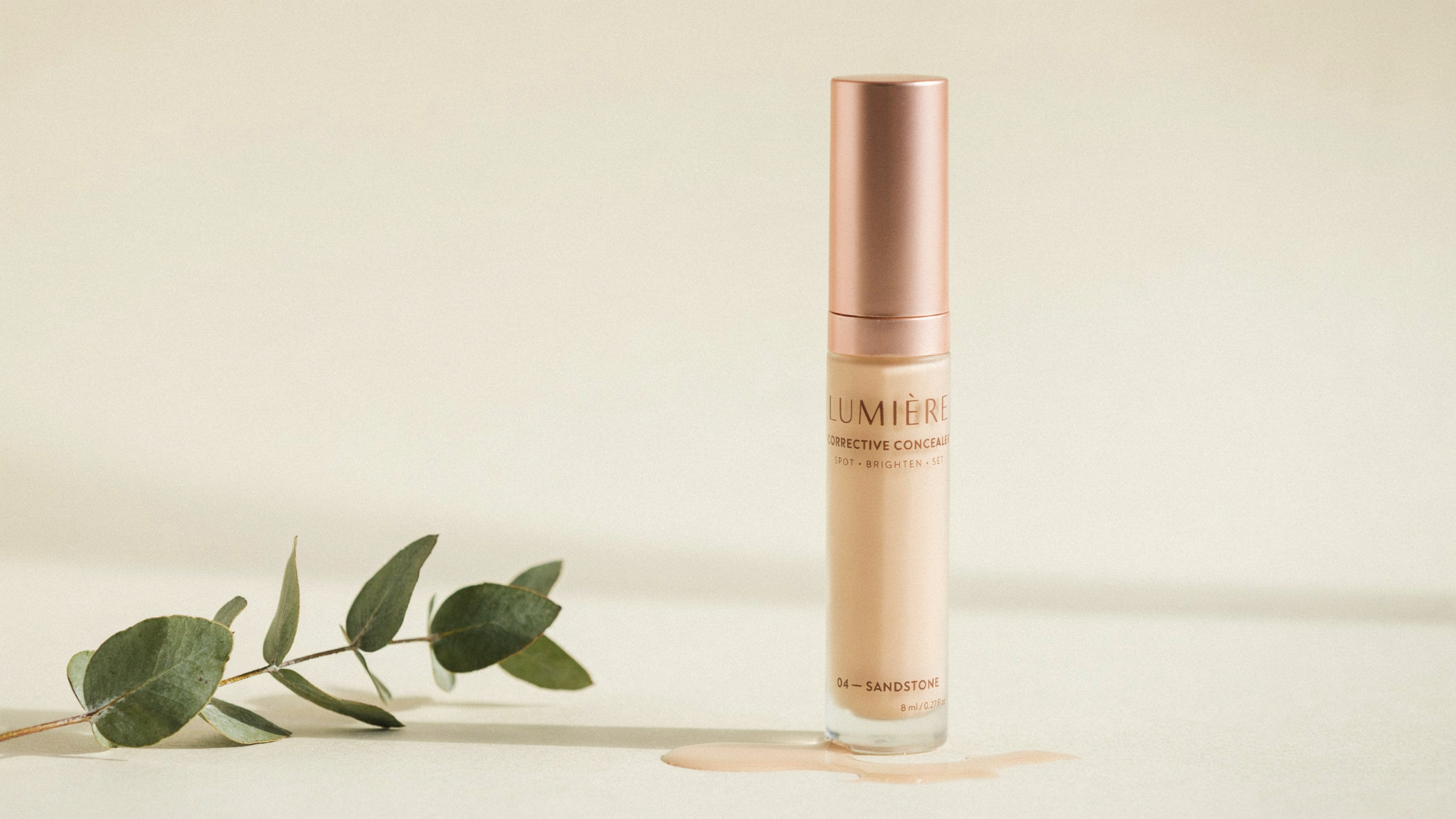
Concealer is a makeup product designed to cover areas of the skin that you want to hide or brighten.
It is commonly used to reduce the appearance of dark circles, blemishes, redness, and uneven skin tone and create a smoother and even-looking complexion while highlighting certain areas.
Foundation is typically applied across the entire face to even out skin tone. Concealer is more concentrated and is used on specific areas that need additional coverage or brightening.
Choosing the Right Concealer
Selecting the right concealer can make application easier and help you achieve more natural-looking results.
How to Pick the Right Shade
Choose a concealer that closely matches your skin tone for blemishes and dark spots.
For under-eye brightening, many people prefer a shade that is one to two shades lighter than their foundation.
Choosing the Right Formula for Your Skin Type
Different skin types often benefit from different formulas.
- Dry Skin: Hydrating liquid or creamy concealers work best.
- Oily Skin: Long-wearing and matte formulas can help control shine.
- Combination Skin: Lightweight liquid concealers are often a good choice.
- Mature Skin: Moisturizing formulas can help reduce the appearance of fine lines.
Liquid vs. Cream vs. Stick Concealer
| Concealer Type | Best For | Coverage Level |
| Liquid Concealer | Most skin types, under-eye area | Light to Medium |
| Cream Concealer | Dark circles and discoloration | Medium to Full |
| Stick Concealer | Blemishes and quick touch-ups | Full |
| Color-Correcting Concealer | Neutralizing discoloration | Varies |
Color Correcting Concealers Explained
Color-correcting concealers are designed to balance specific skin concerns before applying regular concealer.
- Green: Helps reduce the appearance of redness.
- Peach or Orange: Helps counteract dark circles and pigmentation.
- Yellow: Brightens dull areas and balances mild discoloration.
- Lavender: Helps improve the appearance of sallow or uneven tones.
Tools You Can Use to Apply Concealer
The right application tool can help you achieve smoother coverage and a more natural finish.
Makeup Sponge
A makeup sponge is great for blending concealer seamlessly into the skin. It helps create a soft, natural look and works especially well for the under-eye area.
Concealer Brush
A concealer brush provides more precision when covering blemishes, dark spots, and smaller areas. It allows you to place product exactly where you need it without spreading it too far.
Fingertips
Your fingertips can warm up the product, making it easier to blend into the skin. This method works well for quick touch-ups and under-eye application.
How to Apply Concealer Step by Step
Following the right technique can help your concealer look smooth, natural, and long-lasting.
Step 1: Prep Your Skin
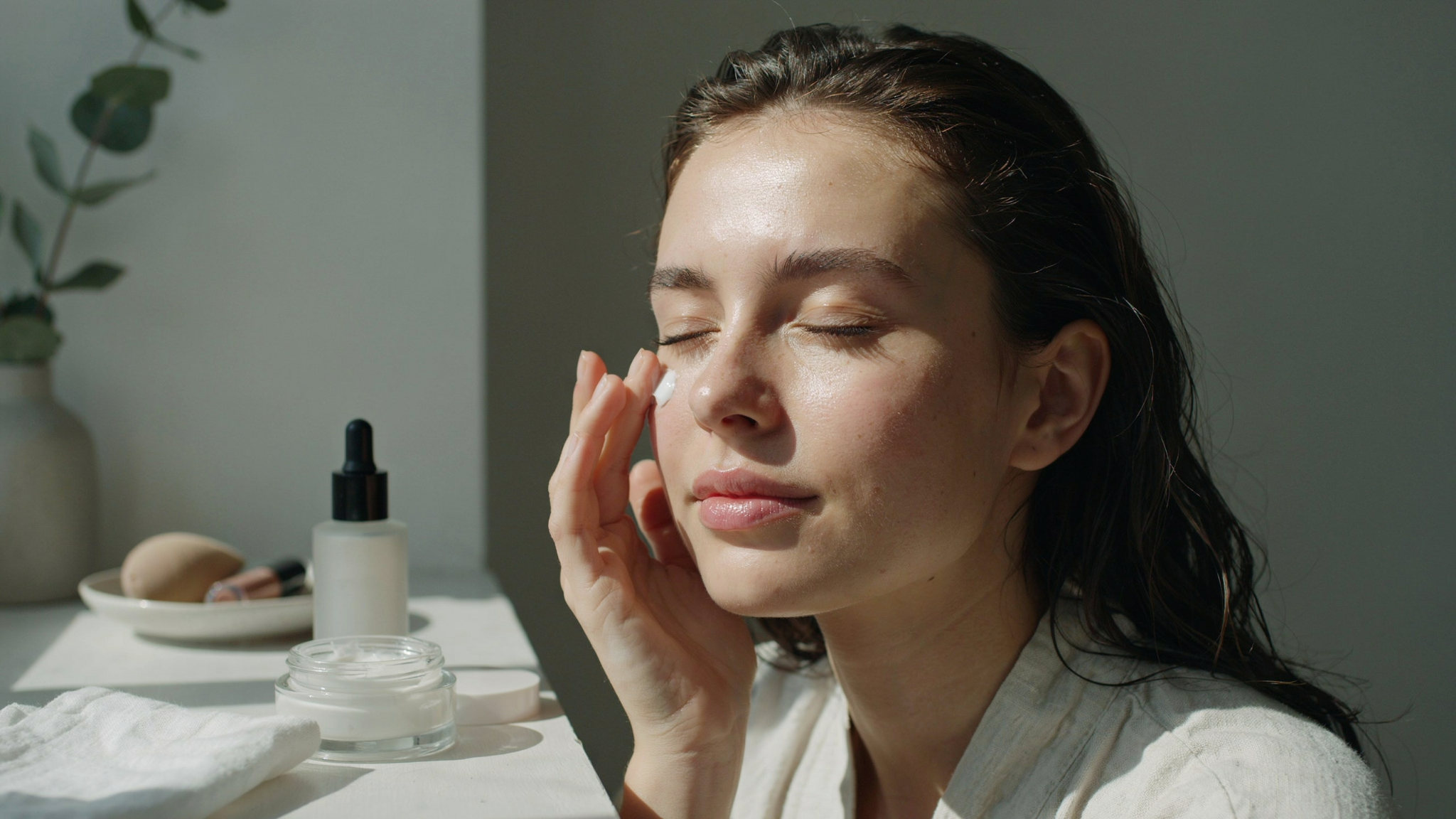
Start with clean, moisturized skin. Applying moisturizer first helps create a smoother surface and prevents concealer from looking dry or patchy.
Step 2: Apply Foundation First (Optional)
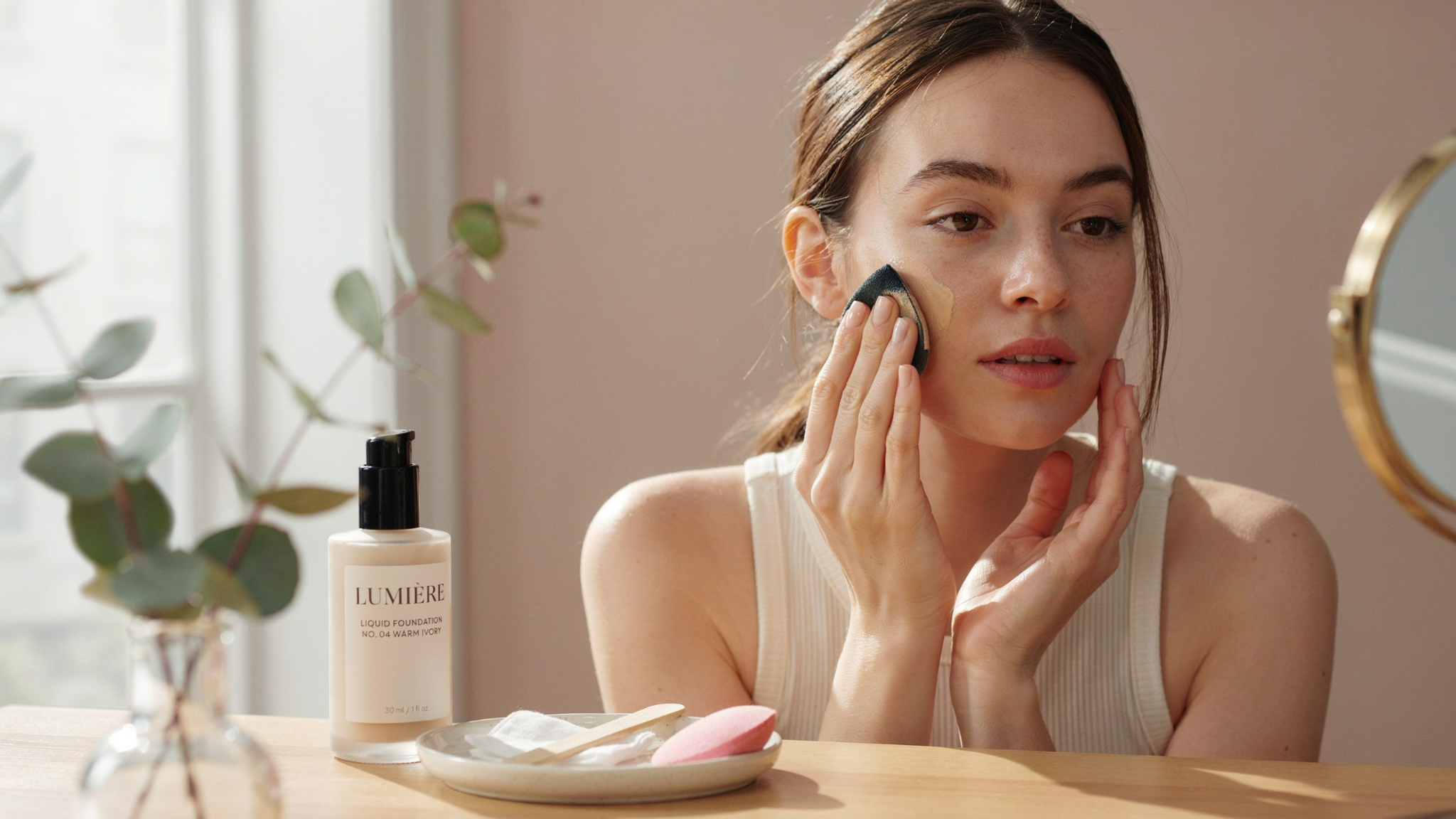
If you wear foundation, apply it before concealer. This can reduce the amount of concealer needed and create a more even base.
Step 3: Apply Concealer Under the Eyes
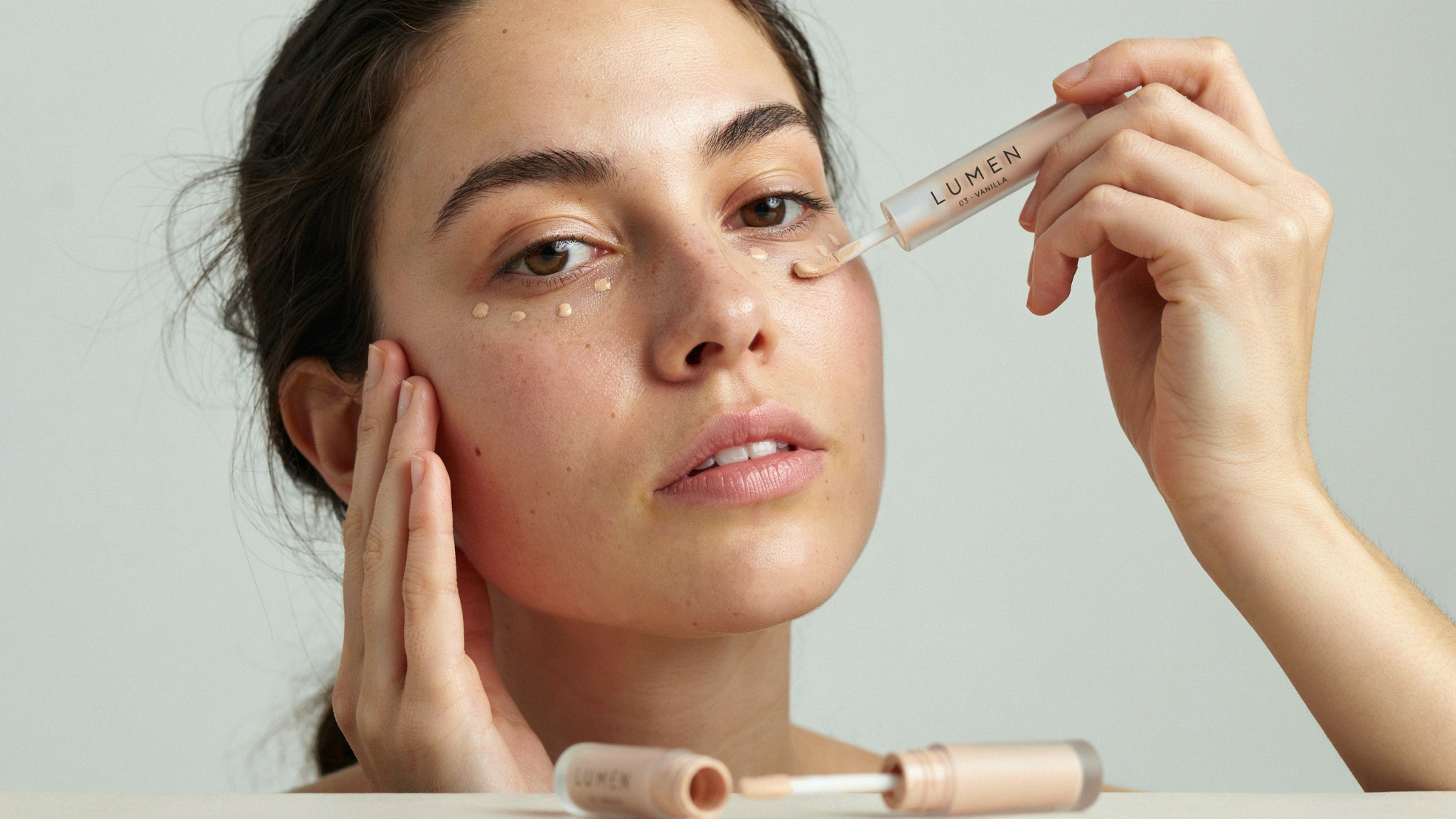
Place a few small dots of concealer under each eye. Focus on the areas where darkness is most visible rather than covering the entire under-eye area.
Step 4: Conceal Blemishes and Dark Spots
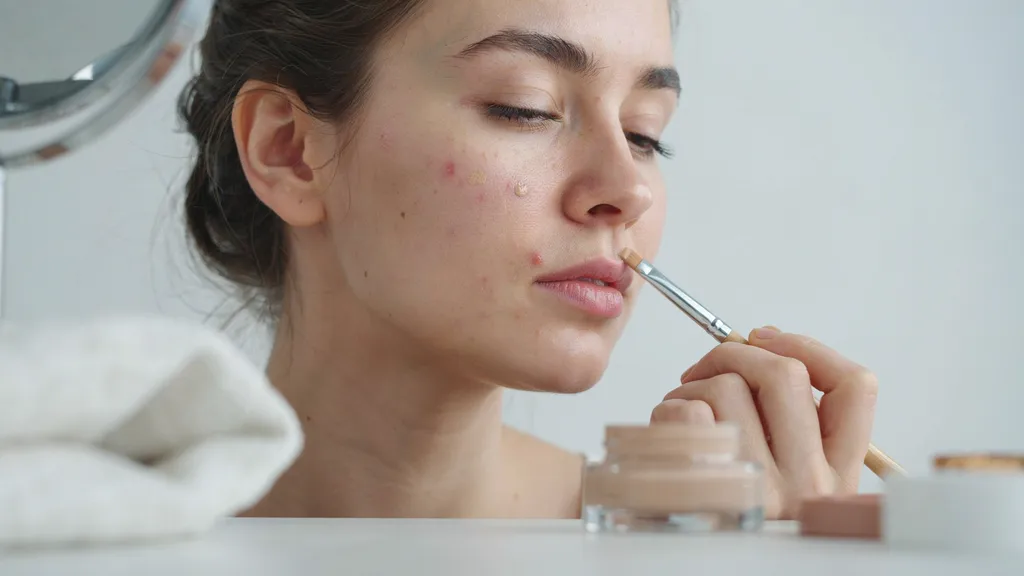
Apply a small amount of concealer directly onto blemishes, acne marks, or dark spots. Use a light hand to avoid applying more product than necessary.
Step 5: Blend the Concealer
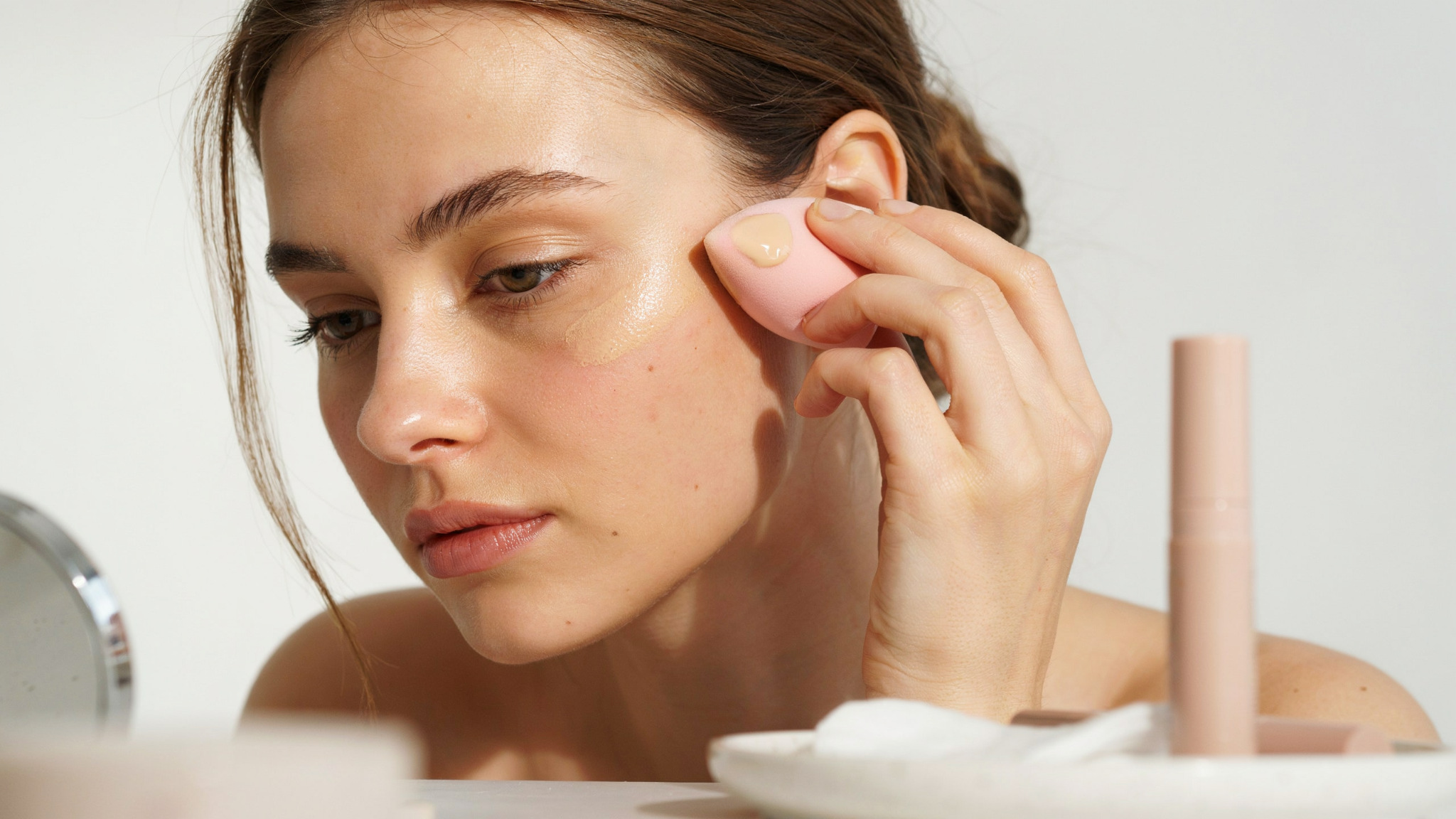
Gently blend using a sponge, brush, or your fingertips. Pat the product into the skin rather than rubbing it to maintain coverage.
Tips for Getting the Best Results
A few simple techniques can help your concealer look smoother, more natural, and last throughout the day.
- Start With a Small Amount: Apply a little product first and add more only if needed.
- Use Thin Layers: Thin layers blend better and help prevent a heavy appearance.
- Blend in Natural Light: Natural lighting makes it easier to spot uneven areas and blend accurately.
- Choose Products for Your Skin Type: The right formula can improve both comfort and coverage.
- Keep Your Tools Clean: Clean brushes and sponges help create a smoother finish and reduce product buildup.
How to Make Concealer Last Longer
Proper preparation and setting techniques can help keep your concealer looking fresh for longer.
- Use Primer Before Makeup: Primer creates a smooth base and helps makeup stay in place.
- Set With a Lightweight Powder: A light layer of powder can reduce creasing and improve wear time.
- Avoid Touching Your Face: Touching your skin throughout the day can cause makeup to fade.
- Use Long-Wear Formulas: Long-lasting concealers are designed to maintain coverage for extended periods.
Conclusion
Now that you know how to apply concealer, you can approach your makeup routine with more confidence. The best results often come from simple techniques and a little practice.
In my experience, using less product and blending carefully usually creates the most natural finish.
Imagine getting ready and having your concealer look smooth without feeling heavy.
Try these tips and see what works best for you. If this guide helped, leave a comment, share it with a friend, or find more makeup tutorials and beauty tips.
Frequently Asked Questions
Do I apply concealer before or after foundation?
Most people apply concealer after foundation. This helps you see exactly where extra coverage is needed.
What shade of concealer should I use?
Choose a shade that matches your skin tone for blemishes. For under-eye brightening, use a shade slightly lighter than your skin tone.
Can I use concealer without foundation?
Yes, concealer can be worn on its own for a natural look. Simply apply it to areas that need extra coverage.
How do I stop concealers from creasing?
Use a small amount of product and blend well. Setting it with a light powder can also help reduce creasing.
What is the best tool for applying concealer?
A makeup sponge, brush, or fingertips can all work well. The best choice depends on the area you are covering and the finish you prefer.