How to Get Rid of Freckles: Causes, Treatments & Prevention


Have you ever looked in the mirror and wondered why those tiny brown spots keep multiplying on your face? I get it.
Freckles can be frustrating, especially when they seem to darken every summer. Maybe you’ve tried lemon juice or other home remedies without much success.
You’re probably ready for real solutions that actually work. In this guide, I’ll share everything you need to know about freckles.
We’ll cover what causes them, the most effective professional treatments, and how to prevent new ones from appearing.
Let’s help you get the clear, even skin tone you want.
What Are Freckles?
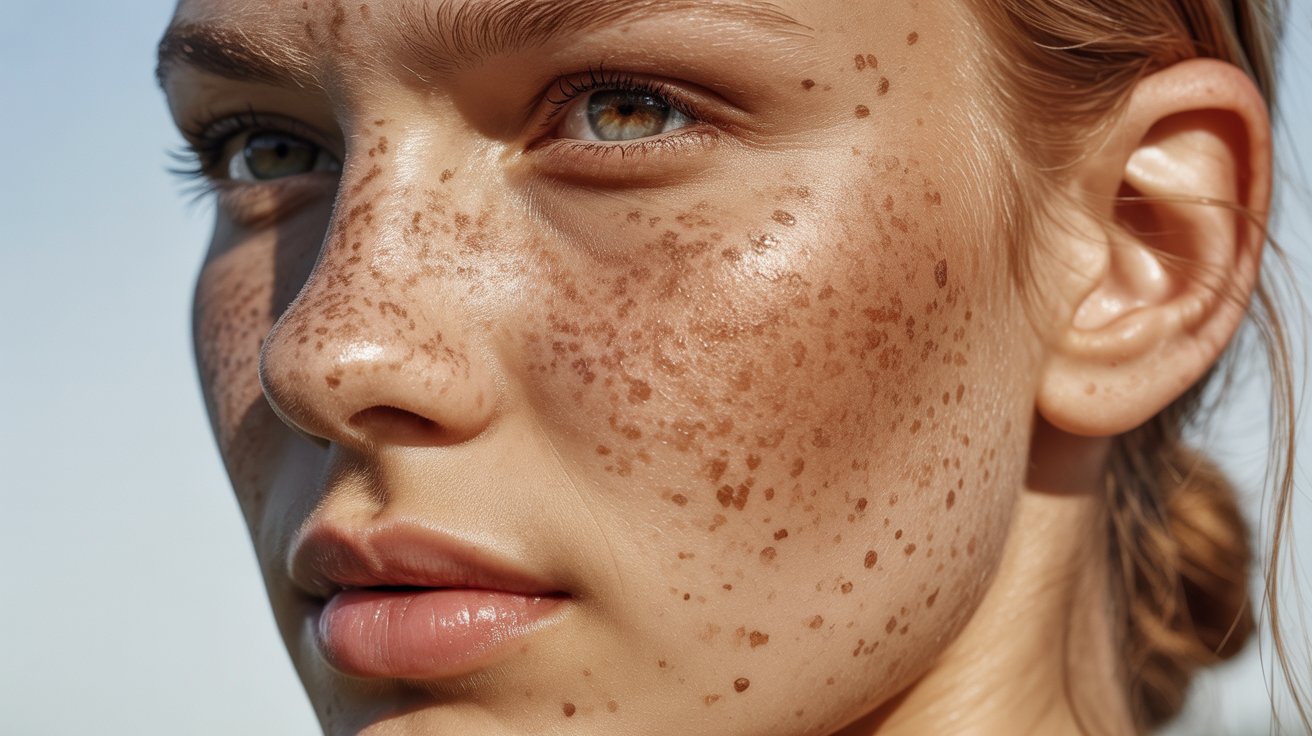
Freckles are small, flat spots that show up on sun-exposed areas of your skin. They come in shades like tan, light brown, red, or dark brown.
Unlike moles, which are raised, freckles sit flat on your skin’s surface. Age spots tend to be larger and darker than freckles.
While freckles are most common in fair-skinned people with blond or red hair, anyone can get them. Your genetics play a big role in whether you develop freckles.
Some people are born with them, while others develop them after spending time in the sun. They’re completely harmless and just a natural part of your skin.
Causes of Freckles
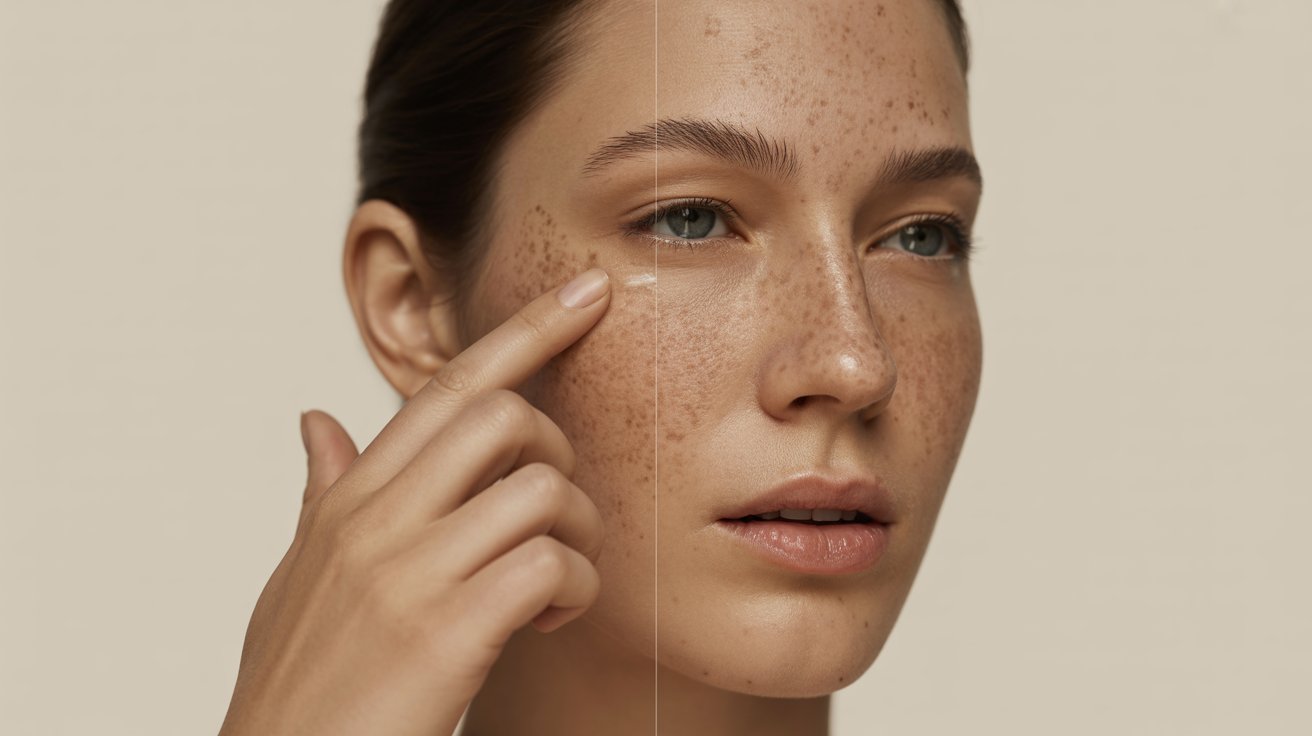
Several factors contribute to freckle development. Knowing these causes helps you manage and prevent new ones.
Role of Melanin and Melanocytes
Your skin has special cells called melanocytes that produce melanin, the pigment that colors your skin. These cells protect against UV damage.
When melanocytes produce too much melanin in one spot, freckles form. This creates small, concentrated areas of darker color on your skin.
Sun Exposure
UV rays trigger melanocytes to make more pigment. This is why freckles darken and multiply in summer.
During winter, they often fade when you get less sun. People who spend more time outdoors without protection develop more freckles.
Genetics and Rare Conditions
Your genes determine if you’ll get freckles. If your family has them, you likely will too. The MC1R gene is especially linked to freckling in people with red hair.
Rare conditions like Xeroderma pigmentosum cause extreme sun sensitivity and freckling. These cases need medical care.
Types of Freckles
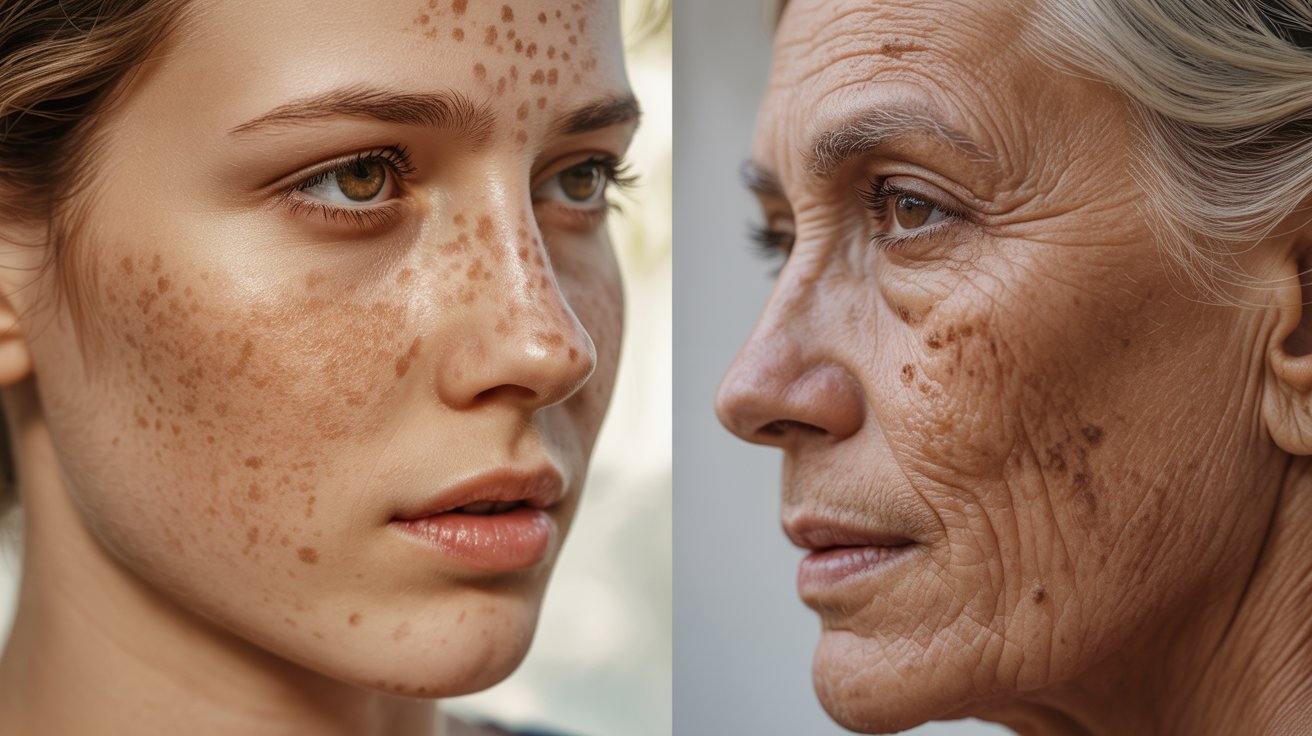
Not all freckles are the same. There are two main types with different characteristics.
Ephelides (Common Freckles)
These are light brown spots that show up during childhood. They’re caused by sun exposure and darken in summer.
In winter, they fade or lighten significantly. Some may even disappear until sunny weather returns. These are the freckles that come and go with the seasons.
Solar Lentigines (Age Spots / Sun Spots)
These are darker and larger than common freckles. They usually appear in adults over 40, though heavy sun exposure can cause them earlier.
Unlike ephelides, these spots don’t fade in winter; they’re permanent. They develop from years of sun damage. You’ll see them most on the hands, face, and shoulders.
Comparison Table
|
Feature |
Ephelides |
Solar Lentigines |
|
Color |
Light brown |
Dark brown to black |
|
Size |
1-2mm |
5-20mm |
|
Permanence |
Fade in winter |
Permanent |
|
Age of Onset |
Childhood |
40+ years |
|
Location |
Face, arms, shoulders |
Hands, face, chest |
Professional Treatments to Get Rid of Freckles

If home remedies aren’t working, professional treatments offer stronger options. A dermatologist can recommend what’s best for your skin.
1. Laser Therapy
Laser treatments break down pigment in freckles for clearer skin. IPL (Intense Pulsed Light) targets hyperpigmentation by destroying excess melanin.
Most people need several sessions. Using the wrong laser can worsen pigmentation, so choose an experienced provider.
2. Cryotherapy
This treatment uses liquid nitrogen to freeze freckles or age spots. The cold destroys pigmented cells that then flake off.
It’s non-invasive with minimal downtime. You might see slight redness or scabbing for a few days.
3. Chemical Peels and Microdermabrasion
Chemical peels use acids to remove the top skin layer, encouraging new growth.
Microdermabrasion physically exfoliates using tiny crystals. Both work well for sun-induced pigmentation. You’ll need multiple sessions and sun protection afterward.
4. Prescription Topical Treatments
Dermatologists prescribe stronger lightening agents than store-bought products. Hydroquinone inhibits melanin production.
Retinoids like Retin-A speed up cell turnover to fade pigmentation. These need professional supervision to avoid irritation.
5. Combination Treatments
Dermatologists often combine therapies for better results. You might use prescription creams at home while getting regular peels.
Or pair laser therapy with topical treatments. Your doctor will create a plan based on your skin type and budget.
Why Home Remedies Are Ineffective
Many people try home remedies like lemon juice, honey, or DIY masks to fade freckles.
While these natural ingredients might temporarily lighten your skin, they’re not strong enough to remove freckles permanently.
Some can even irritate your skin or cause damage. Lemon juice, for example, makes your skin more sensitive to sun, which can worsen pigmentation.
Only licensed dermatological treatments have the strength and precision to target melanin effectively.
If you want lasting results, professional options like laser therapy, prescription creams, or chemical peels are your best bet.
Preventing New Freckles
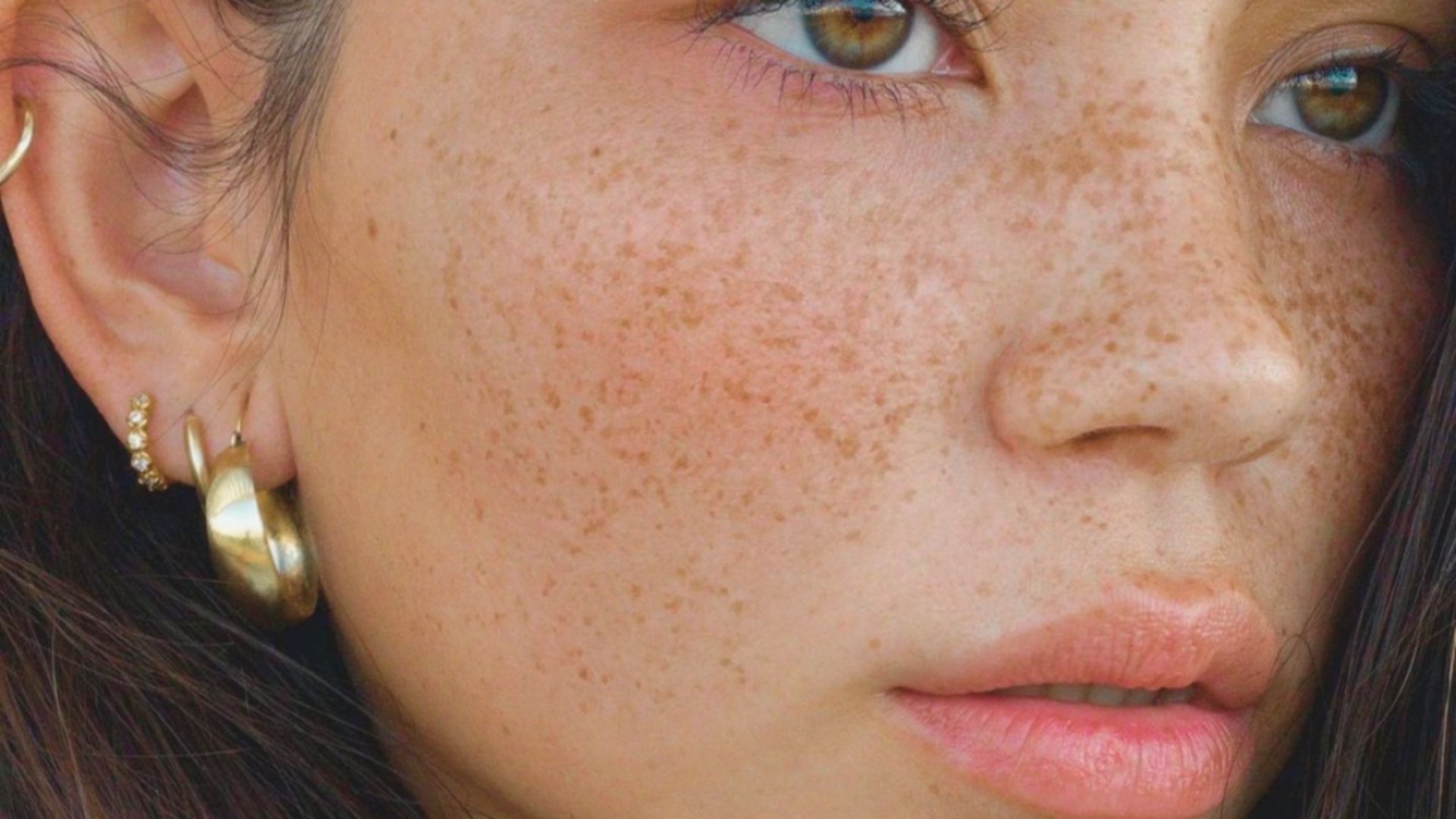
The best way to deal with freckles is to prevent new ones from forming. Sun protection is key.
Daily Sun Protection
Wear broad-spectrum sunscreen with SPF 30 or higher every day, even when cloudy. Choose water-resistant formulas and reapply every two hours.
Don’t miss spots like your ears, neck, and hands. Make sunscreen part of your daily routine.
Protective Clothing and Accessories
Wear wide-brimmed hats that shade your face and neck. UV-blocking sunglasses protect skin around your eyes.
Long-sleeved shirts and pants add coverage. Look for clothing with UPF ratings for better protection.
Avoid Peak UV Hours and Tanning
The sun is strongest between 10 a.m. and 4 p.m. Stay indoors or in shade during these hours.
Skip tanning beds, they emit concentrated UV radiation that worsens freckling. Self-tanning products are safer for a bronzed look.
Conclusion
Freckles are natural, but professional treatments work best if you want to fade them. I’ve learned that daily sunscreen and dermatologist-approved methods give real results.
Home remedies won’t create lasting changes. Talk to a dermatologist about laser therapy or prescription options that fit your needs.
Protect your skin daily to prevent new spots. Have questions about freckle treatments?
Share your thoughts in the comments below!
Frequently Asked Questions
Can freckles be removed permanently?
Yes, professional treatments like laser therapy and cryotherapy can remove freckles permanently. However, new freckles may form if you don’t protect your skin from sun exposure.
Are freckles a sign of skin damage?
Freckles themselves aren’t harmful, but they indicate sun exposure. Solar lentigines (age spots) result from cumulative sun damage and appear later in life.
Do freckles fade on their own?
Common freckles (ephelides) often fade during winter months and may lighten with age. Age spots, however, are permanent and won’t fade without treatment.
How long does it take to see results from freckle treatments?
Results vary by treatment type. Laser therapy shows improvement after 2-3 sessions over several weeks. Prescription creams take 2-3 months of consistent use.
Can I prevent freckles if they run in my family?
While you can’t change your genetics, daily sunscreen use and sun protection can significantly reduce new freckle formation. Start protection early for best results.