Mineral Sunscreen for Acne Prone Skin: Better Than Chemical

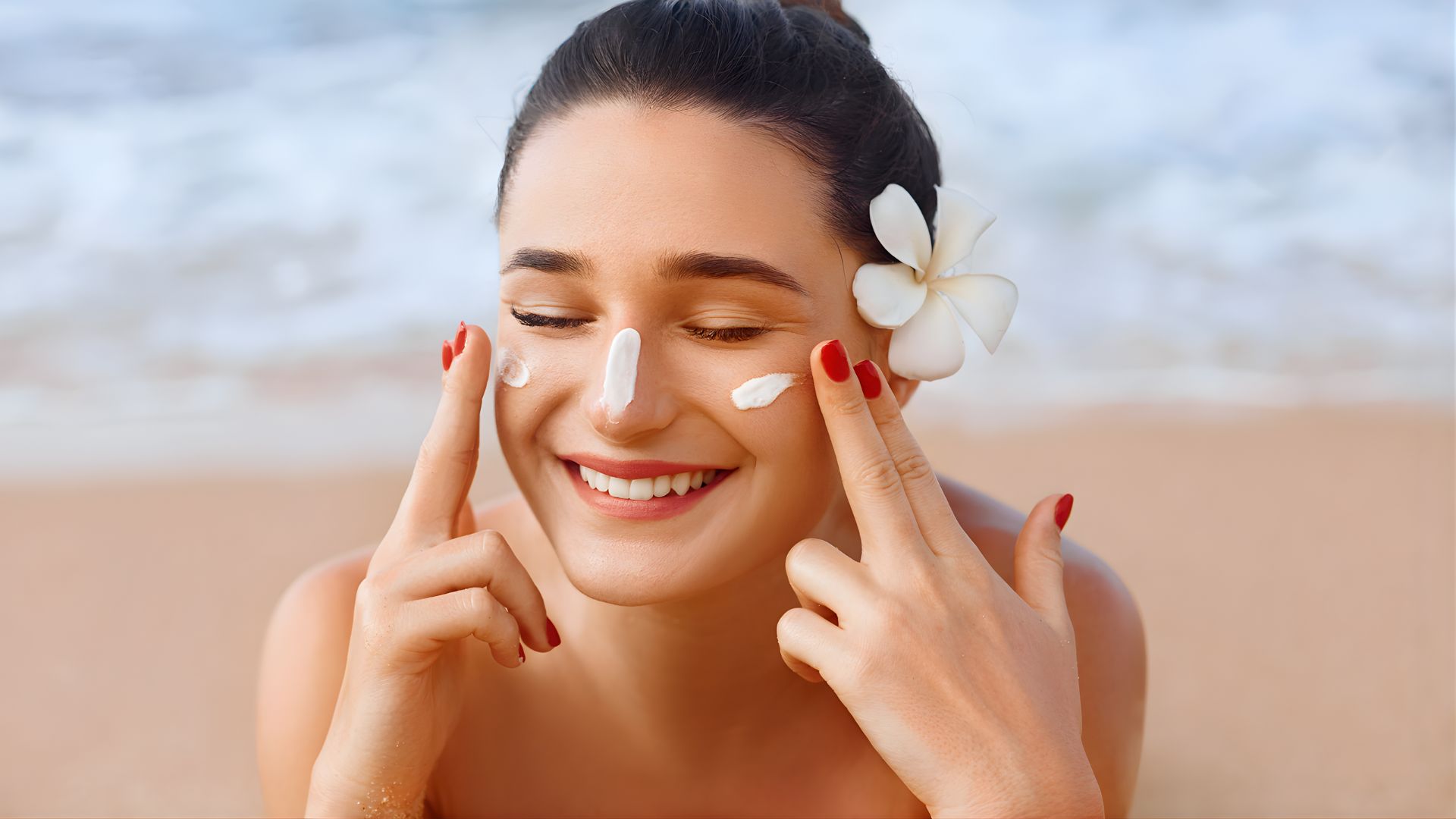
Breaking out every time you wear sunscreen? I’ve been there too.
I used to skip SPF completely because it always seemed to make things worse.
This post covers everything about mineral sunscreen for acne-prone skin and how it stacks up against chemical sunscreen.
I’ll explain how each type works, compare them directly, and share what dermatologists actually say.
I’ve spent time researching this with trusted dermatology sources so you can finally make the right call.
Your skin deserves SPF that works for it, not against it.
Why Sunscreen Can Cause Breakouts in Acne-Prone Skin

Some sunscreens block pores. It’s that simple. Many formulas contain oils, fragrances, and synthetic chemicals that sit inside pores and cause buildup.
That buildup leads to breakouts.Chemical sunscreens are often the main culprits. Ingredients like oxybenzone and avobenzone absorb into skin.
For acne-prone skin, that can mean irritation and inflammation.
Some formulas also include heavy emollients or silicones. These feel smooth at first but can clog pores over time.
The formula matters more than the SPF number.
What Is Mineral Sunscreen? And How Does It Work?

Mineral sunscreen uses zinc oxide or titanium dioxide as active ingredients. These ingredients sit on top of your skin.
They don’t absorb it.Think of it like a physical shield.UV rays hit the minerals and get reflected away before they can reach your skin.
Because mineral sunscreen stays on the surface, it has very little chance of clogging your pores.Most mineral formulas are fragrance-free and non-comedogenic.
That makes them a much safer pick for acne-prone and sensitive skin. Zinc oxide also carries mild anti-inflammatory properties, which can actually help calm existing redness.
What Is Chemical Sunscreen and How Does It Work?

Chemical sunscreen works from inside your skin. It uses active ingredients like oxybenzone, octinoxate, or avobenzone.
These absorb into your skin cells. Once absorbed, they convert UV rays into heat and release that heat from your body.
It works well for sun protection. But for acne-prone skin, there’s a real downside. These ingredients go directly into your pores.
Some of them can trigger inflammation or clog pores. Chemical sunscreens do feel lighter and blend in with no white cast.
That’s their main appeal. But for acne-prone skin, that invisible finish sometimes comes with a cost.
Quick Comparison: Mineral vs. Chemical Sunscreen for Acne-Prone Skin
Here’s a fast side-by-side breakdown so you can see the key differences at a glance.
| Factor | Mineral Sunscreen | Chemical Sunscreen |
| How It Works | Reflects UV rays | Absorbs UV rays |
| Acne Risk | Low (non-comedogenic) | Moderate (can clog pores) |
| Skin Type Suitability | Best for acne & sensitive skin | Depends on formulation |
| Irritation Risk | Minimal | Higher in sensitive skin |
| Texture | Slightly thick | Lightweight |
| Finish | May leave white cast | Invisible finish |
| Expert Verdict | Safer for acne-prone skin | Use with caution |
For acne-prone skin, the data points to one clear winner.Mineral sunscreen is the safer, more skin-friendly choice for most people dealing with breakouts.
Mineral vs. Chemical Sunscreen: Expert Comparison
Let’s break down the comparisons that actually matter when your skin is prone to breakouts.
The Breakout Risk: Mineral vs. Chemical Sunscreen
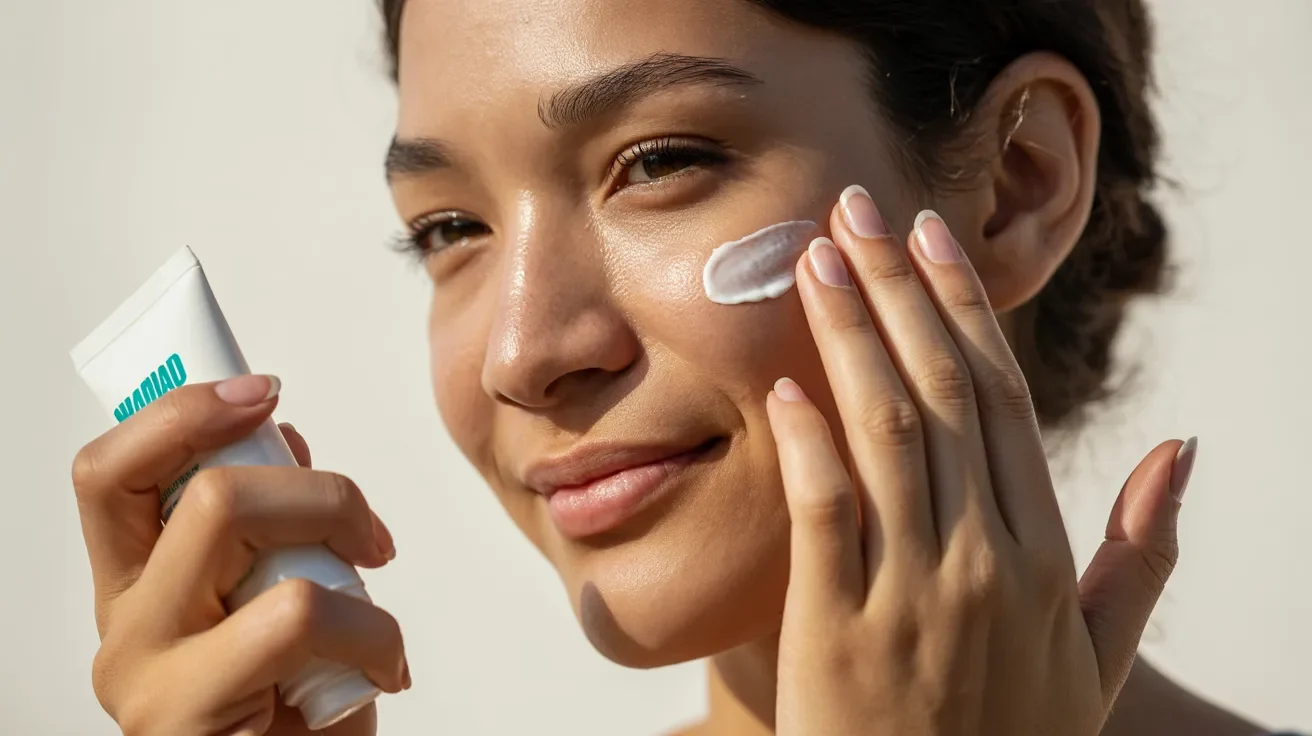
Mineral sunscreen wins here. It stays on top of skin and never absorbs into pores. That means far less risk of clogging.
Chemical sunscreen goes into your skin. Some of its ingredients can irritate oil glands and spark new breakouts.
If you deal with frequent pimples, mineral formulas are the smarter pick. Look for zinc oxide as the main active ingredient for the lowest breakout risk overall.
Best Sunscreen for Oily and Acne-Prone Skin
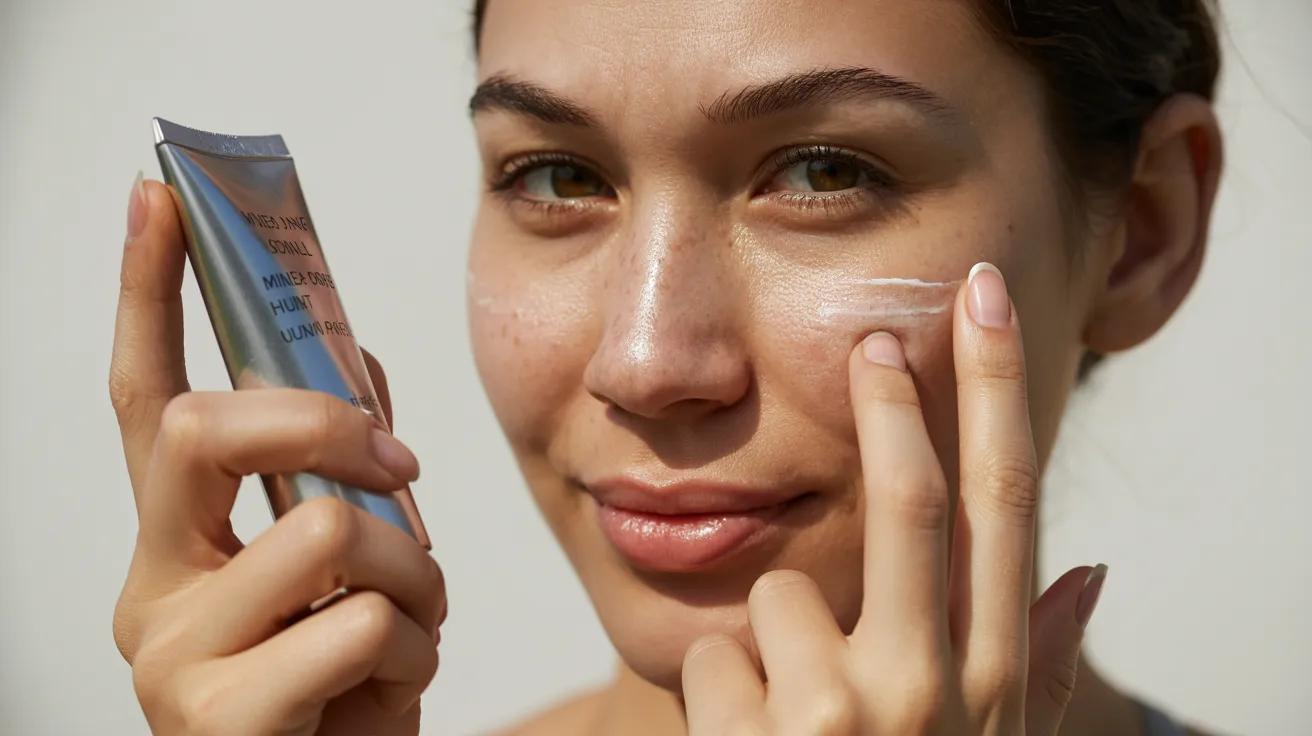
Mineral sunscreen is the better fit. Zinc oxide helps manage excess oil and has mild anti-inflammatory effects.
It also won’t clog your pores. Many mineral formulas now come in matte or gel-based textures. That makes them easy to wear daily without adding shine.
If your skin is oily and breaks out often, a non-comedogenic mineral SPF is the smartest daily choice you can make.
Mineral Sunscreen: What Works and What Doesn’t

Mineral sunscreen has strong benefits for acne-prone skin. It’s gentle, non-comedogenic, and starts working right away after application. It’s also great for sensitive and reactive skin types.
But it’s not perfect. It can leave a white cast, which is more visible on deeper skin tones. Some formulas feel thick or chalky.
They can also rub off faster when you sweat. That means more reapplication. Still, for acne-prone skin, these trade-offs are usually worth it.
Chemical Sunscreen: What Works and What Doesn’t
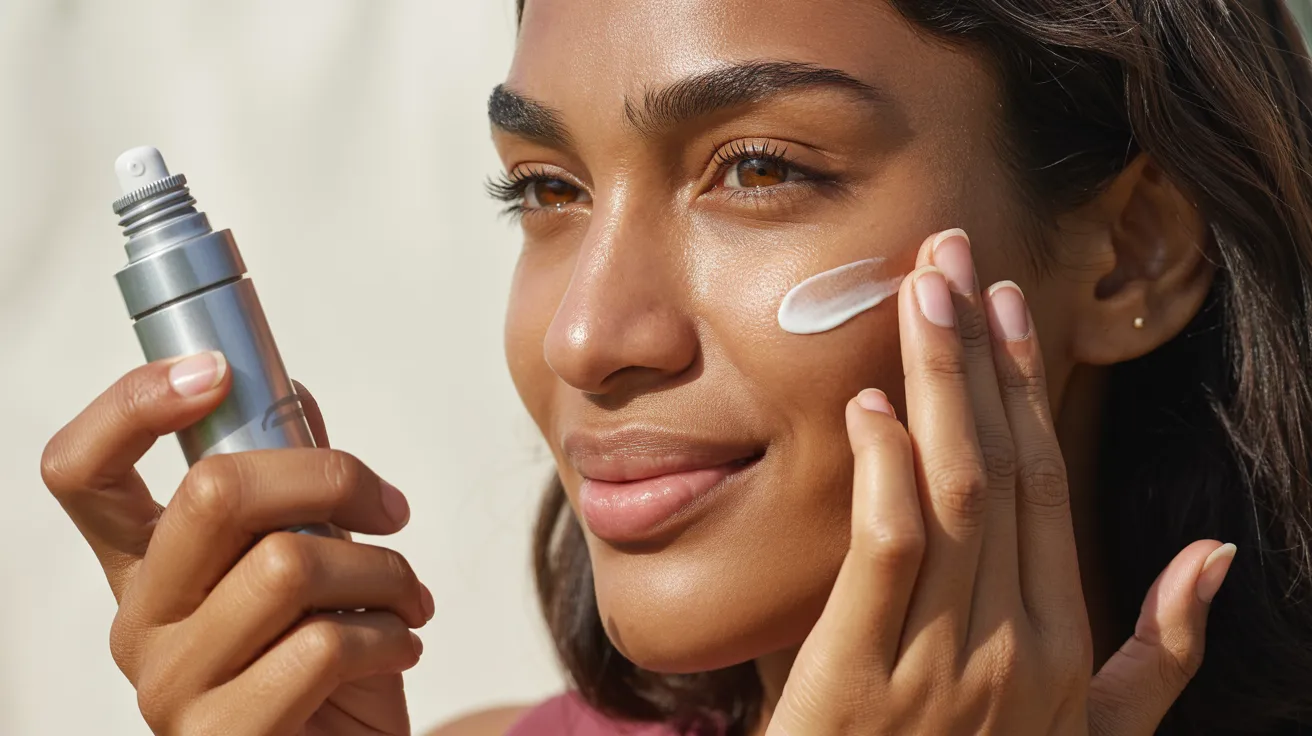
Chemical sunscreen has a smooth, lightweight texture. It blends in easily with no white cast. That’s why so many people reach for it daily.
The downside is the ingredients. Some chemicals, like oxybenzone, can irritate skin and block pores. For acne-prone skin, this can lead to more breakouts.
Not every chemical sunscreen is bad. But reading the label carefully before buying is a must. Some formulas are better than others, so check for non-comedogenic claims before you commit.
What Dermatologists Recommend for Acne-Prone Skin
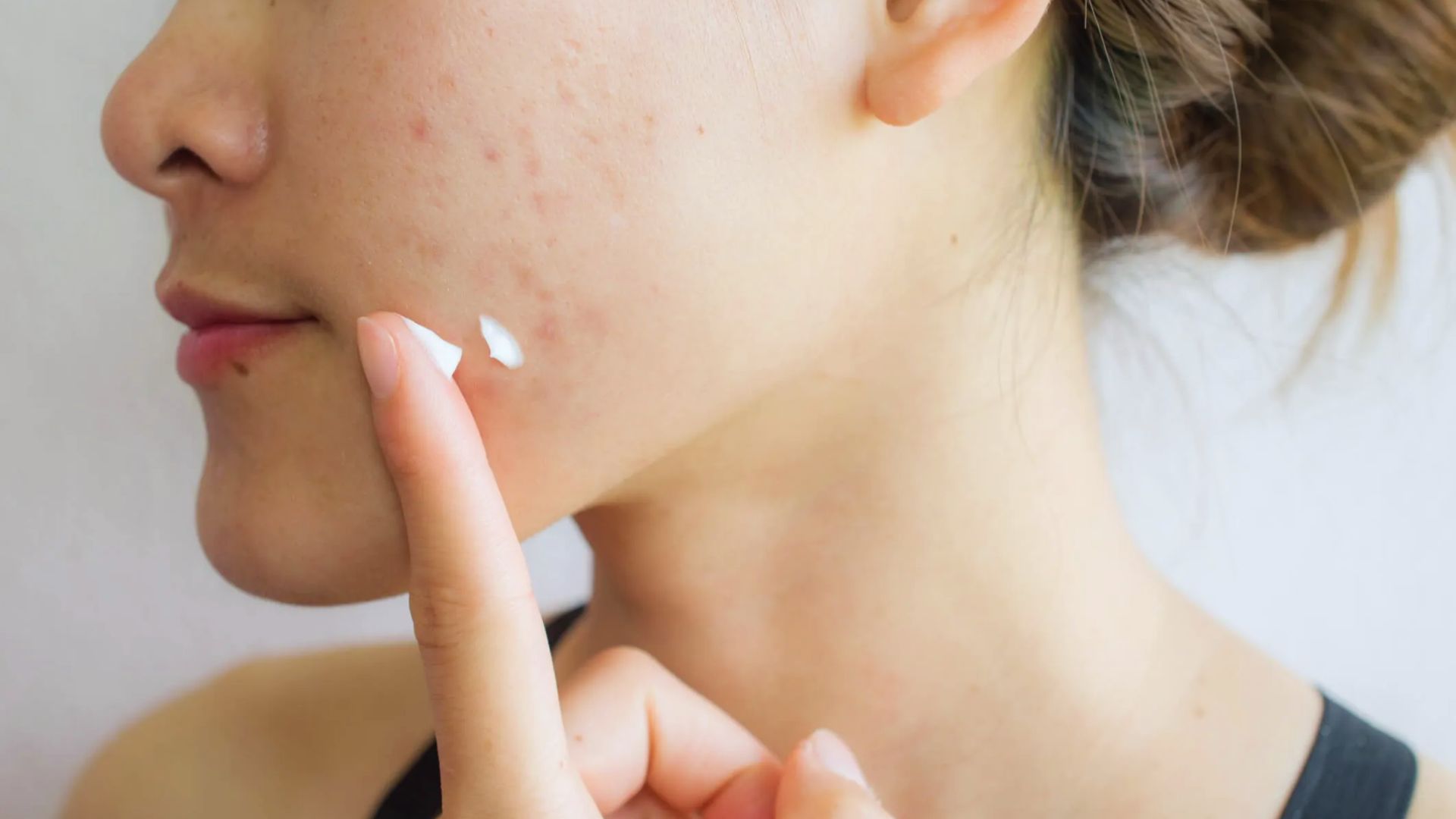
Dermatologists have clear guidance on the best sunscreen for breakout-prone skin. Here is what they say.
Most dermatologists recommend mineral sunscreen for acne-prone or sensitive skin. The main reason is straightforward.
Zinc oxide is less likely to irritate or clog pores compared to chemical alternatives.
They also suggest looking for labels that say non-comedogenic and oil-free. Fragrance-free formulas are an even safer choice.
Avoid sunscreens with heavy creams or known irritants like oxybenzone if your skin reacts easily.
Apply SPF every morning, even on cloudy days. Reapply every two hours if you’re outdoors. Consistency matters more than the brand.
Conclusion
Picking the right sunscreen doesn’t have to feel overwhelming. I struggled with breakouts from sunscreen for years.
Switching to a mineral SPF with zinc oxide made a real difference for my skin.
If you’re in the same boat, go mineral. Check for non-comedogenic on the label and stay consistent.
Tried mineral sunscreen for acne-prone skin? Drop a comment below and share what worked for you.
And if this helped, share it with a friend who needs it.
Frequently Asked Questions
Is mineral sunscreen good for acne-prone skin?
Yes. It’s non-comedogenic and sits on top of skin, so it won’t clog pores.
Can chemical sunscreen cause breakouts?
It can. Some formulas contain pore-clogging ingredients like oxybenzone that trigger breakouts.
What SPF level should I use for acne-prone skin?
SPF 30 to 50 works well for daily use on acne-prone skin.
Is zinc oxide good for acne?
Yes. It has mild anti-inflammatory properties that help calm redness and existing breakouts.
Can I wear mineral sunscreen under makeup?
Yes. Most mineral formulas layer well under makeup and can even help control shine.