How to Make Botox Last Longer: Expert Tips & Aftercare Guide


Want your Botox results to last longer? You’re in the right place. This guide shows you proven ways to extend your Botox and get more value from each treatment.
We’ll cover everything from aftercare to lifestyle changes that actually work.
You’ll learn what really matters when it comes to Botox longevity. No guesswork, just tested advice from dermatologists and real experiences.
If you’ve wondered why your Botox fades fast or how to stretch results past three months, keep reading. The answers are simpler than you think.
How to Make Botox Last Longer
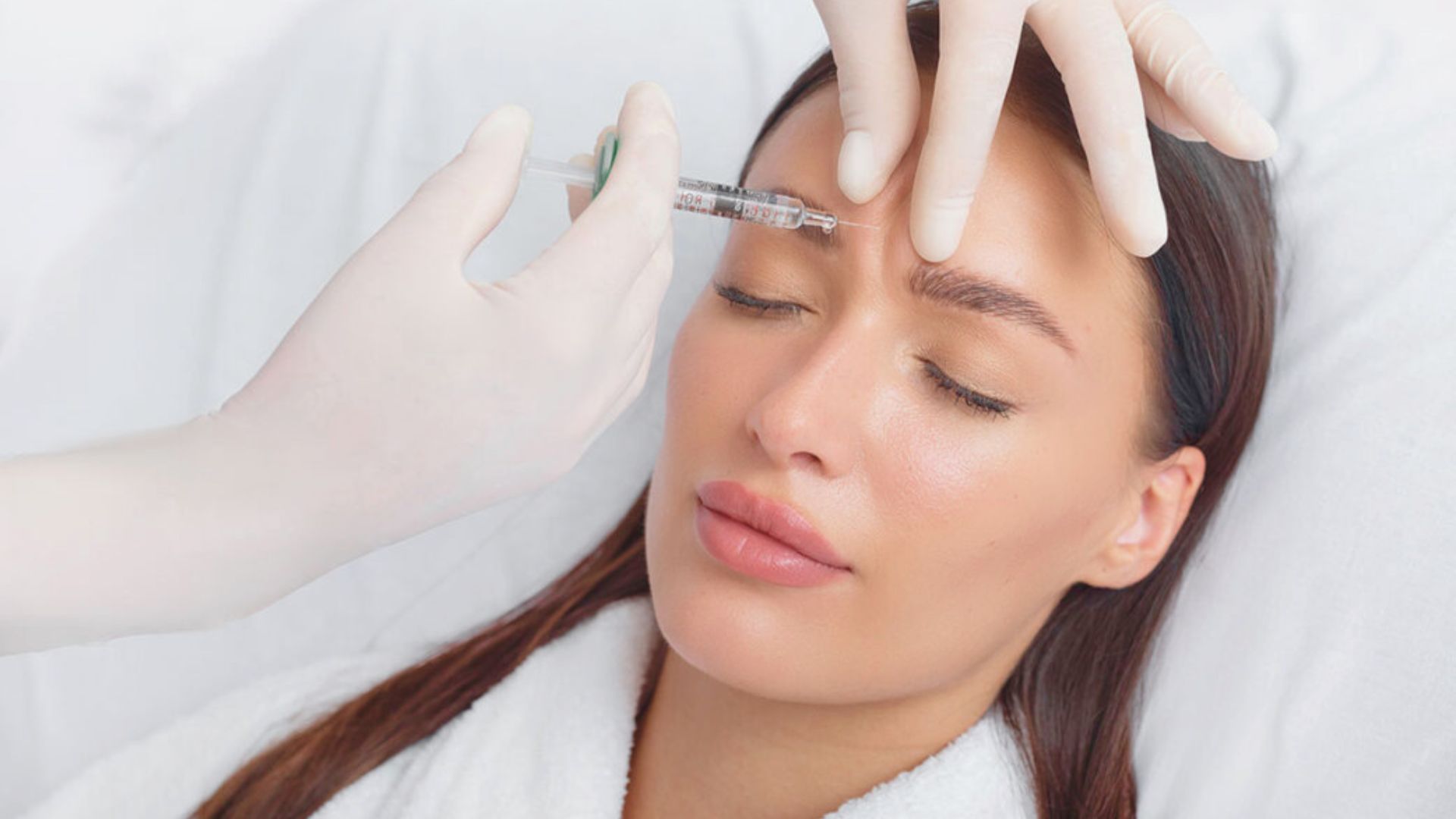
Botox blocks nerve signals to facial muscles, preventing the contractions that cause wrinkles. Results peak at two weeks and typically last 3 to 4 months.
Faster metabolism, stronger facial muscles, and older skin all tend to shorten that window.
After treatment, avoid touching the area for 24 hours, skip intense exercise that day, and stay upright for at least 4 hours.
Wearing sunscreen daily helps too, since UV exposure breaks down results faster. Managing stress matters as well, because elevated cortisol speeds up how quickly your body metabolizes Botox.
Consistency is the biggest factor long term. Regular appointments gradually weaken targeted muscles, so results tend to last longer the more you stick to a schedule.
What Affects How Long Botox Last
Your habits, provider skill, and muscle activity all play major roles in determining how long your Botox treatment stays effective.
Muscle Activity and Facial Expressions

The more you move your face, the faster Botox wears off. Constant frowning works against your treatment.
Repetitive expressions like squinting or raising eyebrows break down Botox faster. Your muscles fight the paralysis. Over time, this shortens how long results last.
Expressive people may need touch-ups sooner. That’s normal. But you can still extend results by being mindful of facial movements.
Injection Technique and Provider Skill
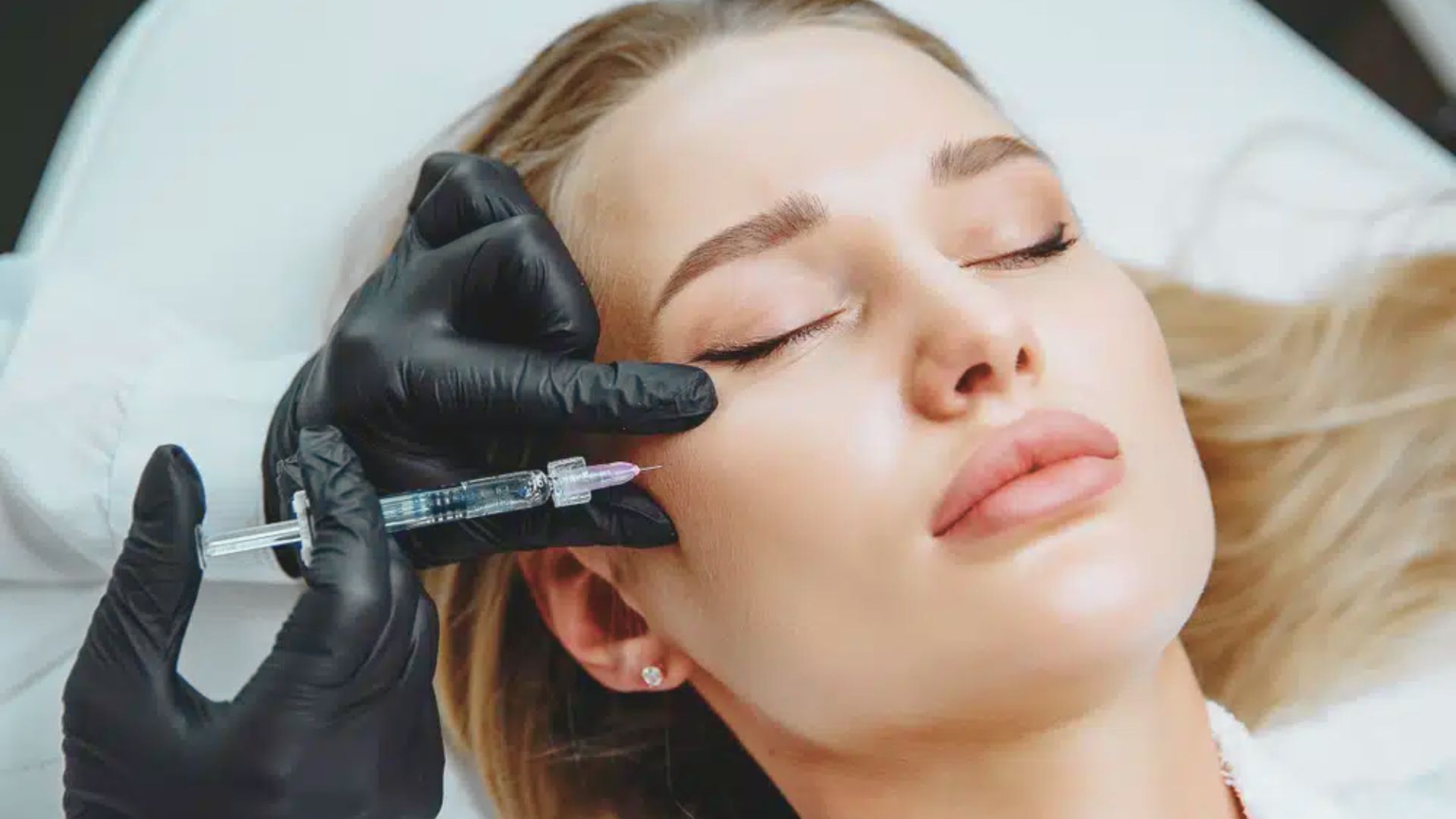
Not all injectors are equal. An experienced provider knows exactly where and how deep to inject.
Poor technique means uneven results. Botox might migrate or wear off too quickly. The right dose matters just as much as placement.
Choose a board-certified dermatologist or plastic surgeon. They understand facial anatomy. This makes a huge difference in longevity.
Lifestyle Habits That Shorten Botox Results
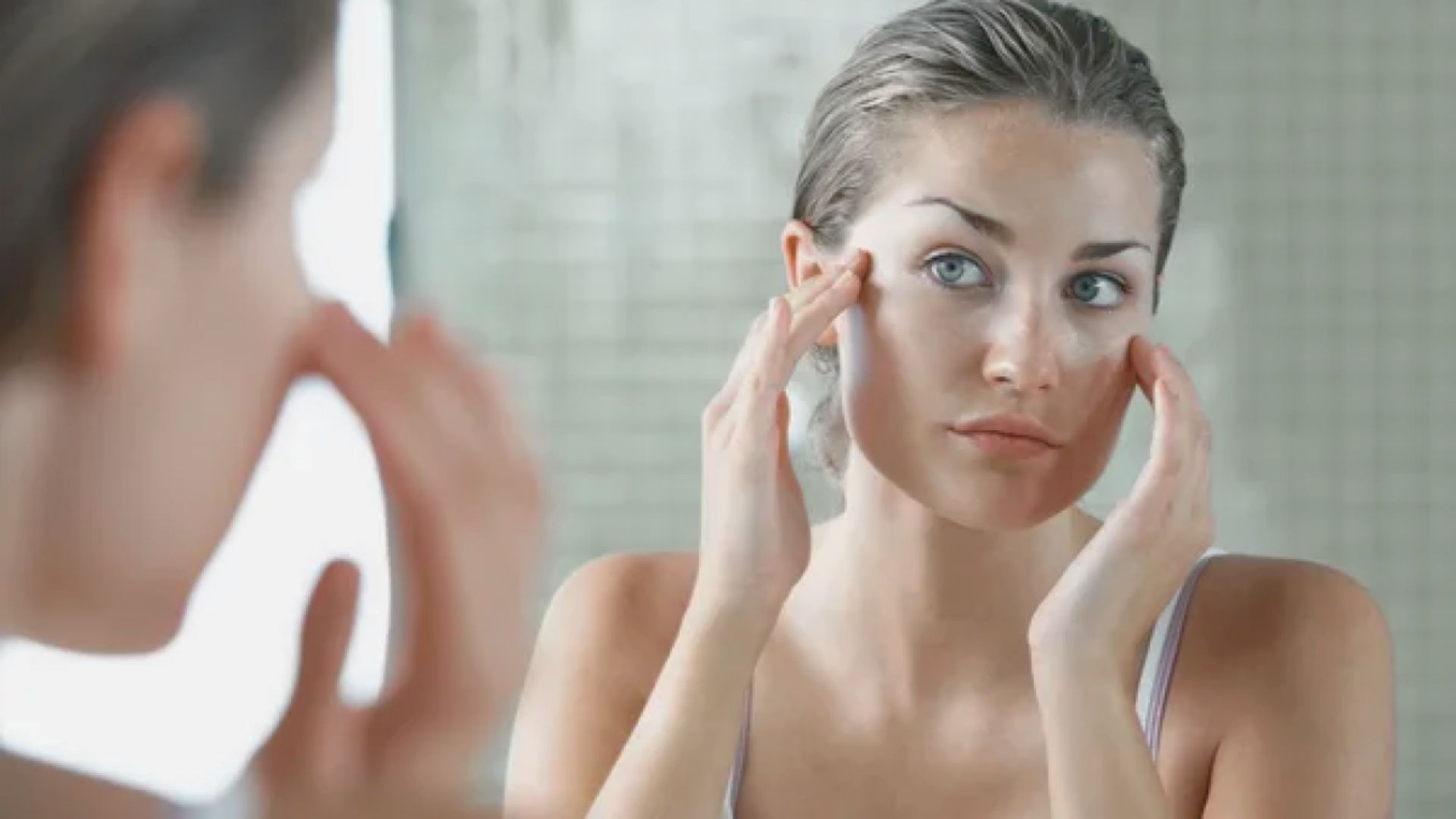
Certain habits speed up how fast your body processes Botox.
Smoking reduces blood flow to your skin. This affects how well Botox works and how long it lasts.
Excessive sun exposure breaks down skin proteins. UV damage can make Botox fade faster.
High stress levels increase cortisol. This hormone can affect muscle tension and Botox effectiveness.
Poor sleep habits also impact your skin’s ability to maintain results.
How to Make Botox Last Longer
Follow these dermatologist-recommended strategies to maximize your Botox investment and keep your skin smooth for months after treatment.
Avoid Rubbing or Massaging
Don’t touch your face after injections. Rubbing can move Botox to unintended areas. This creates uneven results or drooping.
Skip facials for at least 48 hours. No makeup brushes on injection sites either.
Stay Upright after Treatment
Remain upright for 4 hours minimum after your appointment. Don’t lie down or bend over.
Lying down too soon can cause Botox to migrate. This affects the final look.
Skip Intense Exercise Temporarily
Avoid workouts for 24 hours after treatment. Exercise increases blood flow. This can spread Botox before it settles properly.
Light walking is fine. Just skip the gym, yoga, or running.
Why Waiting Too Long Reduces Longevity
If you wait until wrinkles fully return, you’re starting over. Muscles regain full strength. You need the same amount of Botox each time.
Schedule your next appointment before results completely fade. This keeps muscles weaker.
Muscle “training” Effect Over Time
Consistent treatments teach muscles to contract less. Over months and years, you may need less frequent injections.
Some people extend their schedule from every 3 months to every 5 months after regular treatments.
This only works if you stay on schedule. Long gaps reset the process.
Ingredients That Support Botox Last Longer

Certain ingredients work synergistically with Botox.
1. Vitamin C
Vitamin C brightens skin and fights free radicals. It protects against sun damage and pollution.
Use it in the morning under sunscreen. Look for L-ascorbic acid or sodium ascorbyl phosphate. Start with 10% concentration. Work up to 20% if your skin tolerates it.
2. Niacinamide
This form of vitamin B3 calms inflammation. It improves skin texture and reduces pore appearance.
Niacinamide works well with other ingredients. It’s safe for sensitive skin. Use 5-10% concentration once or twice daily.
3. Retinoids
Prescription retinoids like tretinoin are more powerful than over-the-counter retinol. They prevent new wrinkles from forming.
Retinoids increase cell turnover. This keeps skin fresh and smooth. Start slowly to avoid irritation. Use every third night, then build up.
4. Hyaluronic acid
Already mentioned, but worth repeating. Hyaluronic acid is a must for Botox users.
Layer it under moisturizer for maximum hydration. Your skin will look fuller and healthier.
How to Make Botox Last Longer with Zinc?
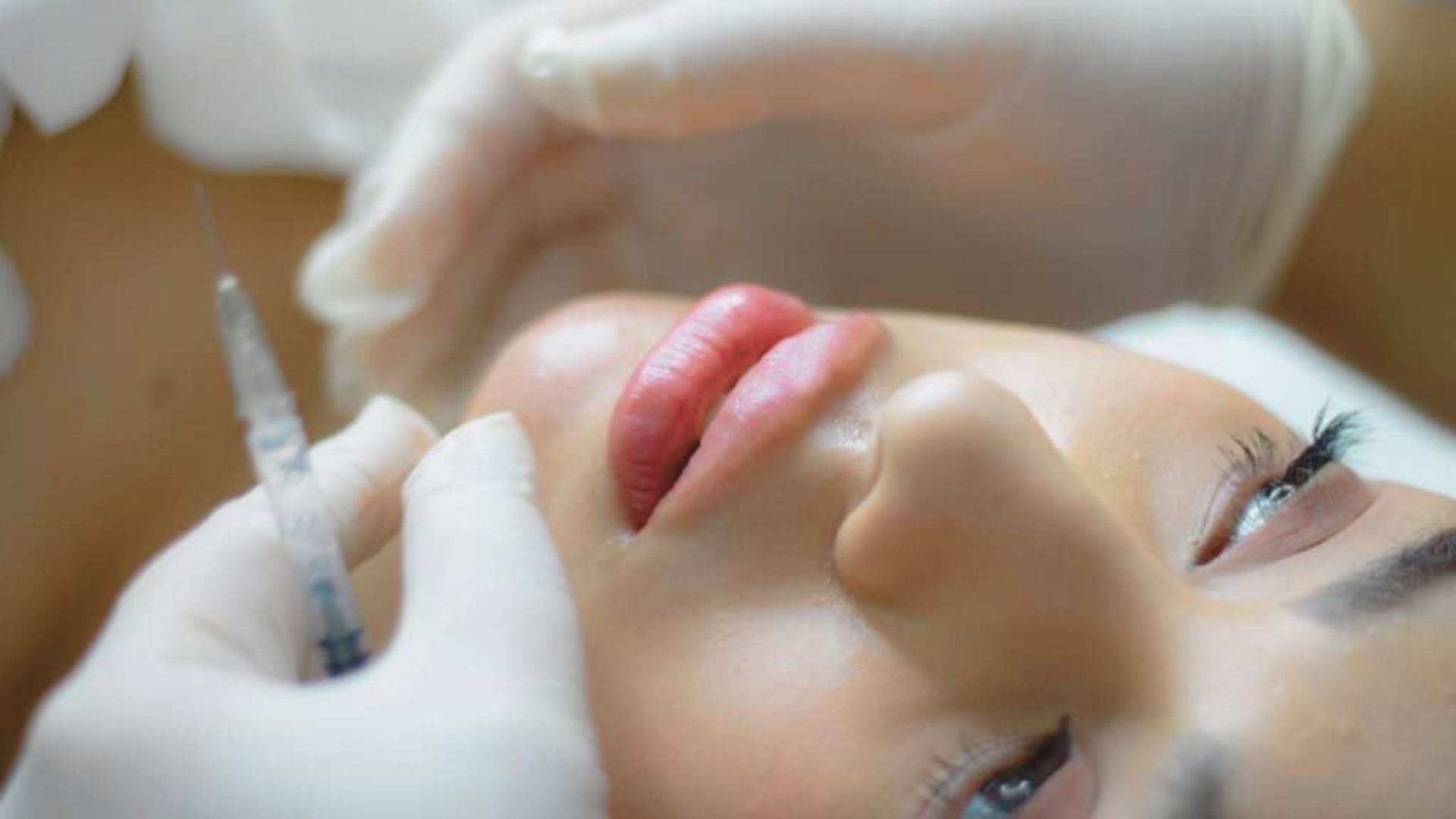
Zinc supplements are often mentioned as a way to extend Botox, but the evidence is limited and the FDA has not approved this use.
Small studies suggest zinc may support the enzyme that activates Botox, but the research is inconclusive. It remains experimental, so consult your doctor before trying it.
Zinc is also not safe for everyone. It can interfere with certain medications and cause nausea, headaches, and immune issues in higher doses.
Stay within the recommended 8 to 11 mg daily and never exceed 40 mg.
Additional Tips to Help Botox Last Longer
Small daily habits can make a noticeable difference in how long your results hold up.
- Avoid touching treated areas regularly, not just the first 24 hours, to reduce premature breakdown and bacteria transfer.
- Wear sunglasses outdoors to protect skin from UV damage and reduce squinting in treated muscle areas.
- Use lukewarm water on your face since hot water increases circulation and speeds up how quickly your body breaks down the product.
- Follow post-treatment instructions carefully, as skipping even minor steps can affect how long results last.
- Schedule follow-ups when recommended rather than waiting until lines fully return, which helps maintain results and often reduces product needed over time.
Conclusion
Making Botox last longer isn’t about magic tricks. It’s about smart aftercare and healthy habits.
Choose a skilled injector. Follow the 24-48 hour rules strictly. Protect your skin daily with SPF. Stay hydrated and eat well.
I’ve seen people double their Botox longevity just by sticking to regular appointments and using retinol nightly. Small changes add up.
Your results depend on you. Take care of your skin between treatments.
Have questions? Drop a comment below. Share your own Botox tips with others who need them.
Frequently Asked Questions
Does drinking water make Botox last longer?
Yes, staying hydrated keeps skin plump and healthy. This makes Botox results look better. Aim for 8 glasses daily to support your skin from the inside out.
Can I wear makeup after Botox?
Wait at least 4 hours before applying makeup. Better yet, wait until the next day. Makeup brushes can press on injection sites and move Botox before it settles properly.
Will lying down ruin my Botox?
Lying down within 4 hours can cause Botox to migrate to unintended areas. This may create drooping or uneven results. Stay upright for at least 4 hours after your appointment.
How long should I avoid the gym after Botox?
Skip intense workouts for 24 hours after treatment. Exercise increases blood flow, which can spread Botox before it binds to muscles. Light walking is fine though.
Does Botox last longer the more you get it?
Yes, with consistent treatments over time, many people notice longer-lasting results. Regular Botox weakens muscles gradually. Some extend their schedule from 3 months to 5 months after a year of regular treatments.