Facial Aftercare: Practical Tips from Real Clients


You just got a facial. Now what? Getting a facial feels great, but the real work starts after you leave the spa.
Many people skip proper aftercare and lose that post-facial glow fast.
This article covers facial aftercare from start to finish.
You will find out why post-facial skin care matters, what to expect in the days that follow, and tips straight from estheticians and real clients.
I have used expert advice and real feedback to make this guide easy to follow. Your skin will thank you.
Why Facial Aftercare Is Important

Facials do a lot of work on your skin. They deep clean, exfoliate, and treat your pores.
After a session, your skin is in a sensitive state. It needs time and the right care to heal properly. Skipping aftercare can lead to breakouts, dryness, and irritation.
Proper facial aftercare helps your results last longer and keeps your skin balanced. Think of it as the second half of your facial.
Without it, even the best treatment can go to waste. Your skin deserves that follow-through.
What to Expect After a Facial (Shared Experiences)
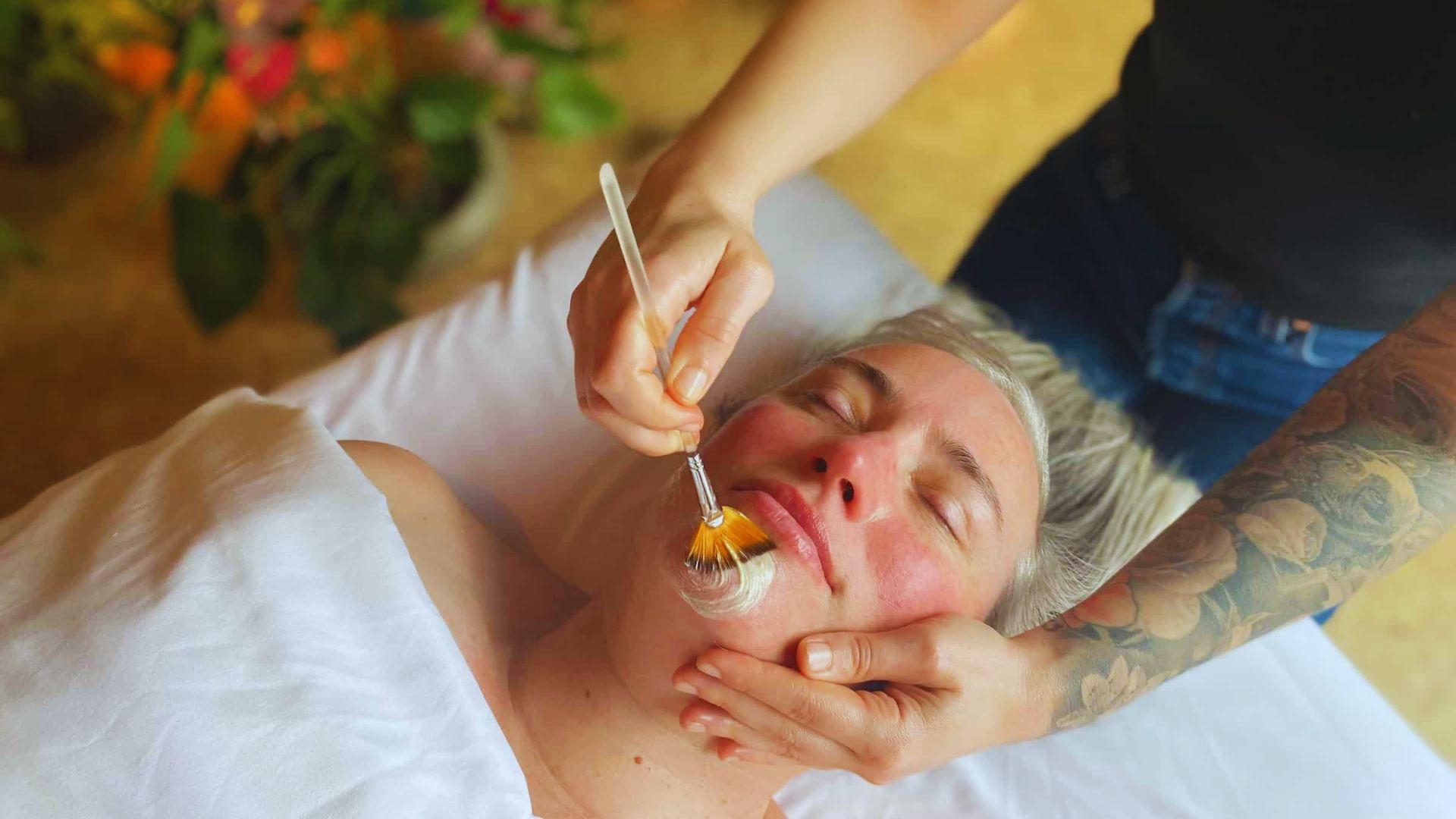
Every person’s skin reacts differently after a facial, but some experiences are more common than others.
Skin Sensitivity and Redness
After a facial, redness is normal. Your skin has been deeply cleaned and treated. It may feel tight or warm for a few hours.
Sensitive skin can stay red for up to a day. Avoid touching your face. Use a gentle moisturizer and let your skin settle. This is a natural response, not a problem.
Post-Facial Glow and Hydration
One of the best parts of a facial is the glow that follows. Your skin looks brighter and feels more hydrated. Dead skin cells have been removed, so your skin absorbs moisture better.
To keep this glow going, drink plenty of water and apply a hydrating moisturizer for the next few days. Simple steps make a big difference.
Breakouts or Skin Purging
Some people notice small breakouts after a facial. This is called skin purging. It happens when the treatment pulls debris from deep inside your pores.
It can feel frustrating, but it means facial work. Do not pick or squeeze the spots. They usually clear up within a week. Stay gentle with your routine and give your skin time.
Skin Feeling Smooth and Soft
Many people are surprised by how smooth their skin feels after a facial. Exfoliation removes the top layer of dead skin cells, leaving behind fresher and softer skin.
This softness can last for days if you take care of your skin properly. Moisturize daily, avoid harsh products, and let the results speak for themselves.
Esthetician-Recommended Facial Aftercare Tips

Following the right steps after a facial helps your skin heal and hold on to the results longer.
Keep Your Skincare Routine Simple: Stick to a gentle cleanser and a basic moisturizer for the first 48 hours. Less is more right after a facial. Layering too many products on sensitive skin leads to irritation fast.
Use Gentle and Hydrating Products: Choose fragrance-free and alcohol-free options. Your skin needs calm and moisture after treatment, not strong or active formulas. A plain, soothing moisturizer works best.
Avoid Active Ingredients and Exfoliants: Skip retinol, vitamin C, AHAs, and BHAs for at least 3 to 5 days. These can irritate freshly treated skin and undo the work of your facial.
Apply Sunscreen Daily: Your skin is more sensitive to the sun after a facial. Use SPF 30 or higher every morning, even on cloudy days, to protect your skin from UV damage.
Listen to Your Esthetician: Every skin type is different. If your esthetician gave you specific instructions, follow them closely. They are based on your skin and your treatment.
These small steps protect your results and keep your skin in good shape long after your appointment.
Immediate Facial Aftercare (First 24 Hours)
The first 24 hours after a facial are the most important for protecting your skin.
- Avoid Touching or Picking Your Skin: Keep your hands away from your face. Touching transfers bacteria and can lead to breakouts or irritation on freshly treated skin.
- Skip Heavy Makeup: Give your skin a break from foundation and heavy coverage for at least 24 hours. Your pores are open and need room to breathe.
- Use Gentle Cleansing: Wash your face with a mild, fragrance-free cleanser. Avoid scrubbing or hot water, which can strip moisture and worsen redness.
- Avoid Heat and Steam: Stay away from saunas, hot showers, and steam rooms for the first day. Heat increases redness and sensitivity on post-facial skin.
- Skip Intense Workouts: Sweating heavily right after a facial pushes bacteria into freshly cleaned pores. Rest for the day and let your skin recover.
These 24-hour rules are simple, but they make a real difference in how your skin heals.
Practical Advice From Estheticians and Facial Clients

The best aftercare advice often comes from the people who have seen and felt the results firsthand.
Follow Personalized Aftercare Instructions
Not everyone’s skin is the same. An esthetician who worked on your skin knows what it needs. If they gave you aftercare instructions, take them seriously.
These steps are based on your skin type and the treatment you received.
Following their advice gives you the best chance at results that actually last. Do not ignore the sheet they hand you.
Avoid Trying New Products
Right after a facial is not the time to test something new. Your skin is sensitive and open to reactions.
New products can cause redness, breakouts, or irritation when used on freshly treated skin. Stick to what you already know works for you.
If you want to add something new to your routine, wait at least a week before trying it.
Keep Your Routine Gentle
After a facial, your skin needs calm and not chaos. A gentle routine means using a soft cleanser, a basic moisturizer, and nothing else for a few days.
No scrubs, no masks, no heavy serums. This gives your skin time to settle and absorb the benefits of your facial.
The simpler your routine, the better your skin will respond.
Allow Skin Time to Recover
Recovery is part of the process. Your skin has gone through treatment and it needs time to rest.
Some redness, slight dryness, or minor breakouts are normal in the first few days.
Do not rush to fix them with strong products. Patience matters. Give your skin a few days and you will likely see it looking clearer and more balanced.
Common Facial Aftercare Mistakes
Many people make simple mistakes after a facial that undo the results and leave skin irritated or broken out.
- Using Harsh Skincare Too Soon: Strong actives like retinol or acids right after a facial cause irritation and damage your skin barrier.
- Exercising Immediately After: Sweat pushes bacteria into freshly cleaned pores and triggers breakouts fast.
- Touching Your Face Too Much: Hands carry bacteria and oil that clog pores on freshly treated skin.
- Skipping Sunscreen: Post-facial skin burns and spots more easily without daily SPF protection.
- Rushing Back to Your Full Routine:Too many products too soon overwhelms sensitive skin and cancels out your facial results.
Avoiding these common mistakes helps your facial results last longer and keeps your skin calm and clear.
Conclusion
Facial aftercare does not have to be complicated. A few simple choices after your treatment can keep your skin calm, clear, and glowing for days.
I used to jump back into my full routine the same night. Big mistake. Once I kept things simple, the results lasted so much longer.
Now it is your turn. Try these tips after your next facial.
Did they work for you? Drop a comment below and share your experience!
Frequently Asked Questions
How long does skin sensitivity last after a facial?
Redness and sensitivity usually clear up within 24 to 48 hours.
Can I wear makeup right after a facial?
No. Skip makeup for at least 24 hours after your facial.
Why is my skin breaking out after a facial?
It is likely skin purging. This is normal and clears up on its own.
What products should I use after a facial?
Use a gentle cleanser and a plain moisturizer. Nothing more.
How soon can I go back to my normal skincare routine?
Wait 3 to 5 days before going back to your full routine.