How to Rebuild Collagen in the Face: Real Methods That Work

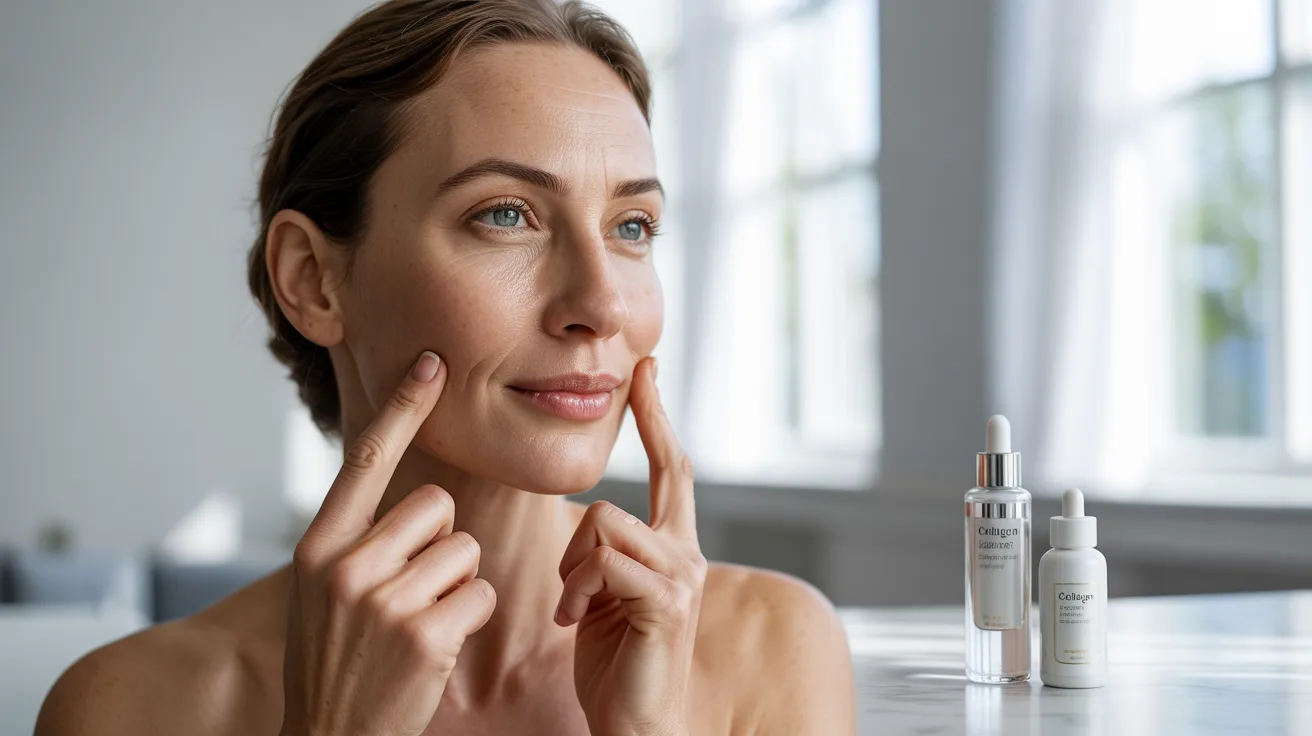
I spent years watching my skin lose firmness before learning the truth: you can rebuild collagen.
This guide shows you exactly how to restore your skin’s strength using natural methods, proven skincare, and professional treatments.
You’ll learn what actually works based on science, not marketing claims.
From the foods that boost collagen production to the treatments dermatologists recommend, I’m sharing what I wish someone had told me years ago.
Your skin can bounce back, but there’s one method that works faster than all the others combined.
I’ll start with that.
What Happens When Your Skin Loses Collagen

Collagen is the protein that keeps your face firm and smooth. Think of it as the scaffolding beneath your skin. When collagen levels drop, that scaffolding weakens.
After age 25, your body produces 1% less collagen each year. By age 40, you’ve lost a significant amount. By 60, collagen production slows to half of what it was in your twenties.
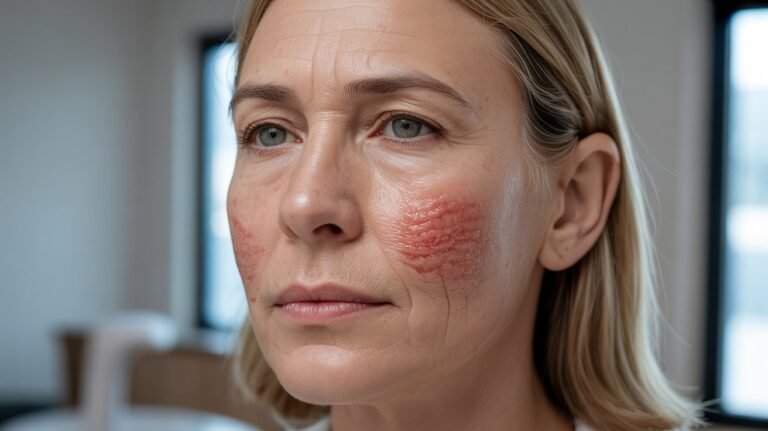
This shows up in your mirror. Fine lines appear. Your skin becomes thinner. Cheeks lose volume and start to sag. The bounce and firmness fade.
But here’s the good news: you can stimulate new collagen growth. Your skin cells can still respond to the right signals, foods, and treatments.
The sections below show you exactly how.
How Collagen Loss Affects the Face

Collagen keeps your skin firm and smooth. After age 25, you lose about 1% of collagen yearly.
This causes visible changes. Fine lines appear around your eyes and mouth. Your skin becomes thinner and less bouncy. Cheeks start to sag. Pores look larger.
Sun damage speeds this up. So does smoking and a poor diet. You’ll notice your face loses its youthful structure. The skin doesn’t snap back like it used to.
How to Rebuild Collagen in the Face Naturally

Start with your diet and daily habits.they create the foundation for collagen production.
Eat bone broth, wild-caught fish with skin, chicken, eggs, and grass-fed beef 3-4 times weekly, paired with vitamin C-rich foods like oranges, strawberries, and bell peppers.
Your body needs 75-90mg of vitamin C daily to make collagen. Add antioxidants including blueberries, green tea, and dark chocolate to protect existing collagen from free radical damage.
Sleep 7-8 hours nightly before 11 PM when skin repair peaks, drink 8 glasses of water, and manage stress.high cortisol breaks down collagen faster than aging.
Best Skincare Ingredients to Rebuild Collagen in the Face
These ingredients have clinical studies proving they actually work, not just marketing hype behind them.
Retinol and Retinoids

Retinol is proven to boost collagen production. Start with 0.25% strength at night. It speeds up cell turnover and thickens skin.
Expect results in 3-6 months.Use a pea-sized amount and build up tolerance slowly. Pair with moisturizer to minimize irritation.
Vitamin C Serum for Collagen Support and Brightening

Vitamin C serums (10-20% L-ascorbic acid) stimulate collagen synthesis. Apply in the morning before sunscreen. It also brightens dark spots.
Look for stable formulas in dark bottles.Store in a cool, dark place and replace every 3 months for maximum potency.
Hyaluronic Acid for Hydration and Firmer Skin

This ingredient holds 1000 times its weight in water. Plump, hydrated skin appears firmer. Use it morning and night on damp skin.
Layer it under moisturizer to lock in hydration. It works for all skin types without causing breakouts or irritation.
Peptides for Skin Repair and Elasticity
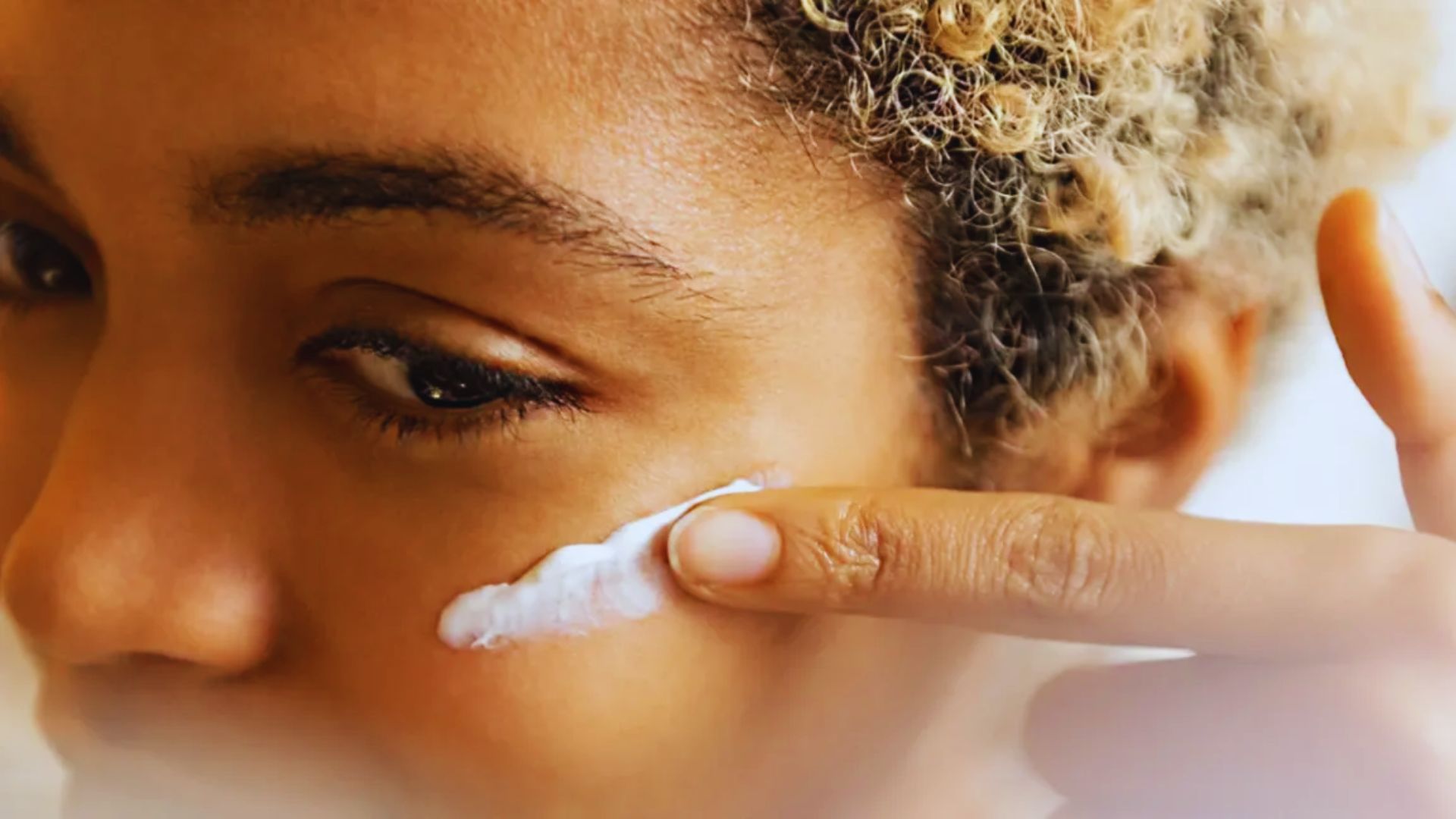
If you want to take copper peptides seriously, I highly recommend investing in a dedicated formula rather than relying on peptide blends buried inside multi-ingredient moisturizers. A clinical-grade Copper Peptide Serum delivers GHK-Cu in a stable, bioavailable form that can actually signal your skin cells to rebuild collagen and repair damage. I started incorporating a targeted copper peptide serum into my evening routine alongside retinol, and the improvement in firmness and skin quality has been noticeable — especially around the jawline and under my eyes where collagen loss tends to show up first.
Results show after 8-12 weeks of use.Apply peptides after cleansing and before heavier creams. They absorb better on clean skin and work well with retinol.
Sunscreen

UV rays destroy collagen faster than aging does. Wear SPF 30+ daily, even indoors. Reapply every 2 hours in sunlight. This prevents 90% of visible aging.
Choose mineral sunscreens with zinc oxide for sensitive skin. Make it the last step in your morning routine.
Best Professional Treatments to Rebuild Collagen in the Face
When topical products aren’t enough, these dermatologist-approved treatments deliver stronger results.
Microneedling
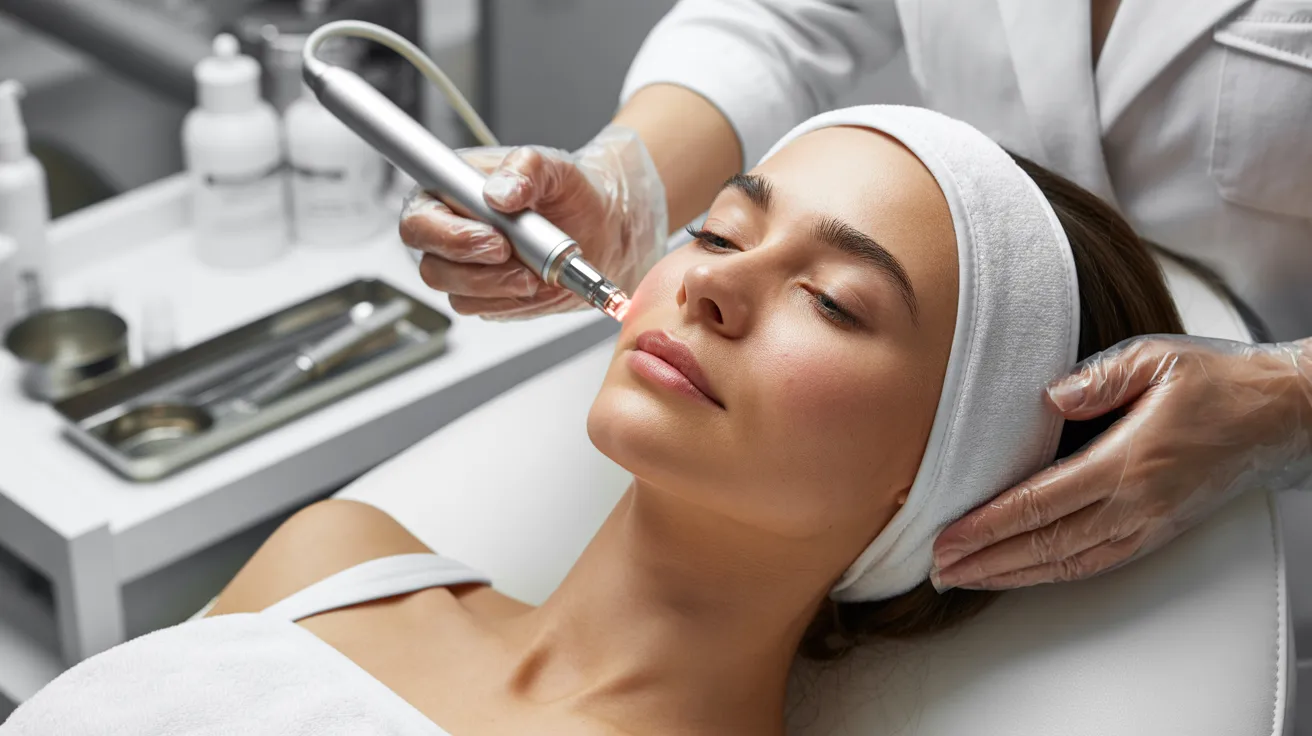
Tiny needles create controlled injuries that trigger collagen production. Your skin heals stronger and smoother. Expect 3-6 sessions spaced 4-6 weeks apart.
Downtime is 2-3 days.Downtime is 2-3 days. Costs range from $200-$700 per session depending on your area. Avoid sun exposure for one week after treatment to prevent darkening.
RF Microneedling

This combines microneedling with radiofrequency heat. The heat reaches deeper layers, stimulating more collagen.
You’ll see tightening after 4-6 treatments. Works well for moderate sagging.Results continue improving for 3-6 months after your final session.
This treatment costs more but delivers better lifting than regular microneedling.
Radiofrequency Skin Tightening
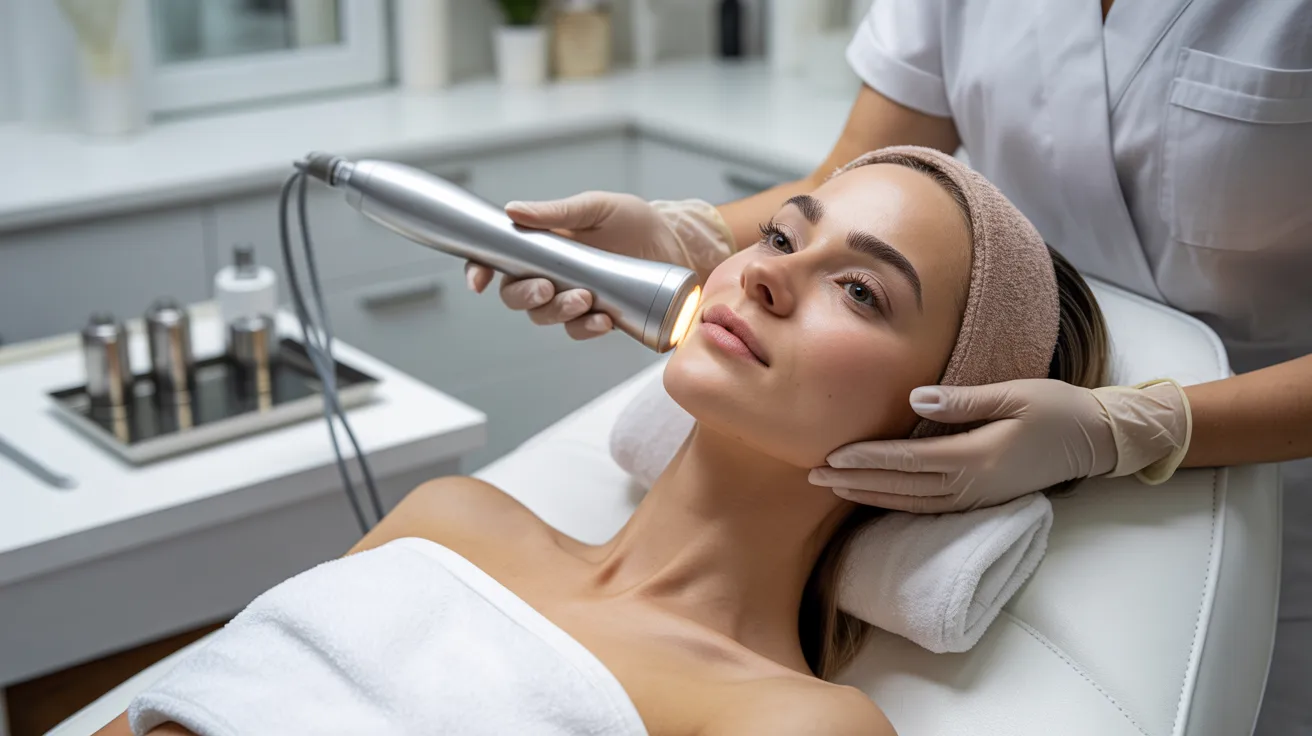
RF energy heats deep skin layers without needles. This triggers new collagen growth over months. You need 3-5 sessions for visible lifting. No downtime.
You can return to work immediately after treatment. Popular brands include Thermage and Profound, which heat skin to exact temperatures for maximum collagen response.
Red Light Therapy

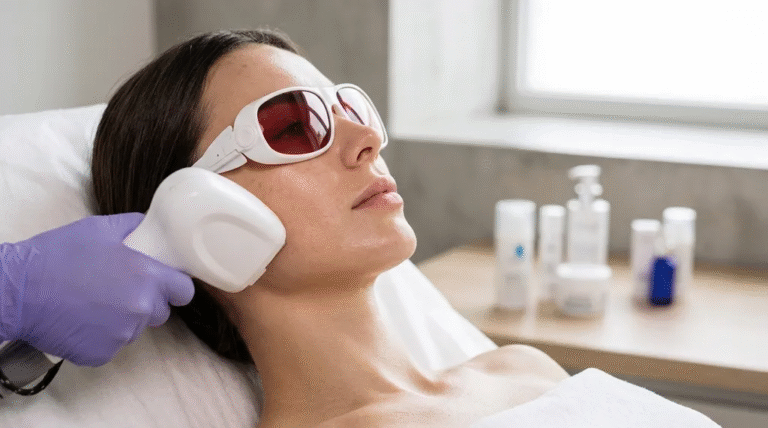
Red and near-infrared light penetrates skin safely. It boosts cellular energy and collagen production. Do 3-5 sessions weekly for 10-20 minutes.
Safe for all skin types.At-home devices work but require consistent use for 8-12 weeks. In-office treatments use stronger LED panels that penetrate deeper into skin layers.
Laser Resurfacing
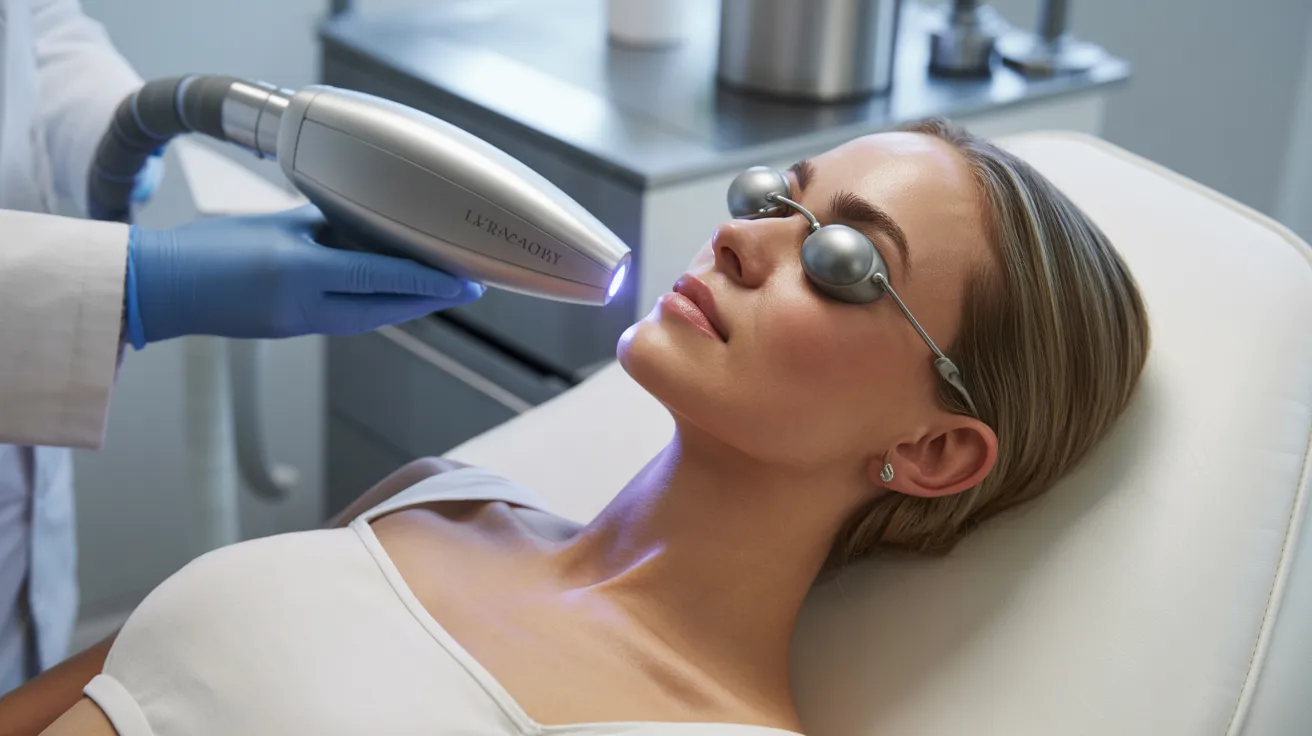
Ablative lasers remove damaged skin layers, forcing collagen remodeling. Non-ablative lasers heat without removing skin. Downtime ranges from 3-14 days.
Dramatic improvement after 1-2 treatments.Fractional lasers treat only portions of skin, reducing healing time. Expect redness, peeling, and sensitivity during recovery from ablative treatments.
How Long Does It Take to Rebuild Collagen in the Face?
Patience is key because real collagen growth happens over weeks and months, not days.
Natural methods: 3-6 months for visible changes.
Topical skincare: 8-12 weeks minimum. Retinol shows results around month 3-4.
Professional treatments: Microneedling shows results in 4-6 weeks. RF treatments take 2-3 months. Sculptra needs 3-6 months.
Your age matters. Younger skin rebuilds faster. Those over 50 may need longer. Collagen production peaks around month 3-6 after starting treatments.
Mistakes That Reduce Collagen and Make Skin Age Faster
Avoid these common habits because they destroy collagen faster than your body can rebuild it.
- UV rays destroy collagen instantly and cause 90% of aging, even indoors
- Smoking breaks down collagen directly, aging skin 10 years faster
- High sugar intake damages collagen through glycation, causing sagging and wrinkles
- Skipping sunscreen with retinol doubles sun damage and collagen loss
- Starting retinol too strong causes quitting before 3-month results appear
Conclusion
I’ve been using retinol for three years now, and the difference in my skin’s firmness is real. You don’t need expensive treatments right away.
Start with sunscreen daily and add vitamin C. That alone will protect what you have. Once you’re ready, try retinol or book a microneedling session.
Your skin can rebuild collagen, I’ve seen it in my own face and in countless others. The key is consistency, not perfection.
Pick one method from this guide and commit to it for three months. Come back and tell me how your skin has changed.
Frequently Asked Questions
Can you rebuild collagen after 50?
Yes. Your skin still responds to retinol and professional treatments at any age.
Does drinking collagen powder work?
Studies show some improvement. Bone broth may absorb better than powders.
What destroys collagen the fastest?
Sun exposure is number one. Smoking comes second. Both create damaging free radicals.
Is retinol or vitamin C better for collagen?
Use both. Vitamin C in morning, retinol at night.
How do I know if collagen treatments are working?
Your skin feels firmer. Fine lines soften. Results show around month 3-4.