HydraFacial vs Microdermabrasion: Benefits & Results


Picking the right facial treatment can feel confusing. I’ve been there, sitting in a waiting room, unsure what to book.
This guide breaks down HydraFacial vs Microdermabrasion so you can make a smart, confident choice.
I’ll cover how each works, what results to expect, and which one fits your skin type best.
With years of research and firsthand experience writing about skincare treatments, I know what questions matter most to real people like you.
By the end, you’ll know exactly which treatment to choose.
What Is a HydraFacial?
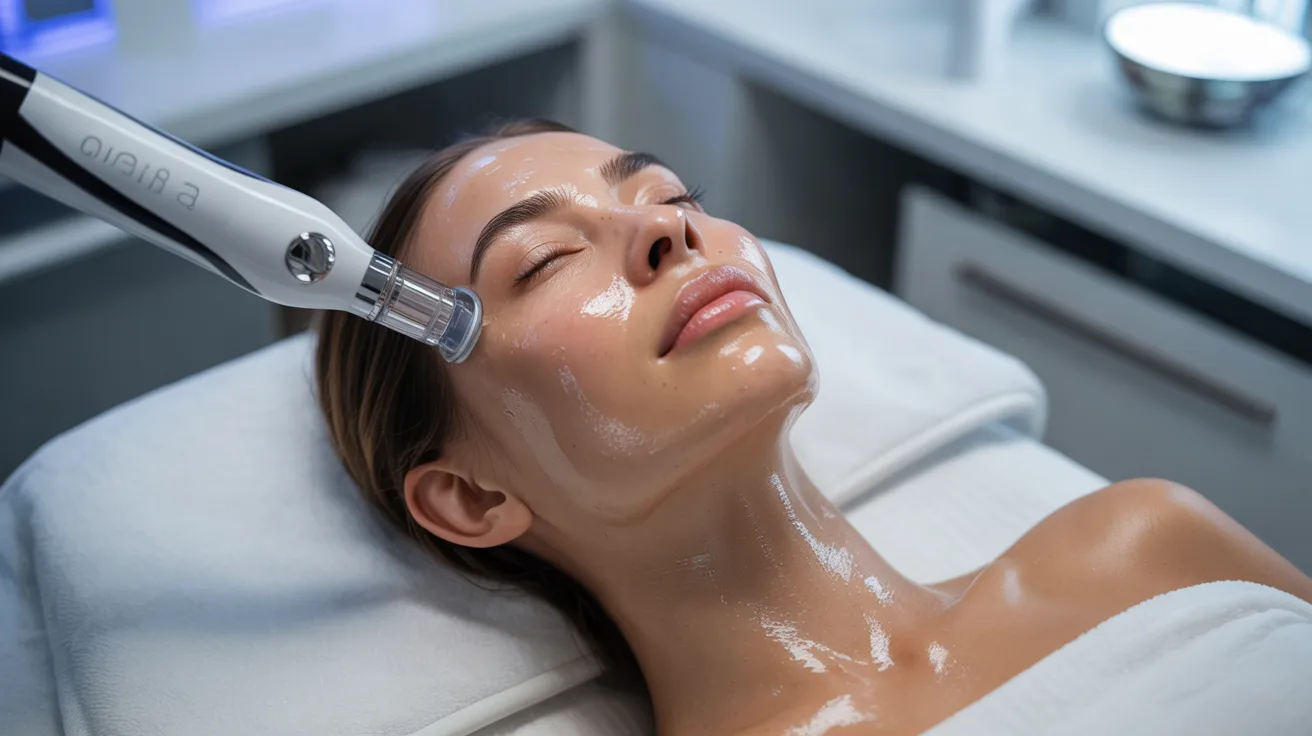
HydraFacial is a non-invasive facial treatment that cleanses, exfoliates, and hydrates the skin in one session.
How HydraFacial Works
HydraFacial uses a three-step process to refresh and nourish your skin from the surface inward.
First, a gentle solution cleanses and peels, removing dead skin and unclogging pores without harsh scrubbing.
Next, a painless vacuum tip extracts impurities while infusing hydrating serums deep into the skin.
Finally, antioxidants and peptides are delivered using Vortex-Fusion technology to fuse and protect the skin.
This multi-step approach sets HydraFacial apart, it doesn’t just clean, it actively feeds your skin nutrients at the same time.
Benefits of HydraFacial
HydraFacial works well for a wide range of skin concerns and types.
- Deeply hydrates and plumps the skin
- Reduces the look of fine lines and wrinkles
- Minimizes pores and controls excess oil
- Brightens dull and uneven skin tone
- Suitable for all skin types, including sensitive skin
Expected Results
After one session, most people notice immediate dewy, plump, and youthful-looking skin. Hydration lasts well beyond the appointment.
There is little to no downtime, so you can go back to your day right after.
What Is Microdermabrasion?
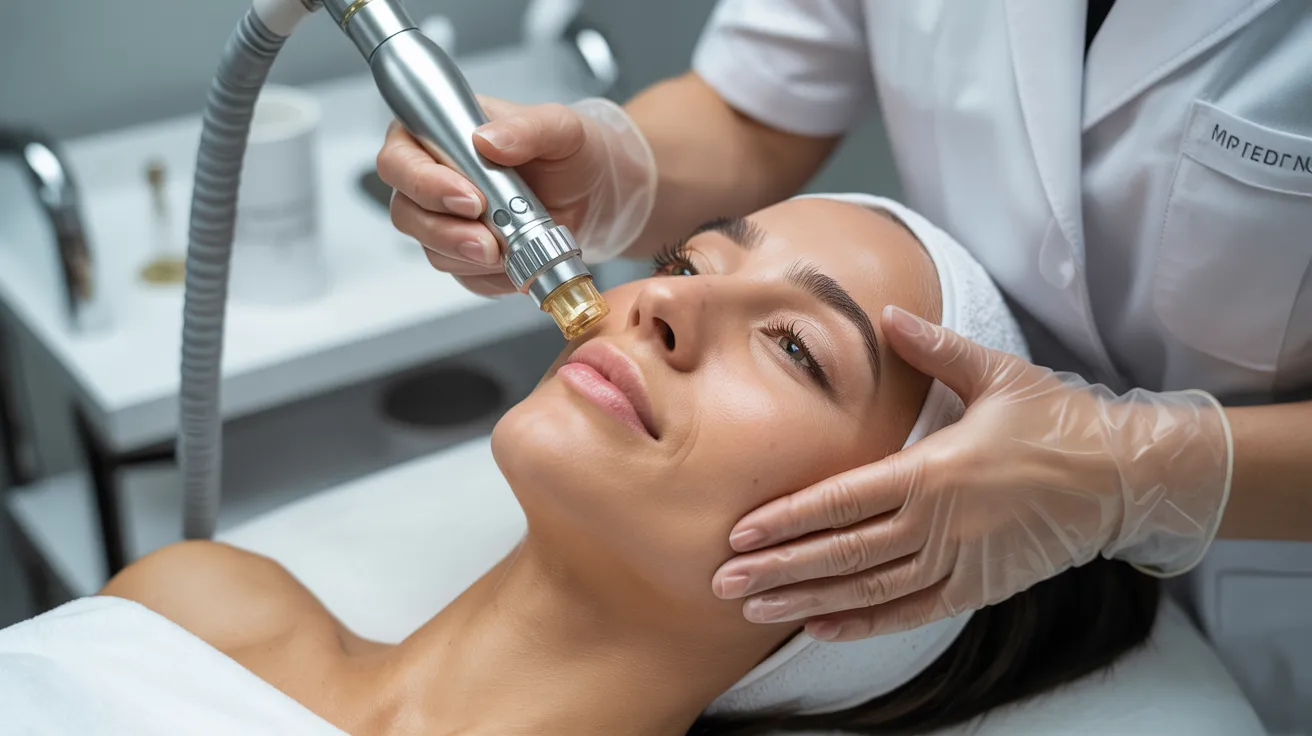
Microdermabrasion is a physical exfoliation treatment that resurfaces the outer layer of skin for a smoother finish.
How Microdermabrasion Works
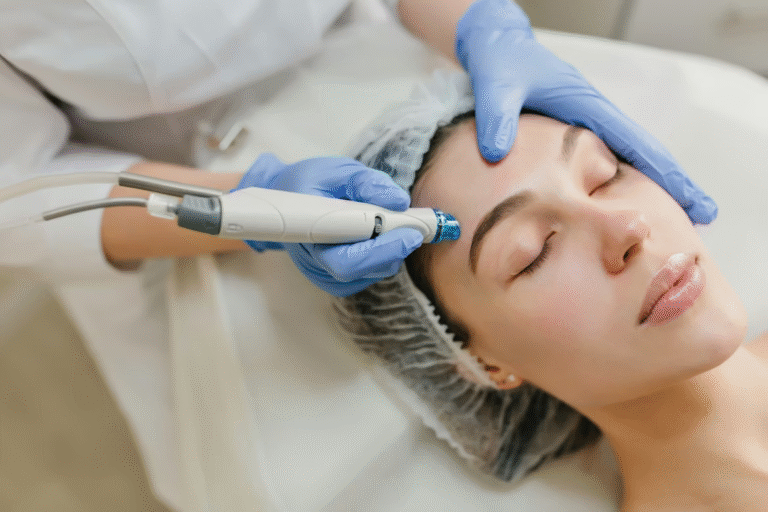
Microdermabrasion uses a mechanical device to sand away the top layer of skin.
Two methods are commonly used, crystal microdermabrasion, where tiny crystals are sprayed onto the skin and then vacuumed off, and diamond-tip microdermabrasion, where a wand with a diamond-coated tip gently abrades the skin.
Both methods use vacuum suction to remove loosened dead skin cells and debris.
The treatment targets the epidermis, the outermost skin layer, to support resurfacing and cell renewal.
Benefits of Microdermabrasion
Microdermabrasion is a solid choice for those focused on texture and renewal.
- Smooths rough or uneven skin texture
- Reduces the appearance of acne scars and dark spots
- Stimulates collagen production over time
- Helps skincare products absorb more effectively
- Cost-effective compared to more advanced treatments
Expected Results
After treatment, skin feels smoother, softer, and brighter. Some temporary redness or tenderness is normal.
For the best results, most people need multiple sessions spaced a few weeks apart.
HydraFacial vs Microdermabrasion: Key Differences
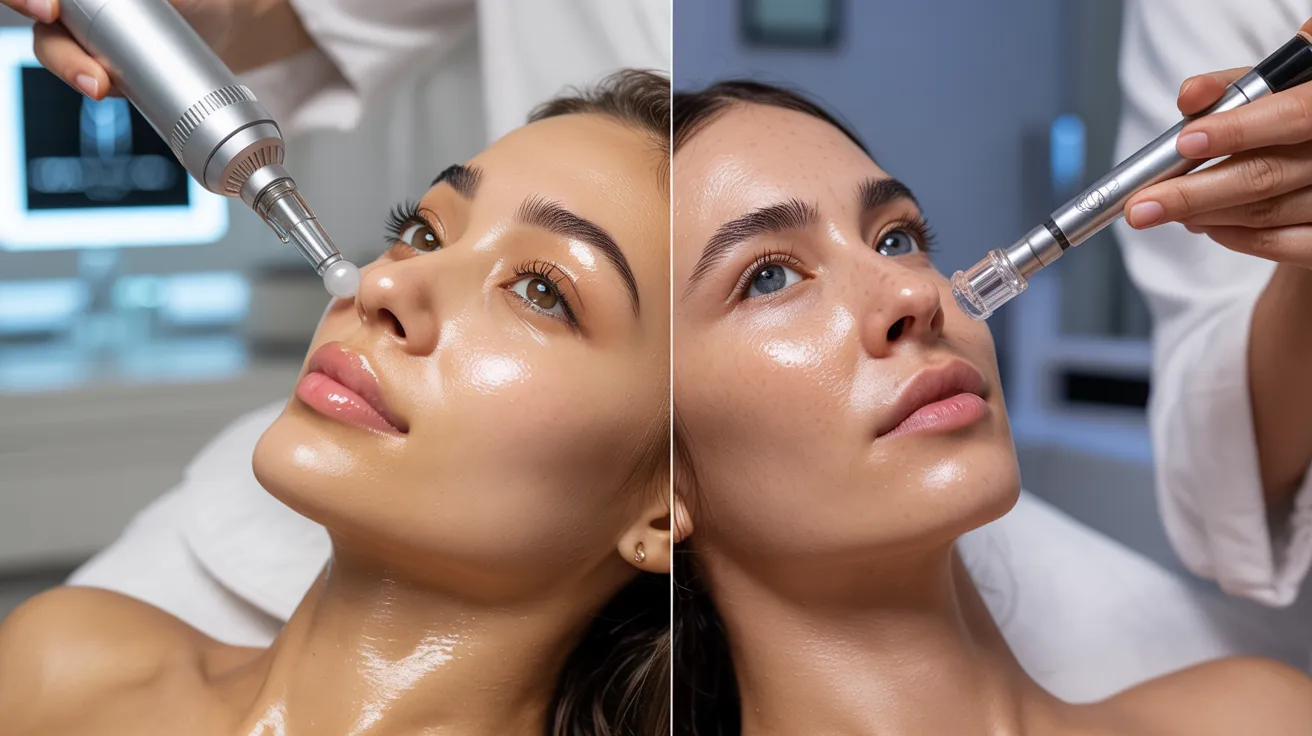
Both treatments improve your skin, but they work in different ways and suit different needs.
Treatment Method
HydraFacial combines hydration, serum infusion, and gentle exfoliation in one session. Microdermabrasion focuses on physical exfoliation only, with no added hydration or nutrients.
Skin Suitability
HydraFacial works for all skin types, including sensitive and acne-prone skin. Microdermabrasion works best for resilient skin.
It may irritate those with rosacea, active acne, or high sensitivity.
Comfort and Downtime
HydraFacial is gentle and painless with zero downtime. Microdermabrasion can feel slightly abrasive.
Mild redness or tenderness after the session is common but short-lived.
Customization Options
HydraFacial can be personalized with booster serums targeting specific concerns like pigmentation, oiliness, or aging.
Microdermabrasion has limited customization, the treatment largely follows one standard method.
Comparison Table
Here’s a quick side-by-side look at how HydraFacial and Microdermabrasion stack up against each other.
| Feature | HydraFacial | Microdermabrasion |
| Treatment Method | Hydration + serum infusion + exfoliation | Physical exfoliation only |
| Skin Types | All skin types | Resilient, non-sensitive skin |
| Comfort Level | Gentle and painless | Slightly abrasive |
| Downtime | None | Mild redness possible |
| Customization | High (booster serums) | Low |
| Best For | Hydration, glow, anti-aging | Texture, scars, cell renewal |
| Sessions Needed | One session shows results | Multiple sessions recommended |
Which Treatment Should You Choose?
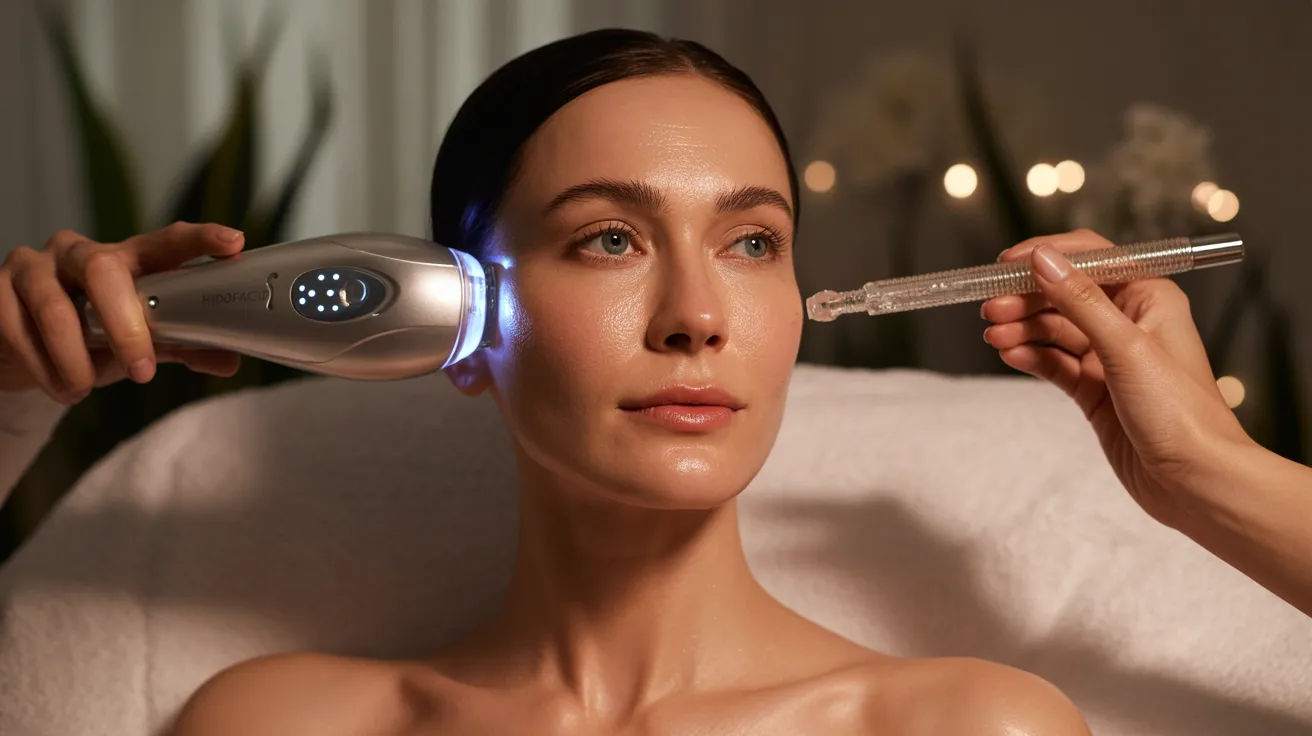
Choosing between HydraFacial and Microdermabrasion comes down to your skin type and your goal.
Choose HydraFacial If:
You want HydraFacial when your goal is hydration and a healthy glow. It’s the right pick if you have sensitive, acne-prone, or aging skin.
It’s also ideal if you want a gentle treatment you can personalize with specific serums.
Choose Microdermabrasion If:
Go with Microdermabrasion when you want deeper exfoliation and skin resurfacing. It works well if you’re targeting uneven texture, old acne scars, or dullness.
It suits people with resilient skin who don’t have sensitivity concerns.
Final Thoughts
I know how overwhelming skincare decisions can feel, trust me, I’ve spent way too long comparing options before booking a single treatment.
But here’s the truth: both HydraFacial and Microdermabrasion can do wonders for your skin when matched to the right concern.
If I had to pick one, I’d go for HydraFacial for its gentleness and instant glow. But your skin knows best.
Have you tried either treatment? Drop your experience in the comments, I’d love to hear what worked for you!
Frequently Asked Questions
Is HydraFacial better than Microdermabrasion for sensitive skin?
Yes. HydraFacial is gentler and uses hydrating serums, making it the safer choice for sensitive skin. Microdermabrasion can cause irritation for those with reactive or thin skin.
How long do HydraFacial results last?
Most people notice results lasting four to six weeks after one session. Regular monthly treatments help maintain hydration and skin clarity over time.
Does Microdermabrasion hurt?
It usually doesn’t hurt, but it can feel slightly scratchy or rough. Some people experience mild redness after the session, which typically fades within a few hours.
Can I get HydraFacial and Microdermabrasion done together?
It is not recommended to combine both in one session. Your skin needs time to recover between treatments. Always consult a licensed esthetician before mixing procedures.
How many Microdermabrasion sessions do I need to see results?
Most skincare professionals recommend five to ten sessions spaced two to three weeks apart for noticeable improvement in texture, tone, and scarring.