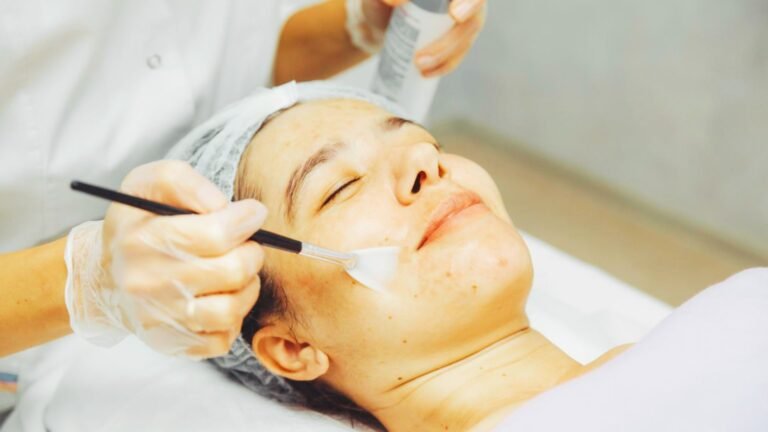
How to Stop Forehead Wrinkles: Expert Tips


Forehead wrinkles can start as early as your late 20s. And once they show up, they don’t go away on their own.
The good news? You can slow them, prevent them, and reduce how deep they look with the right steps.
I got my first forehead line at 28. I spent months trying random creams and seeing zero change. Then I actually researched what dermatologists recommend and built a real routine.
That’s what this blog is about.
Here, I’ll cover the root causes, the ingredients that actually work, a simple morning and night routine, natural remedies, professional treatments, and the habits quietly making things worse.
Everything here is practical, not guesswork.
What Causes Forehead Wrinkles? (Understanding the Root Problem)
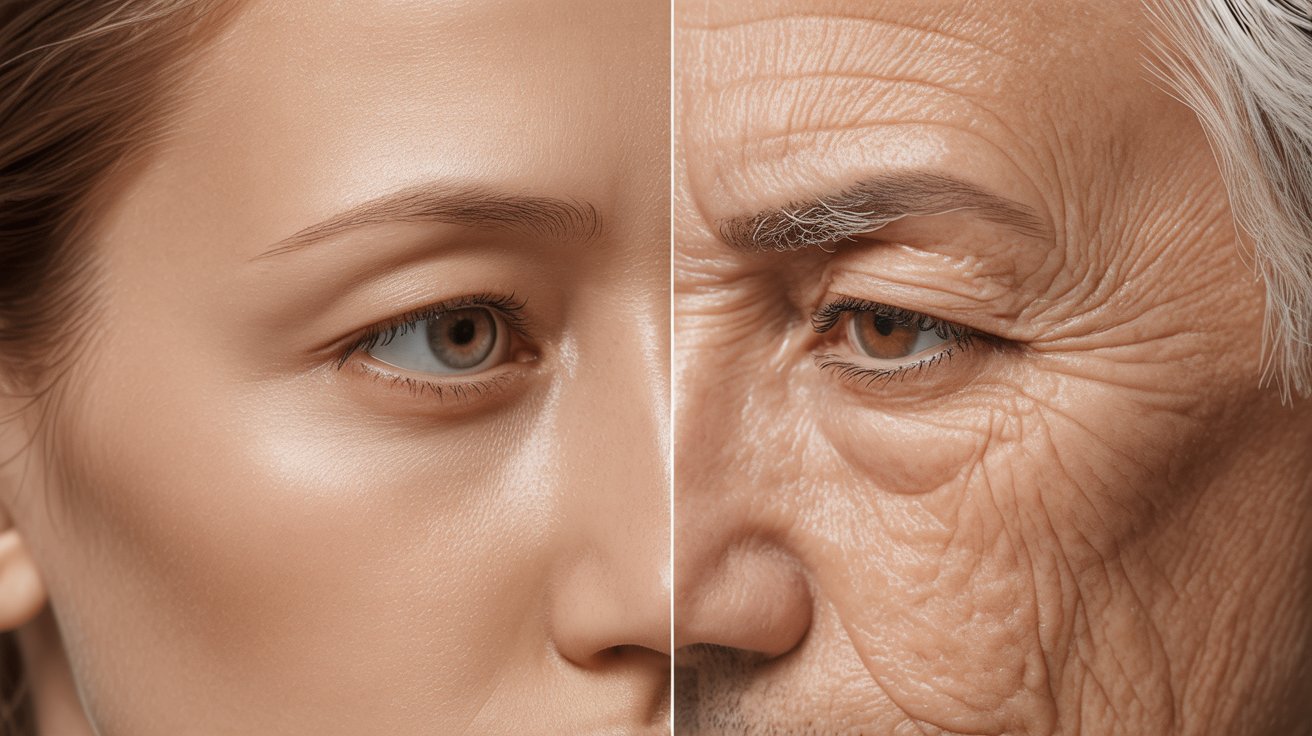
Forehead wrinkles don’t just appear randomly. There are specific reasons they form, and knowing them helps you stop them at the source.
The biggest driver is repeated muscle movement. Every time you raise your brows or squint, your skin folds. Do that thousands of times over the years and those folds become permanent creases.
Age is the other major factor. According to dermatologists, collagen production drops by about 1% every year after your mid-20s. Collagen and elastin are what keep skin firm and springy. When those levels fall, your skin stops bouncing back the way it used to.
Sun exposure speeds up that breakdown fast. UV rays damage collagen fibers directly and cause lines to appear years earlier than they should.
Other causes include chronic dehydration, poor sleep, smoking, stress, and genetics. If your parents had deep forehead lines early, you may be more prone to them too.
How to Stop Forehead Wrinkles: Dermatologist-Approved Methods
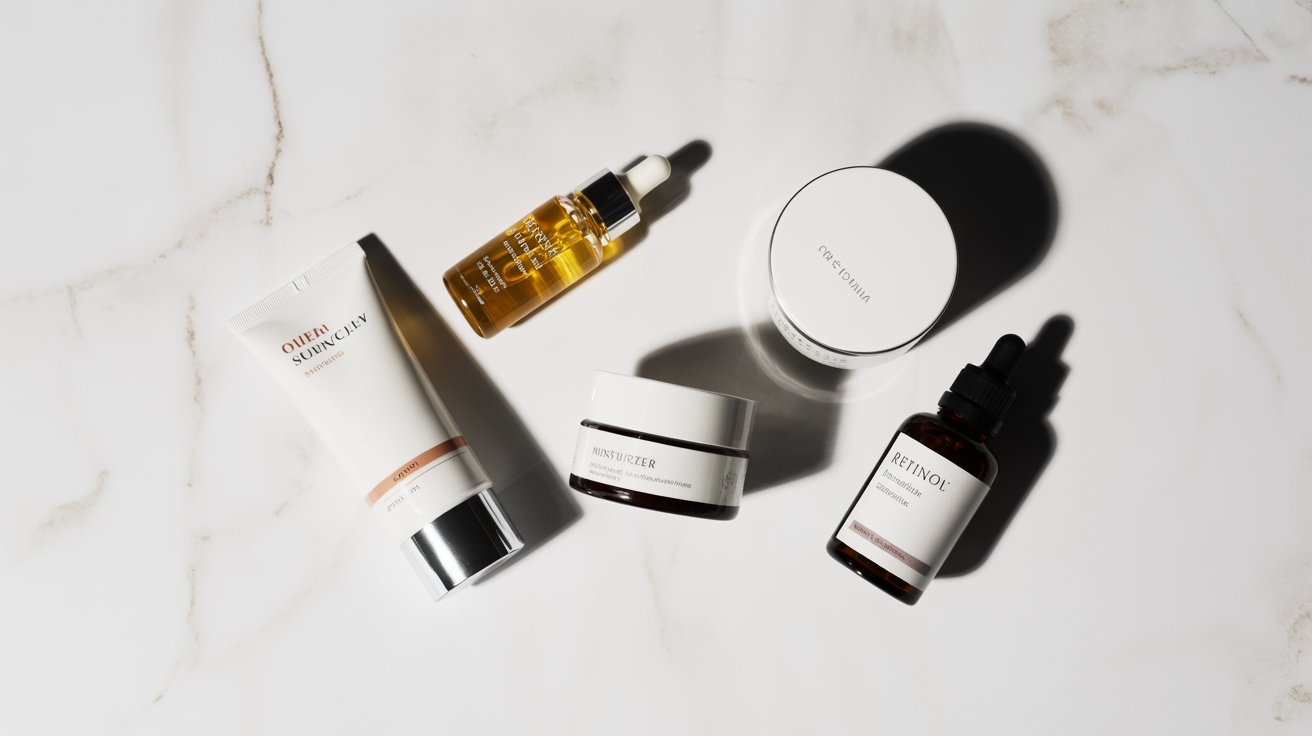
I tried several approaches before landing on what actually moved the needle. Here’s what dermatologists consistently recommend.
Sunscreen every single day is non-negotiable. Clinical research shows that daily SPF use not only prevents new damage but can allow existing sun-damaged skin to partially repair itself over time. Use SPF 30 or higher, broad-spectrum, every morning.
Start using a retinoid. According to dermatology studies, retinol visibly improves fine lines in as little as 12 weeks of consistent use. It works by speeding up cell turnover and stimulating collagen. Start with a low concentration two nights a week and build up slowly.
Keep your skin hydrated inside and out. Dehydrated skin makes lines look much deeper than they actually are.
Sleep on your back when possible. Pressing your face into a pillow every night compresses the skin and creates lines over time.
Also, be more aware of your expressions. I noticed I raised my brows constantly while reading or working on screen. Reducing that habit alone helped reduce tension in my forehead.
Best Skincare Ingredients to Reduce Forehead Wrinkles
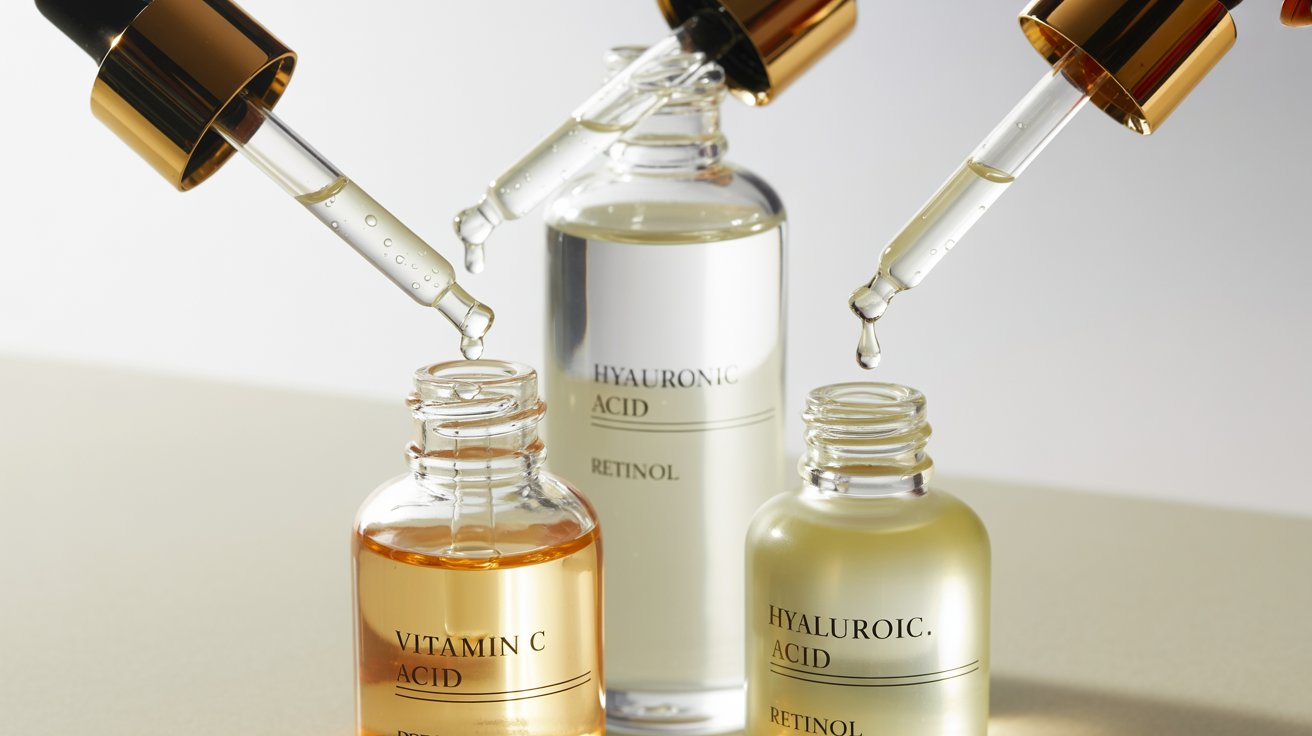
Not every ingredient earns its place on the label. These are the ones with real evidence behind them.
Retinol is the most well-studied anti-aging ingredient available without a prescription. It rebuilds collagen and makes forehead lines look smoother and less noticeable over time.
Hyaluronic acid draws moisture into the skin and keeps it plump. Lines look shallower when skin is well-hydrated.
Vitamin C protects against UV damage and supports collagen. Use it in the morning before sunscreen.
Peptides signal the skin to produce more collagen. They work slowly but build results over months.
Niacinamide calms inflammation and improves skin texture. It pairs well with almost every other ingredient.
You don’t need all five at once. Start with retinol at night, vitamin C in the morning, and sunscreen. That trio alone covers most of the bases.
Daily Skincare Routine to Prevent Forehead Wrinkles
Let’s have a quick look at the routine you can follow to prevent forehead wrinkles:
Morning Routine
- Gentle cleanser
- Vitamin C serum
- Moisturizer with hyaluronic acid
- SPF 30 or higher
The sunscreen step matters more than any other product in your routine. Skip it and everything else loses half its value.
Night Routine
- Cleanser
- Retinol serum
- Rich moisturizer
If retinol is new to you, use it two nights a week first. Give your skin three to four weeks to adjust before increasing frequency.
Natural Ways to Stop Forehead Wrinkles at Home

I tested a few natural options myself. Some surprised me.
Aloe vera gel applied at night helped my skin feel firmer over a few weeks. It contains compounds that support collagen and calm inflammation.
Facial massage made a noticeable difference in puffiness and tension. Light upward strokes on the forehead for three to five minutes daily improves blood flow and helps with lymph drainage.
Egg white masks temporarily tighten skin. The effect is short-lived, but it’s a decent weekly addition.
Eating more antioxidant-rich foods, cutting back on sugar, and drinking enough water all made my skin look healthier over time. The inside-out approach is real.
Professional Treatments for Forehead Wrinkles

When at-home care isn’t enough, these options deliver more visible results.
Botox relaxes the forehead muscles responsible for movement-based wrinkles. Results show up within a week and last three to six months. I spoke to a dermatologist who said Botox is most effective for dynamic lines, meaning lines caused by expression rather than skin laxity.
Chemical peels remove the outer layer of skin and trigger new growth. They work well for texture and surface-level lines.
Microneedling stimulates collagen through controlled micro-injuries. It takes three to four sessions, but results accumulate nicely.
Laser resurfacing goes deeper and is best for more advanced wrinkles. It has more downtime but delivers longer-lasting results.
Talk to a board-certified dermatologist before choosing any procedure.
Habits That Make Forehead Wrinkles Worse (Avoid These)
Some habits quietly do more damage than people realize.
Skipping sunscreen is the single biggest mistake. UV damage adds up even on overcast days.
Squinting outdoors is a daily wrinkle trigger. Wear sunglasses every time you step outside.
Smoking cuts off blood supply to skin cells and accelerates collagen loss faster than most people expect.
Sleeping face-down presses your forehead into a pillow for hours. Over time, this creates compression lines that are separate from expression lines.
Eating too much sugar causes glycation, a process where sugar molecules attach to collagen and make it stiff and brittle.
Poor sleep is underrated as a wrinkle cause. Skin repairs itself at night. Cut that window short and the repair process gets cut short too.
How Long Does It Take to See Results?
Most topical products need eight to twelve weeks of consistent use before showing real improvement.
Retinol typically shows visible change around the three-month mark. Sunscreen prevents future damage but won’t reverse lines already present.
Botox works in about a week. Microneedling builds results over multiple sessions spread across a few months.
My honest experience: I saw a clear difference in forehead texture after about ten weeks of using retinol consistently. The lines didn’t disappear, but they looked softer and less defined.
Give any new routine at least 90 days before deciding if it’s working.
Preventing Forehead Wrinkles in Your 20s, 30s, and 40s

In your 20s, prevention is your best tool. Wear sunscreen daily, stay hydrated, and keep a simple routine. You don’t need aggressive anti-aging products yet.
In your 30s, collagen starts dropping noticeably. Add a vitamin C serum and introduce retinol at night. Consistency matters more than product price.
In your 40s, lines may already be visible. Focus on stronger actives, look into peptides, and consider professional treatments if you want faster results. Sleep and nutrition become even more important at this stage.
At every age, SPF and a good moisturizer are the two tools you cannot skip.
Do Forehead Wrinkle Patches and Tools Work?
Silicone wrinkle patches hold the skin flat while you sleep, which helps with compression lines from pillow contact. I used them for about three weeks. They helped, but only while I wore them consistently.
Microcurrent devices have mild research support for toning facial muscles. They’re not miracle tools, but they add something when used regularly.
Jade rollers mostly help with puffiness and product absorption. They feel good and reduce morning puffiness, but won’t reduce deep wrinkles on their own.
These tools work best as small additions to a solid routine, not replacements for one.
Conclusion
Forehead wrinkles are something most of us will face. But they’re far more manageable than the skincare industry wants you to believe.
You don’t need twenty products or expensive procedures to see a real difference.
Start with sunscreen every single morning. That’s the easiest, most impactful win you can make starting tomorrow.
Add retinol at night, stay hydrated, and cut the habits that speed up damage like squinting, smoking, and sleeping face-down.
I saw real change after staying consistent for 90 days. Nothing dramatic. Just a clearer, smoother forehead.
Save this routine and follow it for 30 days. Then tell me what changed for you.
Which step from this blog are you going to start with first?
Frequently Asked Questions
Can you actually reverse forehead wrinkles at home?
You can soften and reduce how visible they are with consistent use of retinol, sunscreen, and hydration. Full reversal depends on depth, but visible improvement is absolutely possible without professional treatments.
What age do forehead wrinkles usually start?
Most people start noticing light lines in their late 20s to early 30s. Sun exposure, stress, and genetics can push that earlier.
Does drinking water help with forehead wrinkles?
Staying hydrated keeps skin plump and makes lines appear shallower. It supports overall skin health, but it works best alongside a proper topical routine.
How often should I use retinol on my forehead?
Start with two to three nights per week so your skin adjusts. After a month, you can move toward nightly use if your skin tolerates it well.
Are silicone forehead patches worth trying?
They are safe to use regularly and can help reduce compression lines from sleeping. They work best as a consistent nighttime habit alongside your regular skincare routine.