How to Wash Hair Properly A Complete Guide


I used to think washing hair was simple. Wet, lather, rinse, done. But after years of dealing with greasy roots and dry ends, I realized I was doing it all wrong.
Learning how to wash hair properly changed everything for me.
In this guide, I'll walk you through the exact steps I follow, how often you should wash based on your hair type, and the small habits that make a real difference.
I've tried and tested all of this myself, so you're getting honest advice, not just theory. No fluff, no complicated routines. just straightforward tips that actually work.
If your hair feels greasy, dull, dry, or just not right, you're in the right place. Let's fix that together.
Hair Washing Basics You Should Know
Before jumping into the steps, it helps to understand why technique matters more than most people think.
Washing your hair the right way keeps your scalp healthy by removing dirt, oil, and buildup without stripping natural moisture. Done correctly, it can reduce hair fall and control dandruff.
But most people make small mistakes without realizing it, like using too much shampoo, scrubbing with nails, skipping conditioner, or rubbing hair dry with a rough towel.
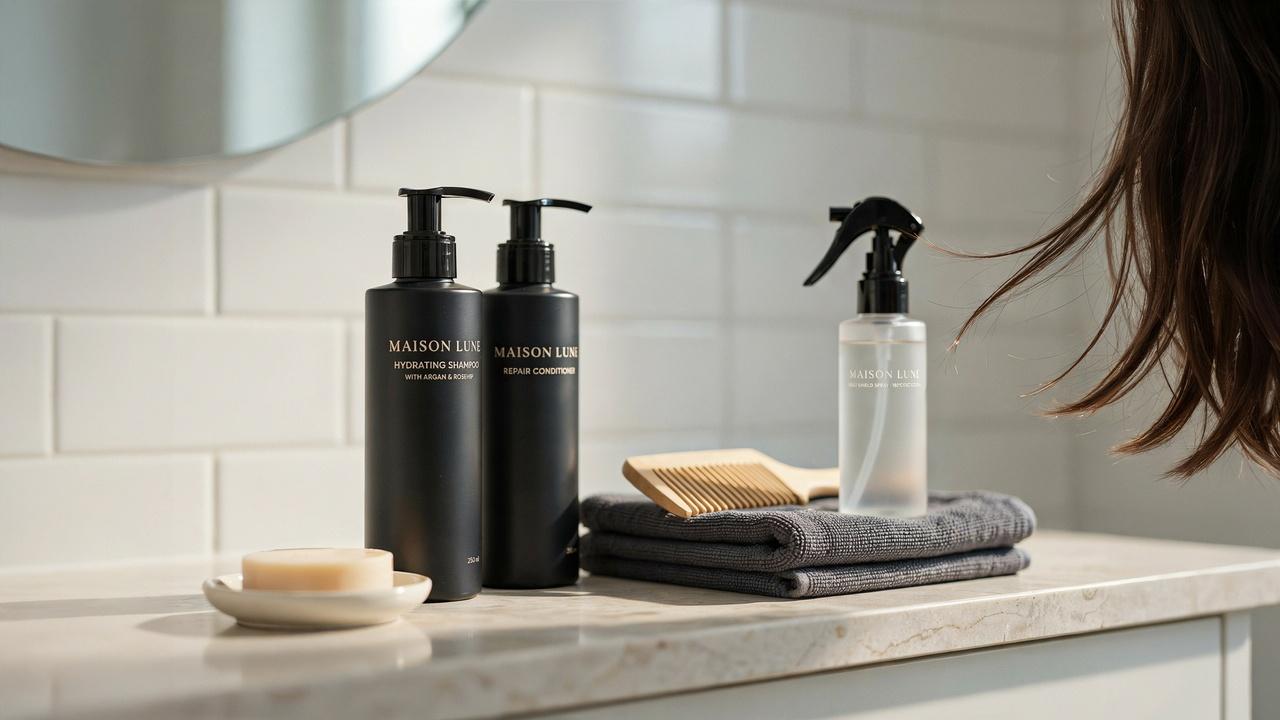
These habits cause real damage over time. Before you start, keep a few things ready, a shampoo suited to your hair type, conditioner, a wide-tooth comb, a microfiber towel, and heat protectant spray if you style after washing.
How to Wash Hair Properly Step-by-Step Guide
Follow these five steps every wash day for cleaner, healthier hair without the guesswork.
Step 1: Wet Your Hair Thoroughly and Use the Right Amount of Shampoo
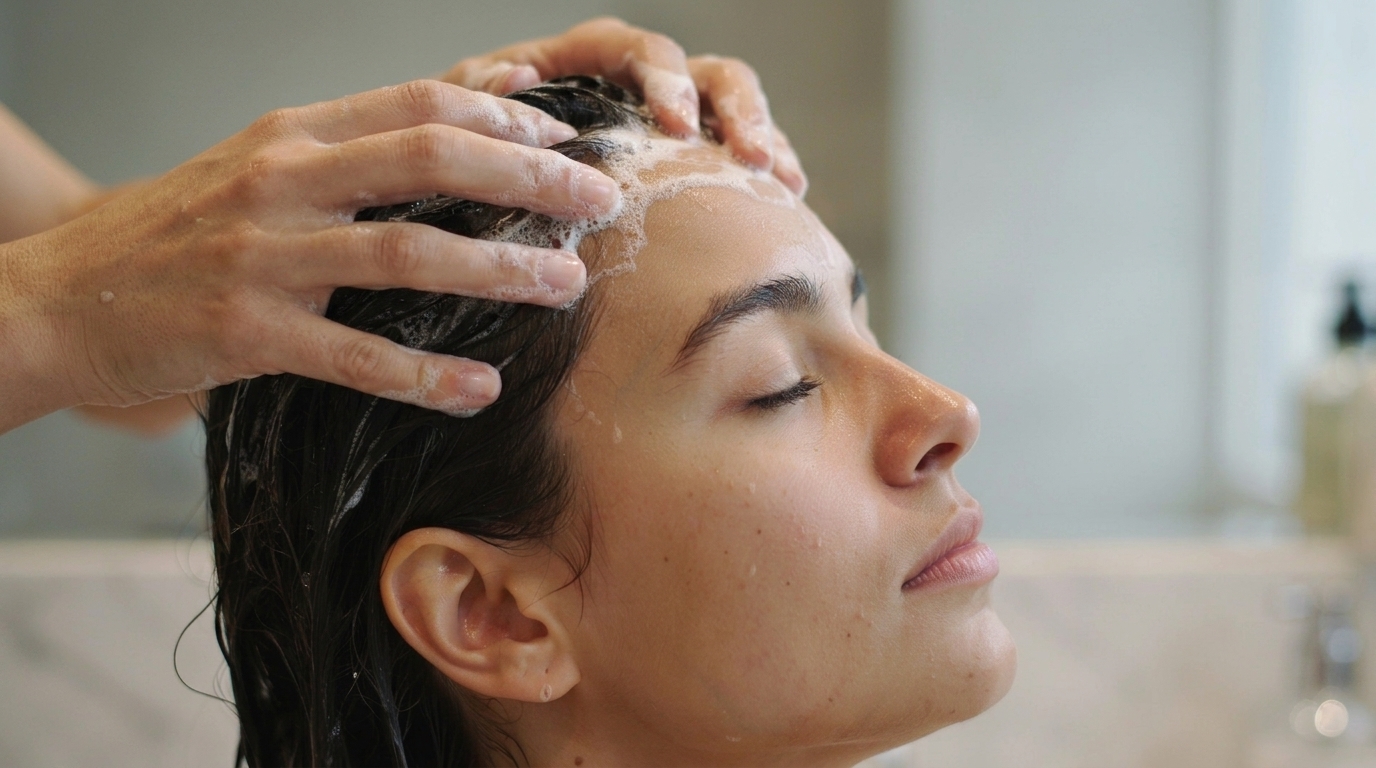
Start with warm water and make sure every strand is fully wet before applying shampoo. This helps the shampoo spread evenly.
Use a coin-sized amount for short hair and a little more for longer or thicker hair. Too much shampoo does not clean better. It just dries out your scalp and leaves residue behind.
Step 2: Massage Your Scalp and Lather Evenly

Apply shampoo directly to your scalp first, not the lengths. Use your fingertips in slow circular motions, never your nails.
Work from the front hairline to the back. The lather will naturally move down the lengths as you rinse, so there is no need to scrub the ends separately.
Step 3: Rinse Well and Shampoo Again if Needed
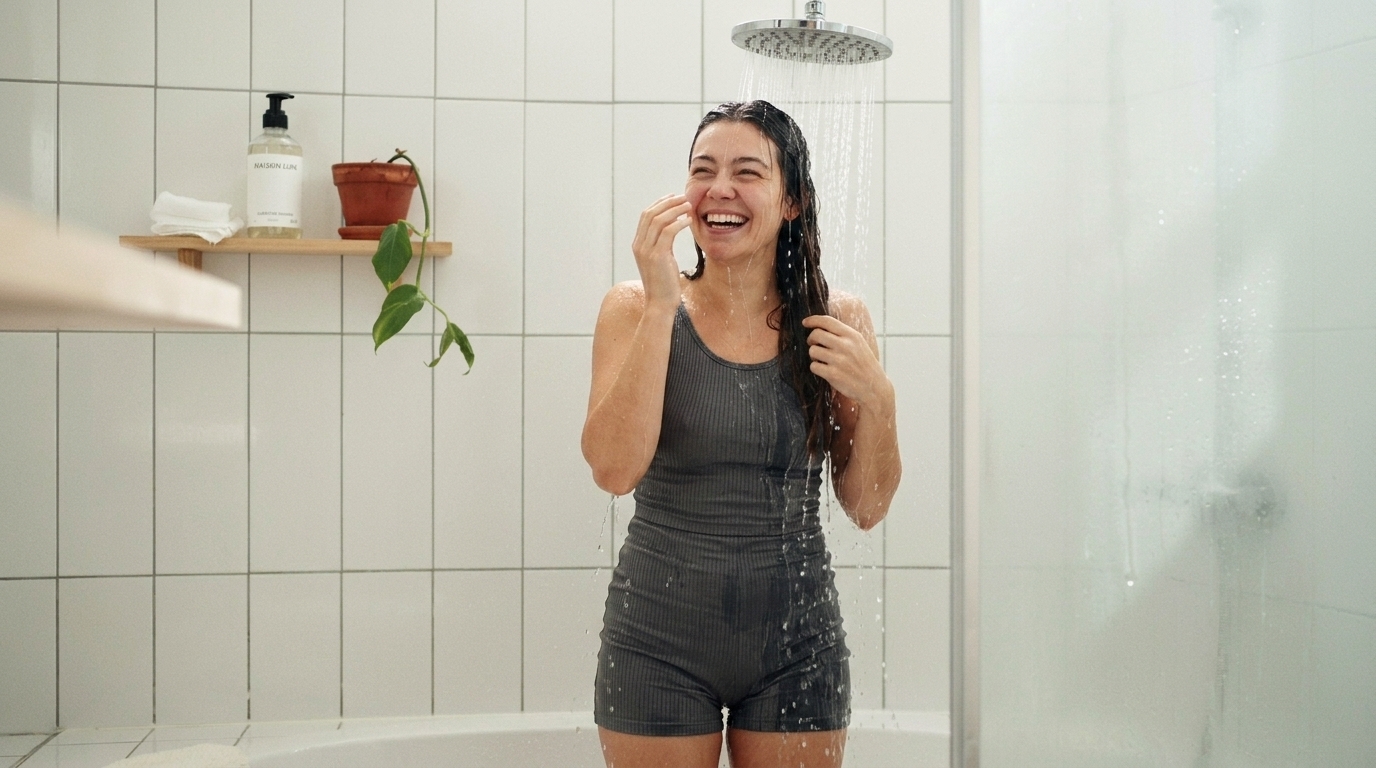
Rinse with lukewarm water until the water runs completely clear. Leftover shampoo makes hair look dull and feel heavy.
If you use a lot of styling products or skipped a few wash days, go in with a second round of shampoo. The second lather is usually much richer because the first wash already cleared the buildup.
Step 4: Apply Conditioner From Mid-Lengths to Ends

Keep the conditioner away from your scalp as it can clog follicles and make roots greasy. Start applying from the mid-lengths and work down to the tips.
Leave it on for two to three minutes so it can absorb properly. If your hair tangles easily, use a wide-tooth comb to spread it evenly while it sits.
Step 5: Rinse, Dry Gently, and Style With Heat Protection

Finish with a cool water rinse to seal the hair cuticle and add natural shine. Pat your hair dry with a soft towel and avoid rubbing, as wet hair breaks very easily.
If you plan to blow dry or use a flat iron, apply a heat protectant spray first. This one step saves your hair from a lot of long-term damage.
How Often Should You Wash Your Hair?
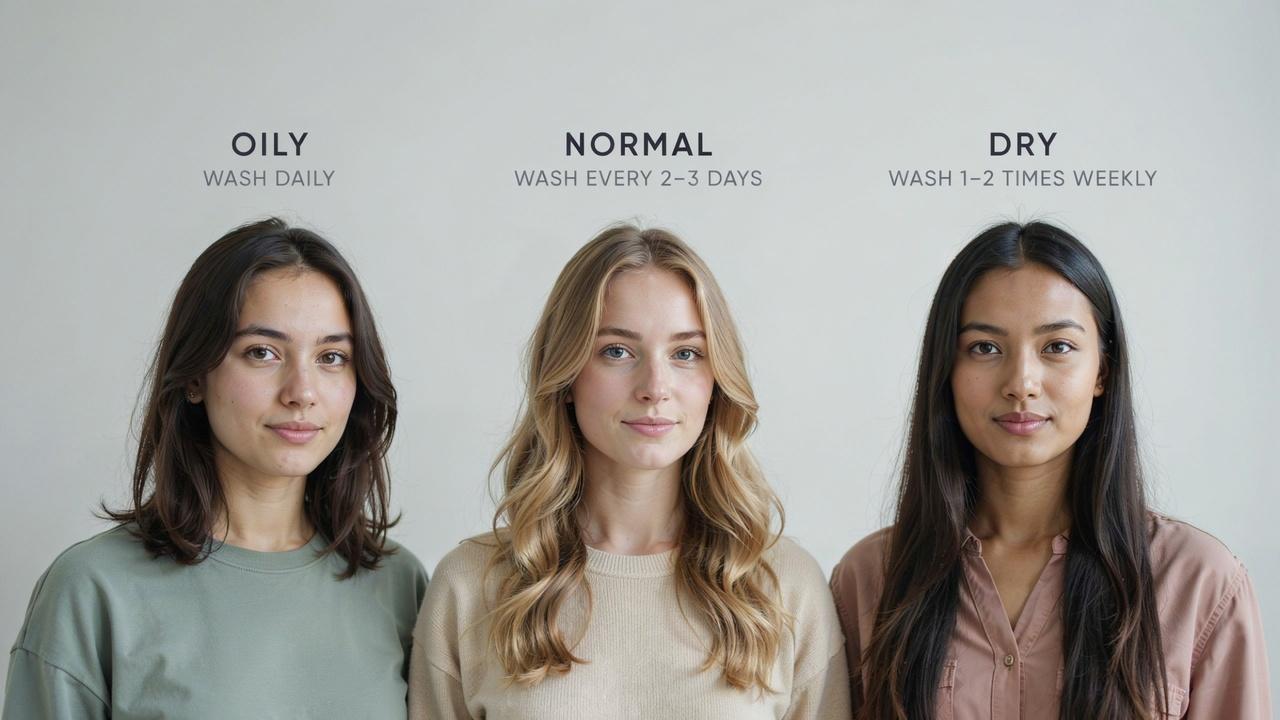
Washing too much or too little both cause problems. Find the right wash schedule for your hair.
Washing Frequency for Oily, Normal, and Dry Hair
- Oily hair: Wash every day or every other day.
- Normal hair: Two to three times a week works well.
- Dry hair: Once or twice a week is enough. More washing strips moisture.
How Hair Texture Affects Your Wash Schedule
Fine hair gets greasy faster, so it needs more frequent washing. Thick or coily hair holds moisture longer, so it can go longer between washes. Curly hair is more prone to dryness, so washing too often can cause frizz.
Signs It's Time to Wash Your Hair
Your hair might need a wash when
- It looks flat or greasy at the roots
- It has an odor
- It feels heavy or sticky
- Styling becomes harder than usual
How to Wash Hair Based on Your Hair Type

Different hair types need different approaches. One method does not work for all.
Fine and Straight Hair
Fine hair gets weighed down easily, so always go for a lightweight or volumizing shampoo. Skip heavy conditioners near the scalp and apply them only on the ends.
Washing every one to two days helps keep fine hair looking fresh and full. A little product goes a long way with this hair type.
Wavy and Curly Hair
Sulfate-free shampoo is the best choice for wavy and curly hair as it cleans without stripping moisture. Apply a curl-friendly conditioner generously and leave it on for a few minutes before rinsing.
Try co-washing between wash days to keep curls hydrated and defined. Always detangle with a wide-tooth comb while the conditioner is still in your hair.
Thick, Coily, and Color-Treated Hair
Thick and coily hair needs serious moisture, so reach for a creamy or moisturizing shampoo every wash day.
For color-treated hair, always use a color-safe shampoo to prevent fading and a strengthening conditioner to replace lost protein.
Deep conditioning at least once a week keeps both hair types from becoming dry and brittle. The more moisture you lock in, the healthier your hair will feel over time.
What to Do After Washing Your Hair

Post-wash care is just as important as the wash itself. Handle your hair gently when it's wet.
Dry Your Hair Without Causing Damage
Wet hair is at its weakest, so always squeeze out water gently with a microfiber towel instead of rubbing. Avoid wrapping your hair tightly in a towel as this causes frizz and breakage.
Air dry when you can, and if you use a blow dryer, keep it on medium heat and keep it moving.
Brush Your Hair the Right Way
Always start detangling from the tips and slowly work your way up to avoid snapping strands.
Use a wide-tooth comb on wet hair since brushes can cause too much breakage when hair is damp. Once your hair is fully dry, switch to a paddle brush for smooth, even strokes.
Apply Heat Protection Before Styling
Never skip heat protectant spray before picking up a blow dryer, flat iron, or curling wand. Hold your tool at least six inches away from your hair to avoid direct heat damage.
This simple habit reduces split ends and keeps your hair strong over time.
Deep Cleanse and Condition When Needed
Use a clarifying shampoo once a month to clear out stubborn product buildup that regular shampoo misses.
Always follow it with a deep conditioning mask and leave it on for five to ten minutes. This combo restores lost moisture and keeps your scalp feeling clean and balanced.
Tips to Keep Your Hair Healthy Between Washes
Small habits between wash days make a big difference in how your hair looks and feels.
- Use dry shampoo at roots on non-wash days and avoid heavy oils near the scalp. This prevents buildup that blocks follicles and makes hair look dull faster.
- Product residue left after washing clogs the scalp over time. Always rinse thoroughly to keep hair looking fresh and clean between wash days.
- Washing daily strips your scalp of natural oils, causing it to produce even more oil to compensate. Stretch your wash days gradually to train your scalp into a healthier balance.
- Most hair types stay clean with just two to three washes per week. Use dry shampoo or a loose style on off days to manage any extra grease.
- Always read product labels before buying and match them to your hair type. Avoid sulfates on dry or color-treated hair and skip silicone-heavy formulas that weigh hair down.
Conclusion
Learning how to wash hair properly changed my hair completely. It took a few small adjustments, but the results were worth it.
Your hair does not need expensive products. It needs the right technique and a little consistency. Start with the steps in this guide and adjust based on what your hair needs.
I'd love to know how it goes for you. Drop a comment below and share your experience. If this helped, share it with a friend who might need it too.
Frequently Asked Questions
Is it okay to wash your hair every day?
It depends on your hair type. Oily hair can handle daily washing, but dry or thick hair does better with less frequent washes to retain natural moisture.
Should you shampoo twice every wash?
A second shampoo is helpful if your hair has heavy product buildup or has not been washed in several days. For regular washes, once is usually enough.
Can you skip conditioner after shampooing?
Skipping conditioner leaves hair dry and prone to breakage, especially if you use heat tools. Always follow shampoo with conditioner on the mid-lengths and ends.
Does cold water really help your hair?
Yes. A cool water rinse at the end of your wash helps seal the hair cuticle. This reduces frizz and adds a natural shine to your hair.
Why does my hair feel greasy right after washing?
This could be due to product residue, hard water, or using too much conditioner near the scalp. Make sure you rinse completely and keep the conditioner away from the roots.