Skincare in Your 30s: Complete Routine Guide


When I hit my 30s, I noticed my skin starting to behave differently. Fine lines crept in, my glow felt harder to maintain, and my old routine just stopped cutting it.
Sound familiar? Skincare in your 30s is a real turning point, and I learned that quickly. This is the decade where consistency finally starts to show real results, but only if you are using the right ingredients.
In this blog, I will cover the key daily steps, targeted actives, and product picks that actually work, from tackling dullness and uneven texture to supporting collagen and keeping your skin healthy long term.
Why Skincare in Your 30s Is Important for Healthy, Youthful Skin

Your 30s are when skin starts to shift. Collagen slows down, cell turnover takes longer, and fine lines begin to appear.
A consistent routine helps you stay ahead of these changes.
Daily hydration, SPF, and the right active ingredients keep your skin strong, bright, and balanced.
You do not need a complicated routine, just the right habits done consistently. Starting now makes it easier to maintain healthy skin for years to come.
Recommended Skincare Routines for Individuals in Their 30s

Build a balanced routine that supports prevention, repair, and long-term skin health.
A random routine will not cut it in your 30s. Your skin needs structure , morning care that protects it from daily damage and a night routine that helps it recover.
Consistency and the right focus at the right time of day are all it takes. Get the structure right, and the results will follow.
Morning Skincare Routine for Daily Protection
Mornings are about protection. Cleanse, apply an antioxidant serum, moisturize, and always finish with SPF. These four steps shield your skin from UV damage, pollution, and daily stress before it even begins.
Night Skincare Routine for Repair and Renewal
At night, your skin shifts into recovery mode. This is the best time to use actives like retinol or peptides. A nourishing moisturizer at the end helps lock everything in while you sleep.
Weekly Skincare Routine for Deep Care
Two to three times a week, add exfoliation or a hydrating mask to your routine. These extra steps improve texture and keep your glow consistent without overloading your skin.
Adjusting Your Routine Based on Skin Type
Oily, dry, sensitive, and combination skin all respond differently to products. Knowing your skin type helps you pick the right formulas and avoid ingredients that could cause irritation or breakouts.
Step-by-Step Skincare in Your 30s

A simple, consistent routine that improves skin texture, tone, and overall appearance over time.
Skipping steps and expecting results never works. Each step has a job, and doing them in the right order makes every product work better. Follow the right sequence and your skin will show it.
Step 1: Cleanse to Remove Dirt and Oil
Start with a gentle cleanser that suits your skin type. It removes buildup from the day or night without stripping your natural moisture barrier. Clean skin absorbs everything that follows much better.
Step 2: Exfoliate to Boost Cell Turnover
Use a chemical exfoliant two to three times a week. It clears dead skin cells and helps your skin look brighter and feel smoother over time. Do not overdo it, consistency matters more than frequency.
Step 3: Apply Serums and Treatments
This is where targeted ingredients go in. Vitamin C works well in the morning for brightness, while retinol and niacinamide are better suited for nighttime use. Apply on clean skin before moisturizer for the best results.
Step 4: Moisturize and Protect with SPF
Moisturizer seals in hydration and keeps your skin barrier strong. During the day, always follow with a broad-spectrum SPF 30 or higher. This last step is the most important one you can take for long-term skin health.
Product Recommendations for Skincare in Your 30s

Focus on proven ingredients and the right formulas to build a routine that actually works.
A few well-chosen products with proven ingredients will always outperform a shelf full of mismatched ones. Focus on what works, not what looks good on packaging.
Give anything new at least six to eight weeks; consistency beats switching things up every time.
Best Cleansers for Different Skin Types
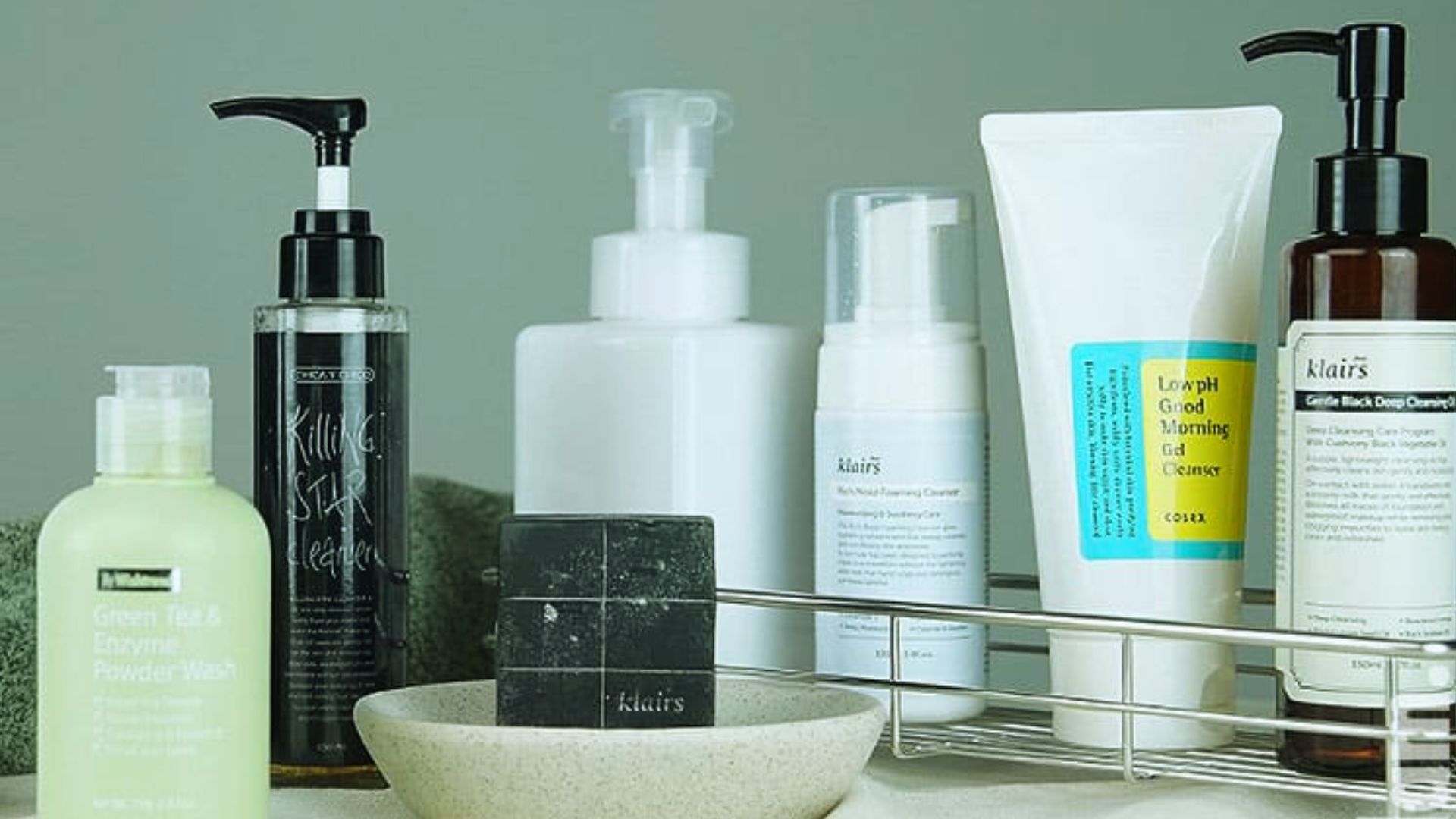
Gel cleansers suit oily or acne-prone skin, while cream cleansers work better for dry or sensitive types. The goal is a clean face without that tight, stripped feeling afterward.
Oily or Acne-Prone Skin:
- Cetaphil Oily Skin Cleanser
- La Roche-Posay Effaclar Purifying Foaming Gel
Dry or Sensitive Skin:
- CeraVe Hydrating Cleanser
- Simple Kind to Skin Moisturizing Facial Wash
Top Serums and Active Ingredients to Use
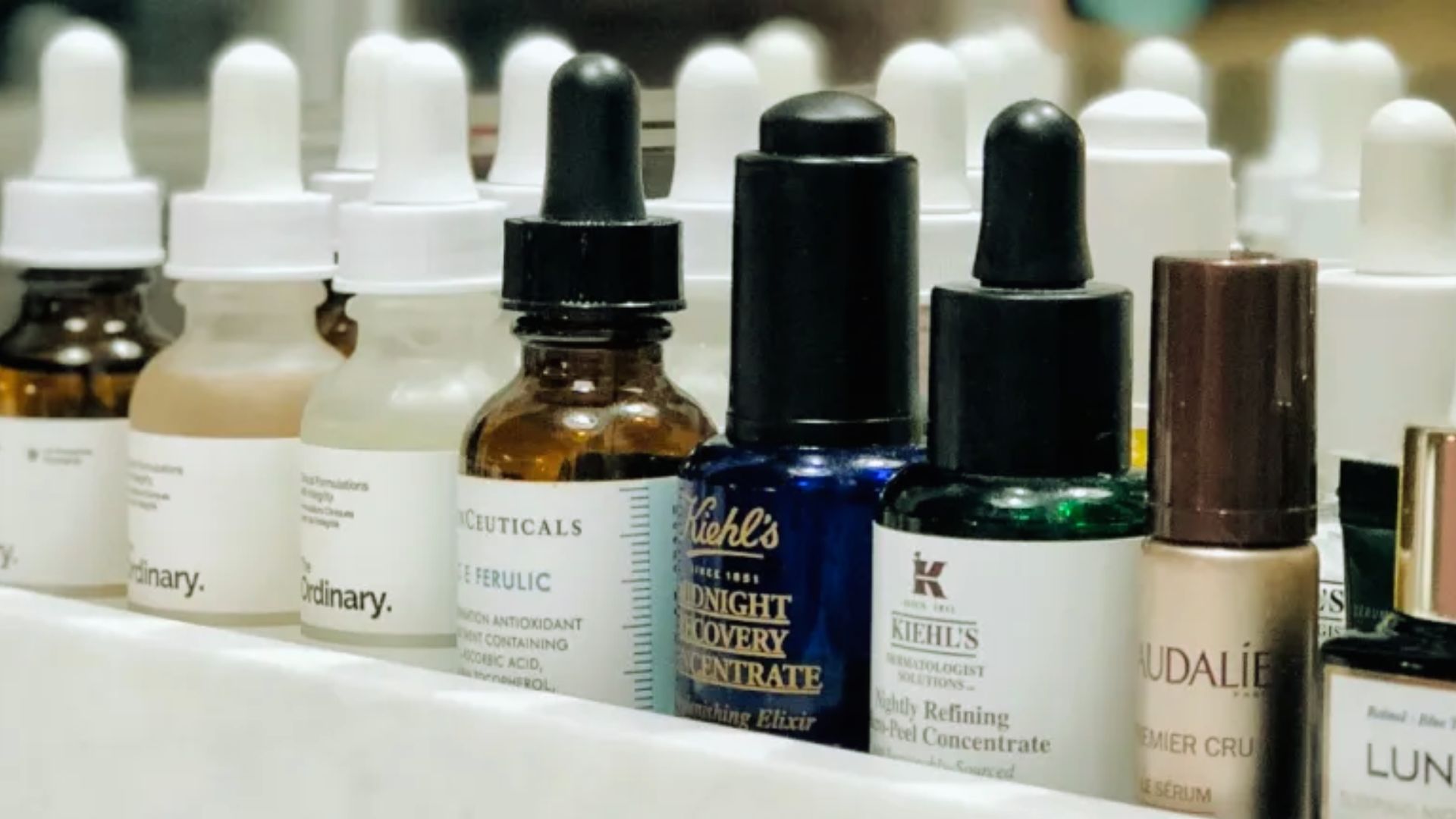
Vitamin C, retinol, and niacinamide are the three most effective ingredients for skin in your 30s. They target brightness, cell turnover, and uneven tone with consistent use over time.
Vitamin C (Morning Use):
- Minimalist 10% Vitamin C Serum
- La Roche-Posay Pure Vitamin C10 Serum
Retinol (Night Use):
- The Ordinary Retinol 0.5% in Squalane
- Olay Retinol 24 Night Serum
Niacinamide (Morning or Night):
- Minimalist 10% Niacinamide Serum
- The Ordinary Niacinamide 10% + Zinc 1%
Moisturizers for Hydration and Skin Barrier
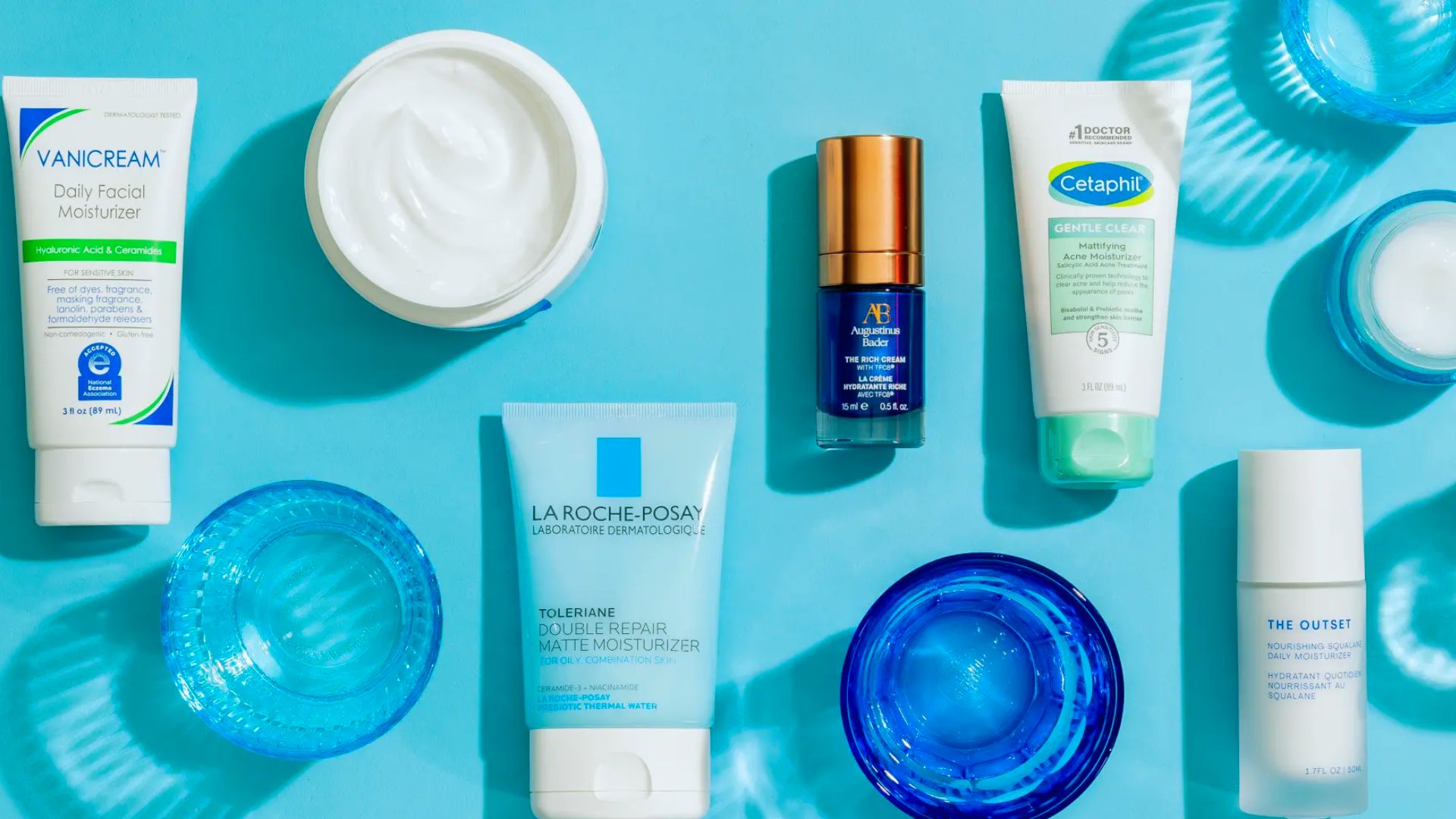
Look for formulas with hyaluronic acid or ceramides. These ingredients hold moisture in and keep your skin barrier functioning well through both day and night routines.
Oily or Combination Skin:
- Neutrogena Hydro Boost Water Gel
- Minimalist Sepicalm Moisturizer
Dry or Sensitive Skin:
- CeraVe Moisturizing Cream
- Cetaphil Moisturizing Cream
Sunscreens for Daily Protection
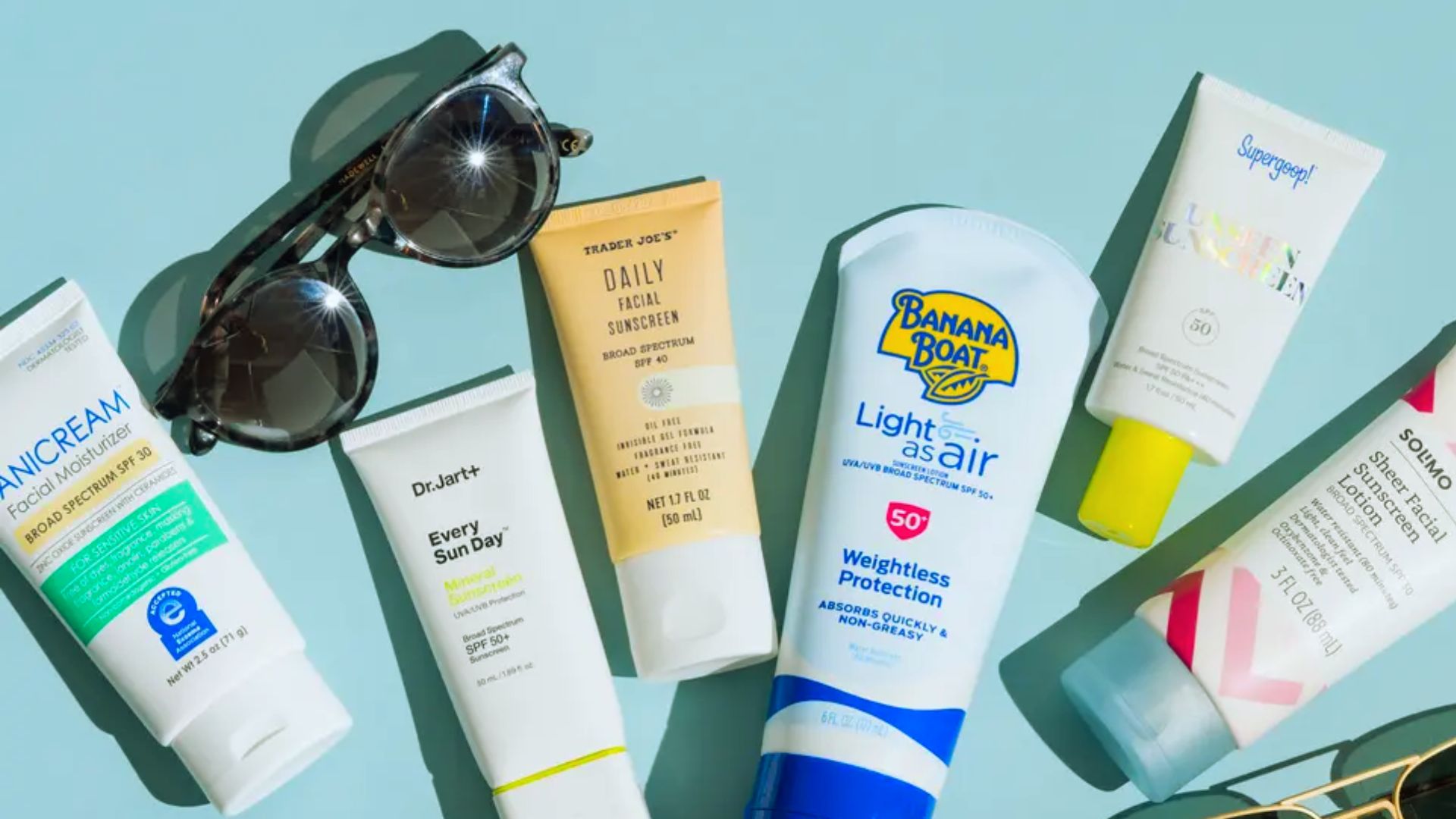
Use a broad-spectrum SPF 30 or higher every single morning, even on cloudy days. It is the most effective step you can take to slow down visible signs of aging over time.
Lightweight, No White Cast:
- La Roche-Posay Anthelios Invisible Fluid SPF 50+
- Neutrogena Ultra Sheer Dry-Touch SPF 50+
Budget-Friendly Options:
- Minimalist SPF 50 PA++++
- Aqualogica Glow+ Dewy Sunscreen
Simple Tips to Improve Skincare in Your 30s
Small daily habits can make a big difference in how your skin looks and feels over time.
- Stay consistent with your routine. Results come from regular use, not from switching products every few weeks.
- Always apply sunscreen daily. Sun protection is the most effective way to prevent early aging and dark spots.
- Introduce active ingredients slowly. Give your skin time to adjust to retinol or exfoliants before increasing frequency.
- Do not over-exfoliate your skin. Too much exfoliation can damage your skin barrier and lead to redness and irritation.
- Keep your routine simple and focused. A few effective products used consistently will always work better than layering too many.
Conclusion
Skincare in your 30s does not have to be complicated. I have learned that showing up consistently with the right products matters far more than chasing every new trend.
Small, focused steps done daily are what actually move the needle. Start with the basics, listen to your skin, and give your routine time to work.
If you found this helpful, share it with a friend who is figuring out their 30s skincare too. And drop your biggest skin concern in the comments below.
Frequently Asked Questions
What Is the Best Skincare Routine in Your 30s?
A simple routine with a cleanser, serum, moisturizer, and sunscreen works best for most people. Consistency with these basics matters far more than using too many products at once.
How Often Should You Use Retinol in Your 30s?
Start with two to three times a week and gradually increase as your skin adjusts. Using it at night gives your skin the best chance to respond without irritation.
Do You Need Sunscreen Every Day in Your 30s?
Yes, daily sunscreen protects your skin from damage, dark spots, and early signs of aging. Apply it every morning, even when staying indoors or on cloudy days.
Which Ingredients Are Most Important for Skincare in Your 30s?
Vitamin C, retinol, niacinamide, and hyaluronic acid are the key ingredients worth focusing on. They work together to support brightness, texture, tone, and hydration over time.
Can You Keep Your Skincare Routine Simple in Your 30s?
Yes, a few well-chosen products used regularly can give far better results than an overcomplicated routine. Focus on the basics, stay consistent, and give your products time to work.