13 Tanning Bed Tips for Beginners: Prep & Care


I’ve spent years helping people get their first safe tan, and I know how nervous it can feel walking into a tanning salon for the first time.
You’re probably wondering how long to stay in, what to wear, and how to avoid looking like a lobster.
Don’t worry, I’ve got you covered.In this guide, I’ll walk you through 13 tanning bed tips for beginners that actually work.
You’ll learn exactly how to prep your skin, protect yourself during sessions, and care for your tan afterward.
From choosing the right bed to timing your sessions perfectly, every tip here keeps your skin safe while building a natural-looking glow.
Let’s make your first tanning experience a good one.
How to Make the Most of Your First Tanning Sessions

Your first few tanning sessions set the foundation for everything that comes after.
Get them right, and you’ll build an even, lasting tan. Rush through them, and you risk burns, streaks, or skin damage that takes weeks to heal.
I always tell beginners the same thing: tanning is about preparation, not just UV exposure. What you do before, during, and after matters equally.
The 13 tips below cover prep, protection, and aftercare. Follow this approach, and you’ll see better results with less trial and error.
Let’s break down each step.
13 Tanning Bed Tips for Beginners
These steps work for everyone, from complete beginners to people who’ve tanned before and want better results.
1. Know Your Skin Type

Your skin type determines how you tan. The Fitzpatrick scale classifies skin into six types, from very fair to very dark.
Fair skin burns fast and needs shorter sessions. Darker skin handles more UV. Most salons use questionnaires to identify your type before your first session.
2. Choose the Right Tanning Bed

Lie-down beds offer relaxing, longer sessions with lower UV intensity. Stand-up beds provide shorter sessions with 360° coverage and better hygiene.
Match the bed type to your comfort level and skin type for best results. I recommend stand-up beds for beginners wanting even coverage.
3. Exfoliate Your Skin Beforehand

Dead skin cells block UV rays and cause uneven tanning. Exfoliating removes that top layer so your tan absorbs into fresh skin.
Use a loofah or gentle scrub 24-48 hours before tanning, not the same day. This helps your color last longer and fade evenly.
4. Hydrate Your Body

Well-hydrated skin absorbs UV better and holds color longer. Drink at least 8 glasses of water daily when tanning regularly.
Dehydrated skin burns easier and loses tan faster. Start hydrating days before your session, not just the day of. Your skin needs time to absorb moisture.
5. Moisturize Your Skin Daily
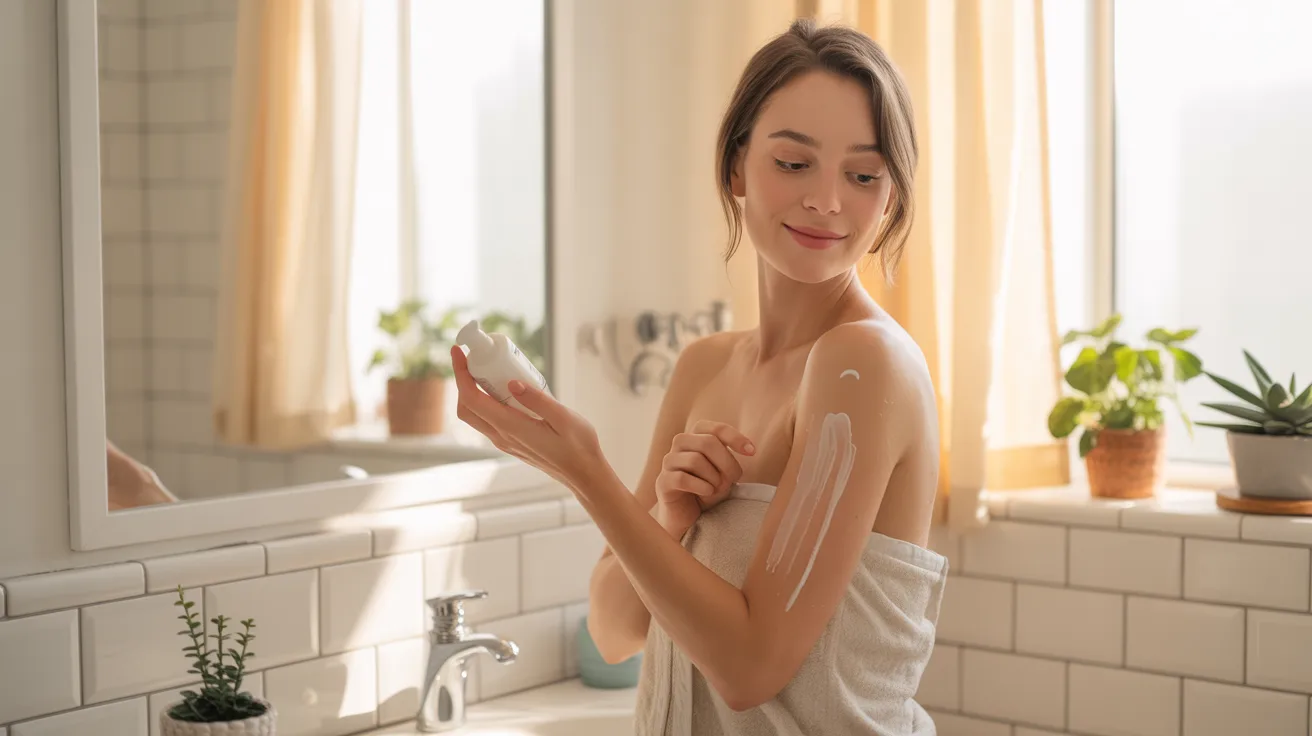
UV exposure dries out your skin after every session. Use light, non-oily moisturizers daily to keep skin healthy.
Apply heavy lotions after tanning, not before, as they can block UV rays. I moisturize twice daily, my tan lasts an extra week and my skin stays soft.
6. Avoid Makeup, Perfume, and Jewelry

Makeup and perfume can react with UV rays, causing irritation or dark spots. Remove all jewelry to prevent tan lines and white outlines.
Show up with completely clean skin, no foundation, deodorant, or accessories. Everything touching your skin will leave a mark you’ll regret later.
7. Apply Sunbed Cream or Tan Accelerator
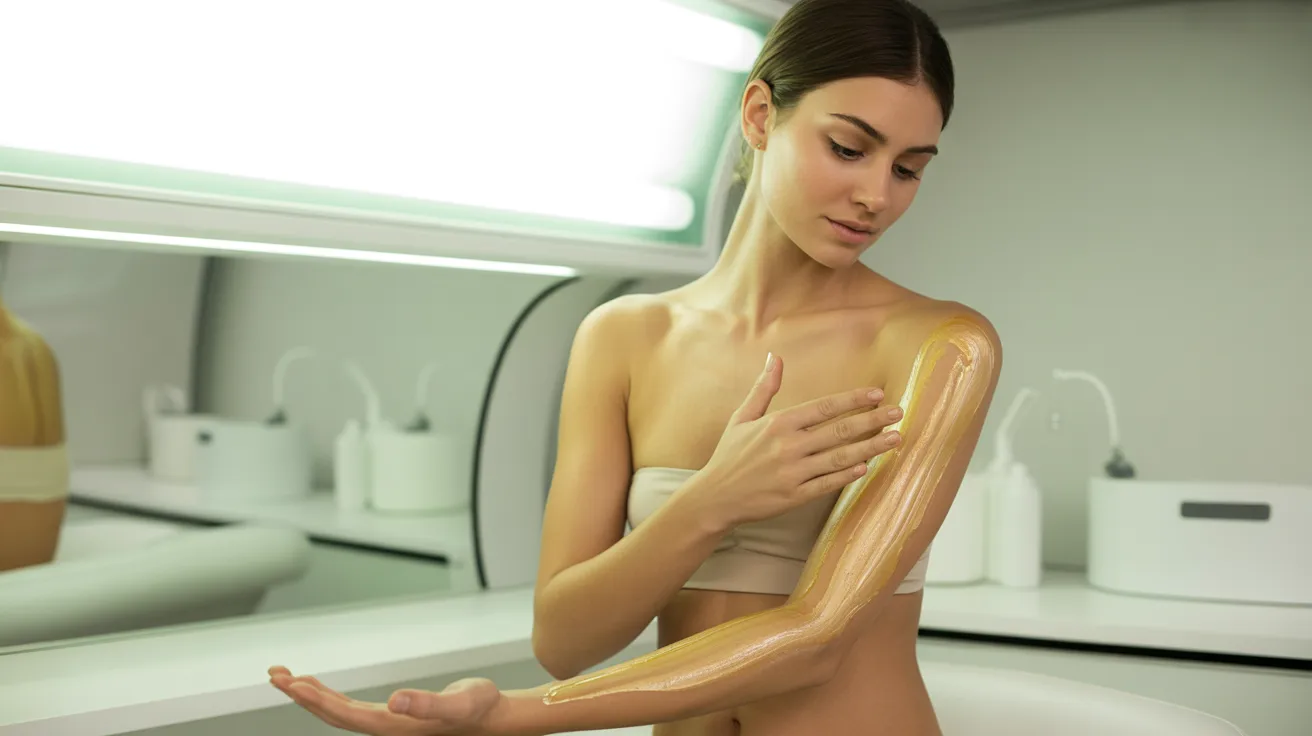
Indoor tanning lotions contain tyrosine and vitamins that help skin tan faster and darker. Apply evenly 15-20 minutes before your session.
Don’t use outdoor tanning oils or SPF products in tanning beds. Choose products made specifically for indoor tanning based on your skin type.
8. Protect Your Eyes

Always wear FDA-approved tanning goggles, closing your eyes isn’t enough. UV rays pass through thin eyelids and cause serious damage like cataracts and vision loss.
Don’t use sunglasses or cheap eyeshades. Bring your own goggles if possible and clean them after every session for safety.
9. Protect Sensitive Areas and Tattoos

Use SPF lip balm every session since lips don’t tan, they burn. Protect nipples with covers or stickers to prevent irritation.
Wait 4-6 weeks after getting tattooed before tanning. Cover older tattoos with SPF 50 to keep colors vibrant and prevent fading from UV exposure.
10. Change Positions During the Session

Pressure points block UV where your body touches the bed surface. Move your arms, legs, and body position every 2-3 minutes.
Stand-up beds make this easier since you’re not lying against anything. Shifting positions prevents pale patches and helps blood flow during your session.
11. Timing and Frequency
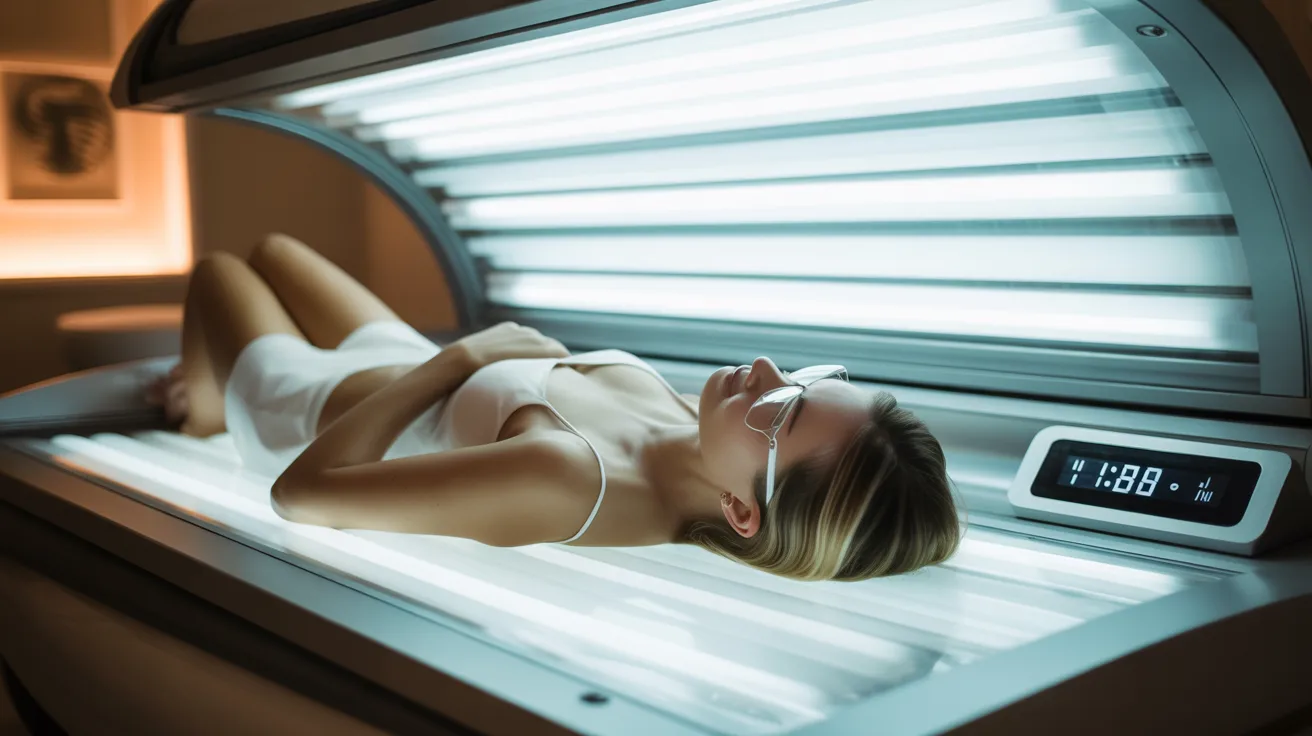
Start with 3-10 minute sessions based on your skin type. Wait 24-72 hours between sessions for skin recovery. Tan 2-3 times per week maximum, never daily.
Gradually increase session time by 1-2 minutes as your base develops. Track each session to monitor your skin’s response.
12. Post-Tanning Care

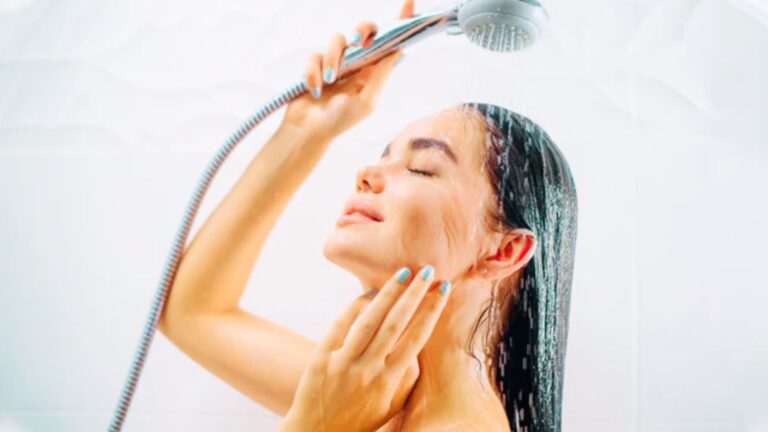
Wait 2-3 hours before showering so your tan can fully develop. Moisturize immediately after with tan extenders or deep moisturizers.
Drink water to rehydrate from the inside. Avoid harsh soaps for 24-48 hours. I use tan extender nightly, it keeps my color vibrant for 5-7 days longer.
13. Listen to Your Skin

Stop tanning immediately if you experience burning, itching, or rashes. Your skin’s reactions tell you what needs adjusting.
Don’t push through discomfort for faster results, damaged skin doesn’t tan well anyway. Ask salon professionals if you’re unsure about any reactions. Your skin is smart; listen to it.
Common Mistakes to Avoid When Tanning
I’ve seen beginners make the same mistakes over and over.
- These errors ruin your tan, damage your skin, or waste your money. Most are easy to avoid once you know what to watch for.
- Tanning too long on your first session is the biggest mistake. You think more time equals better results. It doesn’t. You just burn. Start short and build up slowly, there’s no shortcut.
- Skipping eye protection because you don’t want tan lines. I get it. But UV damage to your eyes is permanent. Wear the goggles. Those tan lines fade in days. Vision loss doesn’t.
- Tanning every day to speed up results. Your skin needs recovery time between sessions. Daily tanning doesn’t make you tan faster, it just damages skin cells and increases your cancer risk.
Avoid these mistakes, and you’ll save yourself pain, money, and disappointing results.
Conclusion
Tanning beds can give you great results when you do it right. I’ve watched too many beginners skip the basics and end up with burns or patchy color. You don’t have to make those mistakes.
Start slow, protect your skin, and build your tan over time.
These 13 tips aren’t just theory, they’re what actually works. I still use them myself, and my tan stays even, lasts longer, and never crosses into damaged territory.
Ready to get started? Try one or two tips this week and build from there.
Got questions or want to share your experience? Drop a comment below.
Frequently Asked Questions
Got questions about tanning beds? Here are the answers beginners ask most often.
How long should I stay in a tanning bed for my first time?
Start with 3-5 minutes for fair skin or 7-10 minutes for darker skin. Never exceed your recommended time. Build up slowly to avoid burns.
Can I tan every day to get faster results?
No, daily tanning damages your skin without faster results. Wait 24-72 hours between sessions. Tan 2-3 times per week maximum.
Do I really need to wear goggles in a tanning bed?
Yes, always wear FDA-approved goggles. UV rays pass through closed eyelids and cause permanent eye damage. Skipping goggles risks cataracts and vision loss.
Should I shower before or after tanning?
Shower before to remove oils and makeup. After tanning, wait 2-3 hours. This lets your tan fully develop before water washes it away.
How can I make my tan last longer?
Moisturize daily with tan extenders and drink plenty of water. Avoid harsh soaps and limit exfoliating. Hydrated skin holds color longer.