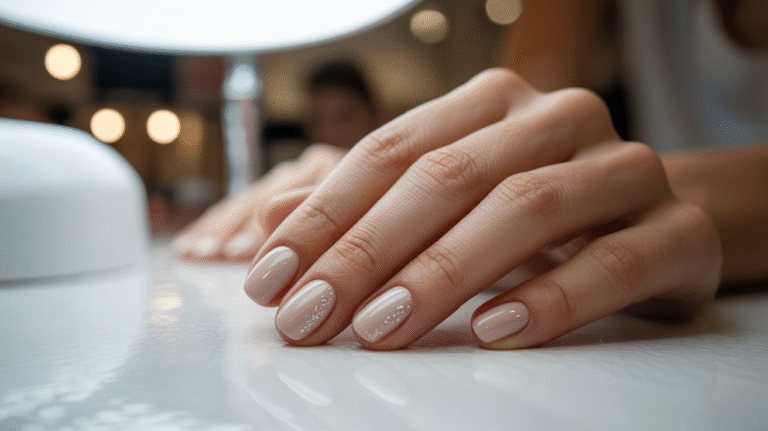
How Long to Soak Nails in Acetone: Tips & Hacks

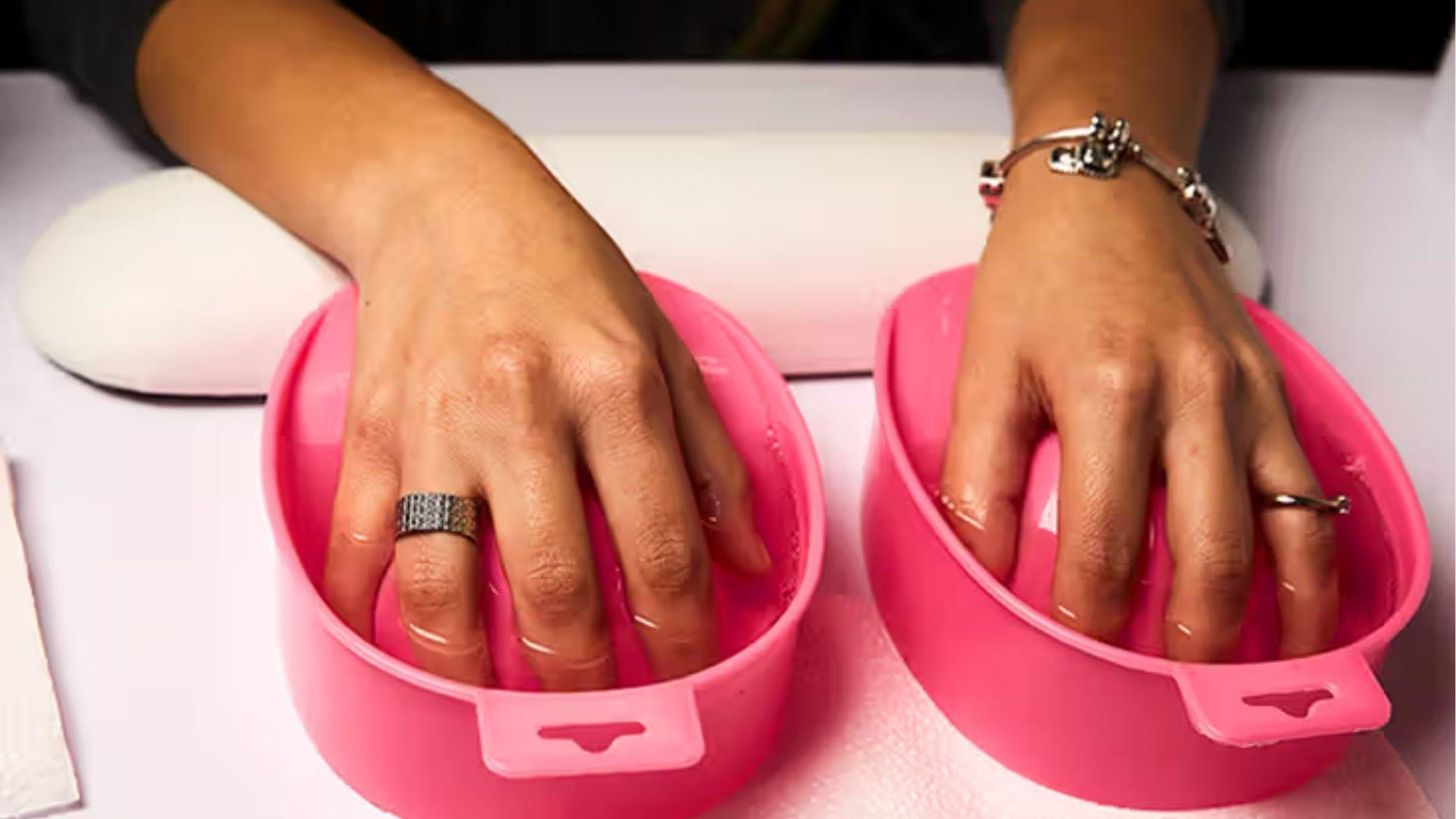
I have been there with gel nails that just won't budge, and no clue how long to soak nails in acetone without ruining them.
The good news? It is simpler than you think.Most gel nails need 10 to 15 minutes of soaking time.
But the right timing depends on your nail type, coat thickness, and method.
In this guide, I will cover; Soaking times for gel, dip, and acrylic nails The best hacks for faster removal Common mistakes to skip How to care for nails after soaking.
With years of personal experience and research, I will help you get clean removal without the damage.
How Long to Soak Nails in Acetone (Quick Answer Guide)
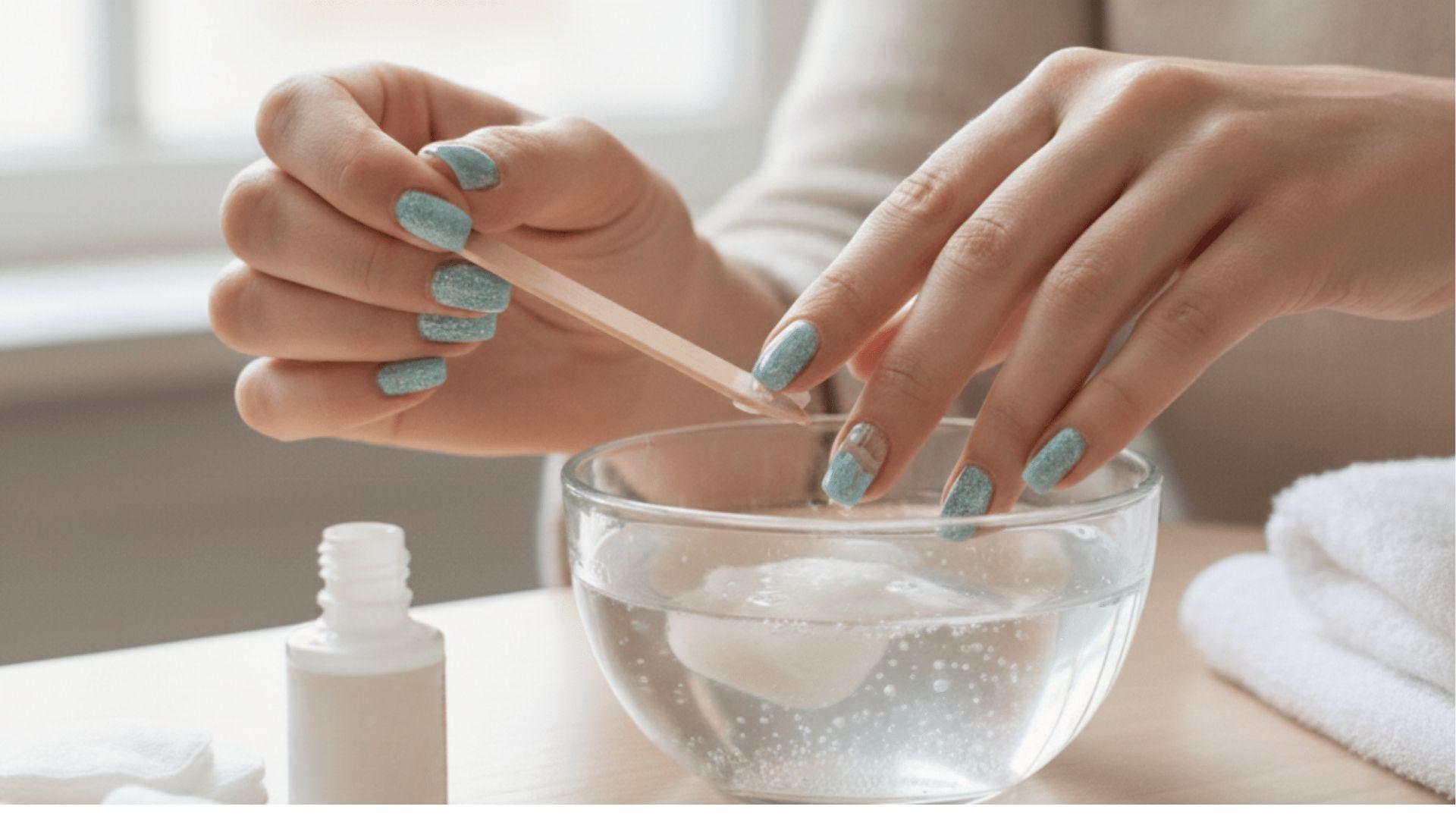
A clear breakdown of soaking times based on nail type and coat thickness.
For standard gel polish, 10 to 15 minutes is enough to soften and lift it clean. Thick layers or multiple coats need 15 to 20 minutes, and filing the top coat first helps cut that time down.
Dip powder takes a bit longer since it bonds differently and has more layers. If gel is still holding after 15 minutes, extend to 20 but apply cuticle oil around the skin first to avoid irritation.
How Long to Soak Nails in Acetone to Remove Gel Nails
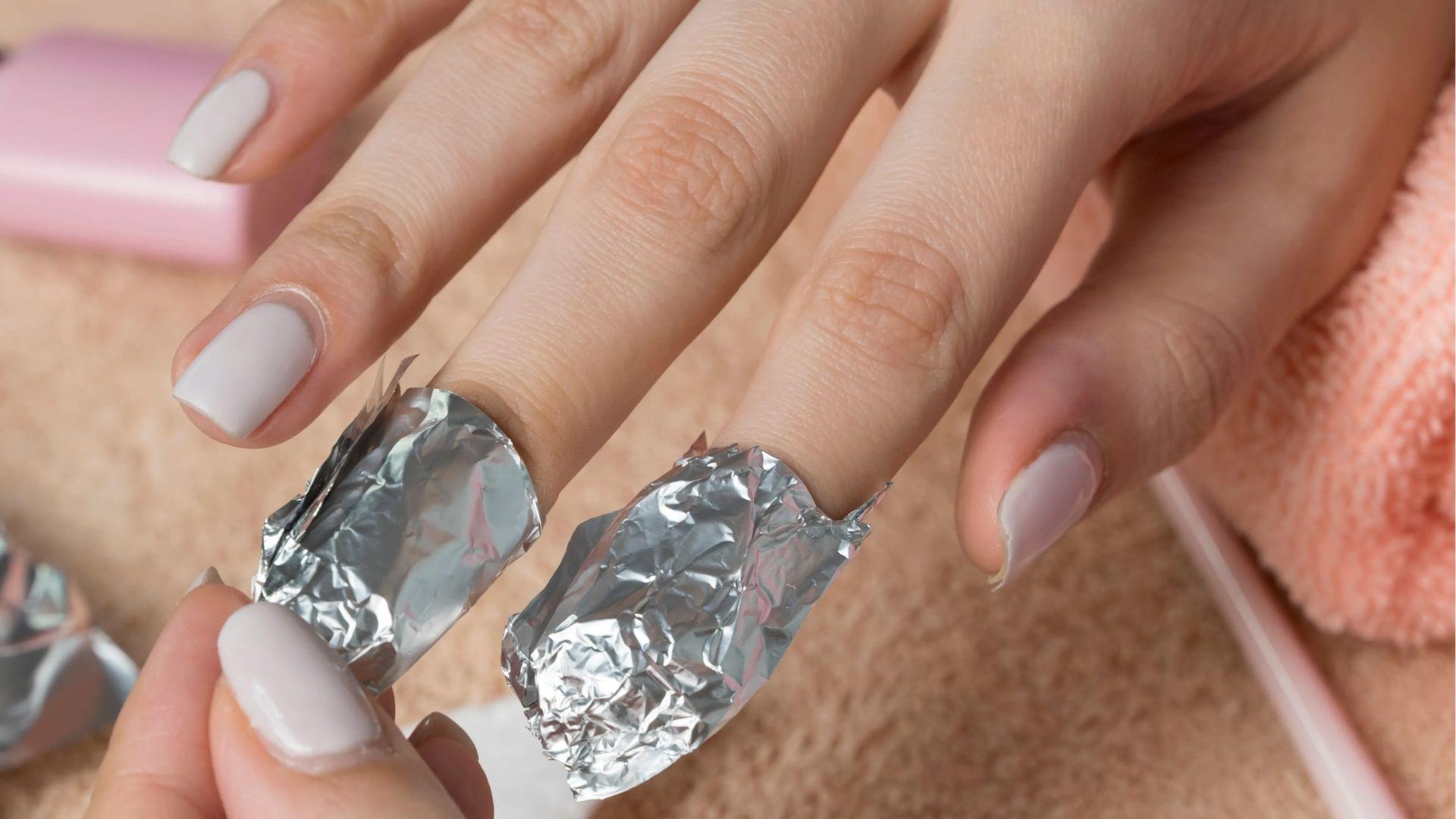
Knowing the right soak time for gel removal keeps your nails safe and avoids unnecessary breakage.
How Long to Soak Nails in Acetone to Remove Gel Polish
For standard gel polish removal, 10 to 15 minutes in 100% pure acetone is the sweet spot.
Wrap your fingertips in foil with an acetone-soaked cotton pad for best results. Check at the 10-minute mark.
How Long to Soak Nails in Acetone Gel with Extensions or Thick Coats
Extensions and thick gel builds need more time. Start at 15 minutes and check progress. If the gel is still firm, give it another 5 minutes.
Always file the top shiny layer off before soaking to speed things up.
Signs Gel Is Ready to Come Off
The gel will start to lift at the edges. It looks soft, a bit crumbly, or starts separating from the nail. You should be able to push it off gently with a wood stick. If it resists, soak a bit longer.
What to Do If Gel Does Not Come Off After Soaking
Re-wrap and soak for another 5 minutes. Do not scrape or peel. Check that you are using 100% acetone and not a nail polish remover blend.
Gently buff the surface again and re-soak if needed.
Best Hacks to Make Nail Soaking Faster and More Effective
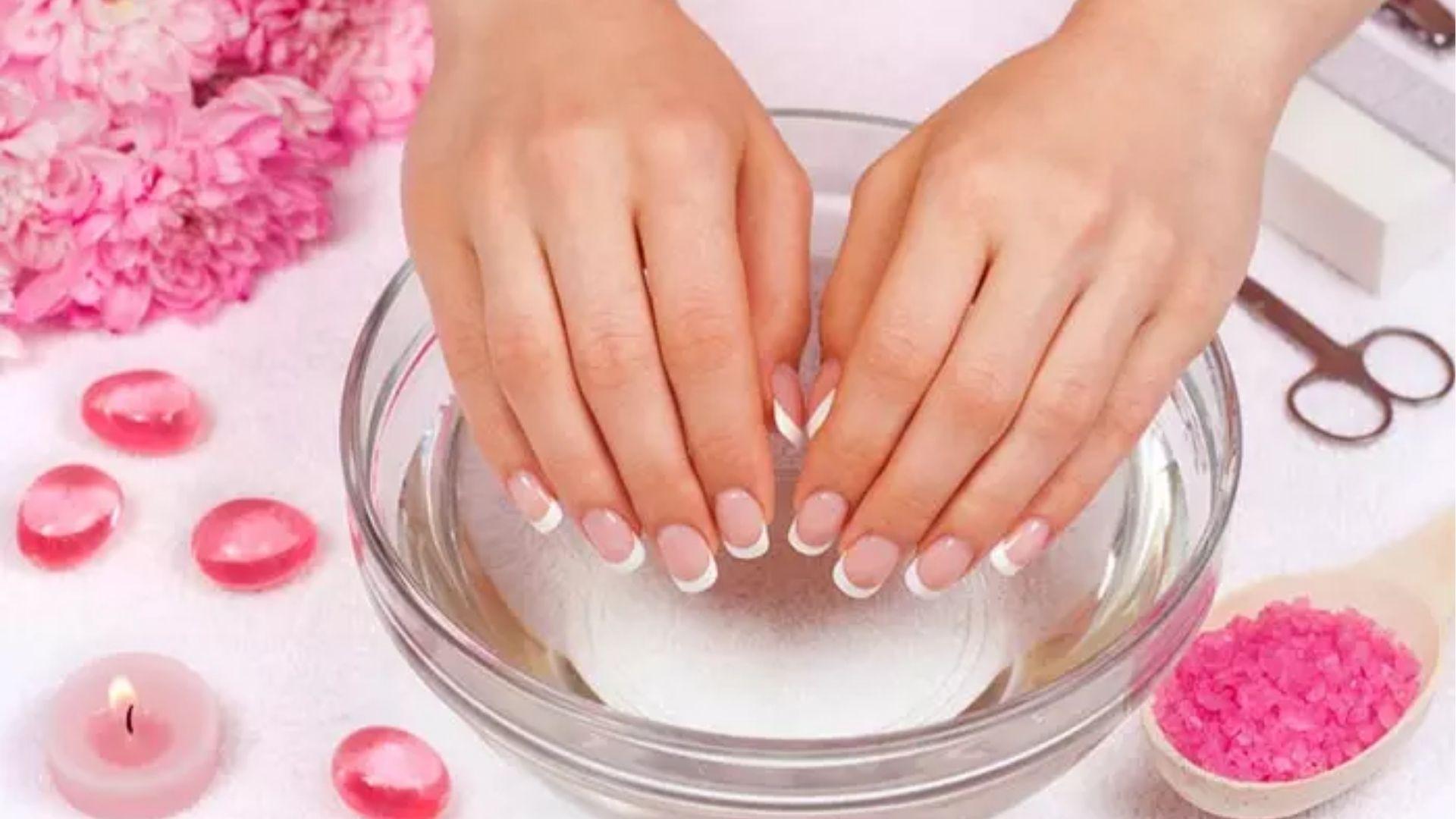
These simple tricks can cut your removal time and protect your nails in the process.
Warm Acetone Hack for Quicker Breakdown
Warm acetone works faster than cold. Place your acetone bottle in a bowl of warm water for a few minutes before use.
Do not microwave acetone; it is highly flammable. Warm acetone softens gel faster and cuts soak time noticeably.
Filing Top Layer to Reduce Soaking Time
Use a coarse nail file to break through the shiny top coat. This opens up the surface so acetone can get to work right away.
Skip this step and you are adding 5 or more minutes to your soak time.
Foil Wrap Method for Better Heat Retention
Wrap each finger in aluminum foil over the soaked cotton pad. Foil traps heat and keeps acetone in contact with the nail.
This method is standard for a reason it really does speed up the process.
Breaking Gel Seal for Faster Absorption
Even if you have already filed, gently buffing the nail plate helps break any remaining seal. A light once-over with a 180-grit file is enough. You just want to dull the surface, not thin the nail.
Common Mistakes When Soaking Nails in Acetone
Small errors during removal can lead to real nail damage and avoid these to keep nails healthy.
- Soaking nails for over 20 minutes dries out the nail plate and leaves them brittle and weak
- Peeling or scraping gel instead of soaking pulls off natural nail layers and causes real damage
- Skipping the filing step before soaking makes acetone take longer to break through the top coat
- Using diluted acetone or regular nail polish remover slows down removal and gives poor results
- Rushing the process without cuticle oil or prep leaves nails dry and irritated after every soak
What Happens If You Soak Nails Too Long in Acetone
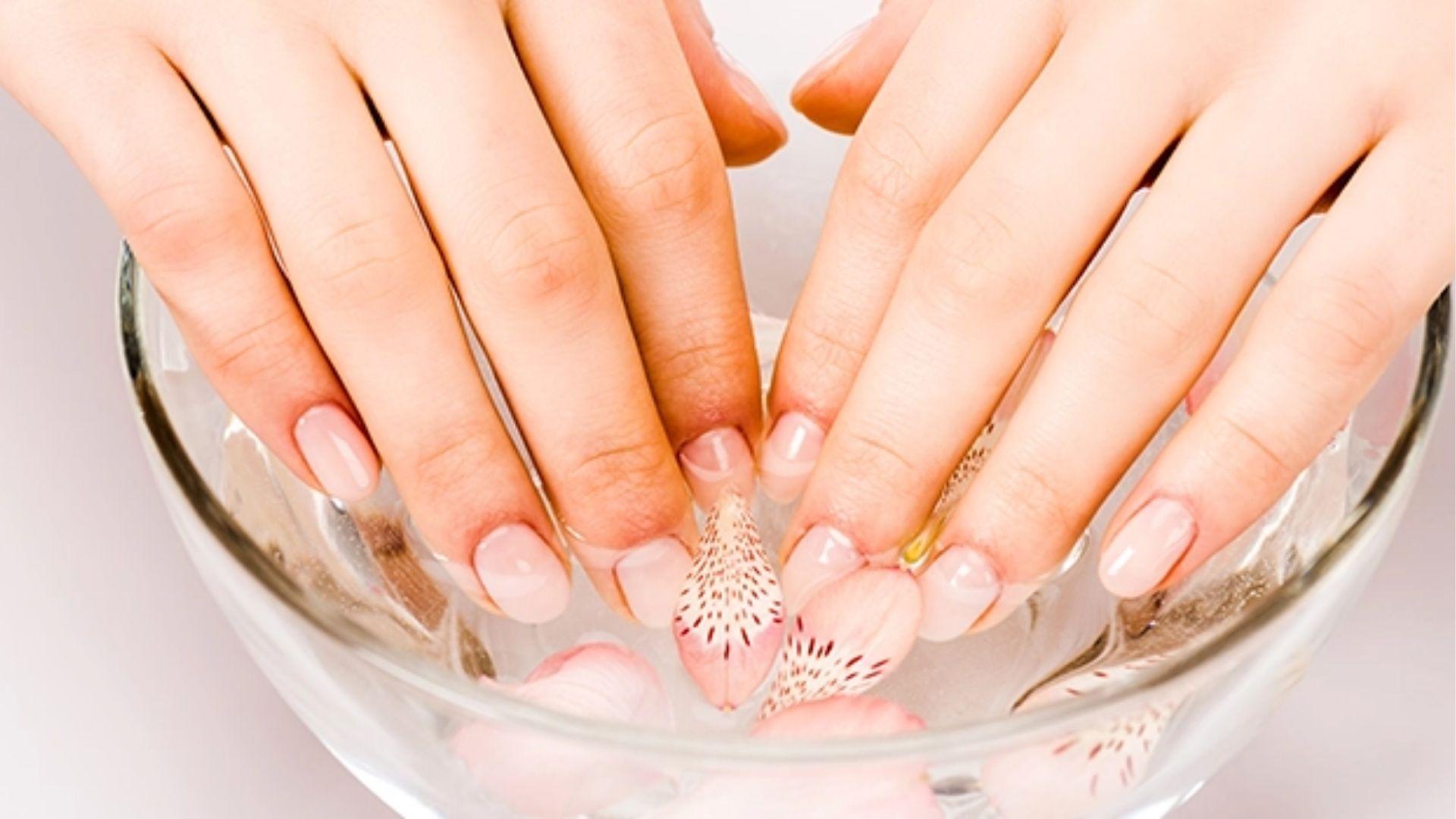
Overdoing acetone exposure has real effects on nail health that build up over time.
Dry and Brittle Nails
Acetone strips natural oils from the nail plate. Soaking too long leaves nails feeling rough, thin, and prone to breaking. You will notice nails peel or snap more easily in the days after.
Cuticle Irritation and Sensitivity
The skin around your nails is sensitive. Prolonged soaking can cause redness, dryness, and peeling around the cuticle area.
Apply a barrier of cuticle oil or petroleum jelly before soaking to reduce this.
Nail Thinning Over Time with Repeated Exposure
Frequent and long acetone soaks thin the nail plate gradually. If you get gel manicures often, keep removal sessions short and prioritize nail recovery time between applications.
How to Protect Nails During and After Acetone Soaking
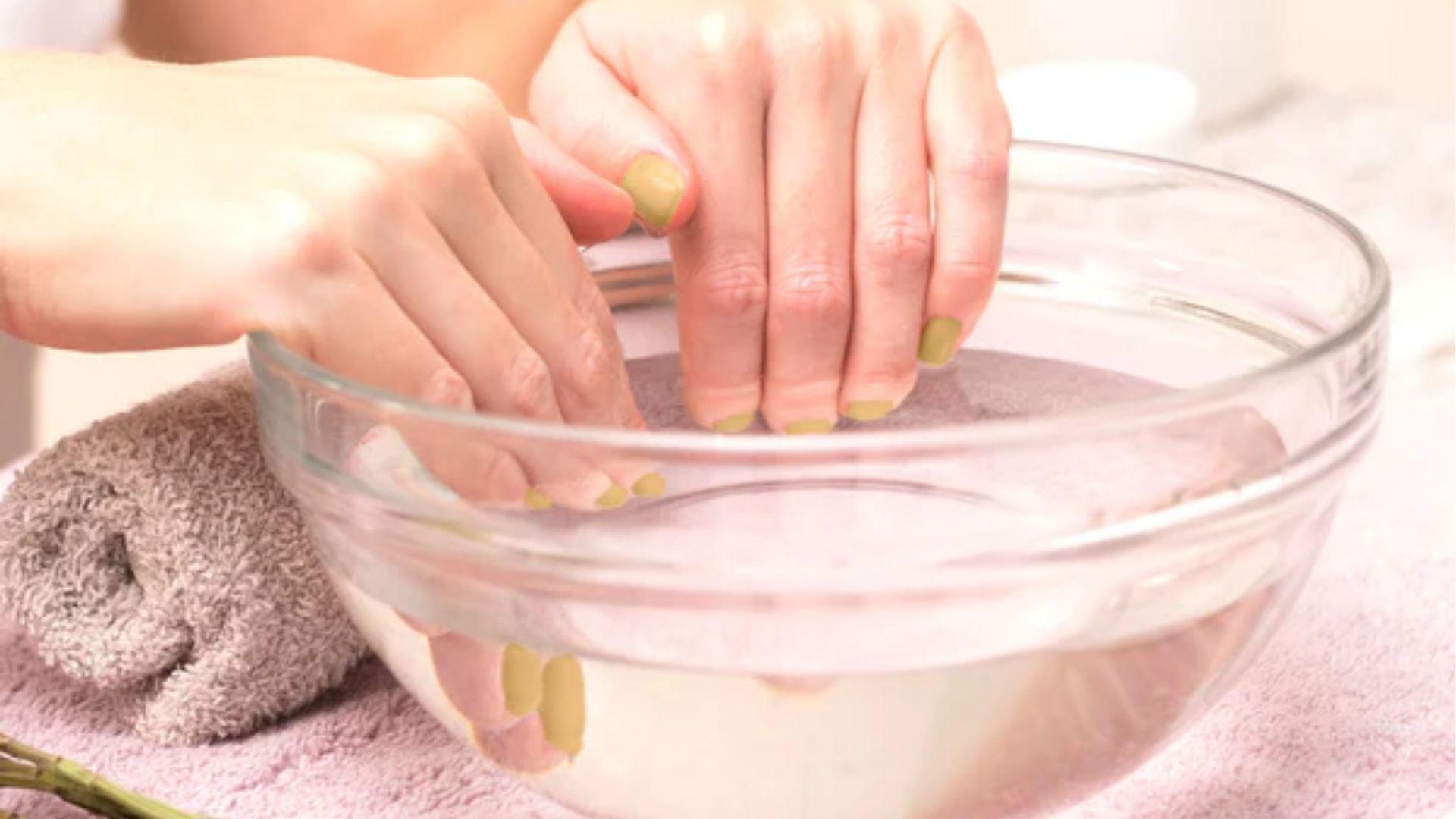
A little care before and after soaking goes a long way in keeping your nails strong.
Using Cuticle Oil or Protective Barrier Before Soaking
Before you start, apply cuticle oil or petroleum jelly to the skin around each nail. This protects the surrounding skin from direct acetone contact while still letting the nail soak.
Immediate Hydration After Removal
Right after soaking, wash your hands and apply a nourishing hand cream or cuticle oil. Nails absorb moisture quickly after acetone exposure, so this is the best time to rehydrate them.
Giving Nails Recovery Time Between Manicures
Let your nails breathe for at least a few days between gel applications. Repeated soaking without breaks leads to long-term thinning and weakness. A short break makes a big difference.
Strengthening Care for Long-Term Nail Health
Use a nail strengthener or hardener between manicures. Keep nails filed and trimmed to avoid breakage. Drink enough water and eat foods rich in biotin for stronger natural nail growth.
Smart Tips for Healthier Nail Removal
Simple habits that protect your nails and make every removal session cleaner and safer.
- Always use 100% pure acetone for the best results
- File the top coat before soaking to save time
- Wrap fingers in foil to keep acetone working longer
- Apply cuticle oil before and after every soak
- Moisturize hands and nails right after removal
Conclusion
Knowing how long to soak nails in acetone really does make all the difference.
I used to rush through removal and end up with peeling, sore nails. Once I started timing it properly and prepping first, everything changed.
Most nails need just 10 to 20 minutes. Be patient, prep well, and care for your nails right after. Your nails will thank you.
If this helped you, drop a comment below and share what method worked best for you. And if a friend is struggling with gel removal, share this post with them!
Frequently Asked Questions
Can I soak my nails in acetone every week?
It is not advised. Frequent acetone soaking dries out the nail plate and weakens nails over time. Try to space out gel removals and give nails a break between applications.
Does warm acetone remove gel faster?
Yes, warm acetone breaks down gel quicker than room-temperature acetone. Place the bottle in warm water for a few minutes before use. Never heat acetone directly or use a microwave.
How do I know when gel nails are ready to come off?
The gel will look soft, slightly crumbly, or begin to lift at the edges. A gentle push with a wood stick should slide it off easily. If it resists, soak for a few more minutes.
Is it okay to soak nails in acetone without foil?
You can use a bowl soak, but foil is more effective. It keeps acetone in direct contact with the nail and retains warmth. Bowl soaking works but often takes longer and dries out surrounding skin more.
What happens if I peel gel instead of soaking it off?
Peeling gel pulls off the top layers of your natural nail. This causes thinning, roughness, and sensitivity. Always soak first, no matter how tempting it is to peel.