Tretinoin Alternatives: Compare Safe Skincare Options

Tretinoin works. But it’s not right for everyone.
I’ve used tretinoin myself. The dryness, the peeling, the months of irritation. It felt like my skin was fighting me. If that sounds familiar, you’re not alone.
Here’s what we’ll cover: Why do people look for tretinoin alternatives? The best options, retinol, bakuchiol, adapalene, and more. How to choose based on your skin type and concern.
With hands-on testing and research-backed comparisons, you’ll leave with a clear answer, not just more confusion.
What Is Tretinoin and Why Look for Alternatives?

Tretinoin is a prescription-strength retinoid. It comes from vitamin A. Doctors have prescribed it for decades to treat acne, fine lines, dark spots, and uneven skin texture.
It works by speeding up how fast your skin renews itself. New cells come in faster. Old, dull cells clear out. Over time, this leads to smoother, clearer skin.
It is one of the most studied skincare ingredients out there. Dermatologists trust it. The research backs it up. But studying does not always mean suitable for everyone.
Some people cannot tolerate it. Others are not allowed to use it at all. And for many beginners, it is simply too strong to start with. That is exactly why so many people look for something that delivers similar results without the harshness.
Best Tretinoin Alternatives (Quick Comparison Guide)
Not every skin responds well to tretinoin. The good news is there are real options that work. Some are gentler.
Retinaldehyde and Tretinoin
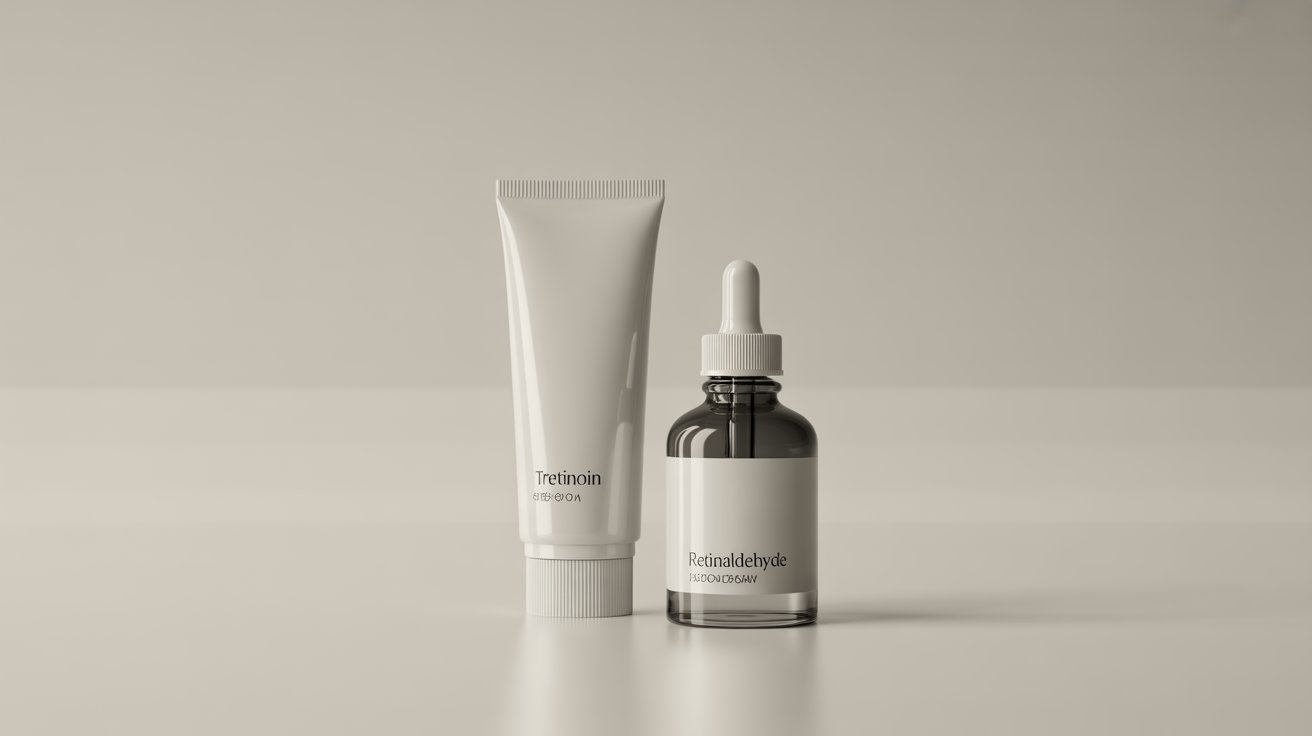
Retinaldehyde is the closest OTC option to tretinoin. It sits one step away from retinoic acid, so your skin barely has to convert it.
You get similar results with far less irritation. It is harder to find and costs more, but it is worth it for people who want strong results without a prescription.
Retinol and Tretinoin
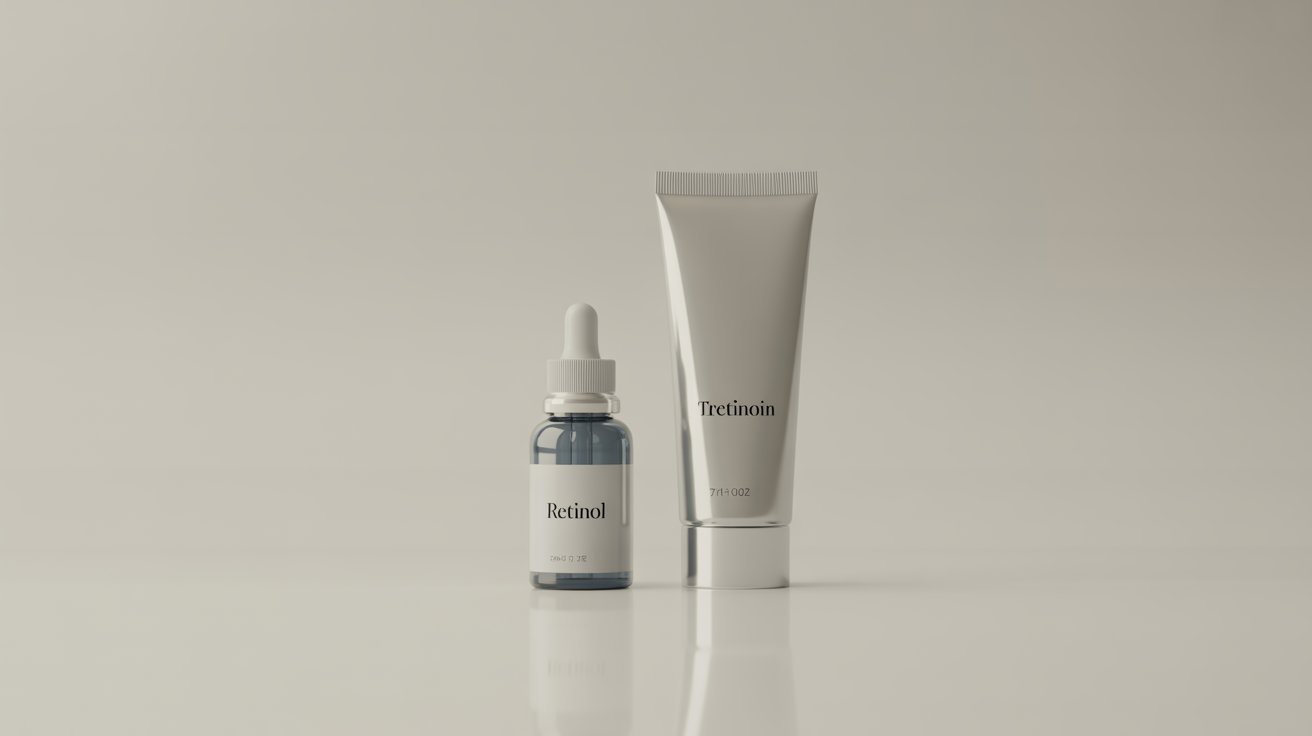
Retinol is slower and gentler than tretinoin. Your skin has to convert it before it works, which reduces irritation but also reduces speed.
Results can take 6 months or more. For beginners or sensitive skin, that slower pace is actually helpful. Start at 0.25% or 0.5% and build from there.
Bakuchiol and Tretinoin
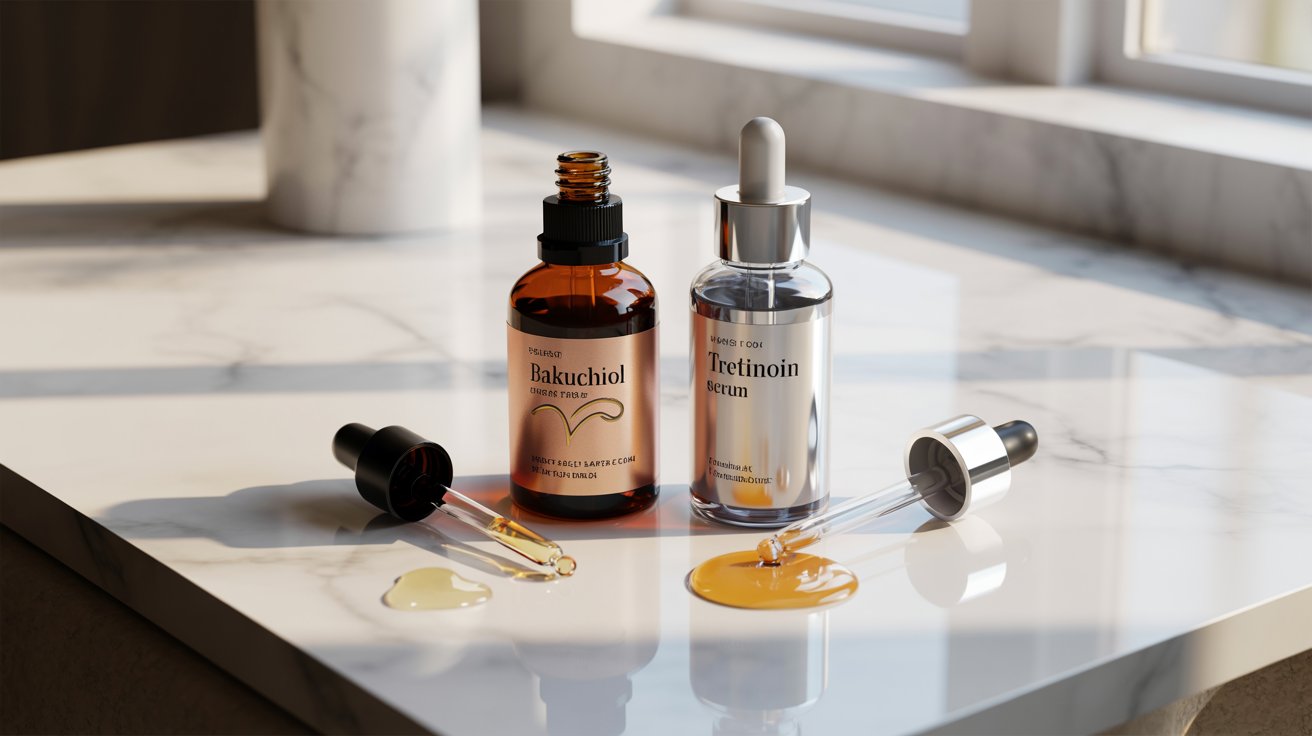
Bakuchiol is plant-based and one of the few active ingredients safe during pregnancy. Studies show it improves fine lines and skin tone without the irritation retinoids cause.
It does not work the same way at a cellular level, but visible results are real. Great for sensitive skin too.
Peptides and Niacinamide
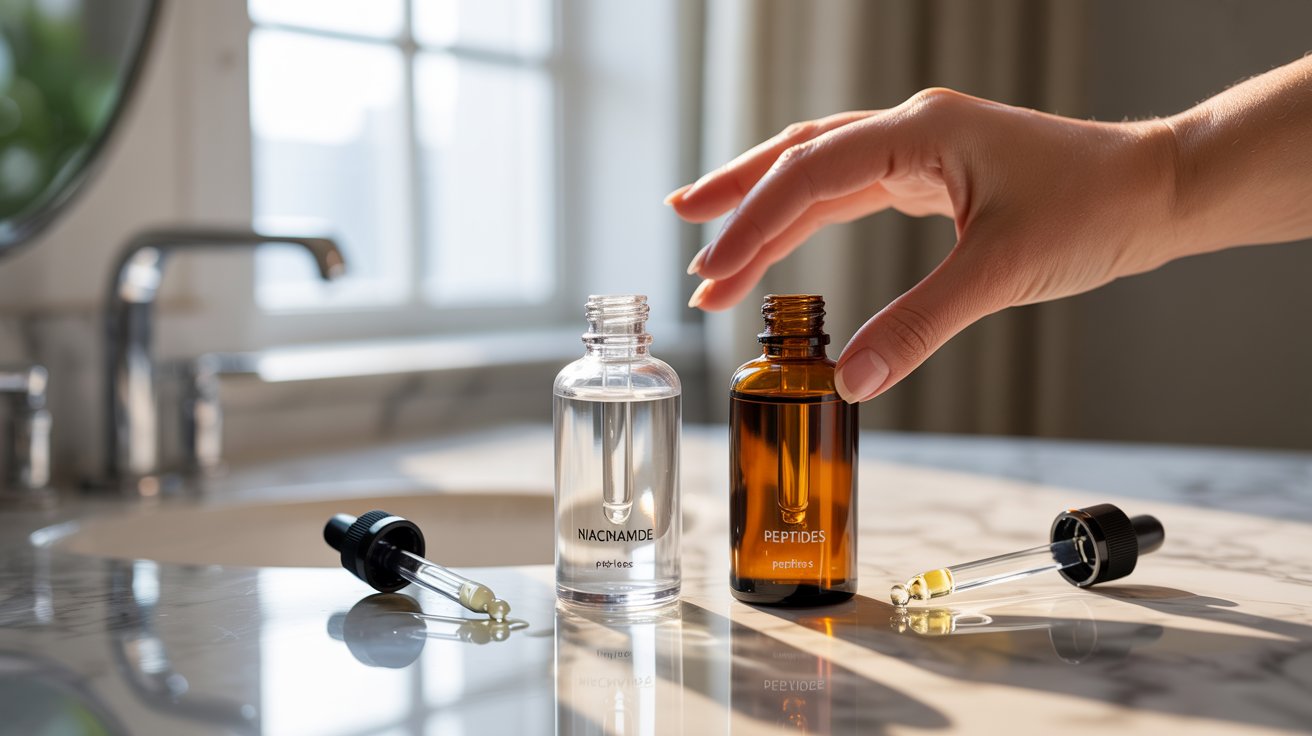
Peptides boost collagen over time. Niacinamide targets dark spots, pores, and redness.
Neither replaces tretinoin for acne, but both are low-risk, well-tolerated options for anti-aging and brightening. They also layer well with other skincare without causing reactions.
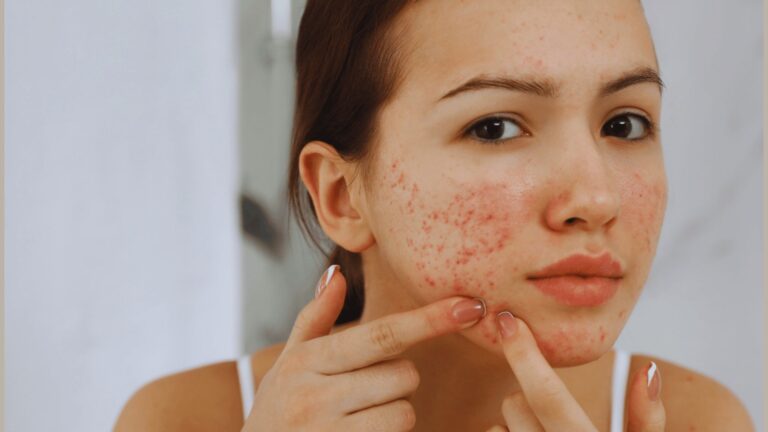
Tretinoin Alternatives for Acne
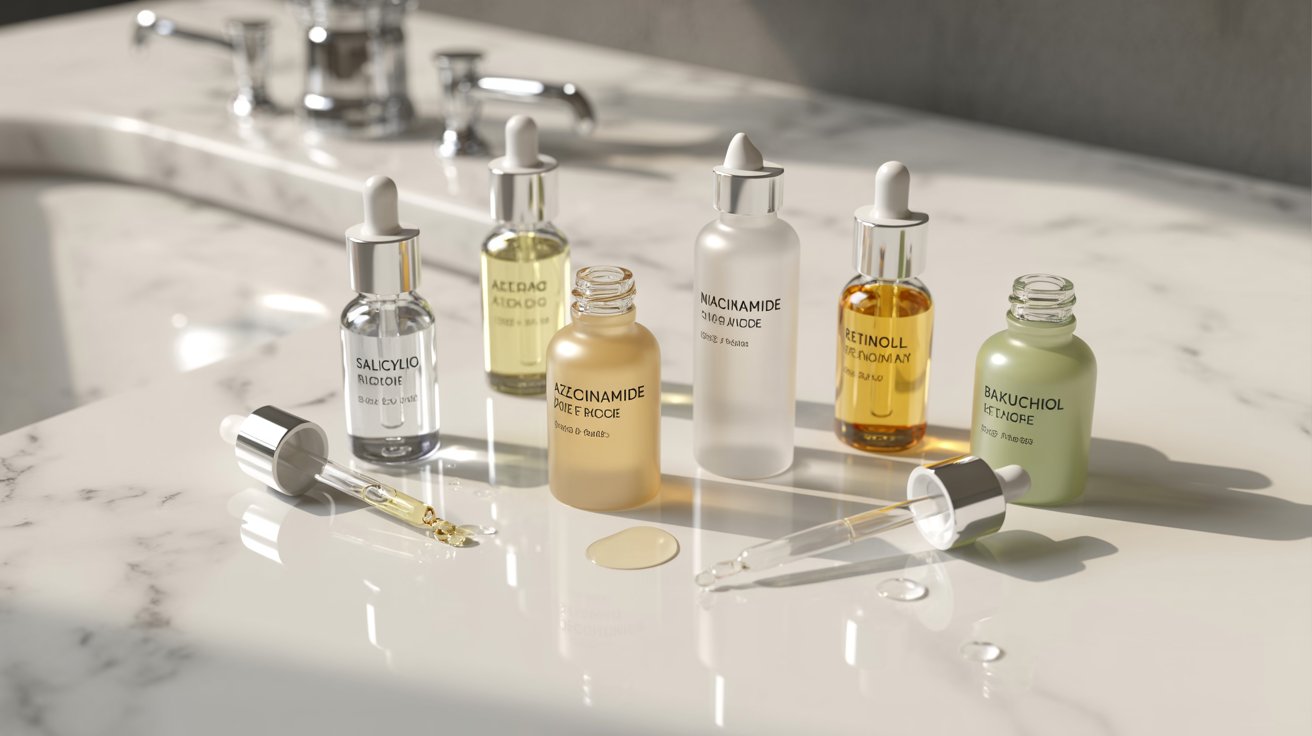
Tretinoin is not the only option for acne. If your skin cannot handle it, these alternatives are worth trying.
Salicylic Acid and Benzoyl Peroxide
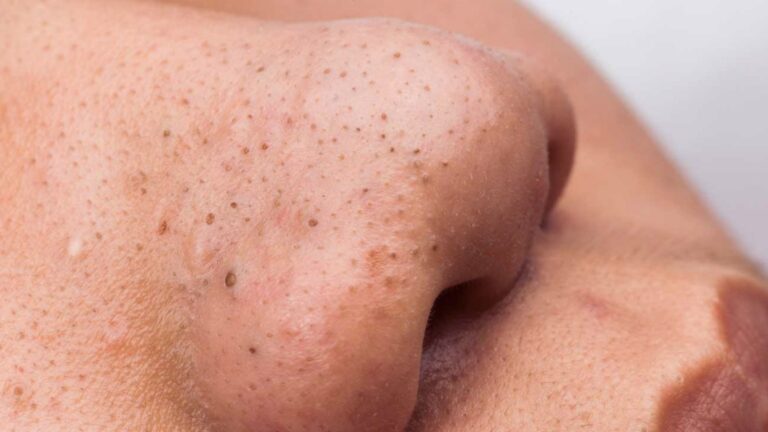
Salicylic acid clears out pores and works well for blackheads. Benzoyl peroxide kills acne-causing bacteria and targets active breakouts.
Both are available without a prescription. Many people use them together.
Adapalene for Mild to Moderate Acne
Adapalene is a gentler retinoid now available over the counter. It clears pores, reduces inflammation, and prevents new breakouts.
Studies show it works as well as tretinoin for acne with less irritation. A smart starting point for beginners.
Combination Treatments for Breakouts
One ingredient is not always enough. Adapalene with benzoyl peroxide is a proven combo. Salicylic acid with niacinamide works well for oily skin.
Stick to two activities at most to avoid overloading your skin.
Natural Acne Alternatives
Tea tree oil has real antibacterial properties and can reduce mild breakouts. Bakuchiol helps with texture and inflammation without irritating sensitive skin.
These work best for mild acne or as supporting ingredients alongside other treatments.
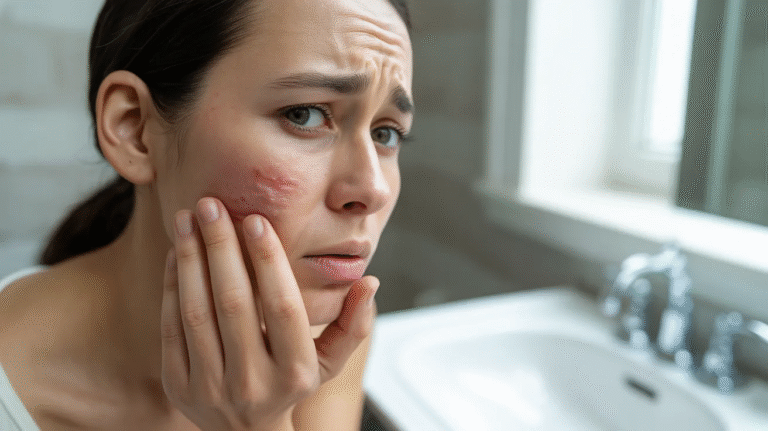
Tretinoin Alternatives for Sensitive Skin
Strong activities often do more harm than good for sensitive skin. These options deliver results without the reaction.
Low-Strength Retinol Options
Start at 0.1% or 0.25% retinol if your skin is reactive. Lower concentrations still work, they just take more time. Encapsulated retinol formulas are even gentler as they release slowly into the skin.
Niacinamide for Barrier Repair
Niacinamide is one of the safest activities for sensitive skin. It calms redness, tightens pores, and repairs a damaged skin barrier. Most people can use it daily without any irritation.
Peptides for Non-Irritating Results
Peptides support collagen production without triggering sensitivity. They are fragrance-free, well-tolerated, and work well as a long-term anti-aging option for skin that reacts to most activities.
How to Introduce Actives Without Irritation
Apply activities over a layer of moisturiser at first. This is called buffering and it reduces the strength of initial contact. Use once a week to start.
Increase only when your skin feels comfortable. Never introduce two new products at the same time.
How to Choose the Best Tretinoin Alternative for Your Skin
The best alternative is the one your skin can actually tolerate.
Based on Skin Type
Dry skin does best with bakuchiol or peptides. Oily or acne-prone skin responds well to adapalene or salicylic acid.
Combination skin can usually handle a low-strength retinol with a good moisturizer.
Based on Skin Concerns
For acne, start with adapalene or salicylic acid. For fine lines, retinol or retinaldehyde gives the most noticeable results.
For pigmentation, niacinamide and bakuchiol work well without causing sensitivity.
Strength vs Tolerance
Start gentle. Build slowly. Consistency with a milder option beats giving up on a harsh one. If you are new to activities, bakuchiol or low-strength retinol is the right place to begin.
Tips for Using Tretinoin Alternatives Safely
How you use a product matters as much as which one you pick.
- Start with a low-strength product and increase gradually
- Use actives 2 to 3 times a week at first to let your skin adjust
- Always follow actives with a moisturiser to support your skin barrier
- Avoid mixing too many strong ingredients at once
- Wear broad-spectrum SPF every day, most alternatives increase sun sensitivity
- Patch test new products on a small area before applying to your full face
- Stay consistent, gentler alternatives take longer to show results but they do work
Conclusion
Finding the right tretinoin alternative took me longer than it should have. I tried too many things at once and ended up with irritated, unhappy skin.
What actually worked was slowing down. Starting simple. Picking one option that suited my skin type and sticking with it.
You do not need the harshest ingredient to see real results. You just need the right one for you.
If this helps, drop a comment below and tell me which tretinoin alternative you are going to try first.
Frequently Asked Questions
What is the closest over-the-counter alternative to tretinoin?
Retinaldehyde is the closest OTC option. It converts to retinoic acid faster than retinol and delivers similar results with less irritation.
Are tretinoin alternatives as effective?
They can be, but results take longer. Consistency matters more than potency, and gentler options often work better for people who cannot tolerate tretinoin.
Which alternative works fastest?
Retinaldehyde and adapalene show results faster than most OTC options. Both are well-studied and work more efficiently than standard retinol.
Can I use alternatives every day?
Not right away. Start with 2 to 3 times a week and build up gradually. Some options like niacinamide and bakuchiol can be used daily from the start.
What is best for acne vs wrinkles?
For acne, adapalene or salicylic acid works best. For wrinkles and fine lines, retinol or retinaldehyde gives the most noticeable improvement over time.