Does Oily Skin Age Better? Real Experiences Shared


I’ve had oily skin since my teens. The shine, the blotting papers, the constant wiping, I know the struggle well.
But somewhere along the way, I started noticing something. My skin looked younger than most people my age.
That made me curious.
Does oily skin actually age better? In this blog, I’ll cover what oily skin really is, how it affects aging, real stories from people with oily skin, and practical tips to keep your skin healthy longer.
I’ve spent years reading into this, so you’re getting the real picture, no fluff.
Why Understanding Your Skin Type Matters
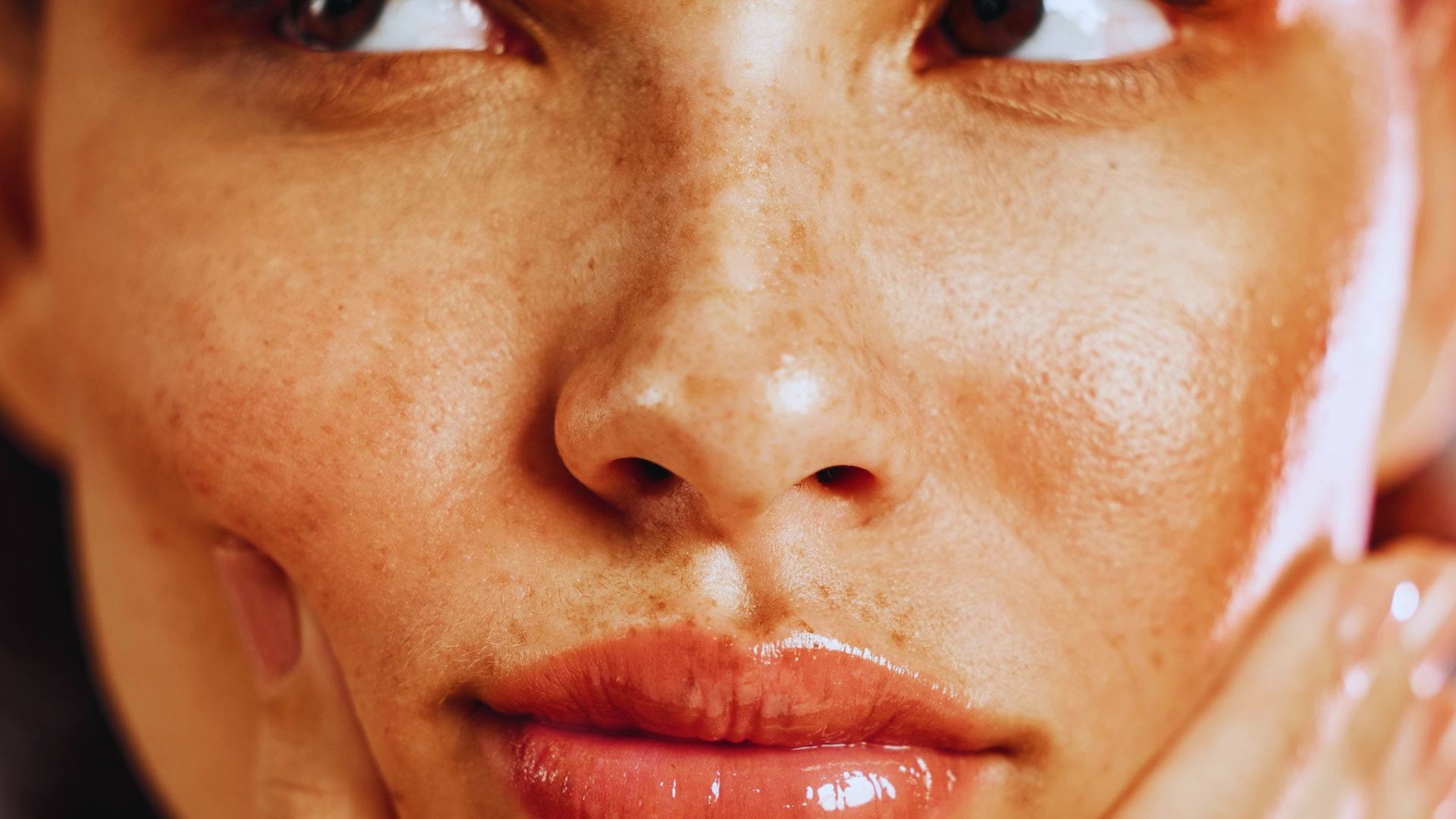
Knowing your skin type is the first step to taking care of it the right way.
Oily skin aging works differently than dry or combination skin, and if you treat it the wrong way, you can do more harm than good.
When you understand what your skin actually needs, you stop wasting money on the wrong products.
You also stop blaming your skin for doing exactly what it’s supposed to do. Your skin type shapes how fast or slow you age, and that’s worth knowing.
Understanding Skin Types and Aging
A quick look at what oily skin means and how aging shows up on the face.
What Is Oily Skin?
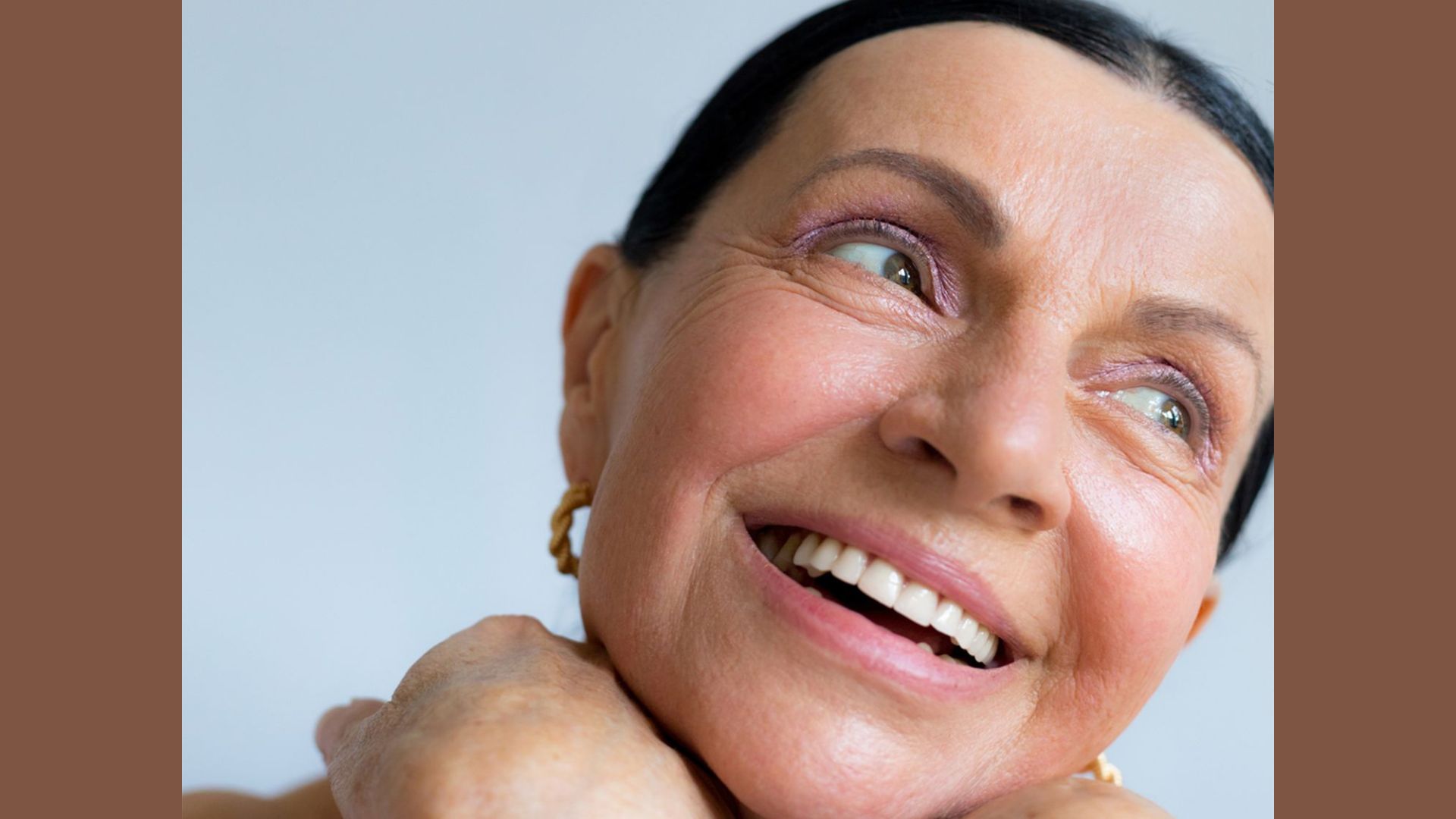
Oily skin produces more sebum than average. Sebum is the natural oil your skin makes to stay protected.
If you have oily skin, you likely notice shine on your forehead, nose, and chin, the T-zone. Your pores tend to look larger.
Your face can feel greasy a few hours after washing. This isn’t a flaw. It’s just how your skin works.
And surprisingly, that extra oil plays a big role in how your skin holds up over time.
Common Signs of Skin Aging
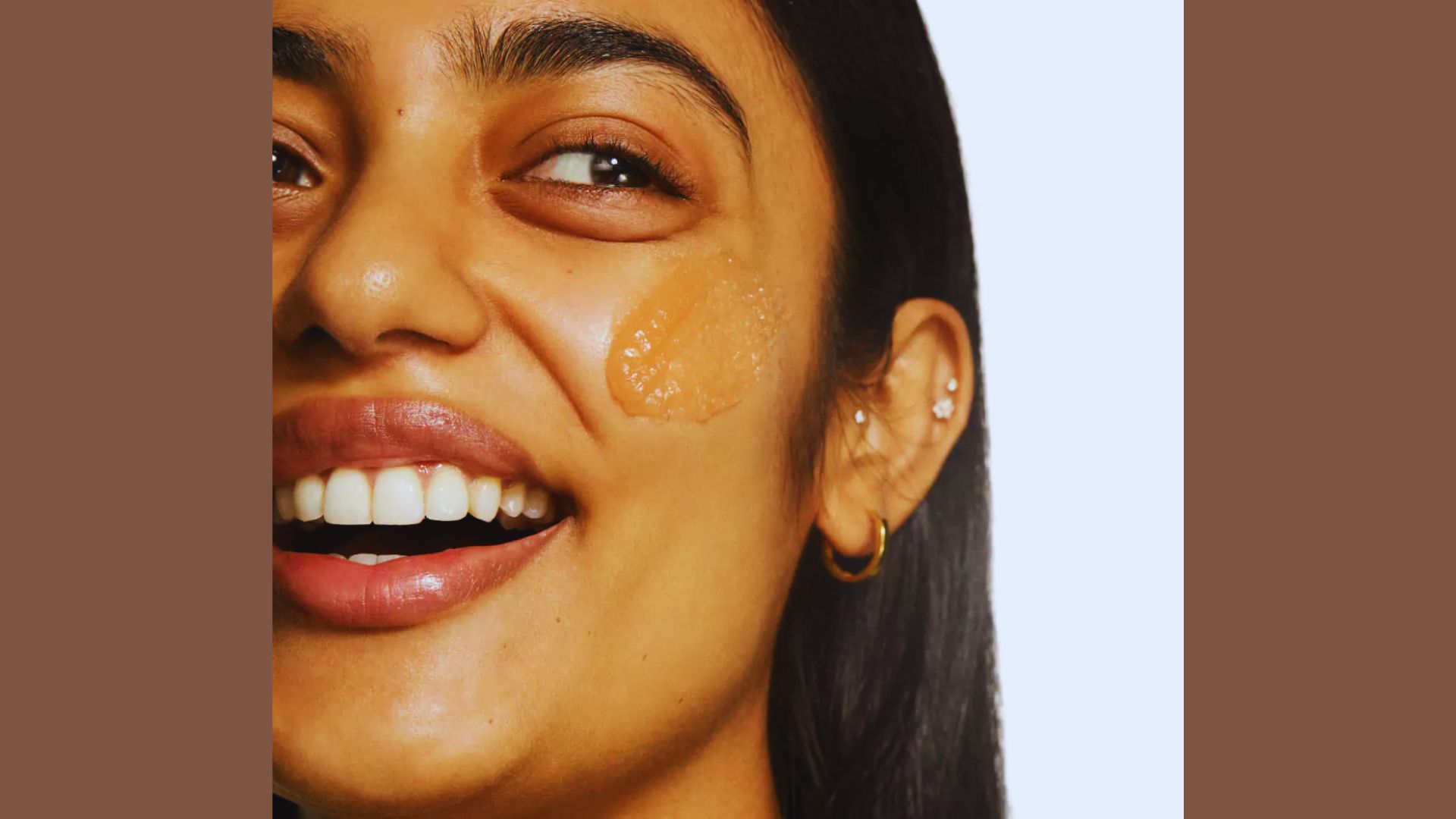
Aging shows up on the face in ways most people recognize early, here’s what to look out for.
- Fine lines around the eyes and mouth
- Loss of firmness or slight sagging
- Uneven skin tone or dullness
- Dryness or rough texture in certain areas
How Oily Skin Affects Aging

Here’s where oily skin and aging get interesting, your sebum might actually be working in your favor.
Scientific Insights
Sebum acts like a built-in moisturizer. It forms a barrier on the skin’s surface that keeps water from escaping.
This means oily skin tends to stay hydrated naturally. Research shows that people with oily skin often develop wrinkles later than those with dry skin.
The extra sebum helps maintain skin elasticity over time. It keeps the skin plumper and more flexible.
So while oily skin can feel annoying in your 20s, it may actually slow down the visible signs of oily skin aging in your 40s and beyond.
Limitations and Considerations
Oily skin is not a guaranteed shield against aging. If you’ve dealt with frequent breakouts, the scars and inflammation can make skin look older over time.
Acne-prone skin often shows more texture and uneven tone. On top of that, other factors play a huge role in how fast you age.
Sun exposure is one of the biggest. Genetics, diet, sleep, and stress all matter too. So while oily skin has some natural advantages, it’s not the only thing at play.
A good skincare routine still matters a lot.
Real-Life Experiences from People with Oily Skin
Real people share what oily skin aging actually feels like at different stages of life.
Early Aging Signs in Oily Skin
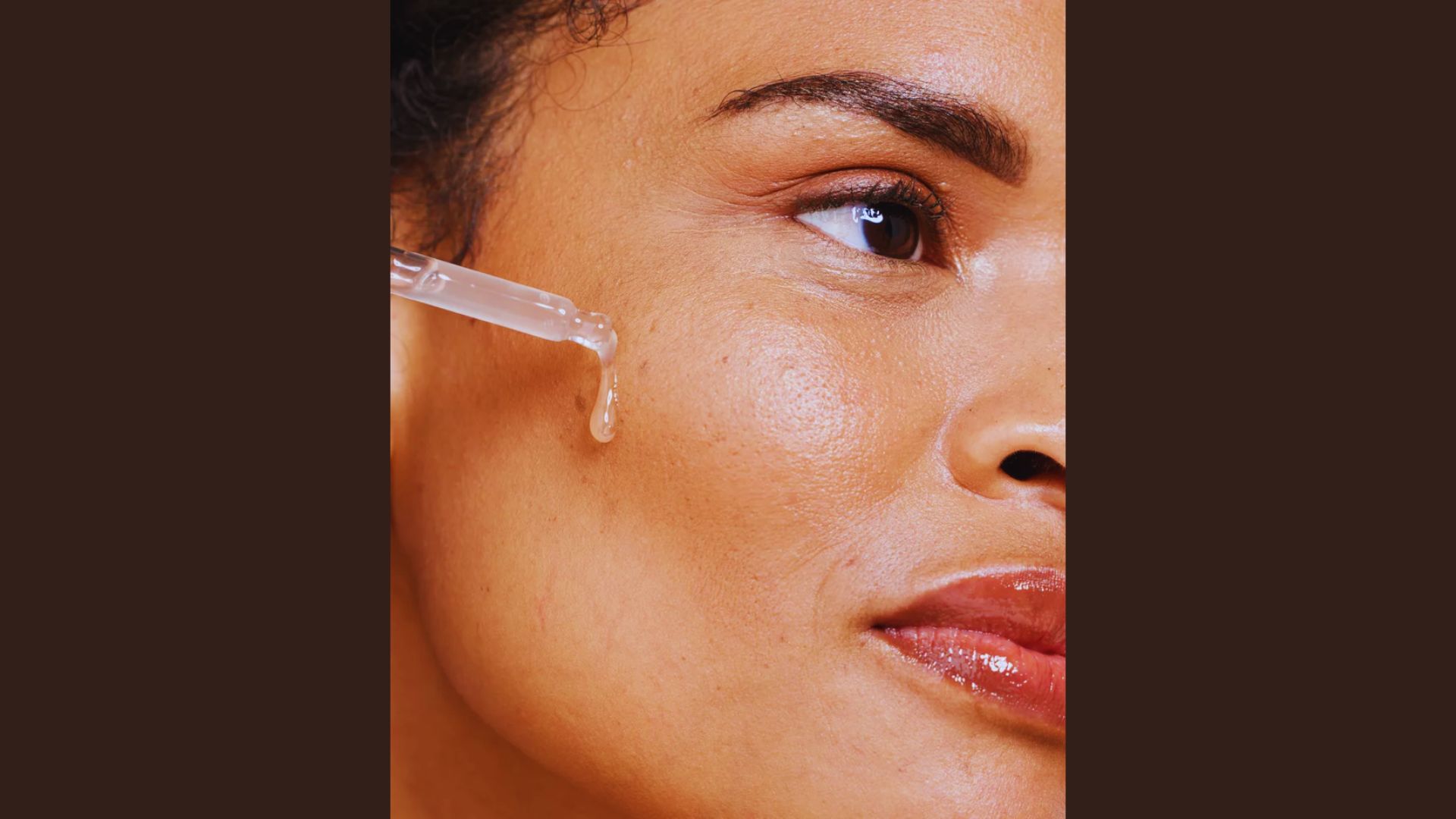
Many people with oily skin still notice fine lines in their 20s and 30s. Some start seeing small creases around the eyes or subtle changes in how firm their skin feels.
This is normal. Oily skin doesn’t make you immune to early signs of aging, it just means they may show up more slowly.
A few people I’ve spoken to said their skin bounced back faster than expected, even after breakouts and stress in their 20s.
Middle-Aged Experiences
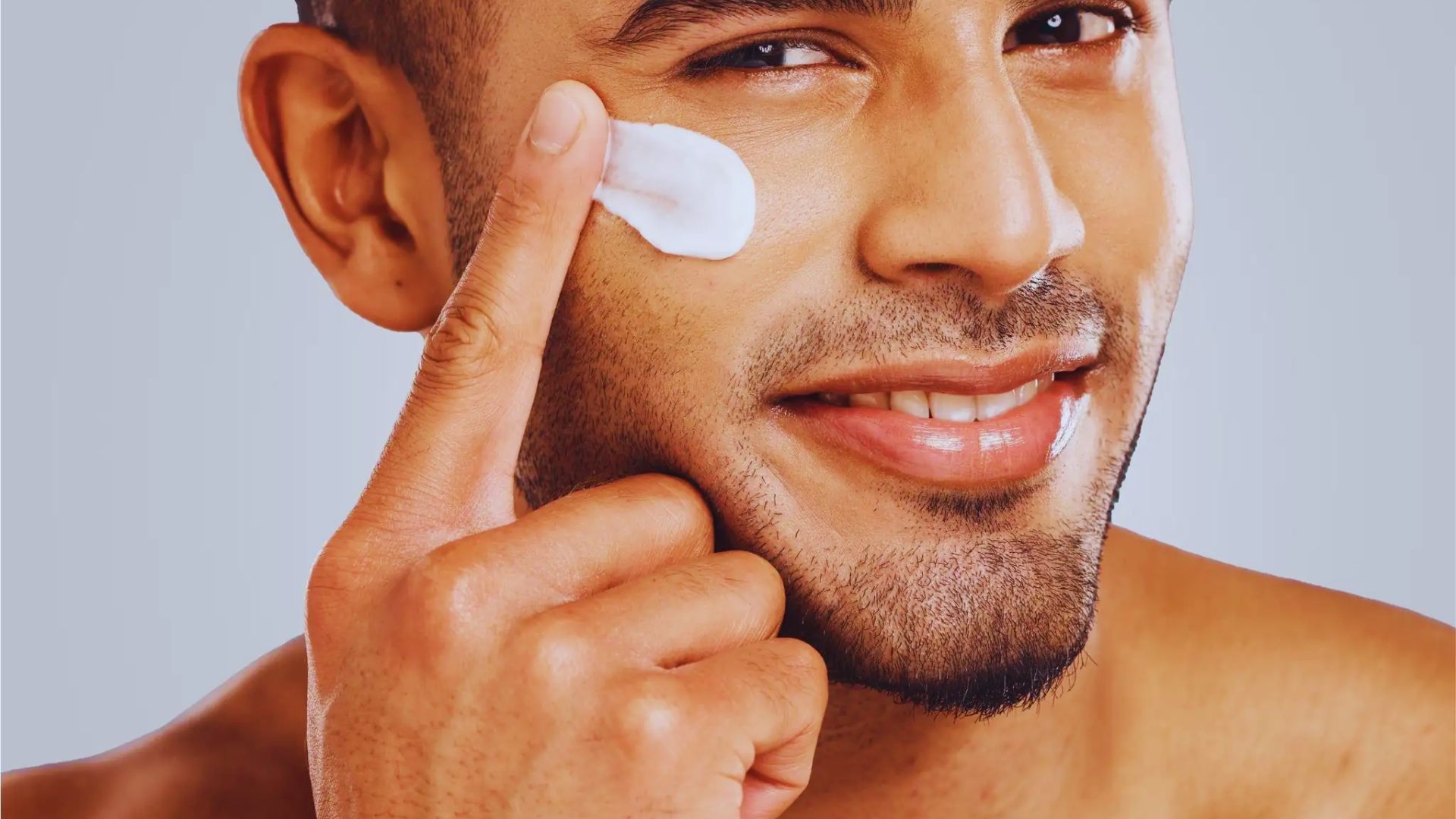
By their 40s and 50s, many people with oily skin start noticing the difference. Compared to friends with dry skin, their wrinkles tend to be less deep.
The skin looks fuller and more hydrated. Several people have mentioned that strangers guess their age as younger than they are.
They also say the oiliness tends to calm down a bit with age, which makes their skin feel more balanced.
It’s one of those rare situations where something that feels like a problem becomes an advantage.
Older Adults’ Reflections

People over 50 with oily skin often speak positively about how their skin has held up. Many say their skin still feels soft and hydrated, even without heavy creams.
Some mention that deep wrinkles are less of an issue for them. A few said they spent years hating their oily skin and now wouldn’t trade it.
The texture tends to remain smoother longer. Of course, sun damage and lifestyle still show up, but overall, the feedback from older adults with oily skin is pretty encouraging.
Tips for Maintaining Youthful Oily Skin
Small daily habits make a big difference in keeping oily skin healthy and aging well.
- Use a gentle, non-stripping cleanser twice a day to remove excess oil without drying out your skin.
- Apply a lightweight, oil-free moisturizer daily, oily skin still needs hydration to stay balanced.
- Wear SPF every single day, sun damage speeds up aging more than almost anything else.
- Don’t skip exfoliation, use a mild chemical exfoliant once or twice a week to keep pores clear and skin smooth.
- Watch your diet and water intake, what you eat and drink shows up on your skin over time.
Conclusion
I used to wish I had dry skin. Now? I’m actually grateful for what I’ve got.
Oily skin aging is a topic I wish I had learned about sooner, it would have saved me years of frustration.
If you have oily skin, I hope this gives you a new way to look at it. Take care of it, protect it from the sun, and stay consistent.
Drop a comment below and let me know your experience with oily skin and aging, I’d love to hear your story.
Frequently Asked Questions
Does oily skin really age slower than dry skin?
Yes, in many cases it does. The natural sebum in oily skin helps keep it hydrated and more flexible, which can slow the appearance of wrinkles over time.
Can I still get wrinkles if I have oily skin?
Absolutely. Oily skin may delay wrinkles, but it doesn’t stop them. Factors like sun exposure, genetics, and lifestyle all affect how and when you age.
Is oily skin a long-term advantage for aging?
It can be. Many people with oily skin report smoother, more hydrated skin in their 40s and 50s compared to peers with dry skin. But good skincare still plays a big role.
What skincare routine is best for oily skin aging?
Keep it simple. A gentle cleanser, lightweight moisturizer, and daily SPF are the basics. Add a chemical exfoliant a couple of times a week for best results.
Does acne make oily skin age faster?
Frequent breakouts can leave behind scars and uneven texture, which may make skin appear older. Managing acne early helps maintain a more even, youthful skin tone over time.