Types of Dark Circles: How to Identify and Treat Each?


Have you ever looked in the mirror and wondered why dark shadows under your eyes never seem to fade? You are not alone. Dark circles affect people of all ages and often make the face look tired, even after proper rest.
Many people do not realize that dark circles are not all the same. The skin under the eyes is very thin, which makes color changes more visible. Dark circles are also different from eye bags, which involve swelling rather than discoloration.
Dark circles may look blue, brown, or like soft shadows, and each type has a different cause. Because of this, one treatment does not suit everyone.
Identifying your specific type helps you choose care that actually works. This guide will help you understand the cause and find options that fit your needs.
Understanding Your Dark Circle Type
Not all dark circles are the same. The color and cause determine what will actually work for you. Treating the wrong type wastes your time and money.
There are three main types you need to know: blue/purple circles caused by visible blood vessels, brown circles caused by excess pigmentation, and hollow circles caused by loss of volume, creating shadows. Each type needs a different approach.
Green tea bags work great for blue circles. The caffeine shrinks those dilated blood vessels. But they won’t fix brown pigmentation or hollow shadows under your eyes.
Types of Dark Circles & Best Treatments for Each
Dark circles aren’t one-size-fits-all. Understanding your specific type determines which treatments will actually work for you.
Blue or Vascular Dark Circles

These look blue, purple, or pink beneath your lower eyelid. You appear tired even when you’re not. Poor circulation causes blood to pool under your thin skin.
Your blood vessels dilate and become visible for specific reasons. Lack of sleep makes it worse. So does staring at screens all day, stress, smoking, and alcohol.
Green tea bags work effectively here. The caffeine constricts those dilated blood vessels. Cold temperature shrinks them even more, making the blue color fade naturally.
Brown or Pigmentary Dark Circles

These appear brown, black, or yellow-brown in color. They’re caused by excess melanin, not blood vessels. Sun exposure triggers melanin production around your eyes.
Your skin produces too much pigment in the under-eye area. Genetics plays a big role here. Sun damage is the main culprit, and rubbing your eyes makes it worse.
Green tea bags won’t fix these. You need ingredients that target pigmentation instead. Sunscreen is non-negotiable. Use SPF 30 or higher daily around your eyes to prevent new pigmentation.
Hollow or Structural Dark Circles

These look like shadows or grooves beneath your eyes. They’re not actually dark. It’s just a shadow from a lost volume. Aging causes fat loss around your eyes, creating a hollow that catches light.
You lose fat and collagen as you age. This creates a sunken appearance under your eyes. Genetics determines your bone structure, and some people naturally have deeper tear troughs.
Green tea bags can’t fill in hollows. You need volume restoration instead. Anti-aging products help maintain what you have, but professional fillers from an oculoplastic ophthalmologist actually restore lost volume.
Mixed Dark Circles

Many people have a combination of types. You might have both blue vessels and brown pigmentation.
This makes treatment trickier. You need to address multiple causes at once. Green tea bags help the vascular component but not the pigmentation.
Use cold tea bags for circulation. Add brightening serums for pigmentation. Apply sunscreen to prevent worsening.
Dark Circles From Lack of Sleep
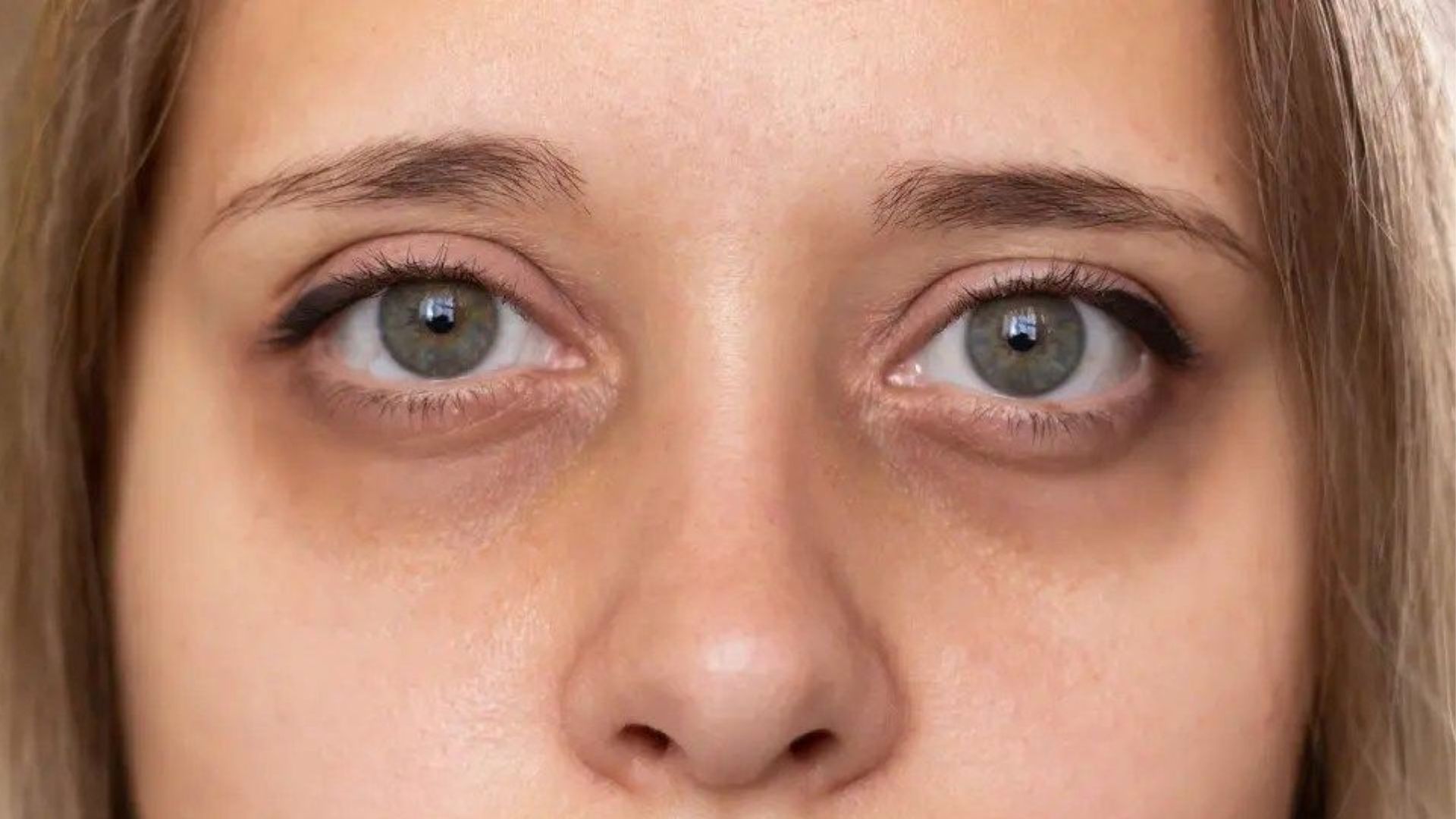
Sleep deprivation shows up fast under your eyes. Your blood vessels dilate when you don’t get enough rest. This creates that tired, puffy look everyone notices.
You need 7-9 hours of quality sleep. Anything less affects circulation around your eyes. The vessels expand and darken the thin skin beneath your lower lids.
Green tea bags provide temporary relief. But the real fix is consistent sleep. Cold compresses help in the morning, but proper rest prevents the problem entirely.
Dark Circles From Allergies

Allergies trigger inflammation around your eyes. Histamine release causes blood vessels to dilate and leak. Your eyes get puffy, itchy, and darker.
Seasonal allergies, pet dander, and dust mites are common culprits. The constant rubbing makes pigmentation worse. You end up with both vascular and pigmented circles.
Treat the underlying allergy first. Use antihistamines as directed. Cold green tea bags reduce the swelling and irritation while your allergy medication works.
Dark Circles From Dehydration

When you’re dehydrated, your skin becomes thinner and drier. The blood vessels beneath your eyes become more visible. Your under-eye area looks sunken and dark.
Your body pulls water from your skin first. This makes the sensitive eye area suffer the most. Even mild dehydration creates a tired, hollow appearance.
Drink at least 8 glasses of water daily. Reduce caffeine and alcohol intake. Warm green tea bags help with moisture, but drinking water fixes the root cause.
Dark Circles From Sun Damage

UV rays break down collagen under your eyes. They also trigger excess melanin production. Years of sun exposure create permanent pigmentation and thinning skin.
The skin under your eyes has no natural protection. Repeated sun damage makes blood vessels more visible. It also causes brown spots and uneven tone.
Sunscreen is your best defense. Use SPF 30 or higher every single day. Green tea bags won’t reverse sun damage, but they provide antioxidant protection for future prevention.
Dark Circles From Thyroid Problems
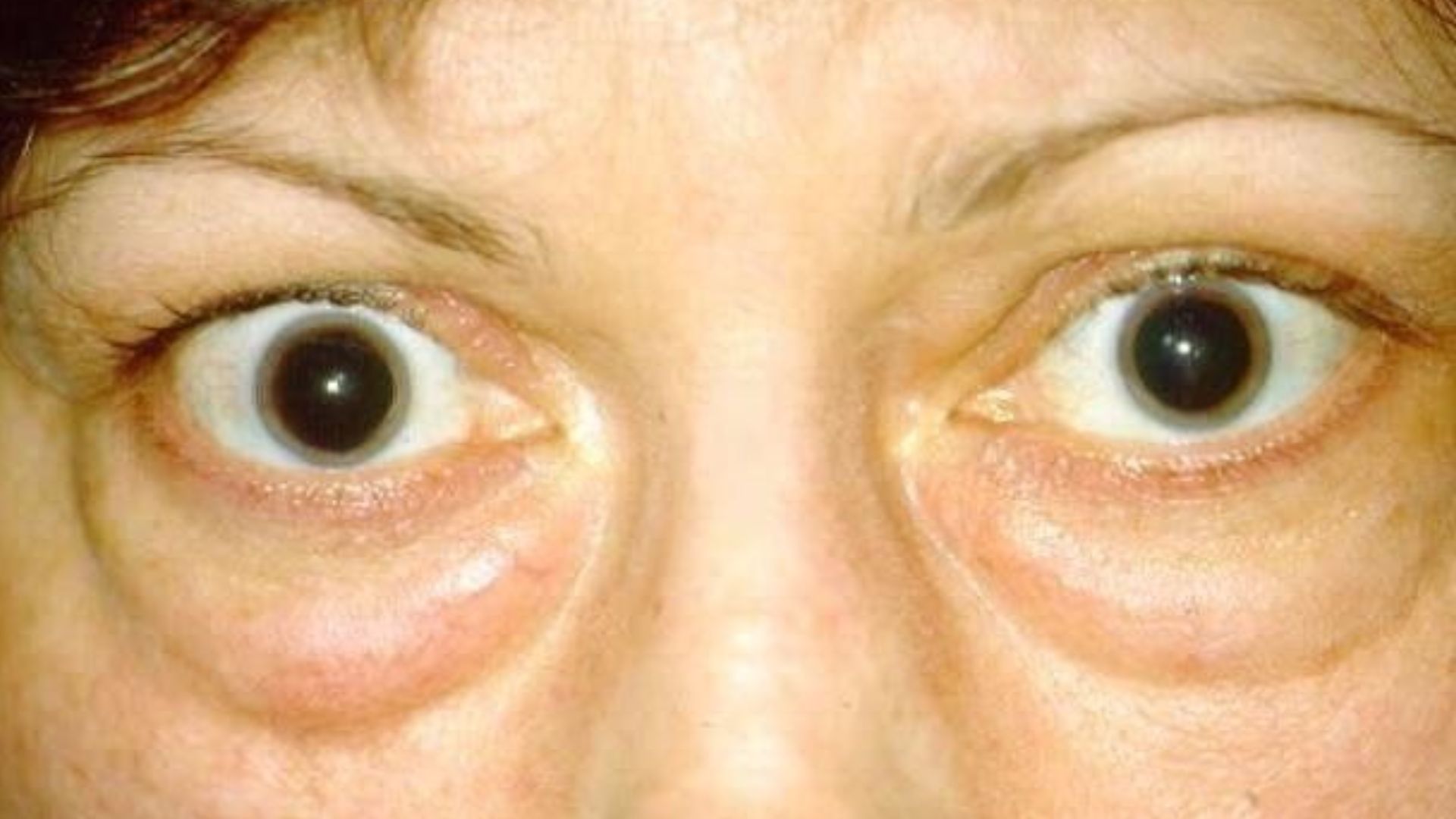
Thyroid disorders affect circulation and fluid retention. Hypothyroidism causes puffiness and swelling around your eyes. Hyperthyroidism can create a sunken, tired appearance.
Your thyroid controls metabolism and blood flow. When it’s out of balance, your eyes show it first. Dark circles appear even with adequate sleep.
See a doctor for proper thyroid testing. Green tea won’t fix hormonal issues. You need medical treatment for the underlying condition.
Dark Circles From Anemia

Low iron levels reduce oxygen in your blood. This makes the blood beneath your eyes appear darker. Your skin looks pale, making the circles even more noticeable.
Anemia affects women more than men. Heavy periods, poor diet, or absorption issues cause it. The darkness is actually poorly oxygenated blood showing through the thin skin.
Get your iron levels checked with a blood test. Increase iron-rich foods or take supplements. Green tea bags provide temporary cosmetic help, but treating anemia is the real solution.
Dark Circles From Aging and Collagen Loss
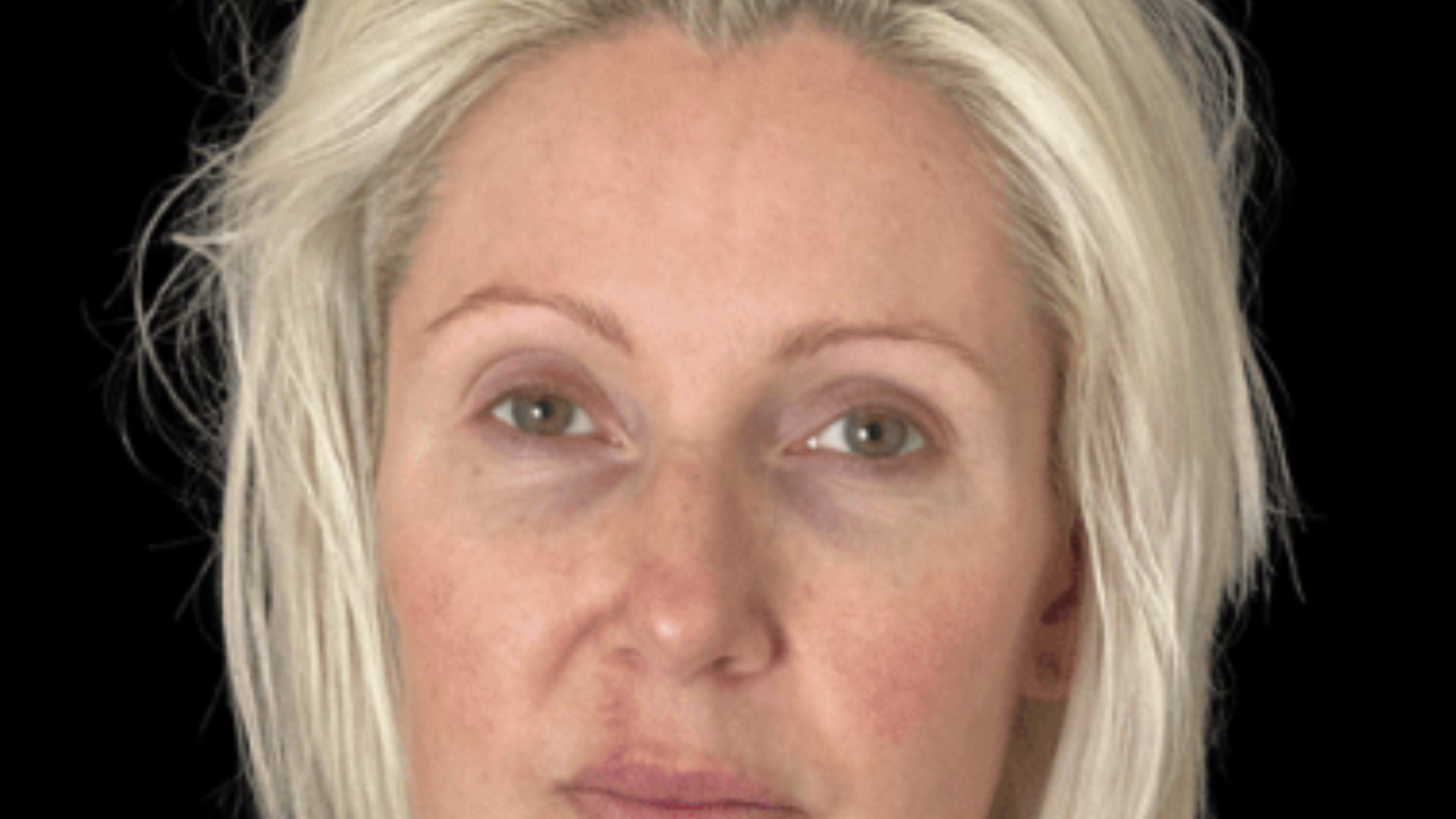
Your skin loses collagen and elastin as you get older. This makes the skin under your eyes thinner and more transparent. Blood vessels and pigmentation become more visible through the weakened skin.
Natural aging decreases protein production in your skin. The sensitive eye area shows this first. Fine lines, wrinkles, and darker circles appear together as your skin loses its strength.
Green tea bags offer minor help through antioxidants. They protect against further damage but can’t rebuild lost collagen. Use retinol-based products and collagen-boosting serums for better long-term results.
When Green Tea Bags Help vs. When They Don’t?
Here is your content organized into a clear comparison table that shows when green tea bags help vs when they don’t:
| Concern Type | Green Tea Bags Help | Green Tea Bags Do Not Help | Why |
|---|---|---|---|
|
Blue or purple dark circles |
Yes |
No |
Caffeine and cold constrict blood vessels and reduce visible darkness |
|
Brown pigmented dark circles |
No |
Yes |
Pigmentation from melanin does not respond to caffeine or cold |
|
Temporary puffiness |
Yes |
No |
Cold reduces fluid retention and swelling quickly |
|
Hollow under-eye circles |
No |
Yes |
Volume loss creates shadows that tea bags cannot correct |
|
Eye bags from poor sleep |
Yes |
No |
Improves circulation and reduces morning swelling |
|
Genetic dark circles |
Minimal |
Mostly |
Genetic structure and pigmentation need medical or cosmetic treatments |
|
Minor eye irritation |
Yes |
No |
Anti-inflammatory compounds soothe fatigue-related redness |
|
Deep sun damage pigmentation |
No |
Yes |
Requires sunscreen and professional treatments |
|
Tired-looking eyes |
Yes |
No |
Improves appearance by reducing inflammation |
|
Medical conditions |
No |
Yes |
Thyroid anemia or liver issues require medical care |
|
Mild inflammation or bloodshot eyes |
Yes |
No |
Reduces redness caused by strain or dryness |
|
Severe wrinkles and aging |
No |
Yes |
Surface-level effects cannot treat deep lines |
Key takeaway
Here’s what you need to remember about green tea bags and which dark circles they actually treat.
- Green tea bags help most with vascular and inflammation-related dark circles. Caffeine and cold reduce swelling and constrict visible blood vessels.
- Results from tea bags are temporary and cosmetic. They do not fix long-term or structural eye concerns.
- Pigmented dark circles need targeted brightening ingredients. Vitamin C and retinol work better than cold compresses.
- Hollow or volume-related circles need advanced solutions. Fillers or collagen-boosting treatments address shadowing.
- Medical causes require proper diagnosis and care. Matching treatment to your dark circle type delivers real results.
Conclusion
Understanding the different types of dark circles helps you choose care that actually works. Blue circles often come from circulation issues, brown circles are usually linked to sun exposure, and hollow circles tend to appear with age. Each type has a different cause and needs a specific approach.
The good news is that there are ways to improve how they look. Lifestyle changes, targeted skin care products, and medical options can all help when chosen correctly. Matching the solution to the cause makes a real difference.
Once you know your type, it becomes easier to pick treatments that suit your needs. Instead of guessing, you can focus on what truly helps. Share this with someone who might find it useful, or leave a comment about which type sounds most familiar to you.
Frequently Asked Questions
What are the main types of dark circles?
There are three main types: blue or vascular dark circles caused by poor circulation, brown or pigmented dark circles from excess melanin and sun exposure, and hollow or structural dark circles from fat loss and aging. Some people may have mixed types with overlapping causes.
How can I identify which type of dark circles I have?
Stretch the skin under your eyes. If darkness moves with skin, it’s brown. If the color lightens, it’s hollow. If darkness stays unchanged, it’s blue. You can also use a lamp test. Hollow circles become more visible with overhead lighting.
Can lifestyle changes help reduce dark circles?
Yes, lifestyle changes can significantly improve dark circles. Getting adequate sleep, staying hydrated, reducing stress, limiting alcohol and salt intake, wearing sunscreen daily, and taking screen breaks all help. Results vary depending on your specific type and underlying causes.
What ingredients work best for treating dark circles?
Effective ingredients include caffeine for de-puffing and constricting blood vessels, niacinamide and vitamin C for brightening, tranexamic acid for reducing pigmentation, retinol for collagen production, and peptides for firming. Choose ingredients based on your specific dark circle type.
When should I seek professional treatment for dark circles?
Consider professional treatment if home remedies and skincare products don’t improve your condition after consistent use, if you have structural dark circles requiring fillers, or if dark circles affect your confidence. Consult oculoplastic ophthalmologists for personalized treatment plans.