Does Ultherapy Work? Complete Guide to Lift & Tighten Skin


>Have you ever wished your skin could lift and firm itself without surgery? If so, Ultherapy might be exactly what you want to know.
In this blog, I will share my experience and research on how this non-surgical treatment works to tighten and lift the skin on the face, neck, chin, and brow.
You’ll learn about the science behind Ultherapy and from what results to expect to its safety assurance.
By the end, you’ll know whether this gradual, natural approach to skin lifting could be right for you.Let’s get started.
What Is Ultherapy and Why Is It So Popular?
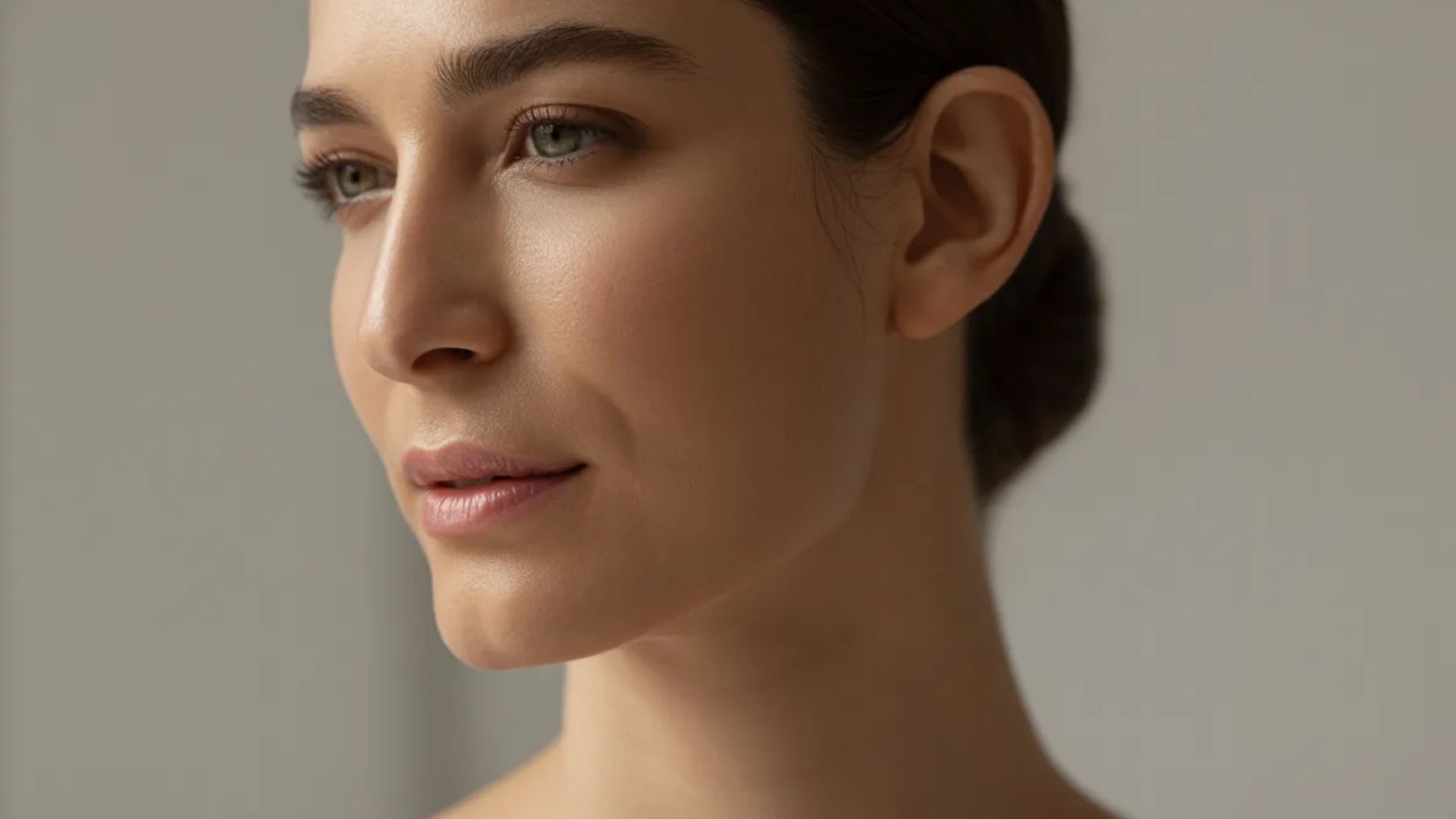
Ultherapy is a non-surgical treatment that lifts and tightens the skin on the face, neck, chin, and brow.
It uses focused ultrasound energy to stimulate collagen production in the deeper layers of the skin.
The treatment is FDA-cleared for mild to moderate sagging and does not require cuts or needles, so recovery is minimal.
Collagen growth gradually firms the skin, with results appearing over three to six months. Unlike lasers or radiofrequency, which mostly affect the surface, Ultherapy targets deeper tissue.
This allows it to provide a natural lift that other non-invasive treatments usually cannot achieve.
Is Ultherapy FDA Approved and Safe?
Ultherapy is FDA-cleared for lifting and tightening the skin on the face, neck, brow, and chest. It is considered safe when performed by a trained professional.
What FDA Clearance Covers:
Ultherapy is FDA-approved for mild to moderate skin laxity on the brow, neck, chin, and chest.
Approval means it is safe when performed correctly but does not replace surgery or guarantee results for everyone.
Common Side Effects and Safety Considerations:
Ultherapy is generally well-tolerated. Some may experience temporary pain, swelling, or tenderness.
Rare complications like bruising, numbness, or nerve irritation can occur but usually resolve on their own.
Does Ultherapy Work?
Ultherapy is a non-surgical treatment that lifts and tightens skin. Results vary by area, skin condition, and age.
1. Does Ultherapy Work on the Face?
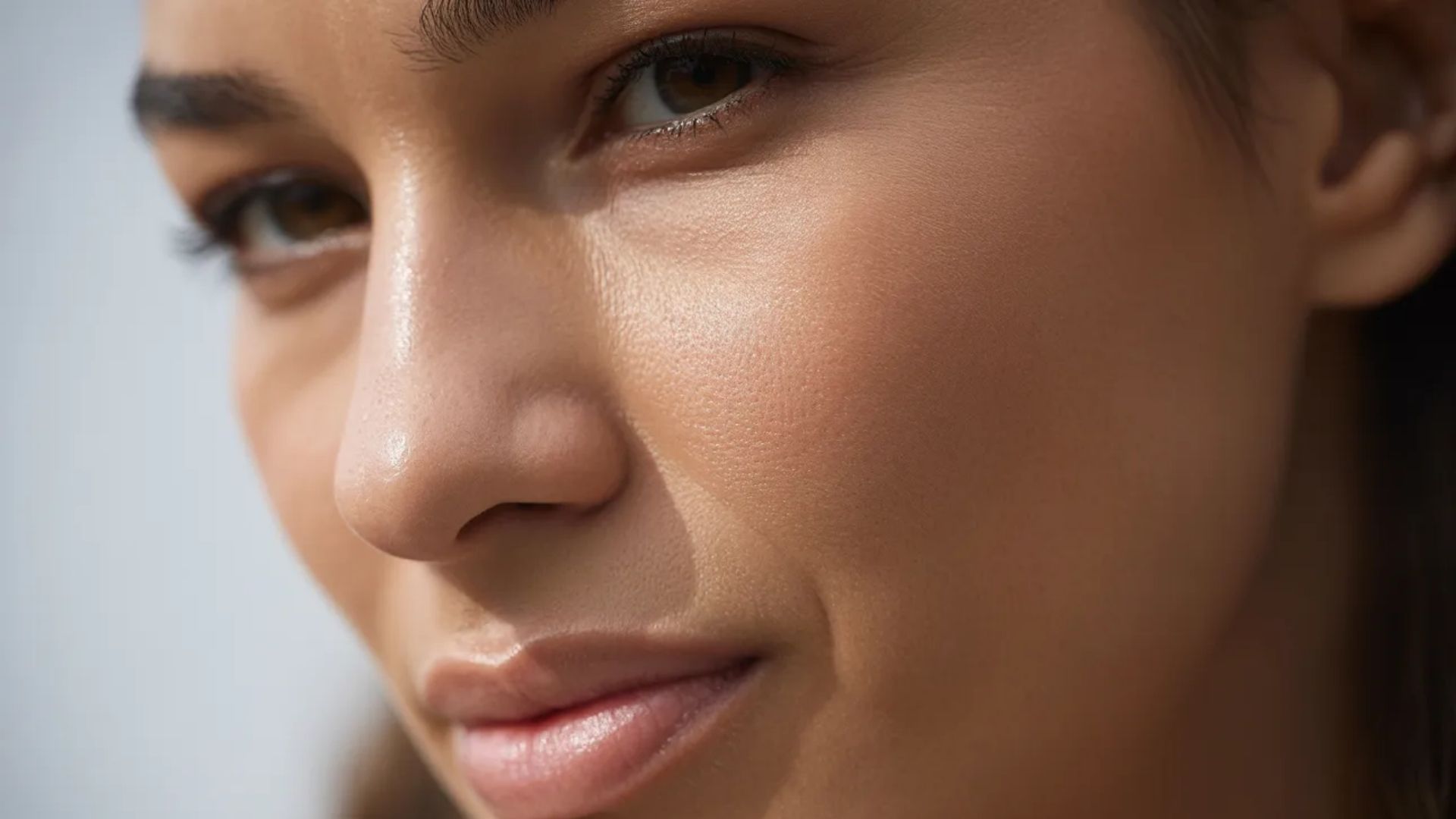
Ultherapy can lift and firm facial skin, especially in areas with mild to moderate sagging. Results depend on factors like skin thickness, elasticity, and underlying bone structure.
While it improves overall firmness, deeper folds or advanced sagging may require additional treatments or procedures for noticeable change.
2. Does Ultherapy Work on Jowls?
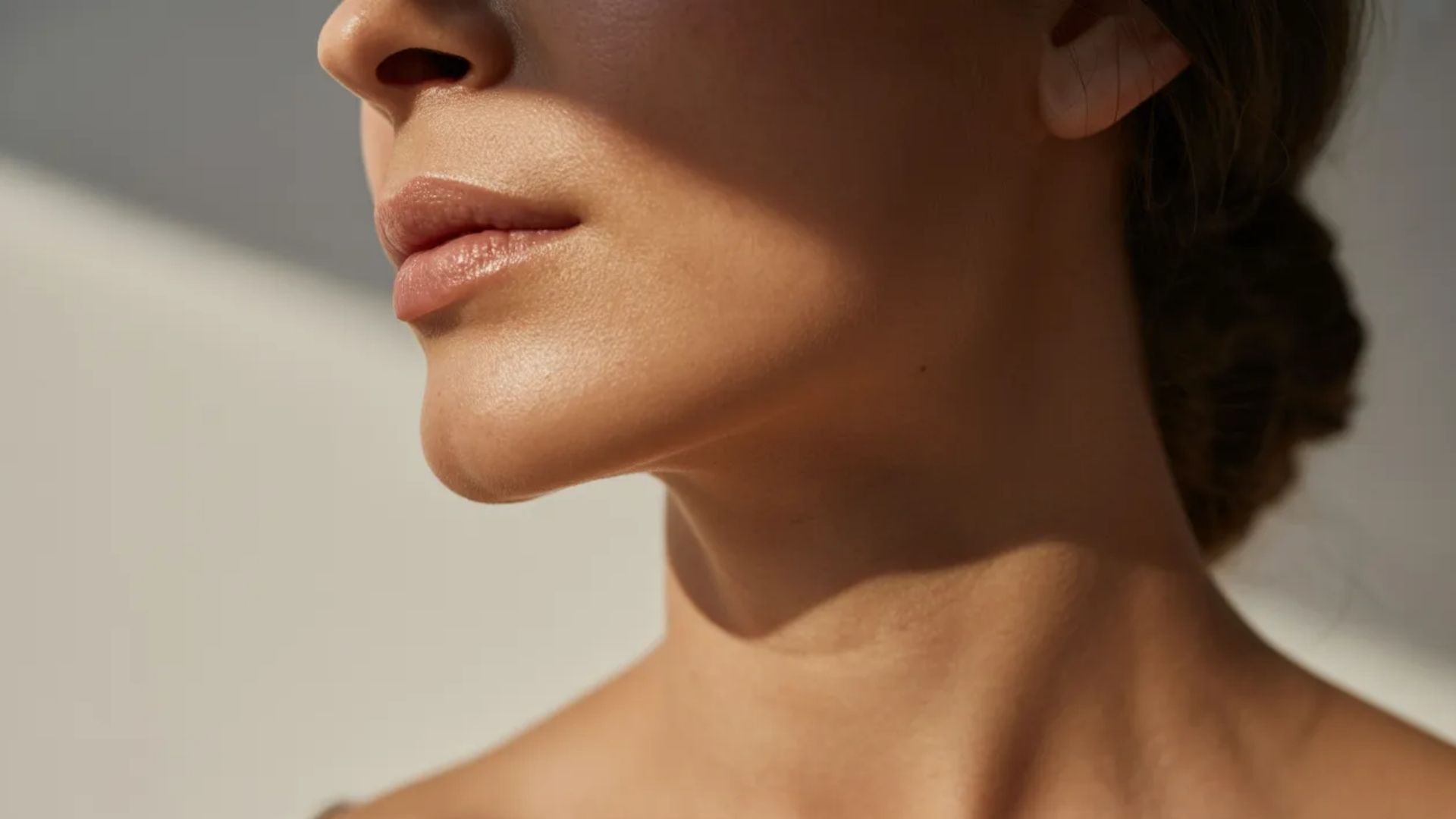
Ultherapy can help tighten mild-to-moderate jowls by stimulating collagen in the lower face. The lift is usually subtle and natural-looking.
For more severe sagging, fillers or surgical options may provide better results. Patients often notice gradual improvement over three to six months.
3. Does Ultherapy Work on Eyes and Brow Area?
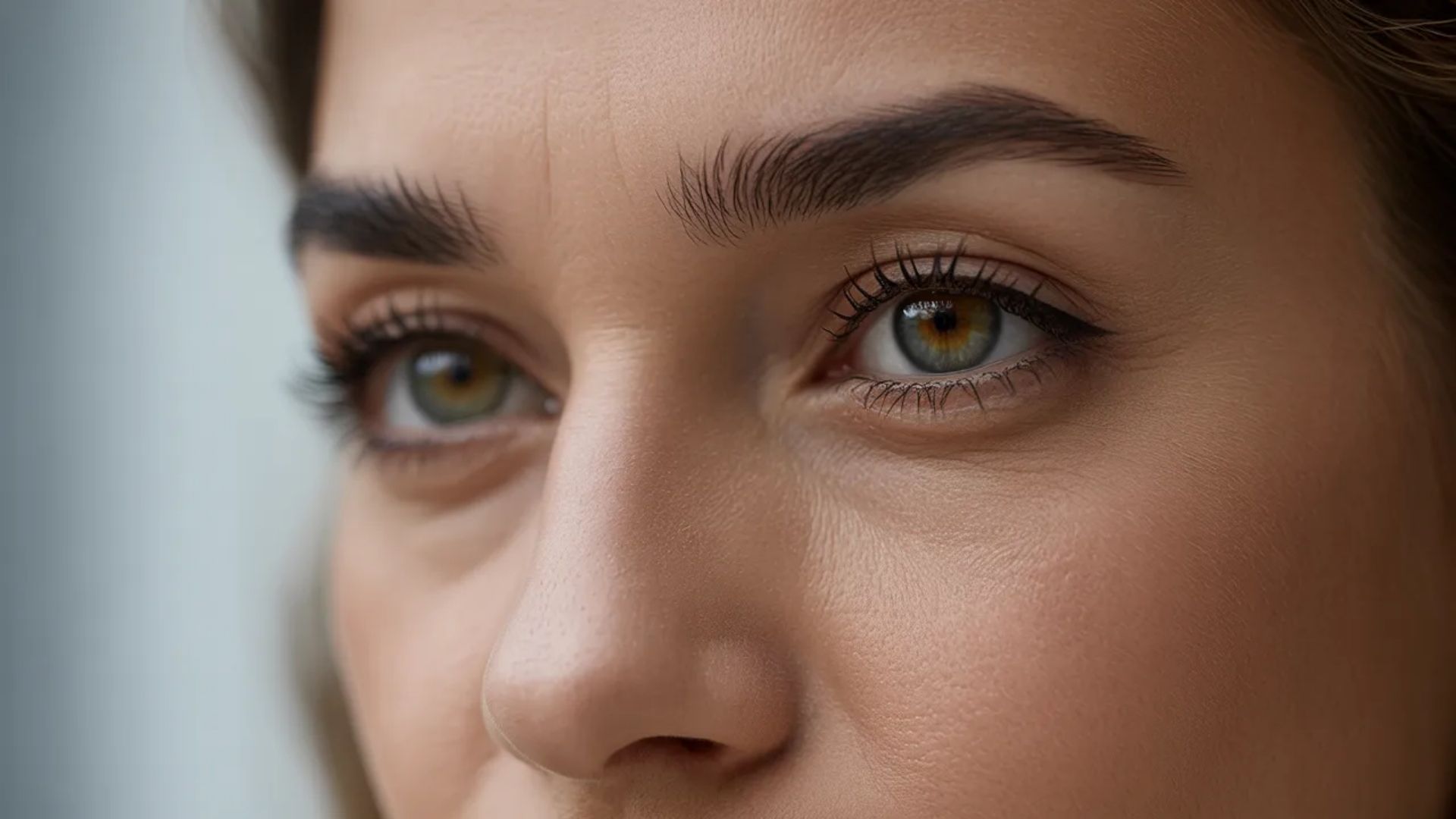
Ultherapy can lift the brow and tighten the skin above the eyes. It is effective for mild drooping but has limited impact on under-eye hollows or fine lines.
Most patients see a gentle, natural lift, which gradually improves as collagen builds over a few months.
4. Does Ultherapy Work on the Neck and Under Chin?

Ultherapy can tighten loose neck skin and improve the appearance of mild double chins. Results are best for moderate sagging and take a few months to appear.
Severe skin laxity or excess fat may require additional treatments for noticeable improvement.
5. Does Ultherapy Work on Older Skin?
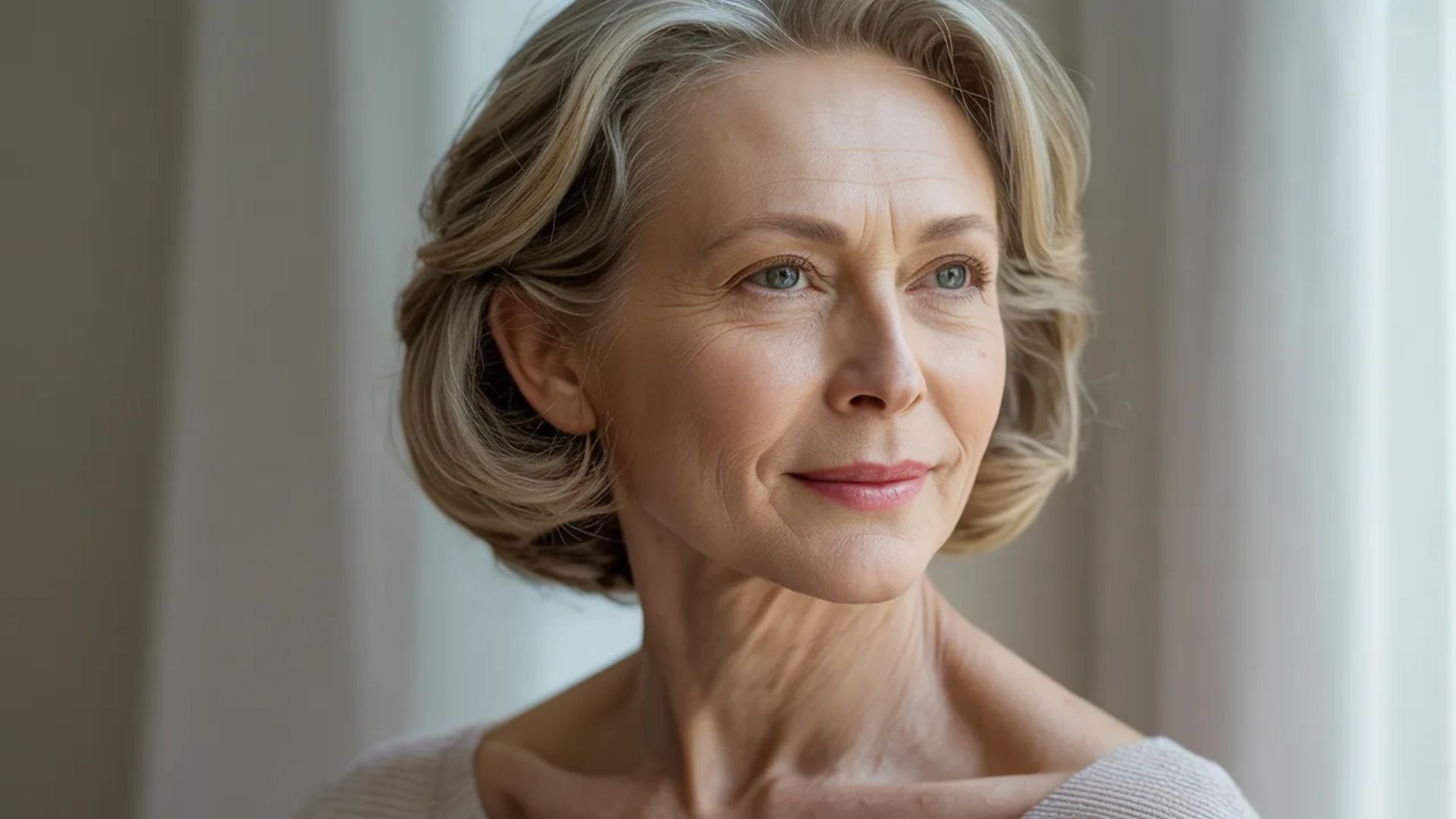
Ultherapy can work on older skin, but results are less dramatic because collagen production slows with age.
Patients in their 50s and 60s may notice subtle lifting and firming, while combining treatments can enhance outcomes. Gradual results over several months are typical.
6. Does Ultherapy Work on the Stomach?
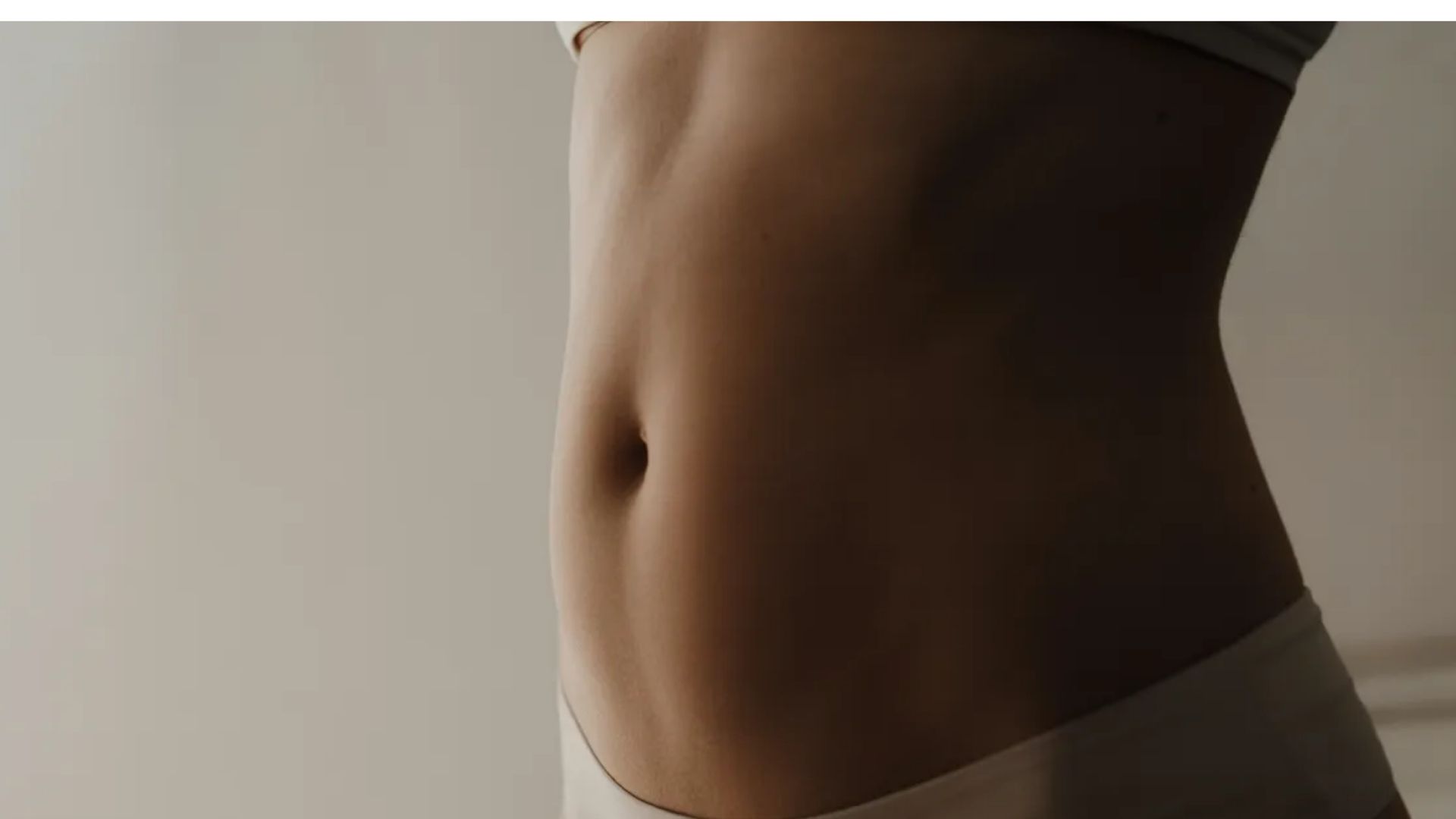
Ultherapy offers limited results for abdominal skin. It may slightly tighten loose skin but cannot address stretched or excess tissue effectively.
Most patients see only modest improvement, and other treatments may be better suited for significant skin laxity in this area.
Ultherapy Results Timeline: What to Expect
After an Ultherapy session, results develop gradually because the treatment works by stimulating collagen. Improvements appear slowly rather than immediately.
- Immediately After Treatment: Right after the session, most people notice slight tightening, but major results aren’t visible. Some redness, mild swelling, or tenderness may occur, which usually disappears within hours to a day.
- After 1 Month: Subtle improvements may appear as new collagen starts forming. The skin may feel slightly firmer, but the full lifting effect has not yet developed.
- 3-6 Months, A Peak Collagen Remodeling: The most noticeable results typically appear between three and six months. Collagen continues to build, making the skin firmer, tighter, and smoother in the treated areas.
- How Long Do Ultherapy Results Last: Results usually last up to two to three years, depending on age, skin condition, and lifestyle. Some patients opt for touch-up treatments to maintain or enhance results over time.
Ultherapy vs Other Skin Tightening Treatments
Many non-surgical options claim to lift and tighten skin. This table shows how Ultherapy compares to other popular treatments in terms of results, depth, and recovery.
| Feature | Ultherapy | HIFU | Radiofrequency (RF) & Lasers | Morpheus8 | Surgical Facelift |
|---|---|---|---|---|---|
| How It Works | Focused ultrasound stimulates deep collagen | High-intensity focused ultrasound | Heats upper and mid skin layers | Microneedling + RF | Lifts and removes excess skin |
| Depth / Target | Deep tissue | Deep layers | Surface and mid-dermal layers | Mid to deep dermis | Full facial structure |
| Results | Gradual lift over 3-6 months | Lift, less consistent | Mild tightening, smoother texture | Tightening, improves texture/scarring | Immediate and dramatic |
| Downtime | Minimal | Minimal | Minimal | 1-3 days | 2-4 weeks |
| Best For | Mild to moderate sagging, brow, face, neck, chin, chest | Mild sagging, face, neck | Fine lines, mild laxity, texture | Sagging, acne scars, uneven texture | Advanced sagging, deep folds, long-lasting results |
Pros and Cons of Ultherapy
Ultherapy can lift and tighten skin without surgery. Here’s a quick overview of its main benefits and limitations.
Benefits of Ultherapy
Ultherapy offers several advantages that make it a popular non-surgical option.
- Non-invasive and no cuts or needles
- Natural-looking results
- One-time treatment
- Minimal downtime
- Can be used on multiple areas like face, neck, and brow
Limitations to Consider
Ultherapy has some limitations that patients should be aware of before treatment.
- Results appear gradually over several months
- Mild discomfort during treatment
- Not suitable for advanced sagging
- Some patients may need additional treatments
- Limited results on areas like the stomach
Conclusion
After trying and researching Ultherapy, I can say it offers a gentle, non-surgical way to lift and tighten skin.
While it is not a replacement for surgery, many people find it boosts confidence and improves overall appearance without downtime.
Knowing what to expect and choosing an experienced provider makes all the difference in satisfaction with Ultherapy.
Curious about how Ultherapy could work for you? Book a consultation to see if it fits your skin goals!
Frequently Asked Questions
What Is the Success Rate of Ultherapy?
Ultherapy works best for mild to moderate skin laxity. About 80–90% of patients see noticeable improvement, but results vary depending on age, skin condition, and the area treated.
Is Ultherapy Worth It Compared to Fillers?
Ultherapy lifts and tightens, while fillers restore volume. For sagging, Ultherapy provides longer-lasting improvement, but fillers are better for wrinkles or hollows. Combining both treatments can give optimal results.
How Many Ultherapy Treatments Do I Need?
Most patients see results after a single session. Some choose touch-ups every 1–2 years to maintain or enhance results depending on skin laxity and aging.
Is Ultherapy Worth the Money?
Ultherapy is worth it for mild to moderate sagging if you want a non-surgical lift with natural results. It is less effective for severe sagging or areas like the stomach.
At What Age Should You Get Ultherapy?
Ultherapy works best for people in their 30s to 60s with mild to moderate sagging. Younger skin may not need lifting, and older skin may respond more slowly.