What Does After Sun Lotion Do for Your Skin?


You spend time picking the right SPF, reapplying it through the day, and staying careful in the sun. But what happens to your skin once you step inside?
Most people skip post-sun care completely. They shower, maybe moisturise, and move on. Sound familiar?
Here’s the truth. Sun exposure does more to your skin than just cause a tan or burn. It pulls out moisture, weakens the skin barrier, and starts silent damage underneath.
After sun lotion is not a bonus step. It is the recovery your skin has been waiting for.
Let’s get started.
What Does After Sun Lotion Do?

After sun lotion does more than feel nice on your skin. UV rays pull moisture straight out of your skin, leaving it dry and tight.
After sun lotion puts that hydration back and stops dryness from setting in.
It also cools overheated skin and calms the redness and irritation that builds up after a long day outside.
On top of that, the antioxidants in most formulas fight off free radical damage and help rebuild your skin barrier. It is proper recovery, not just comfort.
Is After Sun Lotion Necessary or Optional?
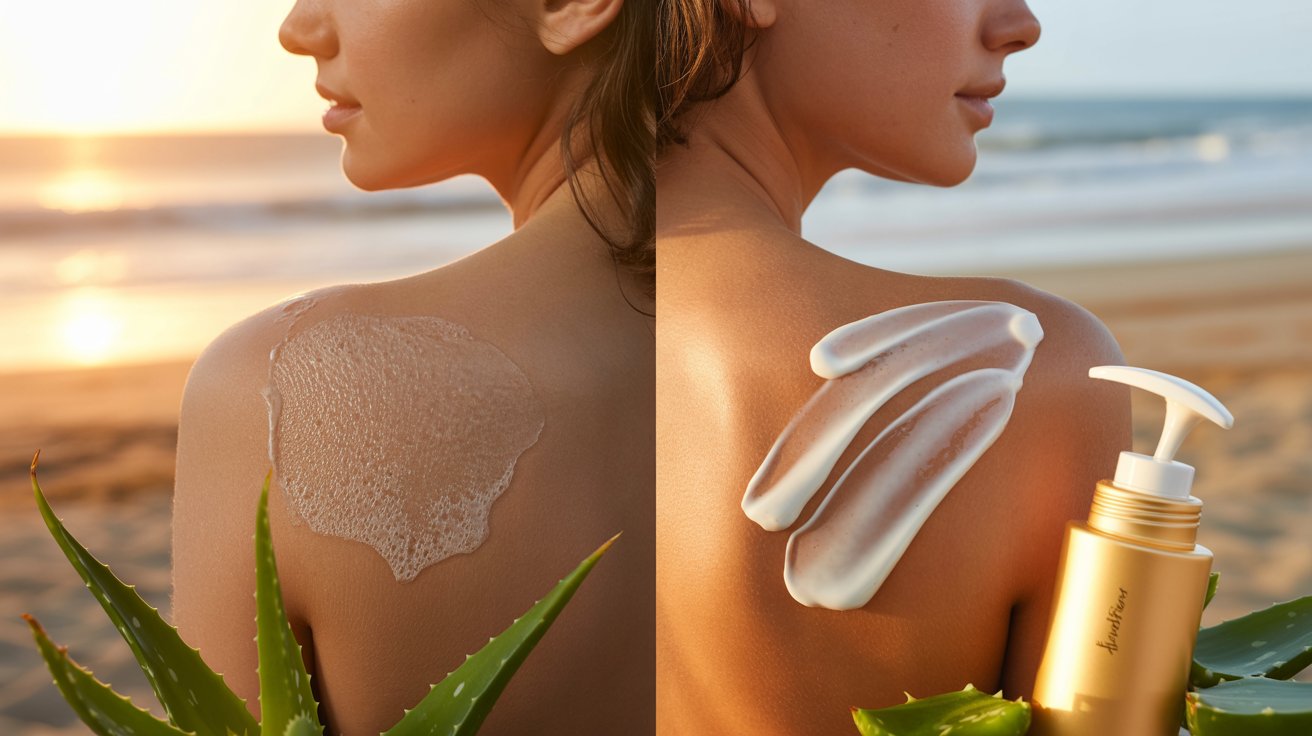
Most people treat after sun lotion as an extra step. But once you understand what your skin goes through, it starts to feel like a must.
What Happens If You Skip It?
Skipping after sun lotion feels harmless at the moment. But your skin pays for it the next day.
Dryness sets in quickly, peeling becomes hard to avoid, your tan fades sooner, and that tight uncomfortable feeling can last for days.
Most people blame the sun for these issues. The real problem is the missing recovery step.
When It Is Especially Important
Not every day in the sun is the same. After long hours of exposure, your skin loses significantly more moisture.
Mild sunburn means your skin barrier takes a direct hit. Beach holidays involve repeated daily exposure that adds up fast.
Dry and sensitive skin types feel the effects much sooner than others. In these situations, after sun lotion is not a nice extra. It is a necessary part of looking after your skin properly.
How After Sun Lotion Works (The Science Explained)
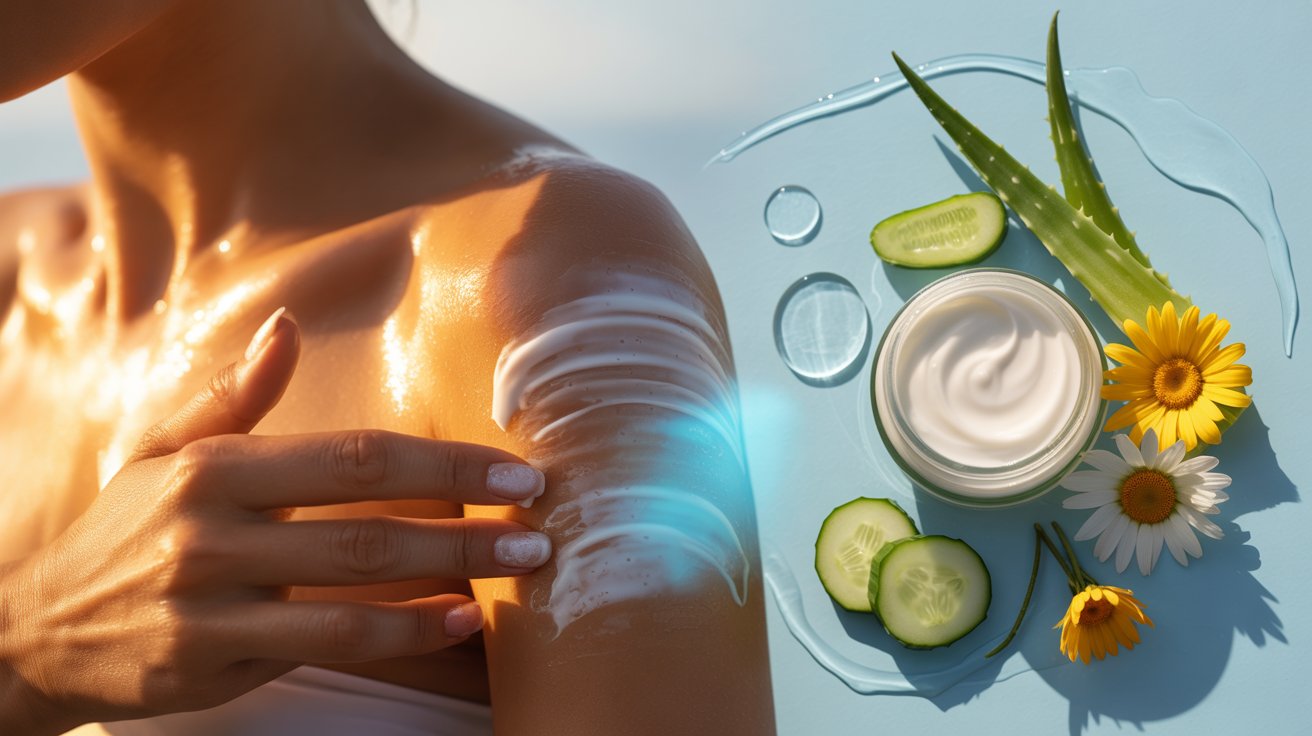
After sun lotion is not just a cooling gel. The ingredients inside it work together to help your skin recover properly from the inside out.
Hydration Boosters
The sun pulls moisture out of your skin fast. Ingredients like aloe vera, hyaluronic acid, and glycerin work to put that moisture back in.
They help your skin feel soft and comfortable again instead of dry and tight.
Soothing Ingredients
Redness and irritation after sun exposure are very common. Chamomile, calendula, and cucumber extract help calm the skin down.
They reduce that hot, sensitive feeling and give your skin a chance to settle.
Antioxidant Protection
Sun exposure creates free radicals in the skin, which speed up damage and ageing. Vitamin E and polyphenols help fight this process.
They reduce oxidative stress and give your skin a better chance of recovering without long term damage.
After Sun Lotion vs Regular Moisturiser
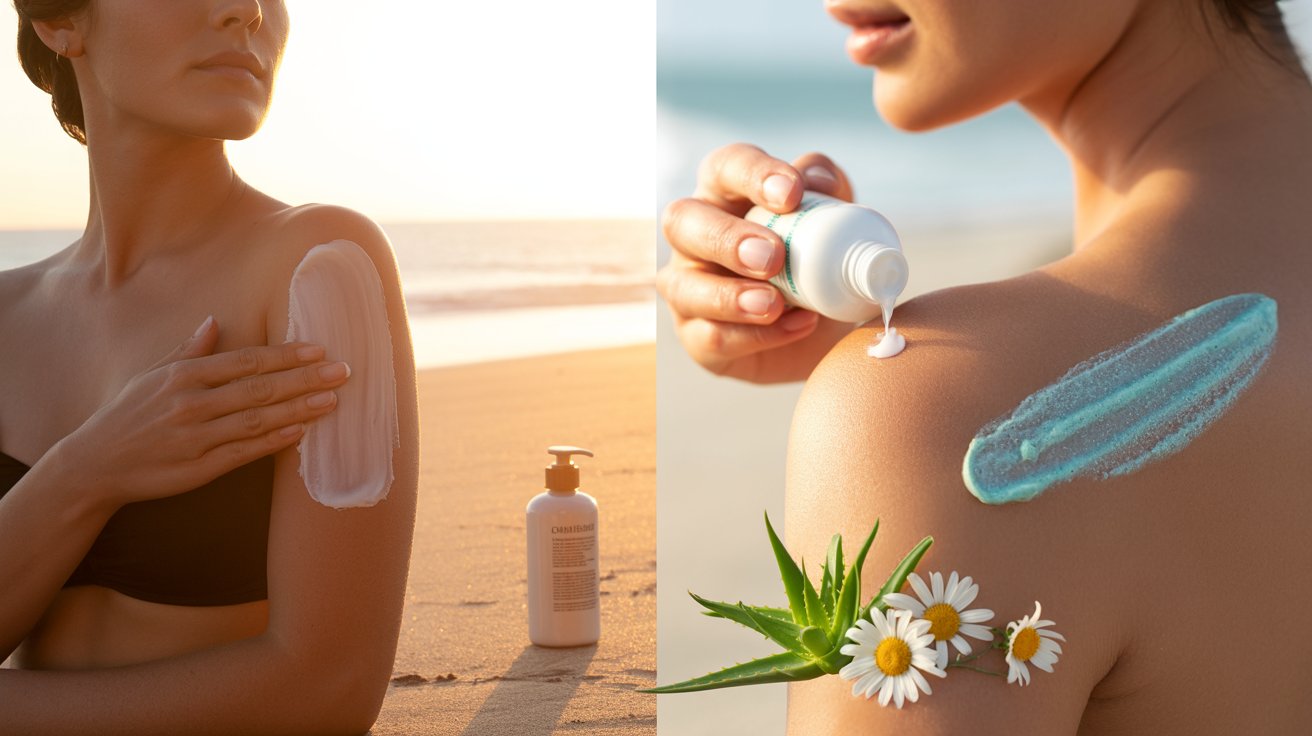
A lot of people reach for their regular body lotion after a day in the sun. It makes sense, but there is a difference worth knowing about.
Key Differences
Regular moisturisers are made to hydrate your skin in normal conditions. After sun lotion is made specifically for skin that has been under UV stress.
The formulas are lighter and more cooling, which feels better on hot, irritated skin. They also contain anti-inflammatory ingredients that standard body lotions usually leave out.
So while both add moisture, after sun lotion does a more complete job after sun exposure.
Can You Just Use Body Lotion Instead?
Yes, in some cases it can work. If your skin is not red or irritated and you only had light sun exposure, a good body lotion with hydrating ingredients may be enough to get through the night.
But after a long day outside, a beach holiday, or any sign of mild sunburn, a regular moisturiser simply will not cover everything your skin needs.
After sun lotion brings the cooling effect, the soothing ingredients, and the repair support that body lotion was never designed to offer.
Does After Sun Lotion Help Prevent Peeling?
Peeling happens when your skin dries out after sun exposure. Keeping your skin properly hydrated helps it shed more evenly, which reduces flaking and keeps the texture smooth.
It also helps your tan last longer. Dry skin fades unevenly and patches appear quickly. After sun lotion prevents that dryness from setting in, so your tan fades in a more even and gradual way.
Who Should Use After Sun Lotion?
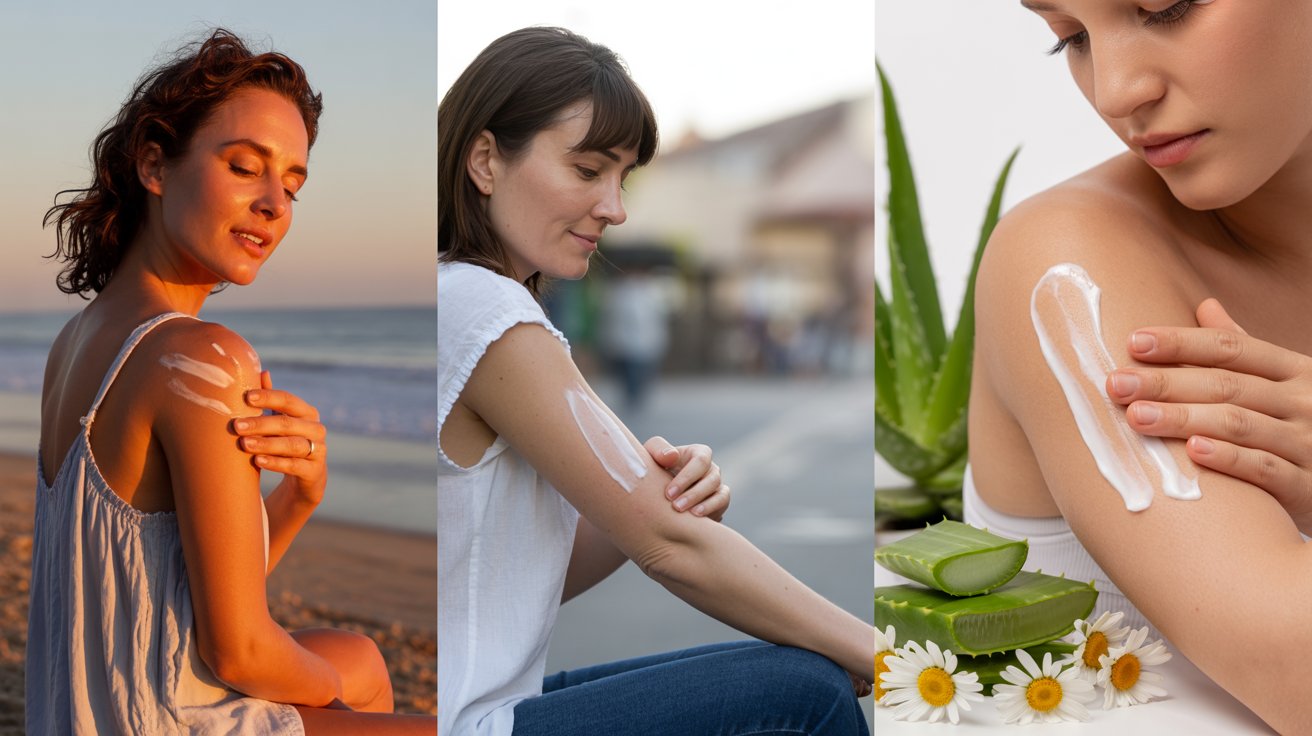
After sun lotion is not just for people on holiday. If your skin sees the sun regularly, it can benefit from proper post-sun care. More people need it than they think.
Beach and Holiday Goers
Long days by the water mean hours of direct sun exposure. Your skin loses moisture and deals with UV stress the entire time.
Without proper recovery, that damage builds up day after day. After sun lotion helps your skin reset each evening so it is in better shape the next day.
Daily Sun Exposure
Outdoor workers, walkers, and daily commuters are exposed to UV rays more than they realise, even on cloudy days.
Short bursts of daily exposure can be just as damaging over time as one long day in the sun. After sun lotion helps manage that ongoing stress before it starts showing on your skin.
Sensitive or Dry Skin Types
People with sensitive or dry skin feel the effects of sun exposure much faster. Their skin barrier is more fragile, making it more prone to redness, irritation, and dryness after even a short time outside.
For these skin types, after sun lotion is a regular part of keeping their skin calm and properly looked after.
Conclusion
SPF protects your skin from damage. After sun lotion helps it recover. Both matter.
If you have ever dealt with peeling, dryness, or fading tan after a sunny day, you already know your skin needs more support.
After sun lotion is not overrated. It is simply the part most people skip.
Give your skin the full care it deserves. Shop our after sun range today and feel the difference from day one.
Frequently Asked Questions
When should I apply after sun lotion?
Apply it as soon as you get out of the sun or after a cool shower. The sooner you apply it, the faster your skin starts recovering.
How is after sun lotion different from regular moisturiser?
After sun lotion is made specifically for UV-stressed skin with cooling and anti-inflammatory ingredients. Regular moisturiser does not offer the same level of post-sun recovery support.
Can after sun lotion help with sunburn?
It can help soothe mild sunburn by cooling the skin and reducing redness. For severe sunburn, it is always best to seek medical advice.
Does after sun lotion help a tan last longer?
Yes, keeping your skin hydrated after sun exposure helps your tan fade more evenly. Dry skin tends to peel and lose colour much faster.
How often should I apply after sun lotion?
Apply it once or twice after sun exposure, especially before bed. Reapplying the next morning also helps if your skin still feels dry or tight.