What Is a Bunion? Symptoms, Causes & Treatment

A bunion can make every step uncomfortable. I know because I have seen people struggle with foot pain for years before understanding what was actually going on.
What is a bunion? It is a bony bump that forms at the base of your big toe. It sounds simple, but it affects how you walk, what shoes you wear, and how your foot feels every single day.
In this guide, you will learn what causes bunions, how to spot the symptoms, and what treatment options actually work.
I have spent time researching foot health with trusted medical sources to bring you clear, useful information.
What Is a Bunion? Understanding the Basics
Everything you need to know about how bunions form and what makes them different from other foot problems.
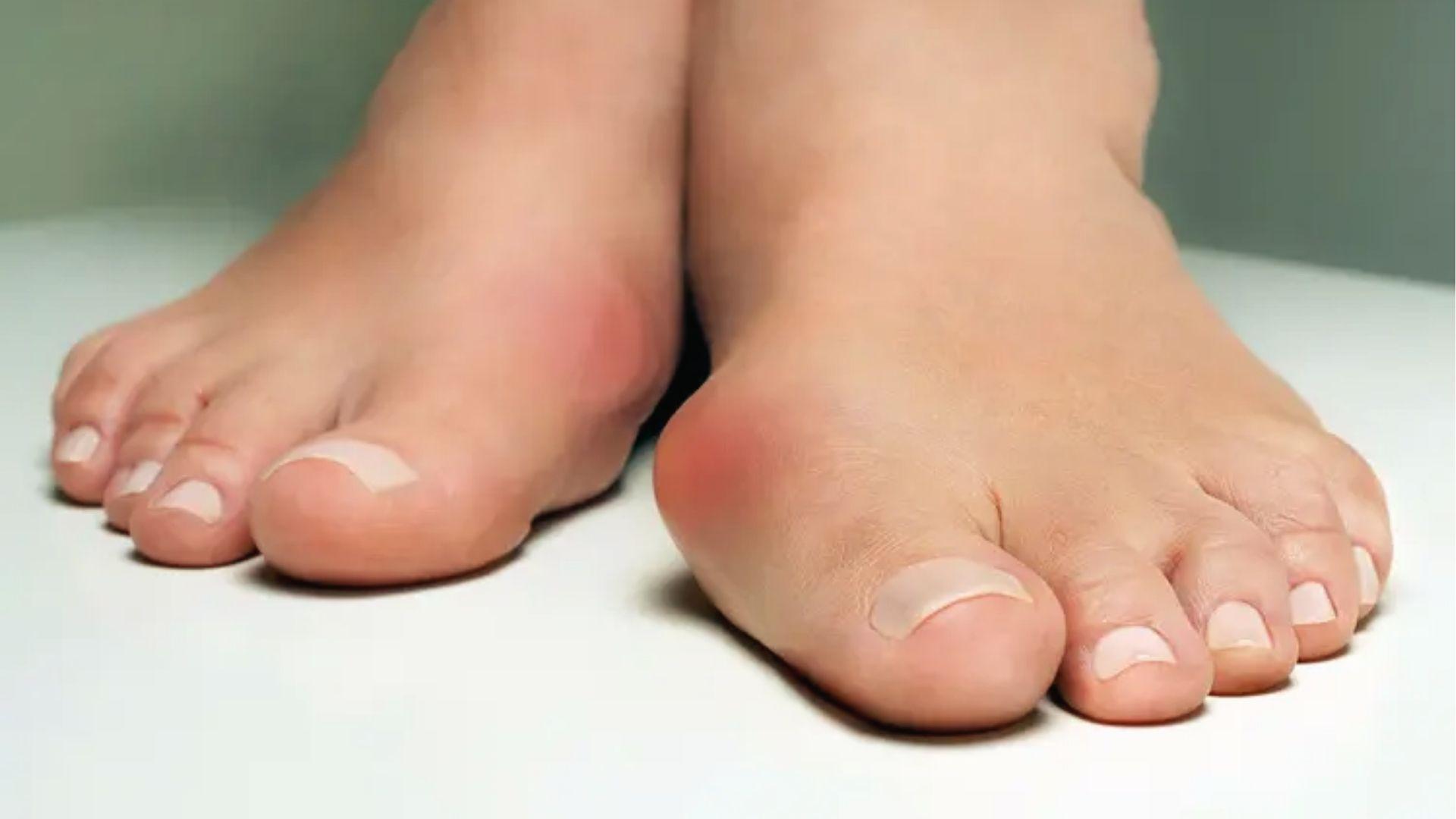
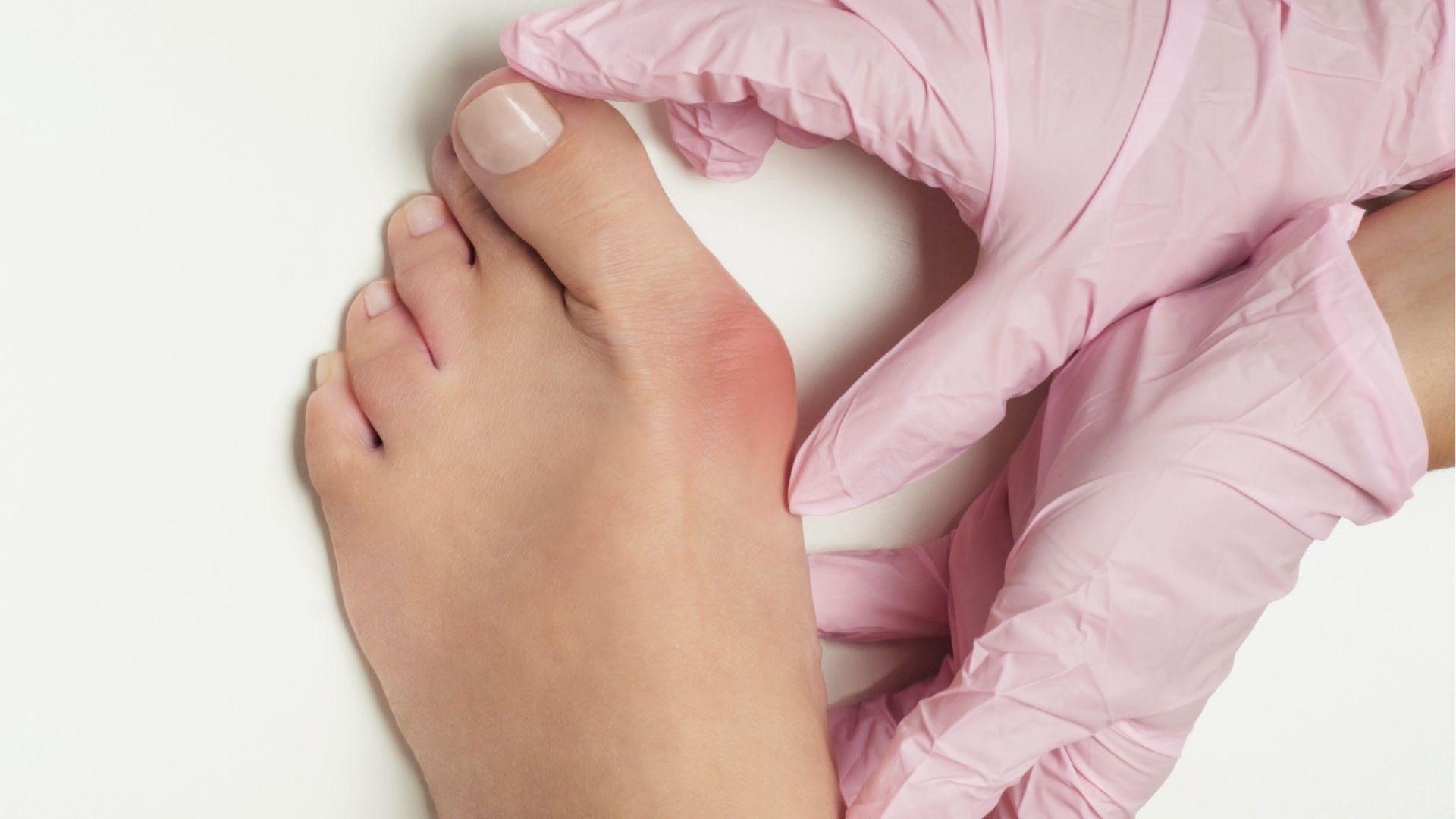
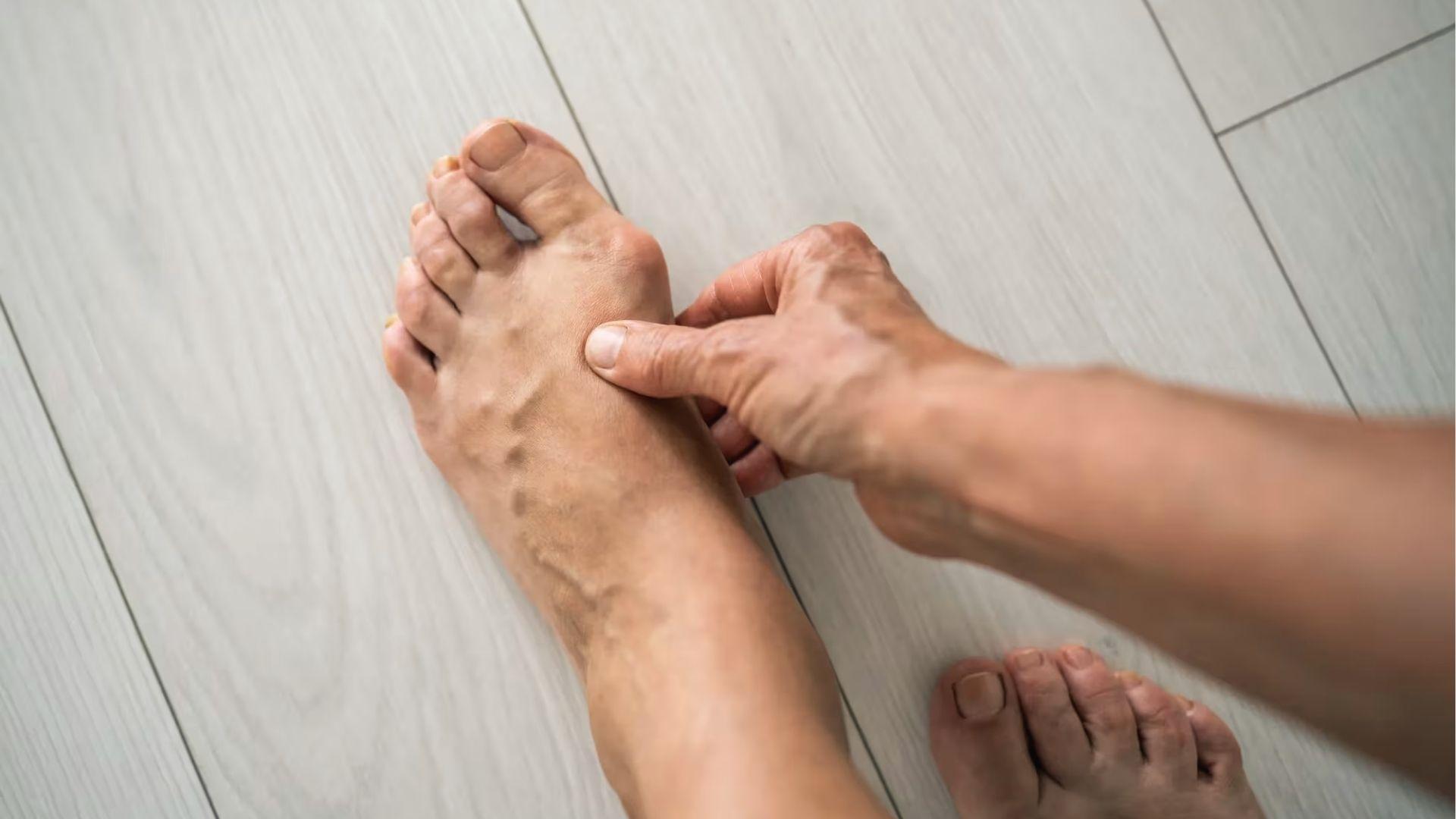
A bunion is a bony bump that forms at the joint where your big toe meets your foot.
It happens when pressure on the joint causes the bones to shift out of place, pulling the tip of the big toe toward the smaller toes.
This misalignment is a joint deformity, not a bone growth. Bunions develop slowly over months or years and become more noticeable with time.
A bunionette is a similar condition but forms at the base of the little toe instead.
Bunion Symptoms: How to Know If You Have One

Recognizing the signs early can help you manage bunion pain before it gets worse.
Pain And Tenderness Around The Big Toe Joint
One of the first signs of a bunion is pain at the base of the big toe. The joint may feel sore when pressed.
Pain can be constant or come and go, especially after walking or standing for a long time. The discomfort can range from mild to sharp depending on how much the joint has shifted.
Swelling, Redness, And Inflammation
The skin around the bunion often looks red and feels warm to the touch. Swelling is common, especially after physical activity.
This happens because the joint is irritated and inflamed. The body sends extra fluid to the area as part of its response to ongoing pressure and friction.
Corns And Calluses Between The Toes
Because the toes are being pushed out of their normal positions, they rub against each other and against shoes.
This rubbing causes corns and calluses to form. Corns are small, hard patches of thickened skin.
They can develop between the first and second toe as the big toe continues to press inward.
Limited Movement And Stiffness In The Big Toe
As a bunion progresses, the joint can become stiff. Bending the big toe may become harder.
Some people find they cannot move the toe through its full range of motion.
This stiffness makes walking uncomfortable and can change the way you put weight on your foot with each step.
Difficulty Walking And Wearing Certain Shoes
Many people with bunions find it hard to wear closed-toe shoes, heels, or anything narrow. The bump rubs against the inside of the shoe, causing pain and irritation.
Some people change how they walk to avoid pressure on the joint. This can lead to pain in other parts of the foot, knee, or hip over time.
What Causes Bunions? Risk Factors and Triggers
Understanding the root causes of bunions can help you reduce your risk and protect your feet long-term.
Genetics And Inherited Foot Structure
Foot shape is largely inherited. If your parents or grandparents had bunions, you are more likely to develop them too.
This is not about the bunion itself being inherited but about the foot structure that makes bunions more likely.
Flat feet, low arches, or loose foot joints can all be passed down and contribute to bunion development.
Tight Shoes, High Heels, And Toe Crowding
Shoes that are narrow in the toe area force the toes together. High heels shift body weight onto the front of the foot, putting extra pressure on the big toe joint.
Wearing these types of shoes regularly over many years can accelerate bunion formation, especially in people who already have a predisposition to them.
Arthritis And Inflammatory Conditions
Rheumatoid arthritis and other inflammatory joint conditions can damage the big toe joint and cause it to shift.
When the joint is inflamed over a long period, the surrounding structures weaken. This makes it easier for the bones to move out of alignment.
People with arthritis are at higher risk of developing bunions as a secondary condition.
Foot Injuries And Abnormal Foot Mechanics
An old injury to the big toe or foot can alter how weight is distributed when you walk. Abnormal gait or flat feet can also cause uneven pressure on the big toe joint.
Over time, this leads to the bone shifts that result in a bunion. People who overpronate, meaning their foot rolls inward too much, are especially prone to this.
Who Is Most Likely To Develop Bunions?
Bunions are more common in women, likely because of shoe styles. Older adults are at higher risk because joint changes happen gradually over years.
People with a family history of foot problems, those with inflammatory arthritis, and individuals who spend long hours on their feet are all more likely to develop bunions.
Bunion Treatment Options: What Actually Works?

From simple home care to surgery, here is what you can do to manage bunion pain and slow its progress.
Wearing Shoes With A Wide Toe Box
The first and most effective non-surgical step is changing your footwear. Shoes with a wide toe box give the toes room to spread naturally.
This reduces pressure on the bunion and slows the progression of the deformity. Look for shoes made of soft, flexible material with a roomy front and low heel.
Bunion Pads, Toe Spacers, And Orthotics
Bunion pads cushion the bump and reduce friction from shoes. Toe spacers help realign the toes and reduce pressure between them.
Custom orthotics support the arch and correct how weight is distributed across the foot. These tools do not fix the bunion, but they can make daily life much more comfortable.
Ice Therapy And Pain-Relief Medications
Applying ice to the bunion for short periods can bring down swelling and numb the pain. Over-the-counter anti-inflammatory medications like ibuprofen can help with pain and inflammation.
These are short-term solutions that work best when combined with other changes like better footwear.
Physical Therapy And Foot Exercises
A physical therapist can teach exercises that strengthen the muscles around the big toe joint. Regular stretching and mobility work can help maintain joint function and reduce stiffness.
These exercises are not a cure, but they can slow the progression of the bunion and keep the foot more functional.
When Bunion Surgery Becomes Necessary
Surgery is considered when conservative treatments no longer help and the pain interferes with daily life.
The most common procedure is called a bunionectomy, where the bone is realigned and the joint is stabilized.
Surgery is not always the first choice, but for severe cases, it can provide lasting relief.
Recovery And Expectations After Treatment
Recovery from bunion surgery can take several weeks to months. Patients often need to wear a special boot or shoe during healing.
Physical therapy is usually part of recovery. Non-surgical treatments provide gradual relief and require consistent use over time.
Realistic expectations are important regardless of the treatment chosen.
Tips for Living Comfortably with Bunions
Practical strategies that can help you stay active and comfortable when dealing with a bunion every day.
- Soak your feet in warm water daily, wear cushioned socks, and rest your feet often to reduce joint stress and pain.
- Look for shoes with a wide toe box, soft upper material, firm heel support, a low heel, and removable insoles for orthotics.
- Stick to low-impact activities like swimming, cycling, and yoga to stay active without stressing the big toe joint.
- Avoid narrow shoes, walking barefoot on hard surfaces, and ignoring early pain, as these habits can make a bunion worse over time.
- See a podiatrist if your bunion pain affects walking or daily tasks, or if the bump is growing quickly or the toe is becoming very stiff.
Conclusion
Living with a bunion is not easy, and I know how frustrating it can be to find shoes that fit or to walk without pain.
But here is what I want you to take away:catching it early and making smart choices really does help.
You do not have to accept foot pain as part of life. Start with better footwear, try toe spacers, and talk to a podiatrist if things are not improving.
Found this helpful? Share it with someone dealing with foot pain or drop a comment below. Your experience might help someone else too.
Frequently Asked Questions
What is a bunion?
A bunion is a bony bump that forms at the base of the big toe when the bones in the foot shift out of alignment. It can cause pain, swelling, and difficulty wearing shoes.
What is a bunion and what causes it?
A bunion forms when repeated pressure on the big toe joint causes the bones to misalign over time. Contributing factors include foot structure, tight footwear, and inflammatory conditions like arthritis.
What does a bunion look like?
A bunion looks like a visible bump on the inner edge of the foot near the big toe. The area may appear red, swollen, or thickened, and the big toe often points toward the smaller toes.
Can a bunion go away without surgery?
A bunion will not disappear on its own or without surgery. However, non-surgical treatments can reduce pain, slow progression, and make daily life more comfortable for many people.
Are bunions hereditary?
Yes, foot structure that makes bunions more likely can be inherited. If your parents had bunions, you may be more prone to developing them, especially with poor footwear habits over time.