Types of Highlights: Which Style Fits Your Hair Best?

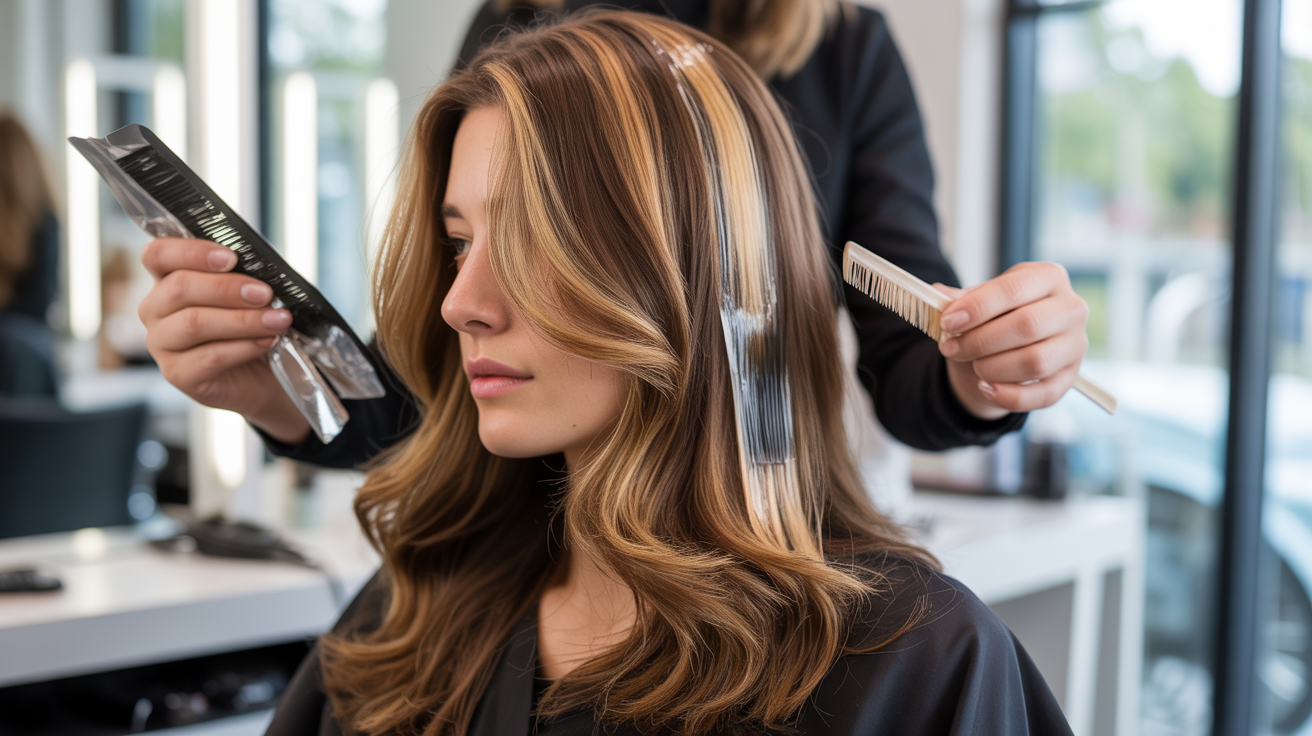
I remember sitting in the salon chair, completely overwhelmed by all the highlight options my stylist mentioned.
Sound familiar?
Here’s the thing: Highlights can completely change your look without committing to full hair color. They add dimension, brightness, and personality to your hair.
In this guide, I’ll walk you through different highlight techniques. You’ll learn what each type looks like, who they work best for, and how much maintenance they need.
Let’s get started.
What Are Highlights? Understanding the Basics
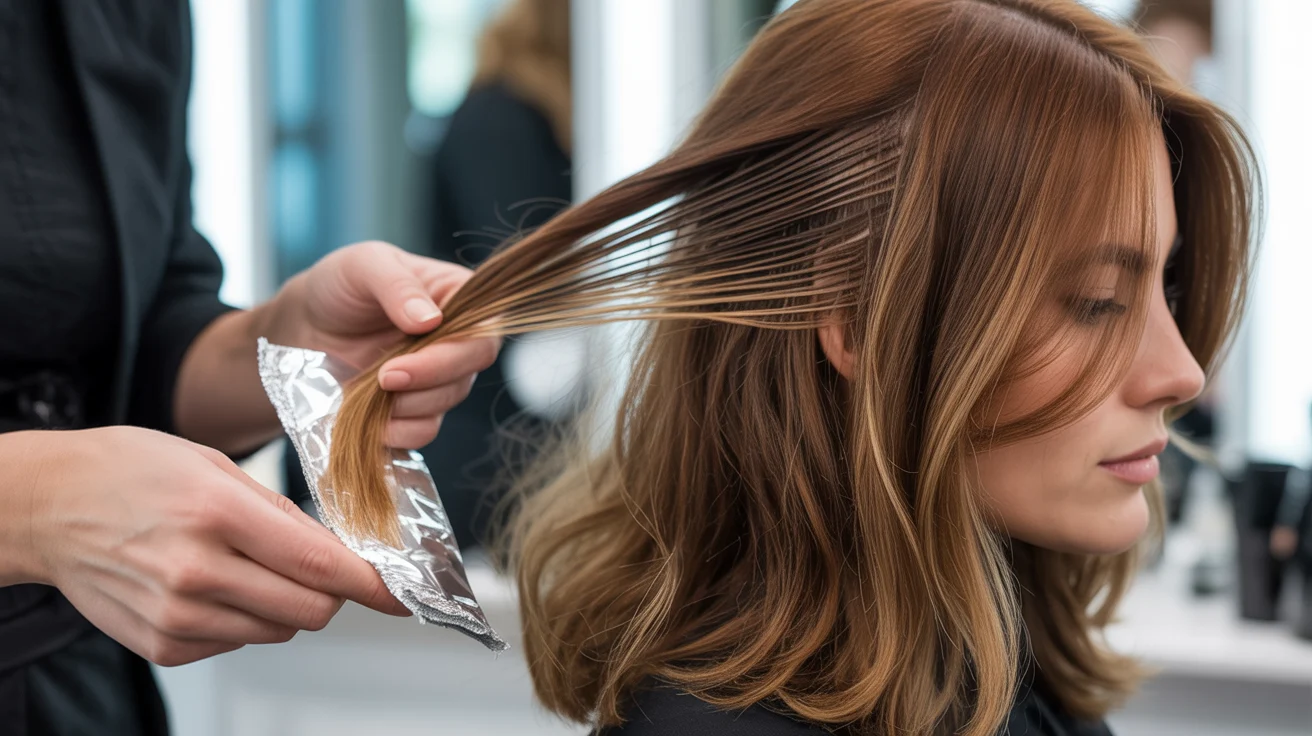
Highlights are strands of hair that are lightened to a shade brighter than your natural color. They create contrast and dimension in your hair.
Think of them as strategically placed lighter pieces that catch the light. They make your hair look fuller and more dynamic.
Highlights vs. Lowlights
Highlights are lighter than your base hair color. They brighten your overall look and add a sun-kissed effect.
Lowlights are darker than your natural shade. They add depth and richness to your hair.
You can combine both for maximum dimension. This creates a multi-tonal effect that looks incredibly natural.
Many stylists use this combination to add complexity. It prevents your hair from looking flat or one-dimensional.
How Highlights Are Applied
The weaving technique involves your stylist pulling small sections of hair through a highlighting cap or using a tail comb. They separate thin strands to color.
The foil processing method wraps selected hair strands in foil. This keeps the lightener from touching other hair and allows for precise placement.
You can choose between full or partial placement. Full highlights go all over your head, while partial focuses on specific areas.
Placement depends on your goals and budget. Your stylist will recommend what works best for your hair and lifestyle.
17 Types of Highlights to Change Your Look
Now let’s break down the most popular types of highlights you can try. Each one creates a different effect and requires different maintenance levels.
I’ll explain what makes each technique special.
1. Traditional/Full Highlights
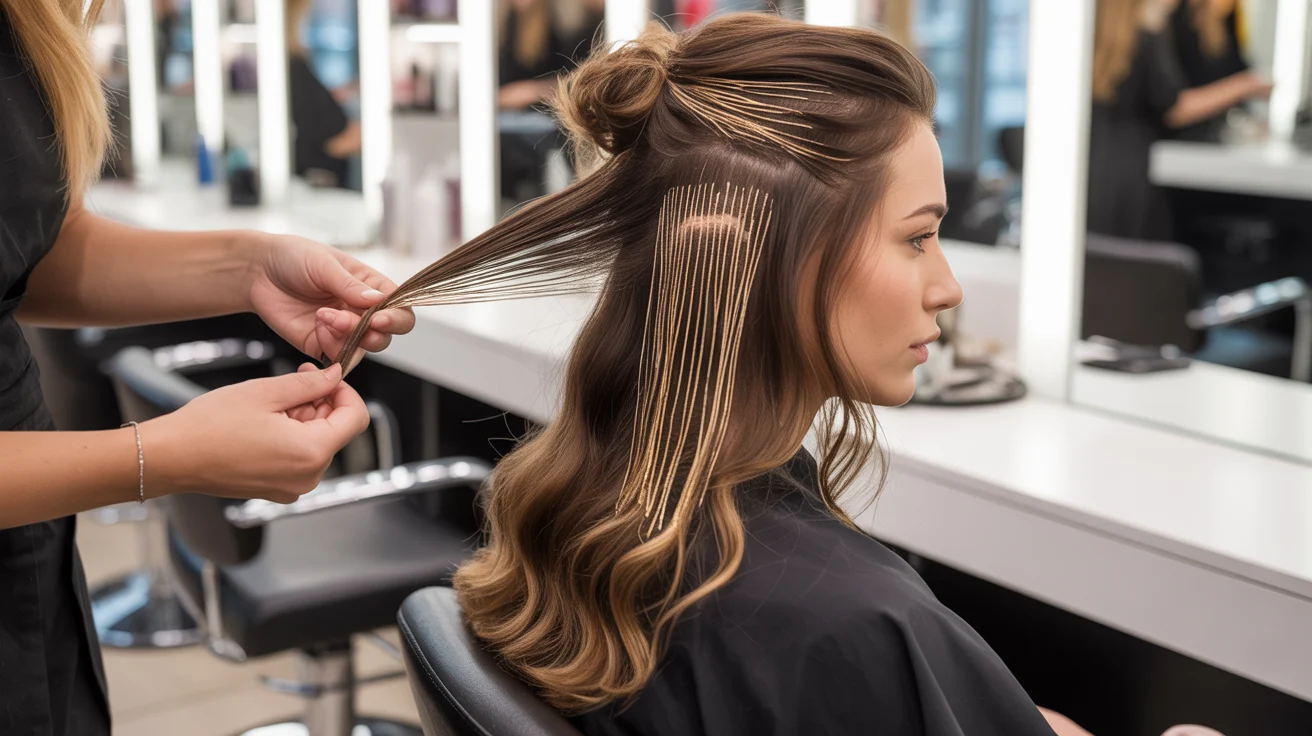
Traditional highlights cover your entire head from root to tip. Your stylist weaves small sections throughout all your hair and wraps them in foils.
This technique gives you the most noticeable brightness. It’s perfect if you want an all-over lighter look.
Best for: People who wear their hair up frequently or want maximum brightness throughout.
The maintenance level is higher here. You’ll need touch-ups every 6-8 weeks as your roots grow out.
2. Babylights
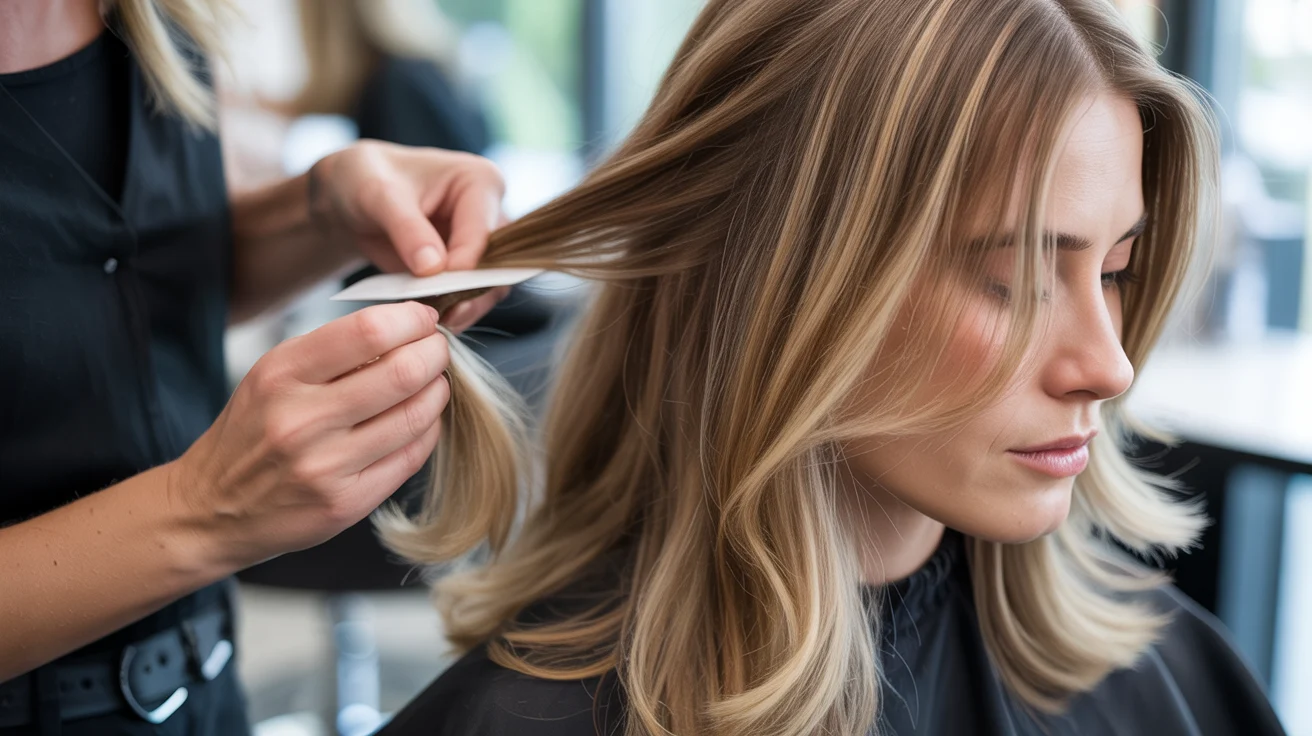
Babylights are super fine, delicate highlights. They mimic the natural highlights you had as a child.
Your stylist uses very thin sections of hair. The result looks incredibly natural and subtle.
Best for: Natural blondes who want to brighten their color without looking obviously highlighted. Also great for anyone wanting subtle dimension.
These grow out beautifully. You won’t get harsh lines as your hair grows.
The maintenance is lower than traditional highlights. You can go 10-12 weeks between appointments.
3. Balayage
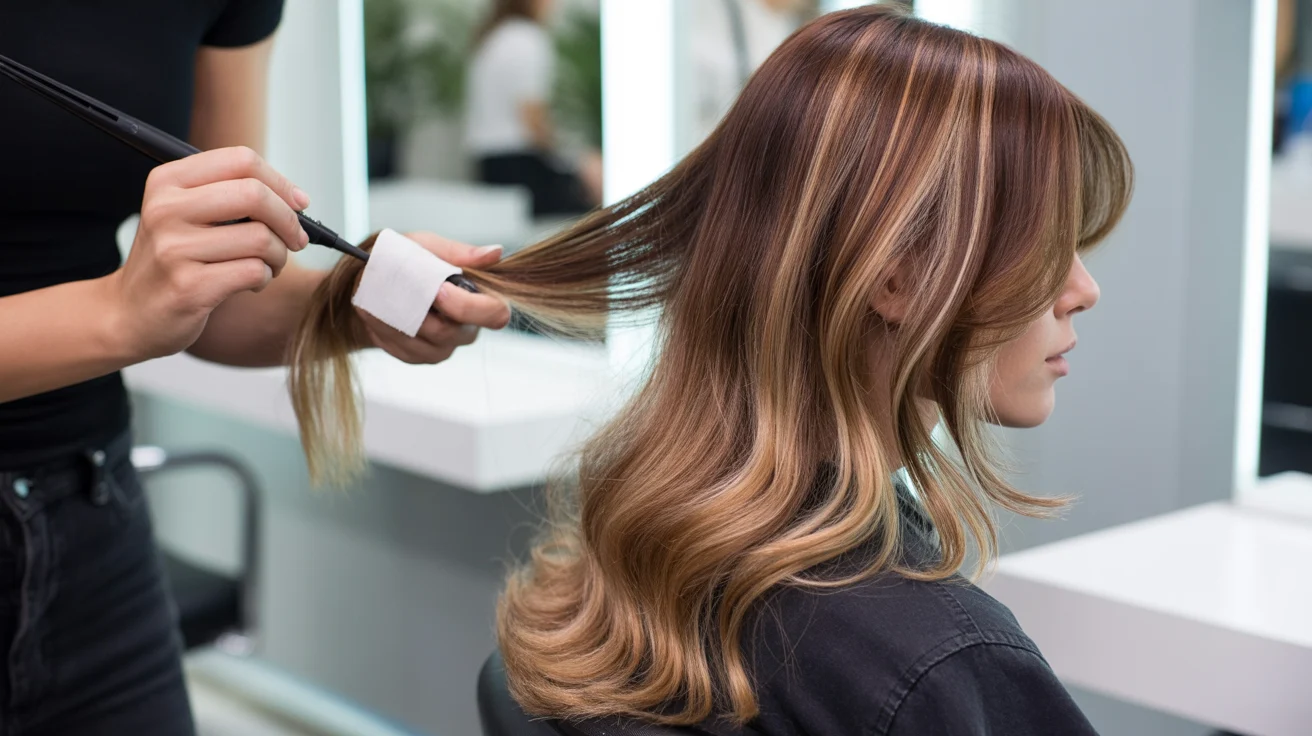
Balayage is a hand-painted technique. Your stylist literally paints lightener onto your hair in a sweeping motion.
There’s no foil involved. The color is applied freehand for a more natural, blended look.
Best for: Anyone wanting a low-maintenance, beachy, lived-in look. It works on literally all hair colors.
This is one of the most popular types of highlights right now. The grow-out is seamless and natural-looking.
You can go 12-16 weeks between touch-ups. Some people even stretch it longer.
4. Foilayage
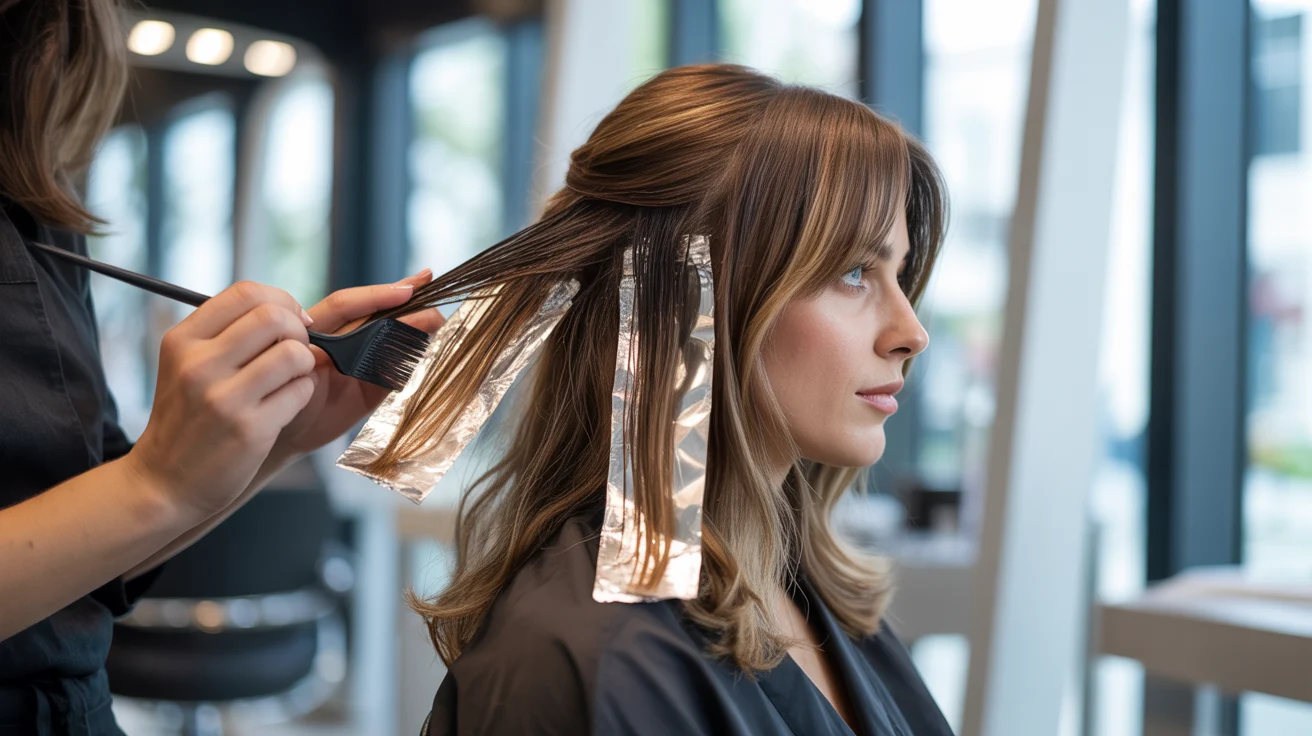
Foilayage combines foiling with balayage technique. Your stylist hand-paints the color, then wraps sections in foil.
The foil helps the color lift more. You get brighter results than balayage alone.
Best for: People who want the natural look of balayage but need more lift. Dark hair especially benefits from this.
It gives you the best of both worlds. Natural placement with maximum brightness.
5. Partial Highlights
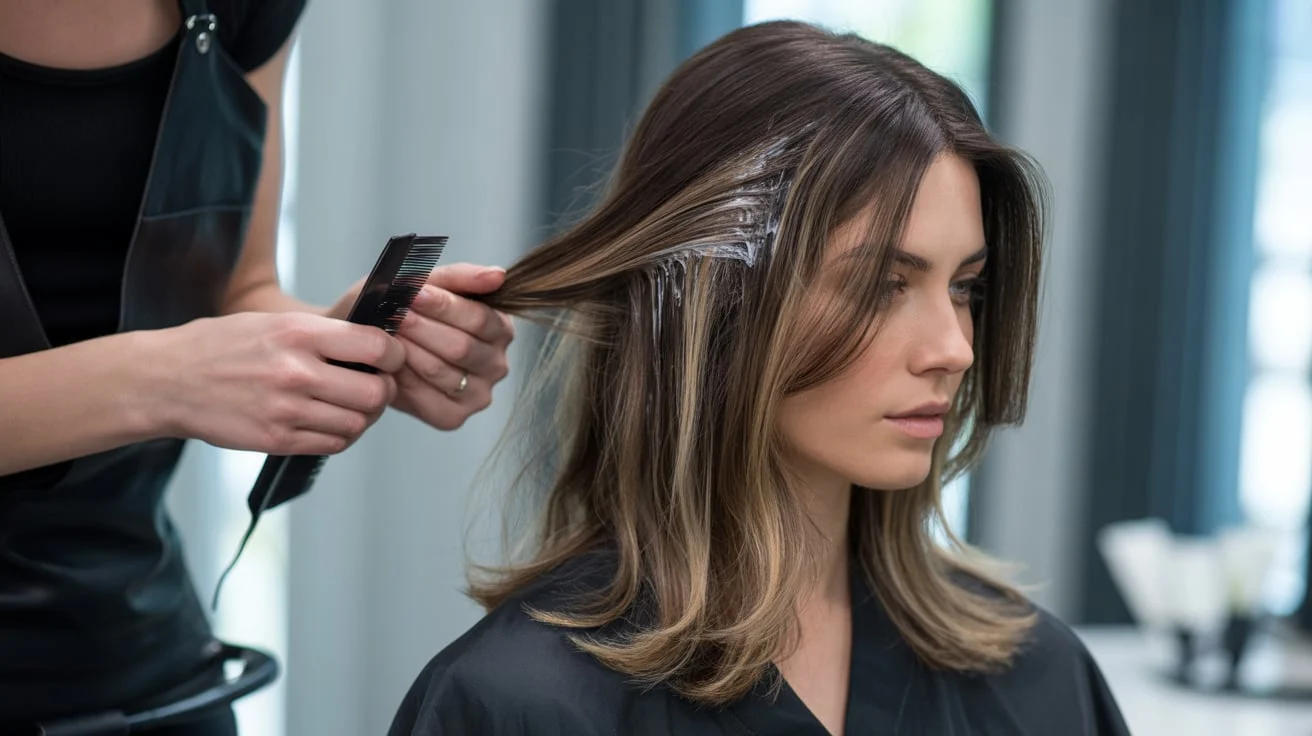
Partial highlights focus on the front and top sections of your hair. The underneath layers stay your natural color.
This creates a framed effect around your face. The back stays darker for depth.
Best for: Budget-conscious clients or people who always wear their hair down. It’s also great if you want to try highlights without full commitment.
You keep natural depth underneath. This makes your hair look fuller and more dimensional.
Touch-ups are needed every 8-10 weeks. Still less maintenance than full highlights.
6. Face-Framing Highlights
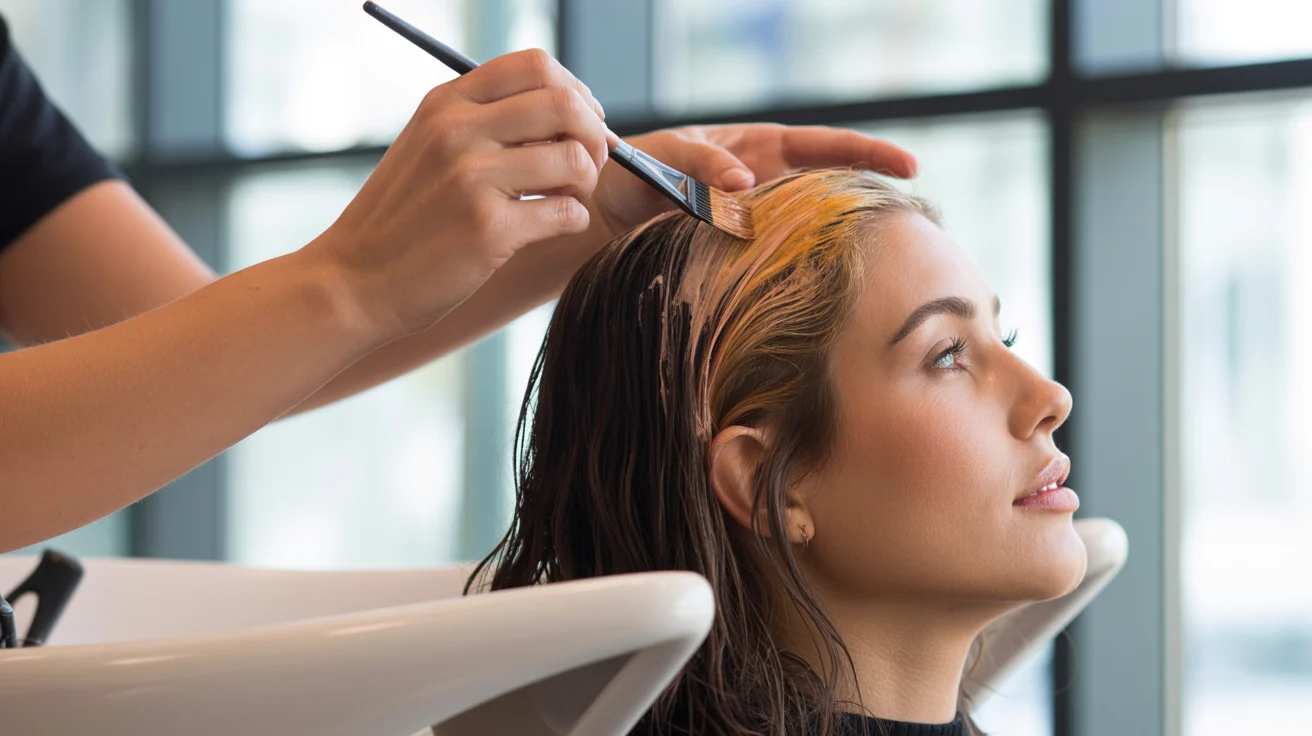
These highlights concentrate brightness around your face only. Think of them as strategic placement near your hairline and around your face shape.
They brighten your complexion instantly. Your face looks more awake and glowing.
Best for: Low-commitment color, brightening your skin tone, or testing out lighter hair.
The grow-out is super natural. You barely notice roots because they’re not all over your head.
Maintenance is minimal. Every 10-14 weeks is usually fine.
7. Dimensional Highlights
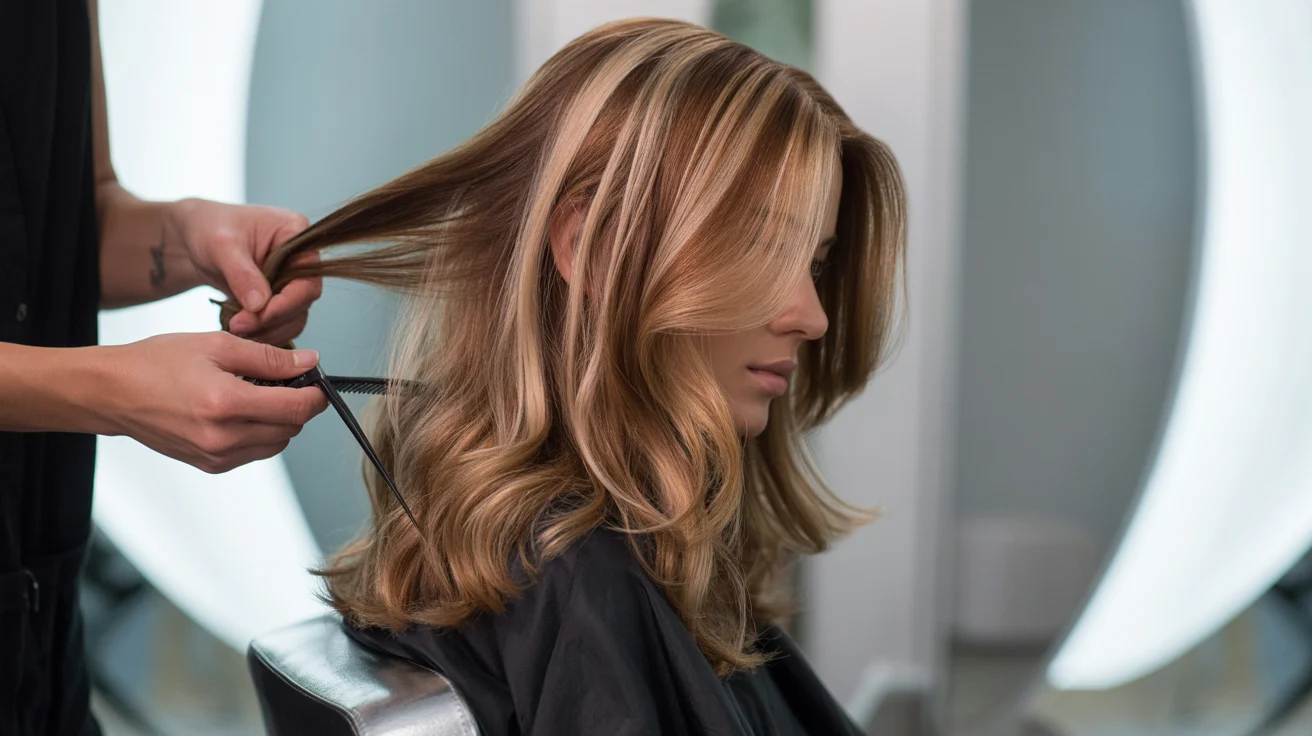
Dimensional highlights use multiple shades instead of just one. Your stylist blends 2-3 complementary tones throughout your hair.
This creates serious depth and contrast. Your hair looks like it has movement and texture.
Best for: Creating the illusion of volume, especially on curly or wavy hair. Also great for making your haircut stand out.
The different tones catch light differently. This makes your hair look thicker and fuller.
You’ll need touch-ups every 8-10 weeks. The multi-tonal effect requires some upkeep.
8. Peekaboo Highlights
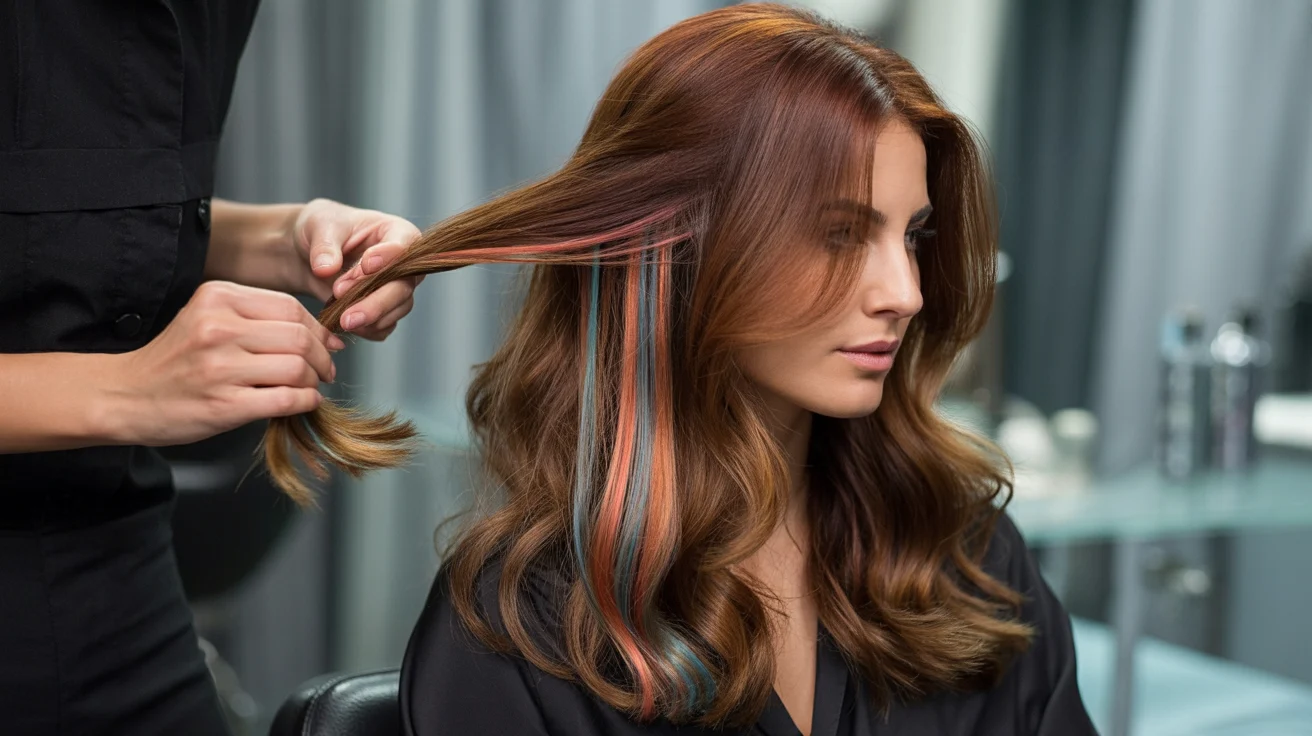
Peekaboo highlights hide underneath your top layer of hair. They’re placed internally so you only see them when your hair moves.
It’s like a fun secret in your hair. You can use bold colors or stick with natural tones.
Best for: People wanting fun color without showing it at work. Also great for summer experimentation.
The maintenance is minimal. Since they’re hidden, roots aren’t obvious.
You can go 12-16 weeks between appointments. Sometimes longer if using fashion colors.
9. Chunky Highlights
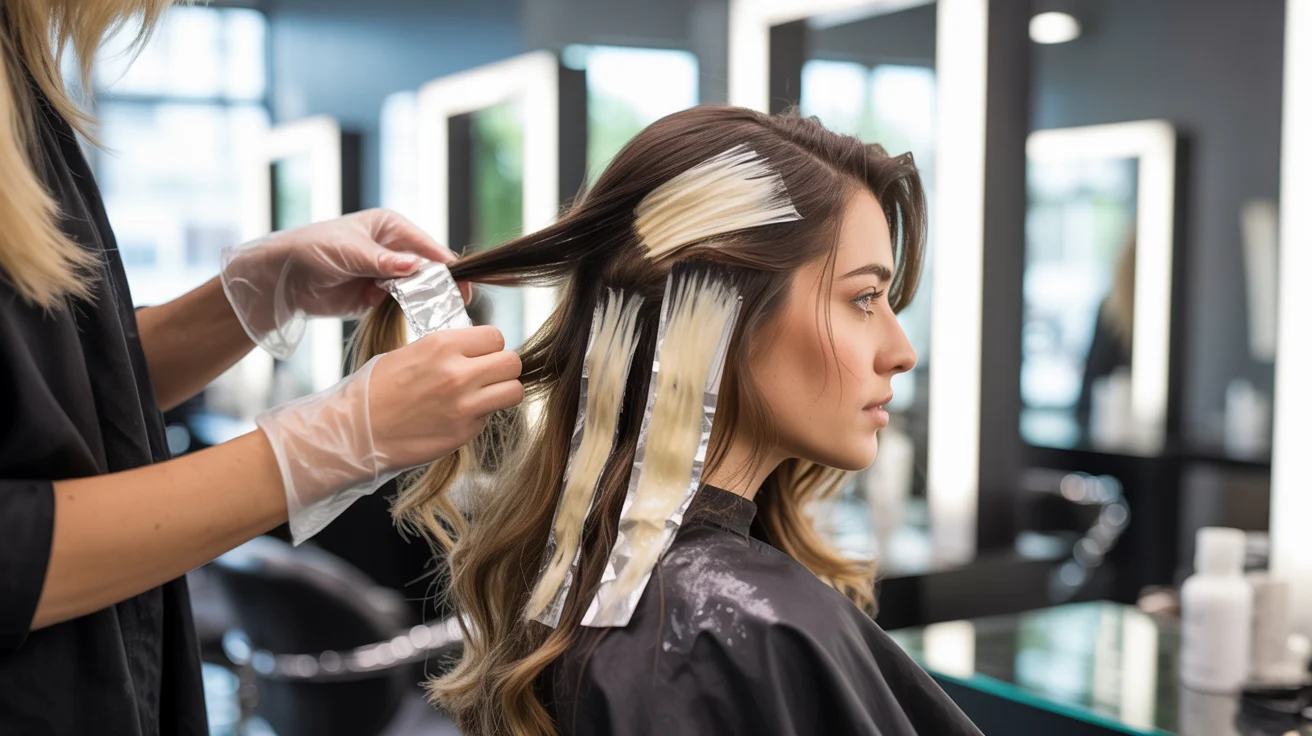
Chunky highlights feature bold, thick pieces of color. This early 2000s style is making a comeback.
The sections are noticeably wider than traditional highlights. They create a statement look.
Best for: Edgy, dramatic looks. People who want their hair to make an impact.
This is definitely a bold choice. Not for anyone wanting subtle changes.
Maintenance depends on placement. Every 6-10 weeks typically works.
10. Ombré Highlights
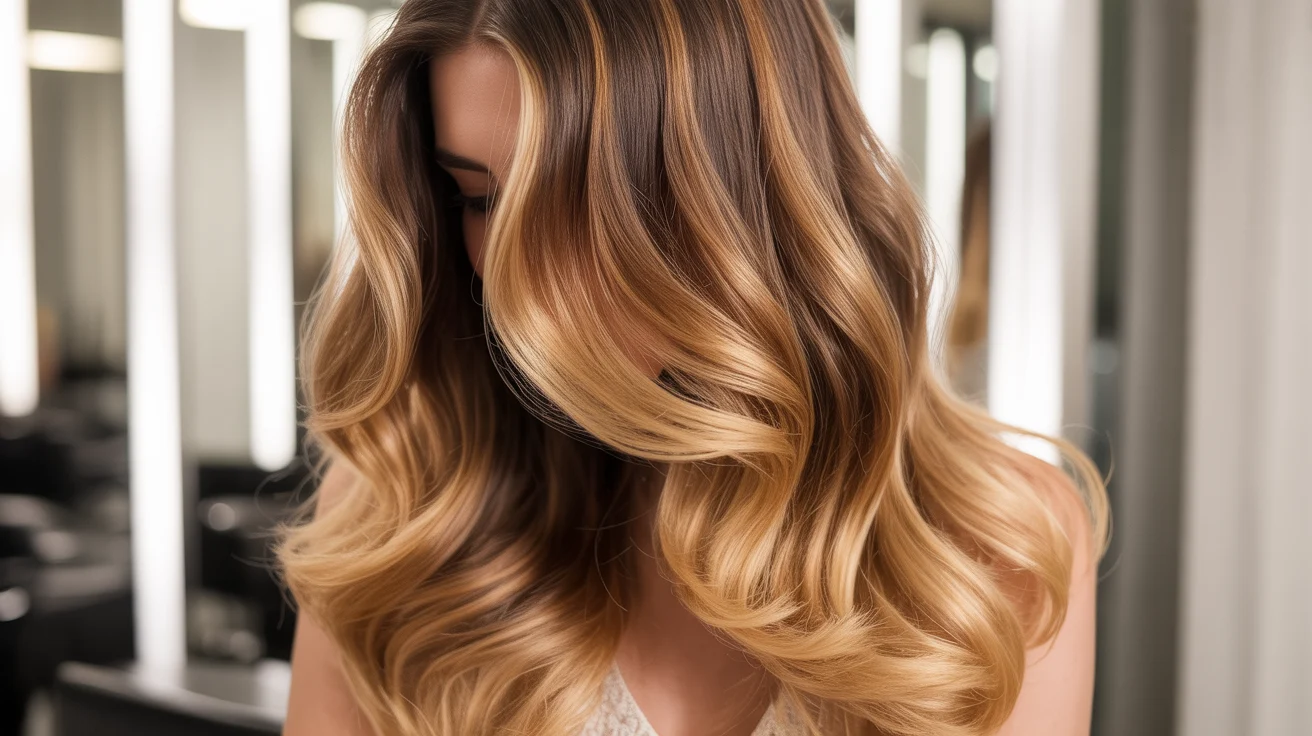
Ombré creates a gradual fade from dark roots to lighter ends. The transition is noticeable but blended.
Your stylist keeps your roots darker and progressively lightens as they work down. The ends are the brightest part.
Best for: Long hair that shows off the gradient effect. Anyone wanting a dramatic change without frequent root touch-ups.
The roots stay your natural color. This means minimal maintenance at the top.
You’ll need trims to keep ends healthy. Touch-ups every 12-16 weeks for the mid-lengths.
11. Sombré Highlights
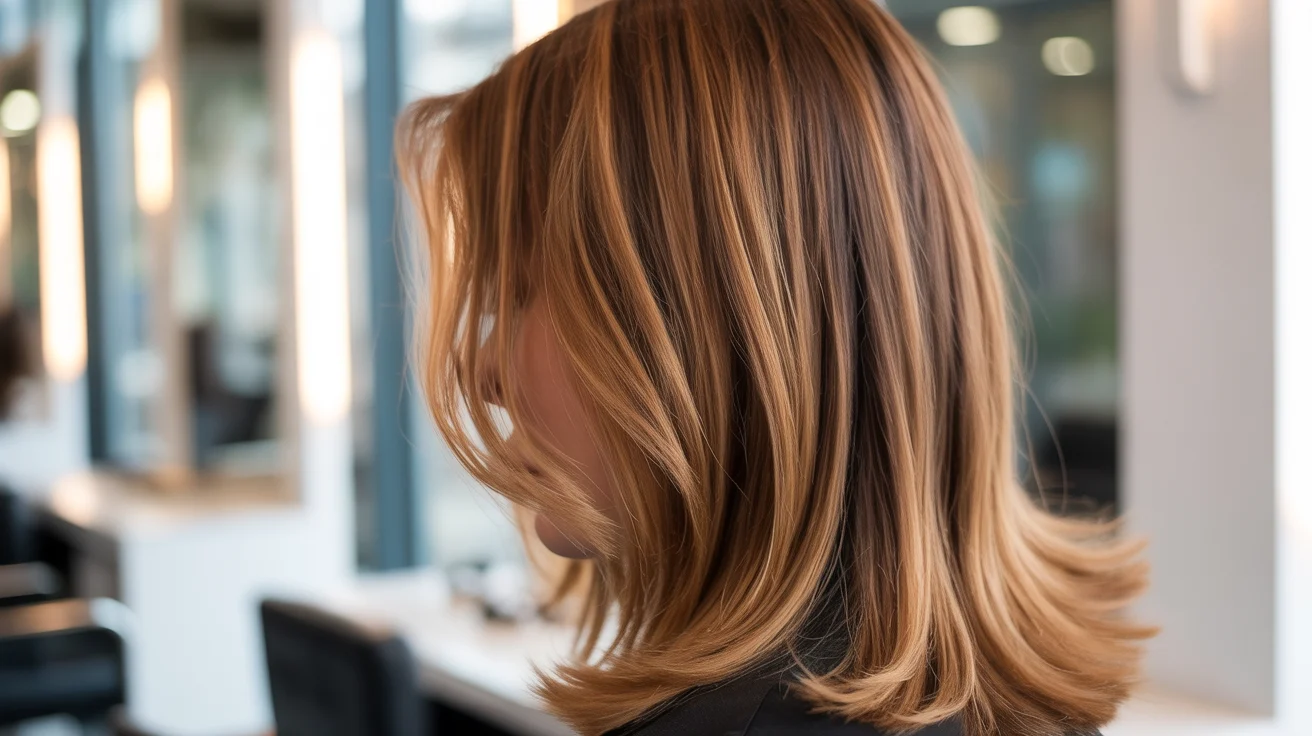
Sombré is ombré’s softer sister. Think “subtle ombré” with a gentler transition.
The color shift is way more gradual. It’s harder to tell where one shade ends and another begins.
Best for: People who want the ombré effect without the drama. Works beautifully on medium-length hair.
This looks incredibly natural. You get dimension without obvious color bands.
Maintenance is low. Every 14-18 weeks is typical.
12. Flamboyage
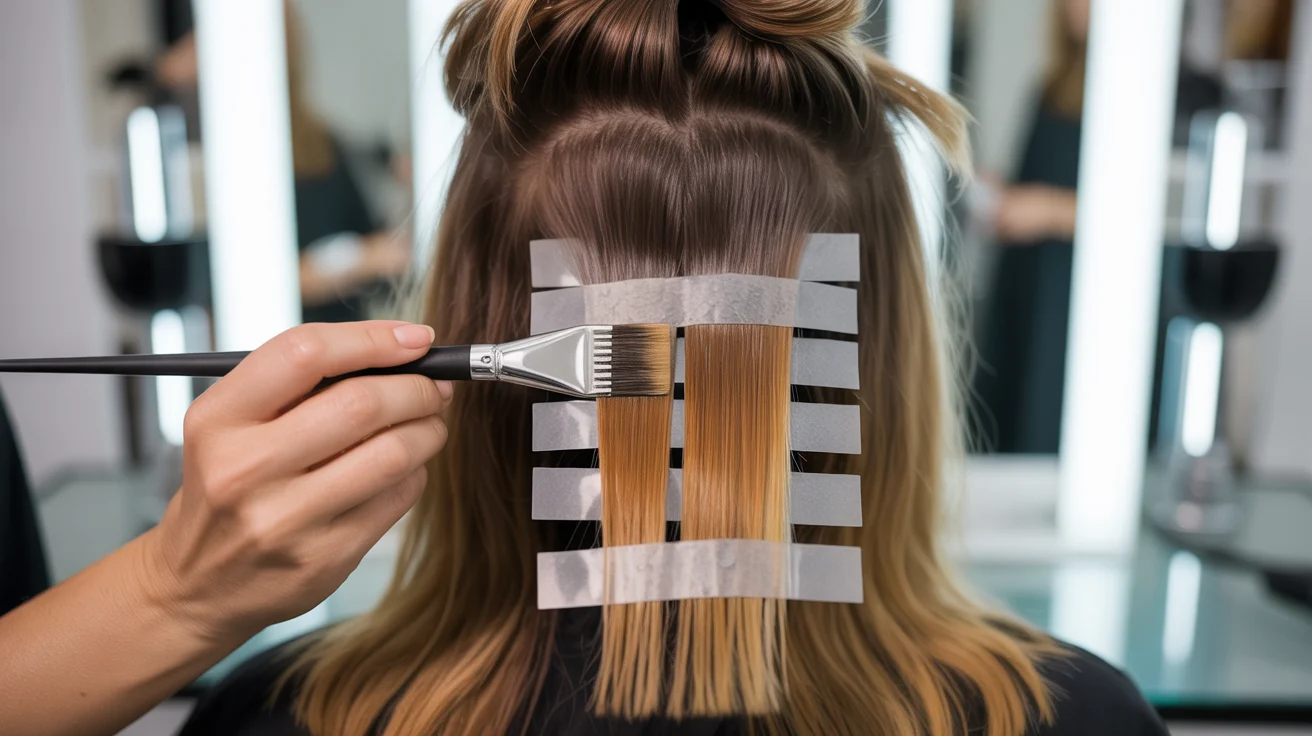
Flamboyage uses adhesive strips instead of foils. Your stylist paints color on, then applies the strips.
The strips are clear and flexible. They let the color process while keeping it contained.
Best for: Getting brighter results than balayage without full foil commitment. The strips allow more lift.
It’s faster than traditional foiling. You spend less time in the salon chair.
You’ll need appointments every 10-14 weeks. It’s somewhere between balayage and foil maintenance.
13. Hair Contouring
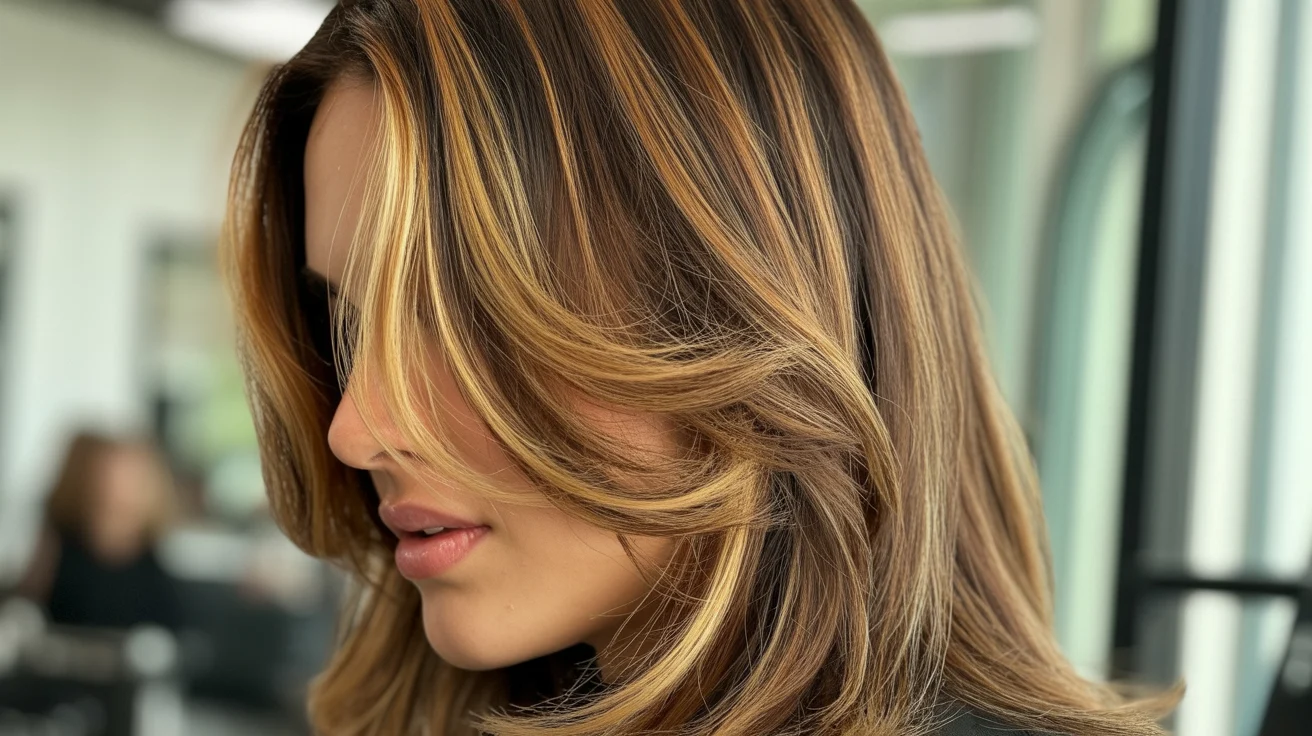
Hair contouring places highlights and lowlights strategically to shape your face. It’s makeup contouring but with hair color.
Lighter pieces go where you want to draw attention. Darker shades create depth and shadow.
Best for: Playing up your best features or balancing your face shape. Round faces, square jaws, prominent foreheads contouring addresses them all.
Your stylist needs to understand face shapes well. This is advanced color work.
Touch-ups depend on placement. Usually every 8-12 weeks.
14. Ribbon Highlights
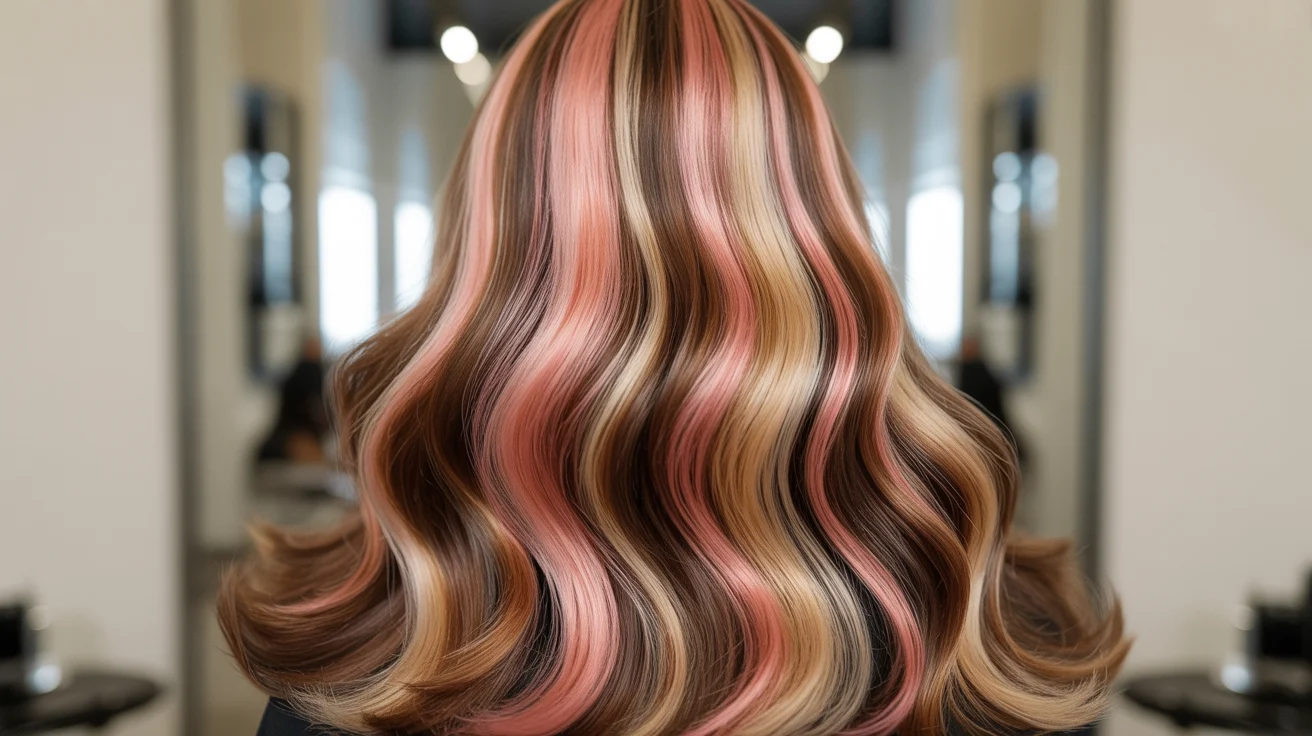
Ribbon highlights create horizontal bands of color through your hair. The sections are thicker and placed at specific intervals.
They look like ribbons woven through your hair. The effect is graphic and modern.
Best for: Making a statement with your color. People who want something different from typical highlights.
The placement is very intentional. Each ribbon section is carefully measured.
Maintenance is every 8-12 weeks. The lines need to stay crisp.
15. Splashlight
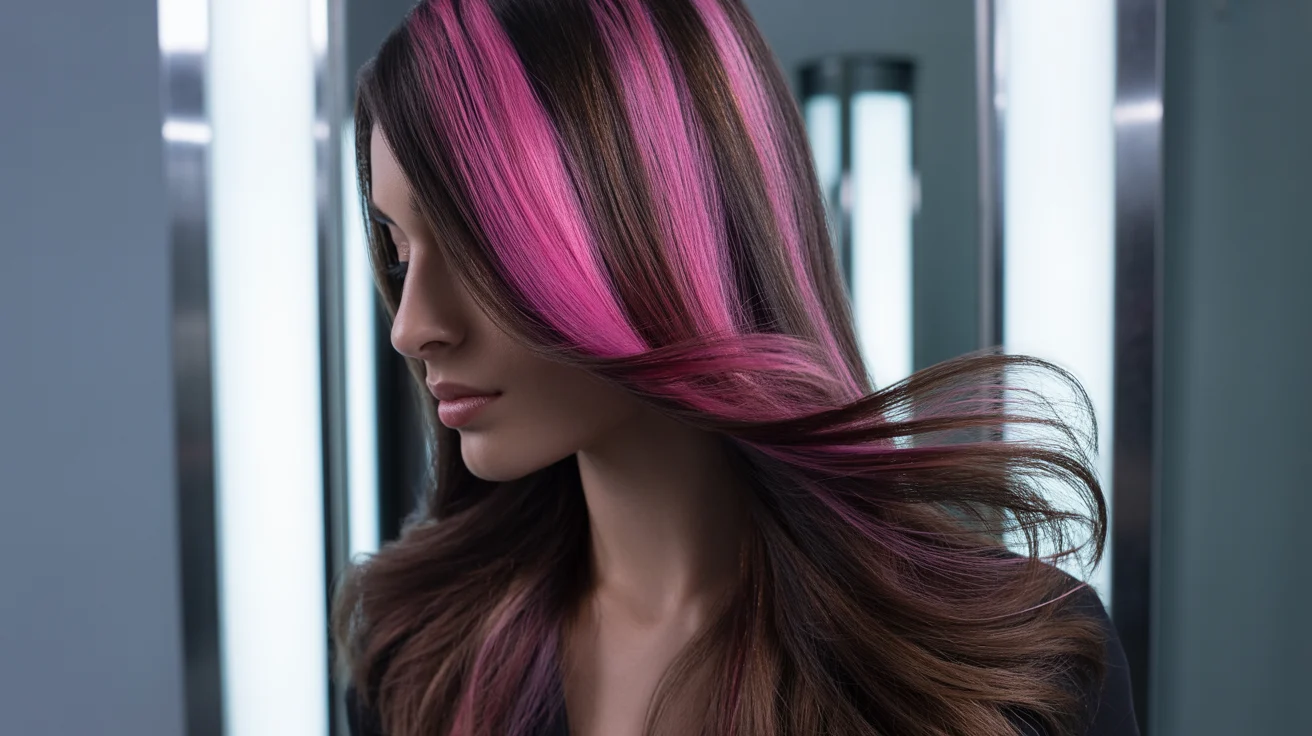
Splashlight places a horizontal band of bright color across the mid-lengths of your hair. Picture a spotlight hitting your hair from behind.
The bright band wraps around your head. It creates a glowing effect in the middle section.
Best for: Adding instant brightness without lightening roots or ends. Anyone wanting an eye-catching, editorial look.
The placement stays consistent. As hair grows, the band moves down naturally.
You can refresh it every 10-14 weeks. Or let it grow out for a different effect.
16. Pintura Highlights
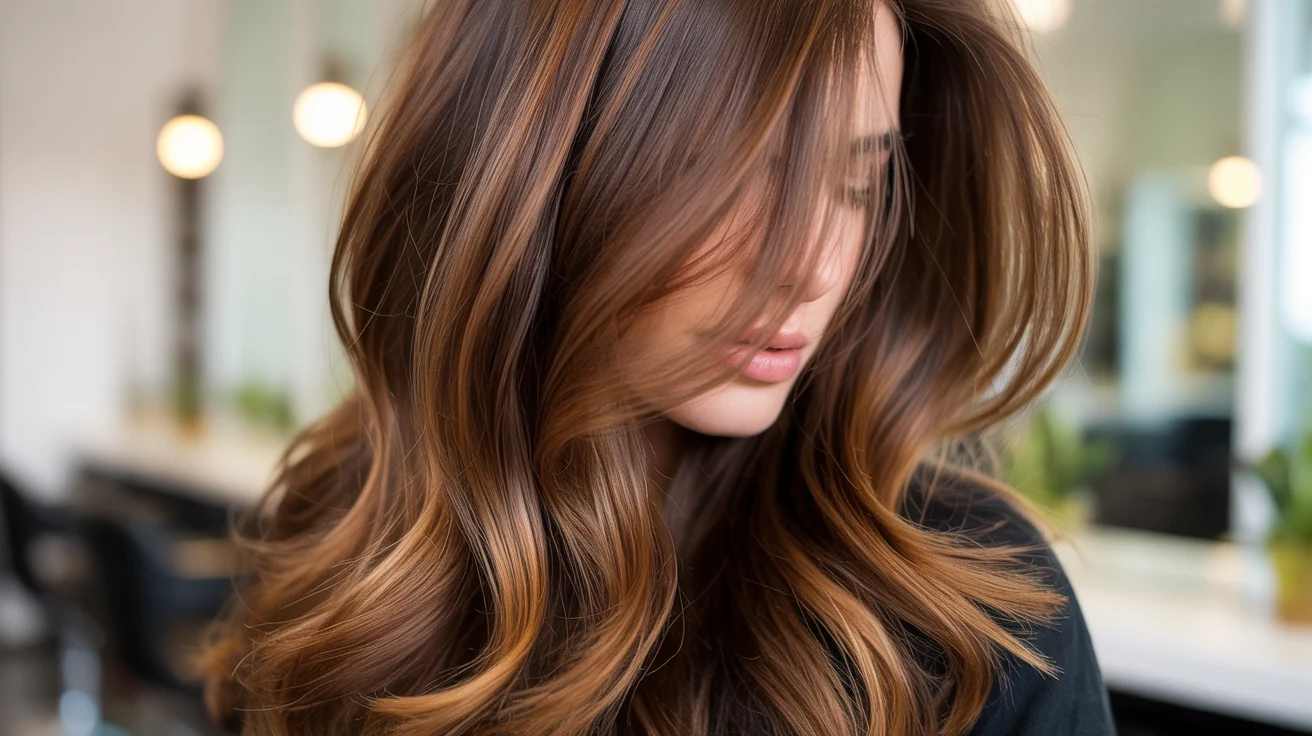
Pintura is specifically designed for curly hair. Your stylist paints color onto dry, styled curls.
They highlight each curl individually. The color follows your natural curl pattern.
Best for: Curly-haired clients who want highlights that work with their texture. The technique respects your curls’ unique shape.
This prevents the “zebra stripe” effect curly hair often gets with traditional foiling. Each curl gets custom attention.
Maintenance runs 12-16 weeks. Curly hair hides roots better naturally.
17. Money Piece Highlights
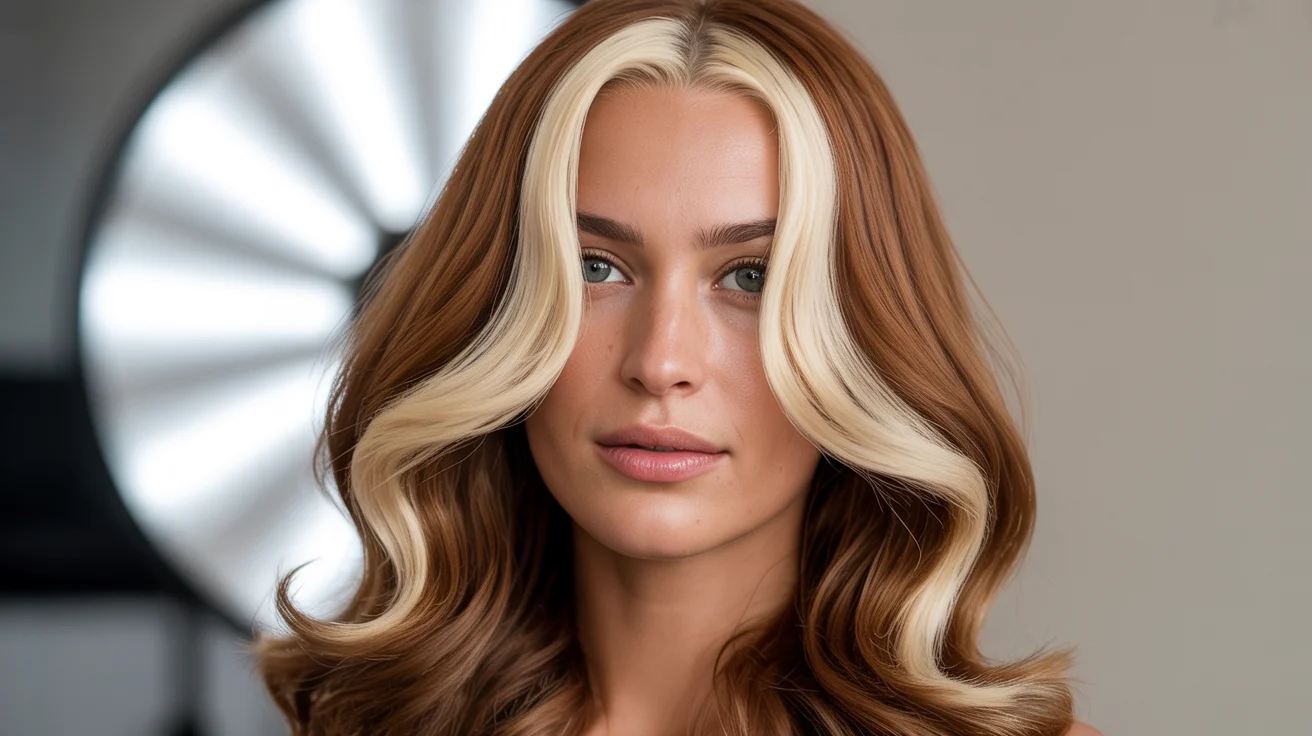
Money piece highlights feature two bright sections at the very front of your hairline. They’re bolder and more concentrated than regular face-framing highlights.
These front pieces are lightened significantly brighter than the rest of your hair. They frame your face on both sides for maximum impact.
Best for: Making a statement without full highlights. Anyone wanting face-brightening effect with minimal coloring.
The bright front pieces instantly lift your complexion. It’s a modern, high-impact look.
Maintenance is manageable with just two sections. You can go 10-14 weeks between touch-ups.
Highlights Maintenance Tips
Taking care of highlighted hair keeps it looking fresh and prevents damage. I learned these tips the hard way after frying my first set of highlights.
Here’s what actually works:
- Use color-safe, sulfate-free shampoo and conditioner to prevent fading
- Apply purple shampoo once or twice weekly if you have blonde highlights to combat brassiness
- Always use heat protectant before any hot tools
- Invest in professional products recommended by your stylist
- Schedule touch-ups based on your highlight type (every 6-16 weeks depending on technique)
- Avoid over-processing, especially if you have curly hair that’s already prone to dryness
Your highlights will last longer and look better with proper care. It’s worth spending a bit more on good products.
Skip the cheap drugstore stuff. Your color investment deserves quality maintenance.
Conclusion
You now know the main types of highlights and what makes each one special. From subtle babylights to bold chunky pieces, there’s an option for everyone.
The key is matching the technique to your lifestyle. Be honest about maintenance, budget, and your hair goals.
Don’t skip the aftercare either. Good products protect your investment and keep your color looking fresh.
Ready to try highlights? Find a stylist, show them this guide, and discuss which technique fits your vision.
Your hair is about to look amazing.
Frequently Asked Questions
Can I get highlights on curly hair without damaging it?
Yes, but placement matters. Ask for balayage or babylights which require less processing. Keep your hair well-conditioned and avoid over-processing. Curly hair is already drier, so proper moisture is critical. Work with a stylist experienced in textured hair.
How long do different types of highlights last before needing a touch-up?
Traditional highlights need touch-ups every 6-8 weeks. Babylights last 10-12 weeks. Balayage can go 12-16 weeks. Peekaboo highlights stretch 12-16 weeks or longer. Your hair growth rate and desired look affect timing too.
What’s the difference between highlights and balayage?
Highlights use foils and are placed from root to tip in uniform sections. Balayage is hand-painted with no foils, creating a more natural gradient. Balayage requires less maintenance and grows out more softly. Visual results are more blended with balayage.
Can I perm my hair after getting highlights?
It’s risky but possible with Color Wave technology designed for previously colored hair. Your hair must be in good condition first. Wait at least 2 weeks after highlighting. Better yet, perm before highlighting when possible. Consult your stylist about timing.
How much do highlights typically cost compared to all-over color?
Highlights typically cost $75-$300+ depending on technique and salon. All-over color ranges $50-$200. Balayage often costs more due to time involved. Babylights can run higher than traditional highlights. Partial highlighting costs less than full. Location and stylist experience affect pricing significantly.