What Is a Dermaplaning Facial? Benefits & Process

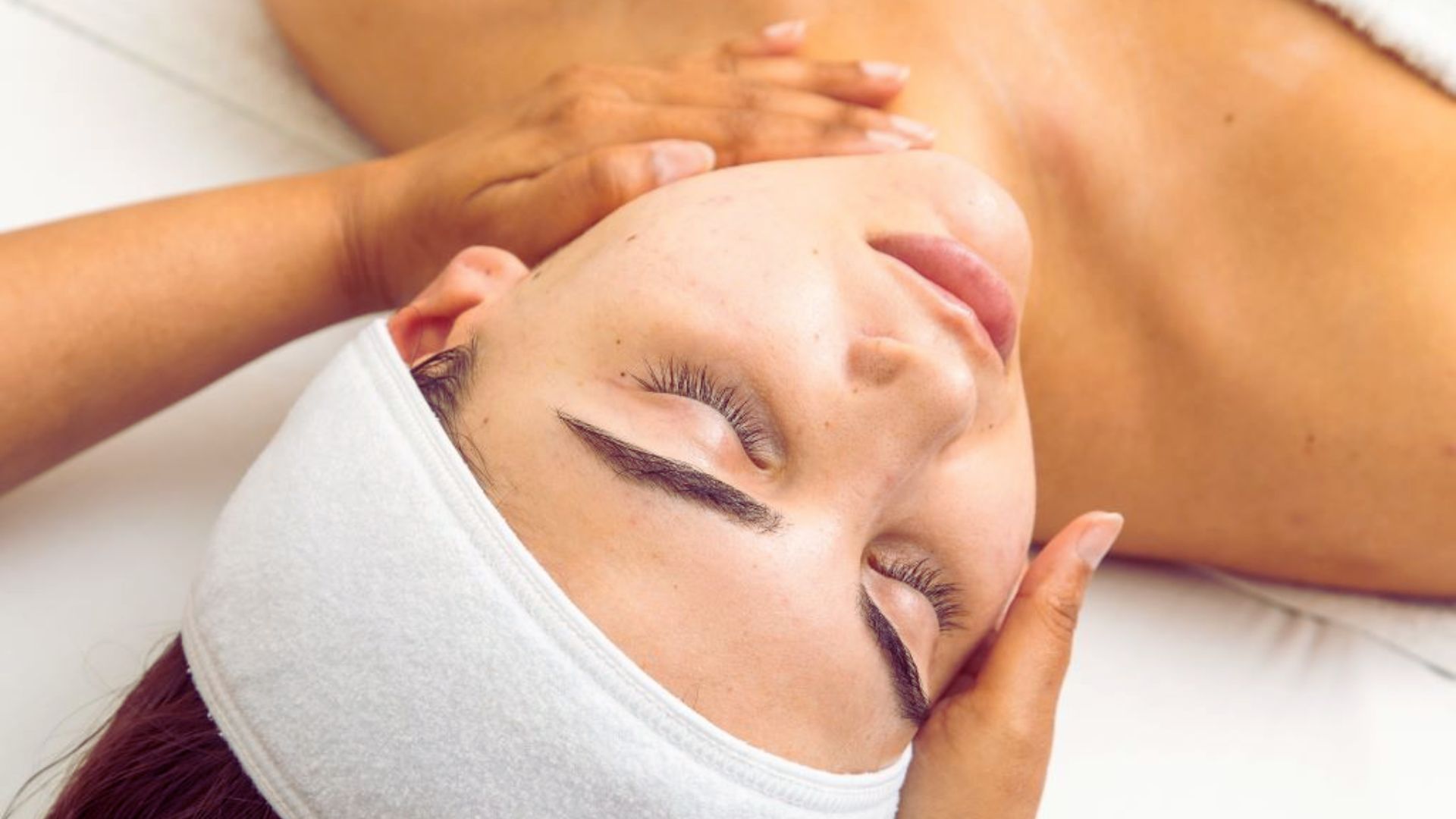
If you have been noticing dull skin, dry patches, or makeup that just won’t sit right, you are not alone.
Many people deal with these concerns and never realise that a single treatment could make a real difference.
A dermaplaning facial is one of the most straightforward ways to get smoother, brighter skin without any recovery time.
It is simple, effective, and suitable for most skin types. This guide covers everything you need to know before booking your first session.
What Is a Dermaplaning Facial?

A dermaplaning facial is a non-invasive skin treatment that uses a small surgical blade to gently scrape away dead skin cells and fine facial hair, also called peach fuzz.
It leaves the skin feeling noticeably smoother and looking brighter.
While dermaplaning refers to the exfoliation technique itself, a dermaplane facial combines this method with additional skincare steps like masks or serums for a more complete treatment.
How Does a Dermaplaning Facial Work?

A complete guide to dermaplaning facials, covering what the treatment involves, how it works, and what to expect.
The Technique Used
A sterile surgical blade is held at a 45-degree angle and moved across the skin in short, controlled strokes.
This removes the top layer of dead skin cells along with fine facial hair, excess oil, and surface debris. The process is quick and painless.
What Happens During the Procedure
The skin is thoroughly cleansed and dried before anything begins. Then the dermaplaning step takes place across the forehead, cheeks, chin, and upper lip area.
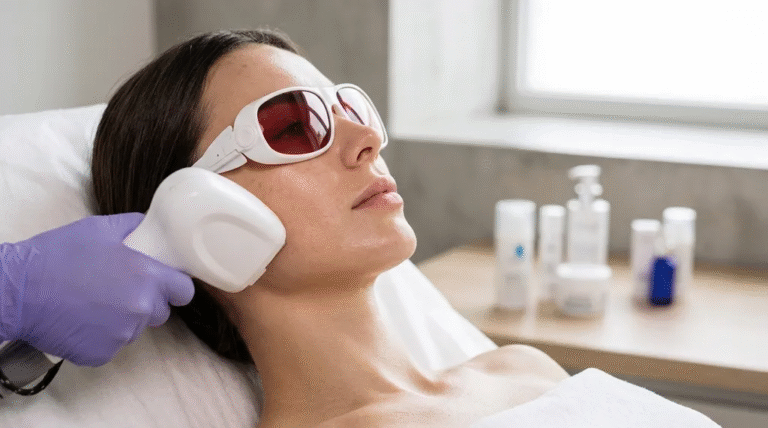
Once complete, soothing products are applied to calm the skin. Depending on the facial package, this may include a hydrating mask, targeted serums, or LED light therapy to finish the treatment.
What Does a Dermaplaning Facial Include?

A dermaplaning facial typically covers several steps in one session. It starts with a deep cleanse to prep the skin, followed by the dermaplaning treatment itself.
After exfoliation, a hydrating or calming mask is applied to soothe the skin. The session wraps up with a moisturizer and SPF to protect the freshly treated skin.
Some providers also offer add-ons like LED light therapy for extra skin benefits.
Benefits of a Dermaplaning Facial
- Skin feels noticeably smoother and softer right after the treatment. The removal of dead skin and peach fuzz makes a visible difference from the first session.
- The complexion looks brighter and more even once the dull surface layer is cleared away. Skin appears fresher and more awake without any downtime.
- Skincare products absorb more effectively after dermaplaning. With the barrier of dead skin removed, serums and moisturizers reach deeper layers of the skin.
- Makeup sits more smoothly on dermaplaned skin. Foundation applies evenly and blends better without peach fuzz or dry patches getting in the way.
- Regular treatments can soften the look of fine lines over time. Consistent exfoliation keeps the skin surface smooth and helps maintain a younger-looking appearance.
Who Should Get a Dermaplaning Facial?
Find out if dermaplaning is the right fit for your skin type and when it is best to hold off on the treatment.
Ideal Candidates
Dermaplaning works well for people with dull, dry, or uneven skin texture. It is also a good option for those dealing with fine lines or mild acne scars.
People looking to prep their skin before a wedding, photoshoot, or special event often get this treatment for an instant glow.
Who Should Avoid It
Those with active acne or inflamed breakouts should skip dermaplaning as the blade can spread bacteria and worsen irritation.
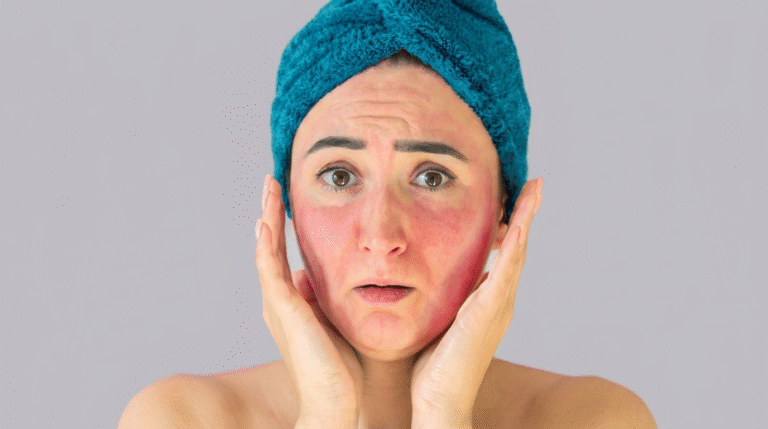
People with skin conditions like eczema or rosacea are also not good candidates. Sunburned or highly sensitive skin needs to fully heal before considering this treatment.
Is Dermaplaning Facial Safe?
Dermaplaning is generally safe when performed by a trained professional. Proper hygiene and the right technique are key to a good outcome.
A licensed esthetician knows how to handle the blade correctly and minimize any risk. When done incorrectly, it can cause nicks, irritation, or infection.
Always book with a certified provider and avoid at-home kits that increase the chances of skin damage.
What to Expect Before, During, and After

Know exactly what to do before your appointment, what the treatment feels like, and how your skin will look and feel after.
Before the Facial
A quick consultation and skin analysis is done before the treatment begins. Your provider will check your skin type and any concerns. Avoid using exfoliating products and stay out of direct sun for a few days leading up to your appointment.
During the Facial
The treatment feels like a light, painless scraping sensation across the skin. Most people find it relaxing. A full session typically takes between 30 and 60 minutes depending on the add-ons included.
After the Facial
Results are visible right away. Skin feels smooth and looks noticeably brighter immediately after the session. Some people experience mild redness or sensitivity for a few hours, which settles on its own.
Dermaplaning Facial Aftercare Tips
- Switch to gentle, fragrance-free skincare products for at least a week after the treatment. Harsh ingredients can irritate the freshly exfoliated skin.
- Apply a broad-spectrum sunscreen with SPF 30 or higher every single day. Skin is more sensitive to UV exposure right after dermaplaning.
- Skip strong exfoliants like acids or scrubs for a minimum of one week post-treatment. Layering exfoliation too soon can cause redness and irritation.
- Avoid heat-based activities like saunas, steam rooms, and intense workouts for 24 to 48 hours. Heat can trigger sensitivity and flushing on treated skin.
- Keep the skin well hydrated by using a good moisturizer morning and night. Hydrated skin heals faster and holds onto the smoothness from the treatment longer.
Conclusion
If you want smoother, brighter skin without any downtime, dermaplaning is genuinely worth trying. It works well for regular skin maintenance and is especially popular before big events.
Just keep in mind it is not a fix for deep scars or serious skin concerns. For the right candidate though, the results speak for themselves.
Book a consultation with a licensed esthetician and see what one session can do for your skin.
Frequently Asked Questions
Does a dermaplaning facial hurt?
No, the treatment is painless for most people. It feels like a light, gentle scraping sensation across the skin.
How often should you get a dermaplaning facial?
Most skin care professionals recommend getting it once every 3 to 4 weeks. This aligns with the skin’s natural cell turnover cycle.
Will dermaplaning make facial hair grow back thicker?
No, this is a common myth. Peach fuzz grows back at the same thickness and texture as before.
Can dermaplaning be combined with other treatments?
Yes, it pairs well with treatments like chemical peels, LED therapy, and hydrating facials. Combining it with other steps can improve overall results.
How long do the results of a dermaplaning facial last?
Results typically last between 3 to 4 weeks. Skin stays smooth and bright until the next cycle of dead skin buildup begins.