What to Do for Sun Poisoning: Symptoms & Treatment

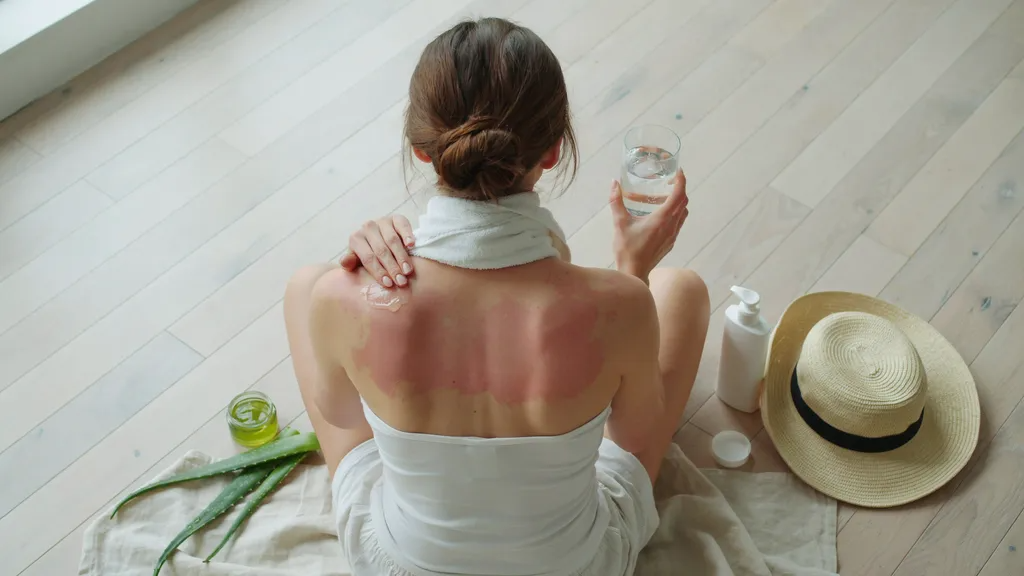
Sun poisoning can turn a good day outside into a rough few days indoors. Your skin turns red, tight, and sore, and you start wondering what happened and what to do next.
This guide walks you through everything you need to know, from spotting the first signs to soothing your skin and knowing when to call a doctor.
I have dealt with a bad sunburn myself, so I understand how uncomfortable and scary it can feel. By the end of this article, you will know exactly what to do and when to get help.
What Is Sun Poisoning?

Sun poisoning is a severe reaction to too much sun exposure. It's not an official medical term, but it usually means a bad sunburn caused by too much UV exposure from the sun or a tanning bed.
It goes beyond a normal sunburn and affects deeper layers of skin. People often feel sick along with the burn, not just sore.
Symptoms can include redness, blisters, fever, chills, and headache. Some people also feel dizzy or nauseous. Many of these symptoms happen because a severe burn pulls fluid from your body, leading to dehydration. It usually shows up within a few hours of sun exposure and can last several days.
The good news is that most cases heal on their own with proper care at home.
Sun poisoning is more than a burn. It affects your whole body, not just your skin.
Sun Poisoning Symptoms to Watch For

What sun poisoning looks and feels like as it takes hold, from first redness to warning signs you shouldn't ignore.
Early Signs of Sun Poisoning
Early signs often look like a bad sunburn at first. Skin turns red, feels hot, and starts to hurt. You might also feel tired or slightly feverish within a few hours.
Catching early signs fast can help you avoid a much worse reaction later.
Severe Sun Poisoning Symptoms
Severe symptoms include large blisters, swelling, chills, and a high fever. Some people feel confused or extremely weak. These signs mean your body is struggling to cope with the damage.
Severe symptoms are a signal that your body needs extra care right away.
What Does a Sun Poisoning Rash Look Like?
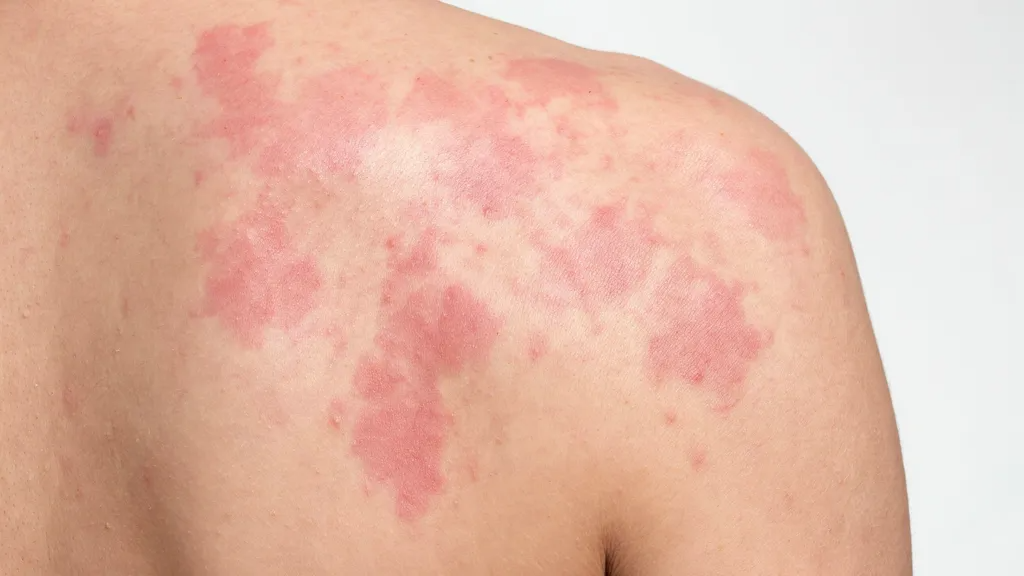
How to tell a sun poisoning rash apart from a regular sunburn or heat rash just by looking at it.
The rash often looks red, raised, and bumpy. It can spread across large areas of skin, not just one small spot. Sometimes it looks patchy or blotchy instead of smooth.
This type of rash is different from a heat rash, which comes from trapped sweat, not sun exposure. A rash that shows up hours after time outdoors and comes with itching may also point to polymorphous light eruption, a sun allergy rather than a straightforward burn.
This rash usually looks angrier and more widespread than a typical sunburn.
Sun Poisoning Blisters, Swelling, and Itching
Blisters form when skin damage runs deep. Swelling often shows up around the burned area, and itching tends to start once the skin begins healing.
Blisters and swelling mean your skin is trying hard to repair itself.
Can Sun Poisoning Cause Nausea, Fever, or Dizziness?
Yes, sun poisoning can affect more than your skin. Nausea, fever, and dizziness happen because your body is reacting to heat and skin damage together, often made worse by dehydration.
These symptoms show that sun poisoning can affect your whole system, not just skin.
What to Do for Sun Poisoning Right Away

The first steps to take the moment you notice sun poisoning, before it gets worse.
Get Out of the Sun Immediately
The first step is always the same. Move indoors or into shade right away. Staying in the sun only makes the UV damage worse.
Getting out of the sun stops further damage from building up on your skin.
Cool the Skin Safely
Use cool, not cold, water on the skin. A gentle cool compress or shower can calm the burn. Avoid ice, since it can hurt already damaged skin.
Cooling the skin slowly helps calm pain without adding more stress to it.
Stay Hydrated
Sun poisoning pulls fluid from your body fast. Drink water often, even if you do not feel very thirsty yet. Staying hydrated helps your body heal faster.
Water helps your body recover and replaces what the sun took from you.
Manage Pain and Inflammation
Over-the-counter pain relief, like ibuprofen, can ease soreness and swelling. Some people also take vitamin D3 supplements to help calm inflammation from a burn. Always follow the label instructions and check with a pharmacist if you take other medicines.
Managing pain early makes the healing days ahead much easier to handle.
Protect Damaged Skin While It Heals
Cover damaged skin with loose, soft clothing. Avoid tight fabric that rubs against sore areas. Let your skin breathe while it heals.
Protecting your skin now prevents more irritation later during recovery.
Sun Poisoning Treatment

Home care, over-the-counter options, and prescription treatment all play a role in healing.
- Aloe vera gel, cool compresses, and rest to soothe skin at home
- Oatmeal baths to calm itching and irritation
- Hydrocortisone cream and antihistamines for mild to moderate symptoms
- Pain relievers to ease general discomfort and swelling
- Prescription steroid creams or antibiotics for severe or infected cases
Most sunburns are first or second-degree burns, affecting the outer and middle skin layers. In rare, severe cases, sun poisoning can reach deeper layers and leave scars, so it's worth seeing a doctor if a burn seems unusually deep or slow to heal.
How to Prevent Sun Poisoning
Sun poisoning can be avoided with a few simple steps taken before and during time spent outdoors. Knowing what to do ahead of time makes a real difference in how your skin holds up in the sun.
| Prevention Tip | What to Do | Why It Matters |
| Use Sunscreen Correctly | Apply a broad-spectrum sunscreen with at least SPF 30 generously and reapply every two hours. Do not skip areas like ears, neck, and feet. | Correct sunscreen use is one of the simplest ways to prevent burns. |
| Wear Protective Clothing | Hats, sunglasses, and long sleeves add an extra layer of protection. Light, breathable fabric works best in hot weather. | Protective clothing adds a physical barrier sunscreen alone cannot give. |
| Avoid Peak Sun Hours | The sun is strongest between 10 a.m. and 4 p.m. Planning outdoor time around these hours lowers your risk a lot. | Avoiding peak hours cuts your sun exposure risk significantly. |
| Stay Hydrated During Outdoor Activities | Drink water regularly, even before you feel thirsty. Hydration helps your skin and body handle heat better. | Staying hydrated outdoors supports your body's ability to handle heat. |
| Check Your Medications | Some antibiotics, acne medicines, and other photosensitizing drugs can make skin burn faster. | Knowing your risk helps you plan sun protection around your health needs. |
People with more melanin in their skin have some natural protection from UV rays, but they can still get sun poisoning. Sunscreen and shade matter for every skin tone.
Common Mistakes to Avoid When Treating Sun Poisoning
Avoiding these mistakes helps your skin heal faster and lowers the risk of further damage.
- Popping blisters raises infection risk and slows healing, so let them heal on their own
- Scented lotions, alcohol-based products, and exfoliants can irritate damaged skin further, so stick to gentle options
- Returning to the sun too soon raises the risk of a second, worse reaction before your skin fully recovers
- Ignoring signs of sunstroke, a separate and more dangerous heat-related condition, can be risky, so seek medical help if confusion or a very high fever shows up
Conclusion
Dealing with sun poisoning is never fun, and I know how draining those first few days can feel. I still remember icing down after a beach trip gone wrong, wishing I had reapplied sunscreen just once more.
Take these steps, be patient with your skin, and give your body time to heal. Next time you head outdoors, a little extra care can save you a lot of pain.
If this helped you, drop a comment below or share it with someone who needs it. Stay safe out there.
Frequently Asked Questions
Can sun poisoning cause permanent skin damage?
Severe or repeated cases can lead to scarring, dark spots, or increased skin cancer risk over time. Mild sun poisoning usually heals completely, but protecting your skin afterward matters for long-term health.
Can you get sun poisoning through a car or window?
Yes, UVA rays pass through glass and can still damage skin over time. UVB rays are mostly blocked, so burns are less likely, but sunscreen is still smart on long drives.
Should I go to the ER for sun poisoning?
Seek emergency care if you have a high fever, confusion, severe blistering, or signs of dehydration like extreme dizziness or a rapid heartbeat that doesn't improve with fluids.
Are children more at risk for sun poisoning than adults?
Yes, children have thinner, more sensitive skin that burns faster. They're also more prone to dehydration, so sun poisoning can hit harder and needs quicker attention in kids.