Gelatin vs Collagen: Which One Is Better for You?


I’ve spent countless hours researching gelatin vs collagen because I wanted clear answers myself. Many people ask me which one they should take, and I get why it’s confusing. Both come from the same source but work differently in your body.
This article will help you understand what each one does and which fits your needs better. I’ll break down the science in simple terms you can trust.
You’ll learn about their structures, health benefits, and how to use them. By the end, you’ll know exactly which option works for your goals.
Let’s figure this out together.
What Is Collagen?
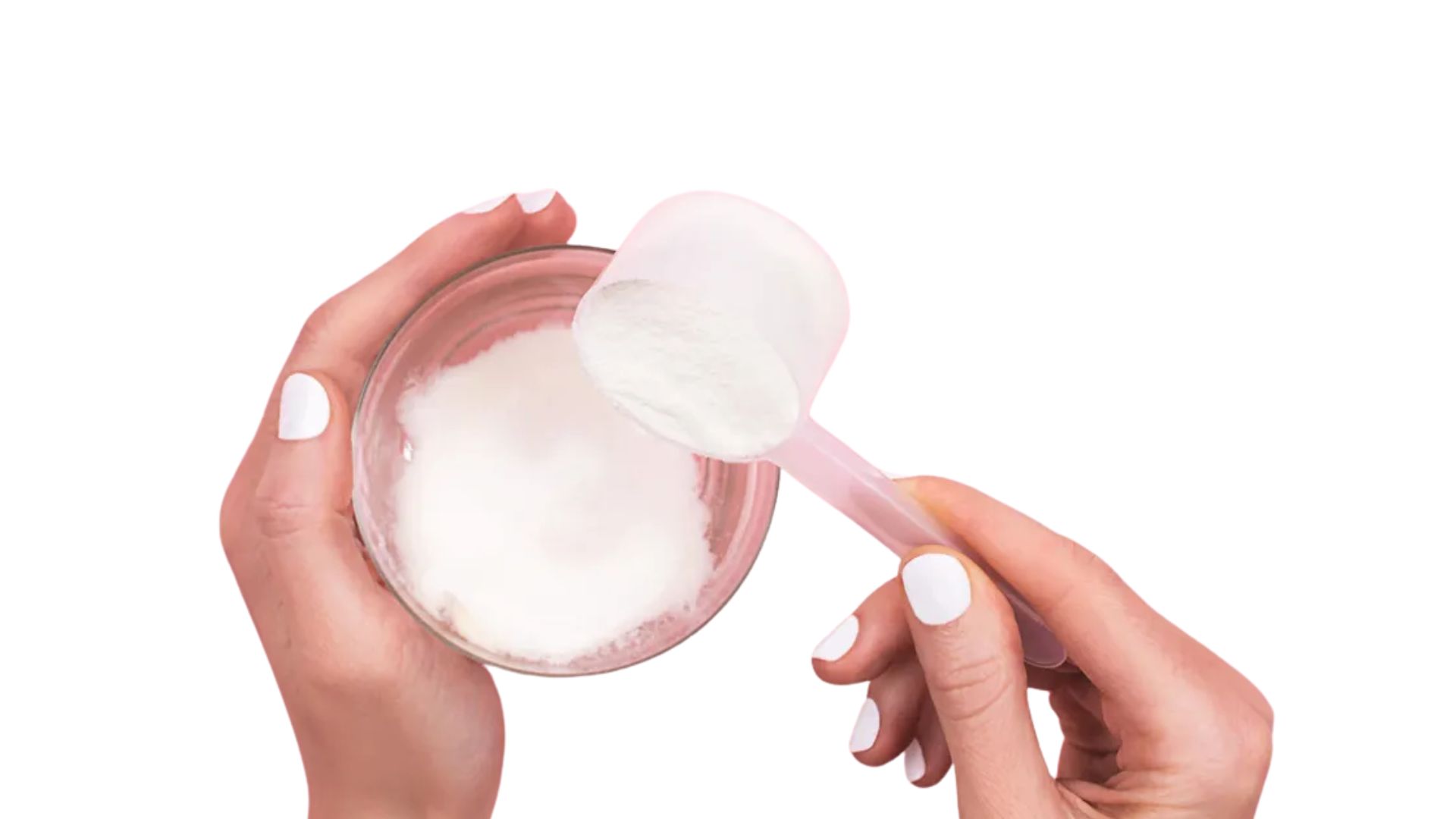
Collagen is the most common protein in your body. It holds your tissues together. Your skin, bones, muscles, and tendons all depend on it. Your body makes collagen naturally when you’re young. But production slows down as you age. That’s when wrinkles and joint pain appear.
Collagen keeps your skin firm and helps wounds heal faster. Your joints need it to move without pain. Bones rely on it to stay strong.
Type I makes up 90% of your body’s collagen. Type II lives in your cartilage. Type III supports your organs and blood vessels.
You get collagen from protein foods like meat, fish, and eggs. Many people take supplements from animal sources like cows or fish.
Collagen peptides dissolve easily in liquids. Your body absorbs them faster. You can mix the powder into coffee, smoothies, or water. It has no taste or smell.
What Is Gelatin?
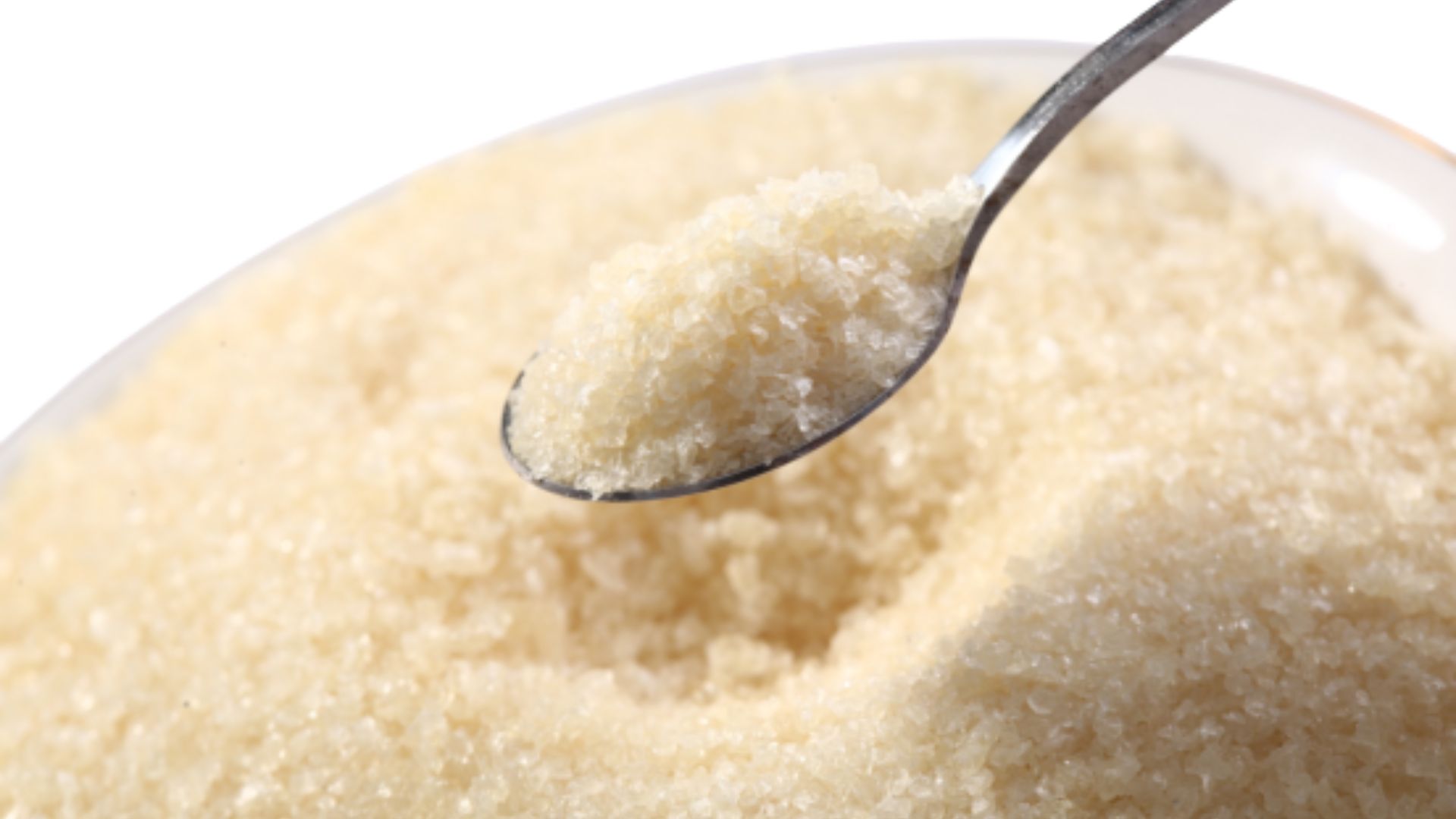
Gelatin comes from collagen that’s been cooked and processed. When you heat collagen in water, it breaks down into gelatin. It thickens when it cools down. You’ve eaten it in Jell-O or gummy candies.
Manufacturers boil animal bones, skin, or connective tissue in water for hours. The heat breaks down the collagen structure. The liquid is then filtered and dried into powder or sheets.
Gelatin turns liquid into gel when you cool it. This makes it perfect for desserts, marshmallows, and yogurt. It thickens soups and sauces without changing the flavor.
Gelatin is almost pure protein. One tablespoon has about 6 grams of protein and only 23 calories. It contains the same amino acids found in collagen.
Gelatin vs Collagen: Key Differences Explained
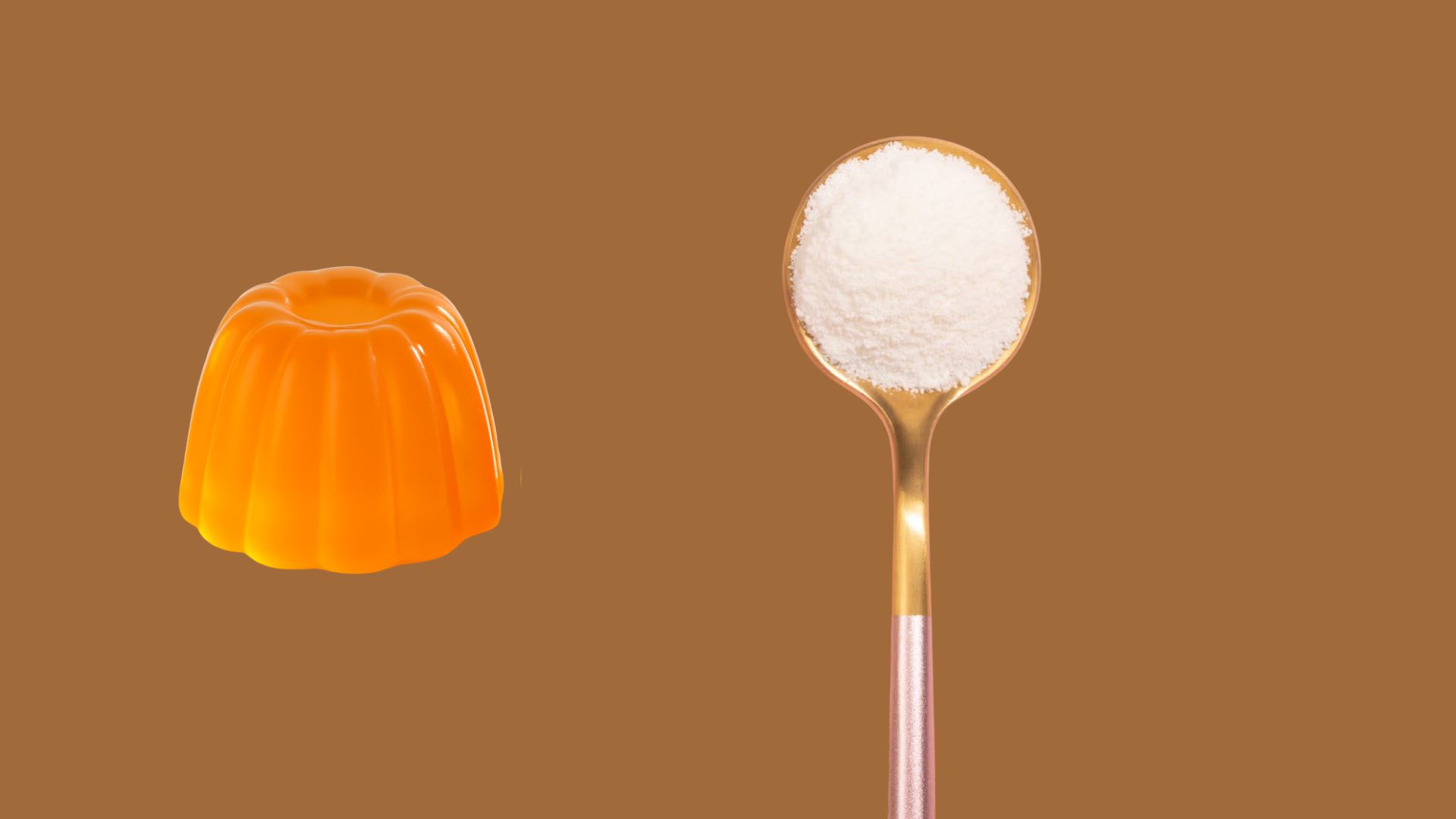
People often think these two are the same thing. They’re related but not identical. The main differences come down to structure and how your body handles them.
| Feature | Collagen | Gelatin |
|---|---|---|
| Structure | Long, intact protein chains | Shorter, partially broken chains |
| Absorption | Absorbs quickly, already broken into tiny pieces | Needs more digestion, slower absorption |
| Solubility | Dissolves in hot or cold liquids | Only dissolves in hot water |
| Texture | Stays liquid, won’t change drink texture | Turns into gel when cooled |
| Best Use | Daily supplements for skin, joints, and bones | Cooking and adding texture to recipes |
| Convenience | Mixes easily into any routine | Requires heating, less convenient |
Absorption and Bioavailability
Your body absorbs collagen peptides quickly. They’re already broken into tiny pieces. Gelatin needs more work to break down.
Your stomach acid has to do extra processing. This means collagen peptides start working faster. Both provide amino acids your body can use.
Solubility and Gelling Properties
Collagen peptides dissolve in any liquid, hot or cold. They won’t change the texture of your drink. Gelatin only dissolves in hot water.
It turns into gel when it cools down. This gelling property makes gelatin great for cooking. You’ll end up with clumps if you add it to cold drinks.
Usage in Supplements vs Cooking
Collagen supplements focus on health benefits. You take them for skin, joints, and bones. They mix easily into your daily routine.
Gelatin works better as a food ingredient. It adds texture to recipes. Most people don’t want their coffee turning into jelly.
Health Benefits of Collagen and Gelatin
Both offer similar benefits because they share the same amino acids. Your body uses these building blocks to repair and maintain tissues.
Skin Elasticity and Appearance Support
Collagen helps your skin stay firm and bouncy. It reduces the appearance of fine lines when taken regularly. Gelatin provides the same amino acids for skin support.
But collagen peptides work faster because they’re easier to absorb. Most people notice smoother skin after 8-12 weeks.
Joint and Bone Health Support
Your joints need collagen to cushion movement. It keeps cartilage healthy and flexible. Many people report less joint pain after taking collagen.
Gelatin helps too by providing the same building blocks. Both forms support bone health equally well.
Digestive and Gut Health Benefits
Gelatin soothes your digestive tract lining. It helps protect against stomach acid damage. Collagen peptides offer similar digestive benefits.
They help repair the intestinal wall. Gelatin might work slightly better because it coats your stomach. But collagen is easier to take consistently.
Hair and Nail Strength Support
Collagen provides amino acids that build keratin. Keratin makes up your hair and nails. People often notice stronger nails after taking collagen.
Hair grows thicker and breaks less easily. Results take time, usually 3-6 months. Consistent use matters more than which form you choose.
Can You Use Gelatin Instead of Collagen?
Sometimes yes, sometimes no. It depends on what you want to achieve. Both come from the same source and provide similar nutrients.
Gelatin works well if you’re making food. Use it in recipes that need thickening or gelling. It’s cheaper than collagen supplements. You can add it to hot soups, stews, or teas. Gelatin supports your health while improving texture. You’ll need to heat it first before using.
Choose collagen if you want convenience. It dissolves instantly in any drink. You don’t need to heat it or wait for it to gel. Collagen absorbs faster in your body.
This means quicker delivery to your tissues. It’s better for daily supplement routines. If you travel often, collagen is simpler to pack and use.
Collagen vs Gelatin: Which One Is Better for You?
Neither is universally better. The right choice depends on your needs.
Collagen peptides enter your bloodstream quickly. They’re pre-broken down for easy digestion. You’ll see results faster with consistent use. It’s the best option for busy people. Just mix it into your morning routine and go.
Gelatin shines in the kitchen. It makes homemade gummies and desserts. You can thicken sauces without adding calories. Gelatin costs less than collagen supplements. Just remember it needs heat to dissolve properly.
Want better skin? Both work, but collagen acts faster. Need joint support? Both help. Gelatin might have a slight edge for gut health. But collagen is easier to take daily. Pick the one you’ll actually use consistently.
Tips to Add Collagen and Gelatin to Your Daily Routine
Start small and build the habit. Consistency matters more than perfection.
- Mix collagen powder into your morning coffee, smoothies, or oatmeal. It has no taste and dissolves instantly in any liquid.
- Take collagen at the same time daily so you don’t forget. Most packages suggest 10-20 grams per day.
- Make homemade bone broth and add gelatin for extra thickness and health benefits.
- Create healthy gummy snacks with gelatin and fruit juice, or make sugar-free jello with natural sweeteners.
- Always dissolve gelatin in hot liquid first before adding to soups, gravies, or beverages. Use 1-2 tablespoons per serving.
Conclusion
I’ve tested both collagen and gelatin myself over the past two years. Collagen fits my busy mornings better because it dissolves instantly. But I love using gelatin when I’m cooking on weekends.
Both have improved my joint comfort and skin texture. The truth is, you don’t have to pick just one. Use collagen for daily supplements and gelatin for cooking. Start with whichever feels easier for you right now.
Your body will thank you either way. Have questions about gelatin vs collagen? Drop a comment below and let’s talk about it.
Frequently Asked Questions
Can I take both collagen and gelatin together?
Yes, you can take both safely. They come from the same source and won’t cause problems. Just watch your total protein intake for the day.
How long does it take to see results from collagen or gelatin?
Most people notice changes in 8-12 weeks with consistent use. Skin improvements might show first. Joint and hair benefits can take 3-6 months of daily use.
Is marine collagen better than bovine collagen?
Neither is definitively better. Marine collagen absorbs slightly faster. Bovine collagen contains more Type I and III. Choose based on your dietary preferences.
Can vegetarians or vegans use collagen or gelatin?
Traditional collagen and gelatin come from animals only. Some companies sell vegan collagen boosters. These contain amino acids that help your body make its own collagen.
Does cooking destroy the benefits of gelatin?
No, cooking doesn’t destroy gelatin’s nutritional value. Heat actually creates gelatin from collagen. Your body still gets the same protein building blocks after cooking.