Which Vitamin Deficiency Causes Hair Loss: Key Vitamins


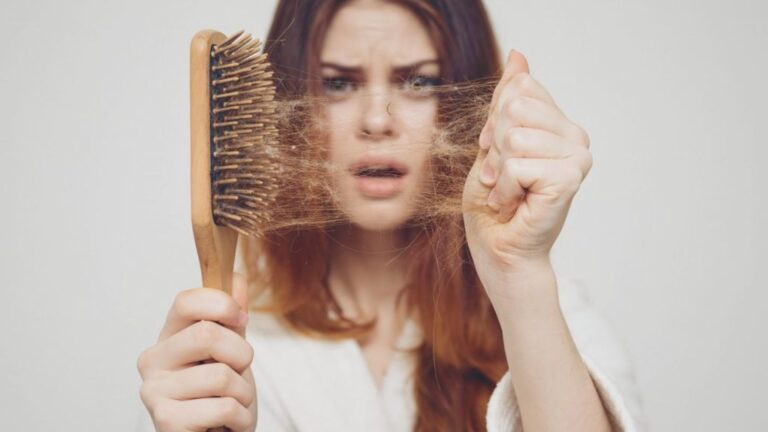
Hair loss can feel frustrating, especially when you don’t know why it’s happening. The good news? A vitamin deficiency might be the reason, and it’s fixable.
In this article, I’ll walk you through the exact vitamins linked to hair loss, what symptoms to watch for, and simple steps to correct them.
I’ve spent years researching nutrition and hair health, so you’re in the right place.
Here’s what you’ll find: Key vitamins that affect hair growth, signs of each deficiency, and foods and supplements to help.
Let’s get into it.
How Vitamin Deficiencies Affect Hair Health

Your hair needs a steady supply of nutrients to grow properly. Each strand goes through a cycle of growing, resting, and shedding. When your body lacks key vitamins, this cycle gets disrupted.
Follicles are some of the most active cells in the body. When nutrients run low, the body prioritizes vital organs over hair. This is why hair is often one of the first things affected during a deficiency.
The signs don’t always show up right away. By the time you notice thinning or shedding, the deficiency may have been building for months.
Which Vitamin Deficiencies Cause Hair Loss?

Many people overlook how closely their diet connects to hair health. A shortage of certain vitamins can slow growth, increase shedding, and weaken strands over time. Below are the main vitamins your hair truly needs.
Vitamin D
Vitamin D keeps hair follicles active. When levels drop, the growth cycle slows down or stops in some follicles, leading to thinning, breakage, and premature greying.
Signs of deficiency: Noticeable thinning, hair breaking easily, and slow regrowth.
Spend 15–20 minutes in sunlight daily. Add fatty fish, egg yolks, and fortified milk to your diet. A supplement of 1,000–2,000 IU per day may help if levels are low. Always check with your doctor first.
Biotin (Vitamin B7)
Biotin supports keratin production, the protein that makes up most of your hair strand. Without enough of it, follicles weaken and hair sheds more than usual.
Signs of deficiency: Increased shedding, brittle hair, and a dry or flaky scalp.
Eggs, almonds, sunflower seeds, and sweet potatoes are great sources. Most adults need about 30 mcg per day. Supplements are widely available but high doses aren’t always necessary unless a deficiency is confirmed.
Vitamin B12
Vitamin B12 helps produce red blood cells that carry oxygen to your scalp. Without enough oxygen, hair cells struggle to divide and grow.
Signs of deficiency: Slow regrowth, heavy shedding, and fatigue alongside hair loss.
Meat, fish, dairy, and eggs are the top sources. Vegans should consider a B12 supplement or fortified foods. A common dose is 500–1,000 mcg daily, but your doctor can advise based on test results.
Iron
Iron helps red blood cells deliver oxygen to hair follicles. When it’s low, follicles don’t get what they need and hair thins all over the scalp.
Signs of deficiency: All-over thinning, hair that snaps easily, and tiredness with pale skin.
Red meat, lentils, spinach, and tofu are solid options. Pair iron-rich foods with Vitamin C to improve absorption. Avoid self-dosing with iron supplements without a blood test first.
Zinc
Zinc supports the proteins that build hair and keeps oil glands around follicles working properly. A shortage can slow growth and cause patchy hair loss.
Signs of deficiency: Patchy hair loss, itchy or flaky scalp, and slow wound healing.
Oysters, beef, pumpkin seeds, and chickpeas are high in zinc. Adults need around 8–11 mg per day. Too much zinc can actually worsen hair loss, so stick to the recommended amount.
Vitamin A
Vitamin A helps scalp cells grow and keeps the scalp moisturized through natural oil production. Too little leads to dryness and slowed growth. Too much can also trigger hair loss.
Signs of low levels: Dry and itchy scalp, dull hair, and slow growth.
Carrots, sweet potatoes, spinach, and liver are rich sources. Beta-carotene from plant foods is a safer option since the body converts only what it needs.
Vitamin C
Vitamin C helps produce collagen that strengthens hair strands and protects follicles from free radical damage. Low levels also make it harder for the body to absorb iron.
Signs of deficiency: Brittle hair, split ends, and easy bruising.
Citrus fruits, strawberries, bell peppers, and broccoli are top picks. Adults need about 65–90 mg per day. A daily supplement works well if your diet falls short.
Vitamin E
Vitamin E protects the scalp from oxidative stress that can damage follicles and slow growth. Studies suggest it may help improve hair growth in those experiencing loss.
Signs of deficiency: Increased shedding, dull hair, and a dry or irritated scalp.
Sunflower seeds, almonds, spinach, and avocados are great sources. Most adults need 15 mg per day. Supplements are mainly useful when blood levels are confirmed as low.
Folic Acid (Vitamin B9)
Folic acid supports rapid cell division, which is key for hair production. A shortage slows growth and leaves hair looking thin.
Signs of deficiency: Slow growth, overall thinning, and fatigue alongside hair changes.
Leafy greens, beans, and citrus fruits are good sources. Adults need 400 mcg per day. A basic B-complex supplement often covers folic acid needs.
Essential Fatty Acids (Omega-3s)
Omega-3s keep the scalp hydrated and reduce inflammation that can block healthy hair growth. Without them, the scalp becomes dry and hair breaks more easily.
Fatty fish like salmon and mackerel are the best sources. Flaxseeds, walnuts, and chia seeds are good plant-based options. Fish oil supplements are generally safe at 1,000–2,000 mg per day.
Other Causes of Hair Loss Beyond Vitamin Deficiency
Vitamin shortfalls aren’t the only reason hair falls out. Several other factors can trigger or worsen hair loss.
Hormonal Imbalances
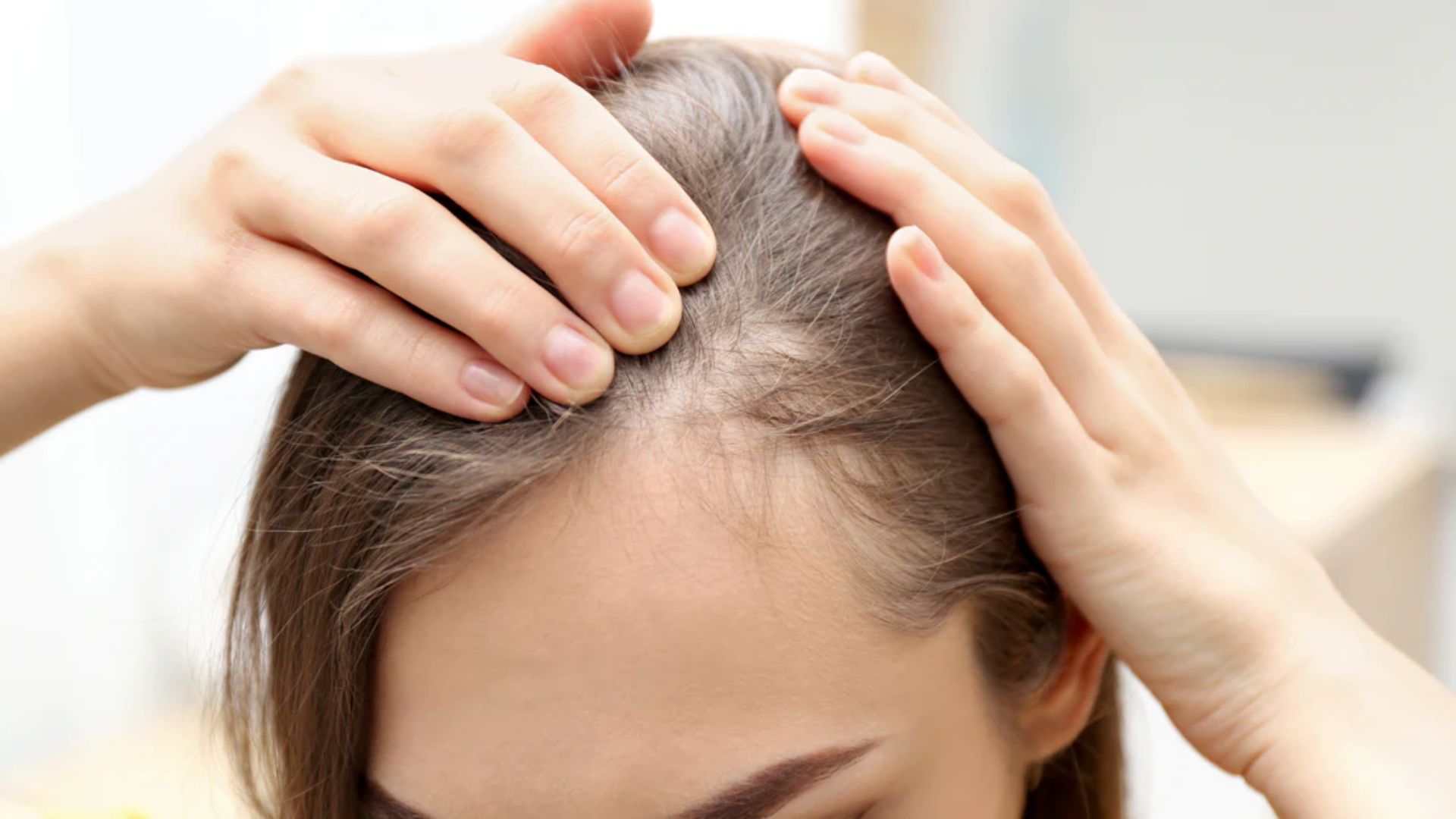
Thyroid disorders are a common cause of diffuse thinning since the thyroid controls how fast cells grow. Both overactive and underactive thyroid can affect the hair cycle.
PCOS raises androgen levels in women, shrinking follicles and thinning hair at the top of the scalp.
Androgen sensitivity drives male and female pattern baldness, where follicles gradually shrink with each growth cycle due to DHT sensitivity.
Stress and Lifestyle Factors

Chronic stress pushes follicles into a resting phase, leading to a condition called telogen effluvium.
Hair sheds heavily a few months after a stressful event such as illness, surgery, or major life changes.
Poor sleep, crash dieting, and extreme weight loss can also redirect nutrients away from hair toward more vital functions.
Medical Conditions and Medications

Alopecia areata is an autoimmune condition that causes round patches of hair loss when the immune system attacks follicles. Scalp infections like ringworm can damage follicles if left untreated.
Certain medications also cause hair loss as a side effect, including blood thinners, beta-blockers, antidepressants, and chemotherapy drugs. Speak with your doctor before stopping any medication.
How to Prevent and Treat Hair Loss from Vitamin Deficiencies
Small, consistent changes to your diet and daily habits can make a real difference in hair health over time.
Balanced Diet for Healthy Hair
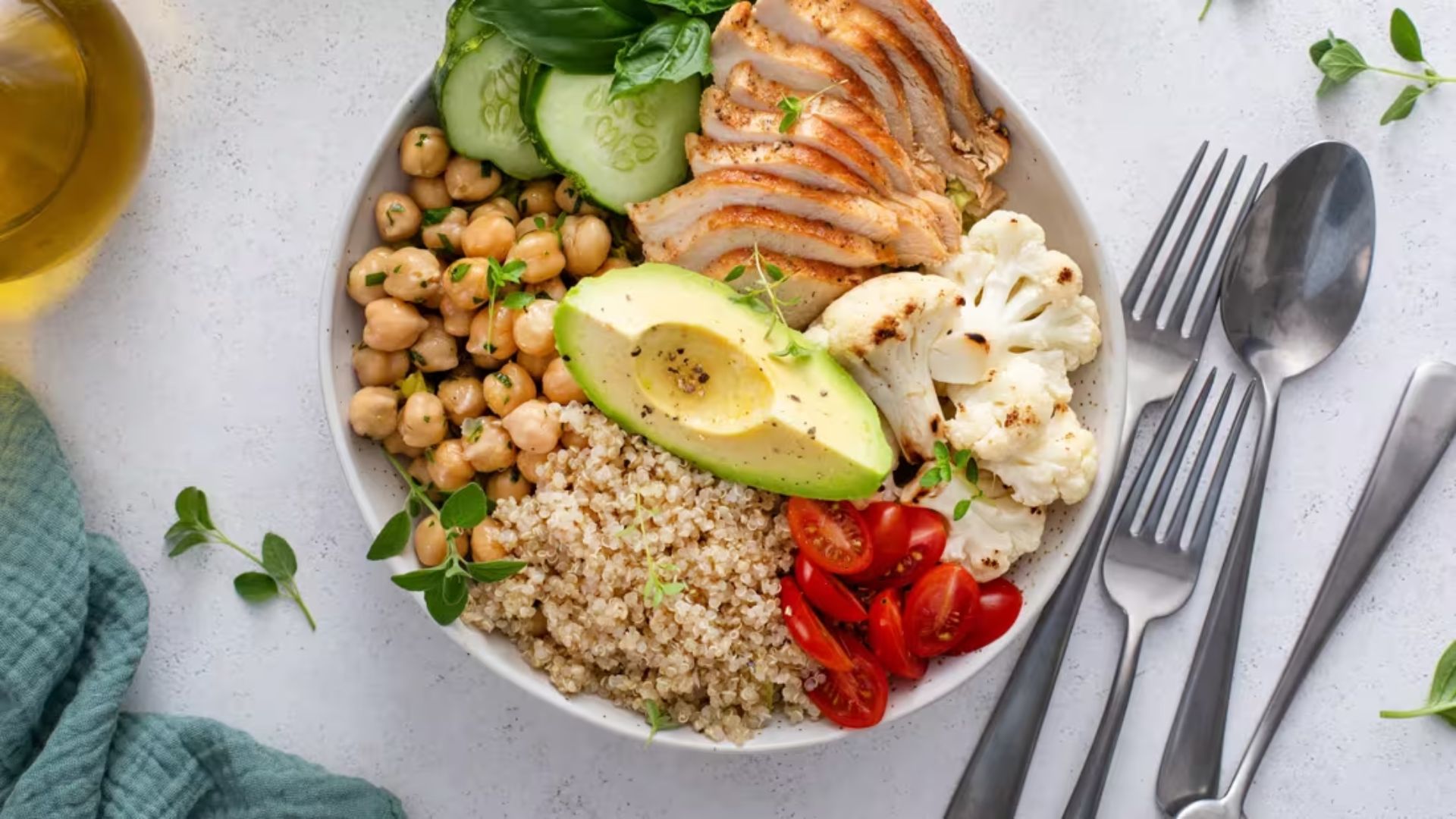
A varied diet is the best foundation for strong hair. Focus on protein from eggs, lentils, and fish for keratin support.
Add iron-rich foods like spinach and red meat, and pair them with Vitamin C to improve absorption. Include healthy fats from avocados and nuts, and zinc from pumpkin seeds and chickpeas.
Eating a colorful, varied plate every day covers most nutritional needs naturally.
Vitamins and Supplements
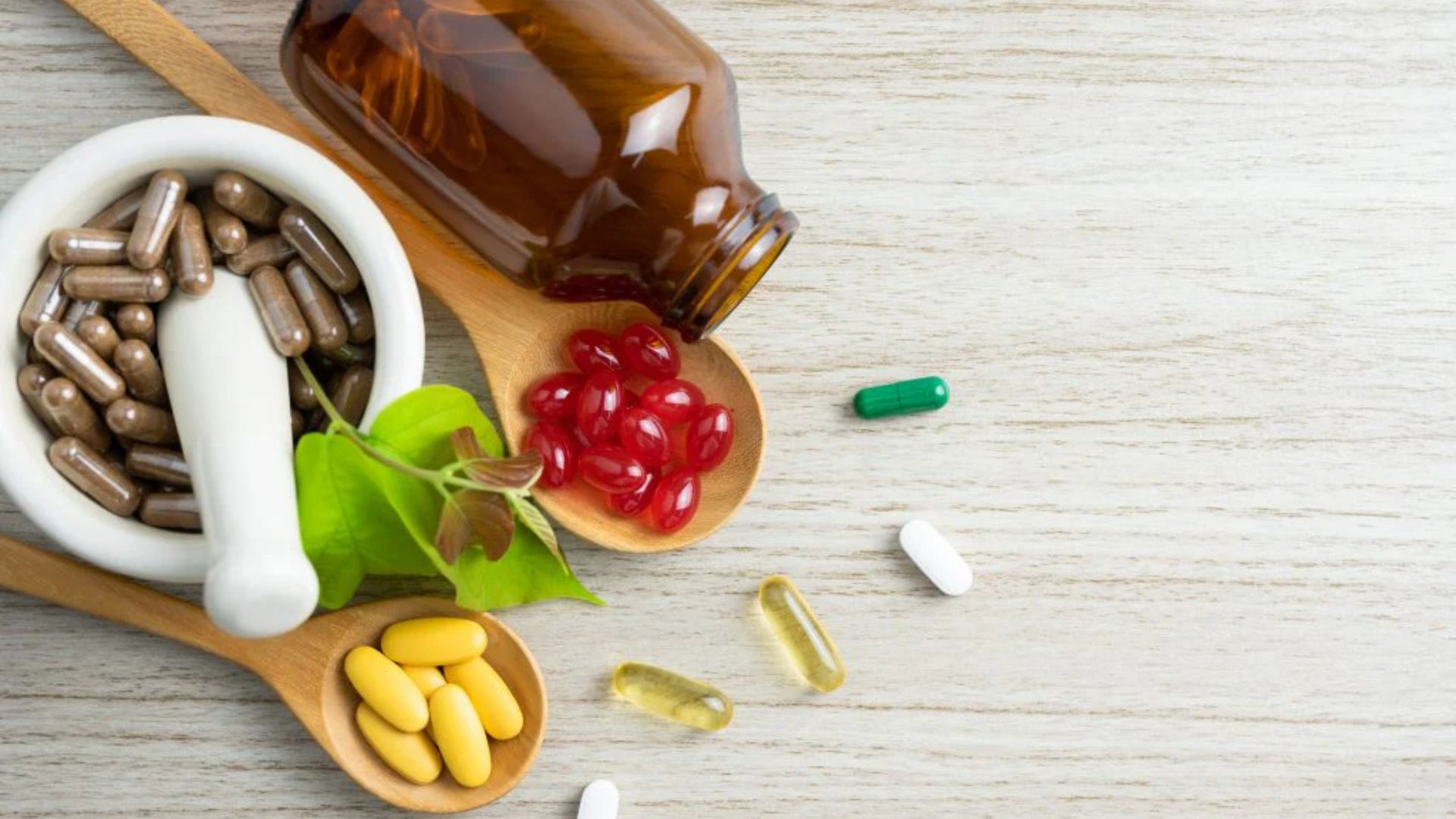
Get a blood test before starting any supplement. Follow recommended dosages since more isn’t always better.
Choose reputable, third-party tested brands and be patient as most supplements take 3–6 months to show results in hair.
A healthcare provider can tell you exactly what you need. Over-supplementing, especially with iron, zinc, and Vitamin A, can sometimes make things worse.
Haircare and Lifestyle Adjustments

Use a wide-tooth comb on wet hair and avoid tight hairstyles that pull on roots. Limit heat styling or use a heat protectant. Wash with a mild, sulfate-free shampoo.
Manage stress through exercise, meditation, or deep breathing. Get 7–9 hours of sleep, stay hydrated, and try a gentle scalp massage a few times a week to improve blood flow.
When to Consult a Healthcare Professional
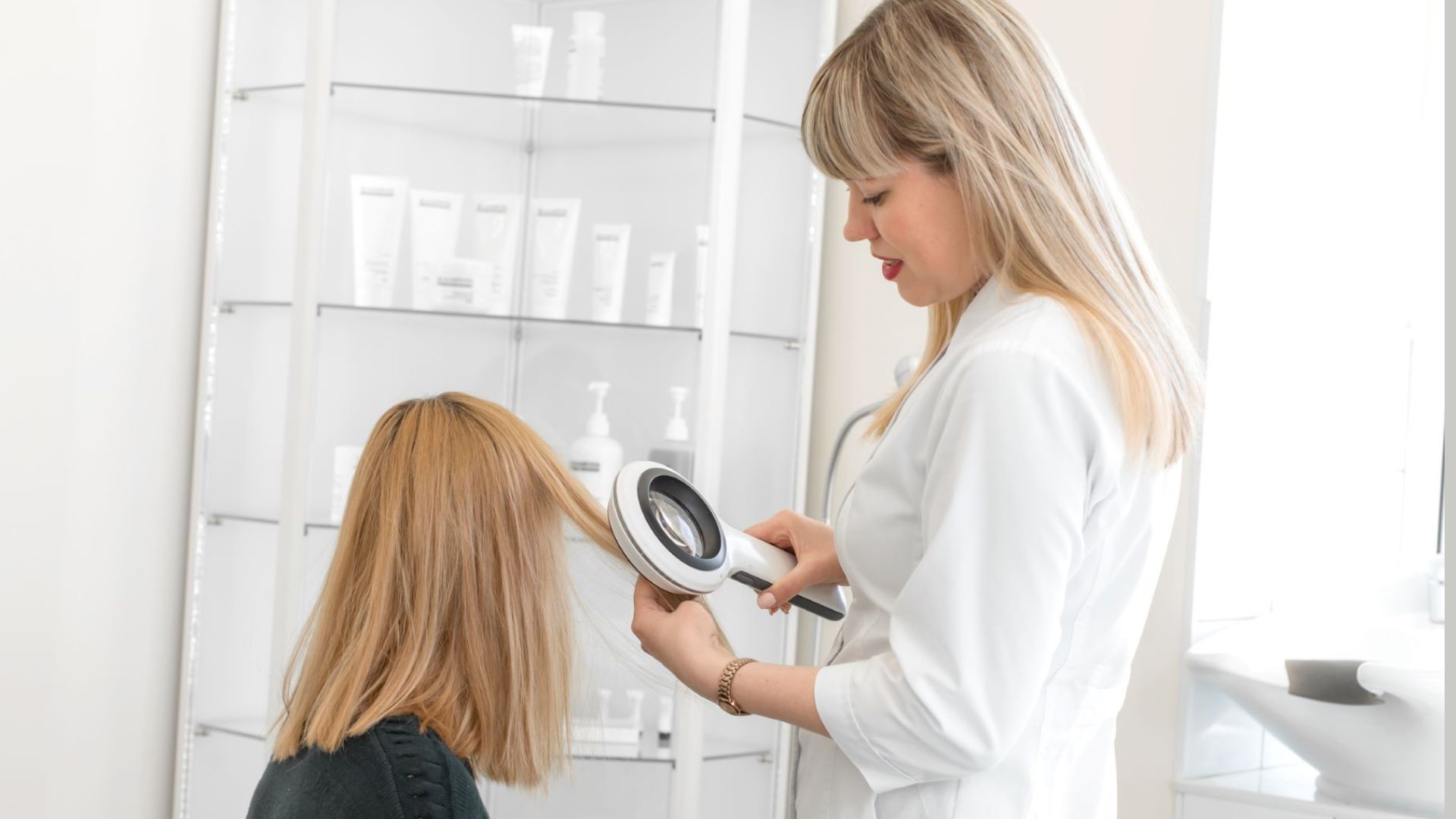
See a doctor if you notice sudden hair loss, bald patches, hair loss alongside fatigue or weight changes, or no improvement after 6 months of dietary changes.
A blood panel checking iron, B12, Vitamin D, zinc, and thyroid hormones is the only reliable way to confirm a deficiency and get the right treatment.
Conclusion
Hair loss can feel personal, and I get that. I’ve had moments of staring at a hairbrush and wondering what was going wrong. Honestly, it pushed me to look deeper into how nutrition affects the body.
The truth is, your hair often reflects what’s happening inside. Small shifts in your diet, managing stress better, and getting the right nutrients can make a real difference.
Try one step this week. Then share this post with someone who might need it. And if you have questions about which vitamin deficiency causes hair loss, drop them in the comments. I read every one.
Frequently asked questions
Which vitamin deficiency is most commonly linked to hair loss?
Vitamin D and iron are among the most commonly linked to hair loss. A blood test can confirm which one is affecting you specifically.
How long does it take to see hair regrowth after fixing a deficiency?
It usually takes around 3 to 6 months to notice regrowth after correcting a vitamin deficiency. Hair grows slowly, so patience is key.
Can taking too many vitamins also cause hair loss?
Yes, excess Vitamin A and too much iron or zinc can trigger hair loss. Always follow recommended dosages and consult a doctor before taking high-dose supplements.
Is it better to get vitamins from food or supplements?
Food is always the first choice because it provides a mix of nutrients your body absorbs well. Supplements work best when a confirmed deficiency cannot be fully corrected through diet alone.
Should I take a multivitamin for hair loss?
A multivitamin can help cover general nutritional gaps, but it may not contain enough of the specific nutrients you’re missing. Getting tested first and targeting your actual deficiencies gives better results.