Foods That Cause Hair Loss and Why Your Hair Is Thinning

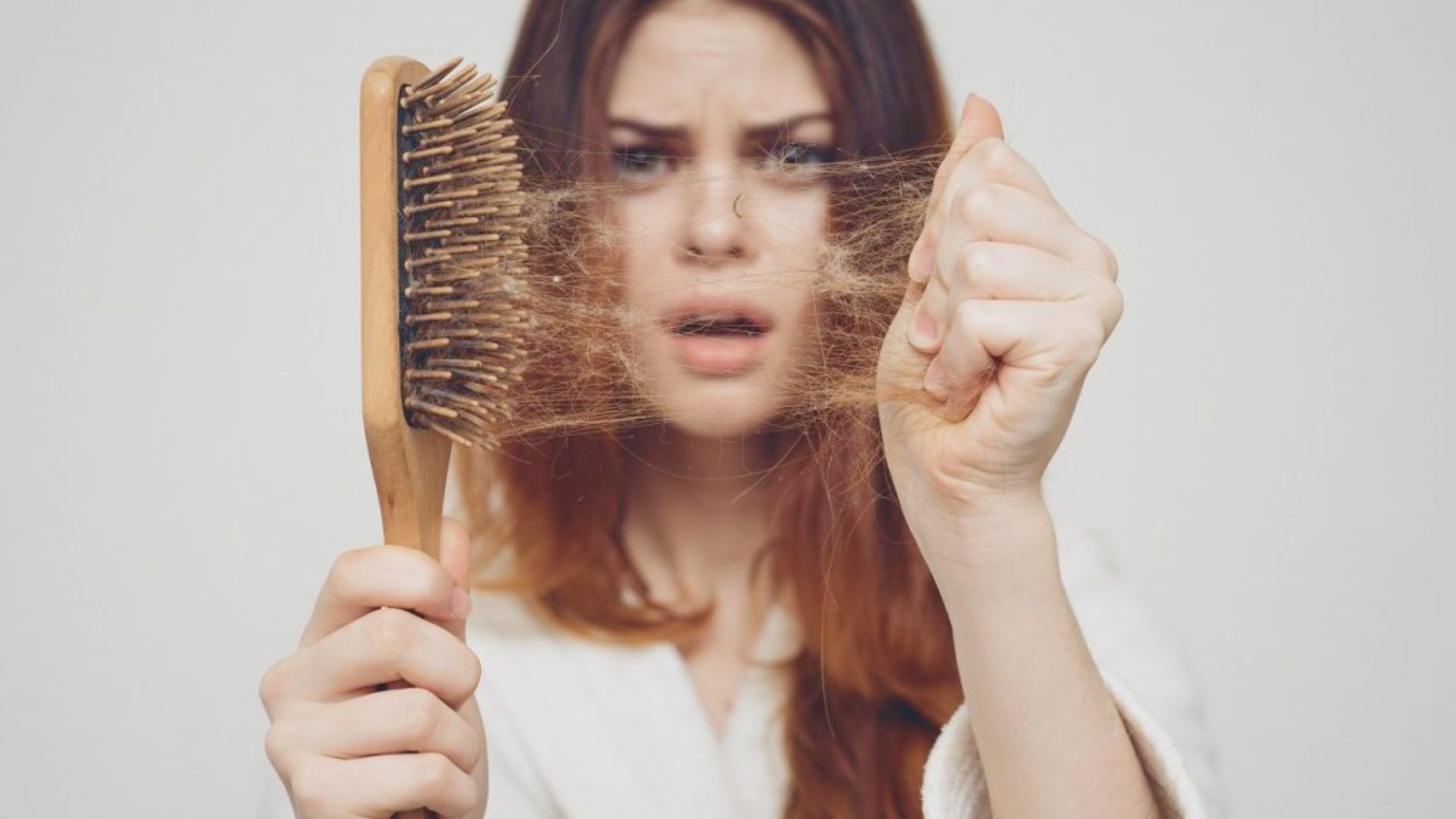
Noticing more hair in the brush lately? It’s a common concern.
Here’s something that might surprise many people: what we eat plays a bigger role in hair health than most realize.
Some foods sitting in kitchens right now could be contributing to thinning hair. This guide walks through the specific foods that can affect hair and explains why they matter.
Let’s get into it so better choices can be made starting now.
Understanding How Diet Affects Hair Health

Hair goes through natural growth cycles. There’s a growing phase, a transition phase, and a resting phase before strands eventually fall out. This is completely normal.
What’s not normal is when nutrition starts disrupting this cycle. Hair follicles need proper blood flow and nutrients to stay healthy. Without them, follicles weaken and hair thins.
Think of it this way: the scalp needs oxygen and vitamins delivered through the bloodstream. When certain foods mess with circulation or steal nutrients, hair pays the price.
Some foods create inflammation, others block absorption of what hair needs most.
The connection is real and backed by research. Let’s look at which foods are the biggest culprits.
Foods That Can Contribute to Hair Loss
Research shows the science behind diet and hair health. Here are the foods to watch out for, and more importantly, why they matter.
1. Sugar and Refined Carbohydrates

Sugar is one of the worst offenders for hair. When people eat too much, blood sugar spikes. This messes with proper blood circulation throughout the body, including to the scalp.
Poor circulation means hair follicles aren’t getting the nutrients they need. Over time, follicles dry out and weaken. Hair becomes more prone to breaking and falling out.
Refined carbs work the same way. Think white bread, pasta, cakes, and pizza. The body breaks these down into sugar quickly. The result? The same circulation problems.
There’s another issue too. High sugar intake causes scalp inflammation. This compounds the circulation problem and accelerates hair loss.
Plus, these foods can mess with the body’s stress response, potentially making stress-related hair loss worse.
2. Greasy and Fried Foods
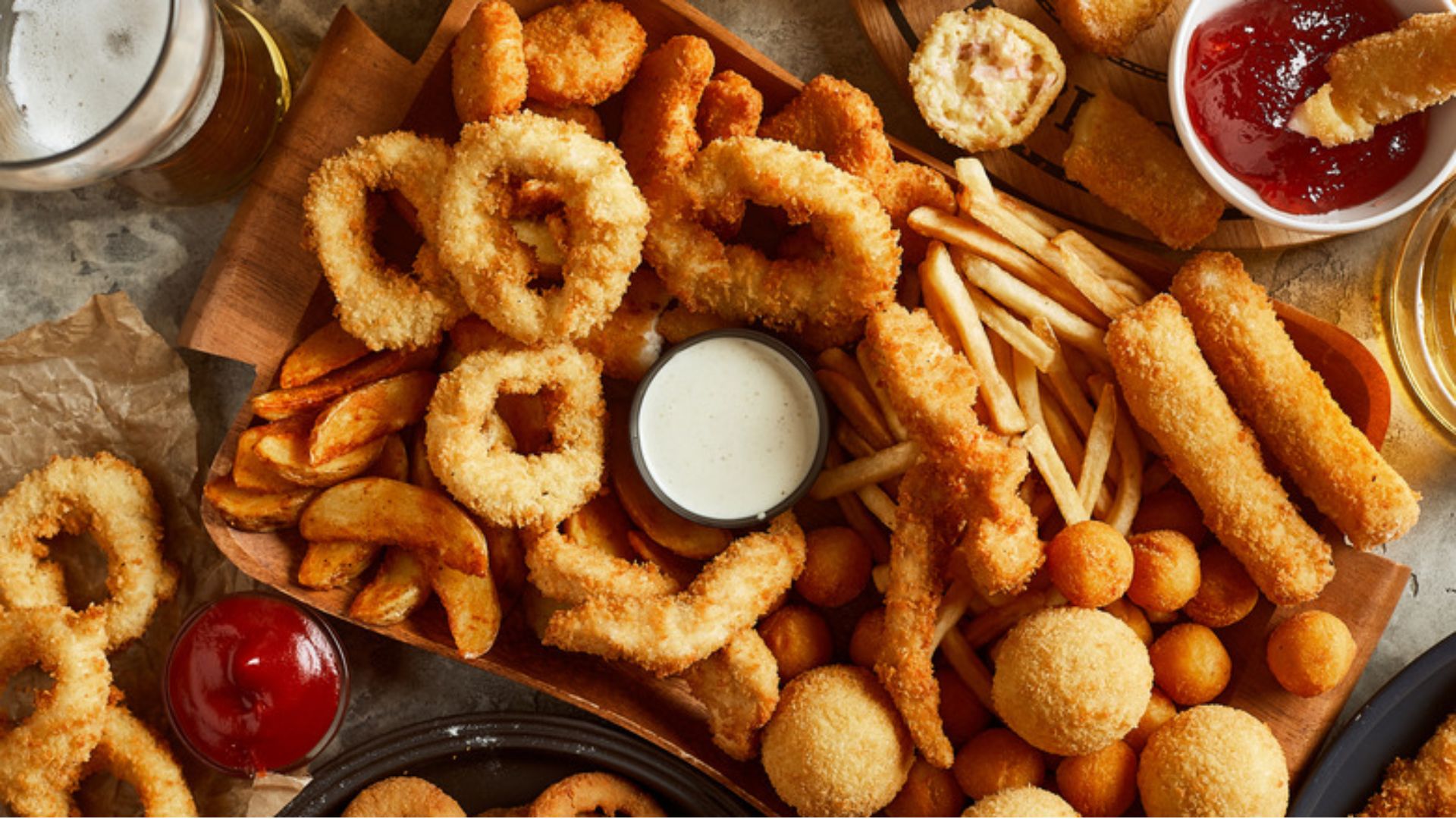
French fries are tempting, but here’s the truth. Greasy foods throw off the scalp’s natural balance.
The scalp produces sebum, which is a natural oil that keeps hair moisturized.
When people eat too much greasy food, sebum becomes greasier too. This creates an excessively oily scalp and limp, lifeless hair.
The layer of grease that builds up on hair follicles is a real problem. It clogs the follicles and blocks the natural growth process. This is a major contributor to hair fall.
Regular cleansing can help combat this. But prevention is always better than treatment.
3. Dairy Products
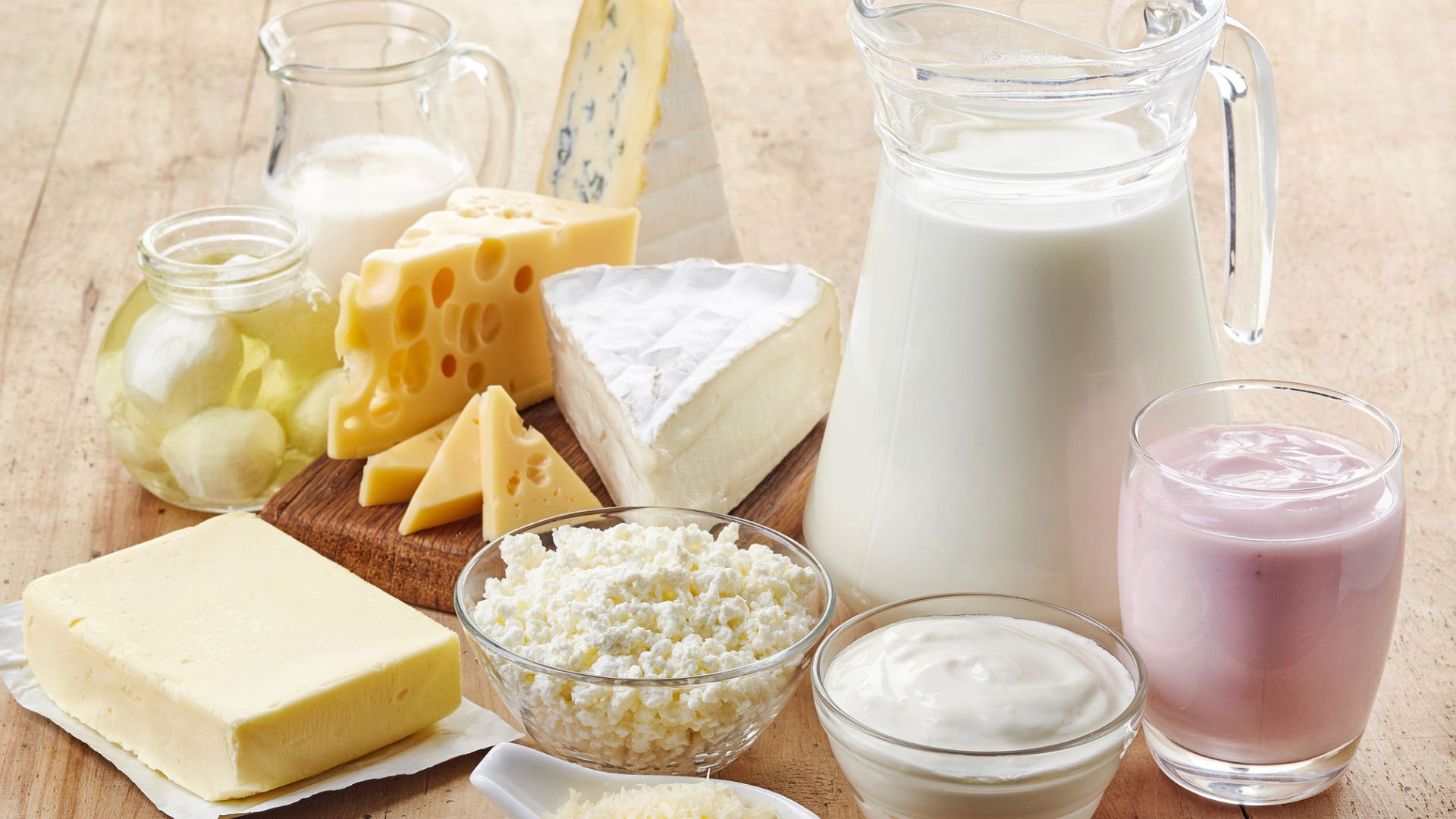
Dairy is tricky because it has some benefits for hair. The protein content is helpful. But there’s a flip side.
The fats in dairy can lower testosterone levels in the body. For some people, elevated testosterone triggers hair loss. So dairy might help in those cases.
However, for those prone to dandruff, eczema, or psoriasis, dairy can make things worse. These scalp conditions can damage hair health and lead to increased hair loss.
Paying attention to how the scalp reacts after consuming dairy is important. Everyone’s different. What helps one person might hurt another.
4. High-Mercury Fish

Not all seafood is created equal. While fish is generally great for hair due to its protein content, some varieties are problematic.
Swordfish ranks at the top of the list for mercury content. This matters because mercury depletes the body’s zinc levels.
Zinc is critical for hair growth and helps create thicker, stronger strands.
Mackerel and certain types of tuna also contain high mercury levels. These fish can create a zinc deficiency even when zinc comes from other sources.
Choosing lower-mercury options is better. Salmon, sardines, and anchovies are much better choices for hair health.
5. Carbonated and Diet Drinks

Diet soda seems like a healthier choice, right? Not for hair.
These drinks disrupt the body’s insulin response. The body becomes less effective at managing blood sugar levels. This leads to the same circulation problems discussed with sugar.
The artificial sweetener aspartame, found in most diet sodas, can make hair loss worse. Regular sodas aren’t better.
The high sugar content reduces blood flow to follicles and limits nutrient delivery.
Hair follicles end up starved for the nourishment they need. Over time, this weakens hair and increases shedding.
Water is the best friend here. It might sound boring, but hair will thank anyone who makes the switch.
6. Alcohol
This one’s tough to hear for those who enjoy a drink. But alcohol dehydrates hair, pulling out vital moisture. The result is dry, brittle hair that breaks easily.
There’s more. Alcohol lowers zinc levels in the body. Remember, zinc regulates hair density and quality. Without enough zinc, hair thins and weakens.
Alcohol provides zero nutritional value for hair. It only takes away from hair health, never adds to it.
Moderation is key for those who choose to drink. But hair will be healthier when alcohol consumption is limited significantly.
7. Raw Egg Whites
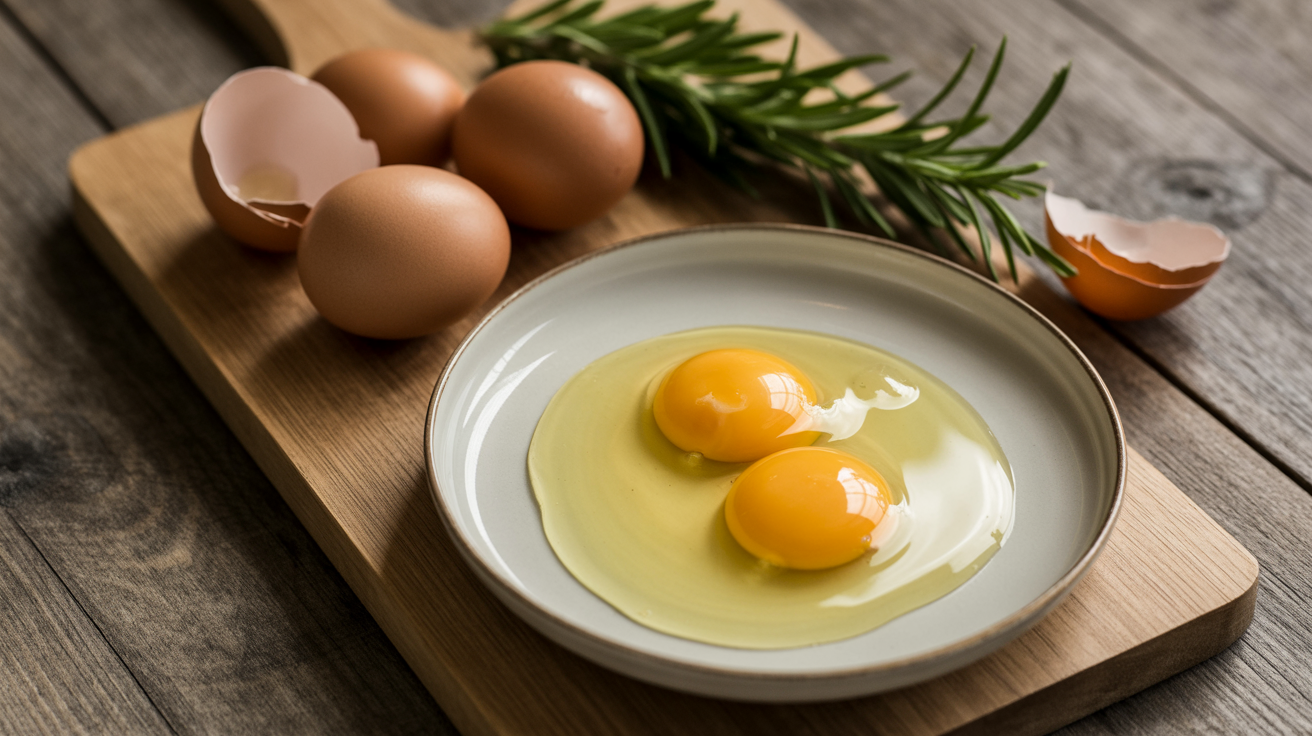
Eggs are actually great for hair when eaten cooked. They’re loaded with protein and biotin, which are both needed for healthy hair.
Biotin helps form keratin, the main structural protein in hair. A biotin deficiency can lead to hair fall and poor hair quality.
But here’s the problem with raw egg whites. They contain a compound called avidin. This compound blocks the intestines from absorbing biotin properly.
The fix is simple: cook eggs. Cooking deactivates the avidin and provides all the biotin benefits without the interference.
8. Certain Nuts (In Excess)
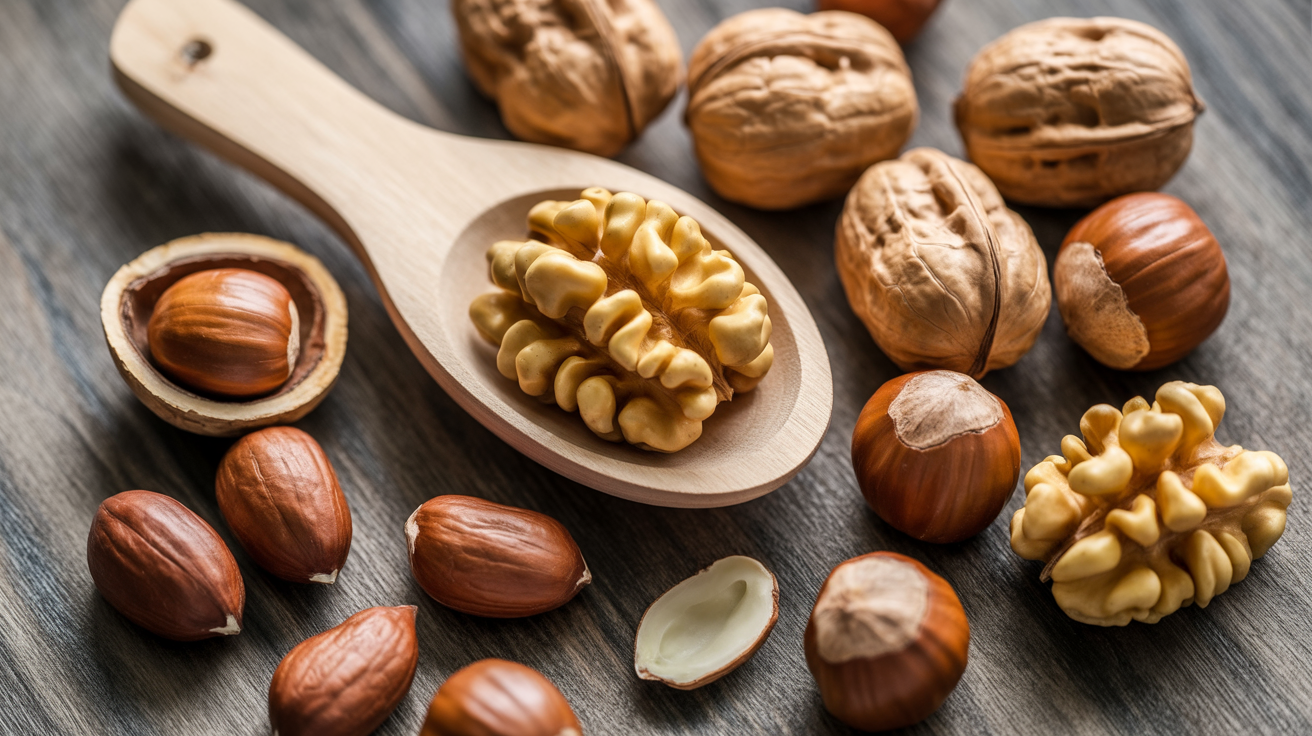
Nuts are healthy, but too much of a good thing becomes a problem. Some people have nut allergies that show up as hair loss. The reaction isn’t always immediate either.
A hairline might recede slowly over time. If this is suspected, getting allergy testing done helps identify problem foods.
Brazil nuts specifically contain high levels of selenium. The body needs selenium, but only in small amounts.
Eating too many Brazil nuts can tip the balance into selenium excess, which contributes to hair loss.
A handful of nuts is fine. A whole bag every day? That’s when problems start.
9. Foods with Harmful Additives
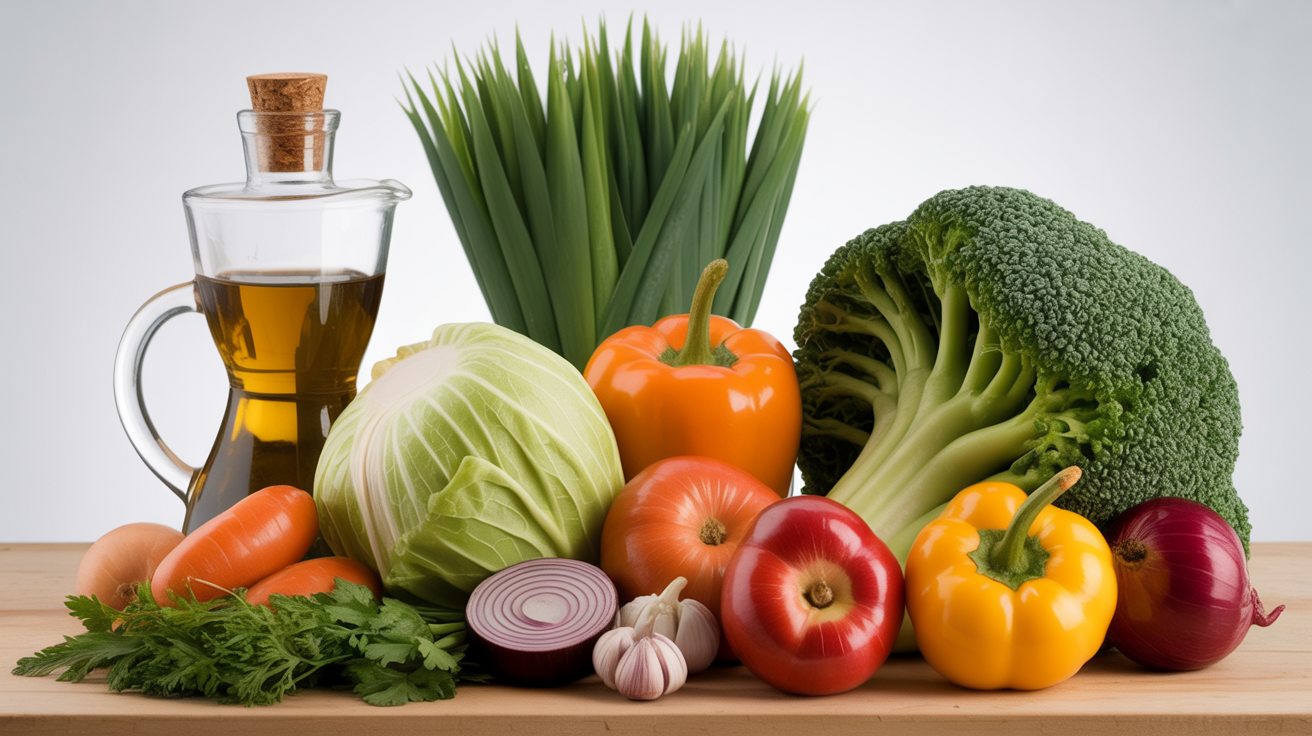
Food additives hide in more products than most people think. Ingredients like caustic soda, sulfites, and ammonia can trigger hair loss.
These chemicals don’t just affect hair. They can cause severe allergic reactions too, some of which are serious.
Even some natural additives can damage hair. The key is reading labels carefully and knowing what goes into the body.
When shopping, sticking to whole foods as much as possible helps. The fewer ingredients on the label, the better for hair.
Why These Foods Affect Hair
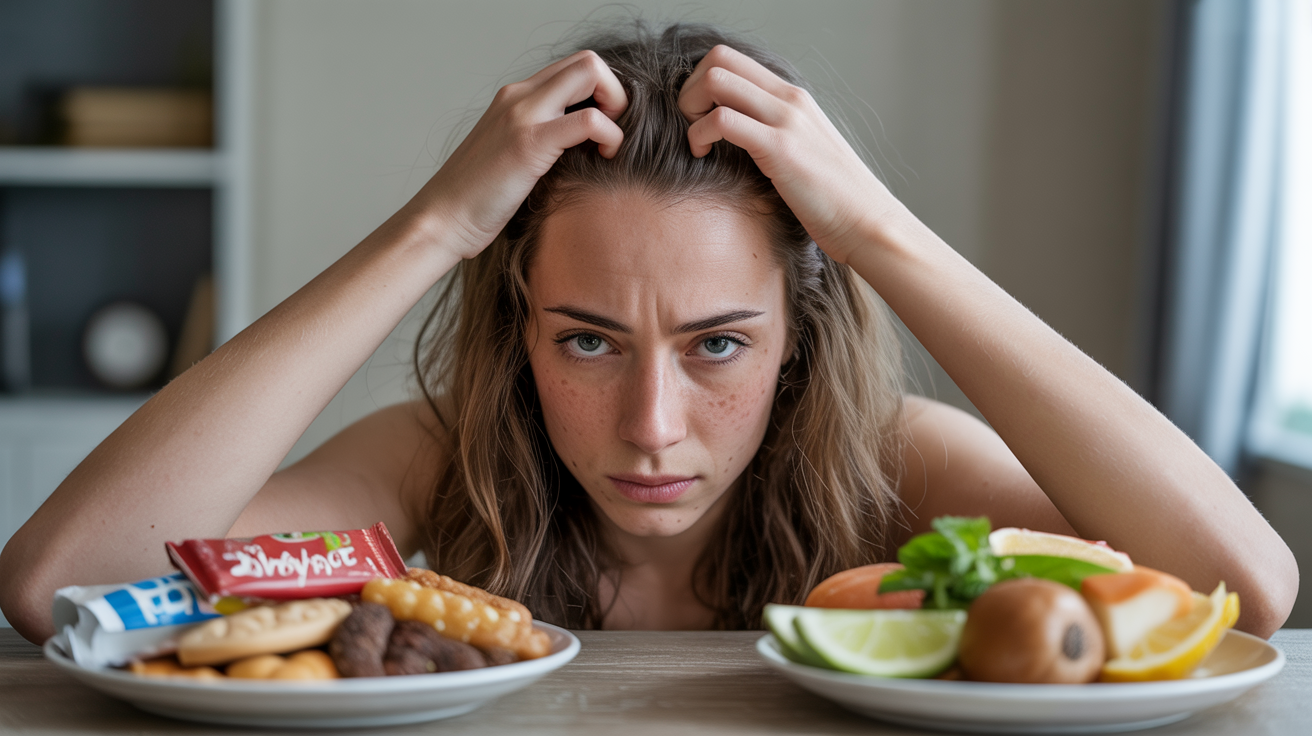
The foods you eat can either support strong, vibrant hair growth or quietly disrupt it.
Understanding how certain foods damage hair helps you make better choices for your scalp and strands.
Let’s connect the dots here. Most of these foods share common mechanisms for damaging hair.
- Inflammation is a big culprit. Sugar, greasy foods, and certain additives all trigger inflammation in the scalp. This creates an environment where hair can’t thrive.
- Poor circulation comes next. When blood doesn’t flow properly to the scalp, follicles don’t get oxygen and nutrients. They weaken and eventually stop producing healthy hair.
- Hormonal disruption plays a role too. Foods that mess with testosterone, insulin, or other hormones can accelerate hair loss in sensitive individuals.
- Then there’s nutrient interference. Some foods actively block the body from absorbing vitamins and minerals hair needs. Raw egg whites blocking biotin is a perfect example.
Making Better Food Choices for Hair Health
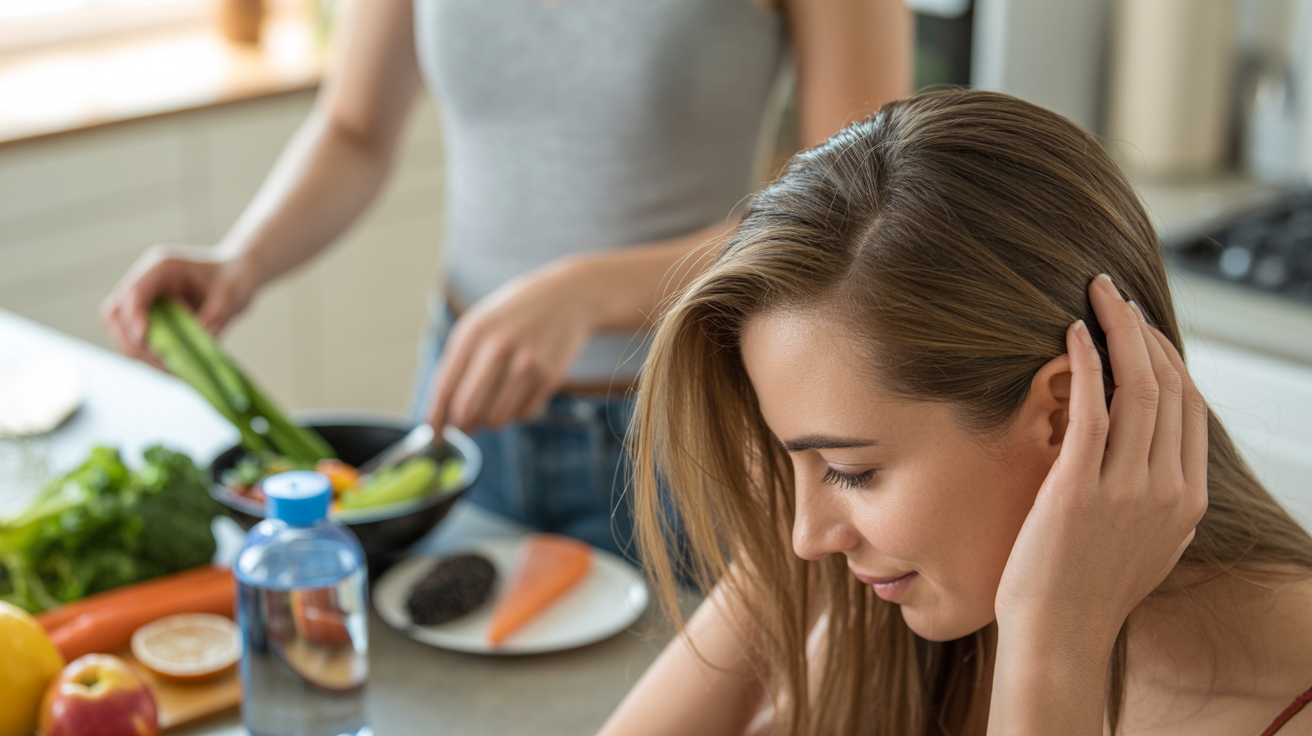
Now that you know which foods can hurt your hair, what’s the next step?
The good news is you don’t need to overhaul your entire diet overnight or follow a restrictive eating plan.
Small, manageable changes add up over time and make a real difference in how your hair looks and feels.
Complete elimination of all these foods forever isn’t necessary. That’s not realistic for most people.
- Moderation is the real answer. Occasional indulgences won’t destroy hair. It’s the daily habits that matter most.
- Focusing on balanced nutrition is important. Making sure the body gets enough protein, vitamins, and minerals helps. Hair needs these building blocks to grow strong.
- For those who suspect food allergies or sensitivities, testing helps. A simple blood test can identify problem foods that would never be guessed.
- Keeping the scalp clean, especially when eating greasy foods regularly, matters. A good cleansing routine removes buildup that could clog follicles.
- Hydration matters more than people realize. Drinking plenty of water throughout the day helps. Hair is about 25% water, so staying hydrated maintains moisture and strength.
- Paying attention to how the body and hair respond to different foods is smart. Patterns might that others don’t have. That’s normal because everyone’s biochemistry is different.
Conclusion
Now the specific foods that can contribute to hair loss and why they matter are clear. Awareness is the first tool for protecting hair health.
Looking at daily eating habits honestly helps identify problem foods showing up regularly. Making changes gradually works best because small improvements add up over time.
Remember that hair loss has multiple causes, so food is just one piece of the puzzle.
For those experiencing significant hair loss, talking to a dermatologist can help create an effective treatment plan.
Frequently Asked Questions
Can Caffeine Consumption Impact Hair?
Moderate caffeine intake is generally safe for hair. However, excessive consumption can lead to stress and sleep problems, which may indirectly contribute to hair loss. Keeping coffee habits reasonable helps maintain healthy hair.
Does Spicy Food Affect Hair Growth?
Spicy foods can increase scalp sweating, potentially making hair appear greasier. But there’s no direct link between spicy foods and hair loss. Enjoying spicy meals doesn’t need to be a concern for hair health.
Is High Salt Intake Connected to Hair Thinning?
Excessive salt can lead to high blood pressure and poor circulation, which affects blood flow to hair follicles. While not a direct cause of hair loss, monitoring salt intake supports overall health, including hair.
How Does Gluten Sensitivity Relate to Hair Health?
For people with celiac disease or gluten sensitivity, consuming gluten causes inflammation and blocks nutrient absorption. In severe cases, this can contribute to hair loss. Suspecting gluten sensitivity means consulting a healthcare professional for proper testing.
Can Vitamin Deficiencies From Poor Diet Cause Hair Loss?
Yes, deficiencies in zinc, biotin, and iron directly impact hair growth and strength. Poor dietary choices over time can lead to these deficiencies. A balanced diet with adequate nutrients is crucial for maintaining healthy hair.