Builder Gel vs Regular Gel Key Differences Explained

I’ve spent a lot of time around nail products, and one question keeps coming up: what’s the real difference between builder gel vs regular gel? It’s a fair question.
Both look similar on the shelf, but they work very differently on your nails. I’ve tested both firsthand, so everything here is practical and straight to the point.
In this guide, I’ll break down what each gel type actually does, how they’re applied and removed, and which one suits your needs best.
No fluff, no confusion. By the end, you’ll have a clear answer and feel confident picking the right gel for your nails.
Understanding Builder Gel and Regular Gel
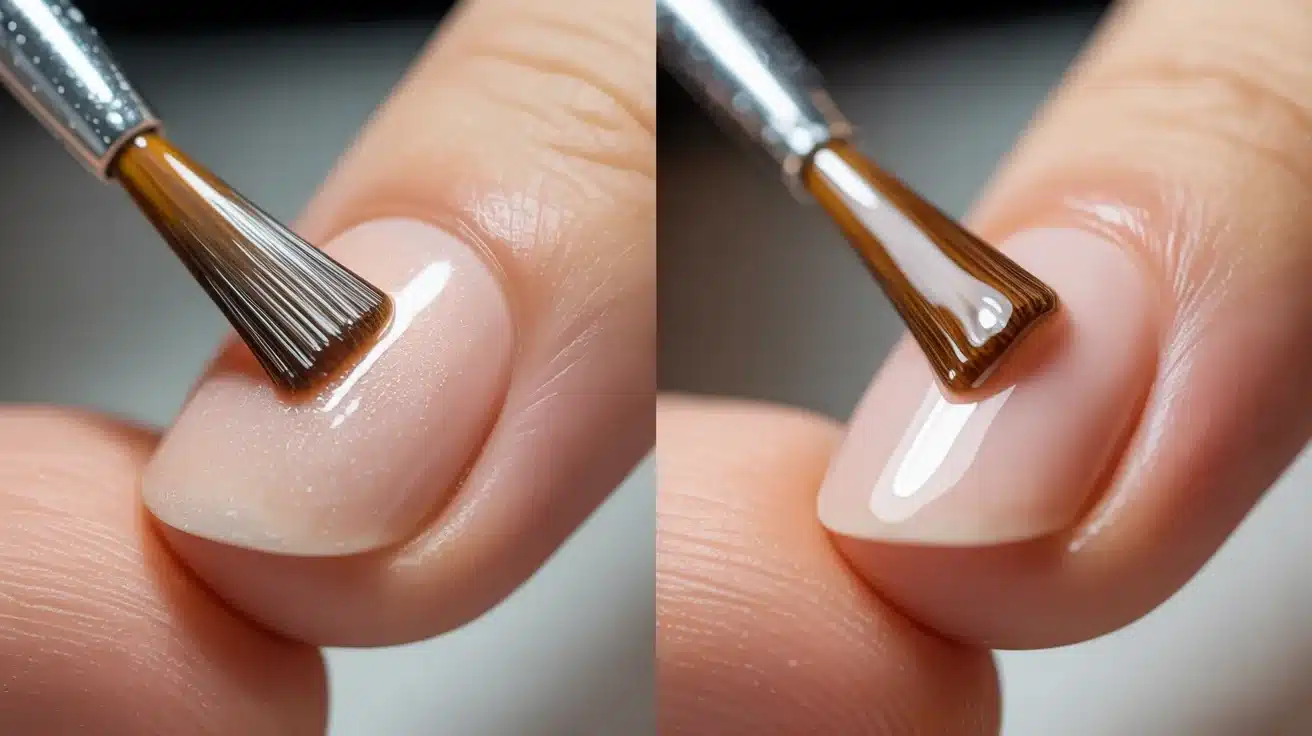
Builder gel is a thick gel product designed to add strength and structure to nails. It’s applied in layers, shaped while wet, and cured under a UV or LED lamp.
You can use it for extensions, strengthening weak nails, or creating overlays. Regular gel polish, on the other hand, is much thinner and works mainly for color and shine.
You paint it on like regular polish and cure it under a lamp. It’s great for adding color or a glossy finish to natural nails, but it doesn’t add structure or length. Each product serves a clearly different purpose.
Builder Gel vs Regular Gel Key Differences
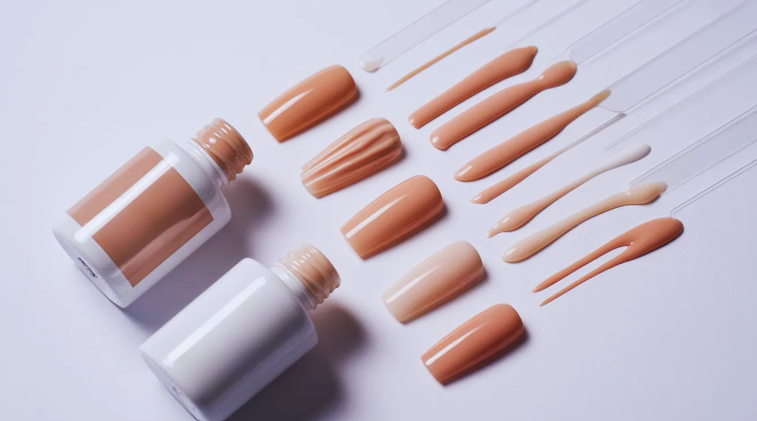
Side-by-side comparison of both gels across strength, use, and purpose.
|
Aspect |
Builder Gel |
Regular Gel (Gel Polish) |
|
Strength and Durability |
Far stronger; designed to handle daily wear, pressure, and stress on nails |
Not as strong; can chip or peel if the natural nail is weak |
|
Thickness and Consistency |
Thick and viscous; stays in place during application |
Thin and fluid; spreads easily but doesn’t hold structure |
|
Ability to Extend Nail Length |
Can extend nails beyond natural length using forms or tips |
Cannot extend nails; only coats the natural nail surface |
|
Customization and Shaping |
Allows full sculpting and shaping of nail structure |
Follows natural nail shape with no structural changes |
|
Overall Purpose |
Focused on structure, strength, and nail building |
Focused on color, shine, and aesthetic finish |
Application Process Differences
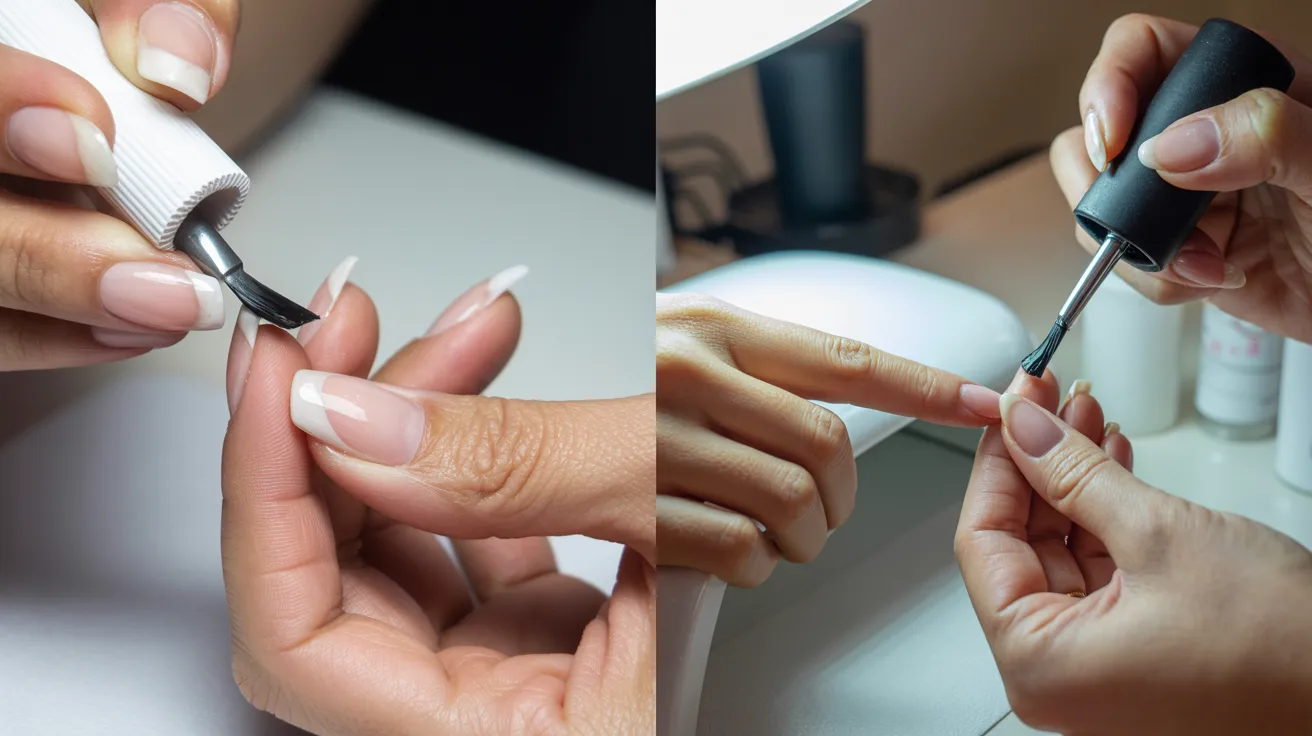
How each gel goes on and what tools or skills you’ll need.
Builder Gel Application Steps
More steps are involved here, but each one matters for a clean result.
- Prep and file the natural nail
- Apply a base or primer
- Apply builder gel in thin layers
- Shape while the product is still soft
- Cure under a UV or LED lamp
- File and buff to smooth finish
- Apply top coat
This process takes more time and practice.
Regular Gel Polish Application Steps
Simpler and faster than builder gel, this process works well even for beginners.
- Prep and clean the nail
- Apply a base coat and cure
- Apply two thin coats of gel polish, curing each layer
- Finish with a top coat and cure
It’s simpler and faster than builder gel.
Tools and Skill Level
Builder gel requires a brush, nail forms or tips (for extensions), and more control. It’s better suited for trained nail techs or experienced users.
Regular gel polish is beginner-friendly. If you can paint your nails, you can apply gel polish.
Curing Process
Both products cure under a UV or LED lamp. The curing times may vary by brand, but the method is the same.
Removal Process Comparison
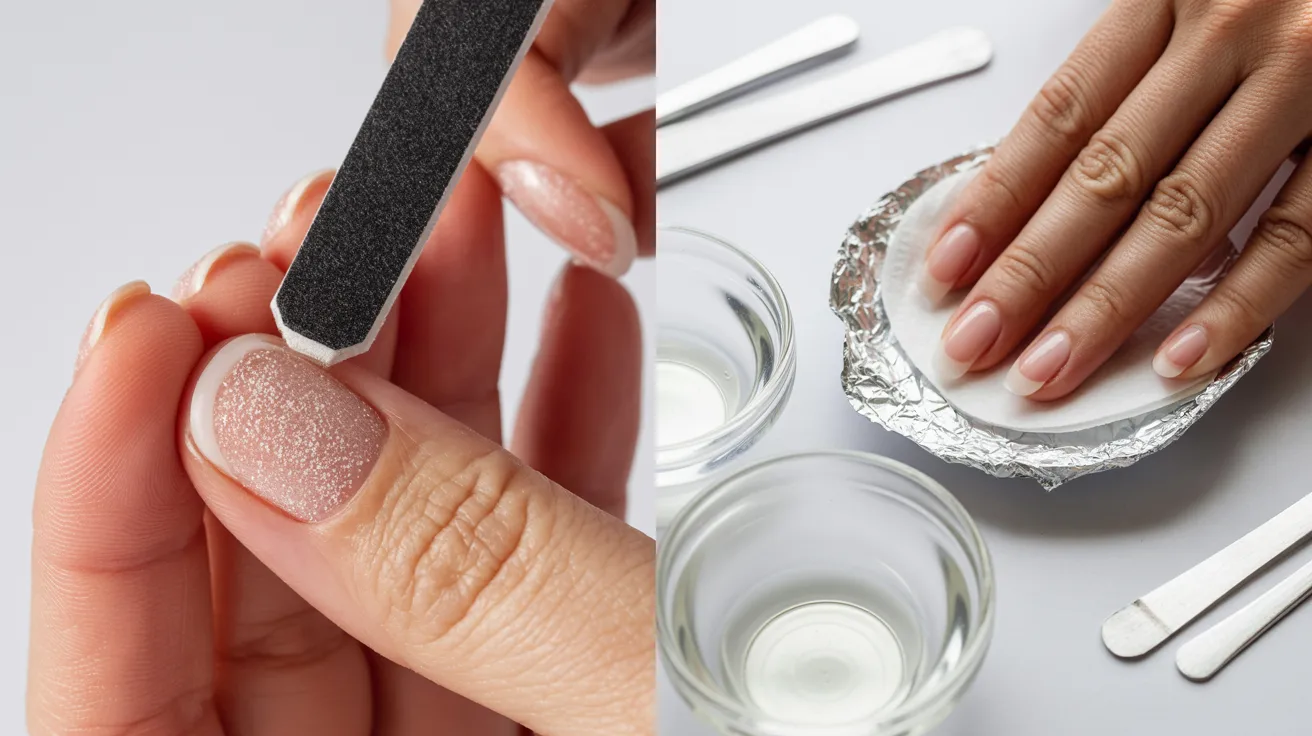
What it takes to safely take off each gel type without harming your nails.
How Builder Gel is Removed
Builder gel is usually filed off. Because it’s thick and hard, soaking alone doesn’t always break it down. A nail tech will use an e-file or hand file to remove the bulk before soaking.
How Regular Gel is Removed
Most regular gel polishes are soak-off products. You wrap nails in acetone-soaked cotton and foil for 10 to 15 minutes. The gel softens and lifts off.
Soak-Off vs Filing
Soak-off is gentler in terms of physical contact. But long acetone exposure can dry out the skin and nails. Filing removes product quickly but risks thinning the nail plate if done incorrectly.
Impact on Natural Nails
Both can affect nail health if removed carelessly. Proper removal technique matters more than the product itself.
Which Lasts Longer?
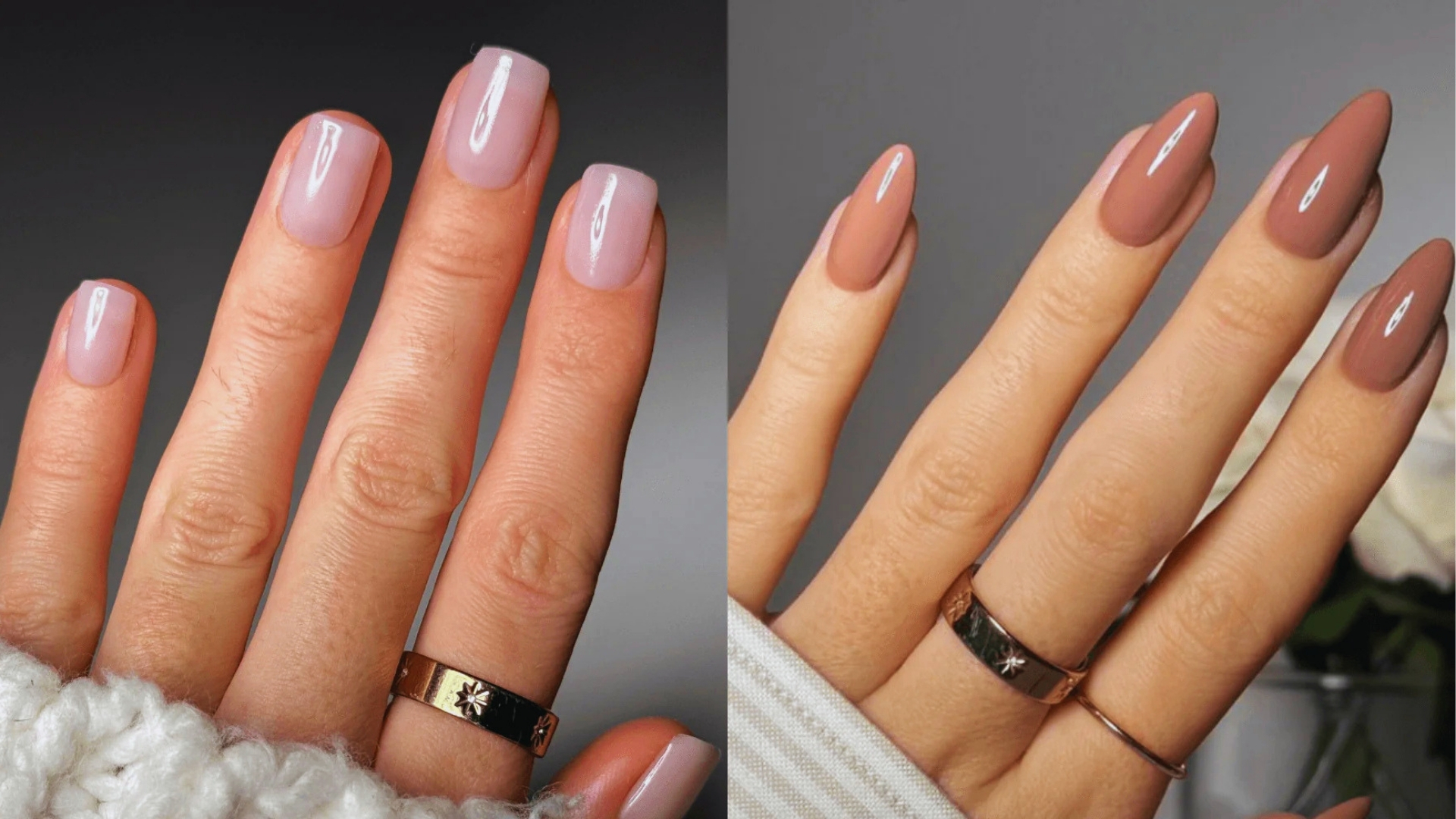
Builder gel typically lasts 3 to 4 weeks with proper care, and some people go even longer before needing a fill.
Regular gel polish usually holds up for 2 to 3 weeks, depending on nail prep, top coat quality, and daily habits.
A few key factors affect how long either gel lasts, how well the nail is prepped before application, the quality of products used, exposure to water and chemicals, and how well the gel bonds to the nail.
Overall, builder gel wins on wear time, making it the better pick if longevity is your top priority.
Which One Should You Choose?
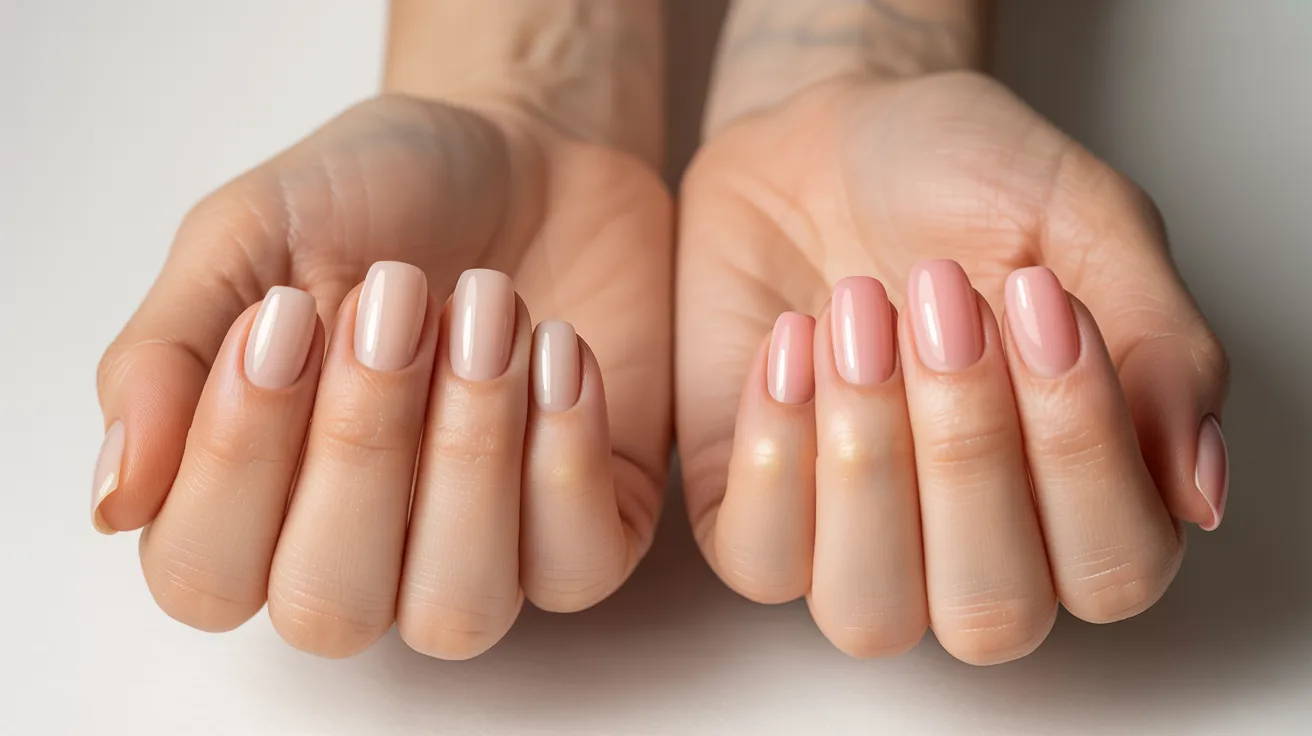
Your nails, your needs. Here’s a simple breakdown to help you pick the right gel.
For Nail Strength and Extensions
Builder gel is the right call here. It’s specifically made to add real length and reinforce weak or damaged nails.
If your nails break easily or you want extra length without acrylics, builder gel gives you that solid, protective base that holds up well over time.
For Simple Color and Shine
Regular gel polish is your best bet. It’s quick, straightforward, and gives a clean, glossy finish without any added bulk.
If you just want your nails to look polished and neat without a complicated process, regular gel gets the job done perfectly.
For Beginners vs Professionals
Beginners do much better starting out with regular gel. It’s easier to control and applies just like normal nail polish.
Builder gel takes more practice to apply cleanly without lumps or uneven layers.
Professionals often use both products depending on what the client needs and the look they’re going for.
Based on Nail Health and Lifestyle
If your nails break often, feel thin, or chip constantly, builder gel works as a strong protective layer. It gives your natural nails room to grow underneath.
If your nails are already in good shape and you simply want color, regular gel polish is more than enough to keep them looking great.
Pros and Cons of Builder Gel and Regular Gel
A clear breakdown of what works well and what doesn’t with each product.
Builder Gel Pros and Cons
Builder gel adds real strength and structure to your nails, making it a solid choice for extensions and weak or damaged nails.
It lasts longer than regular gel, giving you more time between appointments. On the downside, it takes longer to apply, requires more skill to get right, and costs more in most salons.
Removal is also harder since it usually needs filing rather than a simple soak-off.
Regular Gel Pros and Cons
Regular gel polish is easy to apply at home, beginner-friendly, and comes in a wide range of colors. It soaks off without filing, making removal much simpler.
However, it doesn’t offer any structural support and can’t extend nail length. It also has a shorter wear time and may chip faster on weak or thin nails.
Tips for Best Results
Small steps done right can make a big difference in how your gel wears and lasts.
- Always clean, file, and remove oils from the nail before applying any gel. Poor prep is the number one reason gels lift early.
- Apply thin layers every time and avoid flooding the cuticle area. Seal the free edge with each coat to prevent lifting and chipping.
- Follow your lamp’s recommended cure times closely. Undercured gel peels off, and overcured gel can feel brittle and crack.
- Use a lamp that matches your gel brand when possible. Mismatched lamps can affect how well the gel cures and bonds.
- Give your nails a break between gel sets to let them breathe and recover. Back-to-back applications without breaks can weaken the nail over time.
- Moisturize your cuticles daily and never peel or pick off gel. Picking is the fastest way to damage and thin your natural nail plate.
Conclusion
Choosing between builder gel vs regular gel really comes down to what your nails need right now.
I personally reach for builder gel when my nails feel weak or I want length. For a quick color refresh, regular gel polish is my go-to.
If you’re still unsure, start with regular gel and see how your nails respond. You can always try builder gel later.
Found this helpful? Drop a comment below and share which gel works best for you. I’d love to hear your experience!
Frequently Asked Questions
Can I use builder gel as a base for regular gel polish?
Yes, you can. Many people apply builder gel for structure, then layer regular gel polish on top for color. Just make sure to cure each layer properly.
Is builder gel safe for natural nails?
It is safe when applied and removed correctly. The key is not to file too aggressively during removal, which can thin the natural nail over time.
Can beginners apply builder gel at home?
It’s possible but takes practice. Builder gel has a thicker consistency that’s harder to control. Starting with a beginner-friendly brand and watching tutorials helps a lot.
Does regular gel polish strengthen nails?
Not really. It adds a coating that protects the surface slightly, but it doesn’t add real structural strength the way builder gel does.
How often should I get a builder gel fill?
Most people need a fill every 2 to 3 weeks as the natural nail grows. Waiting too long can cause lifting and increase the risk of breakage.