How to Shrink a Cystic Pimple Overnight Safely


Waking up with a painful, swollen breakout can be frustrating, especially when you need your skin to look better by tomorrow.
If you're searching for how to shrink a cystic pimple overnight safely, you're in the right place.
While no treatment can make a deep cyst disappear in a few hours, you can reduce swelling, redness, and discomfort overnight with the right steps.
In this guide, you'll learn what actually works, what to avoid, the best home and over-the-counter options, and when it's time to see a dermatologist.
Every tip is based on trusted skincare guidance and common dermatology advice, so you can feel confident trying safe methods that help your skin heal, not make it worse.
What Is a Cystic Pimple?
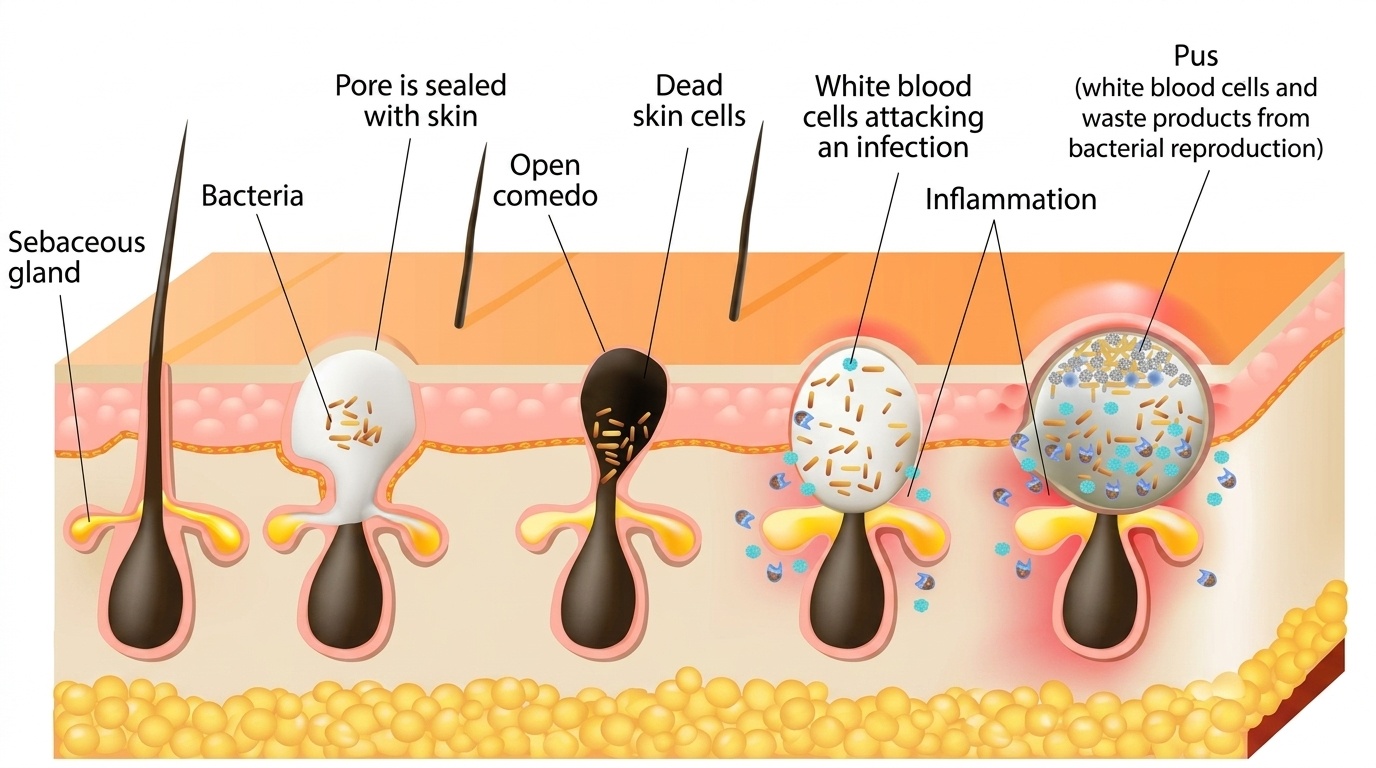
A cystic pimple is a severe type of acne that forms deep beneath the skin. Unlike regular pimples, it does not usually come to a whitehead.
Instead, it appears as a large, red, painful bump that feels tender when touched.
This happens when oil, dead skin cells, and bacteria become trapped deep inside a pore, causing inflammation.
Because the blockage is below the surface, cystic pimples take longer to heal and are more likely to leave scars if picked or squeezed.
They are also harder to treat than blackheads or small whiteheads. Knowing the difference helps you choose the right treatment and avoid habits that can make the swelling worse.
Can You Shrink a Cystic Pimple Overnight?
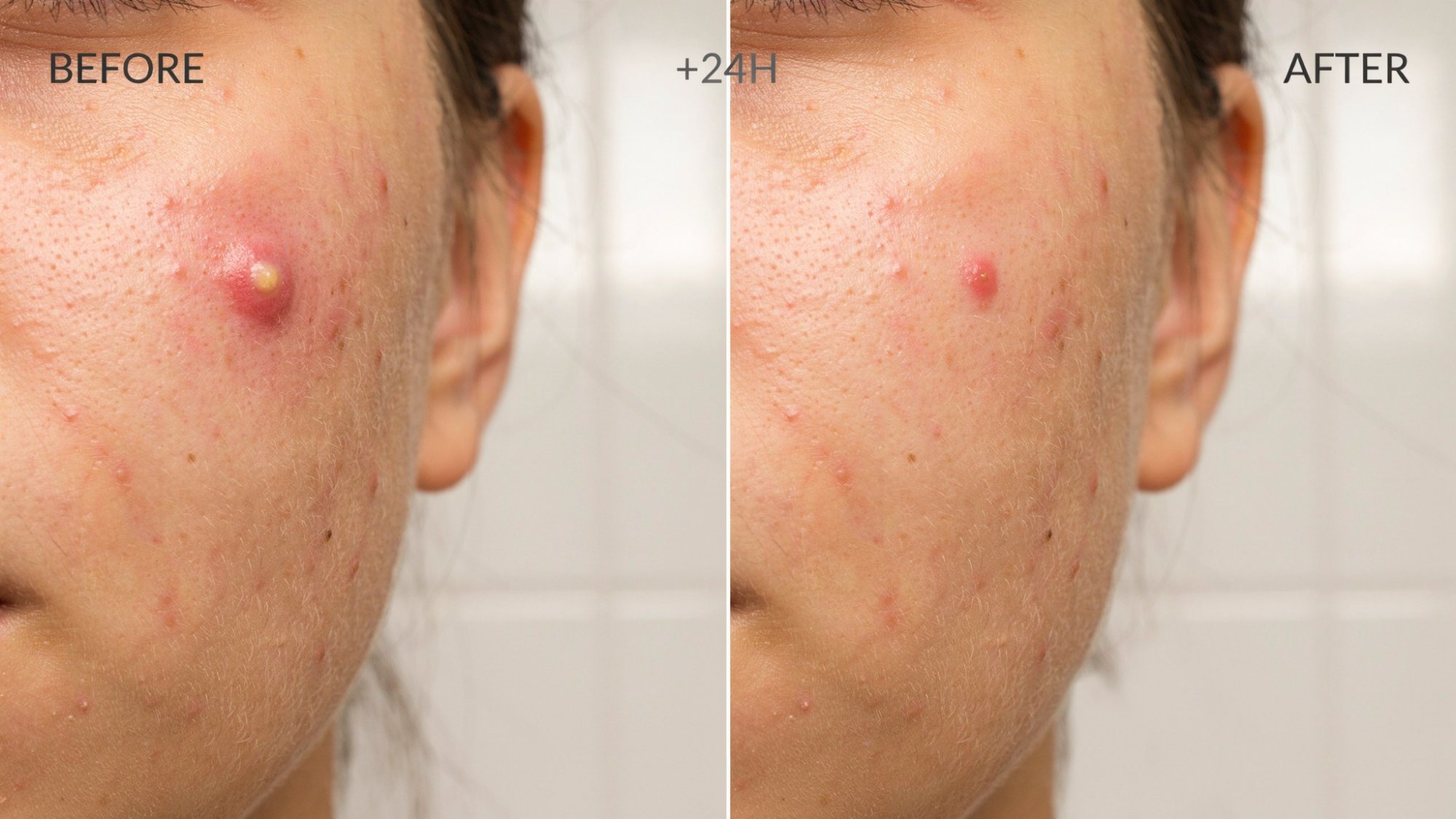
The short answer is yes, but only to a certain extent. If you're wondering how to shrink a cystic pimple overnight safely, it's important to have realistic expectations.
You can often reduce swelling, redness, and pain by using proven treatments like a cold compress, benzoyl peroxide, or a hydrocolloid patch before bed.
These methods calm inflammation and make the pimple look less noticeable by morning. However, the cyst itself is deep under the skin and cannot completely disappear overnight.
Most cystic pimples need several days, and sometimes even a couple of weeks, to heal fully. Gentle care will always give better results than squeezing or using harsh remedies.
How to Shrink a Cystic Pimple Overnight Safely
The right nighttime routine can calm inflammation, ease discomfort, and help your cystic pimple look less noticeable by morning without damaging your skin.
Cleanse Your Face Gently
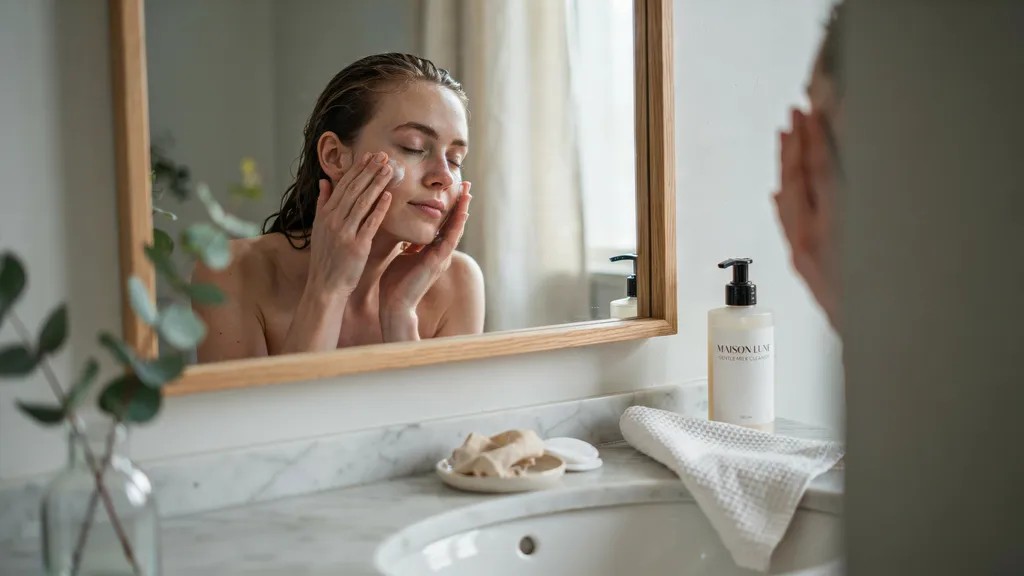
Start by washing your face with a mild, fragrance-free cleanser to remove dirt, oil, and makeup.
Avoid scrubbing or using rough exfoliants, as they can irritate the skin and make the pimple more inflamed.
Pat your face dry with a clean towel instead of rubbing it to protect the affected area.
Apply a Cold Compress to Reduce Swelling
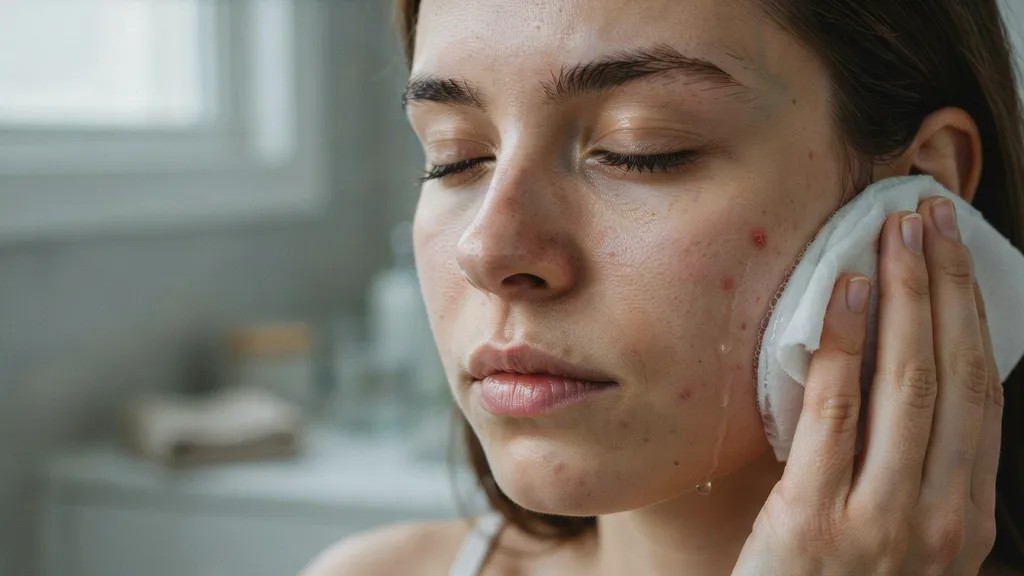
Wrap an ice pack or a few ice cubes in a clean cloth and hold it against the pimple for 5 to 10 minutes.
The cold helps reduce swelling, redness, and pain by narrowing blood vessels. Never place ice directly on your skin, as it can cause irritation or frost damage.
Use a Benzoyl Peroxide Spot Treatment
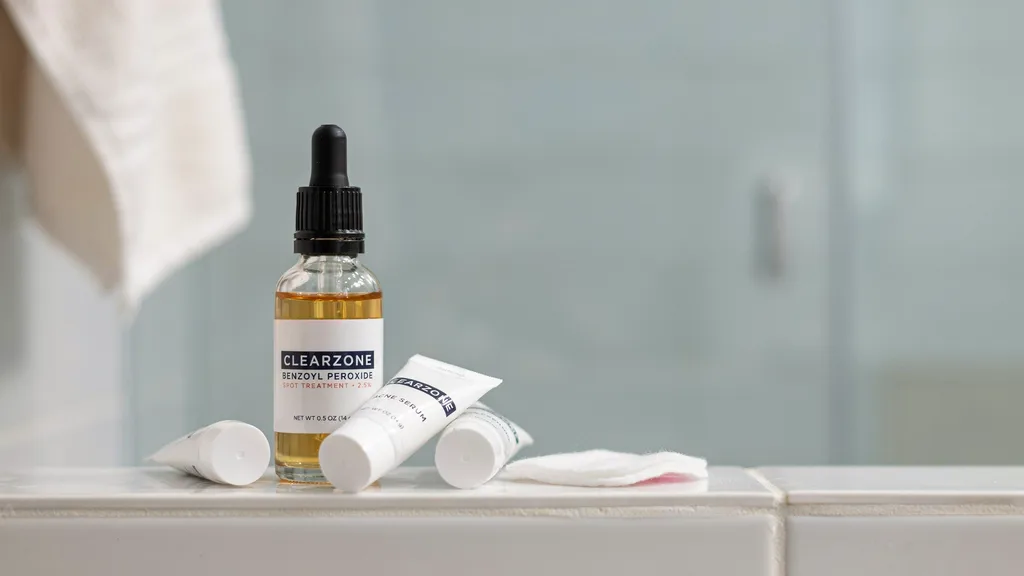
Apply a thin layer of a benzoyl peroxide spot treatment to the affected area before bed. It works by reducing acne-causing bacteria and calming inflammation.
Choose a lower strength if you have sensitive skin, and avoid using too much, as it may cause dryness or peeling overnight.
Try a Salicylic Acid Treatment
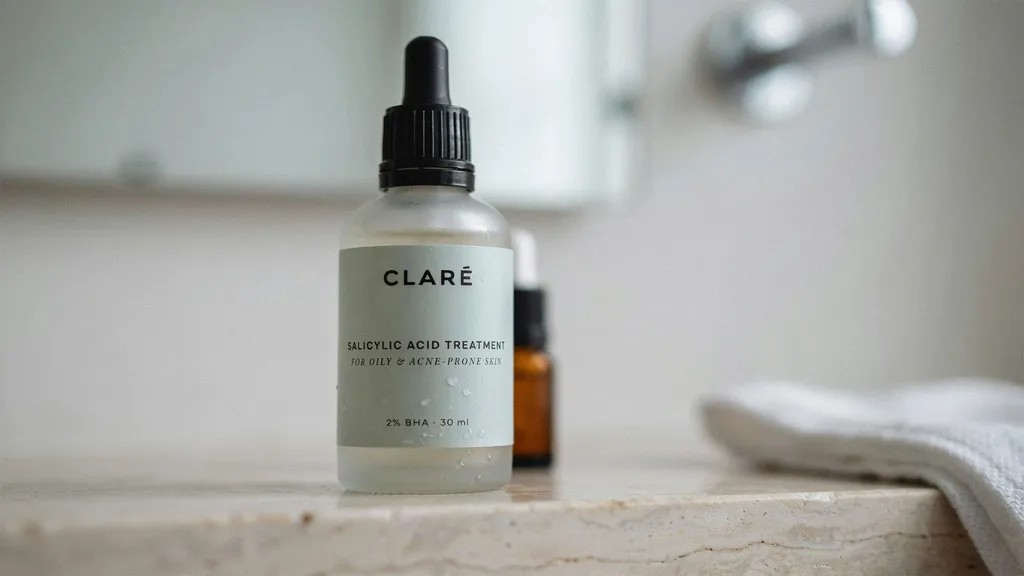
Salicylic acid helps clear clogged pores by gently removing excess oil and dead skin cells.
While it cannot instantly remove a deep cyst, it may reduce inflammation and prevent the blockage from getting worse.
Apply only a small amount to the pimple and follow with a gentle moisturizer if needed.
Cover It With a Hydrocolloid Pimple Patch
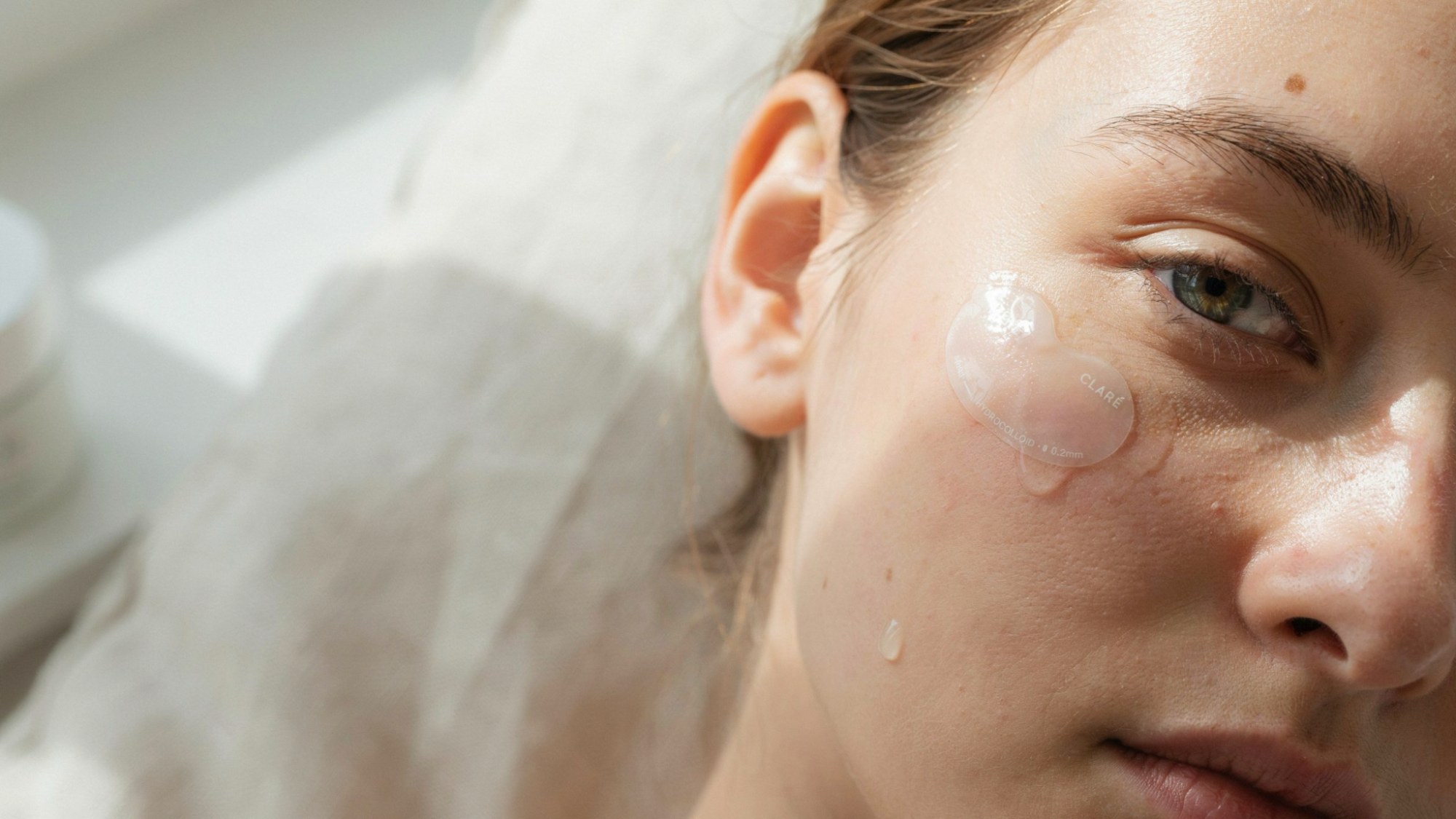
A hydrocolloid patch protects the pimple from dirt, bacteria, and the temptation to touch it. It also absorbs excess fluid from the surface and creates a moist healing environment.
While it works best on pimples with a visible head, it can still help reduce irritation caused by rubbing or picking.
Moisturize Without Clogging Pores
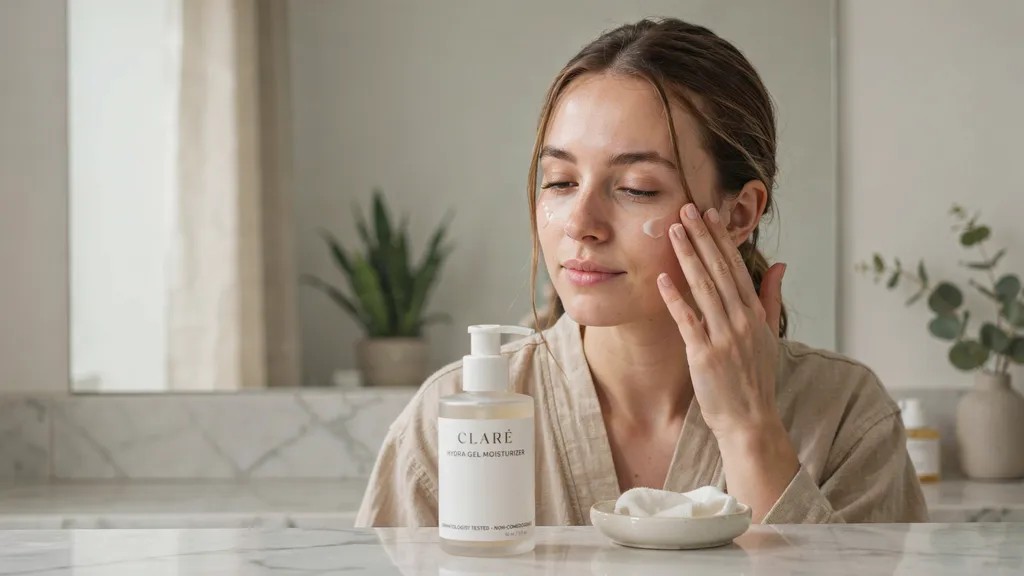
Finish your routine with a lightweight, non-comedogenic moisturizer to keep your skin hydrated. Many acne treatments can dry out the skin, leading to irritation.
A good moisturizer supports your skin barrier, reduces flaking, and helps active ingredients work more effectively without causing unnecessary discomfort.
Get Enough Sleep and Avoid Touching the Pimple

Your skin repairs itself while you sleep, making rest an important part of healing. Aim for seven to nine hours of sleep and keep your hands away from the pimple.
Touching, squeezing, or picking can push bacteria deeper into the skin, increase swelling, and raise the risk of scarring.
Home Remedies That May Help
Some simple home remedies may help reduce discomfort and inflammation, but they should support, not replace, proven acne treatments.
Ice Therapy
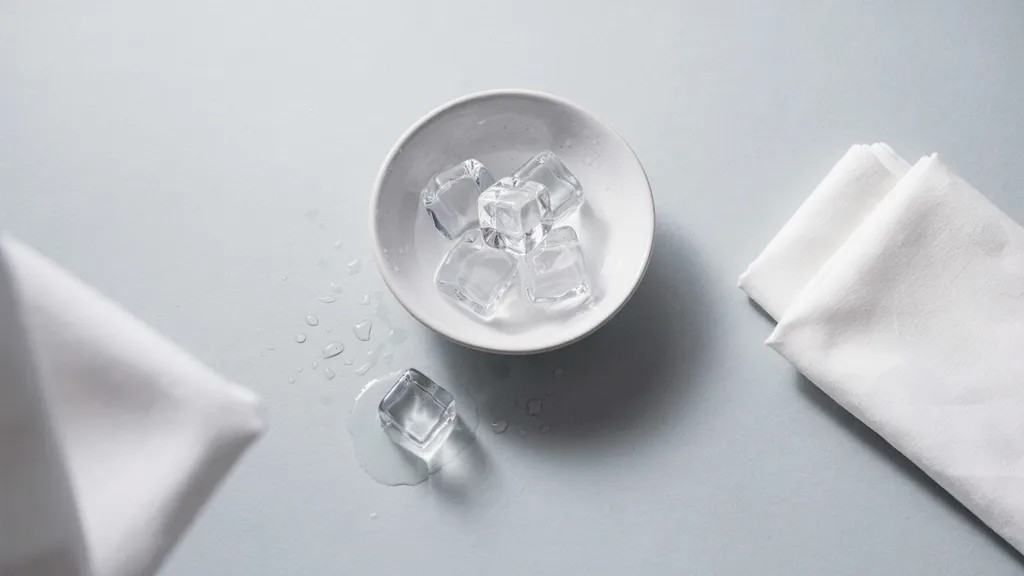
Ice therapy is one of the quickest ways to calm a painful cystic pimple. Wrap an ice cube or cold pack in a clean cloth and apply it for 5 to 10 minutes at a time.
This may reduce swelling, redness, and tenderness. Avoid placing ice directly on your skin to prevent irritation or cold burns.
Diluted Tea Tree Oil
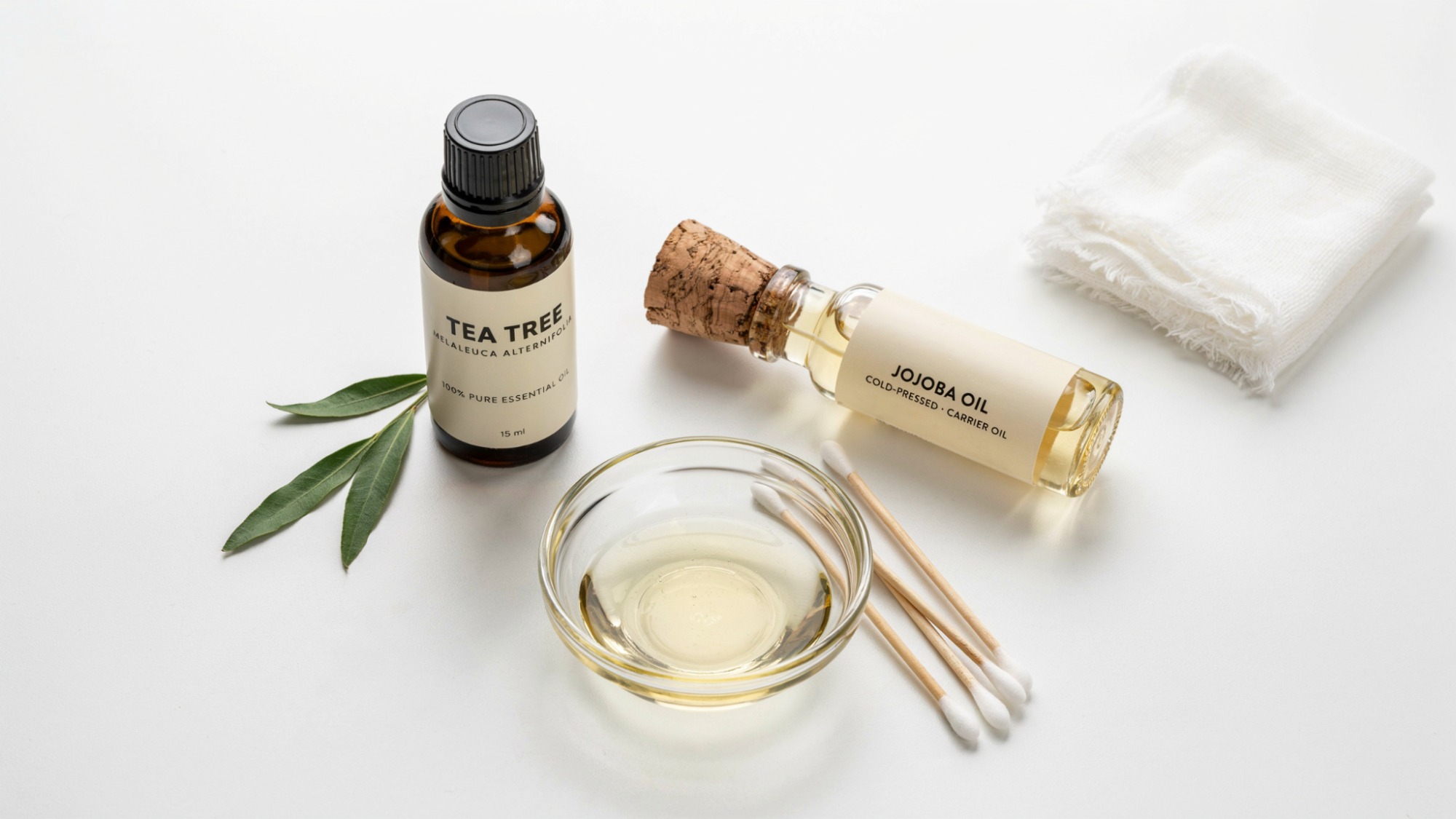
Tea tree oil has natural antibacterial and anti-inflammatory properties that may help with mild acne. Always dilute it with a carrier oil before applying a small amount to the affected area.
Never use pure tea tree oil directly on your skin, as it can cause irritation, dryness, or an allergic reaction.
Aloe Vera Gel
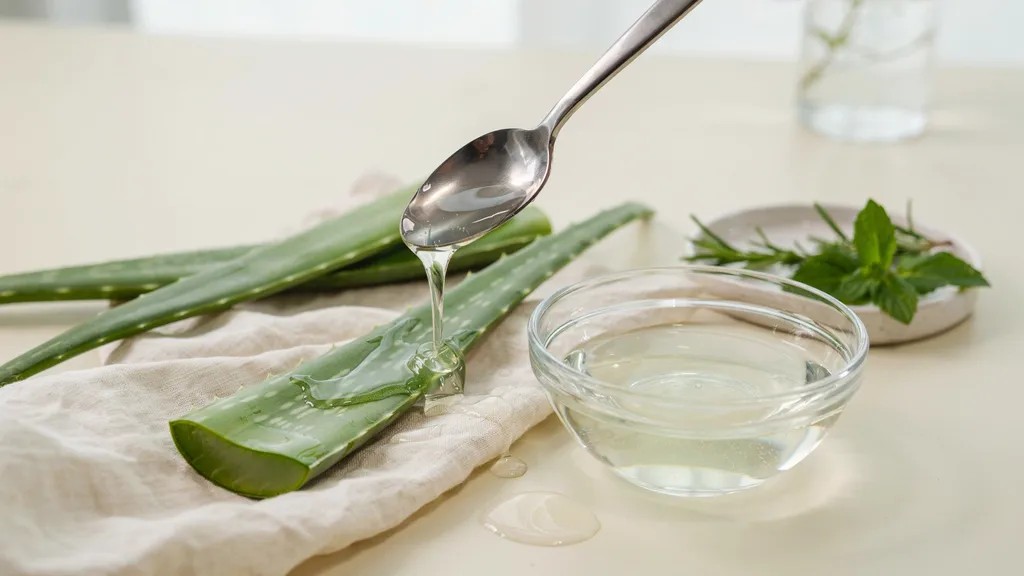
Pure aloe vera gel can soothe irritated skin and provide light hydration without feeling greasy. It may help reduce redness and support the skin's natural healing process.
Apply a thin layer after cleansing and let it absorb completely. Choose a product with minimal added ingredients to avoid unnecessary skin irritation.
Green Tea Compress
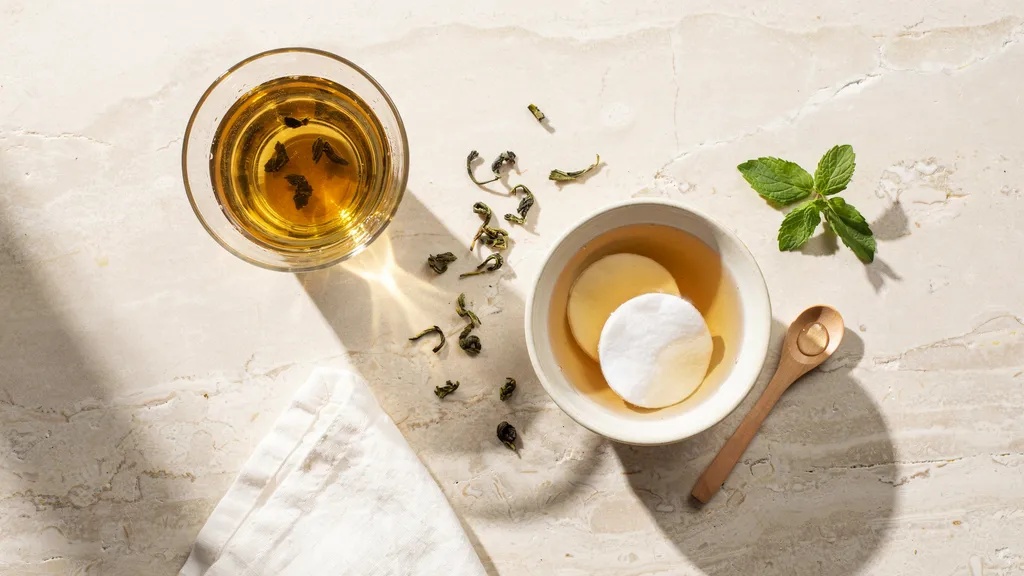
Green tea contains antioxidants and compounds that may help calm inflamed skin. Brew a cup of green tea, let it cool completely, then soak a clean cotton pad or cloth in it.
Gently place it over the pimple for several minutes. This simple remedy may temporarily reduce redness and leave your skin feeling soothed.
What Not to Do
Avoid these common mistakes, as they can make a cystic pimple more painful, increase healing time, and raise the risk of scarring.
- Don't pop or squeeze the cyst: This can push bacteria deeper into the skin and worsen inflammation.
- Avoid toothpaste and harsh DIY remedies: These can irritate your skin and may cause dryness or burns.
- Don't overuse spot treatments: Applying too much product can damage your skin barrier and increase irritation.
- Avoid scrubbing the area: Gentle cleansing is enough, harsh scrubbing can make redness and swelling worse.
- Skip heavy makeup before bed: Leaving makeup on overnight can clog pores and slow the healing process.
When to See a Dermatologist
Some cystic pimples need professional treatment, especially if they are severe, painful, or keep coming back.
- Large, painful cysts that keep returning: Recurring breakouts may require prescription acne treatment.
- Signs of infection: Seek medical care if you notice pus, increasing redness, warmth, or fever.
- Acne causing scars: Early treatment can help reduce permanent acne scarring.
- Cortisone injection: A dermatologist may inject medication to quickly reduce swelling and pain.
- Topical retinoids: Prescription creams help unclog pores and prevent future cystic acne.
- Oral medications: Antibiotics or other prescription medicines may be recommended for moderate to severe cystic acne.
Conclusion
A cystic pimple can feel like it appears at the worst possible time, but a calm, gentle routine can make a real difference.
If I’ve learned anything from skincare, it’s that being patient usually gives better results than trying every quick fix.
I hope this guide on how to shrink a cystic pimple overnight safely helps you wake up with less swelling and more confidence.
Have a tip that works for you? Leave a comment, share this post with someone who needs it, or try our other skincare guides for more helpful advice.
Frequently Asked Questions
Can you completely shrink a cystic pimple overnight?
Not completely. You can often reduce swelling, redness, and pain overnight, but the pimple usually needs several more days to heal.
Is ice good for a cystic pimple?
Yes. A cold compress or wrapped ice pack may help reduce inflammation and ease discomfort when used for a few minutes at a time.
Should I pop a cystic pimple?
No. Popping a cystic pimple can push bacteria deeper into the skin, increase inflammation, and raise the chance of scarring.
Which works better for cystic pimples: benzoyl peroxide or salicylic acid?
Both can help, but they work differently. Benzoyl peroxide targets acne-causing bacteria, while salicylic acid helps clear clogged pores.
When should I see a dermatologist for a cystic pimple?
See a dermatologist if your cystic pimples are very painful, keep returning, leave scars, or do not improve with regular skincare.