Russian Manicure vs Regular: Which One Lasts Longer?

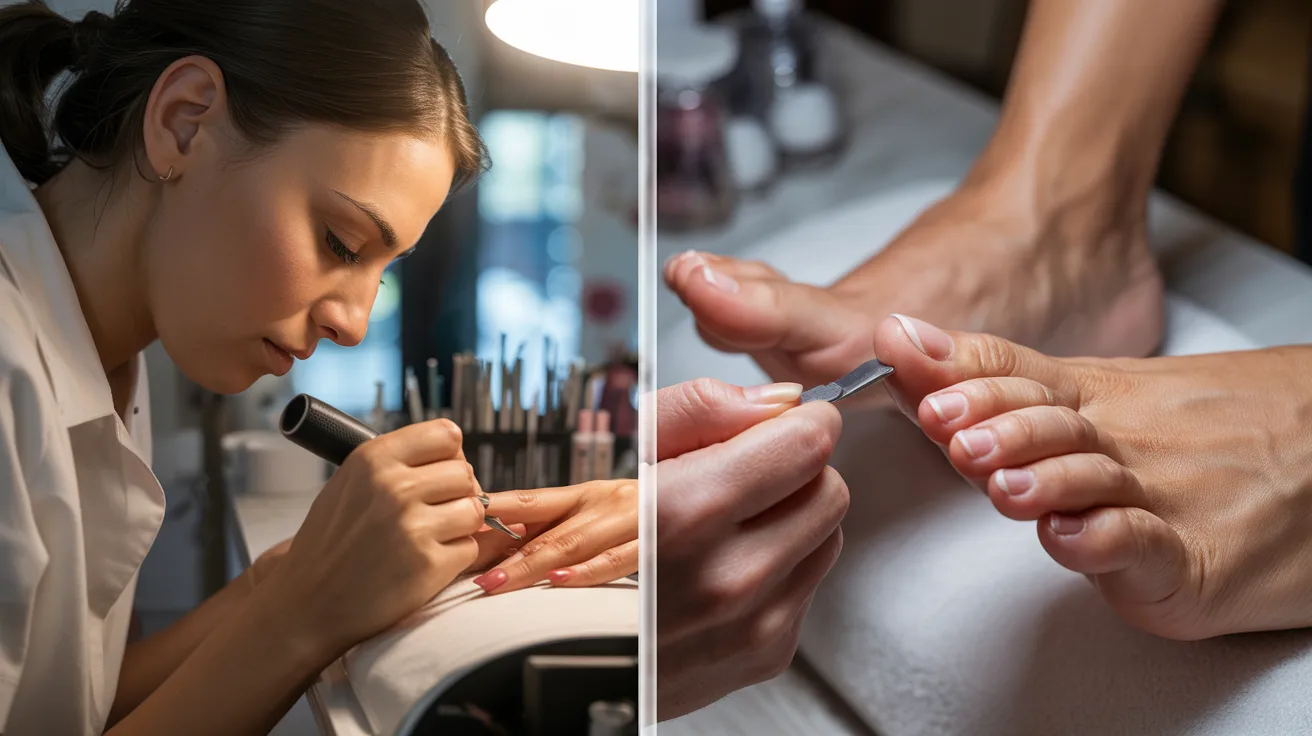
I thought a Russian manicure was just a regular manicure with a fancier name. Then I actually got one and realized I’d been completely wrong.
The two techniques look similar from the outside but work in entirely different ways, and that difference shows up immediately in how your nails look and how long they stay that way.
If you’ve been going back and forth on the russian manicure vs regular question, there’s a reason it feels confusing.
Most comparisons miss the details that actually matter. I’ve tried both, and what I found changed how I book my appointments entirely.
Let’s get started.
What Is a Russian Manicure?
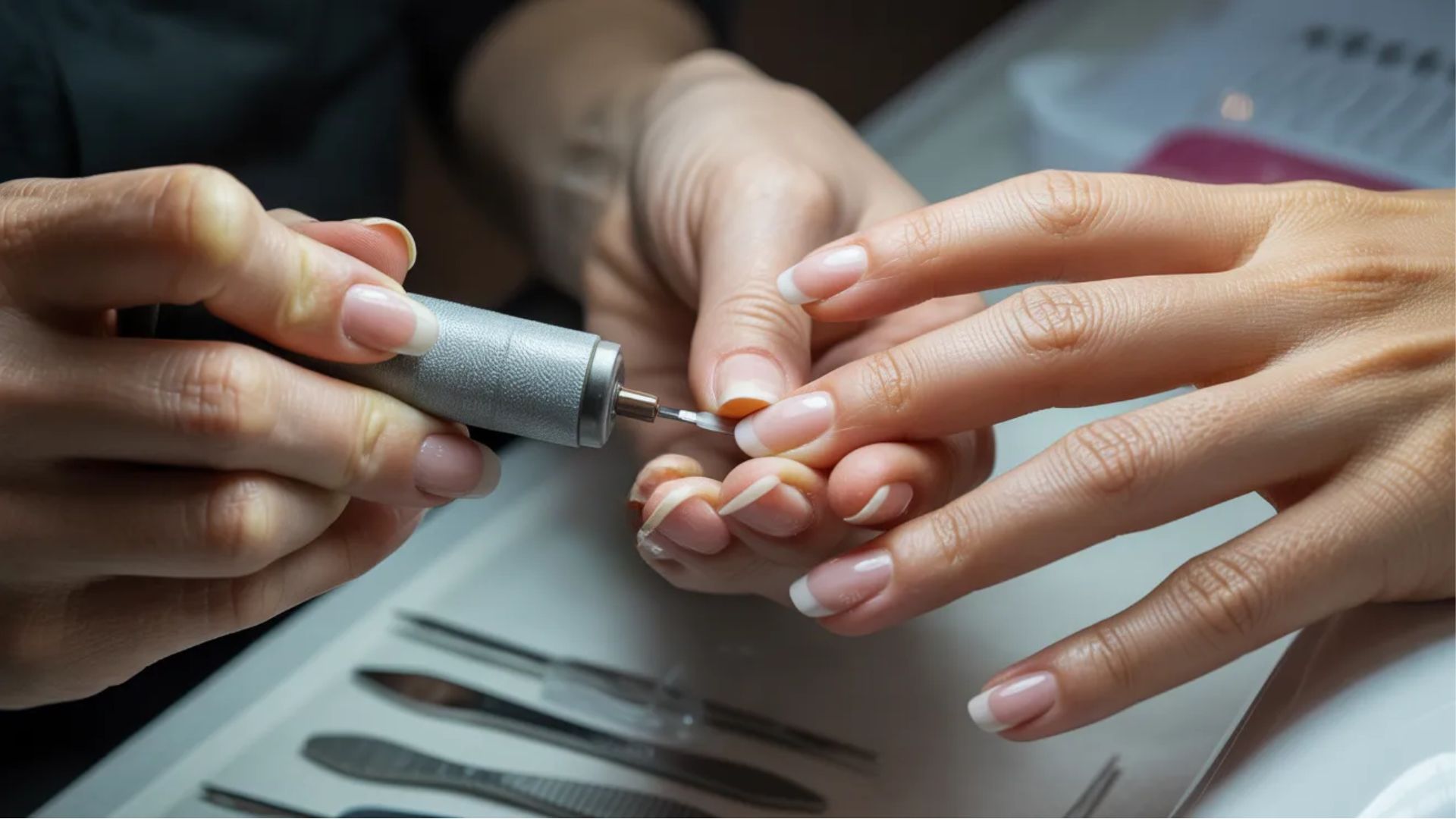
A Russian manicure is a dry nail technique that uses an electric file to clean, shape, and prep the cuticle area with a level of precision that traditional methods simply can’t match.
It originated in Eastern Europe and has grown in popularity globally because of how clean and long-lasting the results are.
Technique Used in Russian Manicure
The process looks completely different from what most people are used to. There’s no bowl of warm water involved, and every step is done with specialized tools.
Here’s how it works:
- No soaking: The nails are worked on completely dry from start to finish. This keeps the nail structure firm and easier to work with precisely.
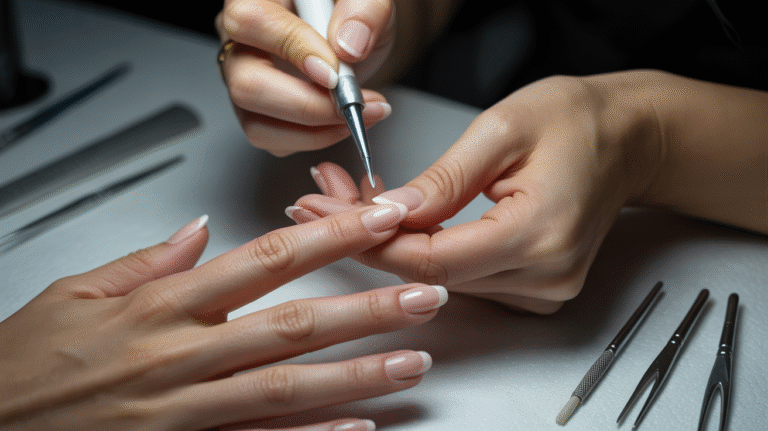
- Electric file (e-file): A rotary drill with different bit attachments is used to clean around and under the cuticle area. Each bit serves a specific purpose.
- Deep cuticle cleaning: The technician removes dead skin, pterygium, and buildup right at the nail plate level. This is what creates that ultra-clean look near the base of the nail.
- Polishing the nail plate: The e-file also smooths and buffs the nail surface before any product is applied, which helps polish adhere better and last longer.
The level of detail in this process is what sets it apart. Done well, the finish looks immaculate.
Benefits of Russian Manicure
The results speak for themselves, which is why this technique has built such a loyal following despite being more involved than a regular manicure.
Key benefits include:
- Long-lasting finish: Because the nail plate is prepped so thoroughly, gel polish and regular polish both bond much better and stay chip-free for longer.
- Precise polish application: The cuticle area is so cleanly prepared that polish can be applied right to the base of the nail without flooding the skin. The result looks almost like a professional edit.
- Slower regrowth appearance: The clean cuticle line means the gap between your cuticle and your polish takes longer to become noticeable. Your manicure looks fresh for weeks.
- Works especially well with gel: If you regularly get gel manicures, the Russian technique is particularly effective because the prep creates a stronger bond for the gel to adhere to.
For people who want their manicure to look perfect for as long as possible, this technique delivers consistently.
Drawbacks of Russian Manicure
The technique has real advantages, but it’s not without its downsides. These are worth knowing before you book.
Here’s what to consider:
- Skill dependent: This is not a technique that every nail technician is trained to perform. A poorly executed Russian manicure can cause cuts, thinning of the nail plate, or damage to the surrounding skin.
- Risk of injury: The e-file works fast and close to live tissue. In the wrong hands, it can cause micro-abrasions or infections. Choosing an experienced, certified technician is non-negotiable.
- Higher cost: The extra time, training, and tools involved make this manicure noticeably more expensive than a regular one. Prices vary, but expect to pay significantly more.
- Harder to find: Not every salon offers this service, and not every technician who claims to offer it is properly trained. Research matters here.
What Is a Regular Manicure?

A regular manicure is the traditional nail care treatment most people grew up with.
It involves soaking, basic cuticle work, shaping, and a polish application, all done by hand with standard nail tools. It’s accessible, affordable, and widely available everywhere.
Technique Used in Regular Manicure
The process is straightforward and familiar. There are no electric tools involved and the pace is generally slower and more relaxing.
Here’s what happens during a typical regular manicure:
- Soaking: Hands are placed in warm, soapy water for several minutes to soften the skin and cuticles before any work begins.
- Cuticle pushing and trimming: A cuticle pusher is used to gently push back softened cuticles. Any excess skin is trimmed with small scissors or nippers.
- Nail shaping and buffing: Nails are filed to your preferred shape and lightly buffed to smooth the surface before polish goes on.
- Polish application: Base coat, two coats of color, and a top coat are applied by hand. The result depends heavily on the technician’s skill and speed.
It’s a simple, well-established process that most people find comfortable and easy to sit through.
Benefits of Regular Manicure
The regular manicure has held its ground for a reason. It works, it’s accessible, and it suits a wide range of people and preferences.
What makes it worth considering:
- Affordable: A standard manicure costs a fraction of what a Russian manicure does. It’s easy to maintain on a regular budget.
- Widely available: You can walk into almost any nail salon anywhere and get a regular manicure without needing to research specific technicians or certifications.
- Gentle and beginner-friendly: There are no high-speed electric tools involved, which means the risk of injury or damage is minimal when performed by a reasonably skilled technician.
- Relaxing experience: The soaking step, the hand massage, the slower pace. It’s a genuinely pleasant experience that many people look forward to purely for the relaxation factor.
If you want good-looking nails without complexity or high cost, a regular manicure does exactly what it needs to do.
Drawbacks of Regular Manicure
It’s a solid option, but there are real limitations that become obvious once you’ve experienced the alternative.
Here’s what falls short:
- Less precise cuticle work: Manual tools and softened cuticles don’t allow for the same level of detail as an e-file. The finish near the cuticle line is less defined.
- Shorter-lasting results: Without the deep nail plate prep that a Russian manicure provides, polish tends to lift and chip faster. Most regular manicures start showing wear within a week.
- Faster polish chipping: The soaking process actually slightly softens the nail plate itself, which can affect how well polish bonds and how long it holds up.
- Cuticles grow back faster: Because the cuticle work is less thorough, regrowth becomes visible sooner and the manicure starts to look grown out more quickly.
Russian Manicure vs Regular: Key Differences
Both techniques have their place, but they serve different needs. Here’s a direct comparison to help you decide which one fits your situation better.
|
Feature |
Russian Manicure |
Regular Manicure |
|
Technique |
Dry, no soaking |
Wet, soaking required |
|
Tools |
Electric file (e-file) |
Manual nail tools |
|
Precision |
Very high |
Moderate |
|
Longevity |
2 to 4 weeks |
5 to 7 days typically |
|
Cost |
Higher |
Affordable |
|
Safety |
Depends heavily on technician skill |
Lower risk overall |
|
Availability |
Limited, specialist only |
Widely available |
|
Experience |
Clinical, precise |
Relaxing, spa-like |
When you lay the russian manicure vs regular comparison out like this, the choice becomes clearer.
It comes down to what you value most, precision and longevity, or affordability and accessibility.
Can You Do a Russian Manicure at Home?
Technically, yes. Practically, it’s not a good idea unless you have proper training and professional-grade equipment.
The e-file used in a Russian manicure operates at high speed near very sensitive tissue.
Without the right technique, the risk of cutting, thinning, or damaging your nail plate is genuinely high.
The tools themselves are also not beginner-friendly.
A quality e-file with the correct bits, combined with the skill to use them safely, takes significant time to learn properly. Watching tutorials is not the same as hands-on training.
If you want to do more detailed nail care at home, a safer alternative is to use a wooden cuticle pusher after a brief soak, followed by a good keratin-based strengthener.
It won’t replicate the Russian manicure finish, but it won’t put your nails at risk either.
Save the Russian technique for a trained professional, at least until you’ve had proper instruction.
Conclusion
The right manicure is the one that actually fits your life, not just the one everyone’s talking about right now.
I’ve wasted money booking the wrong one simply because I didn’t ask the right questions first.
Now I do, and my nails are better for it. Whatever you decide after reading this, make it an informed choice rather than a guess.
Ready to try something new? Book that appointment this week and see the difference for yourself.
Drop your experience in the comments below, and share this with someone who’s been going back and forth on the same decision.
Frequently Asked Questions
What Is the Main Difference Between Russian Manicure vs Regular?
The Russian manicure uses a dry technique with an electric file for precise cuticle work, while a regular manicure uses soaking and manual tools for a more traditional finish. The precision level and longevity are significantly different between the two.
Is a Russian Manicure Better Than a Regular Manicure?
It depends entirely on what you’re looking for. The Russian technique wins on durability and precision, while a regular manicure is more affordable, accessible, and lower risk.
How Long Does a Russian Manicure Last?
With proper care, results typically last two to four weeks before noticeable regrowth or wear appears. How well you maintain your nails between appointments affects that timeframe significantly.
Why Is a Russian Manicure More Expensive?
The higher price reflects the specialized training required, the time it takes to complete, and the professional-grade tools involved. Not every technician is qualified to perform it correctly.
Can a Russian Manicure Damage Your Nails?
Yes, but only when performed by someone who isn’t properly trained. In the hands of a skilled and certified technician, the technique is safe and the results are worth it.