Fingernails Curling Down at Tips: Solution Guide

Have you noticed your fingernails curling down at the tips? It can feel frustrating, especially when you don’t know why it’s happening.
I’ve been there too. After dealing with weak, curved nails for months, I finally found what works.
You don’t need to guess anymore. Whether it’s a nutritional gap or a nail care habit, we’ve got the answers.
We will cover: Causes and common signs At-home and medical treatments Step-by-step nail care routines Prevention tips and when to see a doctor
With years of research and personal experience, this guide is built to help you take action today.
Why Are My Fingernails Curling Down at Tips?
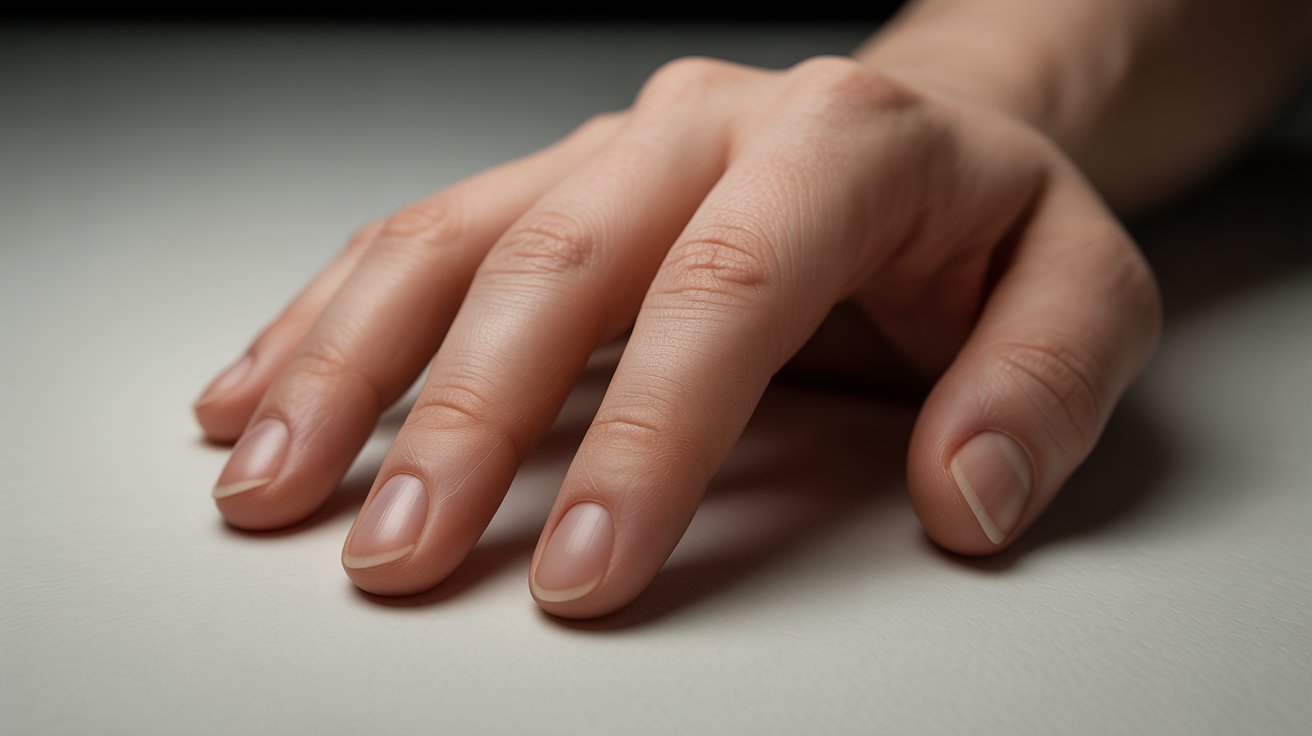
Understanding the root cause is the first step to fixing the problem.
Fingernails curl downward due to iron deficiency, thyroid disorders, or fungal infections. Low biotin or vitamin B12 levels also weaken nails and change their shape.
Excess moisture, chemical exposure, or repeated nail trauma can soften the nail plate and cause curling over time. Genetics plays a role too, as some people are naturally more prone to it.
If curling has been going on for a while, ask your doctor to check your iron levels and thyroid function.
Common Signs Associated With Fingernails Curling Down
These signs will help you identify the issue early before it gets worse.
Brittle or Weak Nail Structure
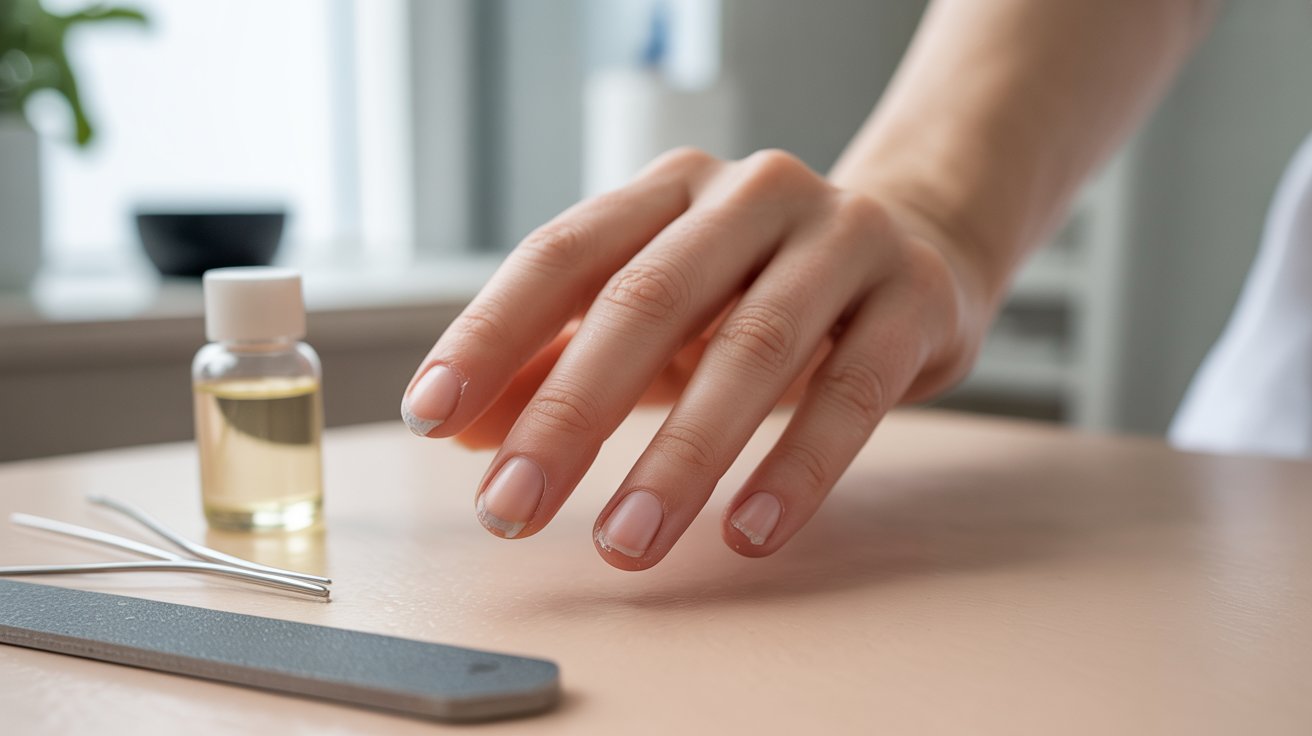
Nails that snap, peel, or break easily often go hand in hand with curling. This usually points to a nutritional gap that weakens the nail from within.
Thickening or Discoloration
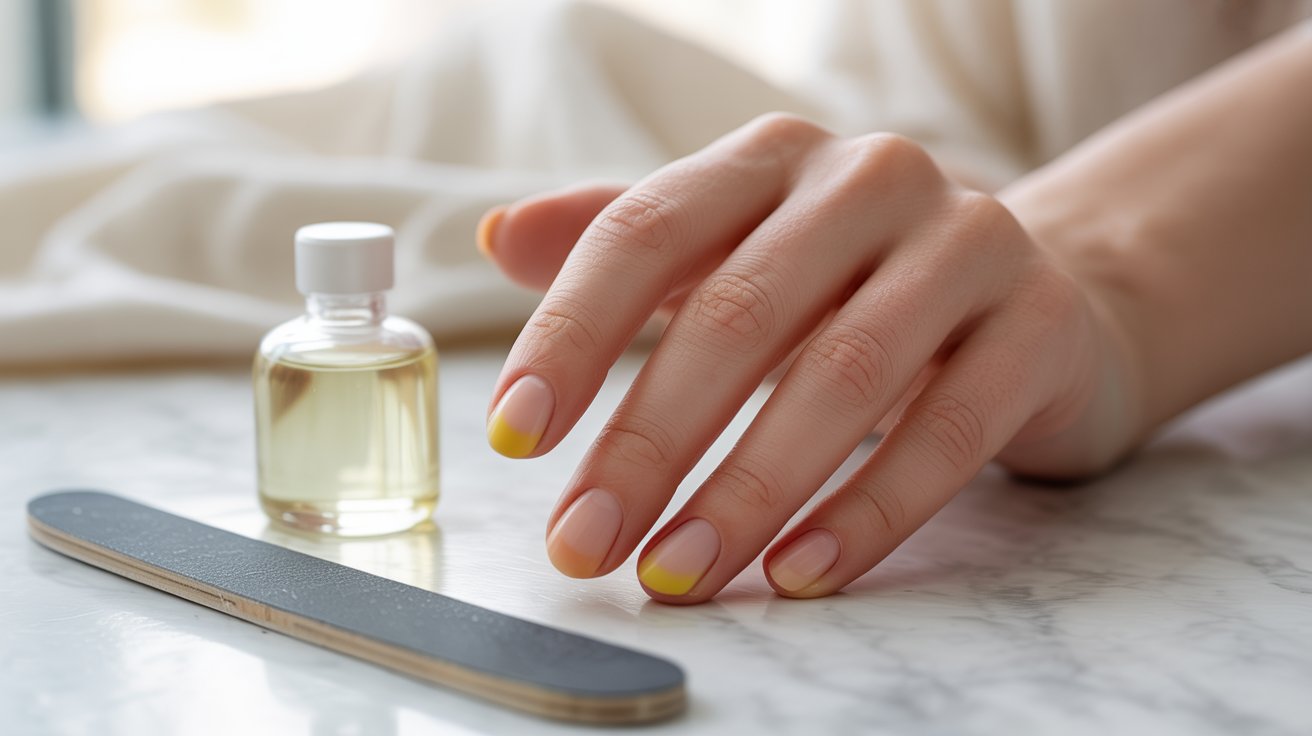
Yellow, brown, or white nails that appear thick may signal a fungal infection or circulation problem. These changes are often among the earliest visible warning signs to watch for.
Uneven Nail Growth Patterns
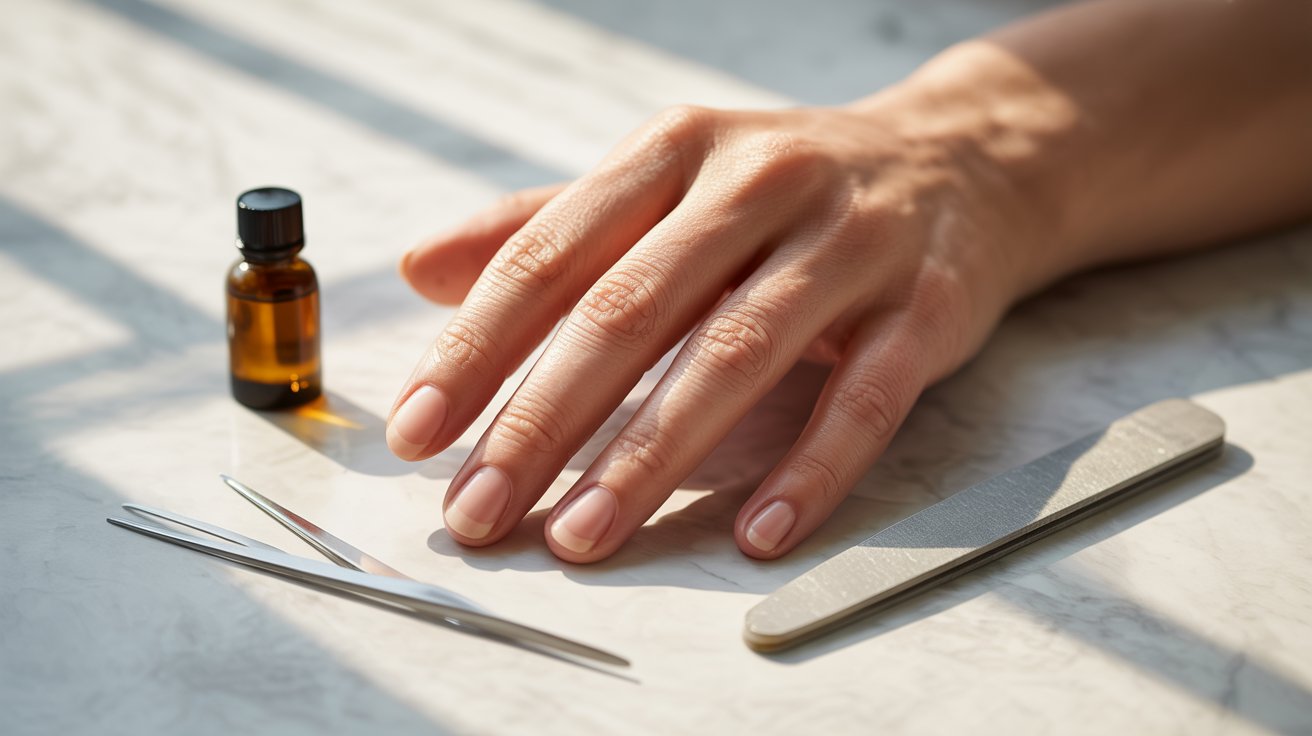
Some nails may grow faster or curl more than others. This unevenness can be a sign of poor blood flow or localized trauma.
Long Fingernails Curling Down at Tips
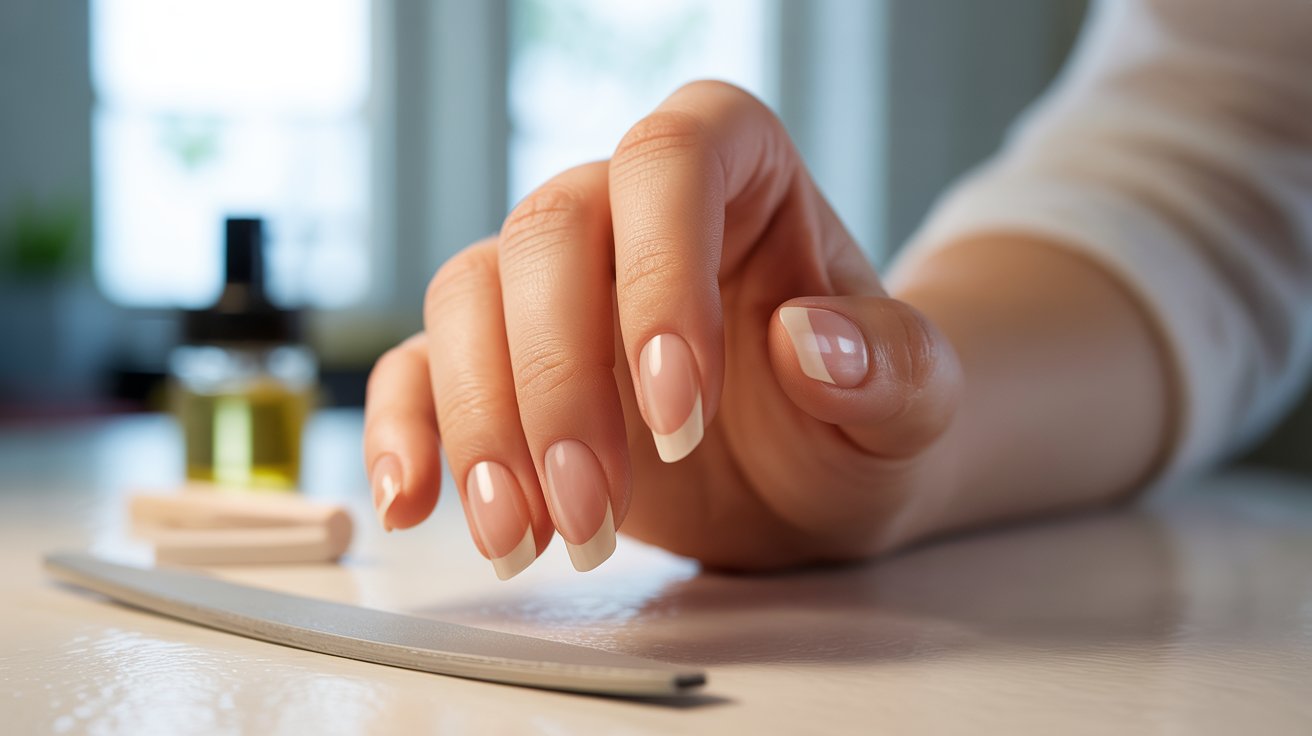
When nails grow long without proper support or shaping, the free edge becomes heavy and begins to curve downward. This is one of the most common and easily fixable causes.
Fingernails Curling Down at Tips Treatment Options
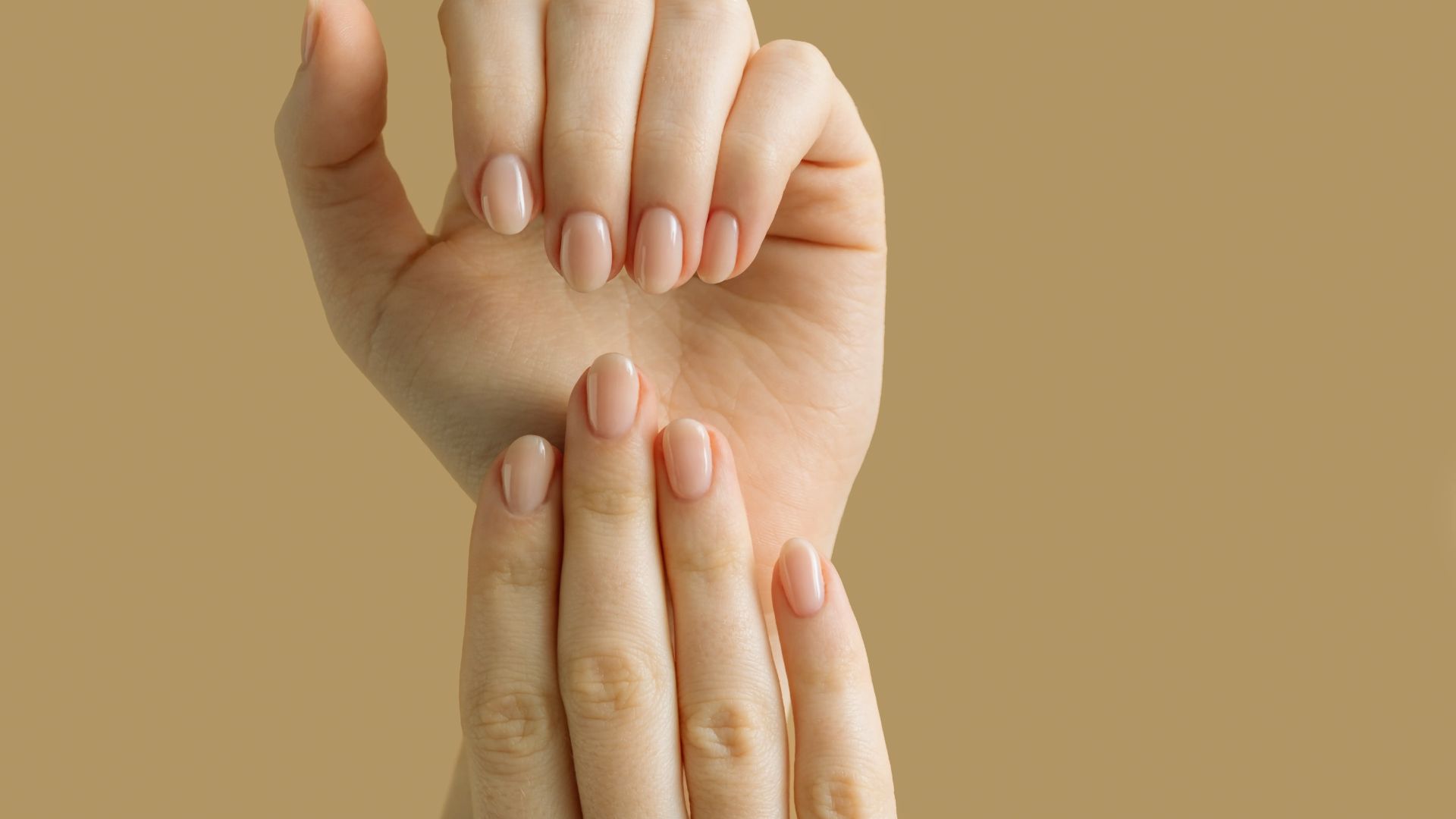
The right treatment depends on the cause, but many options are simple and affordable.
At-Home Treatments
Always trim nails straight across and file edges in one direction. Use nail hardeners with keratin or calcium to rebuild weak nails.
Apply cuticle oil or hand cream daily to keep nails hydrated and less prone to curling.
Diet and Nutrition-Based Treatment
Add iron-rich foods like spinach and lentils to your meals. Take biotin supplements if your diet lacks eggs, nuts, or seeds. Drink enough water daily to keep nails flexible and strong.
Medical Treatments
Fungal infections need antifungal creams or medication prescribed by a doctor. If anemia or thyroid issues are causing the curling, treating those conditions often resolves the nail problem.
See a dermatologist if home care isn’t working or if you notice pain and discoloration.
How to Fix Fingernails Curling Down at Tips
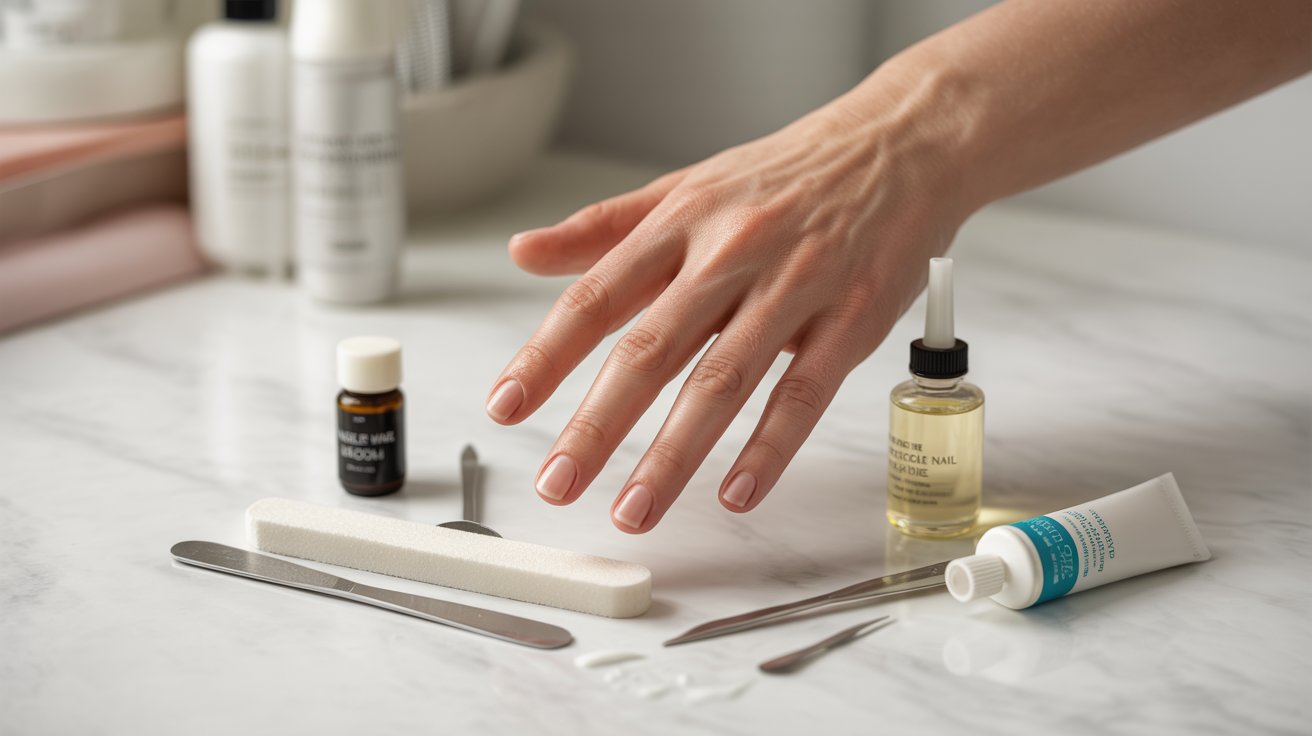
Fixing curled nails takes consistency, but the results are worth it.
Nail Care Routine
Clean nails gently with a soft brush and avoid soaking them too long. File into a rounded or square shape and keep length manageable to reduce downward bending.
Strengthening Weak Nails
Apply a nail hardener or serum as a base coat a few times a week. Wear gloves during cleaning or dishwashing to protect nails from harsh chemicals and excess moisture.
Correcting Nail Habits
Stop using nails as tools to open or scratch things. Avoid pressing hard on surfaces and never bite or pick at nails, as this disrupts natural nail growth.
How to Prevent Fingernails Curling Down at Tips
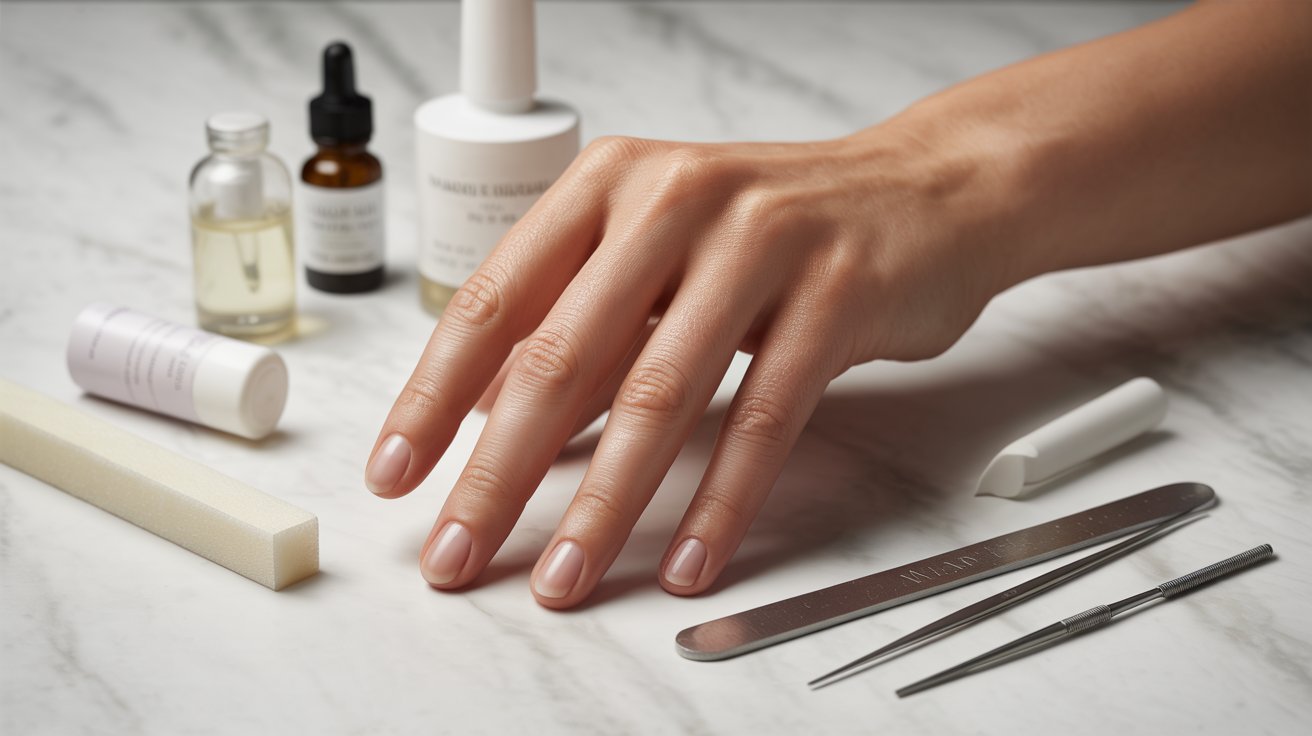
Prevention is always easier than treatment. These habits keep nails healthy long-term.
Maintain Proper Nail Hygiene
Clean nails regularly and keep them dry between washes. Bacteria and fungi thrive in moist environments. Pat your hands fully dry after washing and avoid keeping wet gloves on for too long.
Follow a Balanced Nutrient-Rich Diet
Make sure your meals include iron, biotin, zinc, and vitamins A and C. These nutrients support strong, healthy nail growth from the inside out.
Keep Nails at an Ideal Length
Shorter nails are easier to manage and far less likely to curl. Trim them every one to two weeks to maintain a healthy length.
Avoid Excess Moisture and Trauma
Limit how long your hands are submerged in water. Use gloves for household chores. Avoid repetitive impact on fingertips.
Regular Nail Care Routine
Set aside time each week to trim, file, moisturize, and inspect your nails. Catching early signs of curling makes correction much easier.
Common Mistakes to Avoid
Avoiding these mistakes can save you weeks of frustration and prevent further nail damage.
- Skipping moisturizer after washing hands dries out the nail plate and makes curling worse.
- Using nails as tools to open or scratch things puts direct stress on the tip and speeds up curling.
- Soaking hands in water too long softens the nail plate and increases the chance of bending.
- Filing nails back and forth in both directions causes friction damage and weakens nail structure over time.
- Ignoring early signs and delaying care allows the problem to worsen and harder to fix.
When Should You See a Doctor?

Some nail changes need professional attention, not just a better routine.
Persistent or Worsening Nail Curvature
If your nails continue curling despite weeks of home care, it’s time to consult a doctor. Persistent curling often points to an internal issue.
Accompanied Symptoms (Pain, Discoloration, Fatigue)
Pain around the nail, unusual color changes, or general fatigue alongside nail curling can signal anemia, thyroid disease, or circulation problems.
Signs of Infection or Nail Separation
Redness, swelling, pus, or a nail that’s lifting from the nail bed needs immediate medical attention. These are signs of infection that won’t resolve on their own.
Sudden Changes in Nail Shape or Texture
If your nails change shape quickly without any clear reason, don’t wait. Sudden changes can sometimes indicate internal health issues that need early diagnosis.
Tips for Managing Long Fingernails Curling Down at Tips
Long nails need extra care to stay healthy and avoid curling.
- Trim regularly to prevent the free edge from getting too heavy.
- Apply a nail hardener or strengthening serum at least twice a week.
- Choose oval or rounded shapes to distribute weight more evenly.
- Never skip maintenance between trims or curling will return fast.
- Moisturize the cuticle and nail tip daily to keep long nails strong.
Conclusion
Dealing with fingernails curling down at the tips can feel confusing, but now you have a clear path forward.
From identifying the cause to building a routine that actually works, small steps really do add up.
Honestly, once I started paying attention to my diet and trimming habits, my nails changed within weeks. It doesn’t have to be complicated.
Start with one or two changes today. If something doesn’t improve, don’t hesitate to see a doctor.
Found this helpful? Drop a comment below, share this post with someone who needs it, or check out more nail care tips on the blog.
Frequently Asked Questions
Why are my fingernails curling down at the tips?
Fingernails curling down at the tips can be caused by iron deficiency, thyroid problems, fungal infections, or nutritional gaps. It can also result from poor nail care habits or prolonged moisture exposure.
How can I stop my nails from curling downward?
Start by trimming nails properly, moisturizing daily, and improving your diet with iron and biotin-rich foods. If the problem continues, consult a dermatologist for deeper evaluation.
What deficiency causes nails to curl?
Iron deficiency is the most common nutritional cause of nail curling. Low levels of biotin and vitamin B12 can also contribute to weak, curved nails.
Are curved nails a sign of a health problem?
They can be. While some curving is normal, persistent downward curling may indicate anemia, thyroid issues, or lung and heart conditions. It’s always worth checking with a doctor if it worsens.
Can fingernails grow straight again?
Yes, in many cases they can. Once the underlying cause is treated and a consistent nail care routine is followed, nails often begin growing in a healthier, straighter direction within a few months.