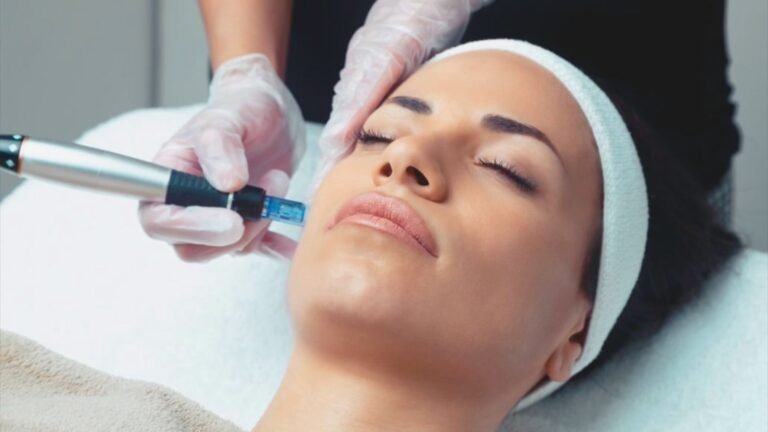
What Are Jowls and How Can You Get Rid of Them?

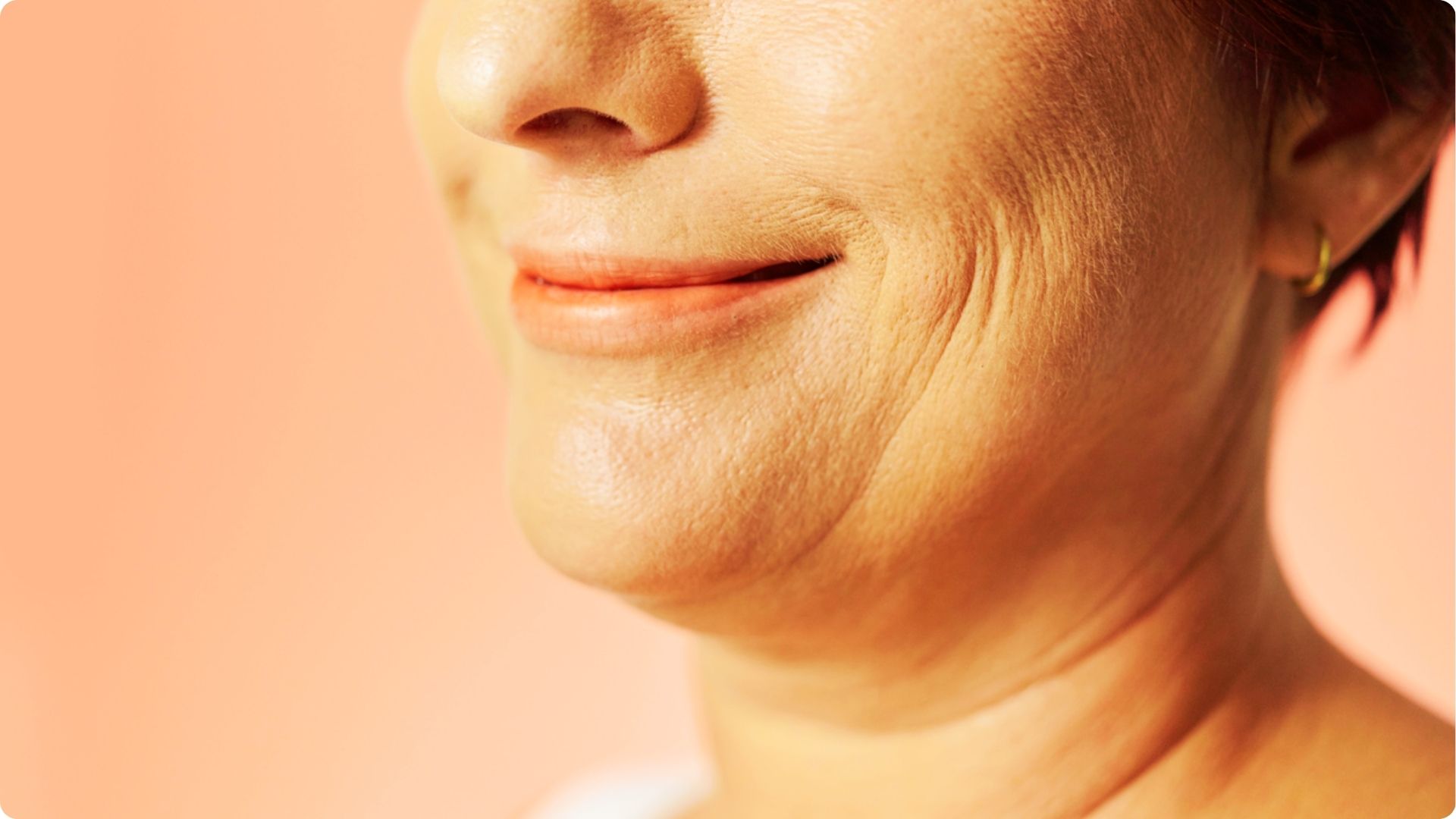
Alt Text: Side view of a woman’s lower face against a peach background, highlighting wrinkles and sagging jowls.
You look in the mirror one day and notice the skin along your jaw has started to sag.
It feels sudden, but it has been building quietly over time. Jowls are more common than most people think, and they affect people of all ages.
In this article, you will find out what causes jowls, how to spot them early, and what actually works to reduce them.
We cover everything from daily habits and facial exercises to professional treatments and surgery. I have spent real time researching this so you do not have to sort through unreliable advice on your own.
What Causes Jowls?

Alt Text: Close-up of a smiling woman’s neck and jawline with visible skin laxity and early jowl development.
Jowls form when the skin and tissue around the lower face start to lose support and sag below the jawline.
The main reason this happens is collagen loss, which begins naturally in your mid-30s and speeds up over time.
As collagen breaks down, the skin becomes less firm and starts to droop. Fat pads in the face also shift downward with age, and bone density in the jaw can reduce slightly, removing the structural support the skin once had.
Genetics, sun damage, smoking, poor sleep, repeated weight changes, and even certain cosmetic treatments can all play a role in how early and how severely jowls appear.
Signs and Symptoms of Jowls
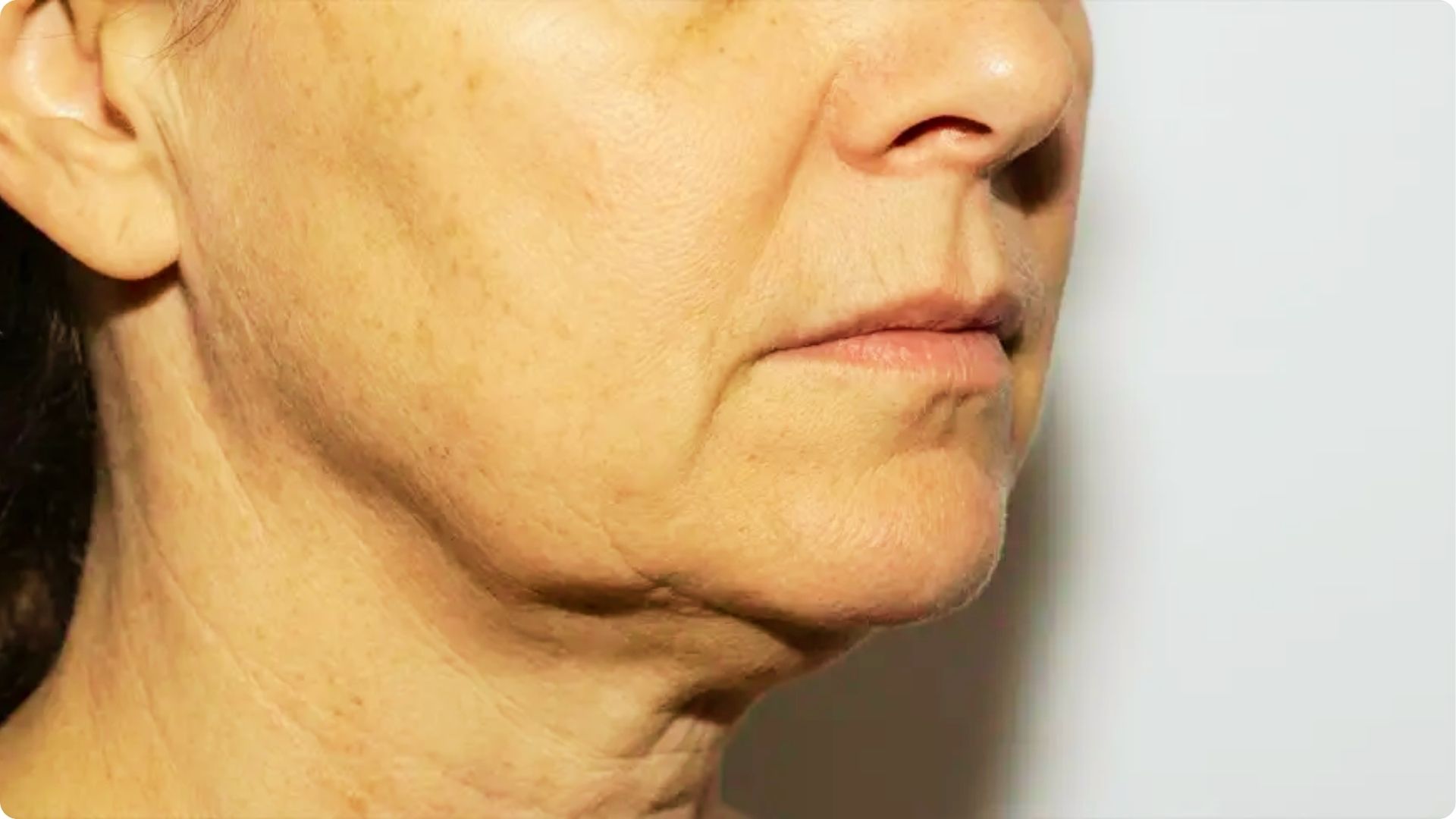
Alt Text: Side profile of a woman’s lower face and neck showing sagging skin and prominent jowls along the jaw.
Knowing what jowls look like and how they feel helps you spot them early and choose the right next step.
Loose Skin Around the Jawline
The most obvious sign of jowls is skin that hangs loosely below the jawline instead of sitting firmly along the jaw edge.
It often feels soft to the touch and can be more visible on one side than the other.
Sagging Cheeks and Marionette Lines
Jowls frequently appear alongside sagging cheeks and marionette lines, which are the vertical creases running from the mouth corners down to the chin.
These lines deepen as the skin and tissue in the lower face continue to shift downward.
Loss of Jawline Definition
When jowls form, the sharp angle between the jaw and neck becomes soft and unclear. From the front or side, the face looks rounder and heavier in the lower half.
Mild vs Moderate vs Severe Jowls
Mild jowls show as a slight softening only noticeable in certain lighting, while moderate jowls sag visibly below the jaw from most angles.
Severe jowls involve significant drooping where the jaw and neck area lose almost all definition.
Can You Prevent Jowls?

Alt Text: Close-up of a person’s chin and neck showing noticeable jowls and submental fullness.
Prevention is always easier than treatment. These practical habits can slow down the formation of jowls before they become a real problem.
Best Skincare Habits to Slow Skin Sagging
Using a good moisturizer and retinol-based products daily helps support collagen and keeps skin more flexible over time.
Always apply products using upward strokes rather than pulling the skin downward.
Foods and Nutrients That Support Collagen
Eating foods rich in vitamin C, protein, zinc, and omega-3 fatty acids gives your body what it needs to produce and maintain collagen.
Include citrus fruits, eggs, salmon, nuts, and berries regularly in your diet.
Hydration, Sleep, and Healthy Lifestyle Tips
Drinking at least 8 glasses of water a day and getting 7 to 9 hours of sleep each night supports skin repair and keeps it looking firm.
Reducing alcohol, managing stress, and avoiding smoking also protect the skin over the long term.
Non-Surgical Treatments to Get Rid of Jowls
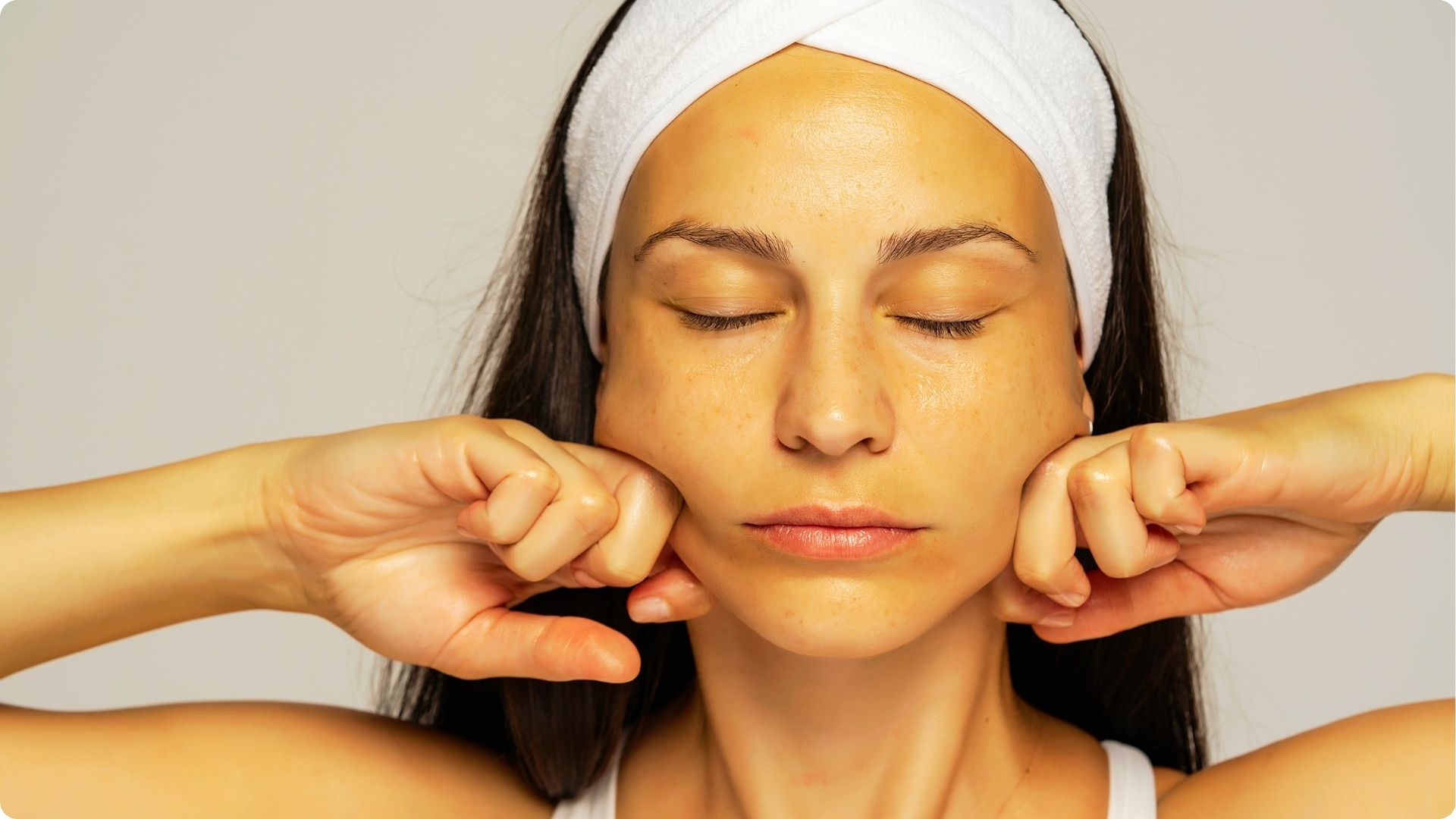
Alt Text: Woman with eyes closed wearing a white headband, using her knuckles to massage both cheeks.
Non-surgical options offer real results with little to no downtime, making them a popular choice for people with mild to moderate jowls.
Dermal Fillers for Jawline Contouring
Dermal fillers are injected along the jaw to restore lost volume and create a sharper, more defined jawline that lifts the skin above it.
Results last 12 to 18 months and the treatment takes around 30 minutes with minimal recovery needed.
Botox for Mild Jowls and Neck Bands
When injected into the platysma muscles in the neck, Botox relaxes the downward pull on the lower face in a technique sometimes called a Nefertiti lift.
Results last 3 to 4 months and there is no downtime involved at all.
Radiofrequency Skin Tightening Treatments
Radiofrequency treatments use heat energy to stimulate collagen production deep within the skin, causing it to tighten gradually over time.
Most people see the best results after one to three sessions with popular options like Thermage or Morpheus8.
Ultrasound Therapy and Ultherapy
Ultherapy uses focused ultrasound energy to reach deep skin layers and stimulate collagen production without any cuts or needles.
Results take a few months to appear but can last a year or more after a single session.
Laser Skin Tightening Procedures
Laser treatments use focused light energy to firm the skin and improve texture around the jawline and neck area.
A series of sessions is usually recommended for the most noticeable and lasting improvement.
Surgical Procedures for Severe Jowls
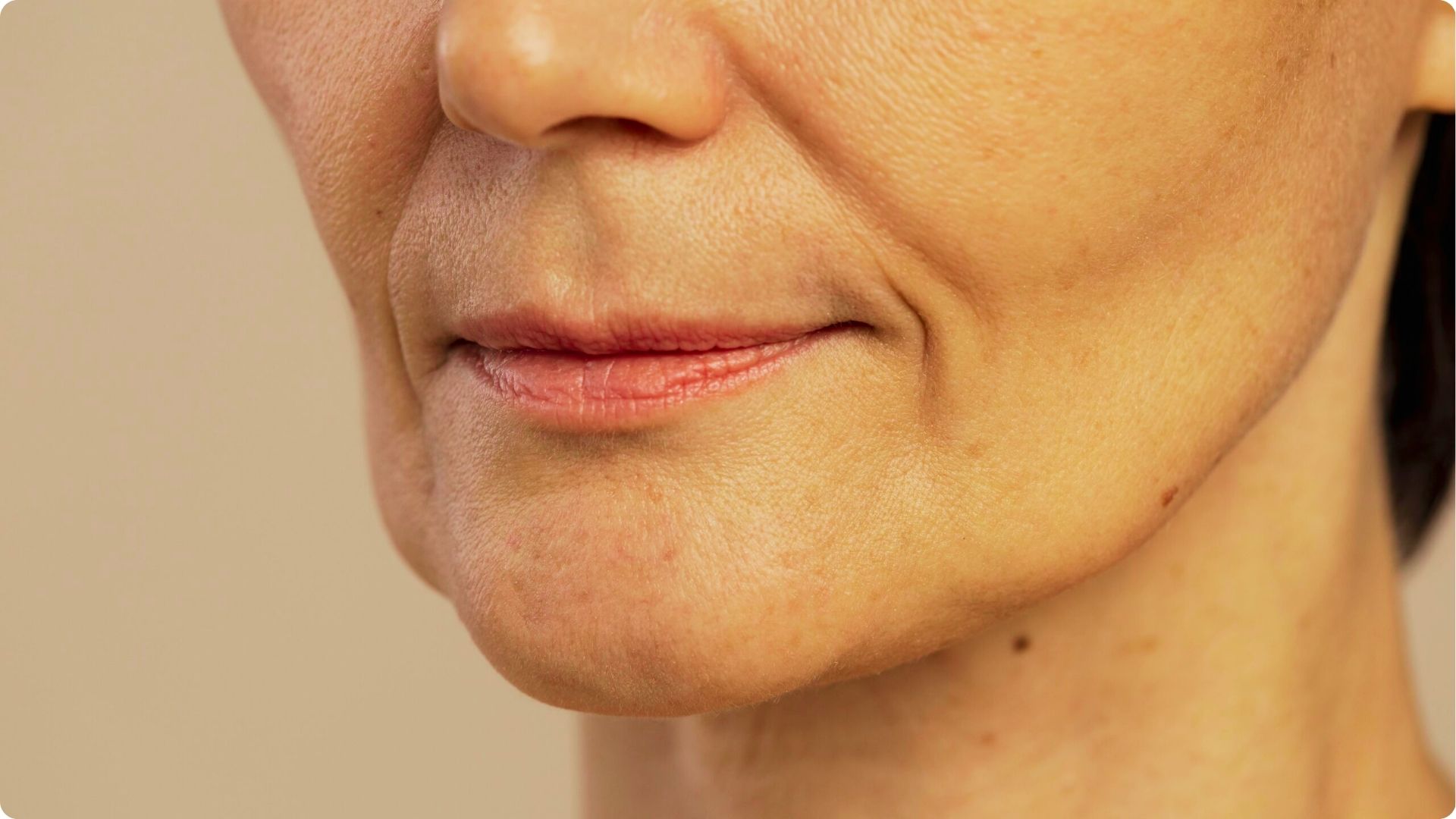
Alt Text: Close-up of a woman’s lower face showing mild jowls and marionette lines around the mouth.
For significant sagging, surgical options can deliver the most dramatic and long-lasting results when non-surgical methods are not enough.
What Is a Facelift?
A facelift, medically known as a rhytidectomy, lifts and tightens the skin and deeper tissues of the face through small incisions near the hairline and ears.
Excess skin is removed and the tissues are repositioned to create a firmer, more youthful lower face.
Neck Lift vs Facelift Surgery
A facelift targets the mid and lower face including the jowls, while a neck lift focuses specifically on the neck and area just below the jaw.
In many cases, both procedures are performed together for a fully balanced result.
How Jowl Surgery Improves Jawline Definition
Jowl surgery removes and repositions tissue to restore a cleaner, sharper jaw angle that aging had gradually softened.
The defined jawline that was lost over the years can largely be brought back through this type of surgical correction.
Recovery Time After Jowl Surgery
Recovery typically takes 2 to 4 weeks, with swelling and bruising most prominent during the first week.
Strenuous activity should be avoided for 4 to 6 weeks, and final results are fully visible after 3 to 6 months.
Risks, Side Effects, and Costs to Consider
Possible risks include scarring, infection, nerve damage, and uneven results, though choosing a board-certified surgeon significantly lowers these chances.
The average cost in the United States ranges from 8,000 to 15,000 dollars or more, not including anesthesia and facility fees.
Tips to Naturally Reduce the Appearance of Jowls
Small daily habits can slow jowl progression and keep your jawline looking firmer for longer.
- Maintain a stable weight to avoid repeatedly stretching and loosening the skin around the jaw.
- Use retinol at night and vitamin C serum in the morning to support collagen production daily.
- Apply SPF 30 or higher every day on your face, neck, and jawline without skipping.
- Quit smoking and limit alcohol to slow collagen breakdown and visible skin aging.
- Sit upright and reduce time looking down at screens to keep neck muscles strong and supported.
Conclusion
Jowls are something I looked into deeply after noticing early changes along my own jawline.
It felt frustrating at first, but learning what actually works made a real difference in how I approached it.
The truth is, you have more options than you might think, whether that is a simple daily habit, a non-surgical treatment, or a conversation with a professional.
Start with what feels manageable and build from there. If this article helped you, share it with someone who needs it or drop a comment below telling us what worked for you.
Frequently Asked Questions
What are jowls on the face?
Jowls are areas of loose, sagging skin that form below the jawline on both sides of the chin. They develop when the skin loses firmness and the lower face tissue begins to droop.
What are jowls caused by?
Jowls are mainly caused by collagen loss, shifting fat pads, and reduced skin elasticity that come with age. Genetics, sun damage, smoking, and weight fluctuations can speed up the process.
Can jowls go away naturally?
Jowls do not fully reverse on their own, but good skincare, facial exercises, and sun protection can slow their progression. Consistent daily habits can mildly improve how they look over time.
What is the best treatment for jowls?
It depends on severity. Fillers and radiofrequency work well for mild cases, while severe jowls often need a surgical facelift for the most noticeable result.
At what age do jowls usually appear?
Jowls can start forming in the mid to late 30s and become more visible in the 40s and 50s. Genetics, sun exposure, and lifestyle habits influence how early they appear.