Brown Spots Suddenly Appearing on Skin: Causes & Reasons

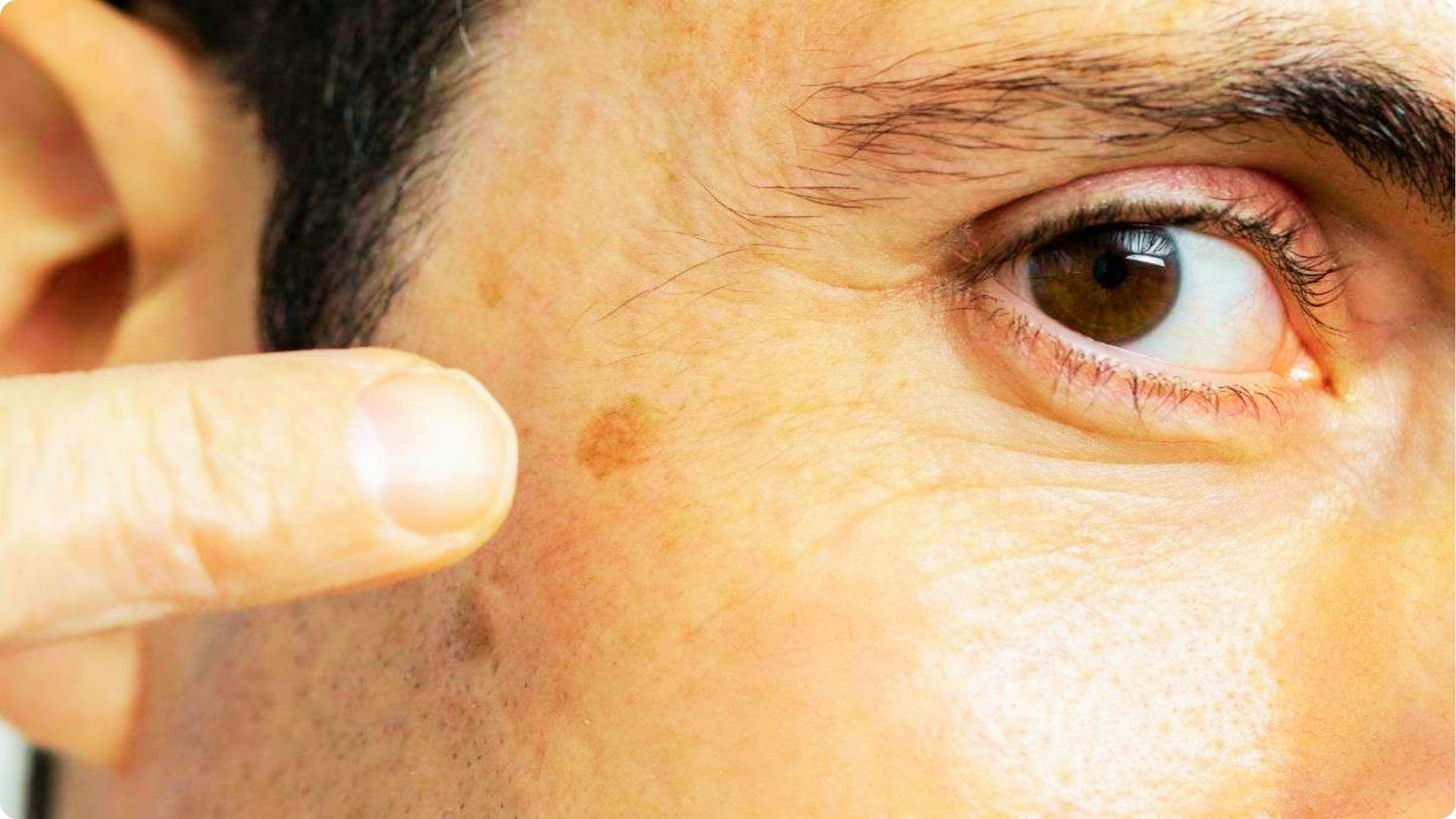
You wake up one morning and notice a new brown spot on your skin. It was not there before. Naturally, you start worrying.
I have been there too. Brown spots suddenly appearing on skin can feel confusing, even scary.
But most of the time, they have a clear explanation. In this article, you will find out what causes these spots, when they need medical attention, and how to treat and prevent them.
We cover everything in simple, clear terms. With years of experience in researching skin health, I want to make sure you leave here with real answers and a clear path forward.
What Are Brown Spots on Skin?

Brown spots are flat, darkened patches that form when the skin produces too much melanin in one area.
Melanin is the pigment responsible for your skin color. When it builds up unevenly, darker areas appear on the surface.
These spots vary in size and shade, ranging from light tan to deep brown. They commonly appear on the face, hands, shoulders, and chest.
Any area that gets regular sun exposure is more vulnerable. Some spots are age spots. Others are freckles or post-acne marks.
Not every brown spot is the same, and understanding the type helps you choose the right next step.
Main Causes of Brown Spots Suddenly Appearing on Skin

Brown spots do not appear without a reason. Something in your body or environment triggers them.
Sun Exposure and UV Damage
UV rays trigger melanin production every time they hit your skin, causing it to cluster into brown patches over time.
People who skip sunscreen regularly are most likely to see these spots on their face, hands, and forearms.
Hormonal Changes in the Body
Hormonal shifts during pregnancy or from birth control can trigger melasma, causing dark patches on the forehead, cheeks, and upper lip.
Men can develop it too, though it is far less common.
Ageing and Natural Skin Changes
As skin ages, melanocytes produce melanin unevenly, leading to flat brown spots mostly after age 40. Sun exposure earlier in life speeds up this process significantly.
Skin Conditions and Inflammation
When skin heals from acne, rashes, or eczema, it sometimes produces extra melanin, leaving behind brown marks. People with darker skin tones tend to experience this more noticeably.
Medication-Related Pigmentation
Some antibiotics, anti-seizure drugs, and chemotherapy medications can cause skin darkening as a side effect. If spots appear after starting a new medication, speak to your doctor right away.
Types of Brown Spots on Skin
Not every brown spot is the same, and knowing the type helps you respond correctly.
Age Spots

Age spots are flat, oval patches that appear after years of sun exposure, mostly in people over 40.
They are harmless but tend to appear on the face, hands, and shoulders where sun hits most.
Melasma

Melasma shows up as larger, irregular dark patches, usually on the face. It is strongly tied to hormonal changes and is more common in women than men.
Freckles

Freckles are small, light brown spots that are genetic and become more visible with sun exposure. They are completely harmless and often fade during winter months.
Post-Inflammatory Marks
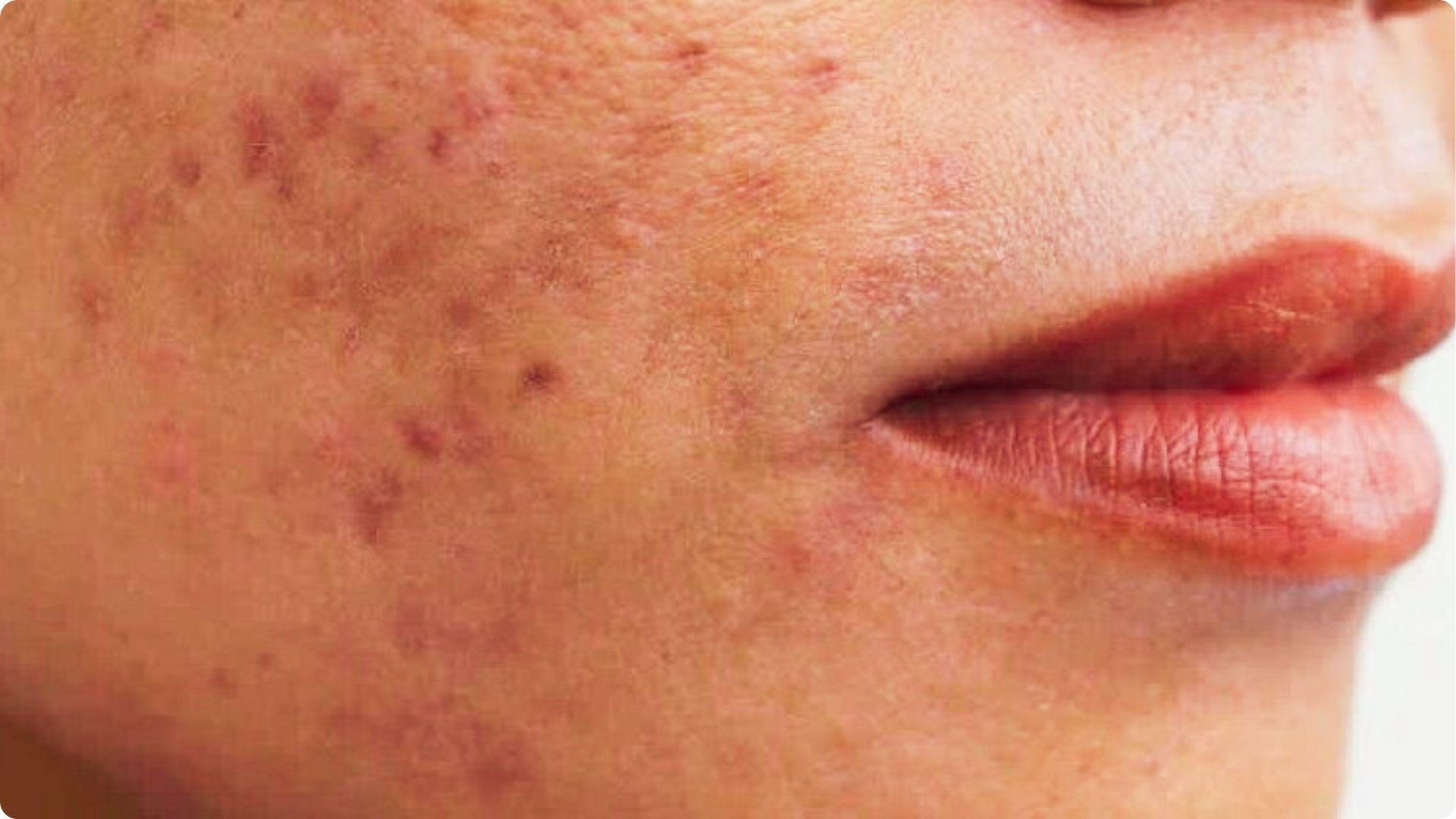
These are brown marks left behind after acne, cuts, or skin irritation heals. They are not permanent but can take several weeks or months to fade fully.
Seborrheic Keratoses

These are waxy, raised brown growths that appear with age. They look concerned but are non-cancerous. However, a dermatologist should confirm the diagnosis if you are unsure.
When Brown Spots May Indicate a Serious Condition

Not all brown spots are harmless. Some can signal a medical problem that needs prompt attention.
Melanoma and Skin Cancer Warning Signs
Early melanoma can look like a regular brown spot, making it easy to dismiss without a closer look.
Use the ABCDE rule: asymmetry, uneven borders, multiple colors, diameter over 6mm, and any changes over time.
Red Flags You Should Not Ignore
Bleeding, itching, or a scaly texture around a brown spot are warning signs that need medical attention right away.
A spot that grows fast, causes pain, or looks different from your others should be checked without delay.
Prevention of Brown Spots on Skin

Preventing brown spots is far easier than treating them after they appear.
Daily Sun Protection Habits
Apply a broad-spectrum sunscreen with SPF 30 or higher every morning, even on cloudy days, and reapply every two hours outdoors.
UV rays are strongest between 10 a.m. and 4 p.m., so wearing hats and protective clothing during those hours adds important coverage.
Diet and Nutrition for Skin Health
Foods rich in antioxidants like berries, spinach, and green tea help protect skin cells from damage that leads to pigmentation.
A diet high in vitamins C and E gives your skin a stronger defence against brown spots forming over time.
Treatment Options for Brown Spots

Several effective treatment options exist, both at the dermatologist's office and at home.
Dermatological Treatments
Laser therapy, chemical peels, cryotherapy, and microdermabrasion are all proven options for reducing brown spots professionally.
Always consult a board-certified dermatologist to find out which treatment suits your skin type best.
Topical Skincare Treatments
Ingredients like hydroquinone, retinoids, azelaic acid, kojic acid, and alpha arbutin help reduce brown spots by slowing melanin production or speeding up cell turnover.
Most topical treatments take eight to twelve weeks of consistent use before visible results appear.
Tips to Manage Brown Spots Effectively
Managing brown spots long-term comes down to small, consistent habits done every day.
- Take monthly photos to track any changes in size, shape, or color
- Never pick at spots or scrub harshly, as it worsens pigmentation
- Wear sunscreen daily, rain or shine, without skipping
- Stick to one skincare routine and give it time to work
- See a dermatologist once a year for a full skin check
Conclusion
Brown spots suddenly appearing on skin can feel unsettling, but most have a clear cause and a real solution.
I once ignored a dark patch on my cheek for months before realizing consistent sunscreen was all it needed.
The earlier you pay attention, the easier it is to manage. Protect your skin daily, follow a steady routine, and never ignore a spot that looks or feels different.
If this article helped you, share it with someone who needs it or drop your question in the comments below.
Frequently Asked Questions
Why are brown spots suddenly appearing on my skin?
Sun exposure, hormonal changes, aging, and post-inflammatory pigmentation are the most common causes. See a dermatologist if spots appear rapidly or look unusual.
Are tiny brown spots on skin dangerous?
Most are harmless and linked to sun damage or aging. Any spot that bleeds, itches, or grows quickly needs a professional check.
Can teenagers get sudden brown spots?
Yes, acne scarring, puberty-related hormonal shifts, and sun exposure can all cause brown spots in teenagers. They usually fade with a gentle, consistent skincare routine.
What causes light or dark brown spots on skin?
Light spots are usually from mild sun damage, while darker spots often point to melasma or post-acne marks. Genetics and skin tone also play a role.
When should I worry about melanoma brown spots?
See a dermatologist if a spot is asymmetrical, has uneven borders, shows multiple colors, or keeps changing in size or shape.