
How Long Does Razor Burn Last? 5 Remedies That Work

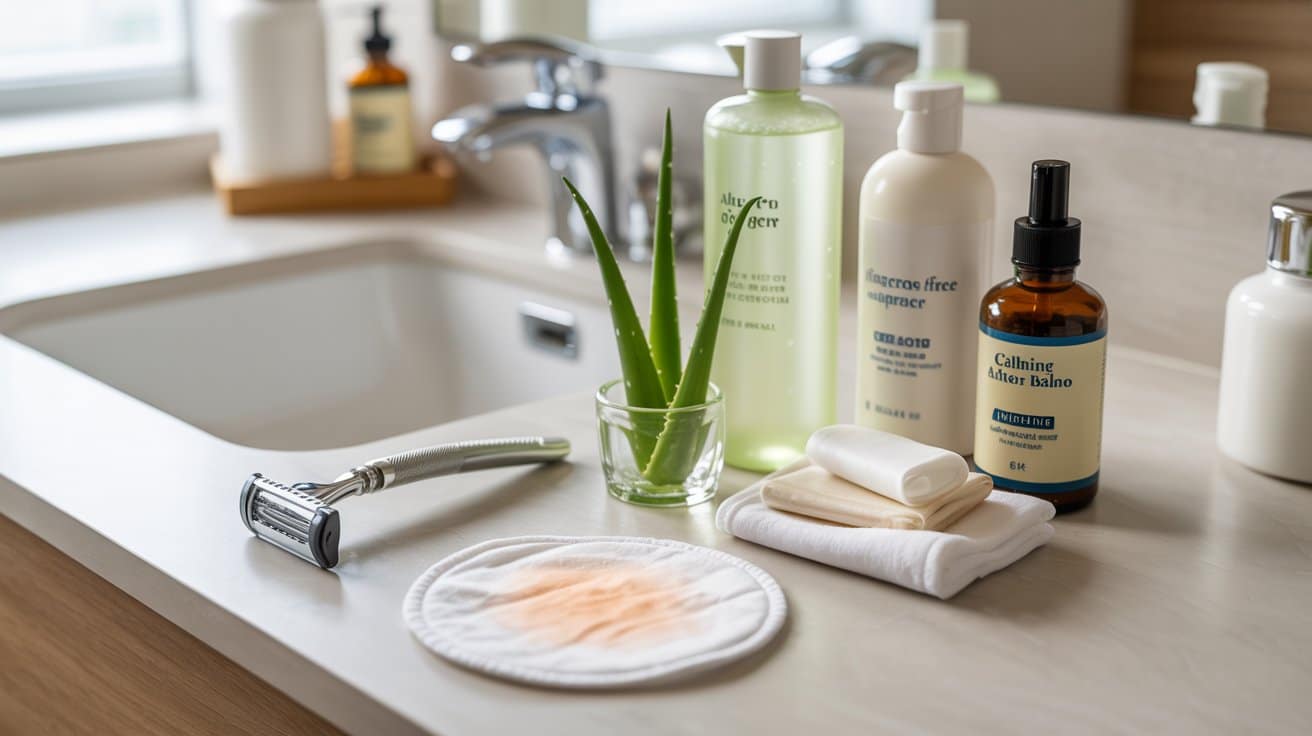
I used to think razor burn was just part of shaving. Something you deal with and move on from. But then it started lasting longer than it should, and I realized I had no idea what I was actually doing wrong.
That sent me down a rabbit hole of research, product testing, and a lot of trial and error. What I found genuinely changed how I approach shaving altogether.
If you've been asking yourself how long does razor burn last and why yours seems to hang around forever, you're not alone. The answer might surprise you, and the fix is simpler than you think.
Understanding Razor Burn

Razor burn is skin irritation that happens right after shaving. It shows up as redness, a burning feeling, itching, or small bumps on the skin. It's not an infection. It's your skin reacting to friction and irritation from the blade.
When a razor moves across your skin, it doesn't just cut hair. It also scrapes away a thin layer of your skin's protective barrier. That's what triggers the redness and discomfort you feel shortly after.
Razor burn can show up anywhere you shave. The face and neck are common spots for men. Women often deal with it on their legs, underarms, and bikini line. Any area with thin or sensitive skin is fair game.
Some people are more likely to get it than others. If you have sensitive skin, shave very often, or use a dull blade, your chances of razor burn go up significantly. Knowing this helps you make better choices before you even pick up a razor.
How Long Does Razor Burn Last?

The honest answer is that it depends. Most cases clear up within a few days, but the exact timeline varies based on your skin type, how bad the irritation is, and how well you take care of your skin afterward.
Average Razor Burn Healing Time
Mild razor burn is the most common type. It usually shows up as light redness and a little irritation. This kind typically clears up within one to three days on its own.
Moderate irritation takes a bit longer. If your skin is noticeably red, bumpy, or itching for more than a day, you're likely dealing with moderate razor burn. Expect it to last around three to five days.
Severe razor burn can stick around for up to a week. This happens when the skin is badly irritated, inflamed, or if you kept shaving over already-irritated skin. Proper aftercare is especially important at this level.
How Long Does Razor Burn Last for Sensitive Skin?
If you have sensitive skin, your recovery time will likely be on the longer end. Your skin reacts more strongly to friction and takes more time to calm down after irritation.
People with sensitive skin may also find that regular products sting or make things worse. This slows the healing process even more. Gentle, fragrance-free products are your best option here.
For sensitive skin types, even mild razor burn can stretch to four or five days. The key is being extra careful with aftercare and giving your skin enough time before shaving again.
Factors That Affect Recovery Time
How fast your razor burn heals depends on more than just time. Several things either speed up or slow down the process. Understanding them helps you make smarter choices going forward.
- Shaving technique: pressing too hard or going against the grain increases irritation and slows healing
- Skin type: dry or sensitive skin takes longer to recover than normal or oily skin types
- Frequency of shaving: shaving every day doesn't give irritated skin enough time to heal between sessions
- Aftercare routine: using the right products after shaving makes a significant difference in how fast your skin bounces back
- Razor quality: dull or dirty blades drag across the skin instead of cutting cleanly, causing more damage
Taking care of each of these factors gives your skin the best chance to heal quickly. Small changes in your routine can cut your recovery time noticeably.
Signs Razor Burn Is Healing
It's not always easy to tell if your skin is getting better or just staying irritated. There are clear signs that things are moving in the right direction.
Watching for these signals helps you know when it's safe to shave again and when you need to give your skin a little more time.
- Redness is fading: the angry red color starts to soften and return to your normal skin tone
- Itching decreases: the urge to scratch or rub the area gets less intense day by day
- Skin feels smoother: the rough, inflamed texture starts to settle down and feel more normal
- Bumps are shrinking: any raised bumps or irritated spots begin to flatten and fade gradually
Once you notice most of these signs, your skin is likely close to fully healed. Don't rush back to shaving before you're ready.
5 Best Remedies to Heal Razor Burn Fast
You don't have to just wait it out. The right remedies can calm irritation quickly and help your skin recover much faster. Here are five that actually work.
1. Apply Aloe Vera Gel

Aloe vera is one of the most effective things you can put on razor burn. It cools the skin immediately and reduces redness within a short time.
It works because of its natural anti-inflammatory properties. It calms the irritated skin barrier without adding any harsh chemicals that could make things worse.
Use pure aloe vera gel, not a lotion with aloe mixed in. Apply a thin layer directly to the irritated area and let it absorb. Repeat two to three times a day for best results.
2. Use a Cold Compress

A cold compress gives you almost instant relief from the burning sensation. The cold temperature reduces inflammation and numbs the irritated area temporarily.
Wrap a few ice cubes in a clean cloth or use a cold damp towel. Press it gently against the affected skin for five to ten minutes.
Don't apply ice directly to your skin. That can cause a different kind of irritation. The cloth acts as a buffer and makes the cold much more comfortable to hold.
3. Moisturize With Fragrance-Free Lotion
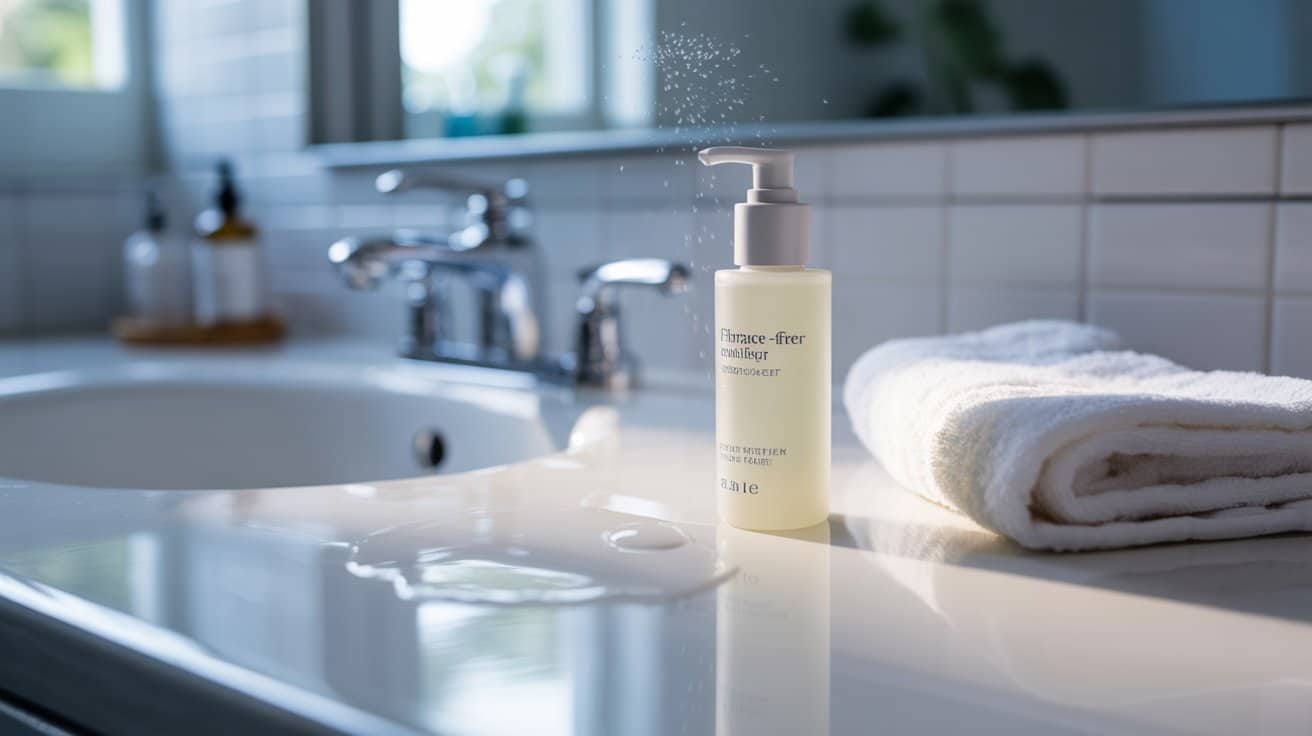
Shaving strips moisture from your skin. A good fragrance-free moisturizer helps restore that hydration and supports the healing of your skin barrier.
Fragrance-free is important here. Scented lotions often contain ingredients that sting irritated skin and slow down recovery. Stick to something plain and gentle.
Apply it right after cleansing the area. Keep moisturizing twice a day until the irritation is fully gone. Hydrated skin heals faster than dry, tight skin.
4. Apply Hydrocortisone Cream for Severe Irritation

If your razor burn is more severe, an over-the-counter hydrocortisone cream can help. It reduces inflammation and calms intense itching fairly quickly.
Use it sparingly and only for a short time. It's not meant for long-term daily use. Apply a thin layer to the worst spots once or twice a day.
If you're unsure about using it on a sensitive area like the bikini line or face, check with a pharmacist first. It's a safe short-term option for most people when used correctly.
5. Avoid Shaving Until the Skin Heals
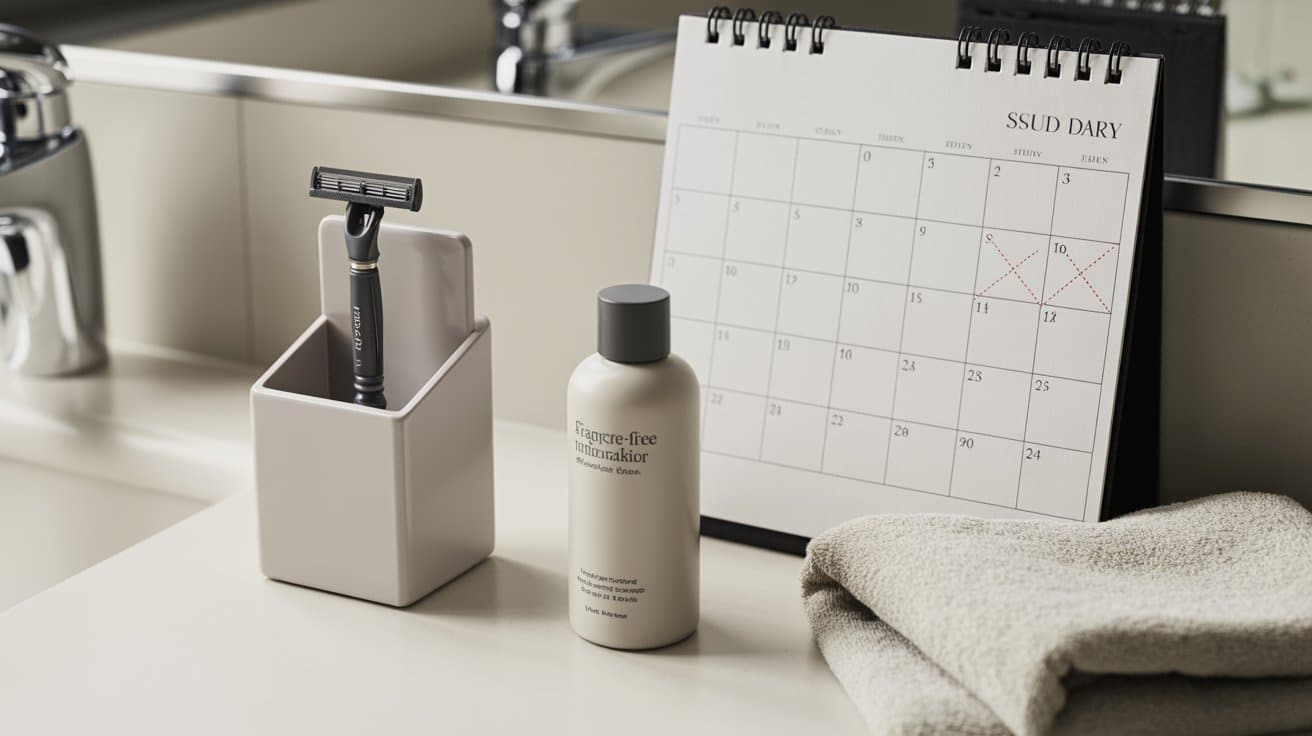
This one sounds obvious, but it's the step most people skip. Shaving over already-irritated skin makes everything worse and extends your healing time significantly.
Give your skin at least two to three days before shaving again after a mild razor burn. For moderate to severe cases, wait until the redness and bumps are fully gone.
Using this recovery window wisely matters too. Moisturize, be gentle with the area, and let your skin do its job. Coming back to shaving too soon is one of the main reasons razor burn keeps coming back.
Razor Burn vs Razor Bumps
These two are often confused, but they're not the same thing. Here's a quick breakdown to help you tell the difference.
| Feature | Razor Burn | Razor Bumps |
| What it is | Skin irritation from shaving friction | Ingrown hairs trapped under the skin |
| Appearance | Redness, raw skin, inflammation | Small raised bumps, sometimes with pus |
| Cause | Friction, dull blades, dry shaving | Hair curling back into the skin |
| Timing | Appears right after shaving | Develops one to two days after shaving |
| Healing time | A few days with proper care | Can take one to two weeks |
| Treatment | Cold compress, aloe, moisturizer | Exfoliation, ingrown hair treatments |
| Who it affects | Anyone who shaves | More common in people with curly hair |
Knowing which one you're dealing with helps you treat it the right way. Using the wrong approach can make either condition worse.
When Should You See a Doctor?
Most razor burn clears up on its own with basic home care. But sometimes the irritation is a sign of something that needs more attention.
If your skin is getting worse instead of better after five to seven days, it's time to check in with a doctor. Prolonged irritation can sometimes signal an infection or an allergic reaction to a product you used.
Watch out for signs like pus-filled bumps, warm skin that feels swollen, or a spreading rash. These are not typical razor burn symptoms and need professional attention sooner rather than later.
If you're dealing with recurring severe razor burn no matter what you try, a dermatologist can help. They can check your skin type, recommend prescription treatments, and give you a shaving routine that works for your specific skin.
Conclusion
Skin heals. That's the good news. And now that you know how long does razor burn last and what actually helps, you're already ahead of most people who just suffer through it.
The difference between a two-day recovery and a week-long one often comes down to the choices you make right after shaving. So make them count. Try one of the remedies from this list after your next shave and see the difference for yourself.
Got a remedy that works for you? Share it in the comments. And if this helped, pass it along to someone who needs it.
Frequently Asked Questions
Can Razor Burn Disappear Overnight?
Mild irritation may look better by morning, but most cases still need two to three days to fully settle down. Getting good sleep and applying aloe vera before bed can help speed things along.
What Heals Razor Burn the Fastest?
Aloe vera gel, a cold compress, and a fragrance-free moisturizer are the fastest-acting options for most people. Using all three together gives your skin the best shot at quick recovery.
Why Is My Razor Burn Lasting So Long?
Continuing to shave over irritated skin, using scented products, or having naturally sensitive skin can all delay healing. Giving your skin a proper break and switching to gentle aftercare usually helps turn things around.
Is Razor Burn More Common in the Bikini Area?
Yes, the bikini area has thinner, more sensitive skin than most other areas, which makes it much more prone to irritation. Coarser hair in that area also increases friction, which adds to the problem.
Should I Moisturize Razor Burn?
Yes, moisturizing is one of the most helpful things you can do for irritated skin after shaving. Choose a fragrance-free formula and apply it gently to the affected area at least twice a day.